
Importance of High-Quality Images for Real Estate Agents
In the competitive world of real estate, visual presentation can significantly influence prospective clients' perceptions. High-quality images serve as a vital tool for establishing credibility and fostering trust with potential buyers and sellers. For real estate agents, professionally captured photographs not only showcase their professionalism but also enhance their personal brand, making them more memorable in a crowded market.
Investing in expert imagery increases the likelihood of attracting more inquiries, which can lead to higher engagement rates and ultimately, faster property sales. When an agent’s photos reflect a polished and confident image, it reassures clients of their competence and dedication. Furthermore, compelling visuals help properties stand out amidst multiple listings, drawing more attention online and convincing buyers that the agent is serious about providing top-tier service.
Beyond the immediate marketing benefits, well-crafted agent pictures contribute to a consistent brand identity across all digital platforms. This confidence in visual quality reassures prospective clients that the agent pays attention to detail — a trait highly valued in the real estate industry. As a result, professional images are not merely aesthetic assets but strategic investments that bolster an agent’s reputation and effectiveness in closing deals.
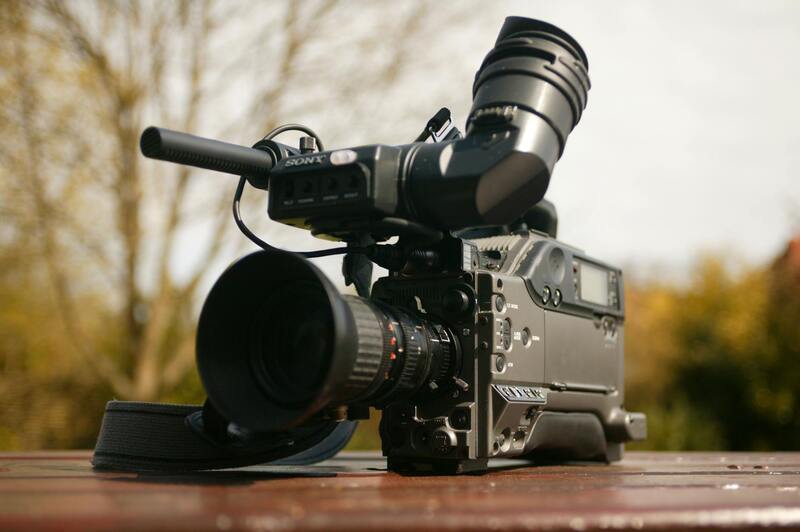
Key Elements of Professional Real Estate Agent Photos
Capturing a compelling real estate agent photo involves attention to several core elements that communicate professionalism and approachability. These include proper lighting, attire, background, and overall presentation. Each aspect plays a role in creating a visual narrative that aligns with the agent’s brand and the expectations of their target market.
- Clear and Attractive Framing: Ensuring the face and upper body are prominently displayed with minimal distractions.
- Authentic Expression: Conveying confidence, friendliness, and competence through natural poses and genuine smiles.
- Consistent Style: Maintaining a cohesive look that aligns with brand colors, themes, and messaging.
- High-Resolution Quality: Using crisp, detailed images free of blurs or pixelation to strengthen professionalism.
Choosing the Right Location and Background
Selecting an appropriate setting for agent photos enhances the overall image quality and message. Backgrounds should reflect professionalism, such as a tidy office, an elegant interior, or a neutral outdoor environment. Avoid cluttered or distracting backgrounds that can detract from the agent’s presence. Instead, opt for clean, well-organized spaces that subtly reinforce trustworthiness and expertise.
Optimal Lighting Techniques for Agent Photography
Lighting plays a crucial role in ensuring that real estate agent photos appear professional, inviting, and visually appealing. The goal is to achieve even illumination that highlights the agent’s features without creating harsh shadows or overexposed areas. Soft, natural light is ideal and can be supplemented with professional lighting equipment when shooting indoors. Using diffusers and reflectors helps to spread light evenly across the face, avoiding unflattering shadows and enhancing skin tones.
When shooting outdoors, choose times of the day when natural light is softer, such as early morning or late afternoon. Overcast days also provide diffuse sunlight that minimizes harsh contrasts. If shooting during midday, professional diffusors or shade can help reduce blown highlights and stark shadows.
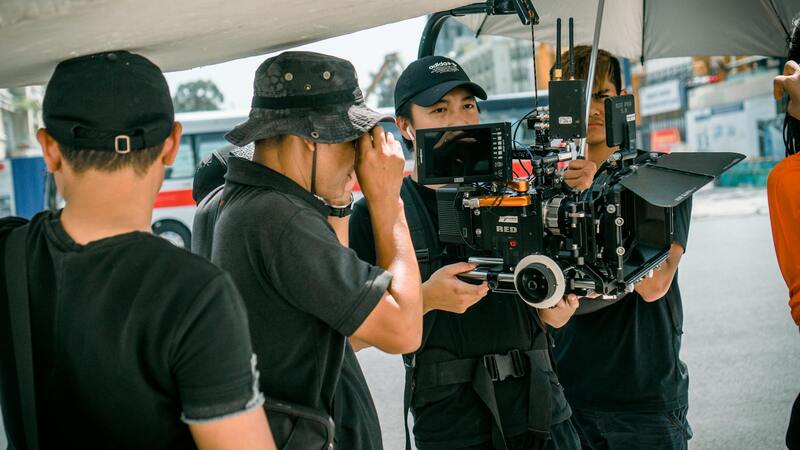
Attire and Presentation for Agent Photos
The attire of a real estate agent in photos should exude professionalism and approachability. Classic, well-fitted clothing in neutral or subtle colors often works best, avoiding overly bold patterns or bright hues that can distract viewers. Men generally opt for a tailored suit or dress shirt with a blazer, while women might choose a blouse paired with a blazer or a professional dress.
Grooming and overall presentation are equally important. Hair should be tidy, and makeup (if applicable) should be natural, enhancing features without overpowering them. Accessories should be minimal and tasteful. The goal is to convey confidence, reliability, and friendliness through an authentic appearance.
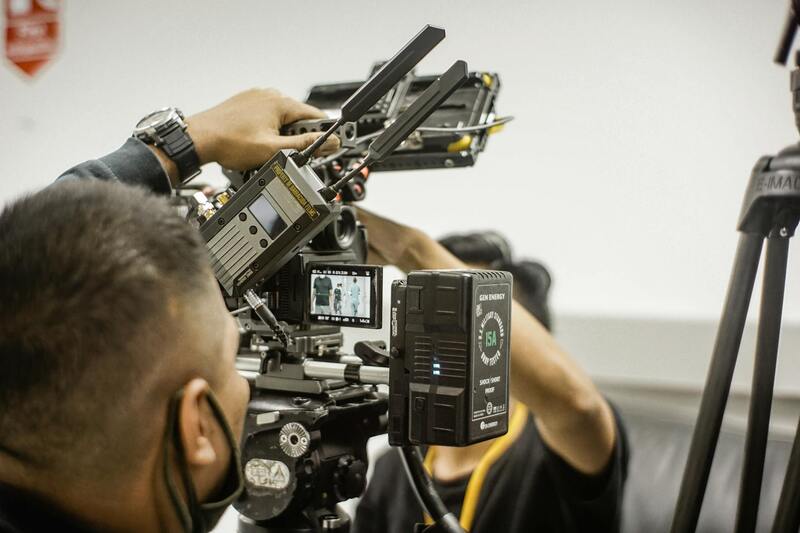
Photography Tips and Equipment Recommendations
To capture high-quality real estate agent images, using the right camera and accessories is essential. A DSLR or mirrorless camera with a high-resolution sensor ensures crisp, detailed images. Tripods stabilize the camera, preventing motion blur and allowing for precise framing.
Lens choice also impacts the image. A prime lens in the 50mm to 85mm range typically offers flattering compression for portraits, with minimal distortion. Additionally, a ring light or external flash can help fill in shadows, particularly in indoor settings.
Post-processing software such as Adobe Photoshop or Lightroom can be instrumental in fine-tuning images. Adjusting brightness, contrast, and color balance enhances the final look, while retouching minor imperfections ensures a polished appearance.
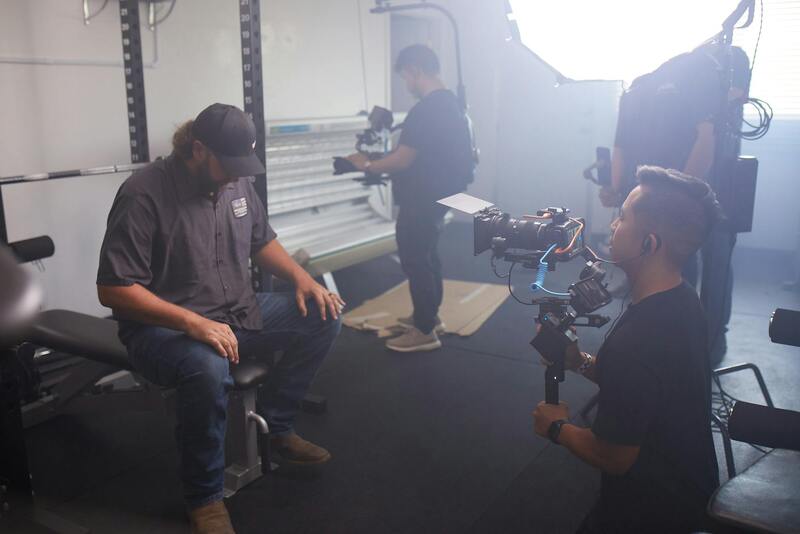
Using and Optimizing Agent Photos for Marketing
Once high-quality images are captured, strategic use across various marketing channels amplifies an agent’s visibility. Profile photos on websites, social media platforms, and email signatures should be uniform and reflect a consistent professional identity. Optimizing images with appropriate file sizes ensures quick load times without sacrificing quality.
In addition to digital use, professional photos can be incorporated into printed materials such as business cards, brochures, and signage. Ensuring that images are high-resolution prevents pixelation in print editions.
Regular updates of agent photos help maintain a fresh and relevant image. As personal styles or branding evolve, replacing older images with contemporary ones ensures consistency and authenticity across all marketing touchpoints.
Choosing the Right Location and Background
Selecting an appropriate setting for real estate agent photographs is crucial to conveying trustworthiness and professionalism. The environment should complement the agent’s personal brand while also resonating with the target demographic. A clean, uncluttered background that emphasizes the agent without overwhelming the viewer often works best. Neutral tones, soft textures, and simple patterns can add a sense of calm and confidence.
Outdoor locations such as modern office entrances, cityscapes, or landscaped business parks can create dynamic yet professional backdrops that showcase the agent in a lively setting. For indoor shots, well-lit conference rooms, stylish offices, or high-end waiting areas serve as ideal environments that subtly highlight their expertise and approachability. It’s important that backgrounds are free from distracting elements, such as cluttered desks or overly busy decor, which can detract from the agent’s presence.
The background should also align with the overall branding strategy. Consistency across various images and campaigns reinforces recognition and trust. Avoid overly casual or overly ornate settings; instead, focus on environments that reinforce professionalism. Natural light sources combined with controlled artificial lighting can help create a balanced scene that emphasizes the agent’s features while maintaining a welcoming atmosphere.
When selecting locations, consider accessibility and convenience. The environment should be easy to access to facilitate timely photo sessions and minimize scheduling conflicts. Additionally, obtaining any necessary permissions or ensuring compliance with property guidelines maintains a respectful and smooth workflow.
Finally, consistency in setting across photo sessions helps build a cohesive visual identity. This consistency ensures that all images, whether used on websites, social media, or printed materials, project a unified, professional image that resonates with prospective clients and strengthens the agent’s market presence.
Choosing the Right Location and Background
Securing the appropriate setting for professional real estate agent images is fundamental to establishing credibility and approachability. Selecting a background that complements the agent’s persona requires careful consideration of several factors. Neutral, uncluttered environments are preferred, as they ensure the focus remains on the individual while conveying a sense of professionalism.
Indoor settings such as modern offices, well-maintained conference rooms, or stylish residential spaces can serve as effective backgrounds. These locations should reflect the agent’s expertise and the type of properties they handle, subtly reinforcing their market specialization. The background’s cleanliness and orderliness are essential to avoid visual noise that can detract from the subject.
Outdoor environments are also valuable for creating engaging and dynamic images. Settings like landscaped gardens, downtown streets, or scenic neighborhoods offer natural backdrops that add depth and authenticity. When selecting outdoor locations, optimal lighting conditions and minimal background distractions contribute to creating polished images.
Natural light plays a pivotal role, especially when combined with controlled artificial lighting. The goal is to produce balanced, flattering illumination that highlights the agent’s features without harsh shadows. Consistency in the environment enhances brand recognition; using similar backgrounds across different photo sessions helps build a cohesive visual identity.
Furthermore, accessibility and permissions are practical considerations. Easy-to-access sites facilitate efficient scheduling, while respectful adherence to property guidelines ensures a professional workflow. Whether indoors or outdoors, environments that align with the overall branding strategy reinforce professionalism and trustworthiness.
Strategic Outdoor and Indoor Environments
Utilizing carefully selected indoor and outdoor settings can significantly boost the impact of real estate agent imagery. Well-chosen locations reflect an understanding of the agent’s niche and client expectations, fostering confidence and rapport. The environment should be consistent with the image and voice the agent wishes to portray, whether it’s a sleek urban look or a warm, welcoming residential scene.
Consistency across visuals creates a recognizable brand presence. Whether used for social media profiles, property listings, or marketing campaigns, uniform backgrounds and settings help establish a professional, cohesive appearance. Adjustments in lighting and framing should be tailored to highlight the agent’s personality and expertise while maintaining visual harmony across all promotional materials.
Optimal Lighting Techniques for Agent Photography
Effective lighting is a crucial element in capturing professional real estate agent pictures that communicate trust, competence, and approachability. The goal is to create images that are bright, clear, and free from distracting shadows or uneven light distribution, ensuring the agent’s features are accurately represented and visually appealing.
Natural light is often preferred for its soft, flattering quality. Schedule photoshoots during the daytime when sunlight is abundant, ideally during the golden hour—shortly after sunrise or before sunset—when the light is warmer and diffused. This enhances skin tones and adds a welcoming glow to portraits. Position the agent facing a window or outdoor light source to achieve even illumination that highlights facial features and professional attire without harsh shadows.
In scenarios where natural light is insufficient or inconsistent, using professional lighting equipment becomes essential. Softbox lights or umbrella reflectors diffuse light evenly across the subject, reducing unflattering shadows. Key lighting angles should be adjusted to illuminate the face uniformly, typically placing the main light slightly above and in front of the agent, creating a natural and engaging look. Fill lights can be used to soften shadows further, ensuring dialog with the viewer appears approachable and credible.
Color temperature is another critical consideration. Maintaining a neutral to warm color setting (around 5,500K to 6,500K) helps produce skin tones that look natural. Overly cool or overly warm light can distort the agent's appearance and diminish the image’s effectiveness in marketing materials.
Additionally, controlling ambient light conditions avoids unwanted reflections or glare, especially when shooting indoors with windows or glass doors nearby. Employing reflectors or diffusers can help redirect or soften existing light sources, contributing to a more polished and professional final image.
Post-shoot, basic editing can refine lighting adjustments further. Slight brightness and contrast enhancements, along with color corrections, ensure consistency across a portfolio of images. These meticulous steps in lighting maximize the visual impact of professional real estate agent pictures, reinforcing the agent’s persona as competent and approachable within their market.
Using and Optimizing Agent Photos for Marketing
High-quality real estate agent images are essential assets in crafting compelling marketing strategies. These images serve as a visual cornerstone across various platforms, including websites, social media, and print materials. When optimized correctly, agent photographs can boost brand recognition, foster trust with prospective clients, and enhance overall market presence.
Leveraging Photos Across Different Platforms
Integrating professional agent pictures seamlessly into multiple marketing channels maximizes their impact. On websites, prominently displaying high-resolution headshots on profile pages helps establish credibility and familiarity. These images should complement a well-designed layout that highlights the agent’s expertise and personality.
On social media, consistent use of professional photographs enhances brand consistency and fosters a cohesive online identity. Optimizing images for each platform’s specifications ensures they look sharp and inviting, regardless of the device used by viewers.
Optimizing Photos for Search Engines
Proper alt text, file naming conventions, and image metadata are critical for making agent images more discoverable through search engines. Descriptive ALT tags that include relevant keywords — such as the agent’s name and location — improve search engine indexing and visibility.
Incorporating Photos into Email Campaigns and Print Materials
Personalized email marketing that features professional agent images fosters a stronger connection with recipients. Including a clear, approachable photo alongside contact details creates an inviting and trustworthy impression.
For print materials such as brochures and posters, high-resolution images provide a polished look that reflects the agent’s professionalism. Ensuring images are correctly sized and color-balanced prevents distortion and maintains visual appeal across all media.
Best Practices for Ongoing Use and Reputation Building
Consistently updating agent photographs to reflect the latest appearance, apparel, and branding is vital for maintaining authenticity. Regular refreshes ensure that marketing materials remain current, relevant, and aligned with the agent’s evolving professional image.
Moreover, employing a consistent photographic style and tone throughout all visual content reinforces the agent’s identity and boosts overall brand recognition within targeted markets.
Choosing the Right Location and Background
Selecting an appropriate location and background plays a crucial role in creating professional real estate agent pictures that resonate with viewers. The setting should reflect the agent's professionalism and approachability, while also complementing the desired brand image. For on-location shots, choose environments that are well-maintained, clutter-free, and visually appealing. Urban settings with modern architecture or clean, elegant office spaces can underscore an agent's expertise and credibility. Alternatively, natural outdoor backgrounds like lush greenery or scenic views can add a friendly and approachable vibe.
It is essential to avoid busy or distracting backgrounds that divert attention from the subject. Instead, opt for neutral or softly blurred backgrounds that highlight the agent. Simple patterns, solid colors, or subtle textures work best to keep the focus on the individual. When shooting indoors, consider backgrounds like professional conference rooms, stylish offices, or minimalist backdrops that exude professionalism.
Optimal Lighting Techniques for Agent Photography
Proper lighting is fundamental in producing high-quality, professional real estate agent images. Natural light is often preferred for its soft, flattering effect and can be used effectively by shooting during the golden hour—shortly after sunrise or before sunset—to achieve warm, even illumination. When shooting indoors, utilize diffused lighting sources like softboxes or umbrella lights to reduce harsh shadows and create an even, professional look.
Avoid direct, overhead lighting that can cause unflattering shadows on the face. Instead, position light sources at eye level or slightly above to illuminate facial features evenly. Reflectors can be used to bounce light and fill in shadows, particularly around the eyes and cheeks for a polished appearance. Consistent and well-balanced lighting ensures that the agent's facial expressions appear natural and approachable.
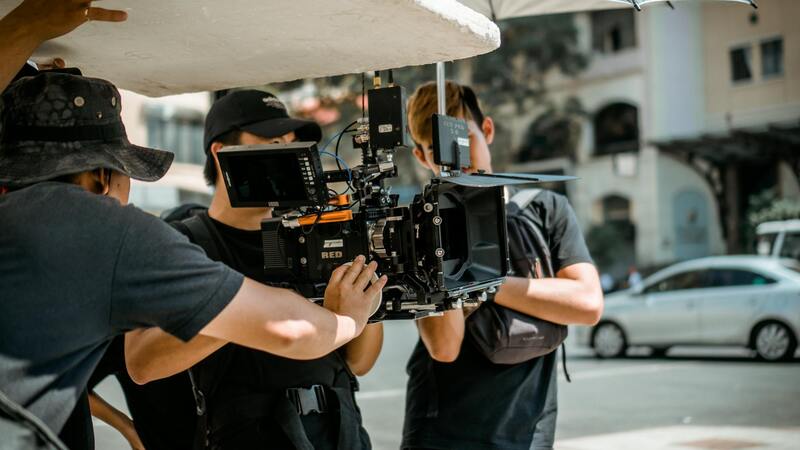
Attire and Presentation for Agent Photos
The clothing worn in professional real estate agent pictures significantly influences perception. Opt for attire that aligns with the agent’s brand and target audience. Typically, business formal or business casual outfits work best, such as tailored suits, blouses, or dress shirts complemented by subtle accessories. Stick to neutral or solid colors like navy, gray, or white, which convey trustworthiness and sophistication.
Ensure clothes are well-fitted, clean, and pressed to avoid distractions. Grooming should be meticulous—hair styled neatly, facial hair groomed if applicable, and minimal, natural-looking makeup. Maintaining a polished appearance fosters trust and demonstrates professionalism.
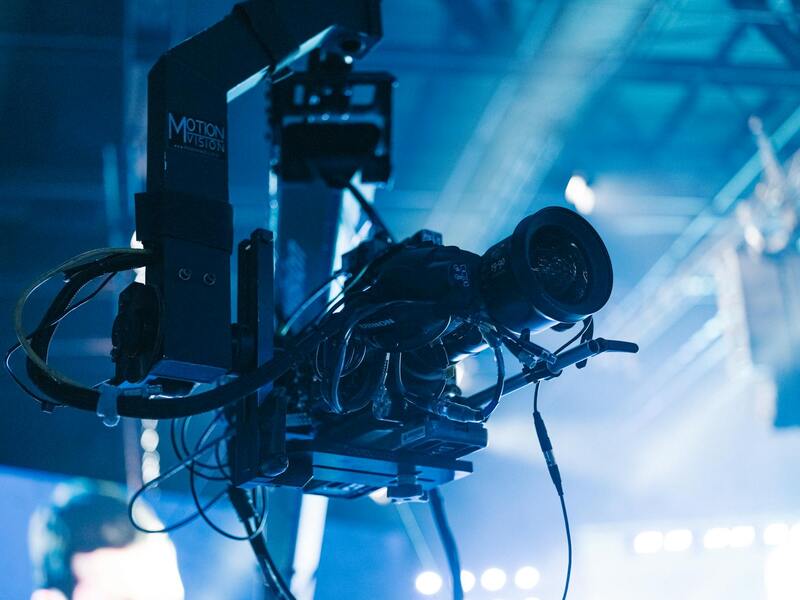
Photography Tips and Equipment Recommendations
To capture high-quality images, using suitable equipment is essential. A professional-grade DSLR or mirrorless camera with a high-resolution sensor ensures clarity and detail. Pair this with a versatile lens, such as a 24-70mm zoom or a prime lens around 50mm, to achieve sharp focus and flattering perspectives.
A tripod stabilizes the camera during shooting, preventing blur and allowing for precise composition. Consider employing a reflector or external flash to control lighting conditions further, especially in indoor settings.
Post-processing also plays a vital role in refining agent photos. Basic adjustments to brightness, contrast, and color balance enhance visual appeal without altering the genuine appearance. Cropping should be done to center the agent and crop out unnecessary background elements, ensuring the focus remains on their face and expression.
Investing in professional photography when possible ensures consistent quality across marketing materials and online profiles. These images serve as a crucial touchpoint for establishing a trustworthy and approachable professional presence in the competitive real estate market.
Enhancing Real Estate Marketing Through Professional Agent Photos
Utilizing Official and Ethical Methods for Agent Photography
In the realm of real estate, establishing a trustworthy image is paramount. Therefore, real estate professionals should rely on official and established procedures to obtain and utilize high-quality images that best represent their personal brand and professional credentials. These methods not only ensure consistency and professionalism but also align with industry standards for authenticity and quality.
Engaging Certified Photographers
The primary approach to securing compelling real estate agent photographs involves partnering with certified or accredited professional photographers. These specialists possess the expertise to handle various shooting environments, optimize lighting, and compose images that reflect the agent’s professionalism. Engaging with reputable photographers often involves contractual agreements that specify the scope, rights, and usage of the images, ensuring transparency and adherence to established standards.
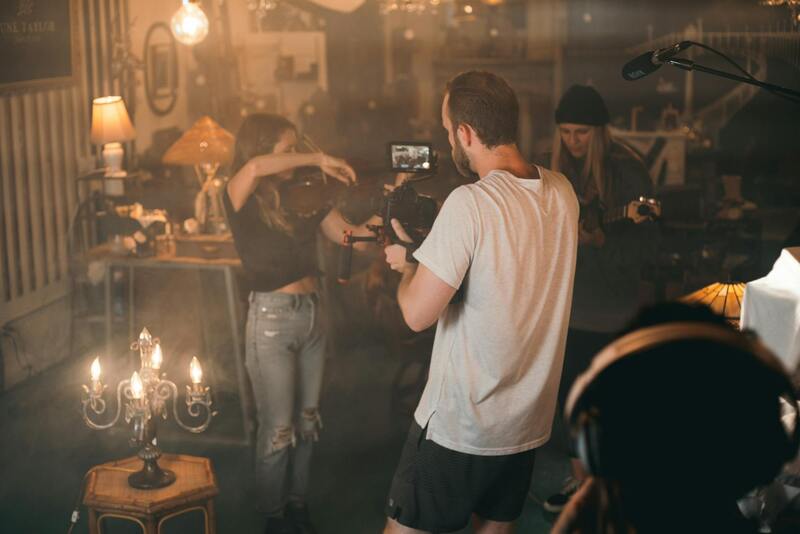
Using Proper Equipment and Techniques
Legitimate methodical approach to photography begins with utilizing professional-grade equipment, such as DSLR or mirrorless cameras equipped with prime or zoom lenses around 50-70mm focal length for portrait clarity. These tools allow for high-resolution images that can be effectively used across digital and print media. Employing tripod stabilization eliminates camera shake, and external lighting or reflectors help control shadows and highlights, ensuring crisp and balanced visuals.
Adhering to Ethical and Privacy Protocols
When capturing images, it is essential to adhere to strict privacy and consent protocols. Agents must provide explicit permission prior to photo sessions, especially in indoor or personal settings. Official procedures often include signing model releases or authorization forms that specify usage rights, contributing to a transparent and professional process. These formalities protect all parties involved and prevent potential disputes over image rights.
Implementing Effective Post-Processing
After capturing images through legitimate channels, professional editing ensures visual consistency and enhancement. Adjustments are made to brightness, contrast, and color balance, maintaining the authentic appearance of the agent. Cropping is executed to focus attention on the agent’s face and upper body, removing any distracting background elements, while avoiding excessive retouching that could compromise the genuine appearance. This careful post-processing underpins the honesty and integrity of the images used in marketing efforts.
Staying Compliant with Industry Standards
Real estate agents should regularly consult with industry bodies or professional associations to ensure their images meet current standards for visual presentation. This includes maintaining recent photos that accurately reflect their current appearance, appearance, and branding guidelines. Regular updates and refreshes of agent images support a dynamic online presence, showing clients that the professional is active and engaged in the market.
Documented and Verified Source Material
All professional photographs should originate from documented sources—hence, official photographers with proper credentials and contractual agreements. Such images are stored with metadata indicating date, location, and photographer details, providing an audit trail that verifies the authenticity and official nature of the material, thereby reinforcing a trustworthy image across all promotional platforms.
Regular Review and Updating of Agent Photographs
To maintain relevance and professionalism, real estate agents should implement a schedule for periodically updating their photographs. Visual consistency across websites, social media, and printed marketing materials fosters a cohesive brand image. Regular reviews—typically annually or biannually—can reflect changes in appearance, attire, or branding preferences, ensuring clients always see an accurate representation of the agent. This practice underscores a commitment to transparency and ongoing professionalism in client interactions.