
Role and Importance of a Professional Real Estate Photographer
In the competitive Miami real estate market, high-quality visual representation is a crucial element that can significantly influence a property’s saleability. A professional real estate photographer specializes in creating compelling images that highlight the unique features and spatial qualities of residential and commercial properties. Unlike amateur photography, which may lack the necessary technical finesse and attention to detail, a professional takes into account lighting, angles, and staging to produce images that captivate potential buyers from the first glance.
The impact of professional real estate photography extends beyond mere aesthetics; it is a strategic tool that enhances online listings, attracts more leads, and accelerates the selling process. In Miami, where properties often face stiff competition and appeal to an international clientele, having visually superior images can distinguish a listing in a crowded marketplace. Well-executed photographs can evoke an emotional response, encouraging viewers to envision themselves in the space and prompting faster decisions.
Moreover, professional photographers in the Miami area understand the nuances of equipment and post-processing techniques, ensuring every image meets high standards of clarity, color accuracy, and composition. They often collaborate closely with real estate agents and property owners to showcase the property’s best features—be it luxury finishes, open floor plans, or scenic views—thus maximizing marketing effectiveness.
This strategic investment in professional imagery ultimately results in greater visibility online, increased engagement, and a higher likelihood of closing sales at favorable prices. For property owners looking to make an impactful entry into Miami’s real estate scene, partnering with seasoned professionals in real estate photography is a vital step toward achieving marketing excellence and operational success.
Key Skills and Qualifications for Real Estate Photographers
Successfully capturing the essence of a property requires a blend of technical expertise, artistic sensibility, and in-depth knowledge of the real estate market. A professional real estate photographer must possess a strong foundation in photography fundamentals, including an understanding of composition, lighting, and color accuracy. Mastery of these elements ensures that each image showcases the property in the most appealing manner, emphasizing its unique features and space utilization.
Proficiency in the operation of advanced camera equipment, such as DSLR or mirrorless systems, is essential. These devices, coupled with the use of wide-angle lenses, enable photographers to capture expansive interiors and highlight architectural details effectively. Additionally, knowledge of tripod stabilization, remote shutter release, and HDR (High Dynamic Range) techniques ensures images are sharp and well-exposed, even in challenging lighting conditions.
Post-processing skills are equally vital. Real estate photographers should be adept at using editing software to enhance images through color correction, exposure adjustments, and perspective corrections while maintaining realism. Over-processing can distort the true appearance of a property, so a professional's keen eye for balance is crucial.
Another significant qualification is familiarity with the real estate industry’s marketing standards. Understanding what features and angles attract potential buyers, especially in a competitive market like Miami, allows photographers to tailor their approach. Furthermore, excellent communication skills facilitate effective collaboration with agents and property owners, ensuring all parties’ expectations are met.
Additionally, certifications in real estate photography from reputable institutions or professional associations can serve as indicators of a photographer’s commitment to quality and ongoing education. Continuous learning in areas such as drone videography, virtual tours, and 3D imaging expands a photographer’s toolset and offers clients more comprehensive marketing solutions.
The integration of these skills and qualifications not only elevates the quality of imagery but also establishes a professional reputation that instills confidence in clients. A knowledgeable photographer understands the intricacies of visual storytelling specific to Miami’s diverse property landscape, from luxury waterfront condos to sprawling suburban homes, thereby providing a competitive edge.
Role and Importance of a Professional Real Estate Photographer
A professional real estate photographer serves as a vital bridge between property listings and potential buyers. In Miami’s vibrant real estate market, where properties often compete fiercely for attention, high-quality imagery can significantly influence a property’s visibility and appeal. These specialists leverage a combination of technical expertise and artistic insight to craft compelling visual narratives that highlight a property’s best features, both interior and exterior. Their work helps showcase the property’s spatial layout, architectural details, and unique selling points, making it easier for prospective buyers to envision themselves in the space. Effective real estate photography goes beyond just capturing images; it involves strategic planning and an understanding of lighting, composition, and timing to present properties in the most attractive way possible. For luxury waterfront condos or sprawling suburban estates, the goal remains the same: create images that evoke emotion and resonate with target audiences, ultimately driving greater interest and faster sales. Furthermore, real estate photographers often collaborate closely with agents, property owners, and marketing teams to align visuals with branding strategies. This collaboration ensures consistency across marketing channels and enhances overall credibility. In Miami, where properties often command high prices, the impact of professional imagery can translate directly into a higher perceived value, making investing in expert photography a crucial component of successful real estate marketing. Authentic, crisp, and aesthetically appealing images also play a role in digital platforms, including MLS listings, social media, and virtual tour presentations. Photo quality directly influences viewer engagement and inquiry rates, emphasizing why experts in this field are indispensable for real estate success in Miami’s competitive landscape.
Key Skills and Qualifications for Real Estate Photographers
Professional real estate photographers develop a diverse skill set to meet the evolving demands of the market. Technical proficiency with professional-grade cameras, lighting equipment, and editing software is fundamental. They must understand how to manipulate natural and artificial light to eliminate shadows, enhance architectural features, and produce well-balanced images that accurately represent the property. Moreover, specialization in drone videography and 3D virtual tours has become increasingly important. These tools allow photographers to offer comprehensive multimedia presentations, providing potential buyers with immersive property views that can be accessed remotely. For Miami’s high-end market, where luxury listings benefit from expansive outdoor spaces and stunning waterfront views, aerial imagery can be particularly effective. Certifications from recognized industry bodies often serve as indicators of a photographer’s commitment to maintaining high standards. These credentials validate their expertise and ongoing dedication to mastering new techniques and technologies, ensuring clients receive cutting-edge visual content. Aside from technical abilities, excellent communication and project management skills are crucial. A skilled photographer works efficiently on site, coordinating with agents and owners, and adheres to deadlines to guarantee timely delivery of images. The ability to adapt to different property types, lighting conditions, and client expectations underscores a professional’s versatility and reliability. Ultimately, successfully capturing Miami’s diverse real estate landscape requires a blend of artistic talent, technical knowledge, and a client-focused approach. An experienced photographer consistently produces images that not only comply with marketing standards but also evoke an emotional response from viewers, driving engagement and fostering sales.
Legal Considerations and Ethical Practices
Maintaining high standards of legal and ethical conduct is essential for professional real estate photographers to foster trust and uphold industry integrity. Adhering to copyright laws ensures that the images created are protected from unauthorized use, safeguarding both the photographer's work and the client's investment. Clear agreements regarding image rights, usage rights, and licensing terms must be established before any shoot, avoiding potential disputes and misunderstandings.
Another critical aspect pertains to truthful representation in listings. Photographers should avoid altering images in ways that could mislead potential buyers about a property's appearance or features. This includes refraining from excessive post-processing that distorts reality, especially with regard to room sizes, views, or amenities. Authentic imagery helps maintain transparency and enhances buyer confidence.
Respecting property laws and privacy rights is also paramount. Photographers must obtain necessary permissions when capturing images on private property or in restricted areas. This includes ensuring that no personal belongings or confidential information are unintentionally visible in photographs. Additionally, respecting the privacy of neighbors and other individuals in or around the property helps foster professional relationships and community trust.
Implementing a professional code of conduct demonstrates a commitment to quality and integrity. An ethical approach not only differentiates a photographer in a competitive market but also builds long-term relationships with real estate agents and property owners. This involves transparent communication, timely delivery, and upholding contractual obligations to meet client expectations.
Finally, staying updated with evolving industry regulations and technological best practices ensures that photography services remain compliant and reputable. Continual professional development, such as participating in workshops or industry seminars, reinforces a photographer's dedication to ethical standards and excellence in service delivery.
Legal Considerations and Ethical Practices
In the realm of real estate photography, adhering to legal standards and ethical practices is integral to maintaining professionalism and trustworthiness. Photographers must understand the nuances of property consent, especially when capturing images of private residences or commercial sites. Securing explicit permission from property owners or authorized representatives before taking photographs is essential to avoid misunderstandings or disputes. This process involves clear communication about the scope of the shoot, usage rights, and potential sharing of images across various marketing platforms.
Maintaining transparency regarding the origin and use of the images promotes integrity. Photographers should provide clients with detailed contracts outlining rights, responsibilities, and expected deliverables. Such agreements ensure all parties have a mutual understanding, reducing the likelihood of conflicts related to ownership or image rights.
Respect for privacy extends beyond obtaining consent. When photographing properties, it's crucial to avoid capturing personal or sensitive information unintentionally displayed in the images, such as personal documents, security systems, or confidential areas. Photographers should verify the frame and angles to ensure these are not visible, preserving the privacy and security of all individuals involved.
Ethical practices also encompass a commitment to honest portrayal. Avoiding manipulative editing or staging that misrepresents the property's condition is vital. Authentic, high-quality images that accurately reflect the property's attributes foster trust among buyers and sellers alike.
In addition, respecting community standards and local regulations related to drone usage, photographing during certain hours, or in restricted zones helps uphold professional integrity. Staying informed about these regulations, which may frequently change, is part of the ongoing professional development that enhances a photographer's reputation.
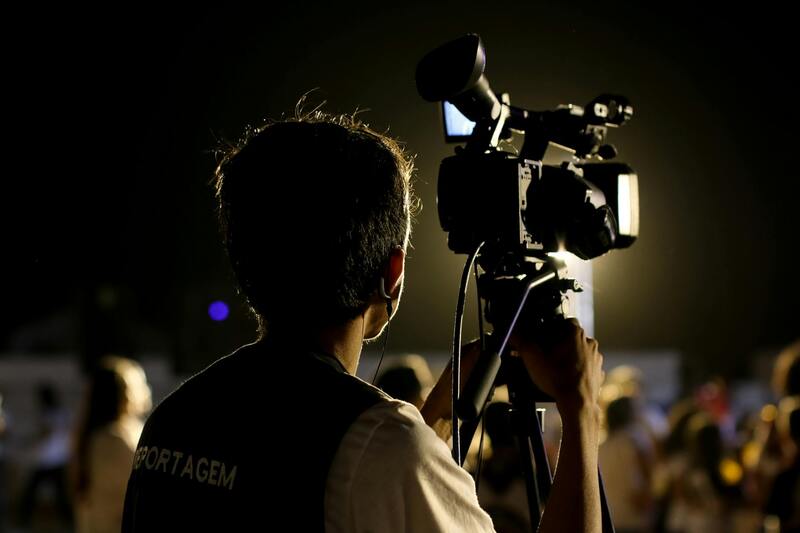
Ultimately, a commitment to lawful and ethical practices sustains long-term relationships with clients and supports industry credibility. Demonstrating respect for property rights, privacy, and truthful representation underscores a photographer's role as a reliable and reputable professional within the real estate market.
Legal Considerations and Ethical Practices in Miami Real Estate Photography
Engaging in real estate photography within Miami requires adherence to a structured framework that prioritizes legal considerations and ethical standards. As a professional real estate photographer, understanding and implementing these practices underpin the integrity of the service provided, fostering trust with clients and safeguarding reputation.
Understanding Property Rights and Permissions
Before capturing images, it is essential to secure explicit permission from property owners or authorized representatives. This involves confirming that the property owner grants consent for professional photographs to be taken and used for marketing purposes. Misrepresenting the ownership or using images without consent can lead to misunderstandings or disputes, which can be mitigated through clear documentation and communication.
Respecting Privacy and Confidentiality
Photographers must exercise diligence to avoid infringing on personal privacy. This entails reviewing images carefully to ensure no personal information, security devices, or confidential spaces are visible in the shots. Special attention should be paid to areas like home offices, security systems, or any documentation that could compromise privacy if inadvertently captured. Employing thorough framing techniques, as well as post-processing editing, can help maintain privacy standards without compromising image quality.

Adherence to Local Regulations and Guidelines
Miami, like many vibrant urban environments, has specific guidelines concerning drone usage, photography in restricted zones, and timing considerations. A seasoned real estate photographer stays up-to-date with these rules and incorporates compliant practices into service delivery. For instance, drone photography must follow altitude restrictions or avoid capturing sensitive areas, ensuring the process respects community standards and safety protocols.
Authentic Representation and Honest Marketing
Maintaining authenticity in property images is paramount. Photographers should avoid manipulative edits or staged arrangements that could mislead prospective buyers. High-quality images should accurately depict the property's condition, layout, and features, thereby establishing transparency and building trust. The emphasis remains on presenting a truthful portrayal that aligns with the property's real state.
Professional Conduct and Ethical Responsibility
Professionalism extends beyond technical skills to encompass ethical responsibilities. This includes punctuality, clear communication regarding deliverables, and respecting clients' expectations. Transparent pricing, detailed service descriptions, and timely delivery reinforce a reputation for reliability and integrity, which are vital within Miami's competitive real estate market.
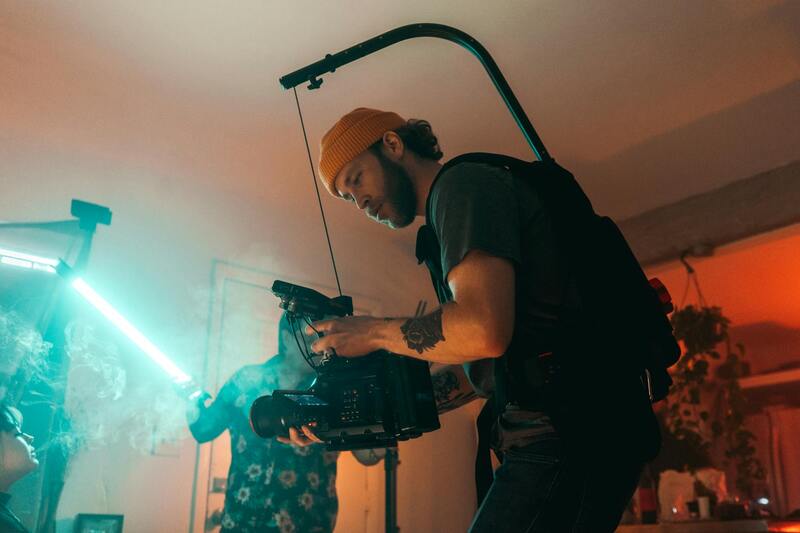
Ongoing Education and Industry Awareness
Given the evolving landscape of real estate marketing and technology, continuous education is crucial. Staying informed about new regulations, emerging photography techniques, and ethical standards ensures that a professional photographer maintains compliance and industry relevance. This proactive approach enhances the quality of service and the reputation of the photographer within Miami’s dynamic real estate environment.
Legal Considerations and Ethical Practices in Real Estate Photography
Operating as a professional real estate photographer in Miami involves adhering to a set of legal and ethical standards that safeguard both the photographer and the client. While navigating the legal landscape, photographers must familiarize themselves with local, state, and federal regulations pertaining to property photography, privacy rights, and intellectual property. This ensures that all images captured and used for marketing are compliant and respectful of property owners and residents.
One critical aspect involves securing proper permissions before photographing private properties. Obtaining written consent from property owners or authorized representatives helps prevent potential disputes and ensures that the use of images aligns with contractual terms. It is also important to clarify the scope of usage rights, especially when images are to be shared across multiple marketing platforms or used in promotional materials.
Respecting privacy is paramount. Photographers should avoid capturing or disseminating images that reveal sensitive information or personal details without explicit consent. This is particularly relevant in multi-unit residential buildings or properties occupied by tenants. Additionally, respecting the confidentiality of clients’ information and project details fosters a trust-based relationship and bolsters professional reputation.
Proper use and attribution of intellectual property rights are equally essential. Photographers retain copyright over their images, but licensing agreements should clearly specify how those images can be used by clients. This prevents unauthorized reproduction or modification, which could potentially compromise the photographer's rights or the quality of the visual representation of the property.
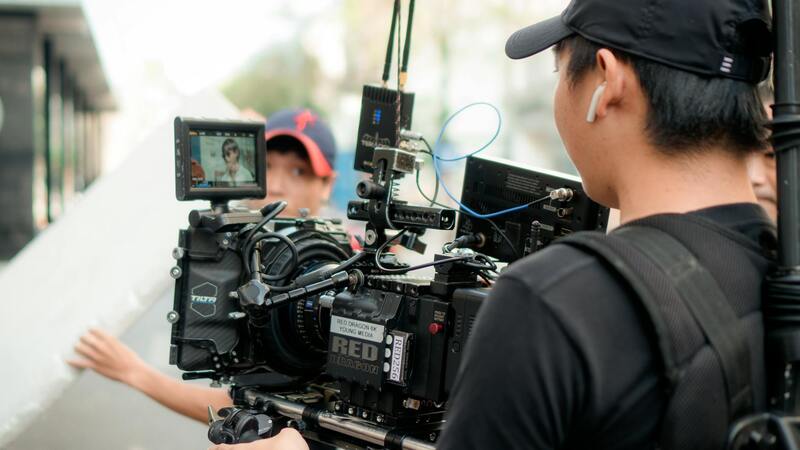
Maintaining high ethical standards extends beyond legal adherence, encompassing honest representation and transparency in all dealings. Photographers should avoid misleading edits such as overly exaggerated perspectives or manipulated colors that could distort the property's true appearance. Authentic images foster trust with prospective buyers and bolster a property’s credibility in a highly competitive market.
Continuous professional development is vital. Participating in industry workshops, staying updated on local regulations, and engaging with professional associations help photographers remain informed of best practices. Such commitment not only enhances technical skill but also demonstrates a dedication to ethical standards and professional integrity, which are highly valued in Miami's vibrant real estate landscape.
Role and Importance of a Professional Real Estate Photographer
In the competitive Miami real estate market, the visual presentation of a property can significantly influence prospective buyers’ interest and perception. A professional real estate photographer brings more than just technical skill; they serve as storytellers who highlight a property's best features through expertly crafted imagery. The significance of hiring a specialized photographer lies in their ability to provide high-quality visuals that stand out in online listings, marketing brochures, and social media channels. Their expertise ensures images are well-lit, properly composed, and showcase the property's potential, attracting more foot traffic and helping sellers maximize their property's value.

In addition to aesthetics, a professional photographer adheres to stylistic and technical standards that comply with platform requirements and marketing strategies. They understand the local market dynamics, effectively positioning properties to appeal to target demographics. Consistent, visually appealing imagery enhances a property's online presence, ultimately leading to quicker sales and higher transaction values.
Key Skills and Qualifications for Real Estate Photographers
- Technical Proficiency: Mastery of camera equipment, lighting setups, and post-processing techniques.
- Knowledge of Composition and Lighting: Ability to capture the property’s spatial qualities and highlight its features through strategic use of natural and artificial light.
- Attention to Detail: Ensuring that all elements, from furniture placement to minor repairs, are visually appealing in the photos.
- Understanding of Real Estate Marketing: Familiarity with real estate audience preferences and effective presentation styles.
- Experience in HDR and Wide-Angle Photography: Techniques vital for capturing spacious interiors and exteriors authentically.
Equipment and Technology Used in Real Estate Photography
Utilization of high-resolution DSLR or mirrorless cameras paired with wide-angle lenses is standard for capturing large spaces efficiently. Use of drone technology is increasingly popular for showcasing extensive property grounds and amenities, especially in scenic Miami locales. Advanced lighting gear allows photographers to balance interior lighting with natural daylight, reducing shadows and enhancing vibrant colors. Post-processing tools such as Adobe Lightroom and Photoshop are essential for editing images to achieve a polished, professional appearance while maintaining authenticity.

The integration of 3D virtual tours and 360-degree imaging further elevates property listings, providing interactive experiences that help prospective buyers explore the space remotely. These technological advancements allow for comprehensive viewing and a more immersive experience, driving higher engagement and increased interest in Miami’s highly competitive real estate market.
Best Practices for Capturing Commercial and Residential Properties
- Preparation and Staging: Decluttering and arranging furniture to highlight space and flow prior to shooting.
- Optimal Timing: Scheduling shoots during the best natural lighting hours for exterior photos, typically early morning or late afternoon.
- Consistent Image Style: Maintaining a cohesive visual approach across all listings to build brand recognition and trust.
- Use of HDR Techniques: Combining multiple exposures to manage challenging lighting conditions, ensuring detail in both shadows and highlights.
- Post-Processing Accuracy: Emphasizing real features without excessive enhancement or manipulation to preserve trustworthiness.
Importance of Local Market Knowledge in Miami
Understanding Miami’s distinctive architectural styles, neighborhoods, and buyer preferences is crucial for tailoring photographic approaches. Whether showcasing beachfront properties, luxury condos, or historic homes, a local expertise helps photographers accentuate features that resonate with target audiences. Knowledge of the area enables them to position the property with appropriate angles, lighting strategies, and stylistic elements that appeal specifically to Miami’s diverse clientele.
Additionally, familiarity with Miami’s climate and seasonal variations informs scheduling decisions that optimize natural lighting and weather conditions. Recognizing local landmarks, aesthetically significant backdrops, and unique property features ensures each shoot aligns with the city’s vibrant and dynamic real estate scene.
Marketing and Client Communication for Real Estate Photographers
Effective communication with clients involves understanding their objectives and providing insights on how visual content can meet marketing goals. Clear, prompt interactions regarding scheduling, shot preferences, and editing expectations foster trust and transparency. Demonstrating professionalism through timely delivery of high-quality visuals aligns with clients’ deadlines and expectations.
Marketing efforts should highlight professional credentials, portfolio diversity, and testimonials to attract property owners, agencies, and developers seeking the best visual representation. Keeping abreast of market trends and emerging technologies enables photographers to offer innovative solutions that elevate listings and differentiate themselves within Miami’s crowded marketplace.
Pricing Strategies and Service Packages
Developing transparent, tiered service packages caters to a variety of client needs, from basic exterior shots to comprehensive marketing visuals, including drone footage and virtual tours. Pricing should reflect factors such as property size, complexity of shot requirements, and post-processing needs. Offering add-on services, such as expedited delivery or tailored editing options, enhances value perception and customer satisfaction.
Competitive yet fair pricing strategies consider local market rates while emphasizing quality, experience, and technology investment. Providing detailed quotations and flexible packages positions the photographer as a professional who prioritizes client success and property presentation, ultimately driving repeat business and referrals in the Miami real estate sphere.