Importance of High-Quality Real Estate Photography
In the competitive realm of real estate, the visual presentation of a property plays a pivotal role in attracting potential buyers and closing sales efficiently. High-quality real estate photography serves as a vital marketing tool that showcases a property's best features with clarity, precision, and aesthetic appeal. When prospective clients browse listings, professional images stand out; they communicate a sense of space, brightness, and the unique character of the property. Such images not only draw more viewers but also foster an emotional connection that compels them to schedule viewings or make offers.
Investing in professionally captured images can drastically influence the perception of a property’s value. High-resolution photos reveal details that amateur shots often miss, such as texture, lighting nuances, and architectural details. Furthermore, well-executed photography creates a sense of trust and credibility, emphasizing that the seller or agent is committed to quality and professionalism. This investment often translates into reduced time on the market and a higher likelihood of securing the desired price point.
Effective real estate photography extends beyond aesthetics; it impacts online engagement, which remains the primary platform for property searches today. Listings featuring compelling visuals garner more clicks, longer viewing durations, and ultimately, a broader reach. This increased exposure can lead to a quicker sale process and more competitive offers. As digital audiences become increasingly selective, professional images become indispensable in capturing attention and conveying the true potential of each property.
Moreover, professional real estate photography can be tailored to highlight the property's strengths and mitigate its weaknesses. Strategic angles, proper lighting, and careful staging accentuate spaciousness, flooring, and desirable features, making every square foot count. The importance of image quality cannot be understated; it forms the visual foundation from which buyers develop their first impression and influences their decision-making process tremendously.
Key Features of Professional Real Estate Pictures
Qualitative real estate images hinge on a combination of technical mastery and artistic insight. Mastering proper lighting is fundamental; natural light is preferred when capturing the property’s true colors and ambiance. Using supplementary lighting, such as diffused flashes or softboxes, can eliminate shadows and enhance the clarity of interior details. Composition is another critical element—images should be framed to highlight the spaciousness and flow of rooms, often employing wide-angle lenses to encompass as much空间界 as possible without distortion. These lenses enable the photographer to showcase entire rooms, making spaces look larger and more inviting.
Camera techniques such as HDR (High Dynamic Range) imaging are frequently employed to balance exposure levels within a landscape shot, ensuring details in both shadows and highlights are visible. Vertical and horizontal lines in images must be maintained to avoid distortion; specialized software or camera settings can assist in achieving this. Using proper focal points directs viewers' eyes to the property’s key features, while balanced symmetry can enhance overall visual harmony.
Color accuracy and white balance are also essential, as they convey an authentic representation of the property. Posture and staging considerations, including decluttering and arranging furniture optimally, should be reflected in the images. When executed correctly, these elements combine to produce professional images that not only attract attention but also reinforce the property’s desirability and value.
Additionally, the use of aerial drone photography has become increasingly popular for capturing expansive outdoor spaces, showcasing nearby amenities, or providing a comprehensive view of the property’s setting. Strategically capturing both interior and exterior shots, with an emphasis on key selling points, allows for constructing a compelling visual story that can resonate deeply with potential buyers.
Techniques and Equipment for Professional Real Estate Photography
Achieving high-quality real estate images depends heavily on the use of specialized techniques and equipment that maximize the visual appeal of a property. These methods are essential to produce images that accurately reflect the property's features while accentuating its strengths.
One of the foundational elements in professional real estate photography is the use of wide-angle lenses. These lenses are instrumental in capturing an expansive view of rooms, allowing viewers to see more of the space in a single shot. This is particularly effective for small rooms or tight spaces, as it helps to create a sense of openness. Additionally, tilt-shift lenses can be employed to correct perspective distortions, which often occur when shooting tall buildings or interior spaces with complex geometries.

Another critical technique in the realm of real estate photography is High Dynamic Range (HDR) imaging. HDR involves capturing multiple exposures of the same scene—underexposed, correctly exposed, and overexposed—and blending them to create a balanced image. This process ensures that interior spaces, with their contrasting light levels from windows and artificial sources, are well-exposed without losing detail in shadows or highlights.
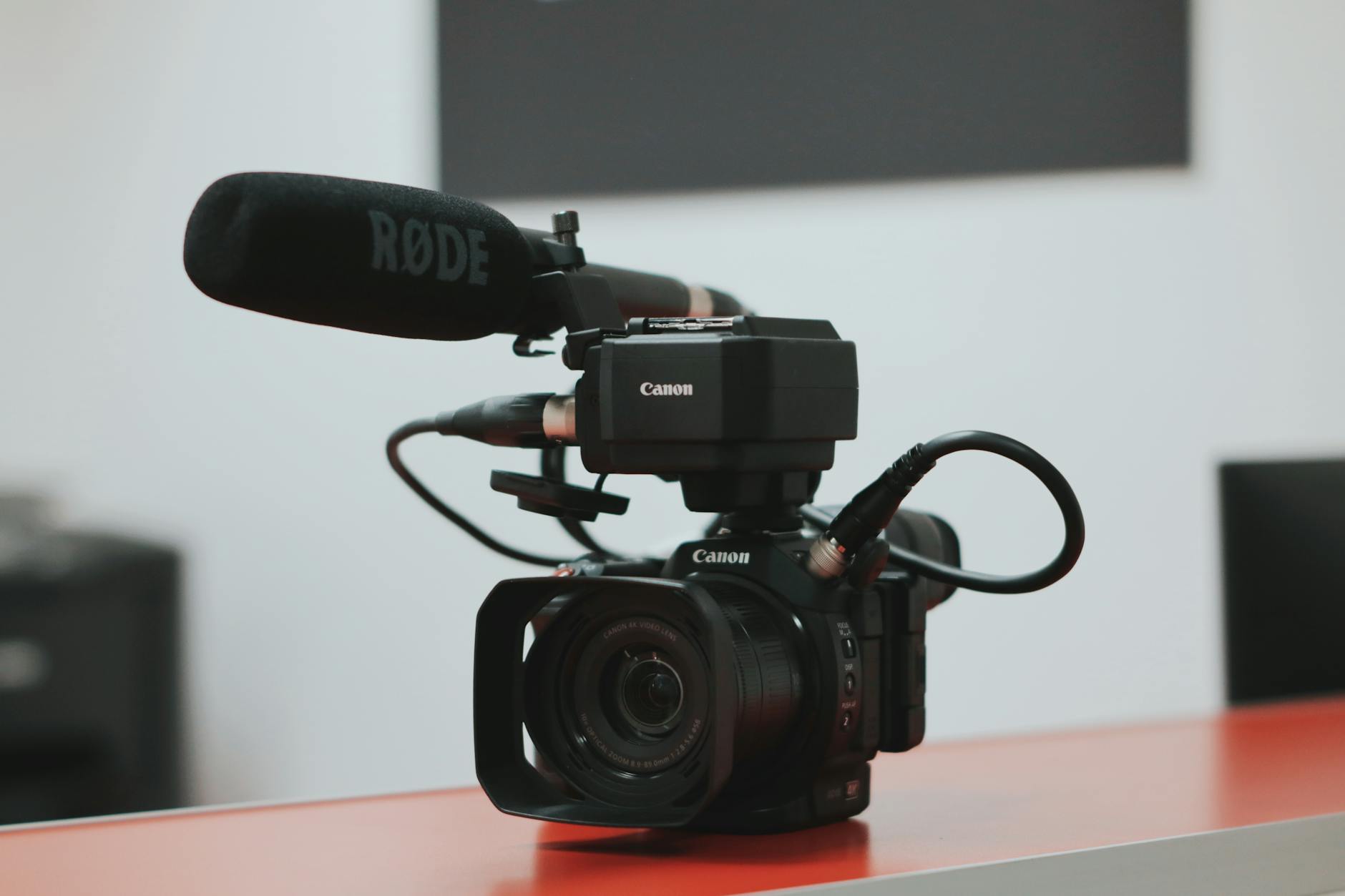
To achieve consistent and visually pleasing images, photographers rely on a stable tripod and remote triggering devices, minimizing camera shake and ensuring sharpness. Proper camera settings, including aperture, ISO, and shutter speed, are meticulously adjusted to optimize focus and depth of field.
Lighting plays a crucial role, and natural lighting is preferred for its authenticity. Photographers often schedule shoots during the day when natural light floods the property. Supplementing with professional lighting equipment, such as softboxes or diffusers, can help eliminate harsh shadows and even out illumination.
Enhancing Visual Composition
Composition techniques are equally important in creating compelling images. Clear focal points guide the viewer’s eye to the most attractive or critical features of the property. Symmetry and framing are used to produce harmonious images that are both aesthetically pleasing and easy to interpret.
Vertical and horizontal lines should be kept true during shooting to avoid distortion, which can misrepresent the space or property structure. Post-processing software is often used to straighten lines and correct minor distortions, enhancing the overall professional quality.
Aerial Photography and Its Role
Aerial drone photography has revolutionized the way properties are showcased. By providing a bird's-eye view, drone images reveal landscaping, outdoor amenities, and the property's proximity to surrounding attractions. These shots can add depth to listings and help potential buyers visualize the entire property and its context within the neighborhood.

In summary, employing the right combination of sophisticated equipment, precise techniques, and attention to detail ensures the production of visually stunning, accurate, and engaging real estate images. These images serve as a powerful tool to attract interest, generate inquiries, and ultimately facilitate successful sales by highlighting the property's most appealing features in the best possible light.
Enhancing Property Listings with Secure, Accurate Imagery
Utilizing professional real estate pictures in property listings significantly elevates the quality and credibility of marketing materials. When images are captured with precision and attention to detail, they serve as a reliable representation of the property, allowing potential buyers to make informed decisions based on clear and authentic visuals. Authenticity in imagery can help build trust, encouraging viewers to explore the property further and fostering a sense of transparency that buyers value highly.
High-caliber images also assist in demonstrating the property's true features, minimizing misunderstandings or mismatches between expectations and reality. By avoiding overly manipulated or exaggerated imagery, real estate professionals ensure that prospective buyers receive an accurate view of the home, which can lead to more serious inquiries and quicker sales. This approach also aligns with best practices in digital marketing, where honest and precise representations are fundamental.

Furthermore, professional real estate photos serve as a cornerstone for various marketing channels. They are integral to online listings, social media promotions, virtual tours, and print advertising, providing a consistent and compelling visual narrative. Such images help differentiate listings in competitive markets, making properties stand out in crowded digital spaces. In addition, high-quality visuals can extend the reach of marketing efforts, attracting a broader audience both locally and internationally.
Key Strategies to Maximize the Benefits of Professional Real Estate Photos
- Consistent Styling and Staging: Presenting properties in their best light involves thoughtful staging and styling, which complements the professional images and highlights unique selling points.
- Optimal Timing of Photography Sessions: Scheduling shoots during natural light peaks ensures bright, inviting images that emphasize space and ambiance.
- Utilization of Advanced Equipment: Employing professional-grade cameras, wide-angle lenses, and drone technology enhances image clarity, perspective, and overall appeal.
- Attention to Detail: Ensuring all areas are tidy, well-lit, and free of clutter before shooting guarantees the images reveal the property’s optimal features.
- Post-Processing Precision: Professional editing that enhances colors, corrects distortions, and preserves authentic details without over-manipulation maintains credibility and appeal.
Investing in high-quality real estate photography ultimately contributes to a more professional image, fostering confidence among buyers and accelerating the sales process. Listings featuring professional photos are more likely to generate interest, attract qualified inquiries, and close deals efficiently, making it a vital element of comprehensive property marketing strategies.
Utilizing Advanced Equipment and Techniques
Employing cutting-edge tools is essential to capture the true essence of a property. Professional photographers leverage high-resolution digital cameras equipped with wide-angle lenses, which allow for expansive views that make interior spaces appear larger and more inviting. Drone technology further amplifies the promotional potential by offering striking aerial perspectives that highlight property size, neighborhood context, and landscape features. Utilizing HDR (High Dynamic Range) imaging techniques ensures balanced exposure throughout the picture, preventing overly bright or dark spots within the same shot. These technological advancements help produce images that are sharp, vibrant, and faithful to the actual space, boosting visual appeal and conveying an accurate representation to prospective buyers.
Optimal Framing and Angles
Choosing the right angles and framing is critical to emphasize the most attractive features of a property. Typically, wide-angle shots are used to showcase spaciousness, especially in living rooms and communal areas. It’s important to capture the room's depth and layout, which can be achieved by positioning the camera at a height that replicates eye level or slightly above, avoiding distortion. Focal points should be strategically aligned within the frame to draw attention to architectural details, attractive furniture, or scenic views. Overhead or bird's-eye views can highlight exterior landscapes and the overall property footprint. Avoid cluttered or awkwardly angled shots that might distract or confuse viewers. Skilled photographers assess each space individually to find the angles that best convey volume, flow, and ambiance.
Lighting and Timing
Natural lighting plays a significant role in producing compelling real estate images. The optimal time for photography sessions is during daylight hours when sunlight fills the interior through windows, creating a warm, welcoming atmosphere. Early mornings or late afternoons—often called the golden hour—offer soft, diffused light that enhances textures and colors. Overcast days are also suitable as cloud cover minimizes harsh shadows and provides even illumination. Photographers meticulously plan shoot schedules to capitalize on these lighting conditions, ensuring consistent and inviting visuals. Supplemental lighting, including professional-grade flash units or LED panels, can be used to illuminate darker corners, highlighting features that might otherwise be overlooked.
Arranging the Photography Environment
Preparing a property for a professional shoot involves more than just opening curtains and turning on lights. It requires an organized approach to staging, decluttering, and cleaning to bring out the property's best features. Ensuring that each room is tidy, free of personal belongings, and decorated tastefully helps create a neutral and appealing setting. Managing reflections on glass, polishing surfaces, and adjusting window coverings contribute to a polished appearance. External landscapes should be well-maintained, with neatly trimmed lawns, clean pathways, and visible curb appeal. The goal is to present each space in a way that resonates with potential buyers, making it easier for them to envision living in the property.
Leveraging the Power of Professional Real Estate Photography in Marketing Strategies
High-quality images serve as a cornerstone of modern real estate marketing, significantly influencing potential buyers' first impressions and engagement levels. When listings incorporate professionally captured pictures, they stand out in online marketplaces, social media platforms, and printed advertisements. These photos not only highlight the property's best features but also create an emotional connection that encourages viewers to envision themselves living there. Effective integration of professional imagery into marketing materials can lead to increased inquiry rates, faster sales, and higher property values.
Furthermore, professional images contribute to a cohesive brand image for real estate firms, fostering trust and credibility among prospective clients. They establish a visual consistency across various marketing channels, reinforcing the quality and reliability of the services offered. The vibrant, detailed visuals created through expert photography also enhance virtual tours, 3D walkthroughs, and augmented reality applications, which are increasingly favored in digital marketing approaches.
To extend the reach of listings, professionals often optimize images for different platforms by employing precise formatting and resolution settings. This ensures images load quickly without sacrificing quality, thus preventing potential buyers from abandoning listings due to slow page load times. Well-edited, sharp images appear more attractive and can dramatically increase click-through rates, ultimately leading to more scheduled viewings and quicker sales cycles.
Additionally, professionally taken photographs lend a sense of professionalism and trustworthiness to the listing, reassuring buyers that the seller is serious and provides quality presentation. This perception can be especially influential in competitive markets where every detail counts. Well-crafted images also make a real estate listing more memorable, increasing the chances of word-of-mouth referrals and social sharing, which broadens the property's exposure without additional costs.
In essence, the strategic use of professional real estate pictures acts as a catalyst for successful marketing campaigns, helping properties gain maximum visibility and appeal. This approach ensures that every listing not only attracts attention but also communicates the unique qualities of each property with clarity and style, dramatically improving the chances of a swift and profitable sale.
Utilizing Authentic Techniques to Capture Accurate Property Depictions
To ensure the most compelling visual presentation, professional photographers employ authentic techniques that highlight the true essence of a property. This includes the use of accurate color calibration to prevent color distortion and ensure that the photos reflect the real appearance of interiors and exteriors. Proper lens selection and aperture settings enable clear, sharp images that encompass the full scope of each space, giving viewers a realistic sense of size and proportion. Additionally, natural lighting is prioritized, with photographers timing sessions to coincide with optimal sunlight conditions, such as during the golden hour, to enhance warmth and vibrancy without overexposing or casting harsh shadows.

Realistic photographs are essential to avoid misrepresentation, which preserves trust and aligns expectations between sellers and potential buyers. Photographers also focus on capturing key architectural details, unique features, and functional layouts, presenting the property in its best light while maintaining fidelity to its actual appearance. The consistent application of these techniques ensures the images resonate authenticity and cater to buyers seeking genuine insights into the property's condition and ambiance.
Incorporation of Logical Composition and Perspective
Effective photography hinges on strategic composition to depict spaces accurately and attractively. Photographers employ techniques such as the use of wide-angle lenses to maximize spatial perception within small rooms, while avoiding distortion that could mislead viewers. The rule of thirds is often applied to balance elements within the frame, highlighting focal points without clutter or distraction. Additionally, shooting from multiple angles provides a comprehensive view, empowering prospective buyers to appreciate the property's layout and flow.
Perspective plays a pivotal role in illustrating depth and scale. By positioning the camera at appropriate heights and distances, photographers can emphasize the spaciousness of living areas or the beauty of outdoor landscapes. This careful planning results in images that are not only captivating but also truthful reflections of the property's physical characteristics.
Ensuring Consistency Across Property Listings
Maintaining consistency in image quality and style across all property listings reinforces professionalism and builds a cohesive brand identity for real estate professionals. This entails setting standard guidelines for lighting, staging, and composition, which team members adhere to during each shoot. Consistent imagery ensures that potential clients recognize a trusted source and enhances the overall attractiveness of a portfolio, making it easier for buyers to compare listings easily. Moreover, uniform standards facilitate efficient post-processing workflows and help preserve the integrity of the visual narrative, establishing a recognizable and reliable visual identity in the competitive real estate market.
Effective Integration of Professional Photos into Real Estate Listings
For real estate professionals aiming to maximize the impact of their property marketing efforts, integrating high-quality, professional real estate pictures into listings is a crucial step. Precision in presentation not only enhances visual appeal but also significantly influences prospective buyers’ perceptions and decisions. Here are key strategies for optimal image utilization:
Optimal Image Placement
Strategically positioning images within online property listings ensures that viewers are presented with the most compelling visuals early in their browsing experience. High-resolution photographs should be featured prominently—preferably at the top of the listing or within the initial image carousel—where they can immediately capture attention. Supplementary images, such as close-ups of unique architectural details or outdoor spaces, can be arranged to follow, providing a comprehensive understanding of the property’s features.
Uploading Best Practices
When uploading images to listing platforms, adhering to specific guidelines helps maintain quality and consistency. Use the highest resolution supported by the platform to preserve image sharpness, while balancing file size to ensure swift loading times. Properly naming image files with descriptive keywords can also improve search visibility within platform search algorithms.
Furthermore, optimizing images for web use involves selecting appropriate formats such as JPEG or WebP, which offer a good balance of quality and compression. Always ensure images are correctly oriented, and cropping is applied to eliminate unnecessary background or distractions. Consistent aspect ratios across all photos create a uniform visual experience that enhances professionalism.
Maintaining Visual Consistency Across Channels
To build a recognizable and trustworthy brand, it is essential to maintain uniformity in visual style across all marketing channels, including online listings, social media, and printed materials. Establishing standard guidelines for lighting, color correction, and staging helps create a cohesive aesthetic that reinforces brand identity and guarantees that potential buyers receive a reliable representation of the property.
This consistency extends to the use of similar filters or editing styles, which helps to unify the look and feel of your visuals. A well-coordinated visual narrative fosters trust among prospective clients and simplifies the comparison process across different listings.
Measuring Effectiveness
Evaluating how professional photos influence engagement involves tracking metrics such as view counts, inquiry rates, and overall listing performance. High-quality images tend to generate increased interest, leading to more showings and faster sales cycles. Regularly updating listings with fresh, professionally captured photographs can also rejuvenate interest and improve visibility on competitive platforms.