
Importance of Professional Real Estate Videos
In today's competitive real estate market, compelling visual content has become a crucial element for successfully marketing property listings. High-quality real estate videos serve as an effective tool to showcase the unique features of an property, offering potential buyers an immersive experience that photographs alone cannot provide. These videos help in creating a strong online presence, capturing attention quickly, and standing out amidst numerous listings. When professionally produced, real estate videos reflect the property's value, layout, and ambiance more accurately, building viewer trust and interest.
Producers specializing in real estate videography understand the importance of highlighting key property attributes such as spacious interiors, modern upgrades, and scenic surroundings. Well-crafted videos also facilitate better engagement, increase viewing times on property pages, and generate more inquiries from serious buyers. As digital platforms dominate property searches, high-quality videos are no longer a luxury but a fundamental component of an effective marketing strategy.
From first-time homebuyers to seasoned investors, audiences place a premium on visual content that is both informative and aesthetically appealing. Professionally produced videos bridge the gap between online browsing and in-person visits by providing a clear, attractive, and accurate representation of properties. This approach helps sellers attract qualified leads, accelerates the sales process, and ultimately increases the likelihood of selling at an optimal price.
Including vibrant, steady footage coupled with smooth transitions, professional real estate videos also adhere to best practices in branding and messaging. They reinforce a sense of credibility and expertise for real estate agencies, establishing reputation and trust within the local Miami market. As a result, real estate professionals who leverage professionally developed videos gain a competitive edge, ensuring their listings reach the right audience effectively and efficiently.
Types of Real Estate Videos for Different Properties
When crafting effective real estate videos, it is essential to tailor the content to suit the specific type of property. Different property types demand unique storytelling approaches and visual strategies to showcase their best features, attract the right audience, and facilitate the decision-making process for viewers.
For residential homes, especially those listed for sale or rent, walkthrough videos serve as the foundation. These videos offer a comprehensive view of the interior layout, room sizes, and flow of the living spaces. High-quality walkthroughs should incorporate smooth camera movements and stable shots to prevent disorientation, allowing potential buyers to virtually experience the property as if they were touring it in person.

In contrast, luxury properties call for cinematic videos that emphasize elegance, exclusivity, and lifestyle. These videos often utilize drone footage to highlight sprawling grounds, scenic views, and unique features such as pools or outdoor entertainment areas. Filming at golden hour, with natural light and artistic framing, amplifies the visual impact and evokes emotions associated with luxury living.
Commercial real estate listings benefit from a different approach. Here, videos should focus on the property's functionality, accessibility, and potential uses. Timelapse segments showcasing the vicinity, proximity to transportation hubs, and nearby amenities can enrich the presentation. Additionally, incorporating testimonials from business owners or investors enhances credibility and demonstrates real-world applications.
Vacant land or development sites require a strategic visualization of the potential. Aerial drone footage combined with 3D maps and overlay graphics can effectively communicate the property's scale, topography, and access points. Such content helps investors and developers grasp the opportunities and make informed decisions.
In all cases, the choice of music, voiceovers, and text overlays should align with the property's target demographic and overall branding strategy. Effective real estate videos are not just about aesthetic appeal—they convey the essence of the property while guiding viewers toward the next steps, whether it’s scheduling a viewing, requesting more information, or exploring financing options.
Enhancing Viewer Engagement with Strategic Content Planning
Creating effective real estate videos extends beyond capturing high-quality footage; it requires a strategic approach that aligns with the target audience's preferences and the property's unique characteristics. A well-structured content plan ensures that each video serves a specific purpose, whether it’s attracting potential buyers, showcasing renovations, or highlighting neighborhood amenities. One crucial aspect is understanding the demographics of the intended viewers. For residential properties, emphasizing lifestyle elements such as community atmosphere, local schools, and recreational facilities can resonate deeply. In contrast, commercial listings benefit from detailed views of accessibility, parking availability, and proximity to major transportation routes. Tailoring the narrative to address these factors makes the video more compelling and relevant. Visual storytelling plays a vital role in maintaining viewer interest. Incorporating a mix of shots—including wide-angle views, close-ups of distinctive features, and stabilized walk-throughs—creates a dynamic experience. Establishing a logical flow, starting from the exterior and moving inward, guides viewers seamlessly through the property. Incorporating aerial shots provides context about the surrounding area, anchoring the property within its environment. To maximize impact, integrating clear calls-to-action within the video encourages viewer interaction. These prompts can direct potential clients to contact the agent, visit the property website, or schedule a viewing. Including overlay text with contact information or incentives enhances accessibility and promptness.
Leveraging Experienced Production for High-Quality Results
Partnering with experienced production professionals ensures that the technical aspects of filming are expertly handled, resulting in visuals that impress and inspire confidence. These experts utilize advanced equipment, such as stabilized cameras, drones, and professional lighting, to achieve cinematic quality. Their expertise in framing, composition, and editing guarantees that the final product meets high standards and effectively showcases the property.
Professional videographers possess an understanding of the subtleties that elevate a property’s appeal. They know how to optimize natural light, select complementary angles, and employ techniques that enhance spatial perception. Post-production services, including color correction, stabilization, and sound editing, refine the footage, creating a polished final product.
Moreover, professional agencies offer comprehensive services such as script development, voice-over narration, and background music selection. These elements contribute to a cohesive narrative tone that aligns with the property’s branding and target audience.
Implementing Data-Driven Marketing Strategies
Utilizing analytics tools to monitor the performance of real estate videos allows agents to refine their marketing approaches effectively. By tracking metrics such as view count, engagement rate, and conversion actions, marketers can identify what resonates most with their audience.
Data insights help determine the optimal platforms for distribution, whether social media channels, property listing sites, or email campaigns. For instance, short, attention-grabbing clips perform well on platforms like Instagram or TikTok, while comprehensive virtual tours may be more suitable for dedicated real estate websites or YouTube.
Targeted advertising, combined with geo-specific campaigns, enhances the reach among prospective buyers in specific markets. This focus increases the chances of connecting with viewers actively searching within desired neighborhoods or investment zones.
Regularly updating video content based on performance metrics ensures the marketing strategy remains dynamic and effective. It also supports long-term brand development, positioning the agent or agency as a professional and innovative leader in the Miami real estate market.

The Production Process for Professional Videos
Creating high-quality real estate videos requires a structured approach that emphasizes precision and attention to detail throughout each stage. The process begins with meticulous pre-production planning, where objectives are clearly defined. This includes selecting the most compelling features of the property to highlight, determining the narrative flow, and strategizing the shoot schedule to maximize natural lighting and property availability. Collaboration with the property owner and agents ensures that the vision aligns with marketing goals.
Following planning, the production phase involves executing the filming with professional equipment, including high-resolution cameras, drone technology for aerial shots, and stabilized gimbals for smooth footage. Directors and videographers work together to capture expansive interiors, detailed close-ups, and dynamic exterior shots that showcase the property’s unique appeal. Proper staging and lighting are critical to ensure each shot reflects the property in its best light. The use of time-lapse and motion techniques can add a cinematic quality, increasing viewer engagement and emotional connection.

Post-production is equally vital, involving editing the footage to create a seamless, polished video that aligns with the initial vision. Color correction, sound enhancement, and the addition of branded graphics or informational overlays help reinforce the property’s branding. Background music and voiceovers, if appropriate, should complement the visuals without overpowering them. Attention to pacing ensures that viewers remain engaged from start to finish.
Once editing is complete, the final step involves formatting the video for various platforms, optimizing it for fast loading and high visual quality. Consideration of the target audience determines the length and style of the content, whether it’s an immersive virtual tour, a quick property highlight, or a detailed walkthrough. This comprehensive production process ensures each property is presented with professionalism that can significantly boost its market visibility and appeal.
Optimizing Real Estate Videos for Online Marketing
Maximizing the impact of real estate videos in today’s digital landscape requires strategic optimization to ensure they reach the right audience effectively. Optimization involves more than just producing high-quality footage; it encompasses a comprehensive approach that enhances visibility across various online platforms, increasing viewer engagement and ultimately driving property inquiries.
Strategic Video Distribution and Platform Selection
Effective distribution starts with identifying the platforms that best match the target demographic. High-quality videos should be tailored for upload on multiple channels, including popular real estate listing sites, social media platforms, and the company's website. Each platform has specific requirements and audience preferences, so adaptations in aspect ratio, video length, and format are necessary. For instance, vertical videos perform well on mobile-centric platforms such as Instagram and TikTok, whereas longer, high-definition virtual tour videos are suited for YouTube and property listing websites.
SEO Optimization for Real Estate Videos
Enhancing videos with relevant metadata significantly boosts their discoverability. The strategic use of descriptive titles, detailed descriptions, and keyword-rich tags related to the property and location helps search engines understand the content, increasing the likelihood of appearing in search results. Embedding videos on a dedicated property webpage with supporting textual content further improves SEO performance.
Leveraging Video Transcripts and Closed Captions
Including transcripts and closed captions not only makes the content more accessible but also enhances SEO. Search engines can crawl the text within transcripts, providing additional context that increases the property's online visibility. Captions ensure viewers can engage with the content even in sound-off environments common on social media, thus expanding reach and engagement.
Incorporating Clear Call-to-Action Elements
Effective videos feature clear and compelling calls to action (CTAs), guiding viewers toward the next steps—whether scheduling a viewing, contacting a real estate agent, or visiting the property website. Visual overlays, end screens, and voice prompts should be seamlessly integrated into the video to prompt viewer interaction without disrupting the viewing experience.
Monitoring and Analyzing Video Performance
Ongoing analysis of video metrics enables continuous optimization. Tracking engagement rates, view durations, click-through rates, and conversion metrics reveals which content resonates most with the audience. Leveraging these insights allows for refinements in future video productions, tailoring content to audience preferences and improving overall marketing efficacy.
Utilizing Paid Advertising and Targeted Campaigns
Paid promotion strategies, such as social media advertising and targeted video campaigns, amplify reach among specific demographic groups. Geotargeting, age segmentation, and interest-based advertising ensure that high-value prospects are exposed to the property videos, increasing the chances of conversion. Properly optimized videos integrated into these campaigns can generate substantial leads and accelerate the sales process.
Legal and Ethical Considerations in Real Estate Videography
When producing professional real estate videos, adherence to established standards of transparency and honesty is paramount. Ensuring that all content accurately depicts the property helps maintain trust with prospective buyers and preserves the reputation of all involved parties.
One of the primary aspects involves securing proper permissions for any features or individuals appearing in the video. This includes obtaining consent from residents, if applicable, and ensuring permission to shoot in private or restricted areas. Respect for privacy rights not only aligns with professional standards but also mitigates potential disputes arising from undisclosed recordings.
It is equally important to avoid misrepresentation of the property's condition, features, or nearby amenities. Video editing should not alter the true layout or appearance of the property in a manner that could deceive viewers. Accurate lighting, true-to-life color grading, and honest descriptions help set correct expectations.
Additionally, compliance with trademark and copyright laws is essential when utilizing music, images, or other media assets. Securing the right licenses ensures that the content remains legitimate and that intellectual property rights are respected.
Ethical marketing also involves avoiding exaggerated claims or false representations about the property's potential or value. Honest, precise descriptions in narration or text overlays reinforce credibility and attract genuine interest.
Employing professional standards in video production, including clear disclosures and truthful content, reinforces a commitment to integrity. This approach not only aligns with industry best practices but also enhances the long-term reputation of the agency or individual producing the videos.
Legal and Ethical Considerations in Real Estate Videography
Creating compelling and professional real estate videos necessitates adherence to several legal and ethical standards that uphold integrity and transparency throughout the marketing process. Respect for property rights, privacy considerations, and proper authorization are fundamental elements that ensure the legitimacy of the content produced.
First and foremost, obtaining explicit permission before filming private or restricted areas is a critical step. This process typically involves securing consent from property owners or relevant authorities to avoid unauthorized recording. Such permission not only maintains trust but also safeguards against potential disputes that may arise if the property owner has concerns about how the space is portrayed.
Maintaining awareness of privacy rights is equally essential, especially when filming in spaces where individuals may have reasonable expectations of privacy. Proper notification and consent from residents or occupants help mitigate privacy infringements and foster respectful interactions. During shoots, camera operators should be vigilant to avoid capturing identifiable individuals without their explicit permission, particularly in private residences or enclosed areas.
Beyond permissions and privacy, compliance with intellectual property laws is crucial when incorporating media assets into videos. This includes licenses for music, images, and other copyrighted materials to prevent unauthorized use that could lead to legal complications. Utilizing licensed or royalty-free content ensures that the rights holder's interests are protected and that the video remains fully legitimate.
Accurate representation of the property is another cornerstone of ethical real estate videography. This involves honest narration, truthful descriptions, and faithful visual depictions that reflect the property's actual condition and features. Avoiding misrepresentation not only preserves credibility but also aligns with industry standards for honesty and professionalism.
Open disclosure regarding any modifications or enhancements made during editing is vital. If color grading, lighting adjustments, or post-production edits alter the original appearance, these should be transparently communicated to prevent misleading viewers.
Being proactive in addressing these considerations enhances the reputation of real estate professionals, builds trust with prospective buyers, and ensures ongoing compliance with industry norms. Producers should regularly review their practices to stay current with evolving standards, always prioritizing ethical conduct and legitimate methods that reinforce credibility in the competitive Miami real estate market.
Legal and Ethical Considerations in Real Estate Videography
Maintaining integrity and transparency in real estate videos is paramount for fostering trust and credibility within the market. While it’s essential to adhere to official methods, understanding the nuances of responsible content creation helps professionals stand out while respecting industry standards.
Respecting Privacy and Permissions
Prior to filming, obtaining clear and documented permission from property owners or authorized representatives is a critical step. This process ensures that all involved parties are aware of how the footage will be used and distributed, aligning with best practices for safeguarding privacy rights.
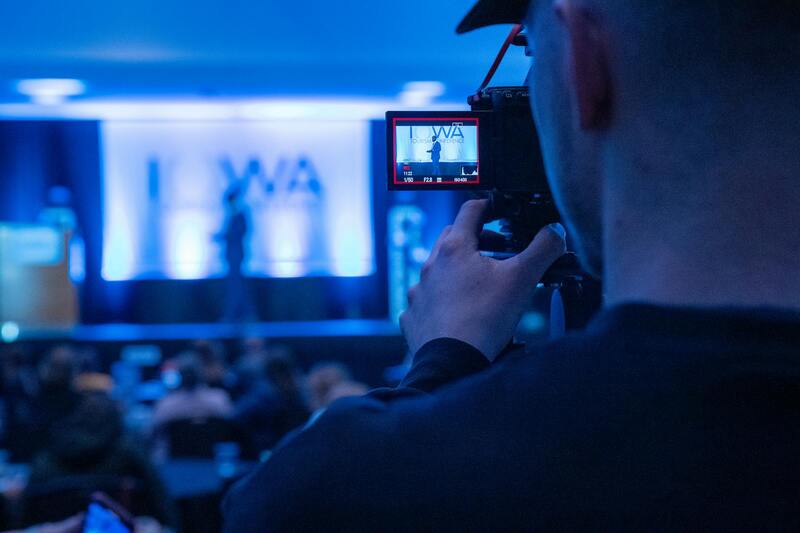
Proper Use of Media Assets
Using media elements such as music, images, and video clips requires careful attention to rights management. Licensed content or royalty-free resources are legitimate choices that comply with intellectual property laws, preventing potential disputes and ensuring the content remains ethically sound.
Accurate and Honest Representation
Transparency in showcasing property features is vital. This includes providing truthful descriptions and realistic visual depictions without exaggeration or omission. Any enhancements or modifications made during editing, such as color adjustments or cropping, should be clearly disclosed to uphold honest communication with viewers.
Avoiding Misleading Visuals
While editing can enhance visual appeal, it should not distort the property's actual condition or layout. Every effort must be made to accurately portray the property to potential buyers, safeguarding their ability to make informed decisions.
Continuous Review and Ethical Standards
Real estate professionals and videographers should stay informed about evolving guidelines and industry norms. Regularly reviewing practices ensures ongoing compliance and reinforces a reputation for transparency and professionalism within the Miami market.