
Understanding the Role of Property Photographers
Property photographers play a crucial role in the real estate industry by providing high-quality visual representations of properties. Their primary responsibility involves capturing images that highlight the key features, layouts, and unique selling points of a property. These images serve as an essential marketing tool, making properties more appealing to potential buyers and renters.
Professional property photographers possess an eye for detail and a deep understanding of how to showcase spaces effectively. They utilize specialized techniques and equipment to produce images that are sharp, well-lit, and inviting. The goal is to create a visual narrative that entices viewers and encourages them to explore further, whether through online listings, brochures, or virtual tours.
High-caliber visuals can significantly influence a client’s decision-making process. In a competitive real estate market such as Miami, where properties are often listed alongside numerous others, striking images can distinguish a property from the rest. This impact makes professional photography an indispensable aspect of contemporary real estate marketing strategies.
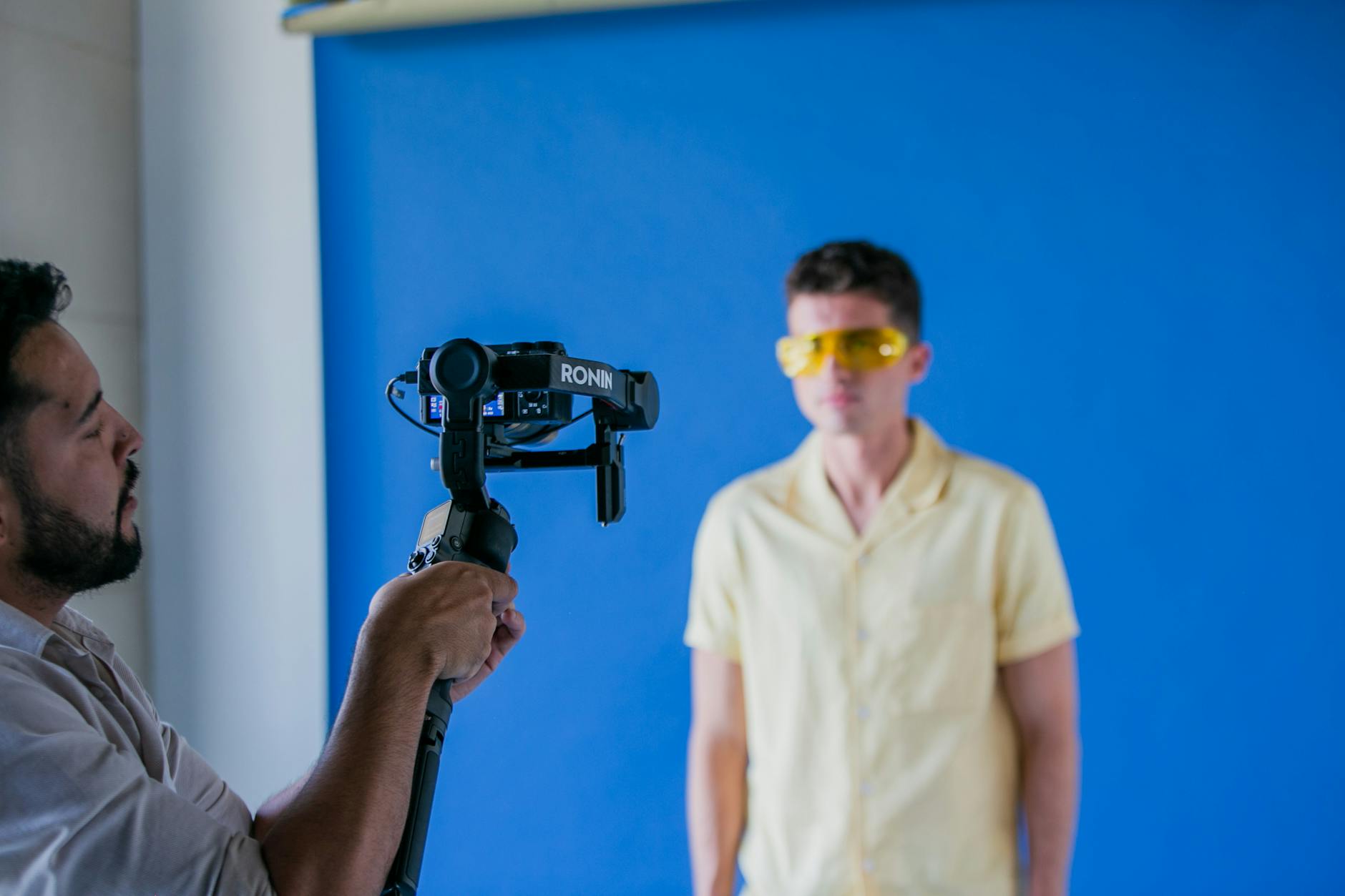
By delivering consistent, high-quality images, property photographers help real estate professionals build trust with their clients and develop a reputation for excellence. Their work not only influences prospective buyers’ initial impressions but also aids in generating more views and inquiries, ultimately accelerating the sale or lease process.
Impact on Real Estate Marketing
- Increases online visibility through compelling visuals.
- Enhances the overall presentation of the property listing.
- Builds credibility and trust with potential buyers.
- Supports digital marketing efforts, including virtual tours and social media campaigns.
Ultimately, the effectiveness of property photographers hinges on their ability to combine technical skill, artistic vision, and an understanding of the real estate market. As demand for high-quality imagery continues to grow, experienced property photographers remain vital to successful property marketing strategies across Miami and beyond.
Essential Skills for Effective Property Photography
Property photographers must possess a unique blend of technical expertise and artistic sensibility. Mastery of camera operation, including understanding aperture, shutter speed, and ISO, ensures that images are sharp, well-exposed, and visually appealing. Knowledge of composition principles—such as framing, leading lines, and the rule of thirds—helps in creating images that highlight a property's strengths.
Beyond technical skills, an eye for detail plays a critical role. This includes recognizing the best angles to showcase a room’s space and features, adjusting perspectives to avoid distortion, and ensuring that focal points draw attention. A keen understanding of natural and supplemental lighting allows photographers to minimize shadows and highlight the property's best aspects effectively.
Necessary Equipment for High-Quality Property Shooting
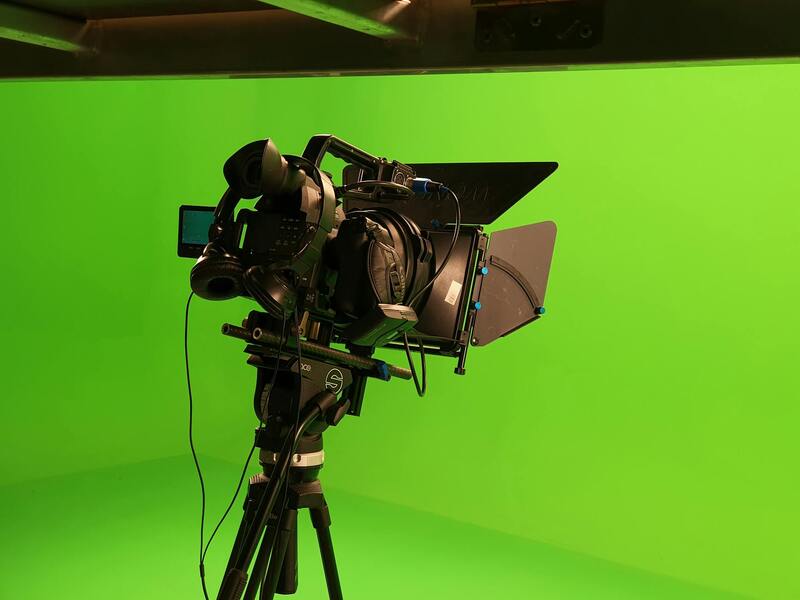
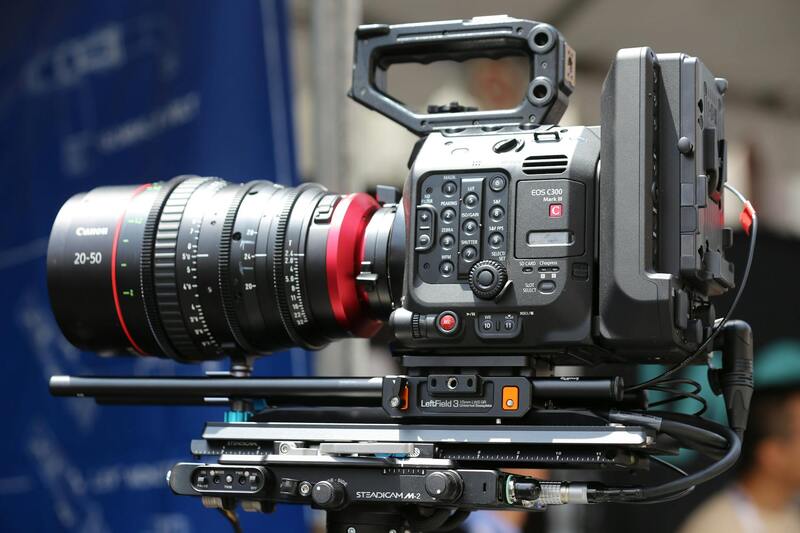
Using the right tools is vital for producing professional-grade images. High-resolution DSLR or mirrorless cameras with wide-angle lenses are standard, as they capture expansive views and intricate details within a single frame. Tripods are essential to maintain stability and achieve precise framing, especially in low-light conditions or interior shots requiring longer exposures.
Lighting equipment complements natural light, particularly when shooting indoors or in low-light settings. Portable flashes, diffusers, and reflectors help balance exposure and reduce harsh shadows. Additionally, drone cameras are increasingly employed to provide aerial shots, offering unique perspectives that can significantly increase a property's appeal.
How to Prepare a Property for Photography
Preparation is foundational for capturing compelling property images. This involves thorough cleaning and decluttering to present a neat and inviting space. Removing personal items ensures that prospective buyers can envision themselves in the setting. Adequate staging, including arranging furniture and decor, helps highlight the property's potential.
Lighting plays a critical role; natural light should be maximized by opening curtains and blinds, while additional lighting can be used to brighten dark areas. It’s also important to consider the time of day—shooting during peak natural light hours often yields the best results. Ensuring that mirrors are clean and windows are unobstructed further contributes to high-quality imagery.
Techniques for Effective Property Photography
To create engaging property images, photographers employ several techniques. Wide-angle shots are fundamental for capturing entire rooms and maximizing space perception. HDR (High Dynamic Range) imaging combines multiple exposures to balance bright and dark areas, revealing details in both shadows and highlights.
Replacing traditional flash with ambient light shots offers a more natural feel, especially in spaces with abundant sunlight. Using a tripod ensures sharpness, while strategic positioning—such as shooting from corners—can distort the space less and boost depth. Including features such as fireplaces, built-ins, or architectural details can generate more interest among potential buyers.
Post-Production and Editing Strategies
Post-processing is crucial for refining property images to meet professional standards. Color correction adjusts exposure, contrast, and saturation to accurately represent the property’s appearance. Removing minor imperfections, such as dust spots or reflections, ensures a clean, polished look.
Careful cropping and straightening help maintain perspective and composition, while sharpening enhances clarity. Avoiding over-editing is essential to preserve a natural appearance; overly exaggerated enhancements can mislead viewers and diminish credibility. Consistency across all images ensures a cohesive presentation that aligns with branding efforts.
Factors to Consider When Selecting a Property Photographer in Miami
Choosing the right property photographer involves evaluating their portfolio to ensure their style aligns with your marketing goals. Review samples of past work, paying attention to composition, lighting, and color accuracy. Experience in real estate photography, specifically within the Miami market, is advantageous due to local architectural styles and lighting conditions.
Customer reviews and testimonials can provide insights into professionalism, reliability, and client satisfaction. Additionally, understanding the photographer’s availability and turnaround times ensures the project aligns with your listing schedules. Communicating your specific needs and expectations clearly from the outset helps establish a productive working relationship.
Techniques for Capturing Attractive Property Images
Effective property photography hinges on employing specific techniques that highlight a property’s best features while maintaining a natural appearance. One of the foundational methods is optimal lighting. Utilizing natural light during the daytime, especially during the golden hour, can significantly enhance the warmth and inviting feel of a property. When natural light is insufficient, professional lighting setups—including softboxes and diffusers—can be used to evenly illuminate interior spaces and reduce harsh shadows, ensuring every detail is captured with clarity.
Composition plays a vital role in creating compelling images. The “rule of thirds” helps in framing shots deliberately, directing viewers’ attention to focal points such as a stunning kitchen island or a scenic view from a window. Wide-angle lenses are a staple in property photography; they allow for capturing broad spaces, making rooms appear more spacious and welcoming. However, care should be taken to prevent distortion that can misrepresent interior proportions.
Mastering perspective is also crucial. Shooting from eye level or slightly lower angles can add depth and dimension to images. When photographing exteriors, including foreground elements like landscaping or architectural features can create a more dynamic scene. For interior shots, cleaning and decluttering are essential steps before capturing images that reflect the space’s true potential.
Editing and Post-Production for Property Photos
Post-production editing is a critical phase that enhances the visual appeal of property images while preserving accuracy. Adjustments to brightness, contrast, and color balance can make spaces appear more vibrant and true to life. It’s important to maintain consistency across all images to produce a cohesive visual narrative for marketing efforts.
While minor retouching, such as removing reflections, dust, or minor imperfections, can improve image quality, over-editing should be avoided to preserve authenticity. Techniques like perspective correction help straighten skewed lines, especially in architectural shots. High dynamic range (HDR) imaging combines multiple exposures to capture both interior and exterior details, ensuring images are well-exposed and balanced.
In addition to basic edits, layering in subtle enhancements such as sharpening can improve clarity, but these should be subtle enough to avoid an overly artificial appearance. Proper editing ensures that the images not only look appealing but also accurately represent the property’s real-world value, which is essential for building trust with prospective clients and viewers.
Techniques for Capturing Attractive Property Images
Achieving stunning property images relies heavily on mastery of specific photographic techniques tailored to real estate. Composition plays a pivotal role; framing should emphasize the property's best features while maintaining a balance that guides the viewer’s eye naturally through the space. Utilizing symmetrical arrangements and leading lines can enhance visual appeal and draw attention to focal points within each room.
Lighting is equally crucial. Optimal images are captured during times of ample natural light, often during the golden hours—shortly after sunrise or before sunset—to produce soft, warm illumination. For interior shots, using professional lighting equipment such as strobes, softboxes, and reflectors helps eliminate shadows and evenly illuminate spaces, ensuring details are clear and vibrant. Consistent lighting across all images contributes to a cohesive presentation, which is vital for marketing consistency.
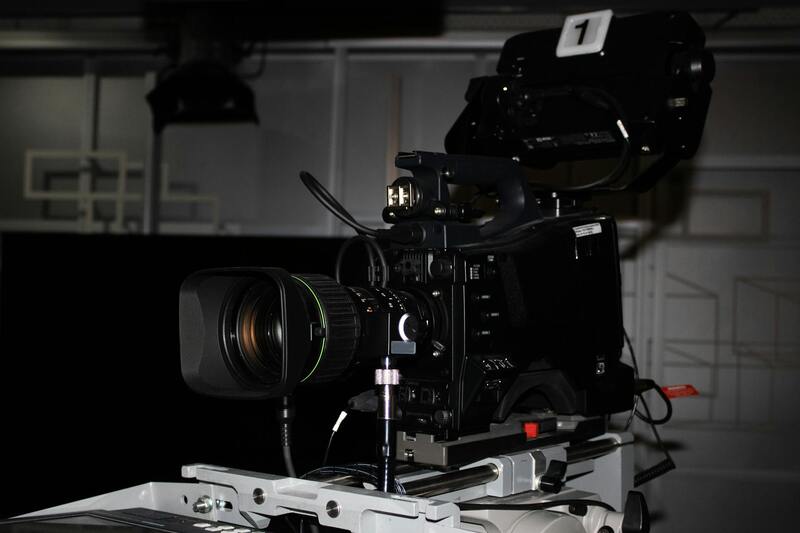
Angles should be chosen carefully to highlight architectural features and spatial dimensions. Shooting from a corner of a room often provides a sense of depth and perspective that makes spaces appear larger. Vertical lines must be kept straight to avoid distortion, which can be achieved using a tilt-shift lens or post-processing correction techniques. Moreover, utilizing wide-angle lenses allows capturing more of a room in a single shot, providing viewers with a comprehensive view of the space.
In addition to these foundational techniques, adjusting camera settings such as aperture and ISO ensures sharpness and clarity. Lower ISO settings reduce noise, while a wider aperture creates a depth of field that keeps most of the scene in focus. Diligently applying these methods results in images that are not only aesthetically pleasing but also true representations of the property's features.
Additional Tips for Capturing Effective Property Images
- Always scout the property beforehand to identify the best angles and lighting conditions.
- Use a tripod to maintain stability and ensure sharp images, especially in lower light conditions.
- Declutter and stage the space to highlight its potential, removing personal items and unnecessary furniture.
- Incorporate exterior and drone shots where appropriate to provide a comprehensive view of the property and its surroundings.
- Experiment with different perspectives and heights to find the most compelling compositions.
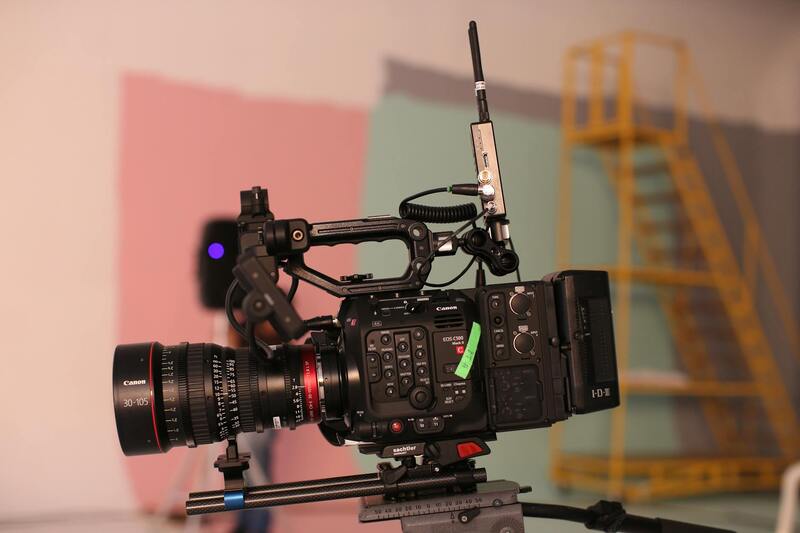
Effective Strategies for Showcasing Property Features
Captivating property images require more than just good photography skills; they involve showcasing each feature's unique appeal with precision and clarity. Professional property photographers utilize specific techniques to highlight the architectural details, room dimensions, and overall ambiance of the space. Achieving this involves meticulous attention to lighting, composition, and timing, ensuring each shot accentuates the property's strengths.
One pivotal approach is to leverage natural light as much as possible. Photographers often schedule shoots during the early morning or late afternoon when sunlight creates warm, inviting atmospheres. They make use of diffusers or reflectors to soften shadows and distribute light evenly across interior surfaces, preventing glare and harsh contrasts. For exterior shots, shooting during the golden hour helps produce vibrant images that emphasize the property's curb appeal.
Furthermore, the strategic placement of furniture and decor enhances the perception of space and flow within rooms. Professional photographers might suggest staging certain areas to add visual interest. This can involve rearranging furniture or adding decorative elements that complement the home's style, thereby making images more compelling for potential buyers or renters.
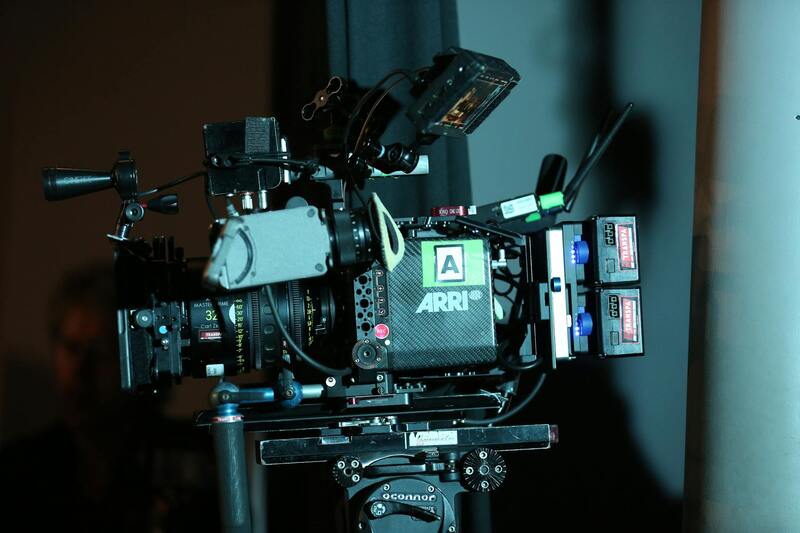
When capturing exterior shots, angles that emphasize architectural design and landscaping create a more inviting impression. Incorporating drone photography further broadens the perspective by showcasing the property's surroundings, benefits, and proximity to local amenities, which are important factors for prospective clients.
Maintaining Consistency and Quality in Property Photography
Consistency across all property images enhances overall presentation, making listings appear more professional and polished. This involves establishing a standard shooting protocol that includes appropriate camera settings, framing, and editing practices. High-resolution images, shot with professional-grade equipment, are essential for maintaining quality across various digital platforms.
Post-processing is equally important to ensure images accurately reflect the property's appearance. Adjustments to brightness, contrast, and color balance should be subtle, aiming to enhance realism without exaggeration. Retouching may be necessary to remove distracting elements or imperfections, but over-editing can detract from authenticity and trustworthiness of the listing.
Investing in ongoing training and familiarization with current industry standards keeps property photographers sharp and aligned with best practices. This continuous improvement ensures that each shoot delivers images that meet professional standards, effectively attracting interest and driving engagement from viewers seeking their ideal property.
Choosing a Miami Property Photographer
Securing the services of an experienced property photographer in Miami involves more than just searching for local talent. It requires a strategic evaluation of credentials, expertise, and understanding of the local real estate landscape. Property photographers who are familiar with Miami's unique architectural styles and neighborhood characteristics can capture images that highlight the distinct appeal of each property.
To identify qualified professionals, consider reviewing portfolios that showcase a diverse range of property types, including high-rise condos, luxury estates, and beachfront homes. Professionalism in presentation, consistency in image quality, and attention to detail are key indicators of a photographer's capability to enhance a property's listing.
In addition, experience with various lighting conditions and the ability to adapt to different interior and exterior settings are crucial. Photographers who keep abreast of current industry standards and continually update their skills will be better equipped to provide high-caliber images that resonate with prospective buyers and renters.
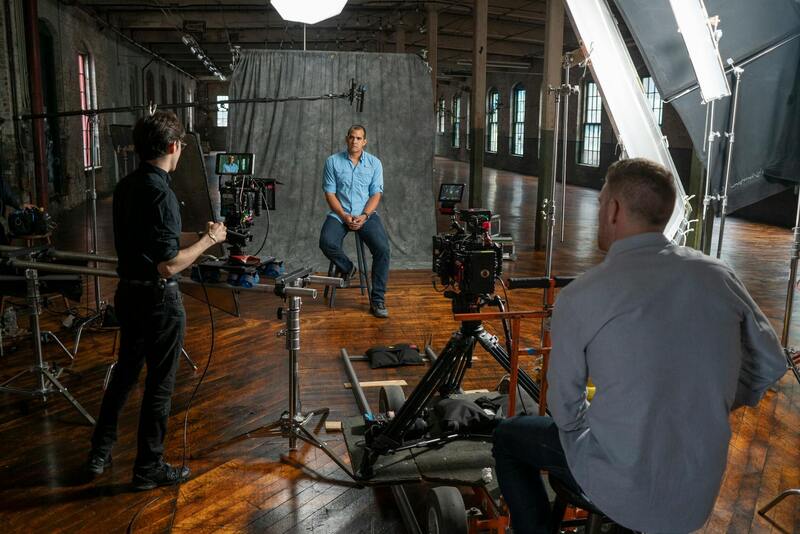
In selecting a Miami-based professional, it is also beneficial to consider their understanding of local real estate trends and what features tend to attract attention in the Miami market. This insight enables the photographer to craft images that not only showcase the property's features but also resonate with the target audience.
Tips for Working with Property Photographers
- Communicate your goals clearly: Provide detailed descriptions of what aspects of the property you want to emphasize and any specific features that should be highlighted.
- Schedule appropriately: Coordinate shoot times to ensure optimal lighting, typically during early mornings or late afternoons.
- Prepare the property: Ensure spaces are clean, decluttered, and well-staged to make the best possible impression.
- Be adaptable: Allow for the photographer’s professional input on angles, lighting, and framing to maximize each shot’s effectiveness.
- Review and select images: Request a preview to ensure the images align with your expectations before final delivery.
Cost and Booking Considerations for Property Photography in Miami
Property photography services in Miami typically vary based on the scope of the project, the size of the property, and the photographer's experience. Rates can range from standard packages for basic interior and exterior shots to premium options that include drone photography, twilight images, and virtual tours. It is advisable to obtain clear quotes that specify the number of images, turnaround times, and any additional services included.
Booking well in advance is recommended, especially in a competitive market like Miami, where skilled photographers often have busy schedules. Ensuring flexibility in your schedule can facilitate a smoother shoot process and help achieve the best results.
Choosing a Miami Property Photographer
Securing the right property photographer in Miami involves understanding the specific requirements of your property and matching them with a professional skilled in real estate imaging. Look for photographers with a proven track record in commercial and residential property photography, ensuring they have experience capturing the unique architectural features and interior details characteristic of Miami properties. Review portfolios to assess their style and technical quality, ensuring their work aligns with your vision for the property presentation.
It is also essential to consider their familiarity with the local Miami market, as regional knowledge can significantly influence the ability to highlight features that appeal to prospective buyers or renters. Light conditions, vegetation, and architectural trends vary across Miami neighborhoods, and a photographer acquainted with these nuances will enhance the shoot's effectiveness.
When engaging a property photographer, inquire about their available technology, including high-resolution cameras, wide-angle lenses, and lighting equipment, which are critical for capturing comprehensive and appealing images. Request detailed quotes that outline the scope of work, number of images, additional services like drone photography or twilight shots, and turnaround times. Clear communication about expectations ensures a smooth process from planning to delivery.
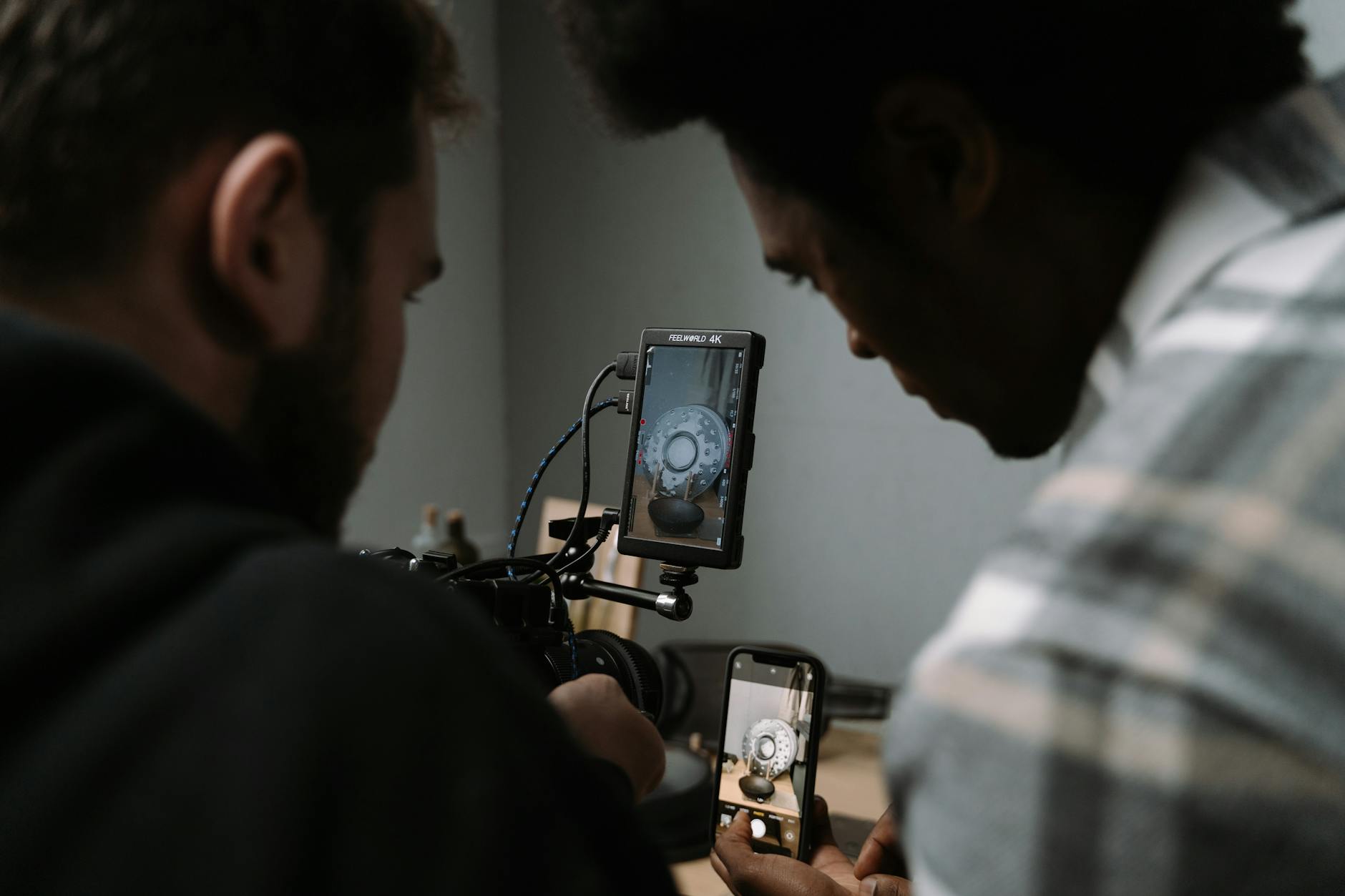
Another vital aspect is evaluating their professionalism and capacity for flexible scheduling, especially in a fast-paced real estate market. Prompt responsiveness, adherence to deadlines, and willingness to accommodate your preferred shoot times contribute to a seamless collaboration. Ultimately, selecting a property photographer in Miami requires balancing technical skill, regional understanding, and reliable service to ensure the visual presentation of your property is compelling and polished.
Key Factors to Consider When Booking
- Experience and Portfolio: Review previous work to gauge style and quality.
- Equipment and Technology: Ensure use of high-quality cameras, lighting, and optional aerial gear.
- Specialization: Confirm experience with real estate and commercial property shoots.
- Pricing and Package Details: Clarify what is included in the quote, including number of images and additional services.
- Availability and Flexibility: Consider scheduling options that fit your timeline.
- Local Market Knowledge: Understands Miami’s architectural nuances and lighting conditions.
By carefully evaluating these factors and maintaining open communication, you can secure a professional property photographer who will deliver images that significantly enhance your marketing efforts.
Optimizing Your Property Photos for Maximum Impact
Achieving high-quality property images is a critical step in attracting potential buyers or tenants. Once the photos are taken, the process of optimization through editing and post-production becomes essential. This stage ensures that each image aims to highlight the property’s best features, corrects any lighting or color inconsistencies, and prepares the visuals for various marketing platforms.
Effective Editing Techniques for Property Photography
- Color Correction: Adjustting white balance and saturation to create accurate and appealing colors that reflect the true look of the property. Proper color correction can make interiors appear more vibrant and inviting, which can influence viewers’ perceptions positively.
- Brightness and Contrast Adjustment: Enhancing luminosity and contrast to add depth to images. Well-balanced brightness ensures that details are visible in shadowed areas, while contrast highlights structural features and textures.
- Straightening and Cropping: Ensuring architectural lines are level and images are correctly framed. Cropping can remove distracting elements and focus the viewer’s attention on key features of the property.
- Sky Replacement and HDR Processing: For exterior shots taken in challenging lighting conditions, techniques like sky replacement or High Dynamic Range (HDR) processing can be employed to produce striking visuals that showcase the property's surroundings and architecture effectively.
Utilizing Professional Software for Post-Production
Employing advanced editing tools, such as Adobe Lightroom and Photoshop, allows photographers and editors to meticulously refine images. These platforms offer features for retouching, perspective correction, and fine-tuning color profiles, producing a polished, professional appearance. Proper post-processing is a vital element that distinguishes average property photos from compelling marketing visuals.

Implementing Consistent Branding Across Photos
To enhance brand recognition, ensure that all images maintain a consistent style, including color grading, framing, and angle choices. Consistency reinforces professionalism and trustworthiness, making your property listings more memorable and credible to prospective buyers or tenants.
Finalizing and Optimizing Images for Digital Platforms
Once editing is complete, images should be optimized for specific marketing channels. High-resolution images are suitable for print, while appropriately compressed files are necessary for online listings and social media to ensure fast load times without sacrificing quality. Metadata, such as keywords and tags, can further improve search engine visibility, attracting more views to your property listings.