
Importance of High-Quality Property Photography
In the highly competitive real estate landscape of Miami, presenting properties through professional photography is a decisive factor in attracting potential buyers and securing sales. High-quality images serve as the first impression for online listings, which constitute the primary platform for property marketing in today's digital age. When prospective buyers browse the market, they are often drawn to listings that showcase properties with clarity, vibrancy, and comprehensive detail. Poor-quality images, on the other hand, can deter interest regardless of the property's true value or potential.
Professional property photography helps highlight the unique features and architectural details of a home, creating an emotional connection that encourages inquiries and viewings. This approach not only elevates the visual appeal but also demonstrates a commitment to quality that resonates with discerning buyers. In Miami's vibrant market, where luxury and lifestyle are often key selling points, striking visuals can make listings stand out amid numerous competitors.
Effective property images influence online engagement, increasing click-through rates and boosting visibility across multiple platforms. According to recent market analyses, listings with professional photographs tend to sell faster and at better prices compared to those with amateur visuals. This correlation underscores the importance of investing in quality imagery. Real estate agents and property owners who prioritize compelling visual representations often experience higher conversion rates and more successful transactions.
Moreover, in the digital era, social media and online listing platforms serve as primary marketing channels. Eye-catching photographs can significantly increase organic shares and reach a broader audience, making them an essential component of a comprehensive marketing strategy. In Miami, where luxury homes, waterfront properties, and modern condominiums are prevalent, showcasing these assets through professional photography is a vital investment. It enhances the property's presentation, conveys quality, and builds trust with potential buyers.
In summary, high-quality property photography is a cornerstone of successful real estate marketing in Miami. It influences buyer perception, enhances listing engagement, and accelerates the sales process. For property owners and real estate professionals aiming to maximize their investment returns and market reach, prioritizing professional photography is an indispensable strategy that delivers measurable results.
Choosing the Right Equipment and Techniques
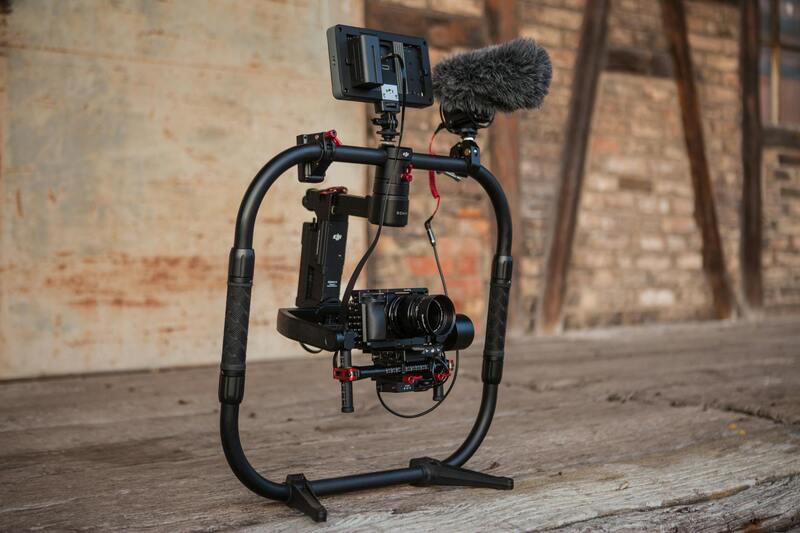
Achieving stunning property images hinges significantly on selecting appropriate tools and honing specialized techniques. High-resolution digital cameras equipped with wide-angle lenses are fundamental for capturing expansive interior perspectives and outdoor vistas, ensuring viewers receive a comprehensive visual experience. Camera stabilization devices, such as tripods and gimbals, contribute to sharp, distortion-free images, particularly in low-light conditions or when shooting at narrow apertures for depth of field.
Utilizing proper lighting equipment, including diffusers and external flash units, allows photographers to balance natural and artificial light. This is crucial for showcasing property details without unwanted shadows or overexposure. In interior shots, timers and remote shutter releases help prevent camera shake during long exposures, resulting in crystal-clear images.
Angles and composition are equally vital. Photographers often employ techniques such as the rule of thirds, leading lines, and framing to draw attention to focal points within a space. Overhead shots and multi-point images can illustrate the flow between different rooms, emphasizing the property's spatial organization.

Maximizing Indoor and Outdoor Shots
Indoor photography benefits from leveraging natural light by scheduling shoots during daylight hours, preferably when sunlight streams through windows, creating a warm and inviting atmosphere. Opening curtains and blinds beforehand can amplify this effect. For spaces with limited natural light, additional lighting fixtures help brighten the scene uniformly.
Outdoor shots should highlight the property's exterior features, landscaping, and surrounding environment. Techniques such as shooting during golden hour—shortly after sunrise or before sunset—produce soft, flattering light that accentuates textures and colors. Incorporating contextually relevant elements like patios, pools, or waterfront views helps convey lifestyle appeal.
Editing and Post-Processing for Property Photos
Post-processing enhances initial captures, refining images to deliver visually compelling results. Color correction ensures that hues appear natural and vibrant, accurately representing the property’s true aesthetic. Adjusting brightness, contrast, and sharpness can create depth and focus, guiding viewers’ attention to key features.
Retouching may involve removing distracting elements, such as minor imperfections or clutter, and emphasizing highlights in certain areas to create a balanced, inviting image. Careful use of filters and adjustments enhances ambiance without compromising authenticity.
Consistency across a property’s gallery of images maintains a professional appearance, aiding in cohesive storytelling for online listings and marketing materials.

Key Elements of Effective Property Photography
Achieving outstanding property images requires attention to several core components that elevate the visual appeal and accurately represent the property’s features. These elements ensure that each photograph not only captures the space but also communicates its unique personality and potential to prospective buyers or tenants.
Lighting Techniques
Proper lighting is fundamental in property photography. Natural light should be utilized when available, emphasizing the property's best features. Shooting during specific times, such as early morning or late afternoon, can leverage the warm, diffuse light of the golden hour, enhancing textures and colors without harsh shadows. When natural light is insufficient, supplementary lighting like softboxes or strobe lights can fill in shadows evenly, producing balanced illumination that highlights interior details and minimizes dark areas.
Composition and Framing
The way a property is framed influences the viewer’s perception and engagement. Using the rule of thirds helps position key architectural elements attractively within the frame. Vertical lines should be kept straight, and extraneous objects or clutter must be minimized to prevent distraction. Wide-angle lenses, commonly used in real estate photography, allow capturing expansive interior and exterior views, providing a comprehensive sense of space. However, cautious use is critical to prevent distortion and preserve true proportions.
Styling and Staging
Clean, clutter-free spaces showcase a property's potential and help viewers envision themselves living there. Thoughtful staging, including arranging furniture and decor to accentuate space, balance proportions, and create inviting atmospheres, complements the photography process. Details such as fresh flowers, plush textiles, and well-placed accessories can add warmth and style, making the scenes more appealing and relatable.
Angles and Perspectives
Selecting the right viewpoints enhances each space's perception of size and flow. Low-angle shots can make interiors appear more spacious, while wide shots from strategic corners reveal the layout clearly. Exterior shots taken from different vantage points show the property's curb appeal, emphasizing unique architectural features or outdoor amenities. A consistent perspective approach across images fosters a cohesive visual story when viewers browse through listings.
Post-Processing and Image Optimization
Effective editing refines raw images to create compelling, professional-grade visuals. Adjustments such as color correction ensure hues reflect the real property's look, avoiding overly saturated or dull images. Brightness, contrast, and sharpness enhancements add depth and clarity, drawing attention to focal points. Retouching can also remove distracting elements like minor blemishes, clutter, or reflections, ensuring the viewer’s focus remains on the property’s best features. Maintaining a natural appearance is critical to authenticity, and a consistent editing style reinforces the professionalism of the listing.
Maintaining Image Consistency
Uniformity in lighting, style, and tone across a property’s entire photo gallery establishes a polished, cohesive impression. This consistency helps in creating a compelling narrative and enhances the overall value of the listing, making it more trustworthy and attractive to prospective buyers. The visual flow guides viewers smoothly from exterior shots to interior highlights, reinforcing the property’s allure.
Maximizing Indoor and Outdoor Shots
Achieving a comprehensive visual presentation of a property requires a strategic approach to capturing both indoor and outdoor environments. When photographing interiors, natural light should be leveraged to highlight the space's openness and architectural details. Early morning or late afternoon sessions often provide the best lighting conditions, emphasizing warmth and brightness without harsh shadows. Ensure windows are clean and unobstructed, and arrange furniture to showcase the room’s functionality and flow. Wide-angle lenses are invaluable for creating a sense of spaciousness, but should be used judiciously to avoid distortion that may misrepresent the space.
Exterior shots are equally crucial for illustrating curb appeal and outdoor amenities. During different times of the day, take multiple vantage points—front, back, and sides—to capture the property's full scope. Incorporate elements such as landscaping, outdoor living spaces, pools, or decks to enhance visual interest. In Miami’s climate, utilizing the golden hour for exterior photography can add vibrancy, while weather considerations like clear skies ensure bright, inviting images. Patience in timing and positioning leads to photos that truly resonate with potential buyers, presenting the property as a desirable, aspirational home.
When working indoors, focus on capturing lighting fixtures, detailed architectural features, and large open-plan areas that highlight the spaciousness. Consider virtual staging or minimal decor that complements the space without overwhelming it, allowing viewers to envision their own lifestyle within the property. For outdoor shots, seasonality and weather play key roles;晴 days with clear skies often produce the most appealing images. Utilize the natural environment—plant life, water features, fencing—to frame the property beautifully and make outdoor spaces feel inviting and integral to the home's charm.

Post-Processing and Image Optimization
High-quality property photography hinges on meticulous editing and optimization processes that elevate raw images to their full visual potential. Post-processing starts with color correction, ensuring the hues accurately reflect the actual property and prevent images from appearing artificially oversaturated or dull. Adjustments to brightness and contrast bring depth and clarity, making key features pop and creating visually compelling images. Retouching is essential to remove minor distractions such as reflections, clutter, or blemishes that might divert attention. These subtle edits help maintain a natural look while enhancing overall aesthetic quality. Sharpness adjustments highlight architectural details, windows, and textured surfaces, adding crispness to the imagery. Consistency across all photos in a listing must be preserved to foster a professional, cohesive look. This includes uniform lighting tones, color grading, and stylistic choices in editing. When images are harmonized, they create a seamless narrative that draws viewers through the property, guiding their attention from exterior to interior spaces and highlighting features that resonate with prospective buyers.
Editing and Post-Processing for Property Photos
High-quality property imagery is not solely dependent on capturing the perfect shot; it also requires careful editing and post-processing to maximize visual impact while maintaining authenticity. Professional editing techniques involve a series of precise adjustments that enhance the natural attributes of the property, ensuring images are both appealing and truthful representations.
Color correction is one of the fundamental steps in post-processing. It guarantees that the hues seen in the images accurately reflect the actual property, which is essential for building trust with prospective buyers. Overly saturated colors or unnatural tones can detract from the image's credibility, so balanced color grading ensures that each photograph communicates a clear and genuine impression of the space.
Adjustments to brightness and contrast are equally vital. Brightening shadowed areas reveals details hidden in darker corners, especially within interiors, while contrast enhancements can add depth and dimension, making architectural features stand out vividly. Proper manipulation of these elements results in images that are vibrant yet realistic, capturing the ambiance of the property in different lighting conditions.
Retouching minimizes distractions and corrects minor imperfections. This might include removing reflections from windows, eliminating clutter or distracting objects, and smoothing blemishes or surface imperfections for a cleaner look. It’s crucial, however, to avoid over-editing to preserve the natural appeal and authenticity of the property.
Sharpness adjustments are also paramount. Enhancing the clarity of architectural details, textures, and fixtures ensures that viewers can appreciate the fine craftsmanship and design elements. This step emphasizes key features and creates a crisp, professional appearance across all images in a listing.
Consistency is key in creating a cohesive visual story. Applying uniform editing styles, color tones, and lighting adjustments across all photos fosters a unified presentation that echoes professionalism and quality. This cohesive approach guides viewers seamlessly through exterior and interior spaces, emphasizing the flow and appeal of the property, and encouraging engagement from prospective buyers.

Maximizing Indoor and Outdoor Shots
Capturing the full potential of a property requires strategic planning and execution of both indoor and outdoor photography. Indoor shots should highlight the spaciousness, natural light, and architectural details, while outdoor photos emphasize curb appeal and surrounding landscape. The arrangement and timing of these shots can significantly impact a prospective buyer’s perception of the property’s value.
When photographing interiors, use wide-angle lenses to encompass as much of the space as possible without distorting proportions. Properly staged rooms with minimal clutter and neutral décor create a welcoming environment, allowing potential buyers to envision themselves living there. It's essential to shoot during times of day when natural light is at its peak, capturing bright, airy images that showcase the property’s ambiance.
For outdoor photography, focus on capturing the property's best features: landscaped gardens, patios, driveways, and distinctive architectural elements. Sunlight during golden hour—shortly after sunrise or before sunset—adds warmth and depth to outdoor images, making the property more enticing. Ensuring the yard is tidy, bushes are trimmed, and walkways are clear can make a substantial difference in the overall presentation.
Additionally, varied angles and perspectives can highlight unique aspects, such as privacy fencing, outdoor entertainment areas, or views from windows overlooking scenic surroundings. Using drones or elevated shots can also provide a comprehensive view of the property and its context within the neighborhood.
Properly balancing indoor and outdoor imagery creates a dynamic visual tour that embodies the complete experience of the property. It invites viewers to explore every aspect of the home, both inside and out, fostering emotional engagement and interest from prospective buyers.
Ultimately, disciplined attention to detail in both indoor and outdoor photography ensures that the images accurately reflect the property's true character, encouraging a strong first impression and a higher likelihood of inquiry or proposal.
Maximizing Indoor and Outdoor Shots for a Complete Visual Narrative
Achieving compelling property photography hinges on meticulously capturing both indoor and outdoor elements to present a holistic view of the property. Each setting offers unique opportunities to highlight features that appeal to prospective buyers and renters, ultimately influencing their emotional connection to the space.
Optimizing Indoor Photography
Interior shots demand a strategic approach centered on lighting, staging, and perspective. Ample natural light is ideal, and scheduling photography during daylight hours ensures spaces are bright and inviting. Using wide-angle lenses helps in capturing the entirety of rooms, making spaces appear larger and more comfortable. Soft, diffused light reduces shadows and emphasizes the property's features without overwhelming the viewer.
Staging plays a vital role—clutter-free spaces with tasteful decor accentuate the room’s potential. Furniture arrangements should promote flow and highlight architectural details such as high ceilings or unique moldings. Incorporating multiple angles and close-ups of key areas—kitchens, bathrooms, and master bedrooms—provides comprehensive insight into the property's livability and design quality.

Enhancing Outdoor Photography
Capturing the exterior of a property involves showcasing curb appeal, landscaping, and architectural details. The best outdoor photos are taken during the golden hour, shortly after sunrise or before sunset, when natural light produces warm, appealing images. A tidy yard, freshly trimmed bushes, and well-maintained walkways are essential pre-shoot preparations that significantly improve the visual outcome.
Perspective matters—using a variety of shots from different angles reveals the property’s dimensions and features. Elevated drone photography offers a bird’s-eye view, highlighting the property’s size, layout, and surrounding environment. Close-ups of appealing features like patios, gardens, or bespoke fencing add depth to the visual story.
A balanced combination of indoor and outdoor images provides viewers with a comprehensive sense of the property’s ambiance and character. This thorough portrayal invites prospective buyers to imagine themselves living in the space and encourages further engagement.
Technical Considerations for Optimal Results
To ensure high-quality visuals, professionals employ advanced equipment including wide-angle lenses, tripod stabilization, and HDR (High Dynamic Range) techniques. HDR captures a wider exposure range, balancing highlights and shadows, especially in high-contrast environments such as rooms with large windows or outdoor scenes during dawn or dusk.
Post-shoot processing involves color correction, perspective correction, and minor retouching to enhance visual appeal without misleading viewers. These practices ensure images are true to life, providing a reliable representation of the property that aligns with prospective buyers’ expectations.

Integrating Shots into a Cohesive Visual Tour
Consistency across indoor and outdoor images ensures a seamless visual narrative, guiding viewers through a virtual walk-around of the property. Organized portfolios arranged from curb appeal to interior highlights foster a logical flow that resonates with potential clients. This strategic presentation maximizes the impact of each shot, emphasizing the property’s strengths and creating an engaging experience for the audience.
Importance of High-Quality Property Photography
High-quality property photography serves as a cornerstone of successful real estate marketing. It captures the essence and unique features of a property, transforming static spaces into compelling visual stories that resonate with prospective buyers. Well-produced images can significantly increase online traffic, foster emotional connections, and ultimately accelerate the sales process. In a competitive Miami market, showcasing properties with crisp, vibrant, and accurately rendered visuals can set listings apart, making them more memorable and enticing to viewers. High-quality photographs also contribute to establishing the professional credibility of the listing agent or agency, reinforcing trust and confidence among potential clients. Furthermore, detailed and visually appealing images reduce the likelihood of misunderstandings or misrepresentations, providing a clear and honest portrayal of the property’s attributes.
Key Elements of Effective Property Photography
- Lighting: Proper lighting enhances the feeling of openness and highlights the property’s best features. Utilizing natural light during daytime shoots produces vibrant images that reflect the true ambiance.
- Composition: Framing the shot to focus on architectural details and spatial flow directs viewer attention and demonstrates the property’s layout effectively.
- Angles: Shooting from strategic angles can make spaces appear larger and more inviting, emphasizing key areas such as kitchens, living rooms, and outdoor spaces.
- Clarity and Sharpness: Crisp, high-resolution images ensure every detail is visible, reinforcing the quality of the listing.
- Color Accuracy: Accurately rendered colors help depict the real atmosphere, which is vital for setting correct expectations.
Choosing the Right Equipment and Techniques
Professional property photographers rely on precise tools and methods to produce outstanding visuals. Wide-angle lenses are essential for capturing expansive rooms in a single shot, providing a comprehensive perspective. Tripod stabilization ensures steady images, crucial for clarity and sharpness, especially in low-light settings. High Dynamic Range (HDR) photography balances exposure across a scene with varying light levels, such as rooms with sunlight streaming through windows or outdoor evening shots. Techniques like vertical alignment correction prevent distortions and ensure true-to-life representations. Mastering these technical skills guarantees that each image reflects the property’s true character while appealing to the aesthetic sensibilities of viewers.
Maximizing Indoor and Outdoor Shots
Effective property photography balances compelling indoor and outdoor visuals to present a holistic view of the property. Indoor shots should demonstrate spatial flow, highlighting functional areas, and emphasizing light-filled rooms with minimal clutter. Utilizing wide-angle lenses and multiple exposures can make interior spaces appear larger and more inviting. External images should showcase the architecture, landscaping, and curb appeal, capturing the property's best features during optimal lighting conditions, such as during the golden hour. A consistent approach across all shots ensures that viewers receive a cohesive virtual experience, helping them envision living in the space and inspiring further interest.
Editing and Post-Processing for Property Photos
Post-shoot editing refines raw images, enhancing their visual impact while maintaining accuracy. Color correction ensures that hues are true to life, boosting the property’s appeal. Perspective correction adjusts distortions caused by wide-angle lenses, providing a more natural look. Minor retouching may be performed to remove distractions, such as stray objects or blemishes, and to improve overall composition. HDR processing is often employed to balance exposure differences, especially in scenes with high contrast. This meticulous approach ensures each photo is polished and professional, effectively conveying the property’s ambiance without exaggeration.
Marketing and Distribution of Property Photos
Maximizing the reach of property images involves strategic dissemination across multiple channels. High-resolution photos should be optimized for online listings, social media platforms, and email marketing campaigns to ensure quick loading times and visual clarity. Creating virtual tours or 3D walkthroughs that incorporate the professionally captured images enhances the property’s attractiveness. Additionally, consistent branding and stylistic elements across all visual content foster recognition and professionalism. Proper distribution increases visibility, attracts qualified prospects, and accelerates the sales process by ensuring the property is showcased in the most appealing and accessible formats.
Local Trends and Regulations Impacting Property Photography
In Miami, understanding regional trends and specific considerations related to property photography is crucial for achieving optimal results. Urban architectural styles, coastal landscapes, and cultural nuances influence the aesthetic choices in property presentation. Additionally, adhering to local standards regarding privacy, signage, and property access can impact the logistics of a shoot. Staying informed about neighborhood-specific preferences and community guidelines ensures that the photographic content aligns with market expectations and regulatory requirements. Such awareness fosters a respectful, compliant, and effective visual marketing strategy that resonates with Miami’s diverse and dynamic real estate landscape.