
Importance of High-Quality Property Photography
In the competitive Miami real estate market, the visual presentation of a property plays a pivotal role in attracting potential buyers and facilitating quicker sales. Selling a property hinges on capturing attention swiftly and compellingly, which is where high-quality property pictures become an invaluable asset. Professional imagery showcases a property's unique features, ambiance, and spatial dynamics in a manner that static descriptions simply cannot match. Well-executed photographs can evoke emotional responses, generate interest, and motivate prospective buyers to schedule viewings or make offers. In Miami, where luxury residences, beachfront villas, and urban apartments dominate the landscape, high-resolution visuals help properties stand out amidst numerous listings. The influence of excellent property pictures extends beyond initial impressions. They are often the first interaction a potential buyer has with a listing, shaping their perception and decision-making process. Quality images enhance credibility, convey a sense of professionalism, and signal that the seller values quality and attention to detail. Moreover, digital platforms prioritize listings with engaging visuals, improving visibility and ranking within search results. Since many buyers begin their property search online, delivering compelling images can significantly increase inquiries, foot traffic, and eventual sales. For Miami real estate professionals and sellers, investing in high-quality property photography translates into a competitive advantage, elevating the property's appeal and broadening market reach.

Key Elements of Compelling Property Photos
Creating captivating property images requires focusing on several fundamental elements that together present the property in its best light. First, lighting plays a critical role. Natural light enhances the warmth and ambiance of interior spaces, highlighting features without harsh shadows. Proper use of lighting ensures the photos accurately represent the property’s true colors and textures. Second, composition is vital. Framing shot angles that showcase the property's spaciousness and architectural details maximizes visual appeal. Wide-angle lenses are often employed to capture more of each room, giving potential buyers a better sense of scale. Third, cleanliness and staging are essential. Clearing clutter and arranging furniture thoughtfully create a welcoming and polished appearance. Additional elements include using high-resolution cameras to ensure clarity and sharpness, and ensuring all areas are well-lit and free from distractions. Details such as open curtains, tidy countertops, and picturesque outdoor views help in emphasizing the property's best attributes. Incorporating these elements consistently results in a portfolio that not only attracts attention but also builds trust with prospective buyers, framing the property as a desirable living space.
Preparing Properties for Photography
Preparation is a critical step in the property photography process. It involves thoughtful staging, thorough cleaning, and strategic adjustments that align with the property’s key selling points. Begin by decluttering spaces to produce a sense of order and tranquility. Remove personal items and excess decor, enabling buyers to envision their own lives within the space. Next, undertake deep cleaning, ensuring that floors, windows, and surfaces are spotless. A well-maintained appearance signals pride of ownership and condition.
Staging the property is equally important. Arrange furniture to emphasize spaciousness and functionality, and add subtle decorative touches that accentuate architectural features. For outdoor shots, pruning landscaping, cleaning patios, and enhancing curb appeal with fresh plantings can make a notable difference. Lighting should be addressed during preparation; open curtains to let in natural light and consider additional lighting where needed. Effective preparation transforms a property's appearance, setting the stage for photographs that convey a warm, inviting atmosphere.

Techniques for Capturing Attractive Property Images
Capturing high-quality property photos requires a blend of technical skill and artistic vision. Photographers often employ wide-angle lenses to capture more of each room, making interior spaces appear larger and more inviting. Shooting during the day with ample natural light is preferable; however, if natural light is limited, supplemental lighting can be used to brighten the space evenly. Adjusting the camera's aperture and ISO settings helps achieve sharp images with balanced exposure, avoiding overexposure or underexposure.
Correctly framing shots involves maintaining level horizons and strategic angles that showcase key features, such as architectural details, fireplaces, or waterfront views. For exterior shots, capturing the property from multiple vantage points enables a comprehensive view of the landscape and building facade. Incorporating drone photography can add aerial perspectives that enhance the property's prestige and spatial context.
Posture and positioning of the camera are also crucial. Using a tripod ensures stability and consistency between shots. Lens distortion can be minimized through careful camera positioning. Ultimately, effective photography combines technical precision with an eye for composition, capturing images that truly reflect the property's potential and appeal.

Essential Elements for Effective Property Pictures
In the competitive landscape of real estate, the significance of high-quality property pictures cannot be overstated. They serve as the initial visual interaction prospective buyers have with a listing, influencing their interest and decision-making process. The core goal is to produce images that not only accurately depict the property but also evoke an emotional connection, prompting viewers to explore further.
Lighting and Exposure
Optimal lighting is the foundation of compelling property images. Natural light, when available, is the most flattering as it accentuates the true colors and textures within a space. Photographers often schedule shoots during daylight hours to utilize the sun's natural illumination. Supplementary lighting equipment, such as softboxes or LED panels, are used to eliminate shadows and create a balanced, inviting atmosphere, especially in interiors where daylight might be insufficient.

Angles and Composition
The choice of angles significantly influences how a space is perceived. Wide-angle lenses are preferred to capture a broader view, making rooms seem more spacious. Shooting from a corner or doorway provides depth and perspective, offering viewers a comprehensive understanding of the space layout. Symmetry and balance in composition are also vital, directing attention to the property’s most attractive features.
Staging and Cleanliness
Staging involves arranging furniture and decor to showcase the property's potential, allowing viewers to envision their life within the space. Clutter-free and well-maintained environments ensure that images highlight the property's strengths rather than distractions. Neutral color schemes and minimalistic decor tend to appeal broadly, creating a blank canvas that prospective buyers can personalize.
Camera Equipment and Settings
Using high-resolution cameras with adjustable settings ensures detailed, crisp images. Proper focus, aperture, shutter speed, and ISO settings help maintain clarity and accurate color representation. Stabilization tools like tripods reduce motion blur, maintaining consistency across shots. For outdoor shots, filters may be used to manage sunlight glare, enhancing the clarity of facade images.
Post-Processing and Editing
Post-production adjustments refine the raw images, emphasizing their visual appeal. Techniques include color correction, brightness and contrast adjustments, and perspective correction to straighten lines and walls. Advanced editing software allows removal of minor imperfections, ensuring that images are polished and professional without misrepresenting the property.

Strategic Use of Property Photos
High-quality images should be strategically placed across various marketing channels, including online listings, social media, and printed materials. Consistency in style and quality builds trust and recognition among potential buyers. Highlighting key features through a series of well-composed photos creates a compelling narrative, guiding viewers through the property's best aspects.
Impact on Buyer Engagement and Perception
Excellent property pictures increase engagement rates, leading to more inquiries, showings, and ultimately, offers. They set the first impression and can differentiate a listing in a saturated market. Accurate and attractive images also enhance the perceived value of the property, encouraging faster sales processes and better pricing opportunities.
Preparing Properties for Photography
Proper preparation of a property prior to photography sessions is essential to highlight its best features and create an inviting atmosphere. This involves detailed staging, thorough cleaning, and strategic arrangement of furniture and decor to ensure that each space appears both appealing and realistic.
Staging should focus on showcasing the potential of each room, emphasizing its purpose and visual appeal. Neutral color schemes and uncluttered surfaces contribute to a clean, modern look that appeals to a broad audience. Removing personal items, such as family pictures or holiday decorations, helps prospective buyers envision themselves in the space, creating a more compelling connection.
Cleaning is a non-negotiable aspect of preparation. Surfaces should be spotless, windows cleaned to maximize light entry, and carpets or floors polished to reflect a well-maintained property. Small details, like neatly arranged beds or fresh towels in bathrooms, enhance the overall impression.
Arrange furniture thoughtfully to maximize space and flow. In smaller rooms, consider removing bulky pieces to prevent overcrowding. Highlight architectural features such as fireplaces, crown molding, or unique ceiling designs by positioning furniture to draw attention to these elements. Incorporating natural elements like fresh flowers or well-placed lighting fixtures can add warmth and depth to the images.

Techniques for Capturing Attractive Property Images
Capturing compelling property images requires mastery of various photographic techniques to ensure each shot contributes to a consistent, high-quality visual tour of the property. Utilizing a wide-angle lens can capture more of a room within a single frame, creating an expansive feel that appeals to viewers. However, it’s important to avoid distortion by adjusting the lens settings or perspective during shooting.
Stabilization equipment like tripods is critical for sharp images, especially in lower-light conditions or interior settings. Employing correct camera settings—such as aperture, ISO, and shutter speed—can optimize image quality and prevent motion blur. For outdoor shots, especially during varying sunlight conditions, the use of polarizing filters can reduce glare and reflections, ensuring the facade and landscape details are clearly visible.
Time of day plays a significant role in capturing attractive photos. Early mornings and late afternoons typically offer softer, more flattering light, minimizing harsh shadows and highlights. Overcast days are ideal for evenly lit shots, and shooting during these times can produce more balanced and inviting images.
Angles and composition are vital; shooting from a corner of a room can emphasize space, while eye-level perspectives avoid distortions. Ensure that vertical lines, such as walls and doorframes, are straight and aligned to maintain realism and professionalism in the images.

Post-Processing and Editing of Property Pictures
After capturing raw images, post-processing enhances their visual appeal and ensures they accurately represent the property’s best aspects. Advanced editing software allows adjustments to color balance, brightness, contrast, and sharpness, making the images more vibrant and inviting. These enhancements can help demonstrate the space’s true potential without misrepresenting the property.
Perspective correction is often necessary to straighten walls and lines that appear skewed due to wide-angle lenses or tilted camera angles. Minor retouching, such as removing reflections, shadows, or small imperfections, further polishes the images while maintaining authenticity. This ensures prospective buyers receive clear and precise visual information, fostering trust and transparency.
Effective editing is subtle, aimed at accentuating natural features and atmosphere rather than creating an unrealistic depiction. Consistency across all images helps establish a cohesive visual narrative, making the overall portfolio more professional and appealing.

Utilizing Property Photos for Marketing
High-quality property images are central to a robust marketing strategy, spanning online listings—such as real estate websites and social media—to printed brochures and advertisements. The placement and order of photos should guide viewers logically through the property, emphasizing its most attractive features first. Cherry-picked images of spacious living rooms, updated kitchens, or scenic outdoor areas create a visual hierarchy that captures attention.
Consistency in style, tone, and quality across all marketing channels reinforces branding and builds recognition. Incorporating a mix of wide shots, detail images, and lifestyle photos offers a well-rounded perspective that appeals to a broad audience. For example, images showcasing natural light, outdoor amenities, or scenic views can trigger emotional responses that motivate inquiries.
Strategic use of images also involves updating visuals regularly to reflect the latest condition of the property, ensuring that online representations are current. When paired with compelling descriptions, great property photos become a powerful tool for capturing interest and generating leads.
Techniques for Capturing Attractive Property Images
Achieving compelling property photographs requires a combination of technical skill and an understanding of visual storytelling. Photographers should prioritize the use of high-resolution cameras equipped with wide-angle lenses to capture expansive spaces without distortion. Proper lens selection ensures that rooms are rendered accurately and invitingly.
Optimal lighting plays a pivotal role. Natural light is preferable, so scheduling shoots during daylight hours and opening curtains can dramatically enhance a space's vibrancy. Supplementing natural light with professional lighting equipment can eliminate shadows and highlight architectural details, making rooms appear brighter and more welcoming.
Composition techniques are fundamental. Photographers should employ the rule of thirds to create balanced images, positioning key features off-center to add visual interest. Using vertical lines to emphasize ceiling height or framing shots to exclude clutter helps focus viewer attention on the property's best aspects.
Staging is also crucial for minimizing distractions and showcasing potential. Decluttering surfaces, arranging furniture to maximize space perception, and adding tasteful decorative elements can transform a property from a lived-in space to a desirable visual asset. When possible, capturing multiple angles and focal lengths will provide a comprehensive view of each room.

Post-processing further enhances images by correcting color balance, adjusting brightness and contrast, and eliminating minor imperfections. These adjustments should be subtle, preserving an accurate representation of the space while making images visually engaging. Skilled editing ensures consistency across all photos, reinforcing professionalism in marketing materials.

Post-Processing and Editing of Property Pictures
After capturing high-quality images of a property, the subsequent step involves meticulous post-processing to refine these visuals further. This process is essential in transforming good photographs into stunning representations that resonate with potential buyers while maintaining authenticity.
One of the primary focuses during editing is color correction. Subtle adjustments in white balance and saturation help ensure that the colors accurately reflect the property's true appearance. An overly warm or cool tone can distort perception, so careful calibration is necessary to preserve the integrity of the space.
Brightness and contrast adjustments are equally vital. Proper exposure ensures that every detail, from the smallest decor piece to architectural features, is clearly visible. Enhancing contrast accentuates textures and depth, providing a more dynamic and engaging visual. These enhancements should be applied judiciously to avoid unnatural effects that could mislead viewers.
Minor imperfections such as dust spots, slight lens distortions, or distracting reflections can be corrected during editing. Removing these distractions helps focus viewer attention on the property’s strengths, creating a clean, polished look that elevates marketing efforts.

Additionally, cropping and straightening images can improve composition, ensuring architectural lines are aligned and focal points are optimized. When multiple images are used, maintaining a consistent editing style across all photos is important to create a cohesive visual story.
While editing enhances visual appeal, it is crucial that the final images remain true to the original space. Over-editing or heavy filters can create a misleading impression, which can compromise trust in marketing materials. Skilled editing balances enhancement with realism, producing images that are both attractive and authentic.
Finally, exporting images in high resolution ensures that they retain clarity across various platforms, from online listings to printed brochures. This attention to detail in post-processing underscores professionalism and contributes significantly to effective property marketing strategies.
Techniques for Capturing Attractive Property Images
Creating visually compelling property photos requires a combination of technical skill and strategic planning. Utilizing proper camera settings is essential to capture the full essence of a space, ensuring images are bright, clear, and true to life. Shooting in well-lit conditions, preferably during daylight hours, helps to minimize shadows and uneven lighting, which can detract from the property's appeal. Employing a wide-angle lens allows for capturing more of a room in a single shot, offering viewers a comprehensive perspective that emphasizes space and layout.
Stabilization is critical when taking property pictures. Using a tripod reduces camera shake, resulting in sharp images and consistent framing. Maintaining consistent angles and perspectives across photos creates a cohesive visual narrative, making it easier for potential buyers or tenants to understand the property’s flow.
Consider the use of natural light to highlight key features such as architectural details, window views, and spaciousness. Opening blinds and curtains before capturing images can flood rooms with light, reducing the need for excessive post-editing. For interior shots, shooting at a slight angle often provides a more inviting view, showcasing depth and three-dimensionality.
Attention to detail during the shoot is vital. Ensure all areas are tidy, decluttered, and free of personal items that do not contribute to the staging. Properly arranging furniture and decor can accentuate the room’s best features, making spaces appear larger and more welcoming.
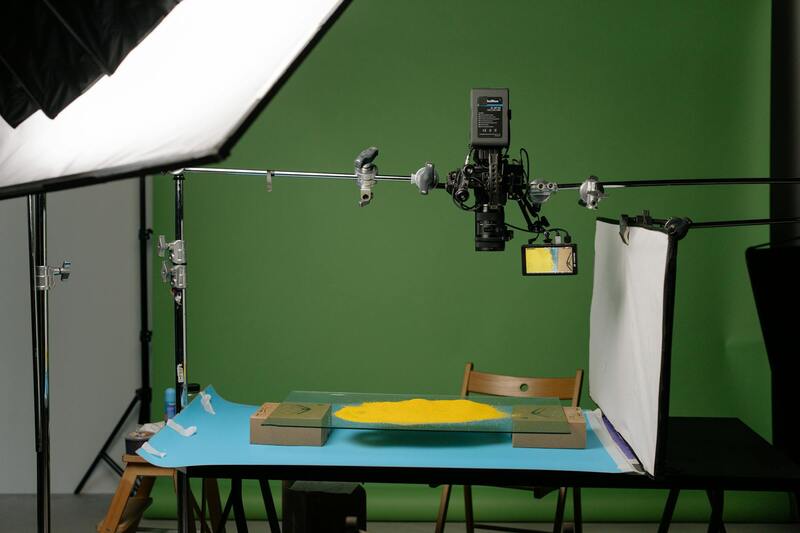
Additionally, consider utilizing HDR (High Dynamic Range) techniques to balance exposure between bright windows and darker interior spaces. This approach ensures that no area appears washed out or overly shadowed, resulting in well-exposed images that accurately depict the property’s ambiance.
Finally, multiple shots from different angles should be taken for each room. This provides a diverse selection of images for marketing materials, allowing for dynamic virtual tours or comprehensive online listings that highlight the property’s best qualities without sacrificing authenticity.
Post-Processing and Editing of Property Pictures
Post-processing plays a significant role in transforming raw images into polished marketing assets. Adjusting brightness, contrast, and color temperature can enhance realism, making spaces appear vibrant and inviting. Minor retouches to remove distracting elements—such as minor blemishes or reflections—help in presenting a clean, professional look.
Color correction is crucial, especially if lighting conditions varied during the shoot or if different cameras were used. Consistency across all images ensures a cohesive presentation, reinforcing the visual narrative conveyed through the property showcase.
Crop and straighten images to ensure architectural lines are aligned and focal points are emphasized. Such adjustments improve the overall composition and direct viewers' attention to features that matter most.
While editing enhances visual appeal, it is important to maintain the authenticity of the space. Over-processing or applying overly dramatic filters can lead to misrepresentation, which might hinder future viewings or cause distrust among viewers. The goal is to create an appealing yet truthful representation of the property.

Utilizing Property Photos for Marketing
Effective deployment of property images extends beyond simple online listings; it involves leveraging various channels to maximize exposure and attract potential buyers or renters. High-resolution photographs serve as the foundation for a compelling digital presence, but their true value emerges when integrated strategically across marketing platforms. Real estate agents and property owners should consider multi-channel distribution methods, such as social media campaigns, email marketing, and dedicated property websites, to reach diverse audiences.
In the context of digital marketing, property images are instrumental in creating visually engaging content that can be shared across social media platforms, including Instagram, Facebook, and LinkedIn. Eye-catching visuals can significantly increase user engagement rates, which often translate to more inquiries and scheduled viewings. For instance, carousel posts featuring multiple high-quality images allow viewers to explore the property interactively, giving them a virtual walkthrough experience that mimics an in-person visit.
Virtual tours and 3D walkthroughs, often supported by panoramic property pictures, provide immersive experiences that enhance the property's online presentation. These tools allow potential buyers to explore spaces from the comfort of their homes, reducing the time and effort involved in preliminary assessments and increasing the likelihood of serious inquiries.

Furthermore, integrating property photographs into targeted advertising campaigns can improve ad relevance and click-through rates, especially when paired with precise demographic and geographic targeting. Well-crafted image ads can evoke emotional responses that motivate viewers to take action—whether scheduling a showing or contacting the agent for more information.
Real estate professionals should also consider utilizing property images in printed marketing collateral, such as brochures, postcards, and banners. While digital marketing dominates the industry, traditional print media still plays a role in establishing credibility and providing tangible contact points for prospective clients.
To optimize impact, property photos must be consistently high-quality, accurately represent the space, and be strategically aligned with the overall marketing message. Clear, compelling images not only foster trust but also serve as powerful assets in a competitive real estate environment, ensuring that each property stands out and captures the attention it deserves.

Effective Use of Property Pictures in Marketing Strategies
High-resolution property photographs are integral to crafting comprehensive marketing campaigns that attract and retain potential buyers. When properly utilized, these images serve multiple functions that enhance the overall appeal of a property listing. From online platforms to print materials, appealing photographs help convey the essence of a property quickly, making it easier for prospective buyers to visualize themselves in the space.
One of the primary benefits of quality property images is their ability to increase engagement across digital channels. Listings featuring professional photos tend to receive more views, higher click-through rates, and increased inquiries. This heightened visibility is crucial in competitive markets like Miami, where numerous properties vie for the attention of prospective buyers.

Furthermore, these images are often repurposed for various marketing avenues, such as social media campaigns, email newsletters, and paid advertising. Consistent, eye-catching visuals help create a cohesive brand presence that builds trust and professionalism, ultimately guiding prospects toward making an inquiry or scheduling a viewing.
Leveraging property pictures effectively also involves integrating images into detailed virtual tours and 3D walkthroughs. These immersive experiences rely heavily on high-quality visuals to provide realistic and engaging representations of the property, reducing the need for initial physical visits and saving time for both buyers and sellers.
Optimizing Property Photos for Maximum Impact
- Strategic Placement of Images: Position photos prominently within online listings, ensuring each image highlights unique selling points of the property. Use a logical flow that guides viewers through different spaces, from the exterior to individual rooms.
- Consistent Image Style: Maintain a uniform editing style that aligns with the overall branding and marketing message. Consistent lighting, color balance, and framing help reinforce professionalism and authenticity.
- Highlight Key Features: Capture distinctive architectural details, spaciousness, natural light, and any recent upgrades. Showing these features can significantly influence a buyer’s perception of value.
- Use of Aerial and Panoramic Shots: Incorporate drone images for expansive outdoor views and panoramic photographs to showcase rooms with a broad perspective, especially in scenic Miami locations.
Leveraging Property Photographs in Offline Marketing
Beyond digital campaigns, quality property pictures play a vital role in traditional marketing materials. Brochures, postcards, and printed flyers utilize compelling images to attract foot traffic and generate interest during open houses. Real estate agents frequently rely on these visual assets to leave a lasting impression on prospective clients and facilitate offline referrals.
Ensuring that the photographs used in print media are of the same high quality as digital images helps establish credibility and professionalism. Accurate and attractive representations of the property ensure that potential buyers’ expectations are aligned with reality, reducing the likelihood of disappointment or unscheduling viewings.
Conclusion
The strategic selection, preparation, and utilization of property pictures are essential components of successful real estate marketing. Their influence extends beyond initial attraction, impacting engagement, trust, and ultimately, the sale process. By investing in quality property photography and deploying images thoughtfully across multiple channels, real estate professionals can effectively enhance visibility, foster interest, and accelerate sales in competitive markets like Miami.