
Importance of High-Quality Real Estate Photos
In the highly competitive Miami real estate market, the visual presentation of property listings has become a crucial element in attracting potential buyers. High-quality real estate photos serve as a powerful tool to showcase a property's unique features, highlight its best assets, and create an inviting impression that encourages viewers to explore further. When prospective buyers browse online listings, their initial impression is often shaped by the images they see; therefore, professional photography can significantly influence their perception of a property's value and appeal. Exceptional real estate pictures contribute to increased engagement by capturing the attention of viewers in a saturated market. Well-composed, clear, and vibrant images can make a listing stand out amid countless competitors. This heightened visibility often translates into higher traffic on the listing page, more inquiries, and ultimately, a faster sale process. Miami's diverse and vibrant real estate scene demands visual content that not only accurately depicts the property but also resonates with the lifestyles and expectations of target buyers. Professional photography ensures that the property's essence is conveyed effectively, whether it's a luxury condo with breathtaking ocean views or a charming single-family home in a desirable neighborhood. Furthermore, high-quality images foster trust and credibility, signaling to potential clients that the seller or agent values transparency and professionalism. In terms of sales speed, properties with compelling visuals typically experience shorter time on the market. Buyers are more likely to visit a property they've already seen in an appealing form online, which reduces the need for multiple showings. This efficiency benefits both sellers and agents by streamlining the sales process and reducing marketing costs. Investing in professional real estate photography is especially advantageous in Miami’s bustling market where aesthetics and first impressions directly impact purchasing decisions. From capturing the vibrant energy of urban settings to emphasizing tranquility in coastal properties, quality images form the foundation of effective marketing strategies that enhance a property’s desirability. Moreover, these photographs can be repurposed across various promotional channels, maximizing their value and reinforcing brand consistency. By understanding the impact high-quality real estate pictures have on buyer perception, engagement, and sales velocity, Miami real estate professionals can leverage professional imagery as a strategic asset. Such investment not only elevates a listing’s appeal but also positions properties for quicker, more favorable transactions in a competitive marketplace.

Key Elements of Effective Real Estate Photography
Achieving high-quality real estate images requires meticulous attention to several foundational elements that collectively elevate a property's visual appeal. These components are central to capturing the true essence of a property and ensuring that images resonate with potential buyers.
Optimal Lighting
Proper lighting is the cornerstone of compelling real estate photography. Natural light, when utilized effectively, can make spaces feel airy, open, and inviting. Photographers often schedule shoots during times when natural light is abundant, such as late morning or early afternoon. In interiors, supplemental lighting such as softboxes or reflectors help eliminate shadows and highlight architectural details. Avoiding harsh lighting and overexposure ensures a balanced representation of the property's interior and exterior features.
Thoughtful Composition
Composition determines how viewers perceive space and flow within a property. Skilled photographers employ techniques like the rule of thirds, leading lines, and framing to draw attention to focal points and create a sense of depth. Proper use of horizontal and vertical lines enhances the perception of space, while including key features such as fireplaces, kitchen islands, or scenic views adds value to the imagery.
Staging and Clutter Management
Staging plays a pivotal role in transforming a property into a desirable space visually. Clear, clutter-free rooms with well-placed furniture allow potential buyers to imagine their own belongings in the space. Professionals advise on coordinated decor, fresh flowers, and tidy surfaces to emphasize a room's functionality and style. Effective staging accentuates the property's best qualities and helps create an emotional connection with viewers.
Focus and Perspective
Ensuring sharp focus throughout the photograph is essential. High-resolution images with proper depth of field highlight architectural details and textures. Wide-angle lenses are often used to capture full room views, but must be calibrated to avoid distortion. Consistent perspective between images allows for seamless virtual walkthroughs, guiding viewers effortlessly from one space to another.

Post-Processing Refinement
After capturing images, professional editing ensures consistency and polish. Adjustments in brightness, contrast, and color balance refine the visuals to reflect the property's true ambiance. Correcting lens distortion and minor imperfections results in clean, professional images that stand out in online listings.
Incorporating Branding Elements
Brand identity can be subtly integrated through consistent color schemes, watermarks, or stylistic preferences. This consistency fosters recognition and trust across marketing channels, reinforcing the professionalism of the real estate business.
Advanced Techniques for Enhancing Real Estate Photos
To elevate the visual appeal of real estate images, professionals employ advanced techniques that go beyond basic photography. High Dynamic Range (HDR) imaging is commonly used to accurately capture both interior and exterior lighting, ensuring that shadows and highlights are balanced. This results in images that truly reflect the property’s ambiance, making spaces look inviting and authentic. Additionally, vertical and horizontal stitching techniques can create panoramic views, presenting expansive landscapes or cityscapes in a single captivating image. These wide-angle shots can significantly improve virtual tours and online listings, offering potential buyers a comprehensive view of the property.
Another effective strategy involves the use of drone photography. Drone shots provide stunning aerial perspectives of the property and surrounding area, which can be particularly appealing for waterfront homes or properties with large outdoor spaces. These images offer a unique vantage point that emphasizes the property's size, layout, and landscape features—elements that are often difficult to capture from the ground level. To ensure optimal results, drone images are typically captured during the golden hour, when natural light enhances colors and minimizes shadow distractions.
Implementing Consistent Branding in Real Estate Photography
Maintaining a consistent visual style across all property images can significantly reinforce brand recognition and trust with prospective clients. This involves establishing a standardized approach to color grading, lighting styles, and framing techniques that align with the overall branding identity of the real estate service. Subtle branding elements such as watermarks or distinctive watermark placement not only protect images but also serve as a reminder of professionalism and quality. Consistency in presentation helps set expectations and creates a unified portfolio that appeals to clients seeking a reputable property listing source.
By employing these advanced photography methods and maintaining branding consistency, Miami real estate professionals can substantially improve the visual impact of their listings. High-quality, strategically captured images attract more viewers, foster emotional connections, and ultimately lead to increased inquiries and sales. Ensuring that each property’s unique features are highlighted with technical precision and artistic sensibility is vital for standing out in a competitive market.
Some Best Practices for Capturing Real Estate Business Pictures
Creating compelling real estate images requires more than just pointing a camera at a property. It involves meticulous planning, technical skill, and an understanding of what appeals to potential buyers. The goal is to highlight a property's best features, create a sense of space and ambiance, and evoke an emotional response that motivates viewers to take the next step towards making a purchase. Here are several proven methods to elevate your real estate imagery to meet industry standards and attract more inquiries.
Pre-Photography Planning
Before setting your camera, it is essential to assess the property thoroughly. Schedule your shoot during optimal lighting conditions, typically early morning or late afternoon, to utilize natural light effectively. Remove clutter and personal items from the space to prevent distractions and present a clean, inviting environment. Consider preparing a shot list to ensure no key features are overlooked, including unique architectural details, upgraded fixtures, or spacious areas that define the property's character.
Lighting Techniques
Lighting plays a critical role in producing high-quality real estate images. Use natural light whenever possible, supplemented with professional lighting equipment if needed. Techniques such as diffusing harsh sunlight with sheer curtains or reflectors can balance light distribution and reduce shadows. Proper exposure settings are essential to capturing true-to-life colors and details without overexposing bright areas or underexposing shadows. For interior shots, consider using wide-angle lenses to encompass more of the space, providing viewers with an accurate sense of room dimensions.
Composition and Framing
Effective composition directs viewers’ attention and creates an aesthetic appeal. Use the rule of thirds to position key features within the frame. Incorporate leading lines, such as walkways or window frames, to guide the eye through the image. Avoid cluttered backgrounds and ensure that horizons are level. For exterior shots, choose vantage points that emphasize the property's best angles and landscape features. Including some context of the neighborhood or nearby amenities can also add value by illustrating the property's location benefits.
Post-Processing Adjustments
Post-processing is an integral part of modern real estate photography. Adjust brightness, contrast, and color balance to ensure images appear vibrant yet natural. Use editing techniques cautiously to correct distortions or perspective issues, especially when employing wide-angle lenses. Avoid over-editing, which can create unrealistic images that diminish credibility. Consistency in editing style across all property images reinforces branding and helps viewers instantly recognize your listings as professional and reliable.
Utilizing Advanced Equipment
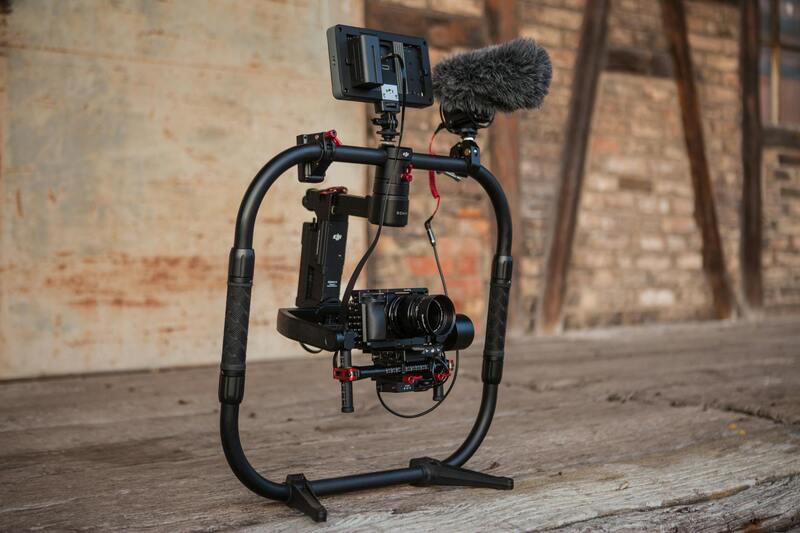
Incorporating high-end cameras, wide-angle lenses, and stabilization tools can significantly enhance image quality. Drone photography is particularly effective for capturing expansive exterior views, aerial comparisons, and proximity to surrounding amenities. Ensuring equipment is well-maintained and operated by skilled professionals can prevent technical flaws such as blurriness or exposure errors that undermine the listing’s perceived quality.
Incorporating Lifestyle and Contextual Shots
Besides straightforward snapshots, including lifestyle images—such as a cozy living room set-up or a serene backyard scene—can evoke emotional appeal. Contextual shots showcasing nearby parks, waterfronts, or local attractions help prospective buyers visualize their future life in the property. These images should complement the standard shots and are valuable additions to a comprehensive marketing package.

By applying these best practices, real estate professionals in Miami can produce visually stunning images that significantly improve listing visibility and appeal. Ensuring every shot is deliberate, technically sound, and aligned with the property's unique features will ultimately foster greater interest and more prompt sales conversions.
Enhancing Online Listings with Professional Real Estate Photography
To maximize the impact of real estate pictures in online listings, attention to technical details like image size, resolution, and metadata is essential. High-resolution images ensure that potential buyers can view properties clearly, even when zooming in for finer details. Listings with crisp, well-compressed photos tend to perform better in search results and attract more clicks, as they showcase professionalism and attention to detail.
Optimizing images for search engines involves including descriptive alt text and relevant keywords in image metadata, which improves the visibility of listings on online platforms. Properly labeled images can enhance search rankings and make listings more discoverable to interested buyers browsing through property galleries.
Another critical factor is consistency in image presentation. Establishing a standardized editing style creates a cohesive look across all property images, reinforcing branding consistency. This consistency enhances the professional perception of your listings and helps establish trust with prospective clients. Adjustments such as color correction, contrast enhancement, and ensure proper lighting all contribute to polished, appealing photos that accurately represent property features.
Implementing SEO Strategies in Visual Content
- Use descriptive file names that include relevant keywords, such as "Miami-waterfront-living-room.jpg".
- Incorporate geographic markers within image tags to improve local search results.
- Ensure images are mobile-optimized to load quickly on all devices, enhancing user experience.
- Leverage structured data markup to provide additional context for search engines, increasing visibility.
Furthermore, integrating high-quality visual content within your overall marketing plan helps attract more qualified leads. Promoting images across multiple channels—such as social media, email marketing, and your website—creates consistent branding and broadens reach.
Utilizing Interactive and 360° Visuals
To further engage prospective buyers, consider incorporating interactive elements such as 360-degree virtual tours or panoramic images. These immersive visuals allow viewers to explore the property remotely, offering a comprehensive experience that static images alone cannot provide. Such tools are particularly advantageous in competitive markets like Miami, where buyers are often evaluating multiple properties simultaneously.
Legal and Ethical Considerations in Property Photography
Ensuring that real estate imagery adheres to established standards of honesty and transparency is essential for building trust with clients and maintaining a reputable brand image. Professional photography must accurately represent the property without misleading potential buyers, which involves capturing true-to-life visuals that reflect the current state of the property. Alterations should enhance the image’s quality while preserving its authenticity, avoiding any modifications that might distort the property's real appearance.
Property rights must be respected during the photography process. This includes obtaining necessary permissions before capturing images, especially of private outdoor spaces or surrounding areas. Property owners should have full awareness of where and how their images will be used, and consent must be documented accordingly.
Respect for individual privacy is paramount, particularly when photographing homes that are currently occupied. Care should be taken to avoid including personal belongings, confidential areas, or sensitive information in images. Detailed attention must also be given to avoid infringing on the privacy of neighbors or other parties, especially when capturing wide-angle shots or aerial imagery.
Honesty in visual content extends to not manipulating images to exaggerate the size, features, or condition of the property. Overly edited photos can create false expectations, which might lead to dissatisfaction or legal complications. Instead, focus on lighting adjustments, color correction, and clarity enhancements that boost visual appeal without misrepresenting the property.

Adhering strictly to these principles ensures that property photography remains a valuable tool for honest marketing while respecting legal standards and ethical boundaries. It reinforces professional integrity and supports sustainable business growth within the competitive Miami real estate market.
Legal and Ethical Considerations in Property Photography
When engaging in real estate photography, it is essential to adhere to established principles that respect the rights and privacy of property owners, occupants, and neighbors. Proper authorization ensures that all images taken are legitimate for marketing purposes, thereby maintaining integrity and trustworthiness in listings. Obtaining explicit permissions from property owners before recording images is a critical step. This consent guarantees that all parties are aware of how their property and surrounding areas will be represented and utilized across various platforms.
Moreover, photographers must be cautious when photographing occupied homes. Taking care to exclude personal belongings, confidential spaces, or sensitive information helps prevent inadvertent exposure of private details. It is equally important to avoid capturing imagery that infringes on the privacy of neighbors or unrelated third parties. For instance, wide-angle shots or aerial views should be planned carefully to prevent the inclusion of private outdoor spaces or adjacent properties without appropriate permission.

Visual content honesty is a cornerstone of professional property marketing. Image manipulation should be limited to enhancing lighting, color balance, and overall clarity, without altering the true appearance or exaggerating property features. Overly edited visuals risk misrepresenting properties, which can lead to buyer dissatisfaction and diminish trust in listings. Accurate, transparent images allow potential buyers to make well-informed decisions based on the true state of a property.
Adherence to these ethical standards not only promotes a positive reputation for real estate professionals but also fosters long-term credibility within the competitive Miami market. Respect for legal boundaries, combined with truthful visual storytelling, ensures that property marketing remains both effective and ethical.

Legal and Ethical Considerations in Property Photography
Maintaining transparency and integrity in real estate imagery is essential for building trust with prospective buyers and preserving a professional reputation within the competitive Miami market. Strict adherence to proper photographic practices ensures that visual content accurately reflects the property, avoiding any misrepresentation or false impressions. This includes the diligent removal of personal items, clutter, or any elements that could compromise privacy. When photographing occupied spaces, it is critical to exclude personal belongings, confidential documents, or sensitive areas that could unintentionally disclose private information.
Furthermore, careful planning is required to prevent invasion of neighbors’ privacy when capturing wide-angle shots or aerial images. This involves respecting boundaries and obtaining necessary permissions if needed, especially when including outdoor areas or adjacent properties. Respectful photography practices foster good relationships with clients and neighbors alike while upholding high standards of professionalism.

Image manipulation should be approached cautiously, with a focus on enhancing natural qualities rather than creating unrealistic representations. Adjustments to lighting, color correction, and sharpness are acceptable methods to improve the clarity of images, but exaggerating the size or features of a property through digital alteration can lead to discrepancies that frustrate buyers upon viewing the property in person. Ensuring the images are an honest depiction of the property helps buyers set accurate expectations and fosters transparency in the transaction process.
In the Miami real estate landscape, acting ethically also extends to respecting copyright laws—using only images owned or authorized by the property owner or photographer. Unauthorized use of images can harm credibility and lead to disputes, so securing the proper rights before publishing is crucial.
Promoting Ethical Standards in Visual Marketing
By consistently following these practices, real estate professionals demonstrate a commitment to ethical standards, enhancing their reputation and building long-term client trust. Clear, truthful images not only support effective marketing but also contribute to a positive industry reputation, ensuring that listings stand out for their honesty and professionalism.