Importance of High-Quality Real Estate Photos
In the bustling Miami real estate market, where competition is fierce and buyer attention spans are short, the significance of high-quality property photographs cannot be overstated. Professional images serve as the visual first impression, often determining whether potential buyers will consider a property further or scroll past. Well-composed and sharp photos effectively highlight a home's best features, creating an emotional connection that can motivate a quick decision.
The visibility of a property online directly correlates with the quality of its images. Listings featuring high-resolution, well-lit photos tend to attract more clicks, resulting in increased traffic and greater interest. This heightened visibility can lead to faster sales and potentially higher offers.
Miami's diverse architectural styles and vibrant neighborhoods demand imagery that captures the unique character of each property. High-quality photos help convey the scale, layout, and ambiance, providing prospective buyers with a realistic preview that reduces surprises during viewings.
Furthermore, professional real estate photography minimizes the ambiguities and distortions often associated with amateur shots. It ensures accurate color representation and perspective, building trust and confidence in the listing. High-grade images not only elevate the perceived value of a property but also establish a professional image for the listing agent or agency.
Investing in superior real estate photography can be a decisive factor in a property’s success in Miami’s competitive market. It enhances online listings, marketing materials, and social media exposure, broadening reach and attracting a wider pool of qualified buyers. Ultimately, high-quality home photos translate into increased interest, quicker sales, and optimal transaction outcomes.

Key Elements of Attractive Home Photos
Creating compelling real estate home photos involves a meticulous attention to several key elements that collectively enhance the visual appeal of each property. Composition stands at the forefront, requiring balanced framing that highlights the most attractive features of a space. This entails strategic placement of furniture and decor to draw the viewer’s eye through the room, emphasizing size and flow. Utilizing the rule of thirds can make compositions more engaging, ensuring focal points attract attention naturally.
Lighting is another critical component. Natural light, when available, should be prioritized to give the property a warm, inviting atmosphere. Photographers often shoot during the day, using windows and open curtains to maximize daylight. In scenarios where natural light is limited, professional alterations such as high-quality artificial lighting or reflectors help fill shadows and create even illumination, reducing harsh contrasts and enhancing room ambiance.
Staging techniques also play an essential role in elevating property images. Proper staging involves arranging furniture to accentuate the layout and scale of each room without overcrowding. It may include adding tasteful accessories, such as plants, artwork, or plush textiles, that add color and texture, contributing to a welcoming environment. Thoughtful staging ensures potential buyers can visualize the space’s potential, making photos more impactful and emotionally engaging.
Choosing the Right Equipment and Techniques
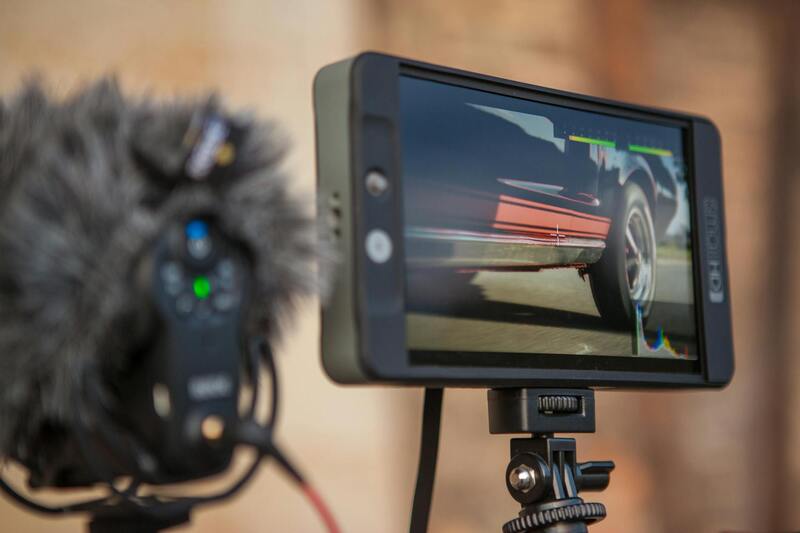
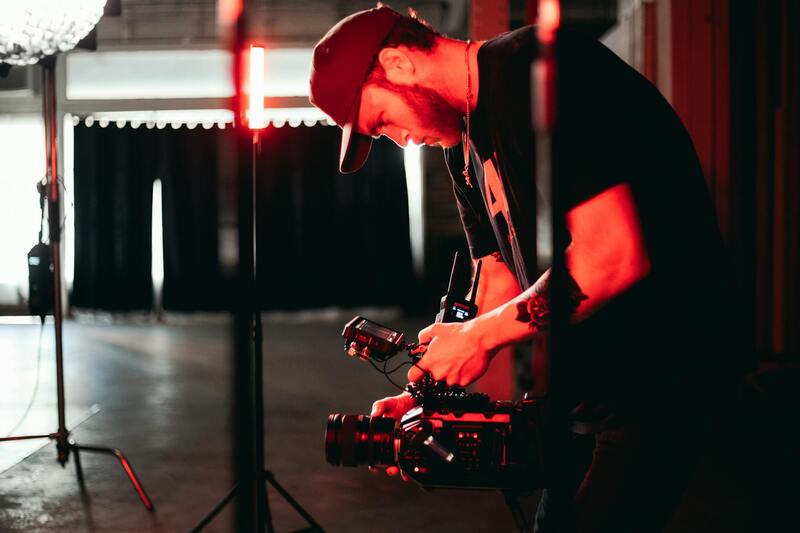
Achieving high-caliber real estate photography necessitates selecting the appropriate equipment and adopting specialized techniques. A professional-grade camera with a wide-angle lens is ideal, allowing for capturing expansive views of rooms without distortion. Tripods are essential to maintain stability, especially in low-light conditions, resulting in sharp images with optimal exposure.
Advanced techniques, such as HDR (High Dynamic Range) imaging, combine multiple exposures to reveal details in both shadows and highlights, creating a balanced and vibrant image. This approach is particularly useful for properties with high-contrast lighting or windows that admit bright sunlight. Panoramic shots or 3D virtual tours may also be integrated to provide immersive experiences, offering viewers a comprehensive understanding of the property's spatial layout.
Utilizing drone photography can showcase the property's exterior, landscaping, and surrounding amenities, especially for larger estates or properties with scenic views. Aerial perspectives contribute to a well-rounded visual presentation, capturing the property's context within its neighborhood and environmental setting.

Best Practices for Photography in Miami Properties
Miami's unique climate and architectural diversity demand tailored photography practices. To harness the city's abundant natural light, photographers often schedule shoots during the golden hours—shortly after sunrise or before sunset—when sunlight is softer and creates flattering shadows. This timing helps to add warmth and depth to the images, capturing Miami's vibrant atmosphere.
For properties with large windows or waterfront views, careful management of reflections and glare is necessary. Using polarizing filters on camera lenses reduces unwanted reflections, ensuring clarity of windows and water surfaces. Additionally, weather conditions must be considered; bright, sunny days tend to produce the most striking images, while overcast days offer soft, evenly distributed lighting that minimizes harsh shadows.
Indoor photos should emphasize cleanliness and organization, with minimal clutter to prevent distractions. Highlighting exceptional features—such as high ceilings, distinctive architectural details, or outdoor living spaces—can set a listing apart. Properly capturing these elements helps potential buyers appreciate the property's unique appeal and lifestyle potential.

Key Elements of Attractive Home Photos
Effective real estate photography hinges on capturing images that truly showcase a property's best features, attracting potential buyers with visually compelling content. Composition plays a crucial role; framing shots to include the most attractive angles and ensuring that each element within the space highlights its strengths can make a significant difference. Proper use of perspective can make rooms appear more spacious and inviting, which is vital in competitive markets like Miami.
Lighting is another critical factor. Utilizing natural light effectively accentuates the property's appeal, while additional lighting fixtures can supplement during dimmer hours or indoor shoots. Consistent, balanced exposure eliminates dark shadows and overly bright spots, creating a cohesive look across all images. For Miami homes, capturing the interplay of sunlight with architectural features enhances the vibrancy and liveliness that characterize the city’s real estate market.

In addition to lighting and composition, attention to detail is essential. Photography should highlight unique architectural elements—such as high ceilings, modern finishes, or waterfront views—that set a property apart. Proper staging — decluttering spaces, arranging furniture to enhance flow, and ensuring cleanliness — reinforces the property's appeal and helps prospective buyers envision living there.
The use of multiple angles creates a comprehensive visual story, allowing viewers to explore each room virtually. Wide-angle lenses are helpful but should be used judiciously to prevent distortion. Shots that include outdoor spaces, patios, or views of the surrounding neighborhood can broaden the property's appeal, especially in Miami, where outdoor living is highly valued. In sum, the most attractive real estate photos are those that combine technical precision with an artistic eye, compelling viewers to imagine their future in the home.
Editing and Post-Processing Tips
Once the initial photos are captured, meticulous editing and post-processing are vital to enhance their visual impact while maintaining authenticity. Adjustments to brightness, contrast, and color saturation help to reflect the property's true appearance and mood, making images more appealing without exaggeration. Correcting geometric distortions caused by wide-angle lenses ensures that proportions remain natural, safeguarding the authenticity of the spaces. Cropping can help focus attention on key features or remove distractions from the frame.
Proper color correction ensures that natural hues are accurately represented, which is especially important in Miami's vibrant outdoor settings. Balancing white tones against indoor lighting conditions can eliminate unwanted color casts, resulting in neutral, appealing images. Additionally, subtle retouching may be employed to remove minor imperfections, such as blemishes or clutter, further emphasizing the property’s qualities.

It is essential to strike a balance; over-editing can distort perceptions and lead to mismatched expectations. Consistent editing styles across all photographs foster a cohesive visual presentation, which is key for professional real estate listings. Advanced techniques like HDR (High Dynamic Range) processing are often used to manage challenging lighting conditions—capturing details in both shadows and highlights—ensuring that interiors and exteriors are equally captivating. When executed thoughtfully, editing can transform good photos into compelling visuals that effectively draw in potential buyers.
Leveraging Photos in Marketing Strategies
Dynamic, high-quality real estate photos serve as the foundation for a comprehensive marketing approach. They should be strategically used across multiple channels, including online listings, social media, email campaigns, and virtual tours. Visual content that highlights a property’s best features attracts more attention and encourages higher engagement levels. For Miami homes, emphasizing outdoor living spaces, waterfront views, or modern interiors through carefully curated images can set a property apart in a competitive marketplace.
Furthermore, incorporating virtual staging or seasonal updates in photography can appeal to different buyer segments and showcase the property's versatility. Utilizing images to tell a story about the lifestyle associated with the home enhances emotional appeal, which can significantly influence decision-making processes. High-resolution photos not only increase online visibility but also serve as a reliable reference for in-person viewings, reducing surprises and fostering trust.
Working with Miami Real Estate Photography Agencies
Partnering with professional photography agencies specializing in Miami real estate ensures access to experienced photographers familiar with local market nuances and unique property features. These agencies often employ advanced equipment, such as drone cameras and 3D virtual tour technology, to deliver comprehensive visual content. Establishing a rapport with skilled photographers allows for customized approaches aligned with the property's style and target audience.
Many agencies provide guidance on staging, optimal shoot times, and specific angles that accentuate Miami’s distinctive architecture and outdoor lifestyle. Working collaboratively ensures that the images produced are consistent, high-quality, and aligned with marketing goals. Regularly updating visuals with fresh photography can also reflect seasonal changes or renovations, maintaining an appealing online presence throughout the year.
Editing and Post-Processing Tips
Effective editing plays a crucial role in transforming good real estate photos into compelling visual assets that draw potential buyers. Proper post-processing involves subtle adjustments that enhance the image without compromising its authenticity. Color correction is fundamental; adjusting brightness, contrast, and saturation ensures that the home’s colors appear vibrant yet true to reality. Slight enhancements to white balance can eliminate undesirable tints caused by lighting conditions, creating a balanced and inviting atmosphere.
Image sharpening and noise reduction are additional steps that improve clarity, especially when dealing with low-light conditions or high ISO settings. These adjustments make interior details crisp and outdoor features more defined, helping viewers appreciate the property’s unique elements. When appropriate, perspective correction can straighten lines and straighten skewed angles, especially in images featuring architectural elements like facades and interiors.
While enhancing photos, it is essential to maintain realism to avoid misleading potential buyers. Overly saturated images or exaggerated edits can lead to disappointed expectations during in-person visits, which may affect credibility. Applying selective edits—such as brightening specific areas while keeping other sections natural—can highlight key features without misrepresenting the property.
Leveraging Photos in Marketing Strategies
Once optimized, professional real estate photos serve as the cornerstone of a comprehensive marketing approach. High-quality images can be featured across various online platforms, including property listing websites, social media, and email campaigns, significantly increasing online visibility and attracting targeted audiences.
Visual content can also be incorporated into virtual tours and 360-degree experiences, offering immersive insights that encourage engagement. High-resolution images facilitate detailed views, allowing prospective buyers to examine the property closely, even remotely. This is particularly advantageous for international clients or out-of-town prospects.
Ensuring consistency in photographic style and quality reinforces brand recognition and presents a polished image of the property. Including compelling captions and keywords aligned with the property’s unique features can improve search engine optimization (SEO), making it easier for interested buyers to find the listing.
Working with Miami Real Estate Photography Agencies
Collaborating with experienced local photography agencies familiar with Miami’s real estate landscape ensures that photography efforts are tailored to highlight the city’s distinctive architecture and outdoor lifestyle. These agencies employ advanced equipment, such as drone cameras for aerial shots and 3D virtual tour technologies, delivering comprehensive visual content that can set a property apart.
Partnerships with professional agencies often include guidance on staging, timing, and optimal viewing angles, maximizing the impact of each shot. A good photographer understands how to capture Miami’s vibrant ambiance, whether it’s waterfront properties, historic architecture, or modern condos.
Regularly updating property visuals—to reflect seasonal changes, new upgrades, or renovations—is vital in maintaining an engaging online presentation. Establishing a close working relationship with local experts ensures consistency, quality, and a strategic approach that aligns with marketing objectives.
Legal and Ethical Considerations
When engaging in professional real estate home photography, adhering to established legal and ethical standards is essential to maintain trust, ensure transparency, and protect all parties involved. While the focus is on utilizing legitimate methods, it is equally important to respect privacy rights, property rights, and truthful representation practices. This adherence not only enhances the credibility of the marketing process but also safeguards against potential disputes or misunderstandings.
One fundamental aspect is obtaining proper authorization before photographing a property. This includes securing consent from the property owner or authorized representatives, especially when shooting interiors or private outdoor spaces. Clear communication about the intended use of the photos is vital, ensuring that clients understand where and how the images will be published or distributed.
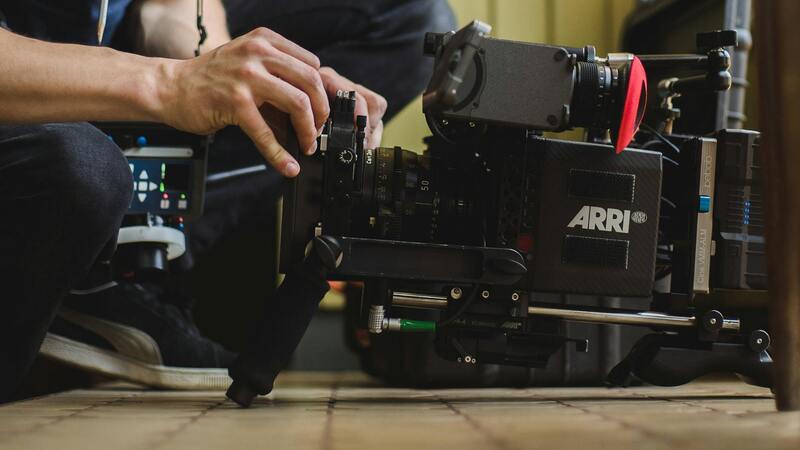
Photographers should also follow guidelines related to accurately representing the property. This involves capturing images that reflect the current condition of the home without misleading or over-promising features. Avoiding manipulative angles or excessive post-processing ensures that potential buyers receive an honest depiction, fostering trust and facilitating informed decisions.
Additionally, it is prudent to be aware of local regulations related to drone photography, especially in Miami, where certain aerial shots might require special permits. Respect for neighborhood privacy, avoiding capturing sensitive areas such as private yards or security features, demonstrates professionalism and courtesy.
Maintaining proper data management and storage protocols is another best practice. Store original images securely, and document agreements related to photo rights and usage. This not only protects intellectual property but also clarifies terms for future marketing or promotional activities.
In essence, ethical practices in real estate home photography underpin the success of marketing initiatives by fostering trust and credibility. Working with experienced professionals familiar with Miami’s specific requirements and standards ensures that content is both compelling and compliant with applicable norms, ultimately contributing to a positive experience for clients and prospects alike.
Legal and Ethical Considerations
When creating and utilizing real estate home photos, adherence to established ethical standards and legal frameworks ensures a smooth and respectful marketing process. Photographers must obtain explicit permission from property owners before capturing images, especially when the photos are intended for public or commercial use. This respect for ownership rights fosters a professional relationship built on trust and transparency.
Respecting privacy is paramount in residential photography. Avoid capturing images of personal areas such as private yards, security systems, or sensitive home features without prior approval. Incorporating aerial shots or drone photography in Miami often involves specific protocols—obtaining necessary permits and respecting neighborhood privacy boundaries are critical steps in this process. Photographers should familiarize themselves with local guidelines to ensure compliance, avoiding potential disputes or misunderstandings.
It is essential to clearly define the scope of image usage through written agreements with clients. These documents specify rights related to the display, distribution, and reproduction of photos, preventing future misunderstandings. Proper documentation safeguards the interests of all parties involved, establishing a framework for responsible use of visual content.

Adhering to standards for truthful representation is equally important. Photos must accurately depict the property's current condition without embellishment or digital alteration that misleads viewers. Overly manipulated images risk damaging credibility and can lead to buyer skepticism, undermining marketing efforts.
Fundamental to ethical photography is the conscious effort to avoid intrusive or disrespectful shots. This includes steering clear of images that might infringe on private moments or sensitive areas, especially within dense urban settings like Miami neighborhoods. Demonstrating courtesy and professionalism in capturing and handling images builds a positive reputation.
By integrating these practices, real estate professionals and photographers foster an environment of integrity and respect within the Miami market. Upholding these principles ensures that property marketing is not only visually compelling but also meets high standards of honesty and professionalism, ultimately supporting successful transactions and sustained trust among clients and prospective buyers.
Maximizing the Effectiveness of Real Estate Home Photos in Miami
Once high-quality images are captured with proper techniques and equipment, the next step involves strategically integrating these visuals into overall marketing plans. In Miami’s competitive real estate market, compelling imagery serves not only as a visual showcase but also as a powerful tool for attracting qualified buyers and accelerating sales processes. Effective utilization of property photos entails more than mere posting; it includes thoughtful placement across multiple channels, tailored presentation formats, and timing to reach the widest relevant audience.
Optimizing Photos for Online Listings
Online property listings are often the first interaction prospective buyers have with a property. Therefore, it is crucial that photos are optimized for web display. This involves compressing images for fast loading without sacrificing resolution, ensuring accurate color representation, and using appropriate aspect ratios that fit various listing platforms. Integrating a variety of images—interior, exterior, highlighting key features—provides a comprehensive view that engages enthusiasts and decision-makers alike.
Enhancing Virtual Tours and 3D Visualizations
Beyond static images, virtual tours and three-dimensional walkthroughs have become essential in Miami real estate marketing. They offer potential buyers an immersive experience, enabling them to explore properties remotely with a high degree of realism. High-quality home photos serve as a foundation for these advanced visual tools, providing the necessary visual data. When paired with professional 3D scans and virtual staging, these technologies significantly improve user engagement and generate more serious inquiries.
Utilizing Photos in Print and Outdoor Campaigns
While digital channels dominate, traditional marketing methods remain valuable. Professionally captured home photos can be printed into brochures, flyers, and signage that enhance local visibility. Strategically placing outdoor advertisements in high-traffic areas of Miami complements online efforts, creating a cohesive marketing approach. Consistency in photo quality across all media reinforces credibility and fosters brand recognition among prospective clients.
Social Media and Content Marketing
Social media platforms present an excellent opportunity to showcase Miami properties to targeted audiences. Sharing high-quality images in posts, stories, and sponsored ads enhances engagement rates. Dynamic content like before-and-after renovations or thematic showcases of Miami neighborhoods can be created using these professional visuals, capturing the essence of living in Miami and reinforcing the property’s unique value proposition.
Monitoring and Analyzing Performance
Utilizing analytical tools allows real estate professionals to measure the effectiveness of visual content. Metrics such as click-through rates, engagement levels, and conversion rates reveal which images resonate most with viewers. Based on these insights, photographers and marketers can refine their strategies, focusing on visual elements that drive interest and inquiries, thus ensuring that each investment in professional photography yields maximum results.