
Importance of High-Quality Real Estate Listing Photos
In Miami's dynamic and competitive real estate market, the significance of high-quality listing photography cannot be overstated. Professional visuals serve as the initial impression prospective buyers receive, often determining whether they proceed to schedule a viewing or move on to other options. Well-crafted images highlight the property's best features, emphasize its unique assets, and create an emotional connection that encourages potential buyers to imagine themselves living there.
Quality listing photos act as a digital handshake—representing the property online before buyers ever step foot inside. When images are clear, well-lit, and professionally composed, they convey a sense of trustworthiness and professionalism. This perception not only attracts more interest but also fosters buyer confidence, which is critical in a competitive Miami real estate environment.
Furthermore, professional listing photography can significantly accelerate the sales process. Properties with compelling visuals tend to attract more viewings and inquiries, reducing the time the property remains on the market. In Miami’s fast-paced market, rapid turnaround can be a vital advantage, leading to quicker offers, fewer price negotiations, and ultimately, higher returns for sellers.
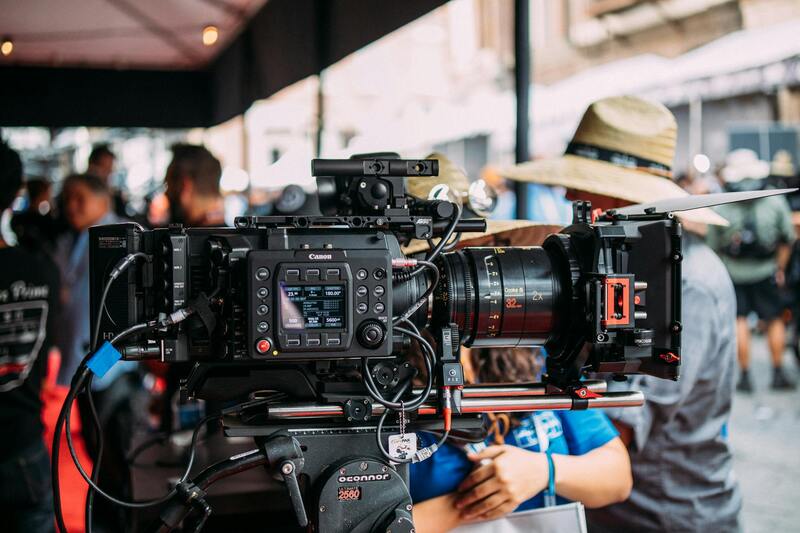
Investing in professional real estate listing photography often results in a better online presence across multiple listing services (MLS) and social media platforms. This visual consistency helps build a reputable brand for the property and the real estate agency, attracting serious buyers and establishing credibility in an already saturated market.
Ultimately, effective listing photos are a strategic asset in Miami’s property sales toolkit. They serve as a visual narrative that captures the essence of the home, draws in prospective buyers, and facilitates faster transactions. The impact of polished, professionally taken images extends beyond mere aesthetics; it directly influences the speed, success, and profitability of property sales in Miami’s vibrant real estate landscape.
Optimal Equipment and Techniques for Property Photography
Achieving exceptional real estate listing photographs requires the right combination of equipment and technique. Professional-grade cameras, such as full-frame DSLRs or mirrorless models, are capable of capturing high-resolution images that showcase intricate details and vibrant colors, even in challenging lighting conditions. A wide-angle lens, typically ranging from 14mm to 24mm, is essential for capturing the full scope of a room, making spaces appear more expansive and inviting to potential buyers.
Tripods are indispensable in maintaining stability and achieving sharp focus, especially in low-light environments or when employing slower shutter speeds to enhance image brightness. Consistent image quality depends on proper camera settings, including appropriate aperture, ISO, and shutter speed, tailored to the specific lighting and room conditions.

In addition to equipment, mastering specific photographic techniques can markedly improve listing visuals. Utilizing HDR (High Dynamic Range) imaging combines multiple exposures to balance light and shadows, producing well-lit photographs that accurately represent interior and exterior spaces. This technique is particularly beneficial in environments with high contrast lighting, such as sun-drenched Miami homes.
Proper use of natural light is fundamental. Scheduling shoots during daylight hours maximizes the availability of sunlight, which adds warmth and authenticity to images. When natural light is insufficient, LED or softbox lighting solutions can supplement illumination without creating harsh shadows or color shifts.
Composition is equally crucial. Employing the rule of thirds guides the placement of key features within the frame, ensuring a balanced and visually appealing photograph. Using leading lines or framing elements directs viewers’ attention toward focal points like a beautifully crafted staircase or a scenic outdoor view. Ensuring tidy, clutter-free spaces enhances visual clarity and keeps attention focused on the property’s best features.
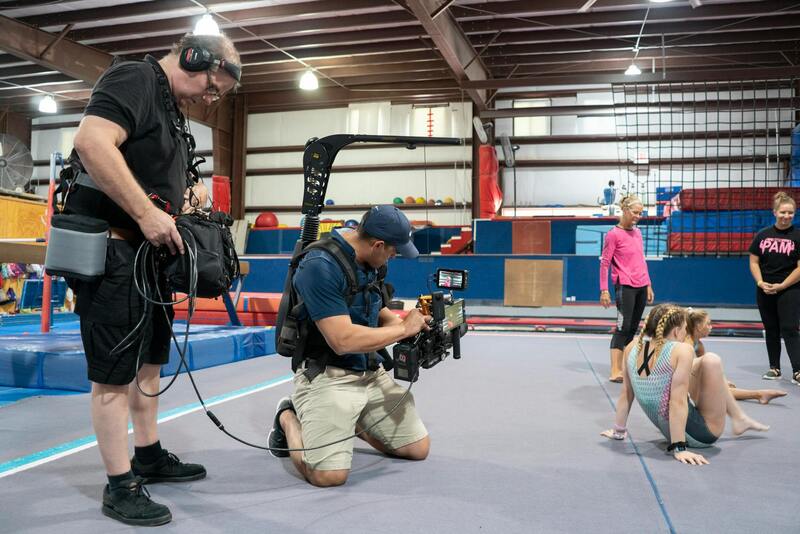
Finally, understanding the significance of good timing and preparation can elevate listing photos. Conducting shots shortly after decluttering and staging guarantees optimal presentation. Reviewing a set of images on-site allows immediate adjustments in angles, lighting, or composition, ensuring each shot highlights the property’s unique selling points with precision.
Optimal Equipment and Techniques for Property Photography
To capture compelling and professional-grade real estate images, employing the right equipment and techniques is essential. High-resolution digital cameras with full-frame sensors are preferred, as they deliver sharper images with better noise control in varied lighting conditions. A wide-angle lens, typically between 14mm and 24mm, can effectively showcase larger spaces, providing a sense of openness and allowing viewers to see more of the room in a single shot. This focal length helps convey the spatial dimensions accurately without distortion, which is critical for maintaining trust and authenticity in listing photos.
Lighting equipment plays a vital role. External flash units or portable strobes can be used to brighten interior spaces evenly, avoiding the harsh shadows caused by natural light alone. Light modifiers, such as softboxes and diffusers, soften the light to produce a more natural and appealing look. When photographing exteriors, reflectors can redirect sunlight to minimize shadows and highlight architectural features. Combining these lighting tools with natural daylight ensures consistent, well-lit images regardless of weather conditions.

In post-processing, editing software like Adobe Lightroom or Photoshop enables refinements that elevate image quality while preserving authenticity. Adjustments include color correction, contrast enhancement, and straightening skewed lines. A subtle increase in vibrancy can make interior elements pop, while noise reduction ensures clarity in darker areas. It’s important to maintain a balanced approach—over-editing can distort true property features, which might deter prospective buyers. Techniques such as image stitching can also be employed to create panoramic views that showcase expansive outdoor areas or grand interiors, providing potential buyers with a comprehensive visual experience.
Steady shooting methods, such as using a tripod, are crucial for sharp images, especially in dim interior conditions. Employing bracketing techniques—taking multiple exposures at different brightness levels—facilitates high dynamic range (HDR) imaging, which balances highlights and shadows to produce well-exposed photographs in high-contrast environments. Practice in framing and composition, guided by principles like the rule of thirds and leading lines, ensures each shot highlights the property’s key features effectively.
Finally, pre-shoot planning and on-site review are critical. Verifying that all areas are tidy, properly staged, and well-lit before shooting ensures each image communicates the maximum appeal of the property. Sequentially reviewing images during the session allows for immediate adjustments, streamlining the process for efficient production of high-quality listing photos.
Legal and Ethical Considerations in Real Estate Listing Photography
When creating compelling real estate listing photographs, adherence to established standards and practices ensures that the visuals accurately represent the property without misrepresentation or exaggeration. This adherence fosters trust with prospective buyers and helps maintain integrity within the marketplace. It’s essential for photographers and agents alike to understand the parameters guiding realistic portrayal, respecting privacy rights, and avoiding any manipulative techniques that could distort the true condition or appearance of a property.
One fundamental aspect is the truthful depiction of the property's dimensions, features, and condition. Photographers should avoid overly extensive retouching that might artificially enhance the property’s appearance or conceal flaws. For example, removing structural flaws or staging moves that significantly alter the property's natural state must be performed judiciously and transparently. This ensures that buyers' expectations are aligned with reality upon viewing the property in person.
Respecting privacy is another critical consideration. This involves ensuring that photographs do not infringe upon personal spaces or include images of private areas that were not meant to be publicized. When capturing interior shots, it’s advisable to obtain consent if the property is tenant-occupied or involves sensitive areas that require discretion.
From a professional standpoint, transparency in the editing process reinforces credibility. Disclosing any significant adjustments or enhancements—when appropriate—helps maintain trust with clients and potential buyers. This might include clarifying that HDR or panoramic techniques were used to optimize visual quality but did not alter the actual appearance of the property.
Additionally, utilizing legitimate methods such as high dynamic range imaging enhances aesthetic appeal without fabricating the scene. Using natural lighting techniques instead of artificial enhancements preserves authenticity, which is highly valued in trust-driven real estate transactions. Ensuring shots are staged ethically—with furniture and décor that accurately reflect what buyers will encounter—helps prevent misconceptions that could lead to dissatisfaction or disputes later on.
Ultimately, professionals engaged in real estate listing photography should prioritize honest, respectful, and transparent practices. This approach not only upholds the reputation of the photographer and real estate agents but also ensures that prospective buyers receive a truthful presentation, facilitating smooth and trustworthy transactions. By aligning visual content with the actual property, stakeholders help establish a fair marketplace where buyers can make informed decisions based on accurate information showcased through high-quality images.
Legal and Ethical Considerations in Real Estate Listing Photography
When capturing images for property listings, adhering to established practices ensures transparency and fosters trust among potential buyers. It is essential to use legitimate methods that accurately reflect the property’s appearance without misleading viewers. Photographers should disclose any significant post-processing adjustments, such as HDR enhancements or panoramic stitching, to provide clarity on how images were prepared. This transparency helps maintain integrity within the industry and promotes an honest marketplace where expectations match reality.
In terms of representation, ethical staging involves arranging furniture, décor, and features that mirror the actual state of the property. This realistic approach prevents misconceptions and ultimately saves time for both sellers and buyers. The use of natural lighting over artificial enhancements preserves the authenticity of the space, contributing to a more trustworthy visual presentation. Employing legitimate techniques like high dynamic range imaging enhances visual appeal without altering the scene's true nature, ensuring prospective buyers receive an accurate preview of the property.
By adopting responsible practices, real estate professionals and photographers uphold the reputation of their respective industries. Maintaining high standards in photo quality and honesty not only attracts serious inquiries but also minimizes potential disputes over misrepresentation. When images align precisely with the property's actual condition, the pathway to a smooth transaction becomes clearer. This approach benefits all parties involved, reinforcing the importance of integrity in the visual presentation of real estate listings.
Legal and Ethical Considerations in Real Estate Listing Photography
Maintaining high standards of integrity is fundamental in real estate photography. It is critical to obtain all necessary permissions before capturing images of a property. This not only respects the privacy of property owners and tenants but also ensures compliance with applicable regulations governing property access and photography rights. Clear communication and written consent help prevent misunderstandings and protect the interests of all parties involved.
Photographers and real estate professionals must exercise honesty in their representations. This involves accurately depicting the property’s interior and exterior conditions without exaggeration or omission. Using advanced techniques like HDR (High Dynamic Range) imaging or panoramic stitching should be disclosed transparently, so prospective buyers understand the scope of enhancement applied. This transparency builds trust and aligns expectations, fostering a positive reputation within the market.
Adherence to established industry standards includes following guidelines regarding privacy, intellectual property, and ethical presentation. For example, avoiding the inclusion of private or restricted areas in photographs ensures respect for privacy boundaries. Additionally, refraining from digitally altering images to the point where they misrepresent the property’s actual condition preserves the authenticity vital for confident decision-making by buyers. Such practices reinforce credibility and demonstrate commitment to honesty.
Furthermore, professionals should stay up-to-date on local regulations that may influence property photography, including restrictions on drone usage or aerial shots. Respectful compliance with these rules ensures the smooth progress of marketing campaigns and preserves the reputation of the agency or photographer.
Ensuring Ethical Marketing Practices Through Visual Content
Implementing responsible practices in real estate photography entails a commitment to accurately representing the property’s attributes. This involves thorough staging that reflects the true state of the home, avoiding deceptive angles or lighting that could exaggerate space or features. Ensuring photo selections and edits enhance visibility without distortions creates a balanced and genuine portrayal of the property.
Transparency in editing processes, including disclosing any substantial modifications made for clarity or aesthetic reasons, underpins ethical marketing. For example, if brightness adjustments or perspective corrections are applied, these should be explicitly noted. Such honesty enhances confidence among prospective buyers and aligns with professional standards within the industry.
Maintaining a Trustworthy Portfolio
Ultimately, the integrity of visual content bolsters the professional standing of real estate agents and photographers. Honoring the principles of accurate depiction, obtaining proper consents, and clarifying editing practices results in a trustworthy portfolio that encourages serious inquiries. This approach not only expedites the sales process but also strengthens the reputation of those involved in property marketing.
Legal and Ethical Considerations in Real Estate Listing Photography
Adherence to established standards in real estate listing photography is paramount in maintaining the integrity and trustworthiness of property marketing efforts. This involves employing honest practices throughout the entire process, from capturing images to post-processing stages. Professionals committed to ethical standards prioritize accurate representation, ensuring that the visual content reflects the property's true appearance and condition.
One core aspect of responsible photography is transparency about editing modifications. When adjustments are made to enhance clarity, brightness, or color accuracy, these should be clearly documented to prevent misrepresentation. For example, if perspective correction tools are applied to straighten lines or if color grading is used to better showcase décor, these steps need to be disclosed. Such practices foster buyer confidence, reinforce a dependable relationship between agents, photographers, and clients, and uphold industry standards.
Respecting privacy and obtaining valid permissions are also essential considerations. Portraits of residents or proprietary features should only be photographed with consent, and sensitive areas or personal belongings should be handled with discretion. This approach not only aligns with ethical guidelines but also protects all parties involved from potential disputes.
Maintaining a trustworthy portfolio is a fundamental aspect of professional real estate marketing. Accurate and honest visual content demonstrates integrity, encouraging genuine inquiries and reducing the likelihood of buyer dissatisfaction stemming from misleading images. When agents and photographers consistently adhere to these principles, they build a reputation rooted in transparency and professionalism. This not only expedites sale processes but also enhances long-term client relationships.
Legal and Ethical Considerations in Real Estate Listing Photography
Adherence to ethical standards in real estate photography ensures that property images portray accurate representations, fostering trust between agents, photographers, and prospective buyers. It involves a commitment to honesty in visual content, refraining from manipulations that could mislead viewers or exaggerate property features.
Proper documentation of all editing processes contributes to transparent communication. When enhancements such as color adjustments or perspective corrections are applied, these should be clearly communicated to maintain credibility. Such transparency not only reassures buyers but also upholds professional integrity within the industry.
Respect for privacy and obtaining explicit permissions are foundational to ethical photography practices. Photographers must secure consent from residents before capturing images, especially when photographing interior spaces that contain personal belongings or private areas. Additionally, sensitive features—such as security systems, personal documents, or confidential information—should be handled prudently or omitted to prevent unintended disclosure.
Photographers and agents alike should prioritize authenticity to foster a trustworthy listing. This involves capturing the property as it truly appears without excessive digital enhancement that could distort the buyer’s perception. Genuine images help attract serious inquiries, enhance listing credibility, and minimize potential dissatisfaction caused by unmet expectations.
Legal considerations extend to the proper licensing of images and compliance with intellectual property rights. Using licensed equipment and adhering to copyright laws protect all parties involved and prevent potential disputes related to the use and ownership of visual content.
Choosing a Professional Miami Real Estate Photographer
When selecting a photography service, it is essential to consider their reputation for integrity, experience, and adherence to industry standards. A reputable photographer provides transparent communication, clear portfolios showcasing their work, and a commitment to ethical practices. This ensures that listings are not only visually appealing but also trustworthy representations of the properties.
Verifying credentials and seeking reviews from past clients can help identify professionals who prioritize accurate and ethical practices. Opting for a provider familiar with the Miami real estate market ensures insights into regional preferences and standards, further enhancing the quality and relevance of the photography service.
Ultimately, professional, ethically produced images are a crucial component of effective real estate marketing, boosting listing performance and enhancing client satisfaction.