
Importance of High-Quality Visual Content
In the competitive real estate market of Miami, compelling visual content plays a pivotal role in attracting potential buyers and closing deals efficiently. High-quality real estate marketing pictures serve as the first impression for viewers browsing online listings, and often, they determine whether a property will receive further interest. Professional photographs help showcase a property's unique features, spatial dimensions, and aesthetic appeal, fostering an emotional connection with prospective buyers. Unlike amateur photos, which can misrepresent a property’s true potential, professionally captured images accurately depict the size, lighting, and overall ambiance, giving viewers a transparent and inviting glimpse into the property.
Investing in premium visuals not only enhances the listing’s attractiveness but also boosts its visibility across digital platforms. Search engines and real estate websites prioritize listings with high-quality images, improving online ranking and ensuring broader reach. Moreover, well-curated photos shorten the sales cycle by attracting more qualified leads who are genuinely interested in the property’s value and appeal. This is especially crucial in Miami, where buyers seek properties that stand out in a bustling market teeming with diverse options.

Furthermore, the increased use of digital marketing channels amplifies the importance of professional images. High-resolution photos are essential for social media advertising, email campaigns, and virtual tours. They create a cohesive and visually appealing presentation, reinforcing the property's perceived value. In an era where online browsing dominates, the quality of visual content is a critical differentiator that can significantly impact the success of marketing efforts.
Ultimately, investing in professional real estate marketing pictures offers a competitive edge, enabling Realtors and property owners to present their listings in the most compelling light. This strategic approach not only attracts more potential buyers but also enhances the overall reputation of the property and its agents, fostering trust and credibility within the Miami real estate landscape.
Choosing the Right Equipment and Techniques
To capture the most captivating real estate marketing pictures, selecting appropriate equipment and employing effective techniques are paramount. High-quality images start with the right tools—professional-grade cameras with high-resolution sensors ensure every detail of a property is crisp and clear. Wide-angle lenses are indispensable; they allow photographers to showcase the full scope of a room in a single shot, emphasizing space and flow without distortion. Additionally, tripods improve stability, leading to sharper images, especially in low-light conditions common indoors.
Understanding exposure settings is vital. Proper aperture, shutter speed, and ISO adjustment allow for well-lit images that accurately represent the property’s ambiance. Using HDR (High Dynamic Range) photography can blend multiple exposures to balance light and shadow, capturing texture and color fidelity in complex lighting scenarios.
Techniques such as strategic framing and composition ensure the property’s best features are highlighted. Vertical lines should be kept straight to maintain realism and aesthetic appeal, while each shot should focus on the room’s key elements—be it a stunning view, modern kitchen, or inviting outdoor space. Neutral color schemes and decluttered spaces translate better visually, reducing distractions and allowing potential buyers to envision themselves in the space.
During the shoot, natural light should be maximized by scheduling photography sessions during the day, ideally with clear weather to enhance sunlight penetration. Supplementing natural light with soft studio lighting can eliminate harsh shadows and create a welcoming environment. Post-capture, image stabilization techniques and careful focus adjustments further enhance overall quality, ensuring each image serves as a compelling visual narrative.

Choosing the Right Equipment and Techniques
In the realm of real estate marketing pictures, selecting suitable equipment and applying precise photographic techniques are fundamental to capturing visually compelling content. High-quality images hinge on the right tools, including professional-grade DSLR or mirrorless cameras capable of capturing high-resolution details and accurate color reproduction. Equipments with wide-angle lenses are preferential as they can encapsulate entire rooms in a single shot, reducing the need for multiple images and making spaces appear more expansive.
Tripods play a crucial role in maintaining stability during shots, especially in lower light conditions or when longer exposures are required. This stabilization minimizes blur and enhances image sharpness, which is essential for showcasing the fine details of a property. Additionally, having a variety of lens attachments, such as tilt-shift lenses, can assist in correcting perspective distortions, ensuring walls and vertical features appear true to life, thus maintaining the structure's proportional accuracy.
Proper camera settings are vital. Adjusting the aperture to an appropriate level ensures enough depth of field, keeping the foreground and background sharp. Shutter speed adjustments prevent motion blur when capturing natural light or interior movement. ISO settings should be kept low to reduce noise, particularly in interior shots with limited natural light. Utilizing high dynamic range (HDR) techniques involves capturing multiple exposures to properly represent both bright and dark areas within the same frame, producing images that accurately reflect the property's ambiance regardless of lighting variability.
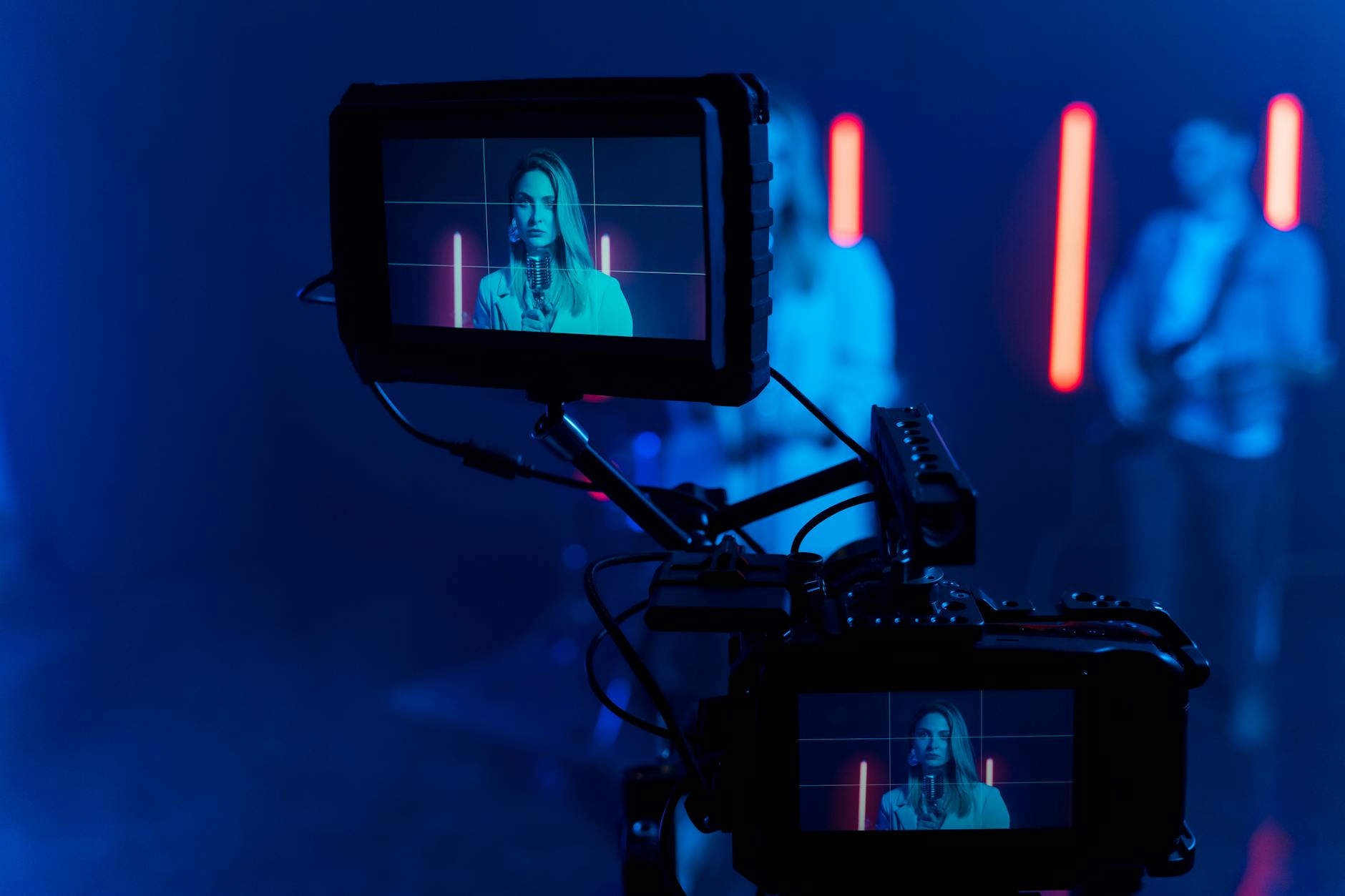
Applying these methods not only enhances visual appeal but also ensures consistency across all listings, establishing trust with prospective buyers and making the property stand out in a competitive market. Properly executed, these techniques present a comprehensive, true-to-life narrative of the property, inviting potential buyers to imagine themselves in the space long before they step through the door.
Utilizing Proper Lighting Techniques
Effective real estate marketing pictures depend heavily on lighting, as it influences the overall mood, clarity, and color accuracy of the images. Natural light remains the preferred choice for most property photos, as it provides a soft, even illumination that enhances the space's natural features and creates an inviting atmosphere. Photographers should aim to shoot during the day when sunlight floods through windows, casting warm, appealing tones across rooms.
Supplementing natural light with professional lighting equipment can further elevate image quality. Using external flash units, softboxes, or LED panels helps fill dark corners, reduce shadows, and highlight interior details without overexposing certain areas. It's crucial to balance the interior lighting with the exterior conditions, ensuring the photos accurately represent the property's true appearance.
Adjustments to exposure, white balance, and contrast should be made systematically to prevent color distortions and ensure consistency throughout the photo set. Shooting in RAW format provides greater flexibility during editing, allowing for precise modifications that translate into high-quality images suitable for diverse online platforms and print materials.
Maintaining Consistency Across Visual Content
Consistency in real estate images fosters a professional appearance and builds trust with potential buyers. Establishing a standard approach to composition, lighting, and editing ensures that all property listings reflect a cohesive brand identity. This strategy involves using the same camera settings, shooting angles, and post-processing techniques across different properties.
Moreover, maintaining a consistent style helps prospective buyers compare listings more effectively, reducing confusion and enhancing their overall experience. Clear, high-quality images that follow a uniform aesthetic also make the marketing portfolio more memorable and impactful, encouraging engagement and inquiries.
Importance of Strategic Composition
Composition plays a fundamental role in real estate marketing pictures. Thoughtful framing, appropriate focal points, and an emphasis on the property's best features can significantly influence viewer perception. Starting with a wide-angle lens helps capture the full scope of a room, but it’s essential to avoid distortions that can misrepresent the space.
Utilizing the rule of thirds, leading lines, and symmetry draws attention to key areas of each room, making them more aesthetically pleasing and easier to envision for potential buyers. Capture multiple angles of each space to provide a comprehensive overview, helping clients appreciate the layout and flow of the property. Remember to declutter and stage the rooms to ensure the focus remains on the property’s positive attributes.
Final Tips for Producing Professional Real Estate Images
- Shoot during daylight hours to leverage natural sunlight.
- Use a tripod to ensure stability and sharpness.
- Apply consistent editing standards for all photos.
- Highlight the unique features of each property while ensuring an accurate portrayal.
- Incorporate multiple perspectives to give viewers a comprehensive understanding of each space.

Advanced Techniques for Capturing Impactful Real Estate Marketing Pictures
To elevate the quality and appeal of real estate images, professional photographers employ a variety of advanced techniques that maximize visual impact while ensuring the property is represented accurately. One such method involves utilizing high-dynamic-range (HDR) imaging, which captures multiple exposures of a scene and blends them to create balanced photos with rich detail in both shadows and highlights. This is particularly effective in rooms with large windows or variable lighting conditions, where a single exposure may fail to reveal the full range of tones.
Another crucial approach involves the meticulous selection of vantage points to showcase each property's key features. Photographers often position themselves to emphasize spaciousness, natural light, and architectural details, which can make smaller spaces appear larger and more inviting. Using a tilt-shift lens or lens correction techniques can also help address distortion issues inherent in wide-angle photography, ensuring straight lines and true proportions are maintained.
Lighting plays a pivotal role in real estate imagery. Skilled photographers often shoot during the 'golden hour'—shortly after sunrise or before sunset—when natural light offers a warm, soft glow that enhances the property's ambiance. Supplementing natural light with professional lighting equipment allows for control over shadow and highlight details, ensuring a balanced appearance regardless of weather or time of day.
Maintaining Authenticity Through Style and Composition
While technical enhancements and creative angles can boost visual appeal, maintaining an authentic representation of the property is essential. Over-editing or overly saturated images can mislead potential buyers, leading to mismatched expectations and disappointment during viewings. Therefore, adjustments should focus on accurate color correction, preserving the true tone of materials, and sharpness without introducing artificial effects.
In addition, consistent composition principles across all images of a property help establish a cohesive visual narrative. Utilizing the rule of thirds, symmetry, and leading lines guides the viewer’s eye toward the key features, reinforcing the property's positives. Multiple images from various angles, including close-ups of unique details, offer a comprehensive overview that aligns viewers' expectations with the actual space.

Employing these advanced techniques ensures that real estate marketing pictures not only attract attention but also faithfully portray the property’s true character. This commitment to quality visuals helps generate greater engagement and fosters confidence in prospective buyers, ultimately supporting more effective property sales.
Enhancing Real Estate Marketing Pictures through Professional Techniques
Strategic Shooting Angles and Composition
Capturing compelling real estate images begins with deliberate attention to angles and composition. Professionals understand how to position the camera to maximize the perceived space and highlight property features effectively. Wide-angle lenses are frequently employed to give an expansive view of rooms without distortion, making spaces appear larger and more inviting. When framing shots, the rule of thirds and symmetry are utilized to direct viewers’ eyes toward the focal points, such as fireplaces, custom cabinetry, or scenic views from windows.
Consistent use of perspectives across multiple images ensures that potential buyers can visualize the property thoroughly. Photos from various vantage points—from entryways to backyard vistas—offer a comprehensive understanding, reducing uncertainties and increasing the likelihood of interest. Vertical versus horizontal framing is selected based on the specific feature—vertical shots excel at showcasing tall ceilings or architectural details, while horizontal images are ideal for capturing room layouts.
Importance of Proper Lighting and Time of Day
Lighting is paramount in real estate photography. Professional shooters schedule shoots during the optimal hours of natural daylight, typically mid-morning or late afternoon, to harness ideal sunlight. Proper lighting reveals the true colors and textures of interior surfaces, creating an inviting atmosphere that resonates with viewers. When natural light is insufficient, supplemental lighting fixtures—such as diffused softboxes—are employed to eliminate harsh shadows and evenly illuminate the space.
Control over lighting conditions ensures consistency across images. This approach mitigates stark contrasts caused by inconsistent exposure levels, resulting in a cohesive visual experience that accurately portrays the property’s ambiance. Techniques such as bracketing multiple exposures and blending them later in post-production can further enhance brightness and detail in both shadowed and highlighted areas.
Ensuring Authenticity and Accurate Representation
Authentic visuals foster trust and set accurate expectations. Photographers focus on capturing the true essence of each space, avoiding exaggerated angles or over-editing that could distort reality. Color calibration of cameras and monitors during editing maintains consistency with the actual property tones. Sharpness and clarity are prioritized to present detailed images that highlight craftsmanship, finishes, and architectural integrity.
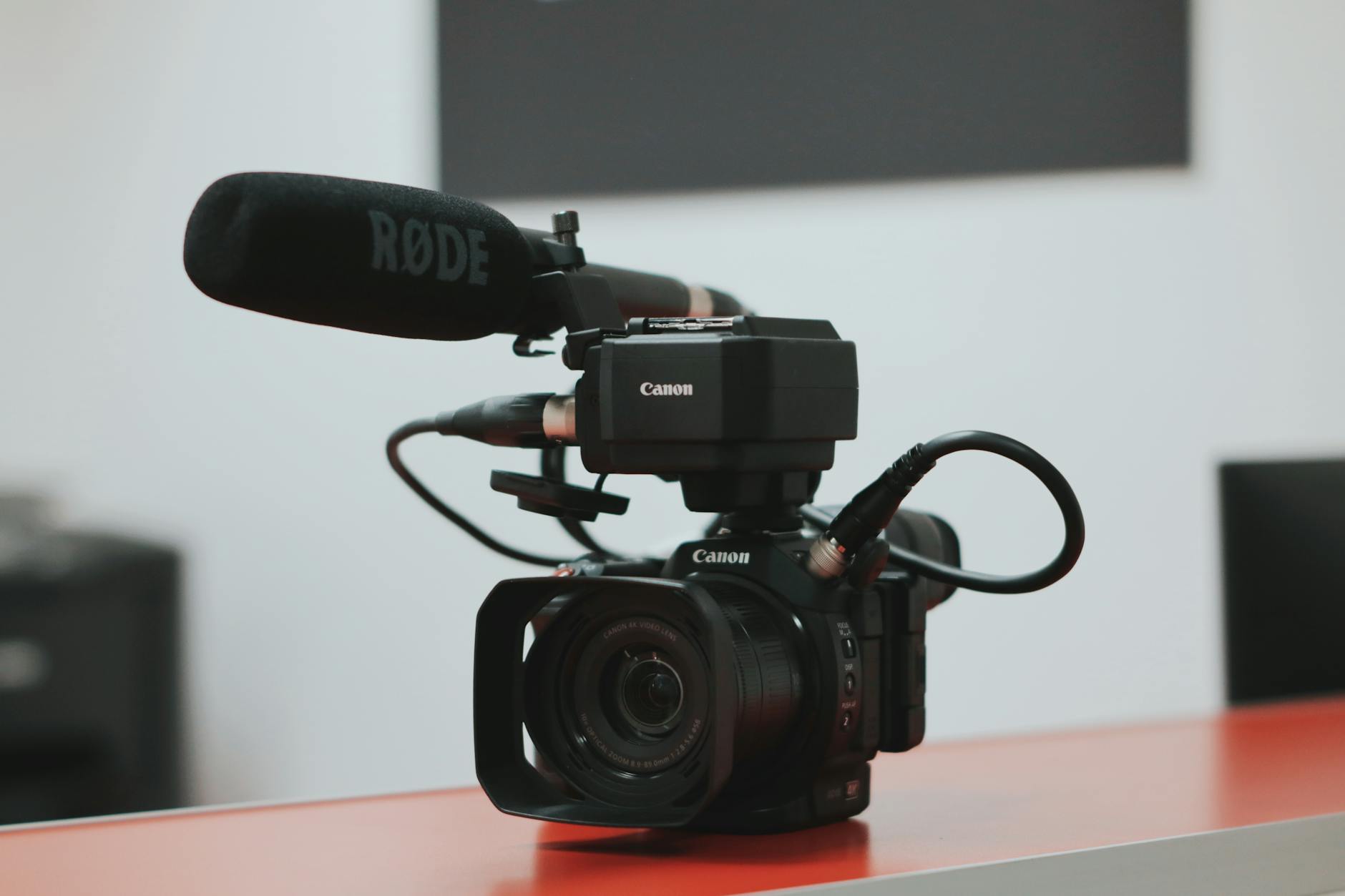
Conclusion
Implementing these professional techniques in real estate photography ensures that listings are visually compelling, truthful, and optimized for online engagement. High-quality images serve as a powerful marketing tool, attracting qualified prospects and facilitating smoother sales processes.
Enhancing Real Estate Listings with Strategic Visual Content
Employing high-quality real estate marketing pictures extends beyond aesthetics; it is fundamental in creating a compelling narrative about a property’s potential. These images serve as the initial point of contact for prospective buyers or tenants who often rely solely on visual impressions when browsing listings online. The precision and clarity of the visuals can significantly influence engagement levels, lead to increased inquiries, and accelerate the sale or lease process. Therefore, employing official and proven methods to capture images that authentically showcase a property’s unique features and atmosphere is indispensable.
Utilizing Professional Equipment and Techniques
To achieve images that stand out in a crowded digital marketplace, it is essential to utilize professional-grade equipment. High-resolution cameras capable of capturing fine details ensure that every aspect, from intricate architectural finishes to expansive interior spaces, is clearly visible. Wide-angle lenses are commonly employed to provide a comprehensive view of rooms, reducing the need for multiple shots and presenting an integrated perspective to viewers.
Mastery of camera settings, such as aperture, shutter speed, and ISO, contributes to consistent image quality. Bracketing multiple exposures and merging them through High Dynamic Range (HDR) techniques allows for balanced lighting, especially in environments with contrasting light conditions. Such methods preserve the vibrancy of illuminated areas without sacrificing detail in shadows, resulting in images that are both appealing and truthful.
Staging and Property Preparation for Photography
The visual appeal of real estate photos is greatly influenced by how well the property is prepared. Staging involves arranging furniture, accessories, and decor in a manner that highlights the space's strengths and creates a welcoming ambiance. Careful decluttering and cleaning ensure every surface appears pristine and inviting. When the property is properly staged, the resulting images convey a lifestyle and emotional connection that resonate with potential buyers.
Natural light plays a pivotal role in photography. Therefore, scheduling shoots during periods of abundant daylight or supplementing with professional lighting fixtures enhances the visibility of interior features. Use diffused lighting to eliminate harsh shadows and evenly illuminate each room’s details. Properly coordinated staging and lighting practices are essential for creating a realistic and attractive visual story.
Post-Processing: Editing and Quality Control
Post-processing is an integral phase where images are refined to enhance their appeal while maintaining fidelity to the actual property. Adjustments to brightness, contrast, and saturation can accentuate the property’s warmth and character. Color calibration ensures that the hues portrayed in photos match the real environment, which is vital for fostering trust and setting accurate expectations.
Retouching should be subtle, with a focus on removing minor imperfections without altering the authenticity of the space. Correcting lens distortions, straightening images, and enhancing sharpness can improve overall clarity. Consistent editing standards across all images ensure a cohesive look that aligns with the property’s branding and marketing strategy.
Incorporating Virtual Technologies for Maximum Impact
Beyond static images, virtual tours and 3D visualization tools serve as powerful assets in real estate marketing. These technologies allow prospective buyers to experience a property remotely, offering a detailed and interactive exploration that static photos cannot fully capture. Implementing 3D walkthroughs or virtual reality experiences can significantly increase engagement by providing a sense of spatial awareness and flow within the property.
To maximize effectiveness, high-quality imagery must be integrated seamlessly with these virtual components. A consistent visual language across photography, virtual tours, and supplementary materials ensures a cohesive and professional presentation. Such comprehensive visual strategies not only attract more viewers but also facilitate informed decision-making, ultimately leading to quicker transactions and higher satisfaction.
Maximizing the Impact of Real Estate Marketing Pictures
Effective real estate marketing pictures are a cornerstone of successful property promotion, especially in a competitive market like Miami. High-quality visuals not only attract potential buyers or tenants but also foster trust by accurately representing the property’s features. When prospective clients view crisp, well-composed images, they develop a clearer understanding of the space, making them more inclined to take the next step—whether scheduling a visit or submitting an offer.

The Significance of Visual Content in Real Estate
In the digital age, the majority of property searches begin online, making visual content the primary influence on engagement. High-quality images serve to highlight the property’s best attributes, such as spacious interiors, attractive fixtures, or scenic views, effectively setting a property apart from competitors. They provide a virtual handshake—an initial impression—that can determine whether a viewer proceeds to learn more or moves on.
Furthermore, well-crafted visuals contribute to a consistent branding strategy, reinforcing the property’s unique selling points through professional presentation. They act as a visual narrative that guides the viewer through the property’s story, emphasizing flow, scale, and ambiance. This storytelling approach builds emotional connections, which are essential in motivating decisions in the real estate transaction process.
Core Components of Compelling Real Estate Photographs
- Lighting: Natural light is preferred to showcase spaces authentically. Properly timed shoots during the day facilitate bright, inviting images that highlight the property's true colors and atmosphere.
- Composition: The rule of thirds, leading lines, and balanced framing guide the viewer’s eye and emphasize the property’s defining features.
- Angles: Shooting from strategic perspectives, such as eye level or slightly above, can make rooms appear more spacious and inviting.
- Detail Shots: Close-ups of architectural elements, fixtures, or exterior landscaping add depth and interest.
Equipment and Techniques for Superior Photography
To produce captivating images, investing in high-quality equipment is essential. A professional-grade DSLR or mirrorless camera equipped with wide-angle lenses allows for expansive shots that capture more of the space without distortion. Using a tripod ensures stability, resulting in sharper images and precise framing.
Utilizing panoramic shots or HDR photography techniques significantly enhances image quality. HDR combines multiple exposures to balance interior lighting and outdoor views, ensuring neither highlights nor shadows are overly dominant. Additionally, drone photography offers a unique aerial perspective that highlights a property’s size, landscaping, and surrounding amenities—crucial aspects for buyers seeking a comprehensive overview of Miami homes.
Preparing Properties for Outstanding Photography
Before the camera arrives, staging and cleaning are fundamental. Decluttering surfaces, removing personal items, and arranging furniture to maximize space create a welcoming environment. Properly functioning lighting, both natural and artificial, should be checked to ensure consistent brightness across all rooms.
Enhancing curb appeal by trimming landscaping, pressure-washing exteriors, and adding inviting elements like potted plants can significantly improve exterior shots. Addressing minor repairs—such as fixing leaky faucets or squeaky doors—helps avoid distractions that could detract from the property's appeal.
Post-Processing for polished visuals
After capturing the images, editing refines the visuals and ensures they align with the property’s branding. Subtle adjustments to brightness, contrast, and sharpness amplify the overall quality while maintaining a natural appearance. Correcting lens distortions and straightening horizons eliminate visual inconsistencies. Consistent editing styles across all images establish a cohesive look, reinforcing professionalism and inviting trust from potential clients.
Retouching minor imperfections—such as stains or shadows—should be executed delicately to preserve authenticity. These enhancements help the listing stand out while accurately portraying the property’s true character. When images reflect the genuine ambiance and features of the space, prospective buyers can form realistic expectations, reducing the chances of dissatisfaction during viewings.
Incorporating Virtual and Interactive Visuals
The evolution of real estate marketing includes embracing virtual tours, 3D renderings, and virtual reality experiences. These immersive technologies complement static images by offering prospective buyers a detailed, interactive exploration of the property remotely. Implementing 3D walkthroughs allows users to navigate through spaces at their own pace, fostering greater engagement and understanding of the property’s layout.
High-quality visuals must be harmonized with virtual tools to ensure a seamless experience. Consistency in visual language across all media reinforces professionalism and enhances the overall presentation. Combining vivid imagery with virtual tours creates a comprehensive visual story that appeals to modern buyers, encouraging quicker decision-making and facilitating smoother transactions.