
Understanding the Importance of High-Quality Visuals
In today’s competitive real estate market, the significance of high-quality visuals cannot be overstated. Professional real estate photography and videography serve as powerful tools to capture the essence of a property, highlighting its unique features and creating an enticing first impression for prospective buyers. These visuals not only facilitate a more comprehensive understanding of the property’s layout and space continuity but also evoke emotional responses that drive interest and engagements.
Authentic, clear, and visually appealing images and videos can significantly enhance the online presence of listings, making them stand out amid numerous competitors. Effective visuals facilitate faster decision-making for potential buyers by providing an immersive experience that closely mimics an actual property tour. Moreover, properties showcased with superior photographs and videos often attract a higher volume of inquiries, leading to quicker sales cycles and better market positioning.
The integration of high-quality visuals in marketing strategies transcends traditional expectations, becoming a critical differentiator in an era where digital interaction dominates property searches. A well-crafted visual story enables real estate professionals and agents to communicate the genuine value of a property, offering insight into its ambiance, spatial relationships, and features that static images alone may not effectively convey.
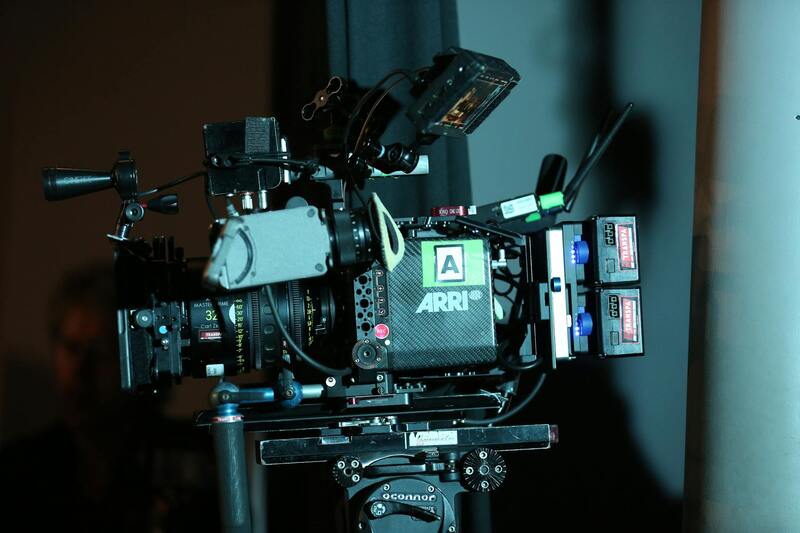
Investments in professional real estate photography and videography are justified by their ability to elevate listing visibility, foster engagement, and ultimately lead to increased sales success. As digital platforms evolve, the demand for high-caliber visuals continues to grow, emphasizing that professional imagery is no longer a supplementary feature but an essential component of effective real estate marketing.
Key Elements of Real Estate Photography
High-quality real estate photography hinges on several crucial elements that collectively create a compelling visual narrative of a property. Mastery over lighting is fundamental; natural light should be maximized to highlight the property’s most attractive features, while supplementary lighting can be used to eliminate shadows and present a balanced ambiance. Proper lighting ensures that interiors appear spacious, inviting, and true to life, preventing images from looking dull or overly manipulated.
Another vital aspect is the choice of angles and perspective. Shooting from optimal viewpoints—typically eye level—allows for an accurate representation of room dimensions and spatial relationships. Wide-angle lenses are often employed to capture entire rooms within a single frame, emphasizing space without distorting proportions. Strategic use of perspective helps to guide potential buyers through the property visually, making each space appear larger and more functional.
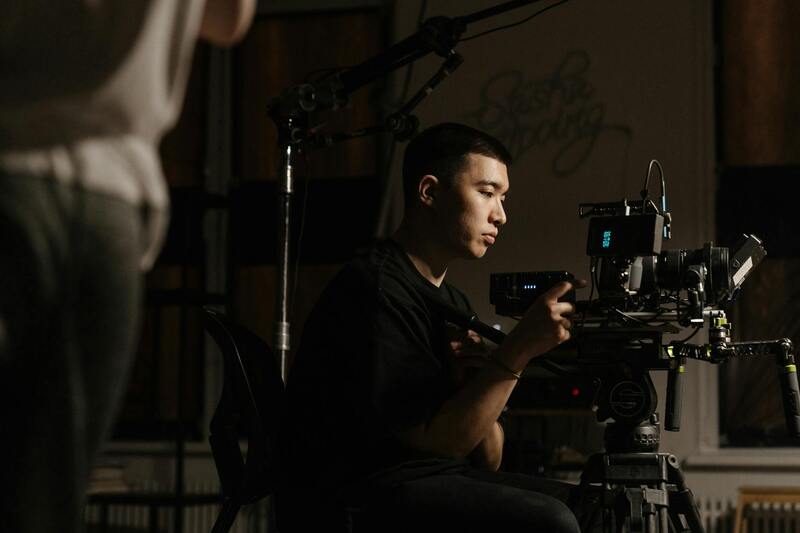
Staging also plays a pivotal role in elevating photographs. Properly arranged furniture and decor can accentuate the property’s best features while creating an inviting atmosphere. Minimal clutter, neutral color schemes, and well-placed accessories contribute to a cohesive look that appeals to diverse buyer preferences.
Image composition is equally critical; photos should be thoughtfully framed to highlight key selling points, whether that’s a charming fireplace, a scenic view, or an open-concept layout. Attention to detail, such as ensuring windows are unobstructed and ceiling lines are straight, ensures that images convey professionalism and reliability.
The Role of Videography in Showcasing Properties
While high-quality still images serve as an essential foundation in real estate marketing, videography provides an immersive experience that static photos cannot fully deliver. Well-executed video tours allow prospects to virtually walk through a property, gaining a real sense of flow, scale, and ambiance. Dynamic footage showcases the spatial relationships between rooms and highlights features such as lighting, textures, and unique architectural elements.
Videos are especially effective for conveying the atmosphere of a home, including sounds, movement, and the overall vibe, which can inspire emotional connections. Including drone footage adds a breathtaking perspective, offering sweeping views of the property and its surroundings—particularly valuable for showcasing large estates, waterfront properties, or homes with scenic landscapes.
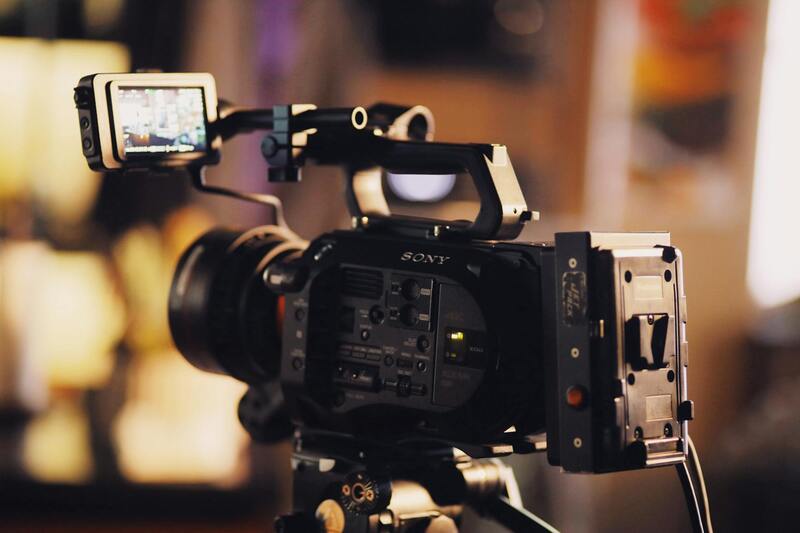
Professional videography integrates smooth camera movements and strategic editing to create engaging property showcases. These videos can be tailored for various platforms, whether for social media, listings, or website integrations, ensuring maximum reach and impact.
Choosing the Right Equipment and Techniques
The foundation of effective real estate visuals rests on selecting appropriate equipment and applying proven techniques. Cameras with high-resolution capabilities, particularly those with full-frame sensors, capture sharp, vibrant images that resonate with viewers. Lenses such as wide-angle and tilt-shift lenses help to achieve expansive shots and correct perspective distortions.
Stabilization tools like gimbals and tripods are essential for producing steady, professional footage free of unwanted shake. Additionally, using professional lighting gear ensures consistent, well-lit visuals regardless of external lighting conditions. Techniques such as HDR (High Dynamic Range) photography combine multiple exposures to produce images with balanced shadows and highlights, resulting in more detailed and true-to-life representations.
For videography, drones equipped with high-quality cameras can capture compelling aerial shots, while gimbals and sliders facilitate smooth, cinematic movement. Post-production editing is equally important; color grading, motion stabilization, and strategic transitions help craft a polished final product.
Optimizing Visual Content for Online Listings
Optimizing visual content involves tailoring images and videos to meet the technical and aesthetic demands of digital platforms. High-resolution images ensure clarity across devices, from desktops to smartphones. Proper compression techniques reduce file sizes without sacrificing quality, enabling faster load times and improved user experiences.
Metadata tagging, such as descriptive filenames and alt text, can enhance search engine visibility, making listings easier to find. Embedding keywords naturally within descriptions and captions further improves discoverability, aligning with SEO best practices. Video content should be formatted appropriately for the intended platform, ensuring quick loading and compatibility.
Additionally, consistent branding and style—such as color schemes, overlays, and logo placement—help establish a recognizable and professional presence. Strategic placement of call-to-action elements within visuals can also direct potential buyers toward further engagement.
Working with Professional Photography and Videography Agencies
Partnering with specialized agencies that focus on real estate visuals guarantees access to expert equipment, advanced techniques, and industry-specific knowledge. These agencies provide comprehensive services, from initial consultation and planning to post-production and delivery.
Collaboration ensures that the unique features of each property are highlighted appropriately, with a tailored approach that resonates with target audiences. Experienced professionals understand how to showcase properties in their best light, creating visuals that stand out in a competitive market.
Furthermore, established agencies possess extensive portfolios and references, which serve as guarantees of their ability to deliver high-standard results. They also stay current with the latest trends and technological advancements, offering innovative solutions that enhance marketing strategies.
Choosing the Right Equipment and Techniques
To produce compelling real estate visuals, selecting appropriate equipment and applying effective techniques are essential. High-quality cameras with wide-angle lenses allow photographers to capture expansive interior and exterior spaces, giving potential buyers a true sense of size and layout. Utilizing DSLR or mirrorless cameras equipped with high-resolution sensors ensures sharp, detailed images that highlight the property’s best features.
Lighting plays a crucial role in real estate photography. Professional-grade external flashes, softboxes, and diffusers can control natural and artificial light to eliminate shadows and highlight architectural details. When photographing interiors, it’s vital to maintain consistent lighting to create a warm, inviting atmosphere that appeals to viewers.
Drone technology has revolutionized property showcasing by providing stunning aerial footage that captures the full scope of large estates, scenic surroundings, or unique property features. Drone shots add a dynamic element to listings, offering perspective that ground-level photography cannot achieve.
To enhance visual appeal, photographers often employ HDR techniques, capturing multiple exposures to ensure balanced lighting across scenes with high contrast. Post-processing editing, including color correction, perspective adjustments, and removing minor imperfections, further refines the visuals, making properties stand out.
In terms of videography, stabilization equipment such as gimbals and steadicams help produce smooth, professional videos. Virtual tour software and 3D walkthroughs create interactive experiences that allow prospective buyers to explore properties remotely, increasing engagement and interest.
Adopting these advanced tools and techniques ensures that real estate visuals are not only attractive but also accurate representations of the property, leading to more inquiries and faster sales outcomes.
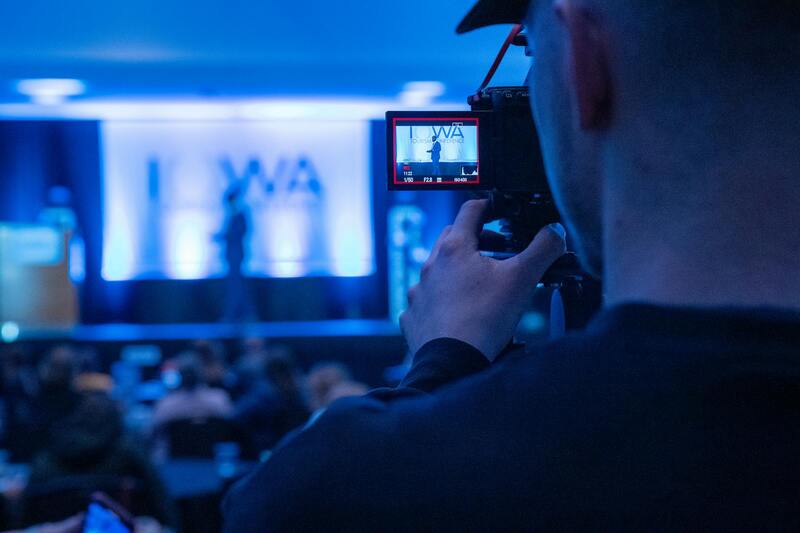
Legal and Ethical Considerations in Real Estate Visual Content Creation
When producing visual content for real estate listings, adherence to legal and ethical standards is paramount to ensure transparency and build trust with prospective buyers. It involves respecting property owners' rights, obtaining necessary permissions, and accurately representing the property without embellishment that could mislead viewers.
One critical aspect is securing consent from property owners or authorized representatives before conducting photography or videography sessions. This not only fosters professional integrity but also prevents disputes related to privacy or misuse of visuals. In cases where private or restricted areas are included in shots, clear approval must be obtained to avoid any infringement of personal or proprietary rights.
Furthermore, the depiction of properties should reflect reality, avoiding photographic manipulations that could distort perceptions. Over-editing or selectively highlighting features at the expense of a comprehensive view can lead to buyers forming unrealistic expectations. Maintaining honest and accurate visuals ensures transparency, which is fundamental when establishing credibility in the real estate market.
Additionally, compliance with local regulations regarding drone footage and aerial photography must be observed. This encompasses respecting airspace restrictions, obtaining permits if necessary, and adhering to safety protocols. Violations can result in legal consequences and damage to professional reputation.
Ethical considerations also extend to respecting neighboring properties and avoiding infringement of their privacy. Proper framing and timing can prevent inadvertent capture of private areas, preventing potential conflicts or complaints.
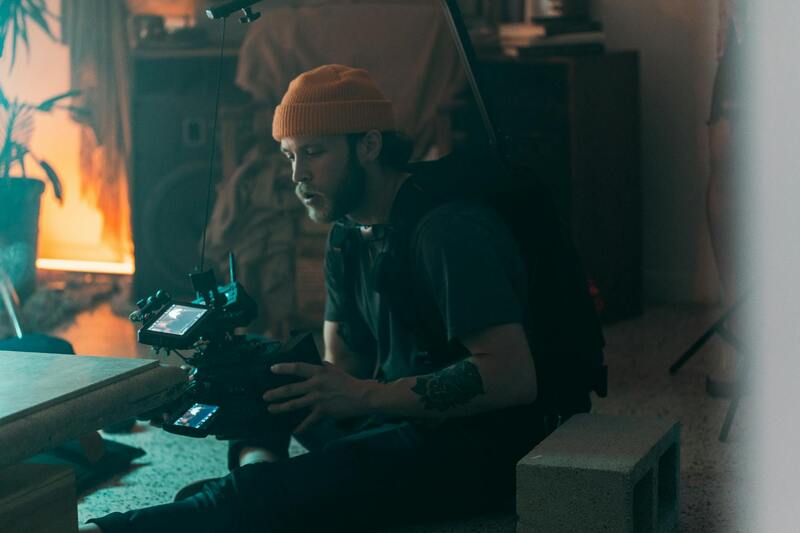
By incorporating these practices into your visual content strategy, real estate professionals can uphold integrity, foster positive relationships, and deliver truthful representations that facilitate informed purchasing decisions. This meticulous approach ultimately supports a sustainable and reputable market presence, ensuring that high-quality visuals serve their purpose effectively and ethically.
Choosing the Right Equipment and Techniques
Securing the highest quality visual content begins with selecting the appropriate tools and understanding advanced techniques to maximize their potential. For real estate photography, professional-grade DSLR or mirrorless cameras with wide-angle lenses are essential to capture expansive room layouts, emphasizing space and natural lighting. Tripods and stabilizers ensure steady shots, preventing blurriness that can detract from a property’s appeal.
In addition to still images, the use of drone technology has become increasingly vital in providing aerial perspectives. Properly operated drones can showcase property size, landscape features, and surrounding neighborhood amenities, which are often pivotal in the decision-making process.
Lighting plays a crucial role in both photography and videography. Utilizing natural light effectively enhances the warmth and authenticity of a space, while supplementary lighting can eliminate shadows and highlight architectural details. Techniques such as exposure bracketing, HDR imaging, and strategic staging help in capturing well-balanced visuals that reflect the property's true ambiance.
For videography, high-definition 4K cameras combined with professional stabilization equipment allow for smooth walkthroughs that engage viewers and present a comprehensive view of the property. Drones equipped with gimbals ensure steady aerial footage, providing dynamic, sweeping shots that add visual interest and context.
Employing advanced post-production editing techniques also enhances visual clarity and appeal without misrepresenting the property. Adjustments for color correction, contrast, and sharpness can make images more vibrant and inviting. However, it is critical to maintain truthful representations by avoiding excessive editing that could mislead potential buyers.
Finally, understanding the latest technological innovations and adopting versatile shooting techniques can set your visual content apart in a competitive real estate market. Staying updated with industry standards ensures visuals remain engaging, accurate, and compelling, ultimately influencing buyer interest positively.
Legal and Ethical Considerations
When it comes to real estate photography and videography, adhering to legal and ethical standards is fundamental to maintain trust and transparency with clients and potential buyers. Clear communication and mutual understanding from the outset help safeguard the integrity of visual content and ensure that all representations are accurate. This approach minimizes misunderstandings and fosters long-term professional relationships. One of the primary aspects is obtaining proper permissions for all images and footage captured on the property. This includes securing consent from property owners or authorized representatives to avoid disputes related to image rights or personal privacy. In cases where images feature individuals or identifiable private property, explicit consent should be acquired, especially when content will be used across various marketing channels. Additionally, it's crucial to ensure that all visuals authentically depict the property's condition. Avoiding excessive editing or manipulation maintains credibility, providing buyers with a truthful perspective. Misrepresenting a property’s features can lead to dissatisfied clients and potential legal ramifications, as it may be viewed as deceptive advertising. Respect for privacy also extends to respecting neighbors’ rights, particularly when using drone footage or capturing aerial shots. Adequate distance and awareness of surrounding properties help prevent privacy infringements. Moreover, adhering to industry standards and best practices set by local real estate boards and professional associations frames a solid ethical foundation. Consistency in quality and transparency proves invaluable for establishing a reputable brand in a competitive market. Finally, maintaining proper documentation and contracts with clients ensures all parties have a clear understanding of deliverables, usage rights, and confidentiality clauses. These agreements underpin ethical business practices and safeguard against misunderstandings or disputes.

Choosing the Right Equipment and Techniques
To produce compelling real estate visuals that accurately represent properties, selecting appropriate equipment and employing advanced techniques are essential. High-resolution DSLR or mirrorless cameras equipped with wide-angle lenses are industry standards, enabling photographers and videographers to capture more of the interior and exterior spaces within a single shot. These lenses help accentuate the layout and spatial relationships, making rooms appear larger and more inviting.
Lighting is another crucial factor. Utilizing natural light whenever possible ensures true-to-life color reproduction and enhances the property's features. When natural light is insufficient, professional lighting setups, including softboxes or LED panels, help eliminate shadows and create a balanced, inviting ambiance.
Tripods and stabilizers are fundamental tools that ensure camera stability, leading to sharp images and smooth videos. For videography, gimbals and steady cams are increasingly popular, facilitating fluid movement and dynamic shots that can highlight unique architectural details or provide virtual walkthroughs of the property.
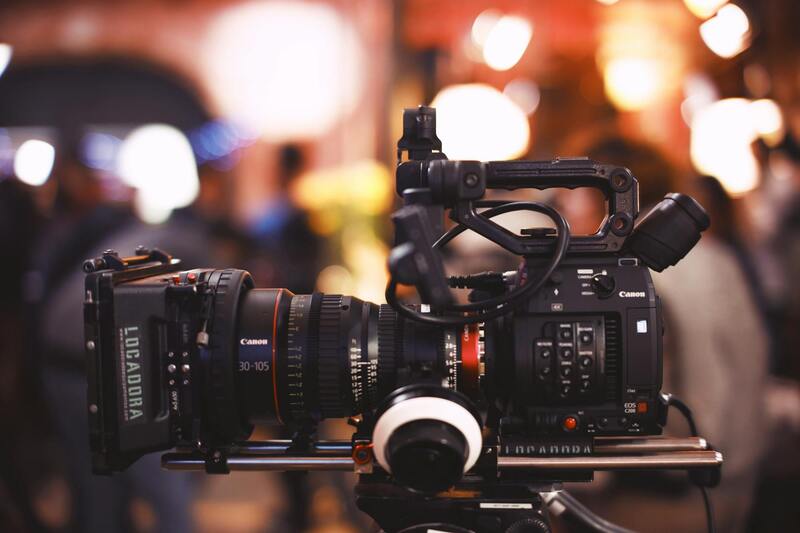
Employing drone technology enhances the visual portfolio with captivating aerial shots. Drones allow potential buyers to appreciate the property's scale, surrounding landscape, and proximity to amenities. When integrating drone footage, operators should use high-resolution models compatible with industry standards, and capture at optimal altitudes to avoid privacy infringements while highlighting the property's best features.
Advanced techniques such as HDR (High Dynamic Range) imaging are utilized to balance exposure across different areas of a shot, ensuring both bright and shadowed spaces are visible. Panoramic shots and 360-degree virtual tours further enrich the online presentation, offering immersive experiences that mirror in-person visits.
Ultimately, the combination of specialized equipment and refined shooting techniques culminates in high-quality visuals that stand out in a competitive real estate market. These tools elevate the property's presentation, facilitating engagement and accelerating sales processes.
Legal and Ethical Considerations in Real Estate Photography and Videography
Ensuring compliance with established standards and respectful practices is vital when capturing and utilizing visual content for real estate markets. This involves adhering to guidelines that prioritize the privacy of individuals and the integrity of the property, as well as respecting local regulations concerning aerial imagery and digital content dissemination.
One of the primary considerations is managing permissions effectively. This includes obtaining consent from property owners before conducting photoshoots or videography sessions, especially when fixtures or features belonging to tenants or neighbors are visible. Additionally, if aerial shots with drones are involved, clear authorization must be secured to operate within designated airspace and adhere to safety protocols. Such practices prevent disputes and uphold professional standards within the industry.
Regarding privacy, it is essential to avoid capturing or sharing images that could infringe on personal boundaries or reveal sensitive information. For instance, maintaining appropriate distances from neighboring properties and avoiding intrusive camera angles help respect the privacy of others. When sharing virtual tours or high-resolution images online, it is equally important to consider security measures to prevent unauthorized use or misrepresentation of the visual content.
Standards governing the editing process also contribute to maintaining transparency and authenticity. Enhancing images and videos should aim to faithfully depict the property's features without manipulation that could deceive prospective buyers. This includes refraining from excessive editing that alters the true appearance of rooms, landscapes, or architectural details, thus fostering trust and confidence in the marketing material.
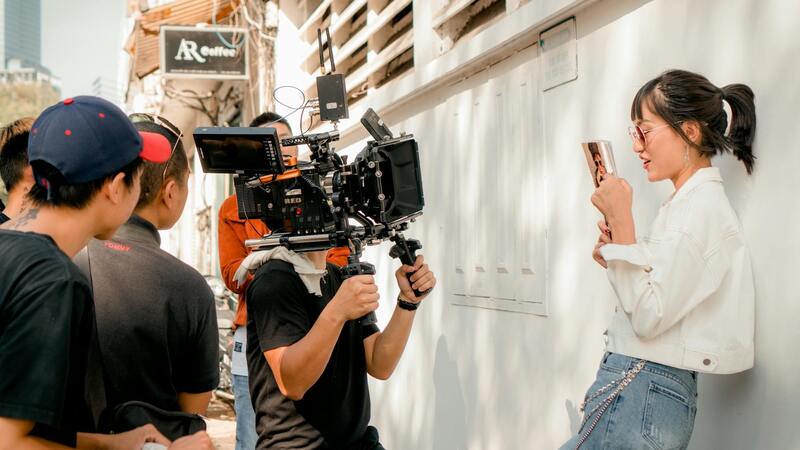
Moreover, professionals engaged in real estate visual marketing should stay informed about evolving industry standards and best practices. Regular training and updates on new regulations concerning drone operations, online content sharing, and privacy laws contribute significantly to ethical practices. By following these established methods, real estate agents and photographers reinforce their credibility and safeguard their reputation within the marketplace.
Ultimately, the commitment to ethical standards and responsible content creation benefits all stakeholders—homeowners, prospects, and industry professionals—by fostering a transparent, trustworthy environment conducive to successful property transactions.