
Understanding the Importance of High-Quality Real Estate Photography
In Miami's bustling and highly competitive real estate market, the visual presentation of a property can make all the difference between a quick sale and a listing that lingers. High-quality real estate photography serves as a powerful marketing tool, capturing the essence and potential of a property in a way that words alone cannot achieve. When prospective buyers browse online listings, they often make initial judgments based solely on the visual appeal of the photos. Well-composed, professionally taken images can evoke emotions, showcase the property's best features, and generate increased interest.

In Miami's vibrant real estate landscape, where luxury homes, waterfront properties, and upscale condos are common, the standard of photography directly influences the perceived value of a listing. Professional real estate photography enhances property attractiveness, emphasizes spatial layouts, and highlights unique selling points such as scenic views, modern interiors, or outdoor amenities. As a result, high-caliber images not only attract more viewers but also foster greater trust and credibility among serious buyers.
Moreover, high-quality photos contribute to faster transaction cycles. Properties with compelling imagery tend to be seen by a broader audience, increasing the likelihood of quick inquiries and showings. Listings with subpar images, on the other hand, often receive minimal attention, regardless of their market positioning or price point. This discrepancy underscores the importance for real estate professionals and property owners to invest in professional photography services tailored to Miami’s diverse and dynamic market.
Additionally, in the digital age where online presence is crucial, high-resolution images optimized for various platforms—such as MLS listings, social media, and real estate websites—are essential. They ensure that potential buyers receive an accurate and appealing representation of the property across all devices and viewing contexts. Not only does this boost the property's visibility, but it also reinforces the professionalism of the listing, ultimately leading to better engagement and increased likelihood of sale.
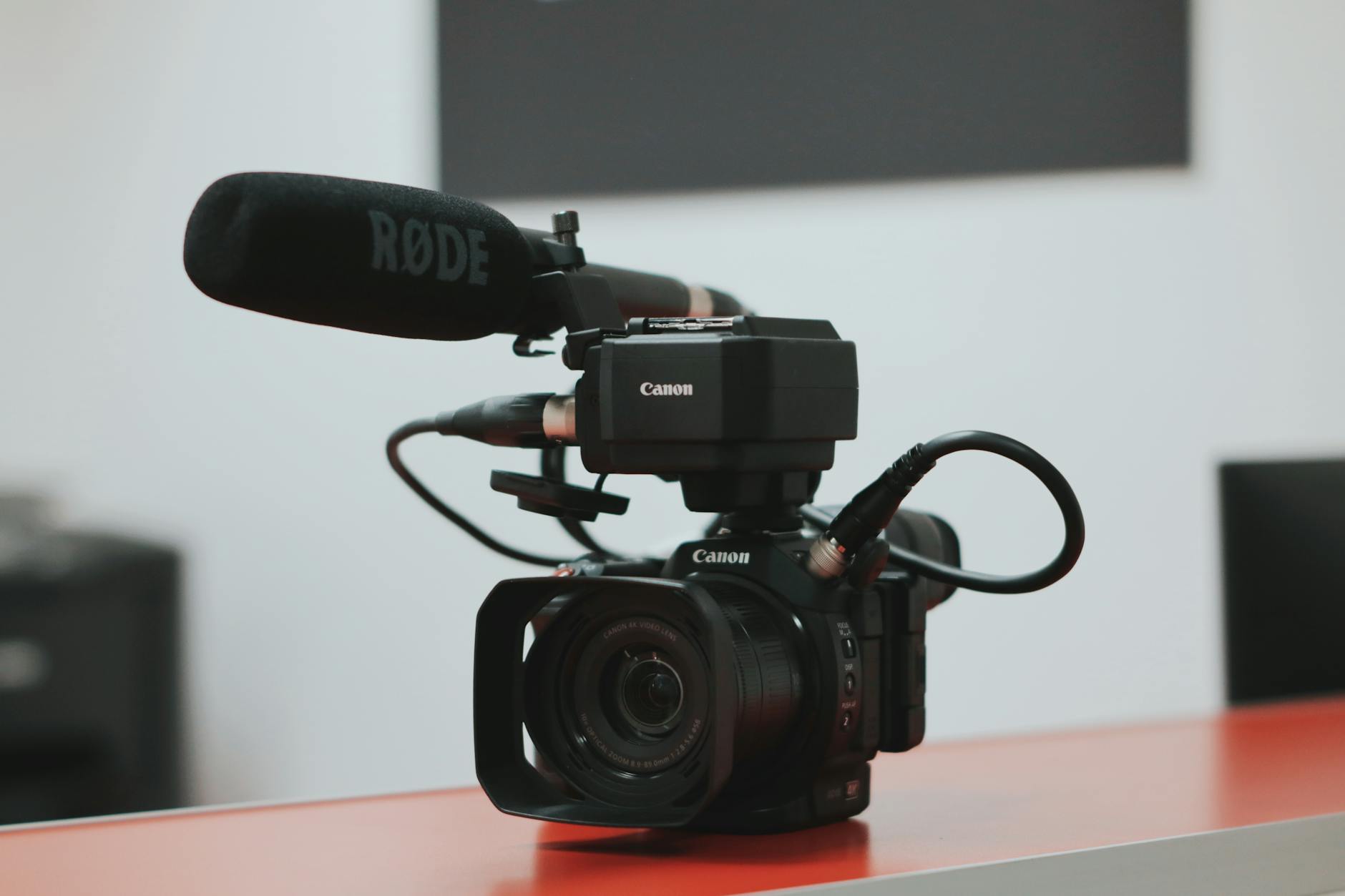
To maximize the impact of real estate photography in Miami's diverse neighborhoods—from the trendy Brickell condominium towers to elegant waterfront estates—employing a professional photography provider ensures the most compelling visual presentation. This strategic investment can ultimately translate into higher sale prices, reduced time on the market, and a stronger brand reputation for real estate agents and property owners alike.
Equipment and Techniques for Real Estate Photography
Achieving top-tier real estate property photography relies heavily on employing advanced equipment and mastering specialized techniques. Utilizing high-resolution digital cameras equipped with wide-angle lenses allows photographers to capture expansive interior and exterior views, providing viewers with a comprehensive sense of space. Tripods are essential to ensure stability and sharpness, especially in low-light conditions or during interior shootings where longer exposure times are necessary.
Professional photographers often incorporate drone technology to showcase large-scale properties or surrounding landscapes, giving potential buyers a bird's-eye perspective that enhances the property's appeal. Additionally, the use of high dynamic range (HDR) imaging techniques enables seamless blending of multiple exposures, resulting in images that represent both the bright exterior and interior shadows accurately. These methods prevent overexposed windows or dark corners, delivering balanced images that highlight a property's best features.
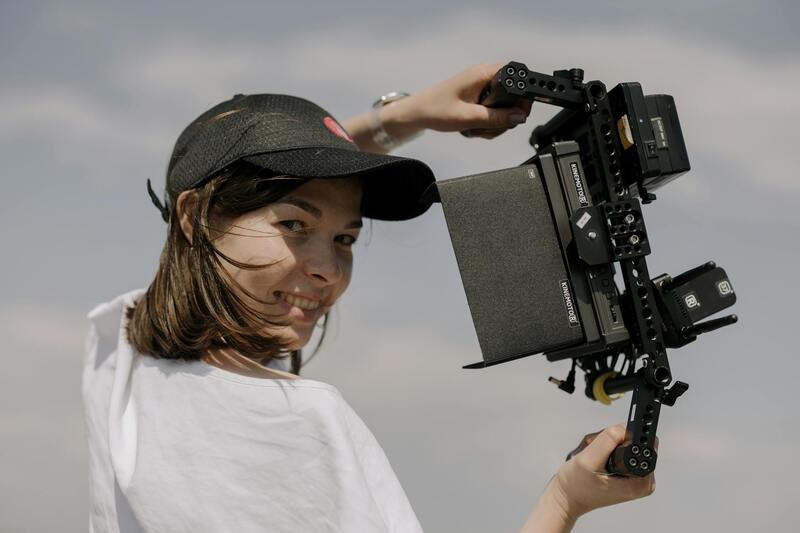
Photography techniques such as strategic shooting angles and proper focal points are critical. Shooting from a corner or an optimal vantage point can make rooms appear more spacious and inviting. Ensuring natural and artificial lighting work synergistically also enhances image clarity and warmth. Photographers often schedule shoots during daylight hours, maximizing natural light, and may supplement with professional lighting equipment to eliminate shadows and highlight architectural details.
Post-processing tools are integral to this process. Skilled photographers edit images to correct color balance, enhance brightness, and remove distractions—like transient objects or minor imperfections—while maintaining image authenticity. This meticulous approach ensures that the final photographs are not only visually striking but also true representations of the property, fostering trust and engagement from potential buyers.
Equipment and Techniques for Real Estate Photography
Achieving exceptional real estate property photography requires the right combination of advanced equipment and refined techniques. Professional photographers often utilize full-frame digital single-lens reflex (DSLR) or mirrorless cameras that offer high resolution and superior image quality, essential for capturing the fine details of Miami's diverse properties. These cameras are paired with wide-angle lenses, typically ranging from 14mm to 24mm, which enable the photographer to capture a broader perspective within confined spaces, making rooms appear more spacious and inviting.
In addition to cameras and lenses, accessories such as tripod stabilizers are indispensable for maintaining sharpness and consistency, especially during longer exposures or HDR shoots. Remote shutter releases further mitigate camera shake, ensuring crisp images that showcase the property's features effectively. Reflectors and external flash units are often employed to manipulate lighting, filling shadows and enhancing interior illumination without relying solely on natural light.
Techniques for optimal property photography begin with understanding the importance of composition. Photographers carefully select vantage points that emphasize the property's strengths, such as highlighting a scenic Miami waterfront or showcasing an open-concept living area. They avoid cluttered corners and ensure the space is tidy before shooting to prevent distractions. Employing a vertical shooting angle from a slightly elevated position can help showcase ceiling heights and architectural features more effectively.
Lighting is a primary concern during property shoots. Photographers schedule sessions during daylight hours when natural light floods the interior, reducing the need for extensive artificial lighting. When necessary, professional lighting equipment, including softboxes and umbrellas, is used to produce uniform light distribution, eliminate shadows, and accentuate architectural details. For exterior shots, polarized filters may be applied to reduce reflections on windows and water surfaces, ensuring clean, crisp images that faithfully represent the property's environment.
Mastering post-processing techniques is equally important. Photographers utilize software such as Adobe Lightroom or Photoshop to perform color correction, straighten images, and enhance brightness without exaggerating features. They also remove minor imperfections, like transient objects or surface blemishes, to present a polished yet authentic view of the property. This careful editing helps create captivating visuals that stand out on online listings and attract prospective buyers effectively.
Enhancing Images Through Advanced Post-Processing Techniques
Post-processing plays a vital role in transforming raw images into compelling visuals that highlight a property's best features. Skilled photographers utilize industry-standard software to refine each shot, ensuring the final images are vibrant, sharp, and true to life. Brightness and contrast adjustments help illuminate interior details without oversaturation, providing a natural yet appealing aesthetic. Color correction aligns the hues with real-world tones, making spaces feel inviting and authentic.
Beyond basic adjustments, professionals utilize specific tools to straighten skewed horizons, correct lens distortions, and remove unwanted objects or blemishes that may distract viewers. For example, transient items like boxes or personal belongings cluttering a space can be digitally eliminated to maintain a clean presentation. Surface imperfections such as small scratches or surface stains are also minimized, ensuring that each image aligns with the property's true condition. These refinements not only improve visual quality but also build trust with prospective buyers by providing an accurate portrayal of the property.
Furthermore, professionals often employ hyper-realistic editing techniques designed to make spaces appear more spacious and inviting. Techniques such as perspective correction and vertical/horizontal alignment create a balanced view, ensuring architectural features are accurately portrayed. HDR processing—a method that combines multiple exposures—enhances details in both shadowed areas and brightly lit sections, resulting in images that reveal every nuance of a property’s interior and exterior.
Strategies for Optimizing Property Images for the Digital Marketplace
Once images are professionally edited, optimizing them for online listings is critical for attracting potential buyers. High-resolution images should be compressed for faster webpage loading without sacrificing quality, facilitating smooth browsing experiences. Implementing specific file formats and dimensions ensures that images display correctly across various devices and platforms.
Adding descriptive and keyword-rich filenames improves search visibility, allowing listings to appear higher in image search results. Properly formatted images also enable seamless integration into property websites, social media, and real estate portals. Maintaining a consistent visual style—such as a unified color palette and framing technique—helps establish a professional brand identity that reinforces credibility and trustworthiness.
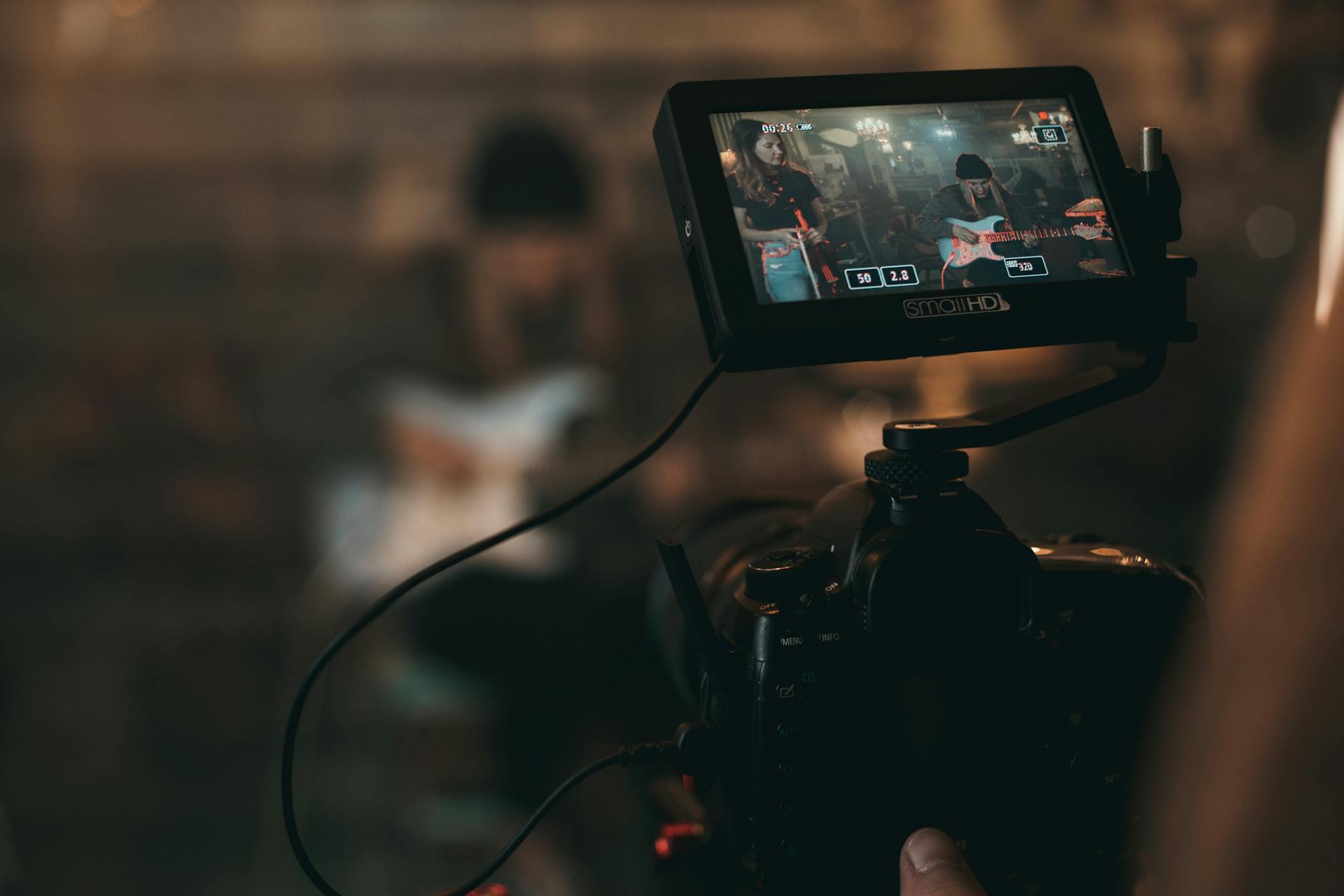
In the competitive Miami real estate market, compelling visuals are instrumental in differentiating a listing. Carefully curated and optimized images not only attract more views but also influence the perceived value of the property. Detailed, high-quality visuals enable prospective buyers to explore the space remotely, fostering greater engagement and interest prior to in-person visits. By investing in expert post-processing and image optimization techniques, real estate professionals can significantly elevate their listing presentation, ultimately increasing the likelihood of a successful sale.
Legal and Ethical Considerations in Real Estate Photography
When engaging in real estate property photography, adhering to established standards ensures the integrity and professionalism of the market. It is essential to respect property rights, obtain necessary permissions for photographing private spaces, and accurately represent the property without deceptive enhancements or omissions. This approach not only maintains transparency but also builds trust with potential buyers and clients.
Fidelity in capturing the true essence of a property helps buyers form realistic expectations. This involves precise framing, honest lighting, and avoidance of digitally manipulated images that could mislead viewers. Such practices reinforce an ethical approach to real estate marketing, fostering credibility in the long term.

Moreover, compliance with local regulations and industry guidelines when photographing includes respecting privacy boundaries, especially in occupied homes. Photographers should also be mindful of capturing images that prioritize safety and do not infringe upon the property's security concerns.
In addition, professional real estate photographers often collaborate with clients to confirm images accurately reflect the property's condition and features. Such partnerships guarantee that listings portray a fair and comprehensive view, which is critical for maintaining high ethical standards within the industry.
By integrating these regulatory and ethical principles into their workflow, professionals can uphold the integrity of real estate listings, fostering a transparent, credible marketplace. Ensuring honesty and respect within property photography not only benefits individual transactions but also enhances the overall industry reputation.
Legal and Ethical Considerations in Real Estate Photography
In the realm of real estate property photography, adherence to established legal and ethical standards is critical for maintaining trust and transparency among all parties involved. Photographers, agents, and property owners must collaboratively ensure that images portray the property accurately without misrepresentation or exaggeration. Such integrity is fundamental in fostering a reputable marketplace where buyers and sellers feel confident in the information presented.
One of the primary ethical practices involves honest depiction of a property's condition and features. This includes refraining from digital enhancements that could alter the true appearance or scale of key elements such as room dimensions, architectural details, or outdoor features. Accurate lighting and genuine color representation further contribute to authentic imagery, allowing prospective buyers to form realistic expectations about the property.
Respecting privacy boundaries and legal rights is equally essential. Photographers should secure prior consent before capturing images inside occupied residences, especially when sensitive or personal spaces are involved. Care should be taken not to include confidential or private information inadvertently, such as license plates, personal belongings, or security systems, which could infringe on residents’ privacy or security.
Beyond individual responsibilities, professional standards often guide industry practices. Certified real estate photographers frequently operate within frameworks that emphasize transparency, fairness, and accuracy. They collaborate with clients to verify that images genuinely reflect the property's current state, avoiding any potential for deceptive advertising. This shared commitment to ethical conduct contributes to a more credible and reliable real estate market.
Parameters such as adequate lighting, accurate room proportions, and comprehensive coverage not only meet industry guidelines but also support ethical storytelling through images. Proper framing and perspective are used to highlight property features without distortion, contributing to a truthful visual narrative. When legal and ethical standards are upheld, all stakeholders—buyers, sellers, and agents—benefit from a clear, trustworthy presentation of properties.
Additionally, compliance with local regulations, including drone usage, aerial photography permissions, or restrictions on filming certain areas, ensures that property images are captured within permissible boundaries. Such diligence safeguards against potential disputes or liabilities, reinforcing a professional approach grounded in respect for legal frameworks.
Legal and Ethical Considerations in Real Estate Photography
Adhering to established standards in real estate photography is fundamental to maintaining authenticity and trustworthiness in property listings. Photographers must respect residents' privacy by avoiding inclusion of personal belongings, identifying security systems, or any restricted areas that could reveal sensitive information. Such diligence ensures that potential buyers or renters receive a true representation of the property without compromising personal or security boundaries.
In addition, the use of images should accurately depict the space's size, layout, and condition, avoiding any manipulation that might mislead viewers. This includes selecting angles that preserve proportionality, avoiding distortions caused by wide-angle lenses, and refraining from post-processing practices that alter the perceived dimensions or features of a property. Upholding these practices enhances the credibility of the listing, fostering trust between clients and viewers.
Furthermore, compliance with regional regulations regarding drone usage and aerial photography is essential. Securing necessary permissions and operating within designated airspace limits helps prevent infringements that could lead to disputes or liabilities. Photographers should be well-versed in these legal parameters to ensure all imagery captured remains within permissible boundaries.
Transparency with clients about the extent of post-processing and editing is also crucial. Clear communication ensures that expectations are aligned, and the final images reflect the actual state of the property. This approach not only promotes ethical standards but also reinforces professionalism in the services provided.
By consistently applying these legal and ethical practices, real estate professionals and photographers contribute to a market environment anchored in honesty and transparency. Such commitment safeguards stakeholders' interests and enhances the overall reputation of property listings, supporting a reliable and well-informed real estate marketplace.
Differences Between Professional and Amateur Property Photography
Choosing the right approach to real estate photography can significantly impact the success of a property listing. Professional real estate photographers employ a combination of advanced equipment, refined techniques, and an understanding of market presentation to deliver images that elevate a property's appeal. In contrast, amateur photos often suffer from inconsistent lighting, poor framing, and inadequate editing, which can deter potential buyers and reduce perceived value.
Professional photographers utilize high-end digital cameras, wide-angle lenses, and drone technology to capture comprehensive, compelling views of properties. They understand how to manipulate lighting and angles to emphasize a property's best features, creating an inviting and accurate visual narrative. Professionals also possess the skills to stage spaces effectively, ensuring rooms appear spacious, bright, and balanced.
Amateurs, however, may lack these technical skills, leading to images that are blurry, poorly lit, or skewed. Such photos can misrepresent a property's size and features, leading to misaligned expectations. This disconnect can result in wasted time for both sellers and prospective buyers, and potentially, a decreased interest in the listing.
Impact on Marketability and Trust
Using professional photography signals a commitment to quality and transparency in the sales process. Listings with high-caliber images tend to generate more clicks, inquiries, and viewings, ultimately accelerating the sale process. Furthermore, consistent, authentic photos foster trust, as buyers can genuinely assess the property's condition and layout without relying on exaggerated or misleading visuals.
Cost versus Return on Investment
While hiring a professional entails upfront costs, the return—through faster sales and higher offers—often surpasses initial expenditures. Real estate professionals recognize that investing in professional photography is a strategic move that underpins successful marketing campaigns, especially in competitive markets like Miami, where visual presentation is paramount.
Conclusion
Ultimately, the choice to hire skilled photographers pays dividends by enhancing listing visibility and credibility. Collaborating with experienced professionals ensures properties are showcased in their best light, adhering to industry standards and market expectations. This careful, strategic approach to real estate property photography not only benefits sellers by maximizing property appeal but also builds a reputation for professionalism within the Miami real estate market.