Importance of High-Quality Property Images
In the competitive Miami real estate market, high-quality property images serve as a crucial element in attracting prospective buyers and facilitating quicker sales. Professional photos not only enhance the visual appeal of a listing but also significantly influence the perception of the property's value. Well-crafted images showcase the property’s best features, making it stand out amidst numerous online listings and marketing channels. When buyers browse real estate websites, they often determine whether to schedule an in-person visit based solely on the initial visual impression provided by property images.
Effective photography can dramatically increase listing visibility. Listings accompanied by clear, professionally taken photos are more likely to appear at the top of search results, receive higher click-through rates, and garner increased engagement. This heightened visibility translates into more inquiries, viewings, and ultimately, faster sales. For Miami real estate professionals, investing in quality property images can be the difference between a property lingering on the market and it selling swiftly at an optimal price.
Moreover, market studies consistently confirm that homes showcased with superior imagery typically command better pricing. Buyers tend to associate professional quality visuals with trustworthy and well-maintained properties. This perception can lead to higher offers and enhanced buyer confidence, making professional photos an indispensable part of the marketing process. For agents and sellers alike, prioritizing image quality leads to a more effective marketing campaign—driving interest and closing deals efficiently.

Investing in high-quality property images is a strategic move that aligns with the expectations of modern homebuyers. As online browsing remains the primary method for property discovery in Miami, compelling visuals are essential to capture attention quickly and motivate potential buyers to take the next step. In an environment where first impressions are made digitally, professional property pictures serve as a powerful marketing asset, elevating the attractiveness and perceived value of Miami real estate listings.

Key Features of Attractive Property Photos
Effective real estate property pictures capture the essence of the home while highlighting its most appealing features. Several elements contribute to creating striking images that appeal to prospective buyers and elevate a property’s market positioning.
- Lighting: Natural light is paramount in photography. Well-lit images reduce shadows, enhance colors, and make spaces appear more open and inviting. Proper use of lighting can accentuate architectural details and create a warm, welcoming atmosphere.
- Staging: Thoughtful staging allows viewers to envision themselves living in the space. Simplified, clutter-free arrangements emphasize core features of each room and create an attractive, harmonious aesthetic.
- Angles: Choosing the right angles showcases a property’s spaciousness and unique features. Wide-angle shots can emphasize room size, while eye-level perspectives offer a realistic view that resonates with viewers.
- Cleanliness and Clarity: Clear, tidy environments reflect well-maintained properties. High-resolution images that are free of dust, clutter, and imperfections communicate quality and attention to detail.
- Color Balance and Contrast: Proper color correction ensures images accurately depict the property’s aesthetic. Balanced contrast enhances depth and texture, making rooms more appealing and vibrant.
- Details and Close-Ups: Incorporating detailed shots of distinctive features like custom cabinetry, fixtures, or landscaping elements can add value to listings by emphasizing quality craftsmanship.

Best Practices for Real Estate Photography
To maximize the impact of property images, several best practices should be adhered to during the entire photography process. These guidelines help ensure every image contributes positively to marketing efforts.
- Consistent Style and Branding: Maintain a uniform visual style across all property images to reinforce brand identity and professional appearance.
- Full Property Coverage: Capture both the exterior and interior of the property comprehensively. Include all key rooms, outdoor areas, and unique features that define the home’s character.
- Avoid Distortions: Use appropriate lenses and camera settings to prevent perspective distortions, which can misrepresent room dimensions and home proportions.
- Highlight Unique Selling Points: Identify and focus on features that set the property apart, such as scenic views, modern appliances, or architectural elements.
- Ensure Proper Lighting: Schedule shoots during optimal daylight hours and incorporate supplemental lighting if necessary to achieve consistent brightness throughout images.
- Quality Equipment: Utilize professional-grade cameras and lenses to produce high-resolution, sharp images suited for various marketing channels.

Staging and Preparing Properties for Photoshoots
Effective staging plays a crucial role in showcasing a property's potential through compelling images. Ensuring that each room is clean, uncluttered, and well-arranged helps create an inviting atmosphere that resonates with prospective buyers. Stripping surfaces of excessive personal items allows the space to appear more neutral and adaptable to various tastes, encouraging viewers to envision themselves living there. Highlighting architectural features or unique design elements through careful decluttering and strategic placement can elevate the property's appeal. It’s vital to optimize each area by adding tasteful accessories, fresh linens, and subtle decor that complement the space’s style. By doing so, you set the stage for photos that not only accurately depict the property but also evoke emotional interest.
Lighting and Timing for Optimal Shots
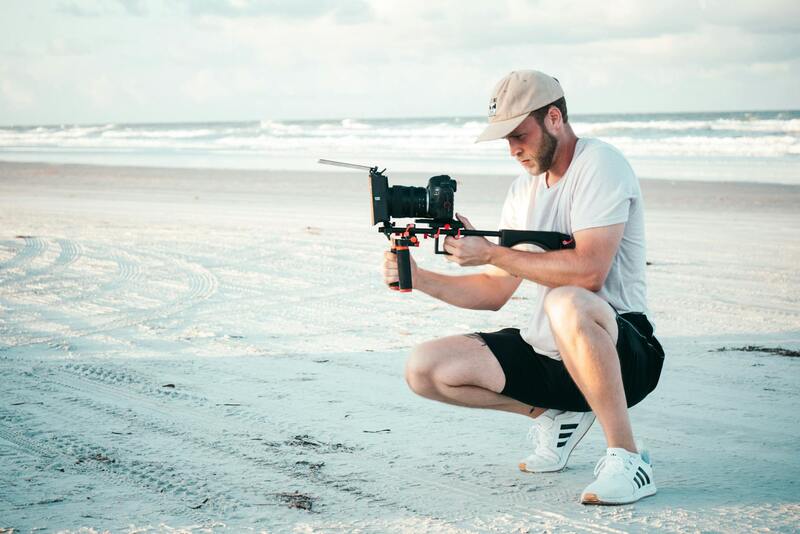
Lighting is a fundamental element in capturing high-quality real estate images. Shooting during daylight hours, particularly during the golden hour just after sunrise or before sunset, can impart a warm, natural glow that enhances the property's features. Overcast days are also advantageous, providing even, soft lighting that minimizes harsh shadows and highlights. Supplementary artificial lighting may be employed to brighten interior areas and eliminate dark corners, ensuring each space appears welcoming and well-lit. The timing of the shoot should also consider weather conditions to avoid overexposure from direct sunlight or reflections that could distort images. Planning ahead for ideal lighting conditions ensures every photograph accurately reflects the property's true ambiance and dimensions, making it more appealing to potential clients.

Post-Processing and Editing of Property Photos
After capturing the images, meticulous post-processing ensures they meet professional standards and effectively attract buyers. Editing involves correcting color balance, enhancing brightness, and sharpness, as well as removing minor imperfections such as dust spots or reflected glare. Techniques like perspective correction help straighten lines and realign images to depict the space accurately. Contemporary software allows for subtle enhancements that emphasize the natural beauty of the property without overstating features. Consistency in editing style across all images reinforces a professional appearance and strengthens branding efforts. Properly edited photos serve as a critical marketing tool, elevating the property's visual appeal and encouraging more engagement from prospective buyers.

Key Features of Attractive Property Photos
High-quality real estate property pictures are essential for capturing the attention of potential buyers and creating a compelling visual narrative of the space. Effective images showcase the property's best features and highlight its unique selling points, making it stand out in a competitive market. To achieve this, images should emphasize natural light, proper framing, and the clarity of details that speak to the property's quality and character.
Capturing a property's essence involves focusing on several key aspects:
- Lighting: Well-lit images naturally attract viewers, making spaces appear warm and inviting.
- Composition: Proper framing ensures every photograph highlights the most attractive elements, such as architectural details, views, or spaciousness.
- Perspective: Using wide-angle lenses appropriately can exaggerate space without distorting proportions, providing a realistic sense of the property’s dimensions.
- Cleanliness and Presentation: Before photography, properties should be thoroughly cleaned and tidied. Organizing furniture and removing clutter help present a neat, appealing environment.
- Detail Shots: Close-up images of features like fixtures, textured surfaces, or unique architectural elements add depth to the visual story and can appeal to discerning buyers.
Incorporating these features into property photos enhances their attractiveness, making listings more compelling and increasing the likelihood of engaging prospective buyers immediately. High-quality images foster trust and demonstrate professional care, ultimately supporting faster sales and better market positioning.

Best Practices for Real Estate Photography
Achieving professional-grade property images requires adherence to industry best practices that maximize visual impact. Proper preparation, equipment selection, and techniques tailored to the specific space are paramount.
- Use of Tripods and Wide-Angle Lenses: Stabilizing the camera with a tripod ensures sharp images, while wide-angle lenses allow capturing more of the space in a single frame, making rooms appear larger.
- Optimal Lighting: Shooting during daylight hours with natural light minimizes shadows and enhances color accuracy. If needed, supplemental lighting, such as softboxes or reflectors, can be used to evenly illuminate darker areas.
- Framing and Composition: Carefully selecting angles to showcase the room's best features and maintaining a consistent height (usually eye level) for all shots fosters a cohesive look across images.
- Decluttering and Staging: Removing personal items and clutter creates a neutral environment that appeals to a broader audience. Staging furniture can also help demonstrate the potential of each space.
- Post-Processing Techniques: Editing for color correction, perspective adjustments, and minor retouching ensures each image meets professional standards. Consistent editing style across all images reinforces branding and professionalism.
Implementing these practices leads to visually striking property images that serve as effective marketing tools, helping listings stand out online and attracting more qualified buyers.

Staging and Preparing Properties for Photoshoots
Effective staging and meticulous preparation of a property are essential to produce compelling real estate images that attract potential buyers. Properly staged homes allow buyers to envision themselves within the space, emphasizing the property’s strengths and minimizing flaws. Detailed attention to the presentation includes decluttering, neutralizing decor, and strategically arranging furniture to highlight the room’s proportions and functionality.
When preparing a property for a photoshoot, one should start by decluttering every area—removing personal items, excess furniture, and anything that distracts from the space. This allows the room to appear more spacious and inviting. Neutral color schemes and minimalist accessories tend to appeal to a broader audience, creating an unobstructed view of the property’s features.
Strategic staging is key. For instance, placing a comfortable sofa and coffee table in the living room can make the space more approachable. Using simple, elegant accessories such as fresh flowers or tasteful artwork adds a touch of warmth without overwhelming the space. In kitchens and bathrooms, keeping surfaces clean and free of clutter emphasizes cleanliness and functionality.

Additionally, considerations for safety and accessibility should be incorporated. Ensuring pathways are clear, lighting is functional, and all fixtures are in good condition contributes to a welcoming presentation. If furniture or decorative items are outdated, they should be replaced or carefully integrated into a neutral decor scheme that allows prospective buyers to imagine their own belongings in the space.
Once the staging is complete, the focus shifts to preparing the property physically for the photoshoot. This includes cleaning carpets and windows, tidying up outdoor spaces, and addressing minor repairs such as peeling paint or loose fixtures, ensuring the property is showcased at its best.
Careful preparation and thoughtful staging not only improve the aesthetic quality of the images but also enhance the overall perception of the property, increasing the likelihood of generating interest and inquiries from serious buyers.

Post-Processing and Editing of Property Photos
After capturing high-quality images of a property, post-processing becomes an essential step in creating compelling visual content. Professional editing techniques serve to fine-tune the photos, ensuring they accurately represent the space while accentuating its best features. Adjustments to color balance correct any discrepancies caused by lighting conditions or camera settings, helping to produce vibrant and true-to-life images that appeal to prospective buyers.
Brightness and contrast enhancements help to make the images pop, drawing attention to key areas within the property. Proper exposure ensures that both well-lit and shadowed regions are clearly visible, providing a balanced view that entices viewers. Additionally, techniques such as perspective correction straighten lines and correct lens distortions, resulting in images that appear more natural and professional.
Retouching may also be employed subtly to remove minor imperfections—such as stains on carpets, smudges on walls, or small clutter—without altering the genuine appearance of the property. This helps maintain transparency and trust, as potential buyers often appreciate authentic representations of the space. High-resolution editing can also involve sharpening details to make textures and features more defined, which can be particularly advantageous for showcasing intricate design elements or high-end finishes.
Advanced editing software allows for the creation of virtual enhancements that can subtly improve the overall aesthetic without crossing into artificial territory. For example, techniques such as adding virtual staging elements or simulating outdoor views can expand the visual appeal of a property, especially when physical staging or landscaping may not be feasible. However, these modifications should always complement the original images and provide an honest depiction of the property’s potential.

Ultimately, meticulous editing ensures that property images stand out in a competitive market. When executed professionally, post-processing enhances visual impact, boosts buyer engagement, and accelerates the sales process by providing clear, attractive, and realistic representations of the property. Accurate and appealing images are an investment in marketing efforts, helping listings gain the visibility they deserve across various channels, whether on online platforms or printed brochures.
Using Property Photos in Marketing Strategies
High-quality property images serve as the foundation of effective real estate marketing campaigns. When integrated properly into various channels, these photos significantly increase property visibility and attract qualified buyers. For online listings, professional images act as the first visual impression, encouraging potential buyers to click through and explore further. They serve as digital storefronts that communicate the property's value at a glance, making it essential to showcase each space in the best possible light.
Social media platforms amplify this exposure by allowing targeted promotion and sharing of visually appealing property photos. Platforms such as Instagram and Facebook enable real estate agents to reach specific demographics through curated campaigns, hashtags, and paid advertisements. Engaging visuals, combined with compelling captions, can generate high engagement levels, increasing the chances of inquiry and showings.
Beyond online listings and social media, property photos can be utilized in email marketing blasts, printed brochures, and open house signage. Consistent and professional imagery helps establish brand recognition and demonstrates a commitment to quality, which builds trust with prospective buyers. Strategically placing stunning images in multiple touchpoints maximizes a property's market exposure and supports a comprehensive marketing approach.
Proper image management involves not only selecting the best shots but also optimizing their size and resolution for each medium. For digital use, images should be compressed without sacrificing quality to ensure fast load times. For print materials, high-resolution images are crucial to preserve detail and color accuracy. Integrating these visuals seamlessly into marketing collateral ensures a cohesive and professional presentation across all channels.
Ultimately, the strategic utilization of high-quality real estate property pictures transforms listings from simple advertisements into compelling visual stories that resonate with prospective buyers. When images are paired with precise property descriptions and current market data, they can significantly influence decision-making and accelerate sales processes.

Maximizing the Impact of Property Photos in Digital Listings
High-quality property images are pivotal in capturing the attention of prospective buyers when browsing online real estate listings. In today’s competitive market, the visual presentation of a property often influences a potential buyer’s decision before they even read the description. Effective photography not only highlights the space's best features but also communicates its potential lifestyle, which resonates deeply with viewers.
Optimized property images serve as the visual gateway to an in-depth property exploration. When images are clear, professionally composed, and accurately represent the space, they foster trust and create an emotional connection. This not only leads to increased inquiries but also reduces the time a property remains on the market. In the digital age, where buyers often make decisions within seconds of viewing a listing, compelling visuals are essential for standing out in crowded online marketplaces.
Strategic Use of Property Photos Across Platforms
The integration of property images into various marketing channels forms a cohesive approach that enhances visibility and engagement. High-resolution photos should be featured prominently on:
- Listing websites, ensuring immediate visual impact
- Social media platforms, where eye-catching imagery drives shares and interaction
- Email marketing campaigns, which benefit from professional visuals that increase open rates
- Printed promotional materials, including brochures and flyers, where high-quality images preserve detail and color fidelity
- Open house signage, to attract foot traffic and generate interest before physical visits

Optimizing Visual Strategies for Better Sales Outcomes
Well-curated imagery forms the core of a successful marketing plan in real estate. Combining captivating photos with well-crafted descriptions and current market data creates a compelling narrative that guides potential buyers through the property’s unique story. This synergy increases the likelihood of inquiries, scheduled viewings, and eventual sales.
Moreover, professional property images support branding efforts. Consistent, high-quality visuals across digital and print platforms reinforce the reputation of the listing agent or agency. This consistency demonstrates professionalism, attention to detail, and a commitment to excellence—attributes highly valued in the real estate industry.
Ensuring Property Photos Drive Engagement
For property photos to effectively influence buyer interest, they must be strategically managed and optimized. Proper image management involves:
- Using high-resolution photos to showcase fine details, particularly in print materials
- Compressing images appropriately for digital use to ensure fast load times without sacrificing quality
- Maintaining consistency in style, lighting, and perspective across all photos to create a cohesive visual story
- Highlighting key features through varied angles, including aerial shots, interior panoramas, and close-ups of unique amenities
In addition, integrating virtual tour screenshots or 360-degree images can add an immersive dimension that encourages deeper engagement and interest. As visual content continues to dominate online interactions, investing in professional photography that adheres to best practices is essential for maximizing a property’s market potential.