
Importance of Real Estate Property Videos
In the highly competitive Miami real estate market, showcasing properties effectively is essential to attracting serious buyers and closing sales efficiently. High-quality real estate property videos serve as a powerful visual tool that enhances online listings, offering potential buyers an immersive experience of the property from their own devices. Visual content has proven to engage viewers more effectively than static images alone, providing a comprehensive understanding of the property’s layout, ambiance, and unique features.
Property videos significantly increase the visibility of listings on various online platforms, including real estate websites, social media, and video-sharing platforms. These videos help to differentiate a listing from the sea of competing properties by providing a dynamic and engaging presentation. A well-produced video can evoke emotional responses, encouraging viewers to schedule viewings or contact agents directly. This heightened engagement translates to more inquiries, faster sales, and often better offers.
The Miami real estate market thrives on vibrant lifestyle appeal and luxurious properties. A professionally crafted property video captures not just the physical space but also the essence of living in Miami—highlighting waterfront views, modern amenities, and unique architectural elements. When potential buyers see a compelling video walk-through, they develop a stronger connection to the property, which can significantly influence their purchasing decision.

Furthermore, online videos can be utilized for targeted marketing campaigns, helping to reach specific demographics interested in Miami’s luxury and waterfront real estate. By integrating high-quality videos into marketing strategies, real estate professionals can efficiently nurture leads and foster client trust. In today’s digital age, property videos are no longer optional—they are a vital element in achieving success in Miami’s competitive real estate landscape.
Key Elements of High-Quality Property Videos
Creating compelling real estate property videos requires attention to several critical elements that ensure the final product effectively captures and promotes the property’s unique features. First and foremost, professional videography is essential. This involves using high-resolution cameras to achieve sharp, clear visuals that accurately represent the property's physical attributes. Proper stabilization equipment ensures smooth footage, avoiding jerky movements that can distract viewers.
Lighting plays a pivotal role in showcasing a property at its best. Natural light enhances the space’s openness and highlights architectural details, while supplemental lighting can be employed to brighten darker areas. Meticulous attention to lighting conditions during filming can elevate the overall quality and appeal of the video.
Angles and framing should be thoughtfully chosen to emphasize the property’s most attractive features. Wide-angle lenses are often used to convey the sense of space, especially in smaller rooms, but framing must avoid distortion. Strategic camera angles can also create a sense of depth and flow, making viewers feel as if they are touring the space firsthand.
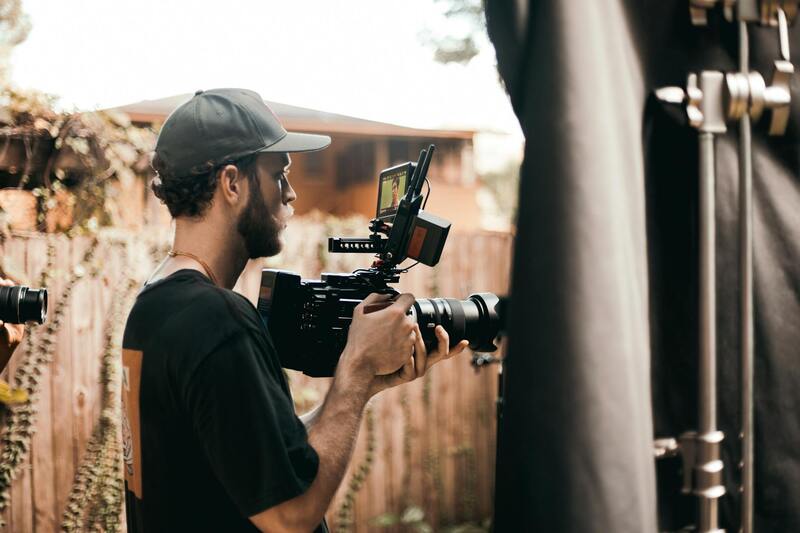
Sound quality is another vital component. Clear, ambient audio during walkthroughs or voice-overs should be free of background noise and echoes. The use of professional microphones can ensure narration or background music complements the visuals without overpowering them.
Editing is where raw footage is transformed into a cohesive, engaging narrative. Smooth transitions, appropriate pacing, and consistent color grading can enhance the viewing experience. Incorporating branded elements, such as logos or contact information, subtly in the video can also boost marketing effectiveness.
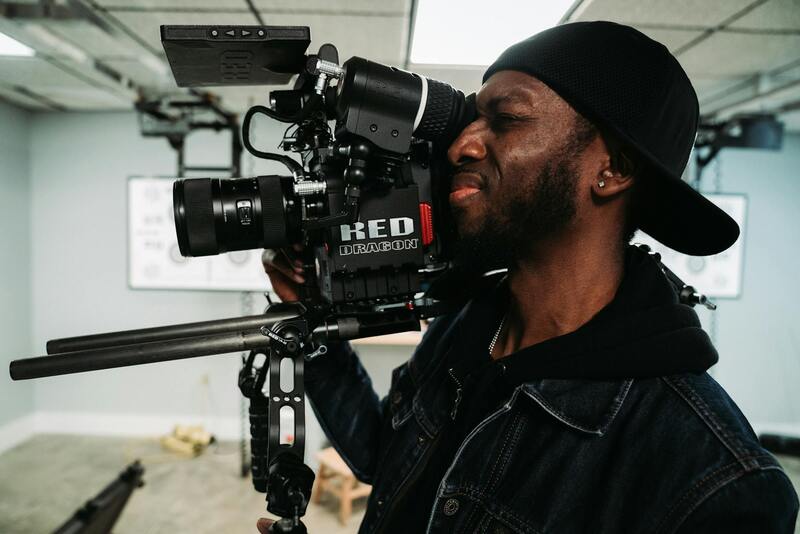
Finally, the inclusion of complementary visuals, such as aerial drone shots or close-ups of architectural details, adds depth and perspective. These elements help in creating a comprehensive visual story that appeals to prospective buyers by illustrating both the grandeur and finer intricacies of the property.
In essence, high-quality real estate property videos are characterized by professional videography, strategic composition, premium audio, meticulous editing, and thoughtful integration of supplementary visuals. When these elements are combined, they produce a compelling tool that significantly enhances the property's marketability and appeal.
Importance of Real Estate Property Videos
In today’s competitive housing market, high-quality real estate property videos serve as an essential marketing tool for agents and sellers alike. They offer potential buyers an immersive experience, allowing them to explore every detail of a property remotely and fostering emotional connections before physical visits. Well-crafted videos can highlight unique architectural features, spacious interiors, and appealing outdoor spaces, thereby elevating the property's perceived value. Additionally, property videos significantly extend the reach of listings by facilitating sharing across social media platforms, real estate websites, and email campaigns, producing broader exposure and attracting a larger pool of qualified buyers. The dynamic nature of videos also enables agents to showcase properties at varied times of day and under different lighting conditions to emphasize ambiance and spatial flow. As a result, real estate professionals who leverage high-quality property videos frequently observe increased engagement, faster sales cycles, and higher selling prices—attributes that translate into substantial competitive advantages in crowded markets.
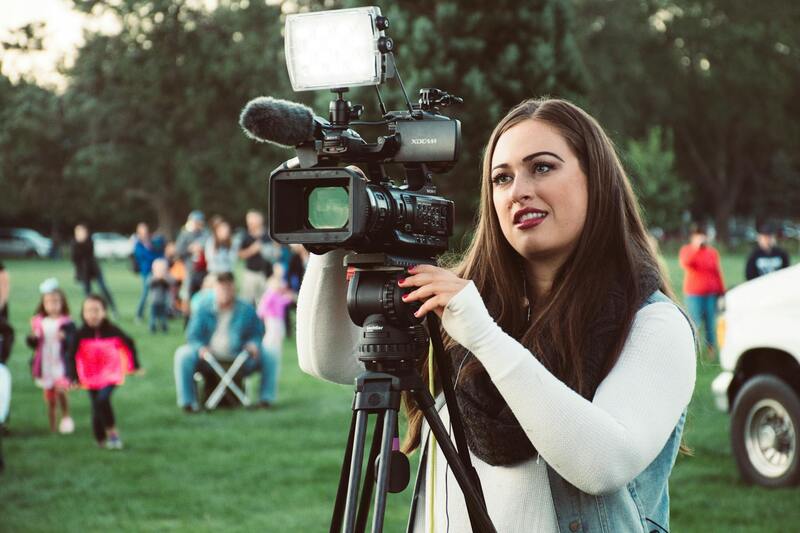
The visual storytelling aspect of these videos builds trust and credibility with buyers, demonstrating professionalism and fostering confidence in the transaction process. This is especially crucial for luxury properties or homes with unique architectural features, where detailed visual presentation can make a decisive difference. As consumers increasingly rely on digital content for decision-making, the strategic utilization of real estate videos has become an indispensable element in a comprehensive marketing plan, offering measurable benefits such as increased inquiry rates and higher conversion ratios.
Types of Real Estate Videos
Various formats of real estate videos serve different marketing objectives and target audiences. Each type is designed to engage viewers uniquely, providing a tailored approach for showcasing properties effectively.
- Walkthrough Tours: These videos offer a virtual stroll through the property, highlighting spatial layout, room dimensions, and key features. They serve as an effective alternative to in-person visits, especially for remote buyers or those seeking initial screening options.
- Drone Footage: Aerial shots provide sweeping views of the property and surrounding landscapes. This type is particularly advantageous for large estates, waterfront homes, or properties with extensive outdoor amenities, giving viewers a comprehensive perspective of the property’s scale and setting.
- Timeline and Development Videos: Showcasing renovation progress or construction projects allows developers or investors to highlight transformation milestones and future potential to prospective clients.
- Neighborhood and Community Highlights: These videos focus on the local area, amenities, schools, and lifestyle benefits, helping buyers understand the broader appeal of the location alongside the property itself.
- Testimonials and Seller Stories: Featuring satisfied clients and their positive experiences can build trust and influence potential buyers by emphasizing credibility and service quality.
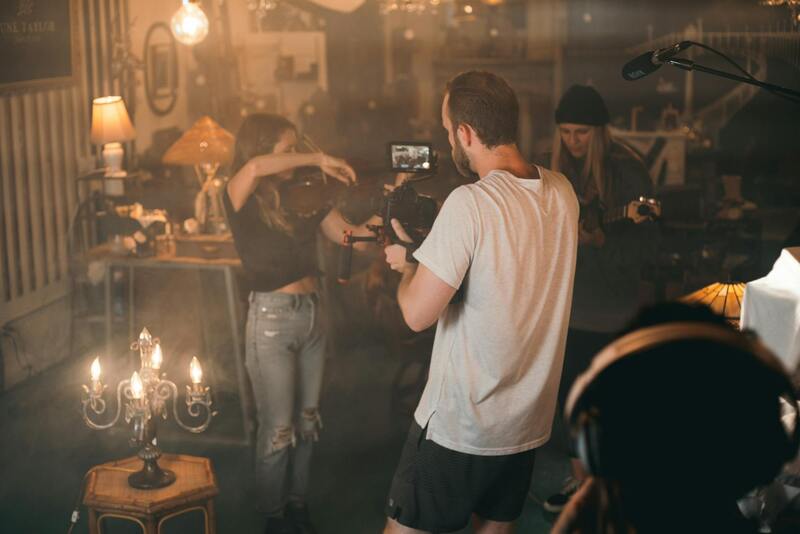
Creating a combination of these video styles can maximize marketing impact, engaging diverse segments of prospective buyers and providing comprehensive insights into the property and its environment. When executed professionally, these videos serve as powerful tools to boost property visibility, attract high-quality leads, and accelerate the sales process.
Key Elements of High-Quality Property Videos
Producing compelling real estate property videos requires attention to several crucial elements that ensure each clip not only looks professional but also effectively communicates the property's unique features and appeal. Investing in these aspects enhances viewer engagement, trust, and ultimately drives more inquiries and visits.
Firstly, high-resolution visuals are fundamental. Crisp, clear images provide a realistic view of the property and avoid distractions caused by flickering or pixelation. Professional lighting is essential to highlight the property's best features, whether it's a spacious living room, modern kitchen, or scenic outdoor areas. Proper lighting ensures that every detail stands out, creating an inviting atmosphere for potential buyers.
Sound quality also plays a vital role. Using high-quality microphones to capture ambient noise and narration ensures that the message is delivered clearly. Avoiding intrusive background sounds and ensuring balanced audio levels helps maintain a professional tone and keeps viewers focused on the visuals.
Stable shots achieved through tripod use or gimbals prevent shaky footage, providing a smooth viewing experience that appears polished. Dynamic camera movements, such as pans, tilts, and slow dolly shots, can add a cinematic touch that enhances the viewer's sense of space and flow of the property. Nonetheless, these should be used judiciously to avoid disorienting the viewer.

Integration of compelling storytelling is another key element. Narration or text overlays can draw attention to specific features or benefits of the property, guiding viewers through each space purposefully. A coherent narrative helps viewers connect emotionally, increasing the likelihood of inquiry or a viewing appointment.
In addition, pacing is critical. Quick cuts may diminish the viewer's understanding of the space, whereas too slow footage can result in lost interest. A balanced editing rhythm that maintains viewer engagement while providing comprehensive views of each area creates a seamless, engaging experience.
Finally, branding consistency—such as including the agency logo, contact information, and a call-to-action—is crucial. This maintains brand visibility and encourages viewers to reach out for more information or to schedule a visit.
In sum, focusing on high-resolution visuals, optimal lighting, clear sound, stable and cinematic camera work, engaging storytelling, and consistent branding forms the foundation of high-quality real estate property videos. When executed properly, these elements serve as powerful tools that elevate property presentation, reach broader audiences, and facilitate faster sales conversions.
Effective Editing and Post-Production Techniques for Real Estate Property Videos
Post-production is a critical phase that transforms raw footage into a compelling visual story that captures the essence of a property. High-quality editing ensures that each video is polished, engaging, and aligned with branding strategies. A key component is color correction, which enhances the visual appeal by accurately representing the property's hues and ambiance. Proper color grading can evoke warmth in cozy living spaces or emphasize modernity with cooler tones, creating an emotional connection with potential buyers.
Adding background music is another essential element. Selecting appropriate, unobtrusive music can elevate the viewing experience, helping to set the mood and pace of the video. It is vital that the music complements the property’s style and target audience, avoiding overpowering the visual content. Subtle, melodic tracks often work well for showcasing elegant and sophisticated properties, while energetic tunes may be suitable for modern, vibrant homes.
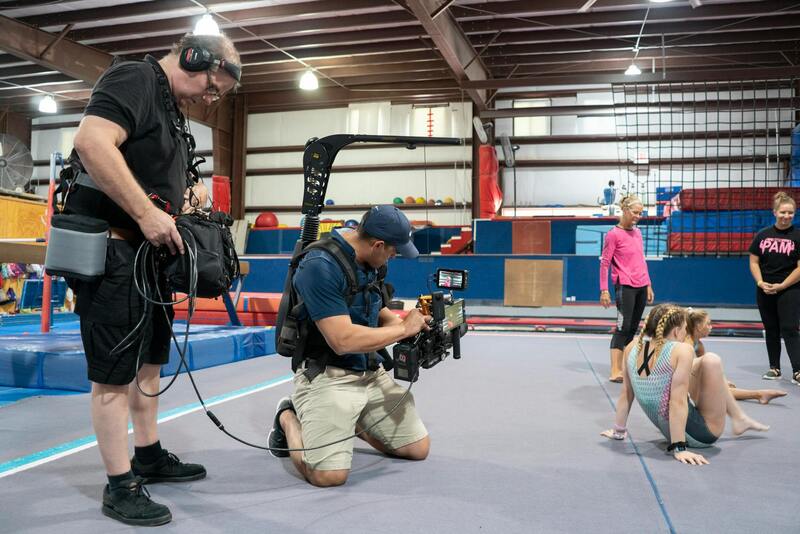
Captions and text overlays provide additional information that can highlight unique features or promote call-to-actions without disrupting the flow of the video. They serve as visual cues, guiding viewers toward key selling points or contact details, especially when sound is turned off. Seamless integration of these elements contributes to a professional and informative presentation.
Transitions and pacing are pivotal in maintaining viewer interest. Smooth transitions between scenes prevent visual jarring, while pacing should be balanced to allow viewers sufficient time to absorb each space. Techniques such as slow pans or zooms can add a cinematic quality, but should be used judiciously to avoid fatigue. Strategic use of editing tools like jump cuts or dissolves can help streamline the narrative, ensuring the video remains engaging from start to finish.
Overlaying branding elements, such as logos and contact information, within the video frames reinforces the agency’s identity and encourages potential clients to reach out. Including a clear call-to-action at the end ensures viewers know the next step, whether it involves scheduling a viewing, contacting the agent, or visiting the website for more details. Consistent branding across all marketing materials also helps build trust and recognition in a competitive market.
Legal and Ethical Considerations for Real Estate Property Videos
When creating and sharing real estate property videos, it is crucial to adhere to established practices that respect privacy, consent, and intellectual property rights. Ensuring that all individuals appearing in the footage have given explicit permission is a fundamental step in the process. This not only fosters transparency but also maintains the integrity of the marketing efforts. Property owners and tenants must be informed about how their images or spaces will be presented and distributed through various platforms.
Moreover, obtaining clear consent from all parties involved minimizes the risk of disputes and negative perceptions. It is advisable to have documented approval, especially when filming within private residences, to avoid misunderstandings that could compromise the reputation of the real estate agency or producer.
Respecting Intellectual Property and Media Rights
Utilizing copyrighted content, such as music, images, or third-party branding, requires proper licensing or permissions. Incorporating licensed music enhances the viewer’s experience without infringing on copyright laws, which could otherwise lead to content removal or legal consequences. When editing videos, always use royalty-free or properly licensed media assets to maintain compliance with intellectual property standards.
Maintaining Transparency and Authenticity
Authenticity in property videos is key to building trust with prospective buyers. Avoid overly edited or manipulated visuals that could misrepresent the property’s current condition or features. Clearly showcasing the property’s true attributes ensures that potential clients make informed decisions based on an honest depiction of what is on offer.
Ethical Marketing and Fair Representation
Ethically representing a property entails avoiding false claims and providing accurate descriptions. Highlight compelling features but stay truthful about the property’s size, layout, and condition. Overpromising or exaggerating aspects can harm long-term reputation and lead to dissatisfaction once a sale or lease is finalized.
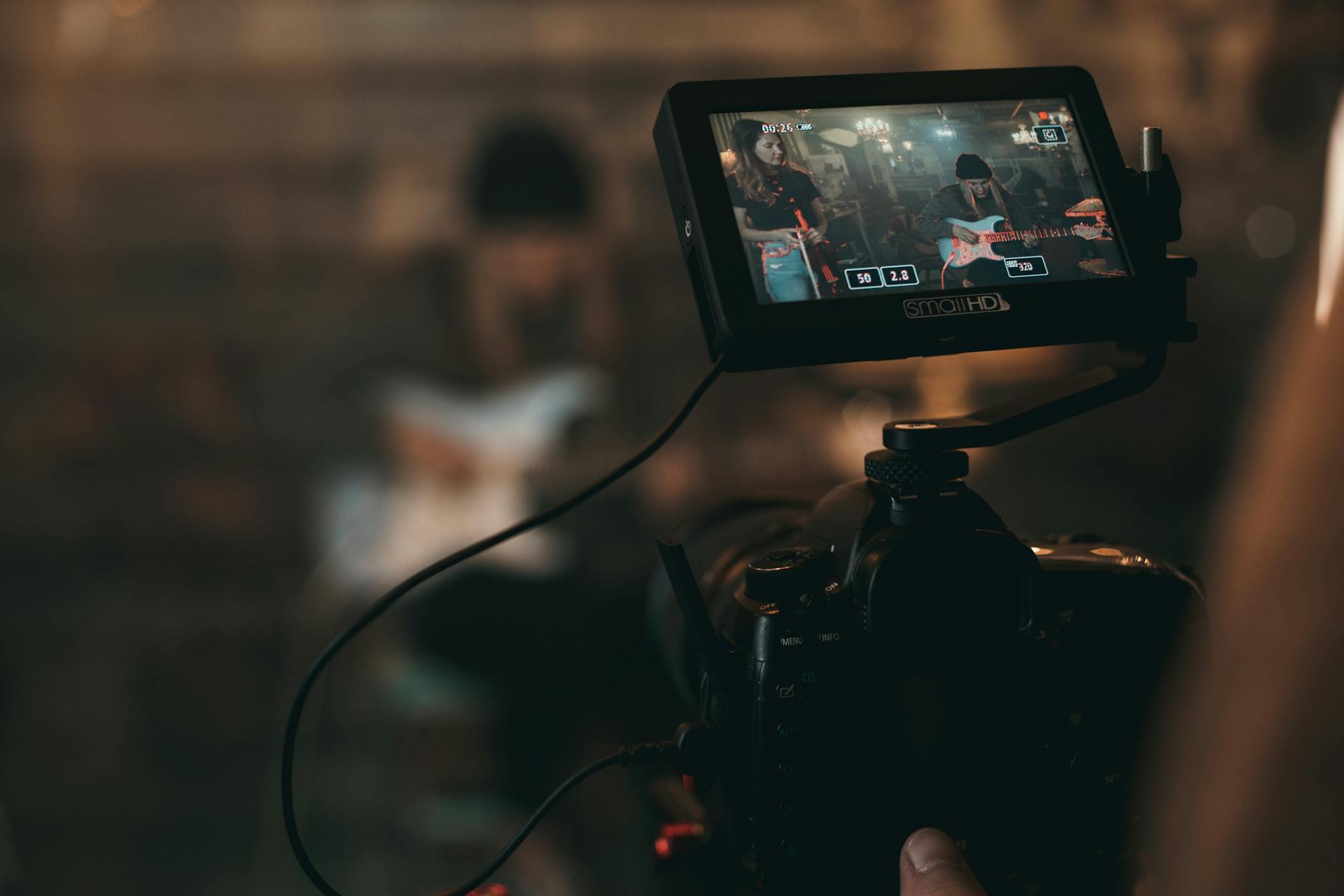
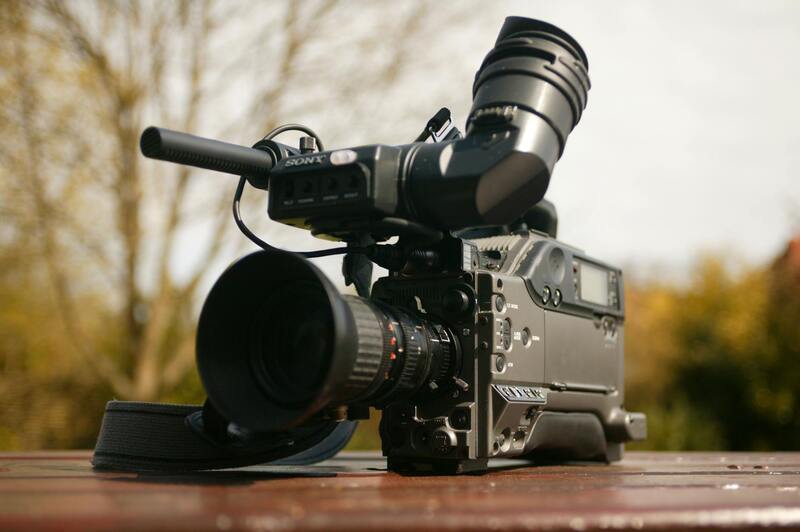
Ensuring Ethical Standards and Best Practices in Property Video Production
When creating real estate property videos, adherence to professional and ethical standards is paramount to ensure that the content is trustworthy, accurate, and respectful of all parties involved. Producing videos that faithfully represent the property, while maintaining compliance with industry norms, fosters buyer confidence and preserves a positive reputation for agents and agencies alike.
Respecting Privacy and Securing Consent
Fundamental to ethical real estate video production is obtaining explicit consent from all individuals appearing in the footage. This includes homeowners, tenants, and loved ones who might be present during filming. Clear permission ensures that personal privacy rights are honored and mitigates potential conflicts or misunderstandings. It’s advisable to document consent, preferably in writing, detailing the scope of the recording and how the content will be used. This practice upholds transparency and promotes respectful engagement with clients and property occupants.
Accurate and Fair Representation
High-quality property videos should highlight the true qualities of a residence without resorting to misleading techniques. This means showcasing the property’s current layout, dimensions, and features without exaggerated visuals or deceptive angles. Authentic representations help prospective buyers or tenants make informed decisions—reducing the risk of dissatisfaction and fostering trust in the realtor’s professionalism.
Utilizing honest descriptions and avoiding overpromising outcomes or features is essential. For instance, if renovations or upgrades are underway, transparently communicate these updates rather than suggesting the property is move-in ready if it is not. Such honesty strengthens credibility and supports the development of long-term client relationships.
Accurate Use of Media and Licensing Standards
Compliance with media rights conventions extends beyond obtaining individual permissions. When incorporating music, images, or video clips created by other artists or media creators, ensure all media assets are appropriately licensed. This may involve licensing music tracks or stock footage legally, or alternatively, using royalty-free media that adheres to industry standards. Doing so not only preserves the integrity of the production process but also avoids potential disputes related to intellectual property rights.
Upholding Fair Marketing Practices
Ethical marketing in real estate emphasizes honesty and integrity. Refrain from making exaggerated claims that might embellish the property’s features or size beyond its actual state. Instead, highlight its best qualities truthfully and objectively. Accurate marketing contributes to a positive reputation and reduces the likelihood of buyers feeling misled, which can lead to disputes or dissatisfaction after purchase.
Compliance with Local Standards and Professional Guidelines
Adherence to local regulations and professional standards ensures that property videos serve their intended purpose effectively and ethically. For instance, in Miami, specific guidelines may govern the depiction of properties, privacy considerations, and advertising claims. Understanding and integrating these standards into production workflows uphold industry excellence and trustworthiness.
In summary, ethical video production combines respect for individual privacy, honesty in portrayal, and compliance with licensing and marketing standards. Professionals dedicated to maintaining these principles not only enhance their reputation but also contribute to a more transparent and trustworthy real estate marketplace.
Ensuring Ethical Standards and Protecting Privacy
Creating compelling real estate property videos involves a rigorous adherence to ethical guidelines that protect the rights of all parties involved. Respect for individual privacy is paramount; videographers should obtain explicit consent from property owners and tenants before filming, particularly when capturing interior spaces or personal belongings. This process not only fosters trust but also aligns with industry best practices.
Transparency in representation is essential to maintain integrity in marketing efforts. Avoiding distortions or manipulations that overstate the property's attributes ensures prospective buyers receive an accurate depiction of what is available. This honesty helps establish credibility, mitigates potential misunderstandings, and promotes a seamless transaction process.
Privacy Considerations in Property Videography
- Consent Acquisition: Prior to filming, securing written permission from property owners and, if applicable, tenants is crucial. Clearly communicate the scope of the video shoot, including areas to be filmed and intended use.
- Personal Privacy: Be mindful of personal items or sensitive areas that should not be included in the footage. Focus on showcasing the property's features without infringing on private spaces.
- Data Security: Maintain secure storage of footage and associated data, limiting access to authorized personnel only. This practice minimizes risks of data breaches or misuse.
Accurate and Honest Representation
The content of real estate property videos must reflect the actual state of the property. Overstating square footage, amenities, or condition can mislead viewers and result in dissatisfaction. Regularly cross-check footage with property details to ensure consistency and accuracy.
Compliance with Industry Standards and Regulations
Adhering to local advertising standards and industry guidelines enhances the professionalism of assembled videos. These regulations may govern the depiction of properties, mandated disclosures, and privacy considerations, especially in regions with specific marketing protocols like Miami.

Maintaining Ethical Marketing Practices
In the competitive landscape of real estate, honest and transparent marketing is critical. Avoid making exaggerated claims or deceptive visuals that could mislead potential buyers. Instead, focus on authentic representations that emphasize the property's true strengths. This approach builds a positive reputation and fosters long-term trust within the marketplace.
Regular Training and Industry Updates
Professionals involved in real estate video production should stay informed about emerging best practices, legal updates, and technological advances. Continuous education ensures ongoing compliance and the ability to deliver high-quality, ethical visual content that resonates with viewers and upholds industry standards.