
Understanding the Importance of High-Quality Real Estate Photography
In the competitive landscape of real estate, the presentation of a property significantly influences its marketability. High-quality real estate photography serves as an initial showcase that draws potential buyers' attention and engenders a sense of trust and professionalism. Well-executed images provide a vivid, detailed representation of the property, highlighting its best features and creating an emotional connection with viewers.
When prospective buyers browse online listings, the visual component often makes or breaks their decision to visit a property. Listings accompanied by crisp, professionally captured images tend to receive higher engagement, increased inquiries, and faster sales. Conversely, subpar photographs can diminish perceived value and discourage interest before viewers even schedule a viewing. In today's digital environment, exceptional visuals are indispensable for making properties stand out amidst a multitude of options.
A professional real estate shoot is more than just taking pictures; it encompasses strategic lighting, accurate color rendering, and composition that accentuates spatial dimensions. These images are crafted to not only showcase the property's interior and exterior but also to generate a compelling narrative about the lifestyle it offers. For real estate agents and property owners aiming to maximize their listing exposure, investing in high-caliber photography delivers tangible benefits, including a broader reach, quicker sales, and potentially higher offers.
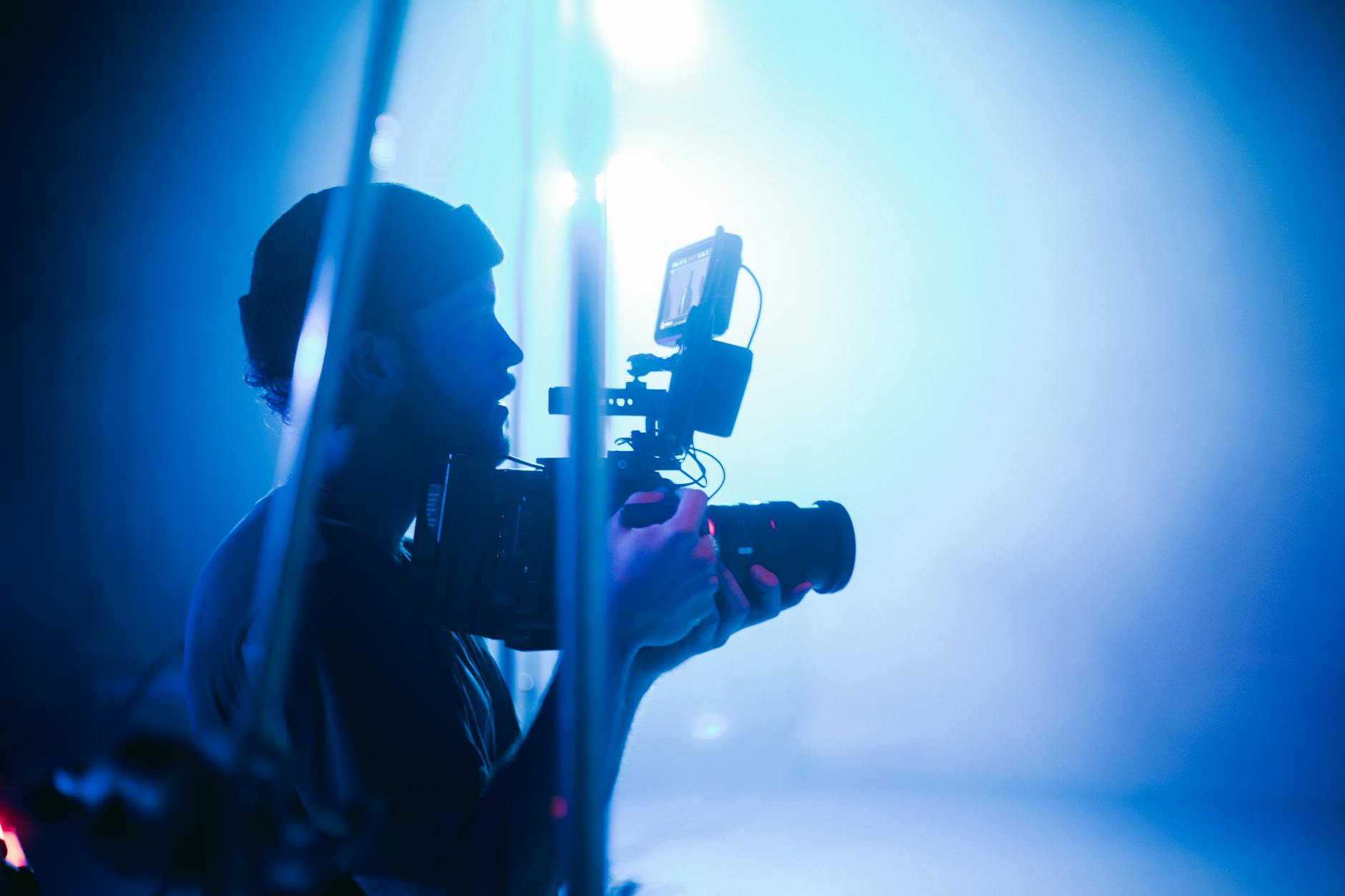
Furthermore, the visual quality set by professional photography can influence a viewer’s perception of property value. Bright, well-composed images convey meticulousness and care, which can positively impact negotiations. Quality visuals also enable effective online marketing, seamlessly integrating into various digital platforms, from social media to real estate marketplaces. As a result, a well-executed real estate shoot becomes a crucial component of a successful sales strategy, ensuring that the property captures attention and leaves a lasting impression among prospective buyers.
Choosing the Right Equipment and Shooting Techniques
To produce compelling, high-quality real estate images, selecting the appropriate equipment is essential. Professionals often utilize high-resolution digital cameras capable of capturing fine details and vibrant colors. Wide-angle lenses are a popular choice as they allow photographers to encompass more of a room within a single frame, creating a sense of spaciousness that appeals to prospective buyers.
Tripods are indispensable for maintaining stability and achieving sharp, blur-free images—particularly in interior shots with lower lighting conditions. Additionally, employing external flashes or professional lighting setups ensures consistent illumination across all areas, eliminating shadows that could detract from the property's appearance.
Regarding shooting techniques, mastering the art of composition is crucial. Proper alignment of vertical and horizontal lines prevents distorted perspectives, fostering a realistic view of the space. Shooting during the appropriate time of day is also beneficial; natural light enhances the property’s features and creates inviting atmospheres. For exteriors, shooting with the sun at optimal angles minimizes glare and brings out the property's best visual qualities.
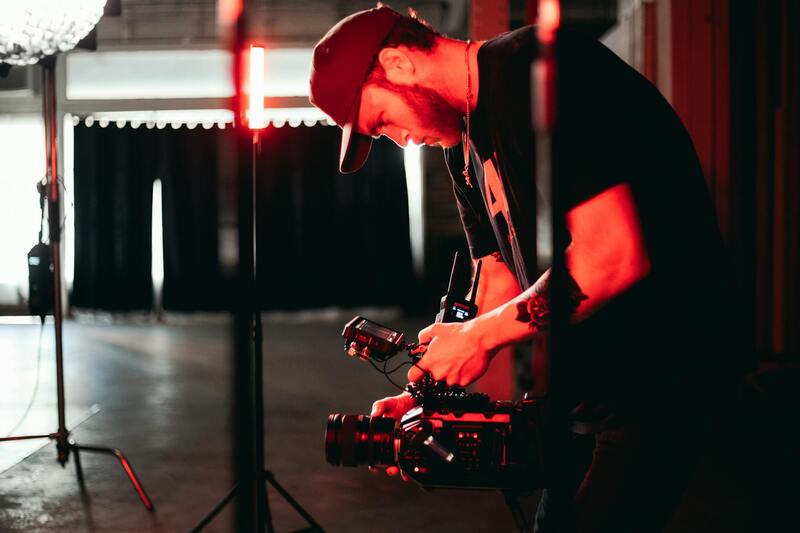
Furthermore, photographers often employ HDR (High Dynamic Range) techniques, capturing multiple images at different exposures and merging them to produce images with balanced lighting. This is especially effective in environments where bright windows and shadowed interior spaces coexist. Posturing and staging during the shoot can also influence the success of the images, emphasizing key features and ensuring spaces look both welcoming and authentic.
Preparing for the Shot: Enhancing Visual Appeal Through Technique
Effective use of shooting techniques can significantly elevate the visual impact of real estate photographs. For instance, shooting from a corner angle can showcase the room’s breadth, while vertical lines should be aligned to avoid a skewed appearance. Utilizing leading lines, such as pathways or furniture arrangement, can guide viewers’ eyes toward the main features of the property.
Photographers need to consider lens distortion that might occur with wide-angle lenses, correcting this in post-production for a true representation. Once the images are captured, careful editing enhances aspects like brightness, contrast, and color balance—without oversaturating or misrepresenting the property's true look. Such meticulous attention to detail ensures images remain inviting while providing an accurate depiction for viewers.
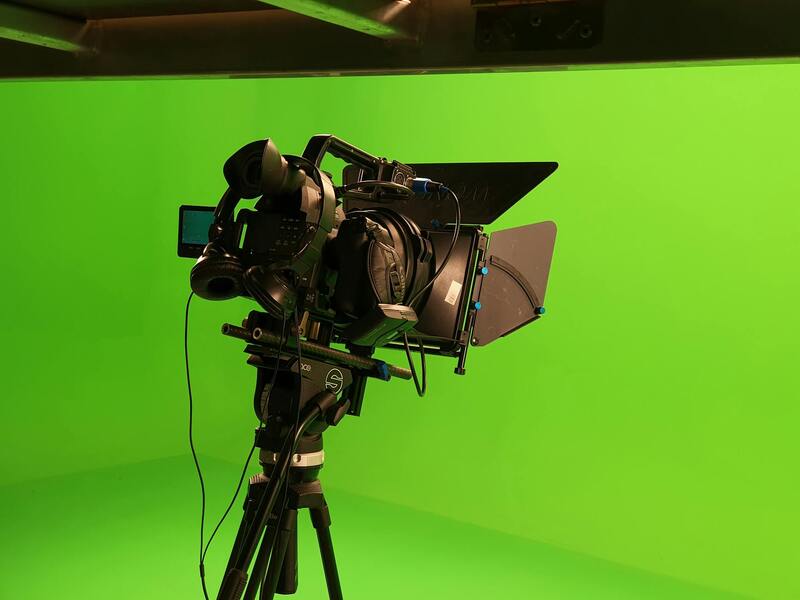
Macro and detail shots are also beneficial, capturing features such as unique fixtures, textures, or craftsmanship that differentiate the property. Incorporating a variety of perspectives and focal points in the photo set helps to craft a comprehensive visual narrative that engages potential buyers and provides a holistic understanding of the space.
Legal and Permission Aspects for Real Estate Photography
Securing appropriate permissions and understanding the necessary protocols are crucial components of professional real estate photography. Prior to scheduling a shoot, it is essential to obtain explicit consent from property owners or authorized representatives. This step ensures that the photographer has the legal right to access and capture images within the property, allowing for smooth operation without interruptions or disputes.
Clear agreements should outline the scope of the shoot, including specific areas to be photographed and the intended use of the images. It is advisable to document any restrictions or special considerations, such as private spaces or sensitive areas that require additional permissions. Respecting privacy boundaries not only maintains professional integrity but also fosters positive relationships with property owners and stakeholders.
Furthermore, legal considerations extend to rights over the images post-shoot. Clarification on how photographs can be used in marketing materials, online listings, and promotional campaigns is vital. Proper licensing agreements prevent potential misunderstandings and establish parameters for image distribution.
In some instances, additional permits may be necessary when shooting certain properties, especially for aerial shots or drone photography. Compliance with local regulations regarding drone operation, airspace, and privacy policies is imperative to avoid penalties or interference with other aerial activities. Working closely with the property owners and understanding these regulatory requirements helps ensure a professional and unobstructed shooting process.
Implementing an organized protocol for acquiring permissions and adhering to applicable regulations ensures that the real estate photography session proceeds without legal complications, protecting the interests of both the client and the photographer.
Utilizing Proper Shooting Techniques for Maximum Impact
Achieving high-quality results in a real estate shoot relies heavily on the application of precise shooting techniques. These methods enhance the visual appeal of the property and ensure that each image accurately and attractively represents the space.
One fundamental approach is understanding the importance of correct camera settings. Using a low ISO to minimize grain, a narrow aperture (high f-stop) to keep the entire space in focus, and a balanced exposure to prevent overexposed highlights or underexposed shadows are essential. These settings create sharp, well-lit images that showcase the property's best features.
Properly managing lighting is equally crucial. Natural light tends to produce more inviting and authentic images, making shoot timings during the morning or late afternoon ideal. Supplementing natural light with professional lighting equipment ensures consistency, especially in interior shots with limited windows or during overcast days. Proper light diffusion prevents harsh shadows and highlights, resulting in evenly illuminated photographs.
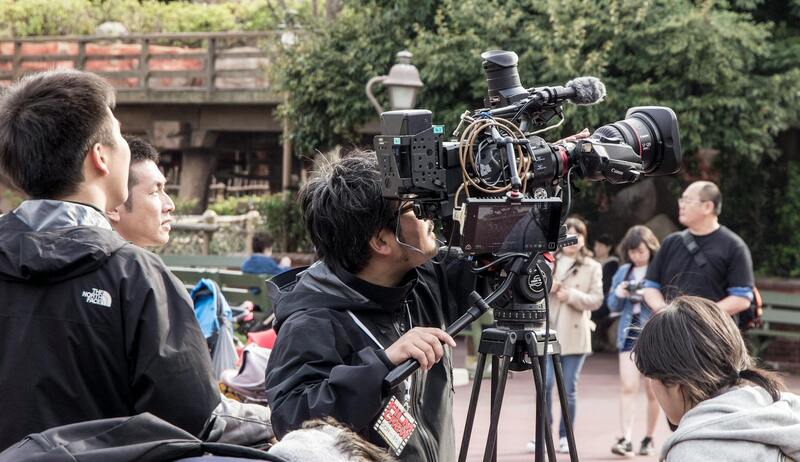
Frame composition also plays a significant role. Employing techniques like the rule of thirds guides the photographer in placing key features within the frame to draw viewers' attention naturally. Including wide-angle lenses helps to capture spacious interiors, but care must be taken to avoid distortion that can misrepresent the property's proportions.
Angles and perspectives should be chosen to highlight the property's unique characteristics. Shooting from eye level provides a natural view, while a slightly higher vantage point can better reveal room layouts. For exterior shots, positioning the camera to capture the property's front and backyard from optimal angles highlights curb appeal and surrounding landscapes.
Utilizing panoramic shots and strategic vantage points enhances the visual storytelling, making potential buyers envision themselves in the space. Consistency in style and angle across images promotes a cohesive presentation that is both professional and appealing. Incorporating these technical principles into the shoot ensures that the property is presented in the most favorable light, capturing viewer interest effectively.
Legal and Permission Aspects for Real Estate Photography
Securing the appropriate permissions before conducting a real estate shoot is essential to ensure a smooth and professional process. Property owners should be fully informed about the photography plan, including the scope of the shoot, the type of images to be captured, and how these images will be used for marketing purposes. Establishing clear agreements helps prevent misunderstandings and confirms consent from all involved parties.
It is important to verify that any individuals appearing prominently in the images have authorized their participation, particularly in commercial or outdoor scenes. If the property is part of a strata or managed community, obtaining approval from relevant authorities or management groups may be necessary. This process helps maintain a respectful and compliant relationship with community guidelines and privacy expectations.
Additionally, photographers should be aware of privacy considerations when capturing neighboring properties or public spaces. Respect for privacy boundaries is critical; avoiding intrusive shots of private areas or personally identifiable property features ensures ethical standards are upheld and potential disputes are avoided.
For drone or aerial photography, obtaining the proper clearances or certifications is required to operate equipment legally around private properties or restricted airspace. Many regions mandate specific permissions for aerial shots, especially in densely populated urban settings like Miami. Working with professionals who understand these protocols ensures adherence to local regulations, safeguarding both the clients and the photographer from issues related to unauthorized filming.
Proper documentation, including written permissions and releases, forms an integral part of a compliant real estate photography project. This documentation protects all parties involved, clarifies rights of usage for the images, and underscores the homeowner's consent. It also sets a professional tone for the process, contributing to a smooth and legal operation from initial planning through post-production.
Staying informed about evolving regulations and best practices in real estate imaging remains a vital aspect of professional service. Continued education and adherence to standard parameters not only bolster credibility but also demonstrate a commitment to ethical and responsible photography practices.
Implementing Proper Permits and Documentation for Authentic Real Estate Shoots
Securing appropriate permits and maintaining detailed documentation are essential steps that uphold the integrity and professionalism of a real estate photography project. This process involves acquiring necessary approvals from property owners or managers prior to the shoot, ensuring all parties are aligned on the scope and usage of the images. Written consent, such as permission forms or release agreements, formalizes the agreement, clearly delineating rights, restrictions, and permitted usage of the photographs.
When considering aerial photography or drone footage, additional permissions may be required, particularly if operating in restricted or semi-restricted airspaces. These permissions often come from relevant authorities or property managers, and documentation of such approvals can prevent potential disputes or misunderstandings. Including detailed records of permissions not only safeguards the interests of photographers and clients but also demonstrates adherence to established standards.
Furthermore, it is advisable to create comprehensive project files that include signed release forms, permission documents, and footage or images logs. This record-keeping facilitates smoother post-shoot processes, such as editing and distribution, and provides clear evidence of compliance should questions about permission or usage rights arise in the future.
Proper documentation also covers intellectual property considerations, specifying whether images are for exclusive use or if rights are shared with multiple stakeholders, such as real estate agents, property management companies, or marketing firms. Such clarity prevents misunderstandings and ensures all involved parties are aware of their rights and limitations regarding the visual content.
By incorporating these practices into the workflow, professionals demonstrate their commitment to responsible and ethical photography, fostering trust with clients and property owners. These steps help maintain a streamlined process from initial planning through final delivery, minimizing legal risks and reinforcing a reputation for integrity in the Miami real estate market.
Ensuring Proper Permissions and Documentation for Real Estate Shoots
In the context of real estate photography, securing appropriate permissions is a critical component that safeguards the interests of all parties involved. This process begins with obtaining explicit consent from property owners or authorized representatives before any photographic work commences. Documented approvals serve not only as a formal acknowledgement of permission but also as proof of compliance with established standards, reducing the risk of misunderstandings or disputes later on.
It is advisable to develop a comprehensive permission protocol that includes signed release forms, which specify the scope of use for the images, the duration of rights granted, and any restrictions or special considerations. These forms should clearly outline whether the images will be used exclusively for specific marketing efforts, such as online listings or print campaigns, or if broader rights are granted for multiple applications.

Maintaining detailed records of permissions not only streamlines workflow but also provides an audit trail that can be referenced in case of future inquiries or concerns. This record-keeping should extend to logs that track updates, amendments, or additional consents obtained during different stages of the project. An organized archive of these documents enhances efficiency during post-shoot editing, licensing, or distribution, and minimizes potential conflicts.
In terms of intellectual property, clear agreements should specify whether the images are for exclusive use or if rights are shared among multiple stakeholders, such as real estate agencies, property owners, and marketing firms. Clarifying these rights upfront enables all parties to understand their legal and practical boundaries and prevents unintended usage beyond the agreed scope.
Effective permission management involves more than just paperwork; it also requires professional communication and transparency during negotiations. Informing property owners about how the images will be used, stored, and shared builds trust and fosters cooperative relationships within the Miami real estate community. Ensuring that all permissions are documented properly creates a foundation for responsible and ethical visual marketing, which ultimately contributes to a successful and smooth real estate marketing process.
Ensuring Proper Documentation and Compliance in Real Estate Photography
Securing all necessary permissions before conducting a real estate shoot in Miami is a fundamental step that underpins the entire marketing process. This involves obtaining explicit consent from property owners, tenants, and any other relevant stakeholders to use the property’s images for promotional purposes. Proper documentation, such as signed release forms or permission letters, serves as a clear record that the rights to photograph and utilize images have been granted. Additionally, these documents should specify the scope of image use, duration, and any restrictions agreed upon, ensuring transparency and mutual understanding.

It’s also crucial to maintain meticulous records of all permissions obtained during the process. Keeping a detailed archive of signed agreements, correspondence, and additional consents supports efficient workflow management and provides a useful reference point if any questions or disputes arise later. This level of organization minimizes delays and conflicts, ensuring that all visuals are produced and used within agreed boundaries.
Intellectual Property Rights and Usage Clarity
Clear contracts should delineate who holds the rights to the images post-shoot, whether they are to be used exclusively by a particular agency, shared among multiple parties, or available for broader distribution. This helps prevent unauthorized use and clarifies how images may be shared or repurposed, aligning expectations from the outset. It also addresses licensing specifics such as whether images may be used in print, online listings, virtual tours, or social media platforms, supporting a unified marketing approach.
Building Trust Through Professional Communication
Effective permission management extends beyond paperwork. It involves honest and transparent communication with property owners about how and where their images will appear. Explaining the purpose of the shoot, the intended audience, and storage or sharing practices enhances trust and fosters lasting relationships within the Miami real estate community. When all parties are well-informed and agreements are documented, the process becomes smoother, more responsible, and aligned with professional standards.
Implementing strict permission protocols not only ensures compliance but also reflects a professional commitment to ethical practices. This approach not only safeguards the interests of property owners but also strengthens the credibility and reputation of the real estate marketing team, paving the way for successful property promotions and long-term collaborations.