
Importance of High-Quality Realtor Photos
In the competitive Miami real estate market, the visual presentation of a property can significantly influence its success. Realtor photos serve as the first point of contact for potential buyers browsing online listings, making the quality of these images a critical factor. Professional, high-resolution images enhance a property's appeal by showcasing its unique features and capturing the essence of its environment. Well-composed photos can increase listing visibility, generate higher engagement levels, and accelerate the sale process. In Miami’s vibrant and diverse real estate landscape, attractive and accurate images not only draw attention but also establish a sense of trust and professionalism for real estate agents.
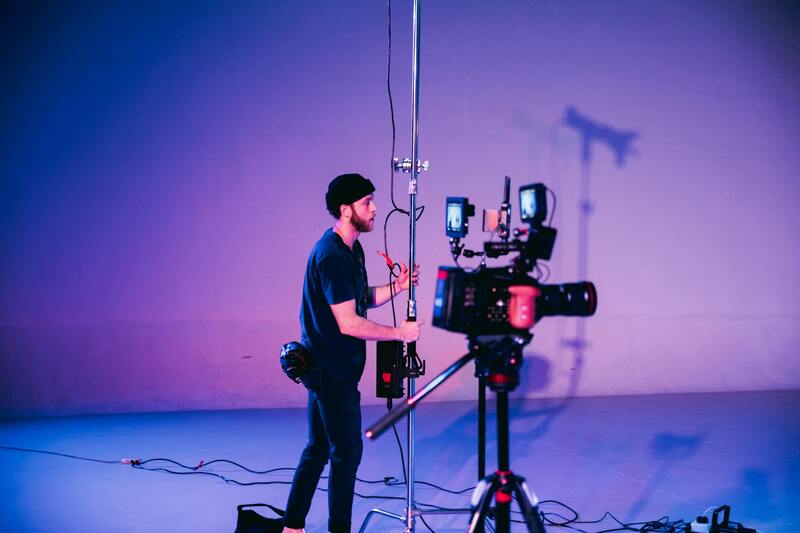
Research indicates that homes with professional photography receive significantly more online views and showings compared to those with amateur images. The dynamic Miami market demands images that can highlight properties' best angles, interior layouts, and exterior surroundings. High-quality visuals can also stand out in crowded listings, making properties more memorable and enticing to prospective buyers. As a result, the investment in professional realtor photography often translates into faster sales and higher final prices. For Miami real estate professionals, leveraging exceptional imagery is essential to maintaining a competitive edge and fully capitalizing on the city's thriving property market.
Key Elements of Effective Realtor Photos
To produce impactful realtor photos, certain core elements must be incorporated. These include optimal lighting, proper framing, and an appreciation of the property's distinctive features. Bright, well-lit images tend to evoke warmth and openness, encouraging viewers to envision themselves in the space. Wide-angle lenses are commonly used to capture expansive rooms, providing depth and perspective. Additionally, decluttering and staging of the property are crucial steps before photography to ensure the images reflect the property's true potential. The focus should be on showcasing flow, space, and attractive details that appeal to a wide audience.

Staged photos demonstrate a property's best features and can make rooms appear larger and more inviting. The choice of angles, time of day, and even weather conditions can influence the outcome significantly. An eye for detail and understanding of buyer preferences ensure that images resonate well with the target audience. Ultimately, these key elements combine to create compelling visuals that elevate a listing’s appeal and ensure it captures the interest of serious homebuyers in Miami's bustling market.
Choosing the Right Photography Equipment and Techniques
To achieve the best possible visuals in real estate listings, selecting appropriate equipment and mastering specific techniques are fundamental. High-quality images are largely dependent on the tools used and the skills demonstrated during photo shoots. Professionals often utilize DSLR or mirrorless cameras equipped with wide-angle lenses to effectively capture expansive interiors and intricate architectural details. These lenses minimize distortion and provide clarity across the frame, ensuring that every space appears true to life.
Beyond camera choices, utilizing advanced techniques enhances the visual impact of realtor photos. Bracketing exposures allows for high dynamic range (HDR) imaging, which balances bright windows and shadowed corners, resulting in well-exposed photographs that accurately represent the scene. Properly calibrated color scientists and white balance settings ensure the images maintain accurate color rendition, which is crucial for highlighting the property’s aesthetic appeal.
Lighting plays a pivotal role; natural light is often preferred to create warm and inviting atmospheres. Shooting during times when sunlight filters through windows—commonly late morning or early afternoon—can accentuate the home's inviting qualities. When natural light is insufficient, professional photographers employ diffused artificial lighting to fill shadows evenly without creating unnatural glares or reflections, especially on glossy surfaces or large glass features.

Equipment stability also impacts image clarity. Tripods and gimbals are used to eliminate camera shake, resulting in sharp, crisp images, even in low-light scenarios. Post-processing software further refines images, corrects distortions, and enhances color vibrancy, but the foundation of a compelling shot remains rooted in proper capture techniques.
Benefits of Professional Real Estate Photography Services
Professional photographers bring specialized equipment, technical expertise, and an artistic eye to every shoot, translating to superior visuals that attract buyers. Their understanding of ideal angles, optimized lighting, and staging ensures each property is presented in its best light. Using professional services can shorten sales cycles by making listings more appealing and eye-catching, which increases online engagement and inquiry rates.
Moreover, experienced real estate photographers are familiar with the latest trends in visual presentation and technology, such as 3D tours and drone photography, further enriching the property showcase. These advanced methods provide broader perspectives and immersive experiences that can significantly influence buyer interest.

Investing in quality imagery from trained professionals also signals a property’s value and appeal, projecting a high standard that resonates with serious buyers. Their expertise ensures consistency across multiple listings, reinforcing the agent’s brand and credibility in a competitive market.
Key Elements of Effective Realtor Photos
Capturing compelling realtor photos requires a meticulous approach that emphasizes clarity, appeal, and accuracy. To achieve this, professionals focus on several core elements that make property images stand out to potential buyers and maximize online engagement.
Lighting and Exposure
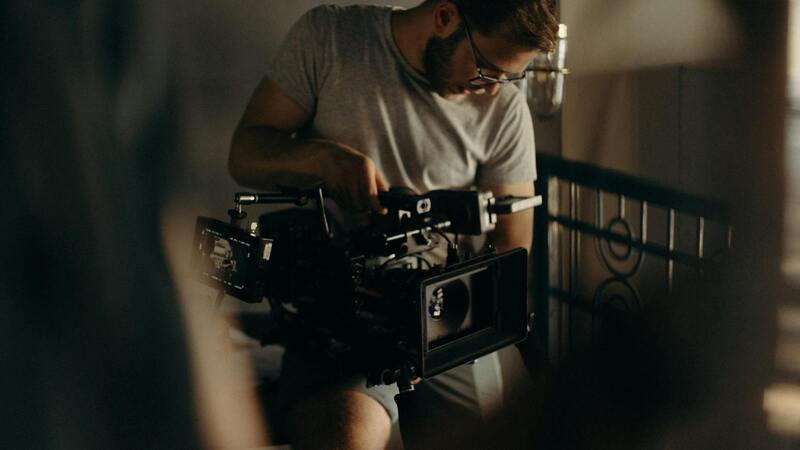
Proper lighting is paramount in real estate photography. Natural light is preferred whenever possible, as it highlights the true colors and spatial dimensions of the property. Photographers often schedule shoots during the day when sunlight naturally fills rooms, using diffusers or reflectors to soften shadows and prevent harsh contrasts. In darker spaces, supplemental lighting like strobes or LED panels is employed to evenly illuminate areas without overexposure.
Proper Composition and Angles
Effective realtor photos are characterized by well-thought-out composition that showcases the property's best features. Wide-angle lenses are commonly used to capture expansive views of rooms, providing viewers with a sense of spaciousness. Angles are carefully selected to reduce distortion and emphasize the property's strengths, such as high ceilings, large windows, or attractive architectural details. Photographers often shoot from eye level and avoid cluttered or distracting elements in the background.
Staging and Decluttering
Staging plays a crucial role in realtor photography. Ensuring spaces are tidy, well-organized, and furnished with tasteful decor allows potential buyers to envision their life within the property. Removing personal items and excess furniture prevents clutter from detracting attention from key features. Professional photographers may provide guidance on staging to enhance visual appeal and highlight unique selling points.
Color Accuracy and Post-Processing
Accurate color representation is essential to give an honest portrayal of the property. Post-processing software corrects distortions, adjusts brightness and contrast, and enhances color vibrancy without creating false impressions. Subtle retouching can remove minor imperfections, such as smudges or shadows, ensuring each image reflects the property's true character and appeal.
Consistency Across Listings
Maintaining visual consistency across multiple listings reinforces brand professionalism and helps build buyer trust. This can be achieved through standardized shooting protocols, color grading, and style preferences, which collectively create a cohesive visual narrative for the agent’s portfolio.
Incorporating Innovative Techniques
Modern real estate marketing benefits from advanced photography methods, including drone shots, 3D virtual tours, and panoramic images. These techniques provide prospective buyers with immersive perspectives that traditional photos may not convey, highlighting exterior landscapes, neighborhood features, and property layouts in comprehensive ways.
Ultimately, high-quality realtor photos are a strategic investment in property marketing. They serve as a visual handshake that can significantly influence a buyer’s first impression, foster emotional connection, and accelerate the decision-making process. Ensuring each image meticulously balances technical excellence with aesthetic appeal establishes a strong foundation for successful property sales in Miami's competitive market.
Best Practices for Enhancing Realtor Photos for Online Listings
When it comes to maximizing the impact of realtor photos in the digital marketplace, several best practices can elevate a property's visual presentation, attracting more potential buyers and encouraging faster sales. These approaches focus on technical precision, aesthetic appeal, and strategic presentation to stand out in a highly competitive environment.
First, staging plays a critical role. Properly arranged furniture, neutral decor, and decluttered spaces create a welcoming atmosphere while allowing viewers to envision themselves living there. Professional staging can highlight the property's best features, whether it's a spacious kitchen, ample natural lighting, or unique architectural details. A clean, organized space appears more spacious and appealing, resonating well with online audiences.
Lighting is fundamental in real estate photography. Shooting during the daytime, preferably when natural light floods the rooms, ensures images are bright and inviting. Using additional lighting equipment, such as diffusers or softboxes, helps eliminate shadows and enhances even illumination. A well-lit room reduces visual noise and emphasizes color vibrancy, making the space look more attractive.

Angles and composition must be carefully considered. Wide-angle lenses are typically used to capture more of the space, creating a sense of openness. However, it's essential to avoid distortion that can mislead viewers. Shooting from strategic vantage points, such as doorways or corners, provides depth and perspective. Maintaining horizontal and vertical alignment ensures images are balanced and professional-looking.
Post-processing also contributes significantly to the final presentation. Adjustments for brightness, contrast, and color correction should be subtle to preserve the property's authentic appearance. Skilled editing can remove minor imperfections, like shadows or reflections, without altering the room's true character. Consistent editing styles across all listing images reinforce brand image and ensure a cohesive look.
Incorporating supplemental images can further elevate the listing. Aerial shots using drone photography showcase the property's exterior and surrounding amenities, giving viewers a comprehensive view. Panoramic images are particularly effective in highlighting expansive interiors or picturesque outdoor spaces, providing an immersive experience for online viewers.
Implementing these best practices for online realtor photos significantly enhances listing visibility. High-quality images attract more clicks, generate greater interest, and often lead to quicker sales. Given that most buyers begin their property search online, the visual portrayal of a home becomes a pivotal element in closing deals efficiently and effectively.
Legal and Ethical Considerations in Realtor Photography
When creating and utilizing realtor photos for property listings, it's essential to adhere to established standards that promote transparency and honesty. This involves ensuring that all images accurately represent the property's current condition, avoiding any enhancements or alterations that could mislead potential buyers. For example, digital edits should be limited to color correction and minor retouching, without significantly altering the property's appearance or concealing flaws.
Properly showcasing the property includes obtaining necessary permissions for capturing images, especially when photographing inground pools, private outdoor spaces, or shared amenities. Watermarks or branding in images should be used judiciously, if at all, to avoid distracting viewers or creating the impression of endorsement without authorization. Maintaining consistency in image quality and style across all listings also contributes to building trust and credibility in the real estate market.
Honesty in realtor photos extends to representing the property's features accurately. Avoiding the use of wide-angle lenses that distort room proportions or make spaces appear larger than they are is crucial in preventing unrealistic expectations. Clear and truthful descriptions paired with authentic visuals reinforce a positive reputation for real estate professionals, resulting in more satisfied clients and smoother transactions.

Additionally, understanding the specific rules and guidelines of online listing platforms ensures compliance with their standards for images. Properly formatted images, optimized for fast loading without sacrificing quality, help maintain professionalism and attract the right audience. Overall, emphasizing integrity in realtor photography fosters long-term success and positive relationships within the Miami real estate market.
Legal and Ethical Considerations in Realtor Photography
Maintaining the highest standards in realtor photography involves adhering to responsible practices that respect the privacy and rights of property owners and occupants. Before capturing images, it is essential to obtain explicit consent from homeowners or tenants, especially when photographing private outdoor spaces, backyard pools, or shared amenities. This ensures transparency and fosters trust between real estate agents and clients, aligning with professional standards. Authentic representation extends beyond permissions. It involves honest depiction of the property’s features without distortion or manipulation that could mislead potential buyers. Techniques such as consistent lighting, true color rendering, and strategic composition help showcase the property accurately. The use of editing tools should be limited to basic adjustments such as color correction and removing minor imperfections; exaggerated enhancements that alter the property's appearance should be avoided. To prevent misrepresentation, realtors should avoid wide-angle lenses that significantly distort space dimensions, making rooms seem larger or differently proportioned. Instead, employing perspective techniques that faithfully reflect the property's actual state cultivates trust and satisfies the expectations of prospective buyers. Additionally, including comprehensive descriptions alongside images—highlighting key features, upgrades, and unique selling points—provides prospective clients with truthful insights. Compliant formatting of images, with correct resolution and aspect ratios, ensures listings load quickly and display properly across various devices. This technical accuracy not only meets digital platform standards but also enhances the user experience, reducing the likelihood of misinterpretation and fostering credibility. The ethical practice of realtor photography also involves avoiding watermarking or branding methods that could distract or influence viewer perceptions unfairly. If watermarks are used, they should be subtle and non-intrusive, designed to protect intellectual property without compromising the visual integrity of the images. Ultimately, these responsible practices in realtor photography contribute to a transparent, trustworthy real estate market. They support comprehensive, honest listings that set realistic expectations and facilitate smoother transactions, reinforcing a professional reputation in the competitive Miami property landscape.

Legal and Ethical Considerations in Realtor Photography
In the competitive realm of Miami real estate, adhering to established standards for realtor photos is paramount. Ensuring that images accurately represent the property fosters trust with prospective buyers and maintains professional integrity. Utilizing images that faithfully depict the current state of a home not only aligns with best practices but also enhances the credibility of listings across various digital platforms.
One critical aspect involves the precise editing of photographs. This includes avoiding the manipulation of images in a way that could mislead viewers about the size, condition, or features of the property. Adjustments such as lighting enhancements or color correction should enhance the visual appeal without altering the authentic look of physical spaces.
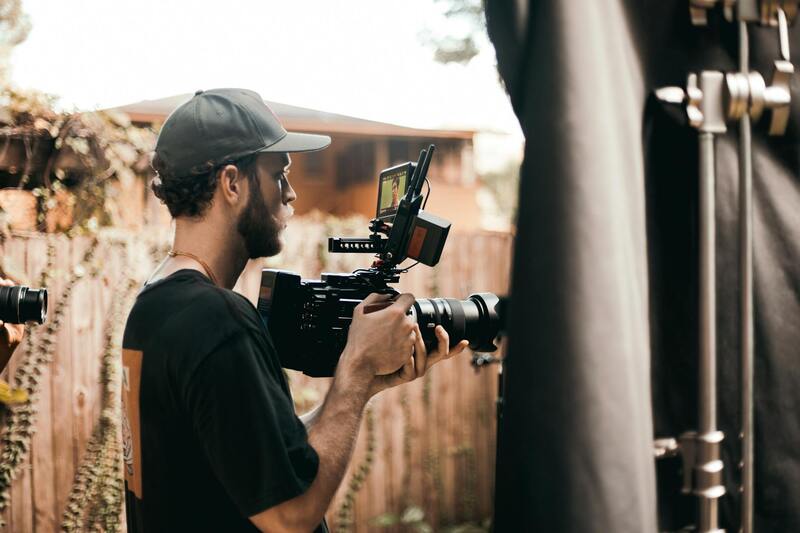
Proper formatting and technical quality control are essential. Images should be captured at high resolution, with correct aspect ratios and lighting to ensure clarity and realism. Listings must load efficiently on various devices to avoid frustrating potential clients, which can be achieved through optimized file sizes and formats.
Watermarking and branding practices require careful consideration. While protecting images from unauthorized use is valid, watermark designs should be unobtrusive to prevent distraction or negative perceptions. When used appropriately, branding elements should complement the image without compromising its integrity.
Furthermore, the ethical presentation extends beyond images to descriptions and accompanying information. All listings should include comprehensive, honest details about the property, including any known issues or recent improvements. This transparency encourages trust and leads to more sustainable, satisfactory real estate transactions.
Maintaining these standards not only benefits individual transactions but also elevates the overall reputation of real estate professionals. By consistently providing accurate, high-quality images and truthful representations, agents reinforce their commitment to fairness and professionalism within Miami’s vibrant property market.
Legal and Ethical Considerations in Realtor Photography
Ensuring that realtor photos adhere to established standards is vital for maintaining integrity within the real estate industry. Accurate representation of property features through high-quality images fosters trust between agents and clients, supporting transparent communication and reducing misunderstandings. When preparing images for listings, professionals should avoid manipulations that alter the true appearance of the property, such as excessive retouching or misleading perspective adjustments. These practices not only uphold ethical standards but also ensure prospective buyers receive an honest preview of what to expect.
Legal considerations extend to respecting the rights of all individuals appearing in photos. Obtaining proper permission from homeowners and residents prior to photographing interiors or exteriors is essential. This process safeguards privacy rights and aligns with ethical standards, promoting a positive reputation for the real estate professional involved.
Another important aspect involves the use of images in marketing materials. Proper attribution and avoiding unauthorized use of copyrighted images from other sources help maintain credibility. Agents should produce original content or ensure they have appropriate rights or licenses for any third-party images incorporated into their listings.
Adhering to these practices not only enhances the credibility of real estate listings but also contributes to a professional atmosphere that benefits all parties involved. Transparent, well-executed realtor photography forms the foundation for successful transactions and sustained trust within the competitive Miami property market.