Understanding the Importance of Realtor Photoshoots
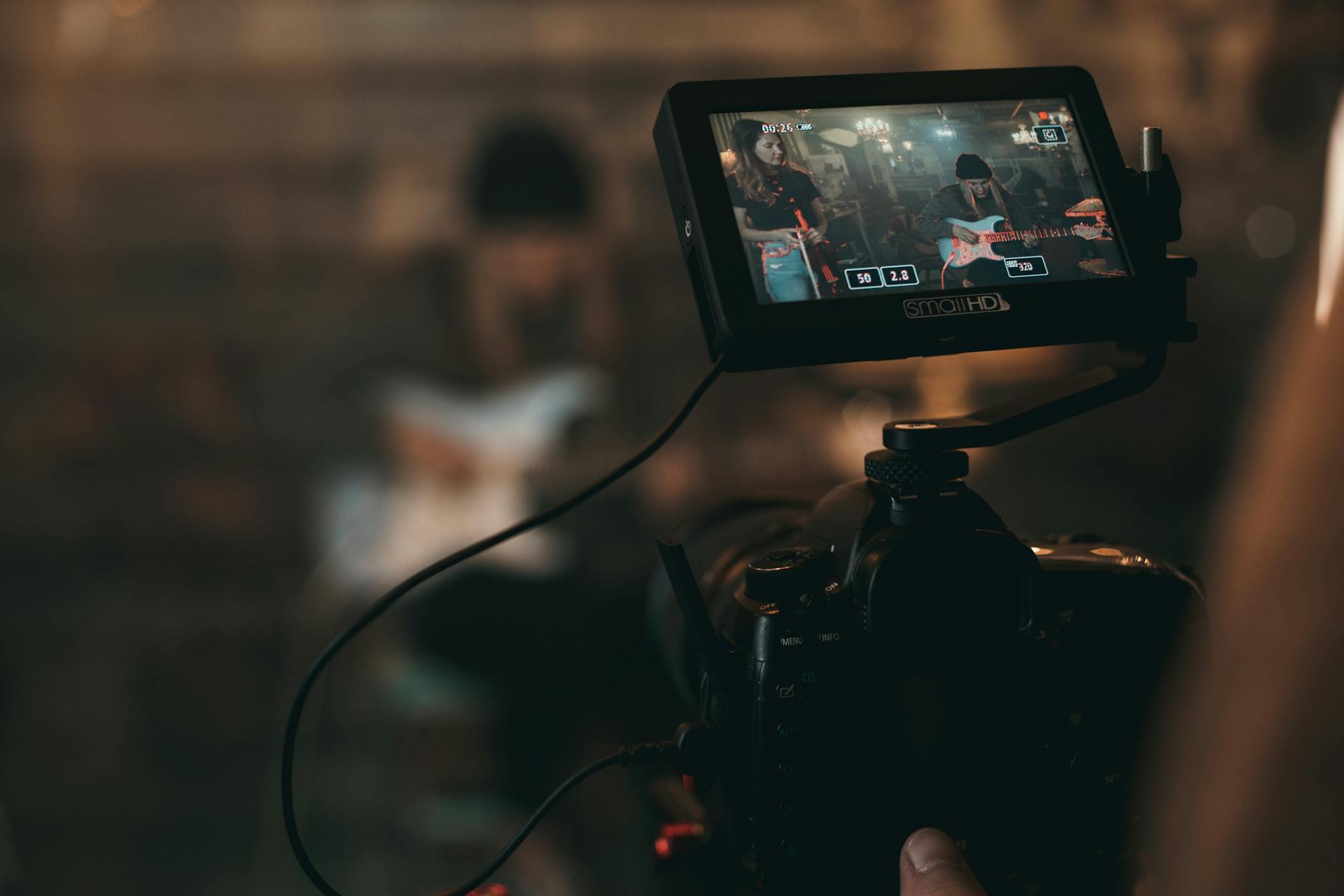
In the competitive real estate market, high-quality visual content is a critical component of successful property marketing. Realtor photoshoots serve as a powerful tool to showcase a property’s best features, attract potential buyers, and accelerate the sales process. Professional photographs create a compelling first impression that can significantly influence an interested buyer’s perception and decision-making.
Statistics indicate that properties with professionally taken photos tend to generate more online views, higher engagement, and quicker sales compared to those with amateur images. High-resolution images help highlight the property's unique aspects—whether it's spacious interiors, attractive architecture, or desirable outdoor features. This visual appeal often translates into increased foot traffic and offers, ultimately impacting the property's market value.
Moreover, a well-executed realtor photoshoot enhances a listing’s credibility and demonstrates professionalism. It signals to prospective buyers that the property is presented with care, attention to detail, and a commitment to quality. In a digital era where most property searches begin online, eye-catching imagery can be the decisive factor that sets a listing apart from numerous competitors.
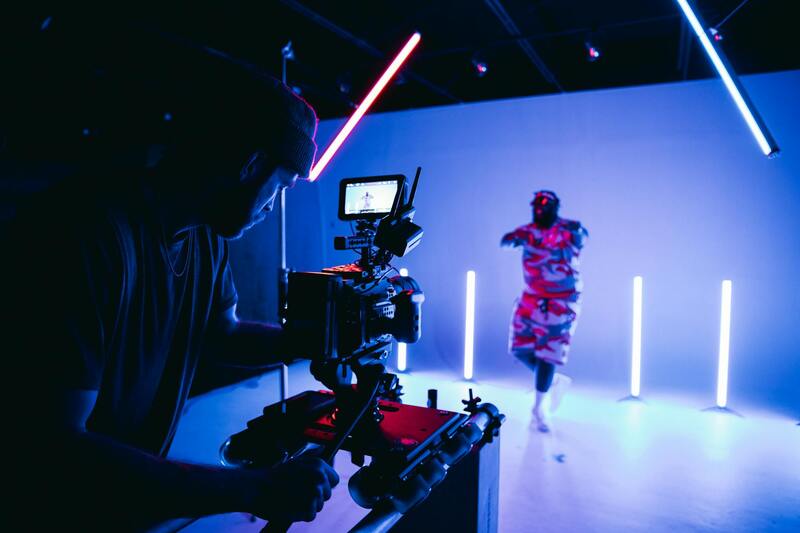
Investing in professional photography aligns with strategic marketing efforts by allowing real estate agents and property owners to accurately reflect the property’s true potential. High-quality images also support various marketing channels, including websites, social media, and print advertisements, ensuring consistency and impact across all platforms.
In essence, a professionally conducted realtor photoshoot is not merely about aesthetic appeal; it is a vital marketing strategy that enhances the visibility, attractiveness, and ultimately the saleability of a property in a dynamic marketplace.

Choosing the Right Photographer and Equipment
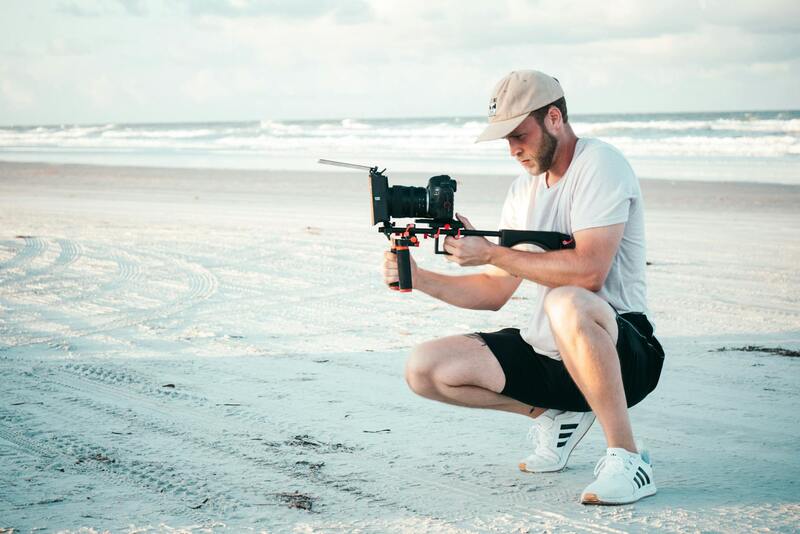
Securing the expertise of a seasoned photographer is crucial to capturing high-quality realtor images that truly showcase a property’s appeal. When selecting a professional, consider their portfolio and experience in real estate photography, ensuring they possess a thorough understanding of how to highlight a property’s unique features effectively. An adept photographer will utilize advanced camera equipment, including wide-angle lenses to maximize space perception, and high-resolution cameras to produce sharp, detailed images.
Equipment choices also extend to stabilizers, drones, and lighting gear that can enhance visual storytelling and provide stunning aerial shots or interior lighting that emphasizes key areas. The right tools enable the photographer to document spaces with clarity and perspective, creating images that are both accurate and engaging.
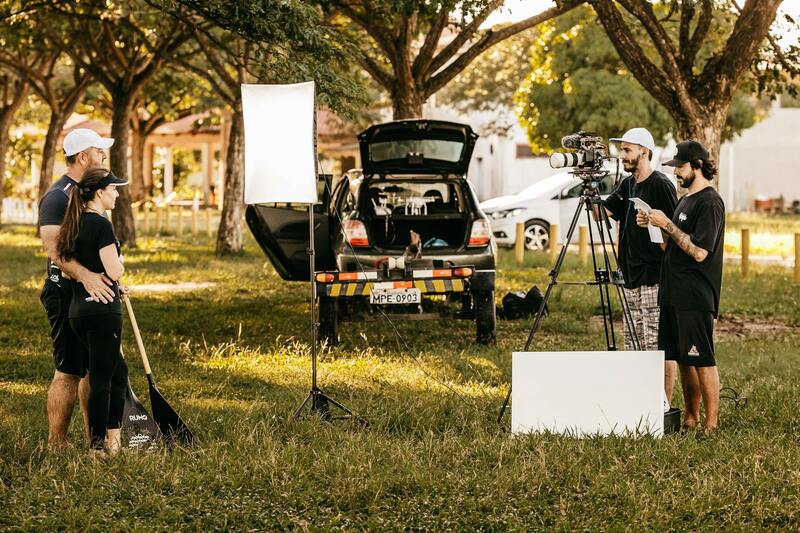
Working with a professional who understands the nuances of real estate photography ensures consistency and creates a polished visual narrative of the property. This professional guidance can also inform about the best types of lenses to use for specific spaces, and the importance of proper lighting setups to avoid shadows or overexposure, which can diminish visual quality. Ultimately, choosing the right photographer equipped with quality tools is an investment in the property's market presentation, helping to distinguish it from competing listings.
Optimal Techniques for Shooting Various Property Types
Different properties demand tailored photography approaches to best showcase their unique characteristics. For spacious single-family homes, capturing wide-angle shots that emphasize the overall layout helps potential buyers envision themselves in the space. Interior photos should focus on balancing natural light with supplemental lighting, highlighting key features such as fireplaces, countertops, or scenic views.
For luxury estates, a focus on high-dynamic-range imaging, along with detailed interior and exterior shots, can emphasize opulence and meticulous craftsmanship. Drone photography plays a pivotal role here, capturing expansive grounds, scenic surroundings, and grand architectural details from the air. Ensuring that images reflect the property’s sophistication is crucial to attracting serious inquiries.
Condominiums and urban apartments require a focus on maximizing perceived space within confined areas. Utilizing vertical angles and strategic lighting can make these properties appear more open and inviting. Highlighting amenities such as rooftop decks, gym facilities, or communal areas can also enhance the property’s appeal through well-composed images.
Techniques for Effective Lighting and Composition
Lighting plays a fundamental role in producing compelling realtor images. When shooting, aim to utilize natural light to illuminate the space evenly, reducing shadows and bright spots. Shooting during the golden hour—shortly after sunrise or before sunset—can add warm, inviting tones that enhance the property’s visual appeal. When natural light is limited, supplementary lighting like softboxes or reflectors can create uniform illumination, preventing dark corners or overly harsh shadows.
Compositionally, framing is key to directing the viewer’s eye toward the property’s focal points. Use the rule of thirds to position key features within the frame, ensuring balance and visual interest. Incorporating leading lines, such as hallways or pathways, guides the viewer through the space, creating a sense of flow. Correctly aligning vertical lines to prevent distortion maintains the structural integrity of images, producing professional-looking results.
Angles should be chosen carefully to accentuate space and architectural details. Wide-angle lenses are invaluable for interior shots, but care must be taken to avoid distortion that can misrepresent the space. Always shoot at the optimal height—generally eye level or slightly elevated—to provide a realistic perspective. For exteriors, capturing the property from different vantage points allows for a comprehensive visual story, showcasing landscaping, entryways, and surroundings.
Utilizing Professional Editing and Post-Production Enhances Realtor Photos
After capturing high-quality images during the realtor photoshoot, the next critical step involves meticulous editing and post-production work. This process not only refines the visual appeal of the images but also ensures they accurately represent the property’s best features through precise adjustments and enhancements.
Key editing techniques include color correction, exposure adjustment, and contrast enhancement, which work together to produce vibrant, true-to-life images. Adjusting brightness and shadows can highlight architectural details and improve overall clarity, making spaces appear more inviting. Proper white balance ensures the colors of walls, furnishings, and natural surroundings are represented authentically, avoiding misleading impressions that could affect buyer interest.
Retouching may be necessary to eliminate minor imperfections such as blemishes, reflections, or distractions within the frame—including personal items or clutter that distract from the property’s presentation. Cropping and straightening of images help in optimizing composition and ensuring horizons are level, preventing visual imbalance. When used thoughtfully, sharpness and clarity adjustments can bring fine details into focus, making key features stand out effectively.
Another essential aspect involves creating a cohesive visual narrative across all images. Consistent color grading and stylistic adjustments give the entire gallery a uniform look, reinforcing a professional and appealing aesthetic that resonates with prospective buyers. For exterior shots, enhancements like vibrancy and saturation can make landscaping and architectural details pop, drawing more attention online or in printed marketing materials.
It is advisable to employ experienced editing professionals or advanced editing software tailored for real estate photography. This guarantees that the images maintain authenticity while maximizing aesthetic impact, leading to more engaging listings that attract qualified buyers effectively.
Enhancing Image Quality Through Post-Processing Techniques
After capturing high-quality images during a realtor photoshoot, the next crucial step involves meticulous post-production work. This phase ensures the visual presentation aligns with the property's best features and influences potential buyers positively. A professional approach to editing can significantly improve the appeal of real estate images without compromising authenticity.
Fundamental Editing Strategies
- Color Correction and Grading: Adjusting the white balance and color saturation ensures the images accurately reflect the property's real hues. Consistent color grading across all photographs creates a cohesive visual story, reinforcing professionalism and aiding in brand recognition.
- Brightness and Contrast Adjustments: Proper manipulation of these elements enhances the clarity and depth of the images. Well-balanced lighting can make rooms appear more spacious and inviting, while avoiding overexposure or underexposure that can obscure details.
- Retouching: Minor imperfections such as reflections, distracting objects, or blemishes can be delicately removed. This maintains integrity and avoids misleading representations, while subtly highlighting the property's strengths.
Enhancing Composition and Focus
- Cropping and Straightening: Ensuring horizons are level and framing focuses on key features directs viewer attention effectively. Avoiding unnecessary clutter in the frame emphasizes the property's attributes rather than distractions.
- Sharpening and Clarity: Carefully applied sharpening techniques accentuate fine details, such as architectural elements or textures, enabling prospective buyers to envision themselves within the space.
Advanced Editing Considerations
When employing advanced editing software or professional services, it’s vital to maintain a balance—enhancing visual appeal while preserving the authenticity of the property. Over-editing can create unrealistic expectations, which may lead to dissatisfaction during viewings. Experienced photo editors understand these nuances, ensuring that each image maximizes its marketing potential without devolving into overly stylized visuals.
Consistency Across the Gallery
Applying uniform editing styles—such as consistent color tones and lighting adjustments—across all images reinforces a polished and professional presentation. This consistency bolsters the overall aesthetic, helping the property stand out in online listings and marketing campaigns.
Strategies for Authentic and Effective Property Representation
Capturing compelling realtor photos involves a careful and methodical approach that emphasizes authenticity while highlighting each property's unique features. Real estate professionals must understand that high-quality images are not solely about visual appeal but also about accurately representing the property's true character. This fidelity builds trust with prospective buyers and ensures expectations align with reality, minimizing potential dissatisfaction during viewings.
To achieve this, the photographer employs a combination of technical skills and industry knowledge. Precise framing ensures the property's best attributes are emphasized without exaggeration. Utilizing natural light enhances the genuine atmosphere of each space, providing a warm and inviting tone that resonates with viewers. Complementing natural lighting with professional equipment—such as diffusers and reflectors—further enhances image clarity and color accuracy.

Consistency in style and tone across all images reinforces a polished presentation. Achieving uniform color calibration and perspective correction ensures that all photos work harmoniously, presenting a cohesive visual narrative of the property. Each shot is meticulously reviewed to confirm that the angles highlight spaciousness and flow, avoiding distortions that can mislead viewers about room proportions or layouts.
Effortless realism is achieved through strategic post-processing that enhances visual appeal without overdoing it. Mild adjustments to brightness, contrast, and sharpness serve to bring out the property's authentic features while avoiding the pitfall of overly stylized imagery that could misrepresent the space. Subtle retouching might be applied to remove minor imperfections, such as blemishes or clutter, allowing the property's true character to shine through.
Beyond the photography itself, the workflow extends to optimizing images for a range of platforms. Resolution, dimensions, and file format are carefully selected to ensure fast-loading and crisp display on both desktop and mobile devices, which is crucial for online listings and social media marketing campaigns. Implementing metadata strategies, such as geotagging and keyword tagging, enhances the discoverability of images in digital environments, further increasing the property's exposure to interested buyers.
Furthermore, employing a strategic approach to highlight the property's salient features involves choosing specific angles that showcase key selling points—be it an open floor plan, modern appliances, expansive windows, or outdoor living areas. The photographer's expertise in framing and perspective directs viewer focus toward these attributes naturally, encouraging engagement and interest.
Overall, an authentic realtor photoshoot combines technical precision with an understanding of marketing principles. The resulting images serve as powerful tools that not only attract potential buyers but also establish a transparent and trustworthy representation of the property that aligns with its actual condition and charm.
Lighting and Composition Techniques
Achieving high-quality realtor photos hinges significantly on mastering lighting and composition. Proper lighting ensures the property appears warm, inviting, and visually accurate, which is essential for attracting prospective buyers. Natural light, when harnessed correctly, can highlight the true character of a space and reduce the reliance on artificial lighting that might produce unappealing shadows or color casts.
Optimal times for shooting commonly include early morning or late afternoon, when sunlight produces a softer glow and reduces harsh shadows. Photographers should aim to shoot during these windows to maximize natural illumination. In scenarios where natural light is limited, supplemental lighting equipment, such as diffused flash or softboxes, can help evenly illuminate darker areas without creating unnatural highlights.
From a compositional standpoint, the photographer should focus on framing the space in a way that accentuates its best features. Wide-angle lenses are frequently employed to capture spaciousness, but they must be used judiciously to avoid distortion that misrepresents room dimensions. Elements such as furniture placement, architectural details, and clean, clutter-free surfaces should be carefully considered within each shot to guide viewers’ eyes through the property naturally.

Additionally, leveraging vertical and horizontal lines can enhance the perception of space and balance within the images. Leading lines, such as hallways or rows of windows, draw the eye through the scene, creating a sense of harmony. Proper alignment ensures images are level and free of skewed angles, maintaining a professional look that reflects the property's true aesthetic.
Color temperature plays a crucial role as well; adjustable white balance settings on the camera should be employed to match the lighting conditions, ensuring that colors appear natural and appealing. Post-shoot, color correction during editing can further refine these aspects to produce clear, vibrant images that accurately represent the property’s ambiance.

In summary, mastery of lighting and composition techniques is vital in creating realtor photos that stand out in competitive listings. These elements work together to capture the essence of a space, ensuring that online viewers receive an authentic, engaging impression that motivates them to explore the property further.
Effective Use of Realtor Photos in Marketing Strategies
High-quality realtor photography serves as a powerful tool to elevate property listings across multiple marketing channels. When images are professionally captured, they not only attract more potential buyers but also help establish a trustworthy and appealing brand presence for real estate professionals. Implementing a strategic approach to incorporating these visuals into various platforms maximizes their impact and drives engagement.
Optimizing Listings on Real Estate Platforms
Online property portals and listing websites are primary avenues for showcasing real estate assets. Incorporating a diverse set of professional images—such as wide-angle shots of interiors, exterior vistas, and key architectural details—creates a compelling narrative that draws viewers in. High-resolution photos with accurate color representation and excellent lighting ensure listings stand out amidst competition. Clear, well-composed images foster immediate interest and reduce the time a property remains available, facilitating faster sales.
Leveraging Realtor Photos in Social Media Campaigns
Social media channels offer dynamic platforms for engaging potential buyers through visually appealing content. Sharing high-quality images on channels like Instagram, Facebook, and LinkedIn can increase reach and foster interaction. Consider curating a series of posts showcasing different aspects of the property, including interior highlights, neighborhood amenities, and community features. Utilizing high-resolution images as part of targeted advertising campaigns can also enhance visibility among specific demographics, increasing the likelihood of inquiries and viewings.
Integrating Photos into Brochures and Email Marketing
Traditional marketing materials such as brochures, flyers, and email newsletters benefit significantly from the inclusion of professional realtor photographs. These materials serve as tangible touchpoints that leave lasting impressions on prospective clients. Well-selected images that highlight property strengths—such as spacious rooms, modern finishes, or scenic views—can elevate the perceived value of the listing. When combined with compelling descriptions, these visual assets create persuasive marketing tools that inspire action.
Creating Virtual Tours and 3D Walkthroughs
Beyond static images, professional photos can be utilized to develop virtual tours and immersive 3D walkthroughs. These interactive formats allow prospective buyers to explore the property remotely, providing a realistic sense of space and flow. High-quality images form the foundation for these digital experiences, delivering an engaging and accessible viewing experience that broadens the reach beyond local markets. Integrating these visuals into a dedicated website or listing platform can significantly enhance user engagement and lead generation.
Maintaining Consistency and Branding
Consistency in visual presentation reinforces brand identity and professionalism. Establishing a standardized style for realtor photos—including color schemes, framing, and lighting techniques—helps create a cohesive marketing portfolio. This consistency benefits multiple listings, making the realtor or agency easily recognizable and fostering trust among clients. Additionally, incorporating a logo or watermark subtly into photographs ensures authenticity and protects visual content from unauthorized use.