
Understanding Realty Photography Pricing
Real estate photography plays a vital role in marketing properties effectively, and its pricing structure often reflects several key components that influence overall costs. For professionals and clients alike, understanding these elements is crucial for establishing fair and competitive rates. Standard industry practices, combined with client expectations, set the foundation for how photography services are valued in the real estate sector. From the scope of work to equipment requirements, every aspect contributes to the final pricing model. High-quality images not only attract potential buyers but also enhance the property's perceived value, justifying pricing strategies aligned with industry standards.
Factors Affecting Photography Costs
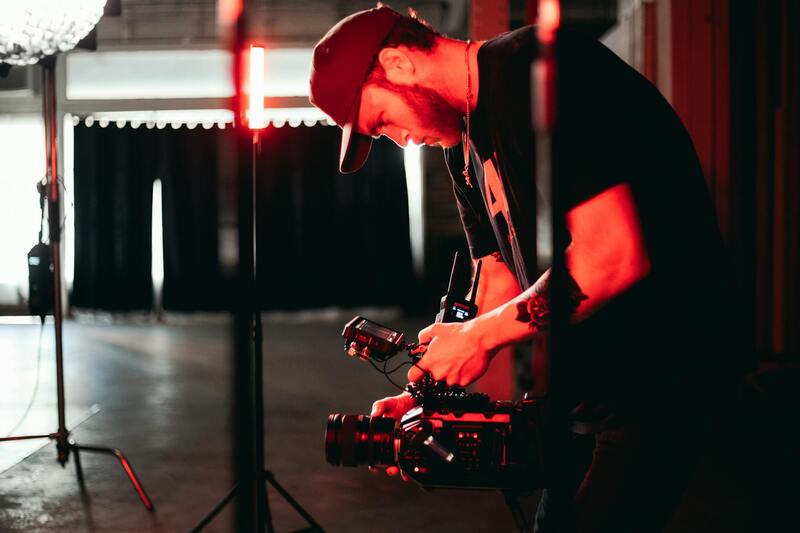
Several factors influence the cost of real estate photography services. These include the size and complexity of the property, the number of photos required, editing and post-production work, and the photographer's experience and reputation. Larger homes or commercial spaces typically demand more time and equipment, which translates into higher rates. Additionally, properties requiring twilight shots or aerial photography may incur extra charges. Client-specific requests, such as virtual tours or 3D walkthroughs, also impact the overall cost.
Common Pricing Structures
Real estate photographers typically adopt one of several pricing models depending on their business approach and market demands:
- Per Property: A flat fee for each property, often based on size and scope.
- Per Photo: Charging based on the number of images delivered, suitable for clients with specific needs.
- Hourly Rate: Billing for the actual time spent during photoshoots and editing, offering flexibility for varied property types.
Average Pricing in Miami for Realty Photography
In the Miami real estate market, photography rates generally range from $150 to $400 per listing, with variations based on property size and additional services. Smaller apartments may be priced on the lower end, while luxury estates or commercial properties often command premium rates. Many local photographers offer bundled packages that include basic shots, editing, and sometimes virtual staging or drone photography. Understanding regional pricing patterns helps both clients and photographers set appropriate expectations.
How to Determine Your Photography Rates
For photography professionals, establishing competitive yet profitable rates requires a thorough assessment of costs, market conditions, and value provided. Consider factors such as equipment depreciation, travel expenses, editing time, and desired profit margin. Benchmark your rates against local competitors and analyze what services they include. Transparent pricing that reflects the quality of work and experience helps build trust with clients and sustains long-term business relationships.
Additional Services and Their Pricing
Beyond standard photography, additional services can significantly enhance property marketing efforts. These include drone footage, virtual staging, 3D virtual tours, and twilight photography. Pricing for these extras varies, often ranging from $100 to $500 per service. Offering a menu of add-ons allows clients to customize packages based on their marketing strategies while enabling photographers to maximize earnings.
Tips for Negotiating and Offering Packages
Effective negotiation involves understanding client needs and presenting clear value propositions. Offering tiered packages—such as basic, standard, and premium—allows flexibility and easier decision-making. Bundling services like photos with virtual tours or drone footage can appeal to clients seeking comprehensive marketing tools. Always emphasize the quality, turnaround time, and added features to justify pricing and foster a balanced negotiation environment.
Legal and Business Considerations
Professional real estate photographers should maintain clear contracts outlining scope, deliverables, pricing, and usage rights. Proper licensing for equipment and adherence to local business regulations ensure smooth operations. Maintaining accurate records of transactions and client communications enhances transparency and accountability. Building a solid reputation through consistent, high-quality work in compliance with business standards will support sustainable growth in the competitive real estate photography market.
Factors Affecting Photography Costs
Pricing for realty photography is shaped by multiple variables that reflect the scope, complexity, and specific requirements of each project. Understanding these factors helps both photographers and clients establish fair and transparent pricing models. One primary determinant is the size of the property; larger estates or commercial buildings typically demand more extensive shoots, higher equipment usage, and longer editing times, which can increase costs. Additionally, the property's location influences travel expenses and associated logistics, especially for properties situated in remote or high-demand areas.
The total number of images required also plays a significant role. A standard listing may include a selection of 20-30 photos, but more detailed listings or luxury properties often necessitate a greater number of high-quality images, thereby affecting the final price. Special features such as drone aerial shots, twilight photography, virtual staging, or 3D tours add layers of complexity and can significantly elevate costs due to specialized equipment and expert editing requirements.
Additional Factors Influencing Costs
- Preparation and staging requirements, which may include cleaning, decluttering, or minor adjustments to highlight the property's best features.
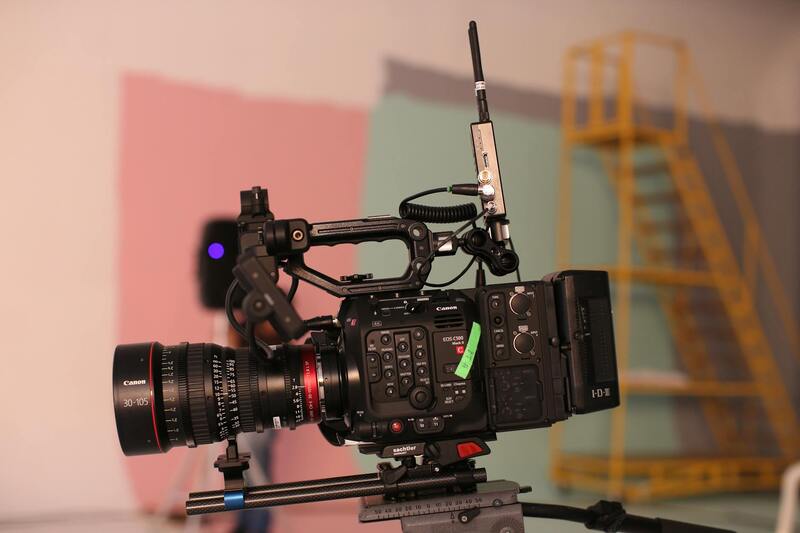
- Type of equipment used—standard DSLR camera setups are less expensive compared to high-end cinematic gear or drone technology.
- Turnaround time for delivering the final images; expedited services often carry premium charges.
- Scope of post-processing, including color correction, object removal, or advanced editing techniques to enhance visual appeal.
- Client-specific requests, such as custom shots or additional formats, which can incur extra fees.
Understanding Realty Photography Pricing
Determining the appropriate fee for realty photography involves assessing multiple components that contribute to the overall cost structure. Professional photographers often establish their pricing based on the complexity of the project, the specific requirements of the property, and the desired quality of images. This systematic approach ensures both clients and photographers achieve clarity on the scope of work and associated expenses.
Fundamental to this assessment is the evaluation of the property's characteristics, including its size, layout, and special features. Larger properties or those with intricate designs naturally demand more extensive coverage, involving additional time and equipment. High-end properties that include luxury finishes or unique architectural elements may require specialized photography techniques to accurately capture their essence, which can elevate the cost.
The number of images needed is a critical element influencing pricing. While standard listings typically require 20-30 photos, properties that benefit from detailed showcases or encompass multiple structures can significantly increase the image count. Each additional shot involves not only shooting time but also post-processing efforts, which should be factored into the total fee.
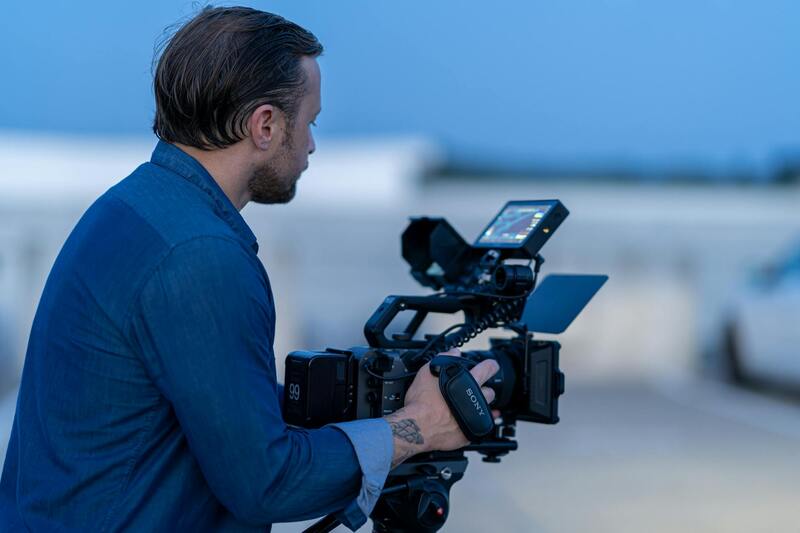
Beyond basic shooting, value-added services such as drone aerial photography, twilight shots, virtual staging, and 3D virtual tours introduce additional layers of complexity. These services require specialized equipment and professional skill, which naturally influence pricing. For instance, drone shots can provide compelling aerial perspectives but involve FAA regulations and licensing considerations, adding to the cost. Twilight photography demands optimal lighting conditions and precise timing, demanding more effort and resources.
Other factors affecting pricing include the scope of post-production editing—ranging from simple color adjustments to advanced editing, object removal, or virtual enhancements. Short turnaround times for delivering images also typically involve expedited fees, especially when quick market listings are required. Additionally, client-specific requests, such as custom angles or formats, can lead to tailored pricing adjustments, ensuring the final product aligns with unique marketing needs.
Proper budgeting for realty photography necessitates understanding these nuanced components. By recognizing the influence of property size, feature complexity, and extra services, clients and photographers can establish transparent and fair pricing arrangements that meet market standards and project expectations.
Additional Services and Their Pricing
In the competitive real estate market of Miami, offering specialized photography services can enhance property listings and appeal to prospective buyers. These value-added services, while optional, often command premium rates due to their complexity and the added visual impact they bring. Here are some common additional services alongside their typical pricing considerations:
- Drone Aerial Photography: This service offers sweeping aerial views of a property and its surrounding area, providing prospective buyers with a comprehensive understanding of a location’s landscape and amenities. The pricing for drone shots usually includes equipment rental, operator expertise, and adherence to specific regulations. Expect to pay anywhere from $150 to $400 per session, depending on the number of aerial images and complexity of shots.
- Twilight Photography: Capturing properties during dusk or evening hours accentuates lighting contrasts and creates an inviting ambiance. Twilight shoots require precise timing and specialized post-processing, which can increase costs to approximately $100 to $300 per property, influenced by the number of images and the desired atmosphere.
- Virtual Staging: Digital interior staging replaces empty or cluttered spaces with appealing furniture and decor, improving visual appeal without physical staging. Virtual staging costs typically range from $25 to $75 per image, with discounts often available for bulk orders. The process involves professionals combining high-resolution photographs with digitally added furnishings and decor elements.
- 3D Virtual Tours and Walkthroughs: Offering interactive virtual experiences immerses potential buyers, especially those unable to visit physically. Creating a 3D tour involves specialized software and scanning equipment, with prices generally falling between $200 and $500 per project, depending on the property size and the level of detail required.
When considering these additional services, it’s essential to evaluate their potential to attract more viewers, generate quicker sales, and command higher listing prices. Many Miami real estate professionals incorporate a mix of standard photography and these enhanced options to craft compelling listings that stand out in a crowded market. Properly pricing these services requires understanding the effort, equipment, and expertise involved, ensuring that both photographers and clients benefit from transparent and fair agreements.
Legal and Business Considerations
Establishing transparent pricing practices is fundamental for building trust with clients and maintaining a professional reputation within the real estate industry. When setting realty photography rates, it is important to employ clear agreements that specify the scope of work, delivery timelines, and payment terms. Staying consistent with market standards and ensuring that your prices reflect the quality and scope of your services helps prevent misunderstandings and fosters client confidence.
Accurate documentation and detailed invoices are essential components of a reputable business operation. They serve as a record of services provided, facilitate smooth transactions, and support any future negotiations. Including itemized charges for standard services and optional add-ons like virtual staging or aerial photography enhances transparency and can reduce disputes over billing.
It is also advisable to develop a structured pricing system that accommodates different property types and client needs. Standard packages may cover basic interior and exterior photography, while premium options could include drone footage, 3D virtual tours, and virtual staging. Offering tiered pricing enables clients to select services that match their marketing goals and budget, simultaneously allowing you to optimize revenue streams.
Moreover, understanding the contractual aspects of photography services is vital. Clear contracts detail rights to images, usage limitations, and client obligations, which streamline service delivery and foster professionalism. This clarity reduces potential conflicts and ensures both parties have aligned expectations, which is crucial for sustaining a successful operation in competitive markets like Miami.
Understanding Realty Photography Pricing
Establishing clear pricing frameworks for realty photography involves evaluating multiple aspects of service delivery, market standards, and client expectations. Pricing should reflect both the quality of visuals produced and the complexity of the shoot, ensuring that the value offered aligns with client objectives and competitive market rates. When setting rates, consider factors such as the spatial size of the property, location specifics, and the desired output resolution. Tailoring pricing to meet the demands of various property types—from modest apartments to luxury estates—can help attract a broader clientele while maintaining profitability.
Factors Affecting Photography Costs
- Property Size and Complexity: Larger properties or those with intricate layouts require additional shots and time, impacting overall costs.
- Location: Properties situated in high-demand areas or distant locations may incur travel fees, affecting the final price.
- Type of Photography Equipment: Use of specialized gear, such as drones or 360-degree cameras, typically commands a premium.
- Editing and Post-Processing: Advanced editing to enhance images or create virtual staging can increase service prices.
- Turnaround Time: Expedited delivery options involve additional fees, catering to clients with urgent marketing needs.
Common Pricing Structures
Real estate photographers often adopt several pricing models to accommodate their clients and operational preferences:
- Package Pricing: Predefined packages include a set number of photos, sometimes with optional add-ons. This model provides clear, predictable costs for clients.
- A La Carte Pricing: Clients select individual services, allowing for customized photography solutions tailored to specific property features or marketing goals.
- Hourly Rates: Charges based on the time spent on the shoot, suitable for properties requiring extensive setup or multiple location shoots.
Average Pricing in Miami for Realty Photography
In Miami, the real estate market's vibrant nature reflects in the photography service rates. Standard interior and exterior shots for a modest property typically range from $150 to $300 per property. For larger or more luxurious listings, prices can escalate from $500 to over $1,000, especially when incorporating premium features like twilight shoots, drone footage, or 3D virtual tours. Many professional photographers in Miami offer tiered packages, combining essential photography with optional add-ons that appeal to different client budgets and marketing strategies.
How to Determine Your Photography Rates
Deciding on appropriate prices requires a strategic approach. Begin by analyzing local market rates to ensure competitiveness. Evaluate your operational costs, including equipment, editing software, transportation, and labor hours. Assess the desired profit margin and align your rates accordingly, all while ensuring your prices reflect the quality and scope of your services. Developing detailed service packages based on different property sizes and client needs enhances transparency, allowing clients to select options that fit their marketing objectives and financial constraints.
Understanding Realty Photography Pricing
Setting appropriate pricing for realty photography requires an appreciation of various market and service factors. Professional photography not only enhances the visual appeal of a property listing but also plays a pivotal role in attracting potential buyers or renters. Effective pricing strategies should reflect the scope of work involved, the quality of deliverables, and the competitive landscape within the Miami real estate market. Clear delineation of service tiers and add-on options can assist clients in selecting solutions aligned with their marketing goals and budgets. A well-structured pricing model also provides transparency, fostering trust and long-term client relationships.
Factors Affecting Photography Costs
- Property Size and Complexity: Larger properties or those with unique architectural features often require more extensive coverage, including multiple angles and specialized shots.
- Type of Shots Included: Standard interior and exterior images are more affordable, whereas premium services like twilight photography, drone footage, or 3D tours tend to increase costs.
- Location and Accessibility: Properties in remote or challenging locations may incur additional transportation and setup expenses.
- Desired Turnaround Time: Urgent delivery of images can justify premium pricing, especially during peak market periods.
- Post-Processing and Editing: The extent of editing required influences the final cost, particularly if advanced retouching or virtual staging is requested.
Common Pricing Structures
- Per Property Pricing: Charging a flat fee for a standard set of images per property is straightforward and easy for clients to understand. This typically includes a predetermined number of shots for interior and exterior views.
- Package Deals: Offering tiered packages caters to diverse needs—basic packages might include essential photos, while premium options encompass additional services like drone footage or virtual tours.
- A la Carte Services: Allowing clients to select individual add-ons provides flexibility, with each service priced separately based on complexity and time involved.
Average Pricing in Miami for Realty Photography
In Miami's dynamic real estate environment, prices fluctuate based on property size and service sophistication. Standard interior and exterior shots generally range from $150 to $300 per property for basic packages. Larger properties or luxury listings often command prices between $500 and $1,000, especially when incorporating high-end features such as drone coverage, twilight shots, or 3D virtual tours. Many photographers in Miami utilize a tiered pricing approach, offering core packages complemented by optional upgrades to cater to different marketing strategies and client expectations.
How to Determine Your Photography Rates
Establishing your service prices involves a balanced analysis of market conditions and operational realities. You should start by researching local competitors to understand prevailing rates for comparable services. Calculation of your operational costs—such as professional equipment, editing software, transportation, marketing expenses, and labor hours—is crucial. Additionally, you should define your desired profit margin to ensure your rates sustain your business growth. Developing clear, detailed service packages segmented by property type or size helps clients make informed decisions and simplifies the quoting process. Transparent packages promote better client satisfaction and reduce pricing ambiguities, paving the way for repeat business and referrals.
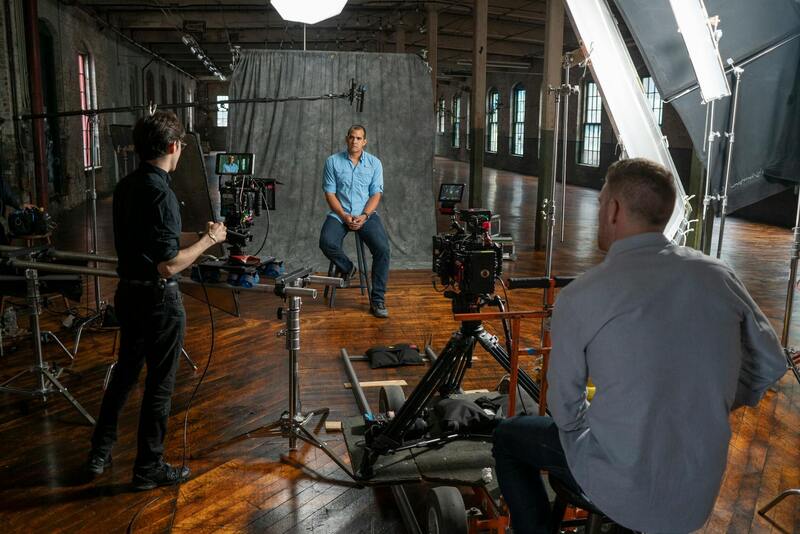
Understanding Realty Photography Pricing
Accurately setting pricing for realty photography services requires a comprehensive understanding of the various components that influence costs and the expectations of clients within select markets like Miami. Property owners and real estate professionals seek high-quality visuals to effectively market their listings, making the transparency and justification of pricing an essential aspect of service delivery. A clear grasp of pricing structures allows photographers to craft competitive yet sustainable quotes that align with their skills, equipment, and market demand.
Factors Affecting Photography Costs
Several key elements influence the cost of real estate photography, especially in a vibrant market like Miami. These factors include:
- Property Size and Complexity: Larger and more complex properties require additional shoot time, more equipment setups, and extensive editing, all contributing to higher costs. Premium listings with unique architectural features or high-end interiors demand meticulous attention and specialized approaches.
- Number of Shots and Services: Basic packages typically cover essential interior and exterior images, while advanced offerings such as drone footage, twilight shots, or 3D tours add to the overall cost.
- Equipment and Technology: The use of professional-grade cameras, drones, stabilization gear, and editing software incurs costs that are reflected in pricing. Investment in emerging imaging technologies often justifies premium rates.
- Location and Accessibility: Miami’s diverse neighborhoods and property locations, some of which may be more difficult to access, influence transportation expenses and time considerations.
- Experience and Reputation of Photographer: Seasoned professionals with a track record of delivering high-quality visuals can command higher rates due to their expertise and reliability.
- Package-Based Pricing: Offering tiered packages that include a set number of images, with options for upgrades such as virtual tour creation or aerial photography.
- Ala Carte Pricing: Allowing clients to select individual services specific to their listings, providing flexibility but requiring clear communication about costs for each service.
- Hourly Rates: Used less frequently but applicable for properties requiring extensive shoots or unique projects that do not fit standard packages.
- Drone Footage: Ranges from $150 to $300 per property, capturing aerial perspectives that showcase larger estates or unique landscapes.
- Twilight Photography: Usually adds $100 to $250, emphasizing the property's facade with dramatic lighting during sunset.
- Virtual Tours and 3D Walkthroughs: Priced between $250 and $750 depending on property size and tour complexity.
- Floor Plans: Typically $100 to $300, providing crucial layout information for prospective buyers.
Common Pricing Structures
Realty photographers employ several structured approaches to pricing that cater to varying client needs and property types:
Average Pricing in Miami for Realty Photography
In Miami's competitive real estate market, typical prices vary based on the scope of services and property size. For basic interior and exterior shots, rates generally start from $150 to $300 per property, especially for standard listings. More upscale properties or luxury homes often see prices ranging between $500 and $1,000 for comprehensive coverage that includes multiple angles, twilight photography, and aerial shots. Custom packages tailored to client needs, such as virtual tours, Matterport 3D walkthroughs, or drone footage, can increase the price significantly, often reaching well over $1,500 for premium offerings.

How to Determine Your Photography Rates
Constructing your pricing structure should be a strategic process grounded in thorough market research and operational analysis. Start by conducting a detailed review of competitors within Miami offering similar services, noting their rates and service inclusions. Calculate your operational costs, including camera equipment, editing software, transportation, marketing, and labor. Setting a profitable margin requires balancing these expenses with competitive pricing. It is advisable to create clear service packages segmented by property type or size, which helps clients easily understand what they are purchasing. Offering transparent, well-structured packages enhances client confidence, streamlines your quoting process, and paves the way for repeat business and positive referrals.
Additional Services and Their Pricing
Beyond standard images, additional services can boost property visibility and marketing effectiveness. Typical add-ons and their approximate costs in Miami include:
Tips for Negotiating and Offering Packages
When establishing rates and packages, clarity and flexibility are key. Offer tiered packages that include essential images, with options for upgrades that meet diverse marketing strategies. Clearly communicate the scope of each package, emphasizing the value and return on investment for clients. Be prepared to customize offerings based on specific property requirements or client budget constraints, providing discounts for multiple listings or bundled services to encourage larger contracts. Effective negotiation involves understanding client needs, demonstrating the quality of your work, and maintaining a professional approach to pricing discussions. By developing a reputation for reliable service and transparent pricing, realty photographers in Miami can build long-term client relationships and a solid referral network.