Overview of 3D Property Photography
3D property photography has transformed the landscape of real estate marketing by providing highly detailed, immersive visual representations of properties. This innovative technique involves capturing comprehensive, three-dimensional images that enable prospective buyers and renters to explore every corner of a property remotely. Unlike traditional photography, which offers flat, two-dimensional views, 3D imaging creates an interactive experience that enhances viewing engagement and provides a realistic sense of space and layout. In the competitive Miami real estate market, 3D property photography has become increasingly influential. Miami’s vibrant property market, characterized by luxury condos, waterfront estates, and modern apartments, benefits significantly from this technology. For sellers and agents, it offers a way to showcase properties more effectively, reaching a broader audience without geographic limitations. For buyers, it provides convenience and confidence, allowing thorough property inspections from afar. This technology leverages advanced imaging equipment and software to generate accurate virtual tours. These tours are often integrated seamlessly into online property listings, making them accessible anytime and from anywhere. As the real estate industry continues to adapt to digital trends, 3D property photography stands out as a vital tool that combines visual appeal with informational depth. Its relevance extends beyond mere aesthetics; it enhances marketing strategies by providing striking visual evidence of a property's features, spatial attributes, and overall condition. This capability not only helps accelerate the sales process but also reduces the need for multiple in-person visits, which can be particularly advantageous in a bustling market like Miami. Furthermore, 3D photography is instrumental in creating detailed floor plans, virtual walk-throughs, and augmented reality experiences that further engage potential clients. These immersive tools elevate the presentation quality of properties, thereby increasing buyer engagement and interest. In summary, 3D property photography is a pivotal technological advancement reshaping real estate marketing. It offers immersive, detailed visualizations of properties that align perfectly with the needs of modern buyers, sellers, and agents operating in a highly competitive and fast-paced Miami real estate environment.
Key Technologies in 3D Property Photography
Implementing 3D property photography relies on cutting-edge technologies that ensure high precision and detailed visualization. The core components include sophisticated imaging hardware, such as laser scanners or stereoscopic cameras, combined with advanced software solutions designed to process and stitch images seamlessly. LIDAR (Light Detection and Ranging) technology, for example, allows for rapid capture of detailed spatial data, creating accurate and comprehensive 3D models of entire properties.
Additionally, panoramic imaging techniques enable the capture of all-encompassing views within each space, providing smooth transitions as users navigate through virtual tours. Specialized software then integrates these panoramic images into cohesive 3D environments, enabling realistic walkthroughs that reflect the true layout and feel of each property.

Steps Involved in Capturing 3D Property Photos
- Preparation and Scouting: Prior to shooting, the property is inspected to identify optimal angles and lighting conditions, ensuring that every key feature is captured accurately.
- Equipment Setup: The appropriate 3D imaging devices, such as laser scanners or high-resolution panoramic cameras, are positioned strategically to cover the entire space effectively.
- Data Acquisition: The scanning devices capture comprehensive spatial information and high-quality images, which are then processed to generate a digital model of the property.
- Post-Processing: Specialized software stitches images together, fills in gaps, and ensures geometric accuracy; color correction and enhancements are also applied to produce visually appealing results.
- Review and Refinement: The resulting 3D models are reviewed for completeness and precision, with adjustments made as necessary to ensure they meet client expectations.
Successful execution of these steps produces detailed, high-fidelity virtual tours that can be integrated into online listings, allowing viewers to explore properties as if physically present.

Integrating 3D Photography into Real Estate Listings
Incorporating 3D property photography into real estate listings significantly enhances the visual appeal and informativeness of property presentations. This technology allows prospective buyers or tenants to virtually explore spaces with a level of detail and immersion that traditional photos cannot provide. Efficient integration involves uploading high-resolution 3D models or virtual tours directly onto the property’s online listing, ensuring easy accessibility for potential clients. These virtual experiences can be embedded seamlessly into a property's website or shared across multiple online platforms, expanding reach and engagement. When integrating 3D visuals, it is crucial to optimize file formats and loading speeds to prevent delays or disruptions during browsing. Interactive features such as clickable hotspots or floor plan overlays can be added to enrich the user experience, guiding viewers through different areas of the property intuitively. Additionally, accompanying 2D images or descriptive text should complement the 3D tour, providing comprehensive insights into key features, specifications, and unique selling points. A strategic presentation that combines 3D virtual tours with high-quality photographs, floor plans, and detailed descriptions creates a compelling narrative about the property, helping potential buyers envision themselves living or operating within the space. Proper integration not only increases engagement but also speeds up the decision-making process, as viewers can assess properties remotely with confidence and clarity.

Employing professional services that specialize in 3D property photography ensures that the virtual representations align with industry standards for quality and accuracy. This professional approach guarantees that each virtual tour or 3D model is polished, with attention to detail that accurately reflects the property’s features. As part of the listing process, these visuals should be tested across different devices and browsers to ensure compatibility and optimum performance, delivering a smooth user experience across desktops, tablets, and smartphones. Adding 3D visuals also allows real estate professionals to offer virtual open houses, reducing the need for physical visits and broadening the pool of potential buyers. This strategy is especially effective in competitive markets or when dealing with remote clients who rely heavily on detailed virtual content to make informed decisions. Properly managed, the integration of 3D property photography into online listings becomes a powerful marketing tool that elevates a property’s appeal, substantiates its features, and accelerates the overall sales process.
Overview of 3D Property Photography
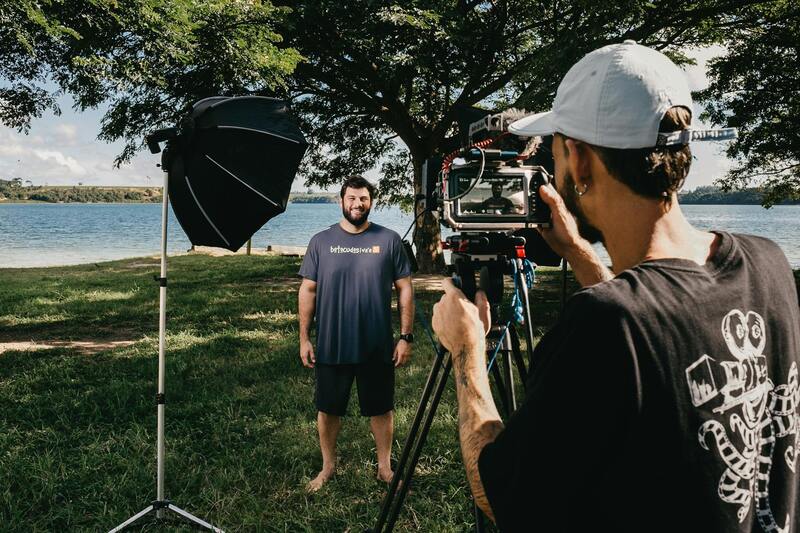
3D property photography is transforming the way real estate is marketed, offering a comprehensive and interactive visualization of properties. By leveraging advanced imaging techniques, professionals create detailed virtual models that allow prospective buyers to explore spaces in a highly realistic manner. Unlike traditional photographs, 3D imagery provides depth, scale, and spatial relationships within a property, giving viewers a sense of immersion and presence that static images cannot match. These virtual representations serve as powerful tools to showcase a home’s layout, architectural features, and interior design elements, making them an essential part of modern real estate marketing strategies.
Advantages of 3D Property Photography for Real Estate Marketing
The adoption of 3D property photography offers numerous benefits that enhance both the buying experience and the selling process. For sellers, high-quality 3D visuals help distinguish listings in competitive markets, attracting more views and increasing engagement on online platforms. They provide a virtual walkthrough that highlights a property’s best features, which can significantly influence a buyer’s decision to schedule an in-person visit. Additionally, these virtual tours facilitate remote viewing, addressing geographical barriers and widening the pool of potential buyers.
For buyers, 3D visualizations promote informed decision-making, allowing them to examine every nook and cranny of a property from the comfort of their current residence or office. This interactive format supports detailed evaluations of spaces, helping buyers to visualize furniture placement, gauge room sizes, and assess layout flow logically. Consequently, this accelerates the decision-making process, streamlines negotiations, and reduces the number of physical visits needed.
Furthermore, the flexibility of integrating 3D images into digital marketing campaigns enhances social media outreach, email marketing, and property listing websites. When paired with virtual open houses, 3D property photography reduces the need for multiple physical showings, often resulting in faster sales cycles and improved transaction confidence.
Key Technologies in 3D Property Photography
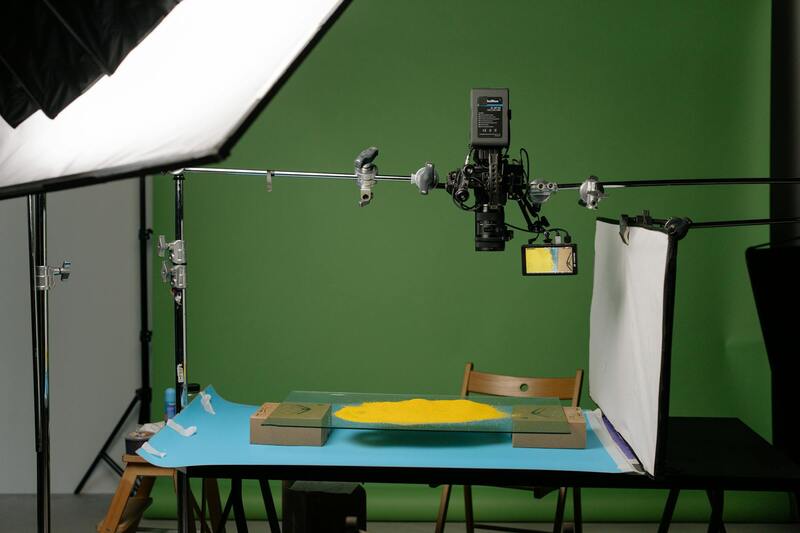
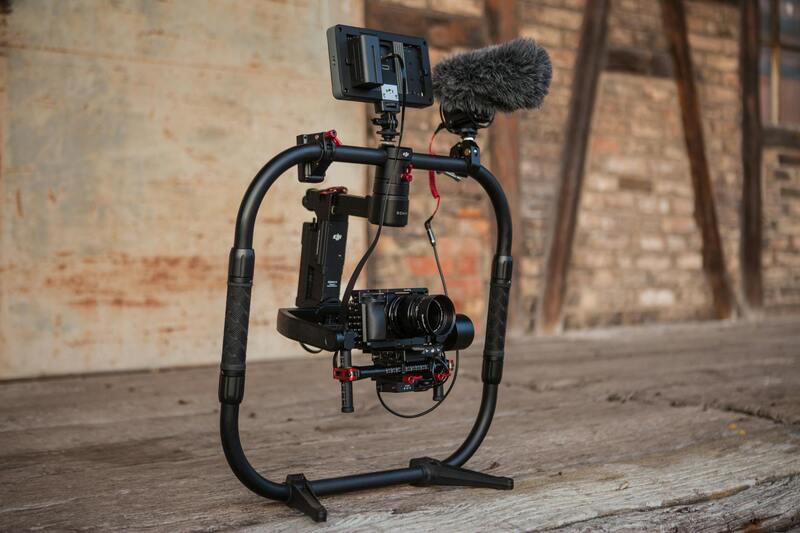
Successful 3D property photography relies on sophisticated technology that combines hardware and software components. Key tools include 360-degree cameras, laser scanners, and high-powered computing systems that capture detailed spatial data. These devices record every angle of the property, collecting information on textures, dimensions, and lighting conditions with precision. The collected data is then processed by specialized software to generate accurate 3D models and panoramic virtual tours.
One prominent technology in this realm is LiDAR (Light Detection and Ranging), which employs laser pulses to capture precise distance measurements and generate highly detailed 3D representations. Combining LiDAR with DSLR cameras enhances image quality and allows for realistic texturing of virtual spaces. Cloud-based platforms facilitate seamless data transfer and enable professional teams to edit, customize, and optimize virtual tours for various devices and display settings.
Steps Involved in Capturing 3D Property Photos
The process begins with thorough preparation, including staging the property and setting appropriate lighting to ensure clarity and visual appeal. Professionals then set up their equipment, positioning 360-degree cameras and laser scanners at strategic locations within the property. Data collection involves systematically capturing images and spatial measurements from multiple angles to create a complete and accurate representation.
Following data acquisition, the raw information is processed using specialized software, which stitches images together, aligns measurements, and constructs the virtual 3D model. This stage often involves meticulous editing to correct distortions and enhance visual quality. The final step encompasses exporting the model or virtual tour in formats compatible with online listing platforms and virtual reality systems, ensuring seamless integration into marketing channels.
Integrating 3D Photography into Real Estate Listings
Incorporating 3D property photography into real estate marketing strategies has become a pivotal factor in attracting potential buyers and enhancing online visibility. Professionals utilize these immersive visuals to create virtual tours that allow prospects to explore properties remotely, providing a comprehensive understanding of layout, space, and design without physically visiting the site. This integration involves uploading high-resolution 3D models or virtual walkthroughs onto listing platforms, social media channels, and dedicated real estate websites.
Real estate agents and agencies leverage advanced platforms that support interactive virtual tours, enabling viewers to navigate through properties seamlessly. These tours often include features such as clickable hotspots for additional property details, measurements, and even direct contact options. Embedding 3D images within online listings makes property presentations more engaging, helping to attract a broader audience, including international buyers or those with limited availability for in-person visits.
Furthermore, 3D property visuals can be tailored to specific marketing campaigns, such as targeted email newsletters or digital advertisements, thereby maximizing reach and engagement. The integration process often involves collaboration with professional 3D imaging providers, who ensure that the virtual content aligns with the existing branding and marketing objectives. Overall, utilizing 3D photography in online listings elevates the property's profile and provides an immersive experience that traditional photos cannot match.
As virtual engagement continues to dominate real estate marketing, the strategic placement of 3D property tours not only streamlines the viewing process but also establishes a competitive edge in the Miami real estate market. This approach ensures that listings stand out in a crowded marketplace and appeal to digitally savvy buyers seeking interactive and detailed property insights.
Legal and Ethical Considerations
While adopting 3D property photography significantly enhances real estate marketing strategies, it is essential to adhere to established standards that ensure accuracy and transparency. The integrity of virtual representations plays a critical role in fostering trust between sellers and prospective buyers. Ensuring that the 3D images accurately reflect the actual property details, dimensions, and conditions is fundamental. Any form of deliberate misrepresentation or omission of relevant property features can lead to misunderstandings and potential disputes, ultimately affecting the reputation of real estate professionals involved.
Professionals offering 3D property photography services prioritize the use of reliable equipment and calibrated software to produce precise virtual models. Regular updates and thorough review processes safeguard the authenticity of the visuals. Moreover, clear communication with property owners about what the 3D imagery will depict helps set realistic expectations.
In terms of ethical practices, obtaining necessary permissions from property owners and compliance with local real estate advertising regulations are vital. All virtual content should be created with the consent of stakeholders, respecting privacy and confidentiality requirements. This approach not only aligns with legal standards but also promotes professional integrity in the industry.
As the technology continues to evolve, maintaining rigorous standards for quality control, data security, and truthful representation ensures that 3D property photography remains a trustworthy component of comprehensive real estate marketing. Agencies and service providers committed to these principles will continue to strengthen their reputation and client confidence in a competitive marketplace.
Incorporating 3D Property Photography into Listing Presentations and Marketing Strategies
To maximize the impact of 3D property photography, real estate professionals must strategically embed these visual assets into their broader marketing initiatives. High-quality 3D visuals can significantly enhance online property listings, making them more engaging and informative for prospective buyers. Not only do these virtual tours provide a comprehensive view of the property, but they also serve as a powerful differentiation tool in competitive markets.
Effective integration involves more than just uploading 3D images to property websites. Agents should consider incorporating virtual reality (VR) compatibilities, enabling potential buyers to explore homes remotely with an immersive experience. Additionally, embedding 3D models into social media advertisements or email campaigns can increase engagement rates and attract targeted audiences.
Another essential approach is combining 3D property visuals with traditional marketing materials. For example, print brochures or floor plans can include QR codes linking to the virtual walkthroughs, bridging offline and online marketing channels seamlessly. This multifaceted strategy ensures that potential buyers encounter consistent, high-quality representations of the property across multiple platforms, fostering greater interest and trust.
Benefits of Using 3D Property Photography in Open Houses and Virtual Tours
When hosting open houses or virtual tours, 3D property photography offers distinct advantages that enhance the experience for both agents and potential buyers. Virtual walkthroughs enable prospective buyers to view properties at their convenience, reducing scheduling conflicts and expanding the geographic reach to out-of-state or international clients.
During open houses, 3D visuals serve as engaging point-of-interest, allowing visitors to explore each room thoroughly without feeling rushed. Interactive features like clickable hotspots or embedded floor plans provide additional context, highlighting key property features and upgrades.
Furthermore, 3D imaging supports remote viewing scenarios, which have become increasingly prevalent. Buyers can revisit the virtual tour multiple times, making more informed decisions based on detailed visuals. This comprehensive presentation of the property can lead to faster sales and greater transparency, benefiting all stakeholders involved.

Ensuring Accuracy and Authenticity in 3D Property Imaging
Accurate and authentic representation forms the cornerstone of professional 3D property photography. To achieve this, service providers employ calibrated equipment and sophisticated software capable of capturing the true proportions and spatial relationships within the property. Ensuring that virtual models reflect the physical space with precision minimizes discrepancies that could lead to customer dissatisfaction or misunderstandings.
Regular calibration of cameras and scanners guarantees consistent data quality. Additionally, thorough post-production review processes help verify dimensions and detail accuracy before final delivery. Clear communication with property owners regarding what will be depicted in the 3D images is essential to align expectations and avoid misconceptions.
Authenticity extends beyond visual fidelity. It encompasses representing rooms, fixtures, and overall layout accurately, helping buyers visualize the property realistically. To maintain integrity, providers should also clearly disclose any virtual enhancements or adjustments made during the creation process, ensuring transparency and fostering trust among clients.
Legal and Ethical Considerations in 3D Property Photography
When utilizing 3D property photography, adhering to established standards and best practices is essential to maintain transparency and trustworthiness in the real estate industry. Ensuring the accuracy and authenticity of visual representations protects both sellers and buyers from potential misunderstandings or misinterpretations that could arise from misleading images. Professionals in this field rely on calibrated equipment and sophisticated software tools to produce detailed, precise virtual models that accurately reflect the physical space.
Clear communication with property owners and clients about the scope of the imagery, including any virtual enhancements or adjustments, plays a crucial role in maintaining ethical standards. Disclosing such modifications upfront prevents misconceptions and promotes an environment of honesty. Service providers should also establish robust quality control processes — including regular calibration of devices and multiple review stages — to verify that all images and virtual tours accurately depict the property’s layout and features.
Maintaining a consistent ethical approach involves respecting the privacy and security of the property and its occupants. This includes obtaining proper permissions and ensuring that sensitive or personal information is protected during the capture and distribution of 3D imagery. Furthermore, providers should comply with relevant guidelines on digital imaging and data handling to uphold professional standards.
As the technology advances, industry stakeholders must stay informed about new tools and standards that enhance the authenticity and fidelity of 3D property visualizations. Ethical practice in 3D property photography not only fosters client confidence but also sustains the credibility of the real estate marketing ecosystem. By emphasizing transparency, accuracy, and respectful data handling, professionals ensure that their services meet the highest standards of integrity and performance.