Understanding the Role of a Commercial Real Estate Photographer
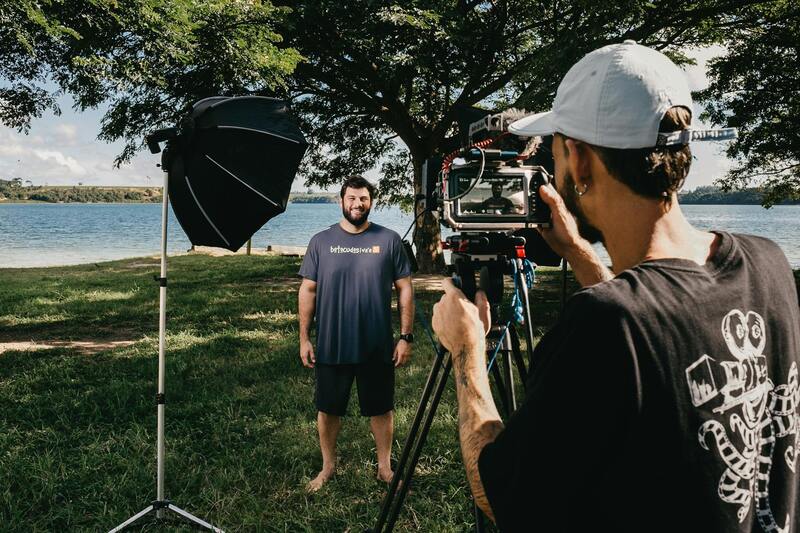
In the competitive landscape of Miami’s thriving commercial real estate market, high-quality photography plays a pivotal role in attracting prospective buyers, tenants, and investors. A commercial real estate photographer specializes in capturing the essence of a property, highlighting its architectural features, spatial layout, and unique characteristics through expertly executed images. Their responsibilities extend beyond simple photography; they involve a comprehensive understanding of property presentation, lighting techniques, and composition to create compelling visuals that resonate with target audiences.
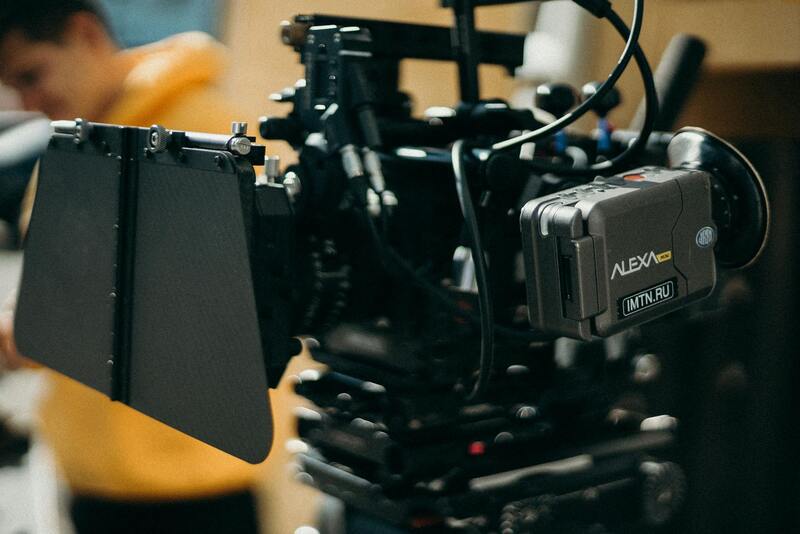
Experienced commercial real estate photographers must possess a diverse skill set. This includes proficiency with advanced camera equipment, an understanding of drone photography for aerial views, and the ability to operate specialized lighting setups. Knowledge of post-production editing ensures images are polished without misrepresenting the property’s true layout. Moreover, a keen eye for detail enables the photographer to emphasize key selling points, whether that involves showcasing natural light, interior amenities, or exterior landscaping.
To succeed in this niche, a commercial real estate photographer must also comprehend the specific needs of real estate professionals, property managers, and corporate clients. This entails an understanding of the target market for each property, the most attractive angles, and how to convey the property’s potential effectively. In Miami—a city characterized by its modern skyline, luxury developments, and diverse commercial sectors—a photographer's ability to adapt styles to various property types can significantly influence marketing success.
In essence, the role of a commercial real estate photographer in Miami combines technical expertise, artistic sensibility, and market knowledge. This synergy results in captivating images that showcase properties at their best, ultimately driving engagement and accelerating transactions within the vibrant Miami commercial property market.
Key Features to Look for in a Commercial Real Estate Photographer
Choosing an experienced commercial real estate photographer requires careful consideration of several essential attributes that directly impact the quality and effectiveness of property imagery. First and foremost, expertise in commercial property photography is crucial. A proficient photographer understands the nuances of capturing large-scale structures, intricate interior layouts, and expansive outdoor areas while maintaining clarity and visual appeal. They regularly employ advanced camera rigs, wide-angle lenses, and high-dynamic-range (HDR) imaging techniques to accurately depict both interior and exterior spaces, ensuring that potential clients can visualize the property's full potential.
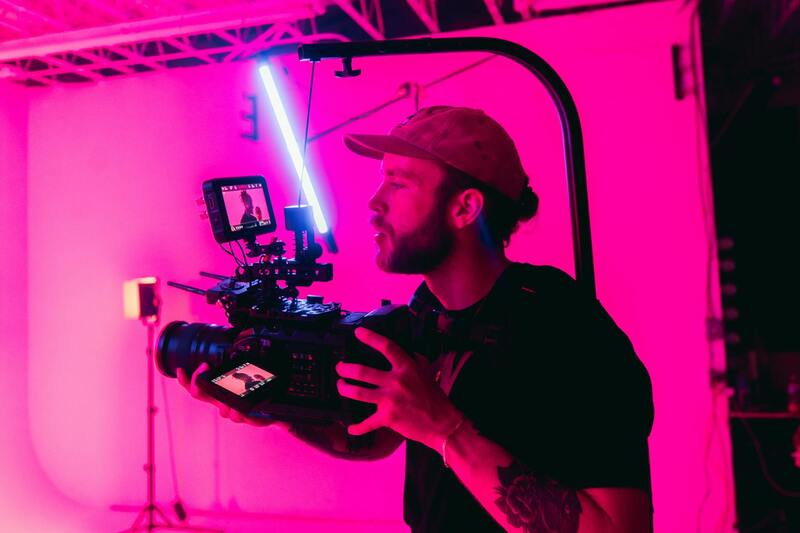
Equally important is the technician’s ability to operate drone equipment for aerial shots. Drone photography provides a comprehensive view of larger properties and surrounding areas, which can be especially compelling for properties with impressive landscaping, waterfront views, or strategic locations. An adept photographer recognizes when aerial images enhance a listing and knows how to capture them effectively, elevating the overall presentation.
Another critical feature is post-processing skill. Editing images to correct lighting, color balance, and perspective enhances visual appeal without misrepresenting the property. Professional photographers should maintain authenticity while accentuating the property’s best features. Their proficiency in photo editing tools ensures images are polished and impactful, increasing engagement with prospective clients.
Beyond technical skills, a deep understanding of market trends and property types in Miami is vital. A photographer familiar with the city’s unique architecture—including luxury condos, modern office towers, and expansive commercial complexes—can tailor their approach to match the style and expectations of local buyers, sellers, and tenants.
Strong communication skills and reliability are also significant. The right photographer collaborates closely with real estate agents, property managers, and developers to understand specific marketing goals. They adhere to project timelines, maintain consistent quality, and adapt their approach based on the property’s features and target audience.
It is beneficial to review a portfolio thoroughly to assess consistency, creativity, and adaptability. Photographers who regularly display a diverse array of properties and styles demonstrate versatility—an attribute that ensures their ability to handle various types of commercial real estate effectively.
Finally, excellent customer service and transparency in pricing facilitate a smooth working relationship. Providing detailed estimates, outlining deliverables, and explaining the scope of work help clients make informed decisions and foster professional trust.
Key Features to Look for in a Commercial Real Estate Photographer
When selecting a commercial real estate photographer, certain qualifications and attributes are crucial to ensure the images produced meet market standards and effectively showcase the property’s potential. Experience in commercial property shoots is fundamental, as it demonstrates familiarity with the unique demands of such projects. An adept photographer understands how to capture the spatial dimensions and architectural details that appeal to prospective buyers and tenants.
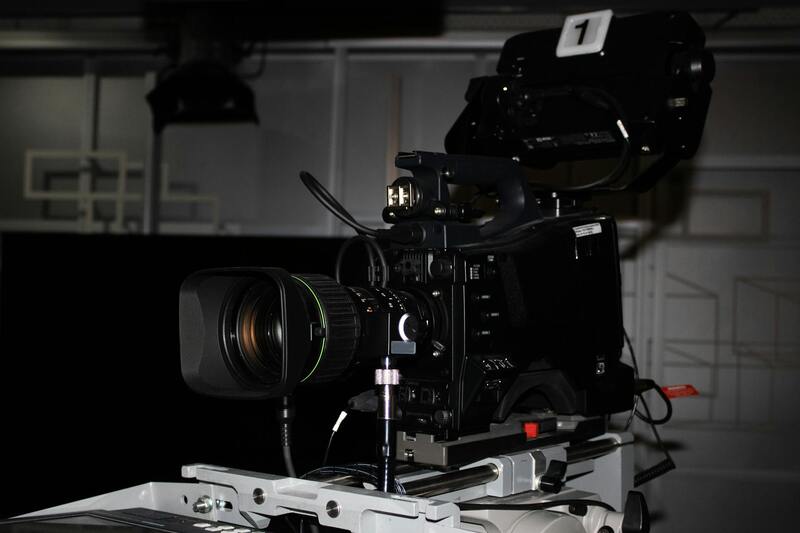
Equipment quality significantly impacts the final images. Professional-grade cameras with high-resolution capabilities, wide-angle lenses, and advanced lighting tools enable the photographer to produce sharp, vibrant photos that highlight a property’s best features. Equally important is the photographer’s proficiency with editing and post-processing software, which allows for professional enhancement without compromising authenticity.
A thorough grasp of real estate marketing principles enhances a photographer’s ability to craft images that attract interest. This includes knowledge of framing techniques, optimal lighting conditions, and strategic composition to emphasize a property’s key selling points. Additionally, familiarity with current market trends in the Miami commercial real estate sector allows photographers to create visuals aligned with what potential clients are seeking.
An ideal commercial real estate photographer also exhibits reliability and professionalism. Timely delivery of images, clear communication, and adherence to project guidelines build trust and streamline the marketing process. Reviewing portfolios to assess consistency, creativity, and capability across various property types provides further assurance of the photographer’s suitability for your project.
Finally, a transparent approach to pricing and scope of services helps avoid misunderstandings and ensures alignment with your marketing budget. Opting for photographers who offer detailed estimates and clearly define deliverables fosters a seamless collaboration that translates into impactful visuals for your commercial property.
Effective Use of Lighting and Composition
In commercial real estate photography, mastering lighting and composition is essential to capture the space's true potential. Proper lighting not only highlights architectural features but also creates an inviting atmosphere that appeals to prospective tenants or buyers. Natural light is often preferred during daylight hours to showcase interior spaces, but artificial lighting can be strategically utilized to eliminate shadows and accentuate key elements.
While positioning the camera, the rule of thirds remains a fundamental principle to create balanced and engaging images. By placing focal points along grid lines, photographers can emphasize the property's most attractive features. Wide-angle lenses are frequently employed to make spaces appear larger and to provide comprehensive views of rooms, but they should be used judiciously to avoid distortion.
In terms of composition, focusing on leading lines, framing, and symmetry directs viewers' attention toward the property's strengths. For instance, capturing a clear view of a well-designed lobby or an expansive office layout can significantly impact marketing efforts. Skilled commercial real estate photographers also look for opportunities to include contextual elements—such as nearby infrastructure or neighborhood features—that can enhance the property's appeal.
Photographic Equipment and Techniques
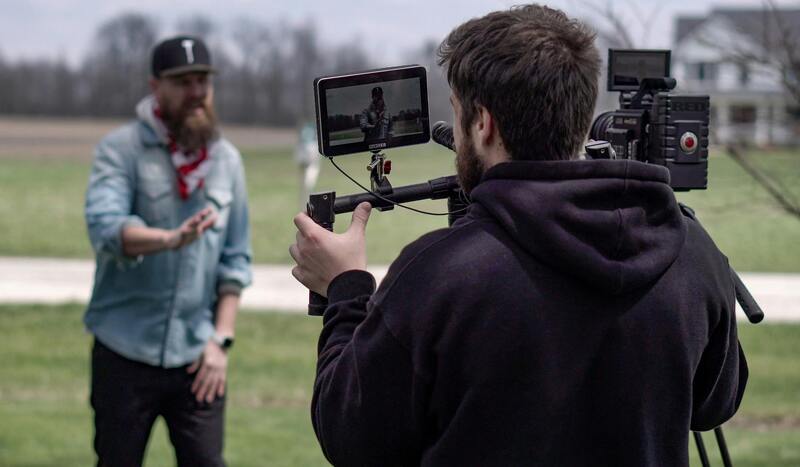
High-end equipment plays a pivotal role in capturing crisp, professional images. Professional-grade DSLR or mirrorless cameras paired with wide-angle lenses are common choices, as they enable the photographer to illustrate the spatial dimensions accurately. Additionally, high-resolution sensors ensure that images retain clarity even when enlarged for print or digital displays. Tripods are indispensable to maintain stability and achieve sharp images, especially in dimly lit indoor environments. Drones are increasingly integrated into commercial real estate photography, providing captivating aerial shots that showcase larger properties and their surroundings from a unique perspective. HDR (High Dynamic Range) photography is another valuable technique, allowing the capture of multiple exposures to maintain detail in both bright and shadowed areas. This method results in images that are true to life, making interior and exterior spaces appear vibrant and well-balanced. Finally, the judicious use of image stitching and panoramic techniques can create comprehensive views of expansive properties or outdoor spaces, delivering an immersive experience for potential clients.
Understanding the Role of a Commercial Real Estate Photographer
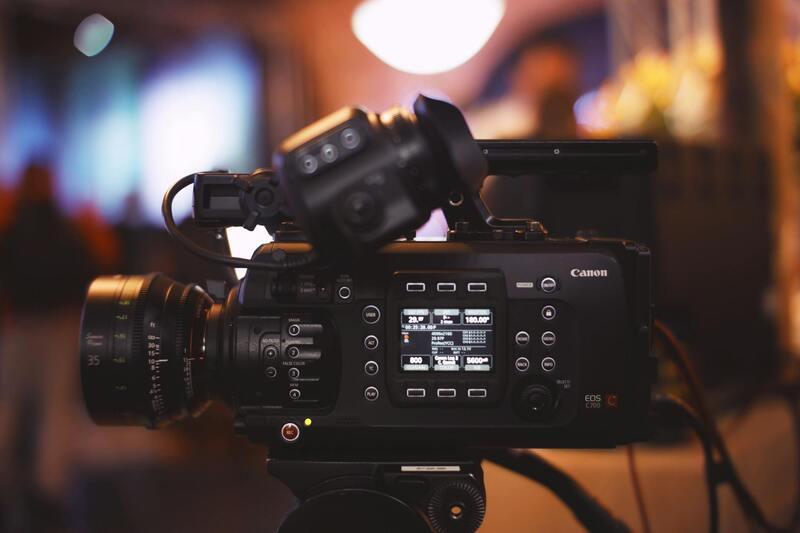
A commercial real estate photographer specializes in capturing high-resolution images that showcase the unique aspects of commercial properties. Their skills extend beyond simple photography; they understand the importance of angles, lighting, and composition to make spaces appear inviting and functional. They often work closely with property managers, brokers, and developers to highlight key features such as spacious interiors, modern renovations, or expansive outdoor areas. Their expertise ensures that every shot emphasizes the property's potential, helping clients attract qualified tenants or buyers effectively.

This role involves a thorough understanding of lighting techniques to highlight properties in the best possible manner. In commercial settings, where spaces might be large or complex, photographers utilize wide-angle lenses and advanced post-processing methods to create images that are both appealing and true to the space's dimensions. The skillful use of drone technology is also increasingly common, offering aerial views that provide contextual perspectives of the property’s location and its relation to surrounding infrastructure.
Furthermore, commercial real estate photographers often stay updated on the latest technological advancements, integrating tools like panoramic stitching and HDR imaging into their workflow. These techniques assist in capturing detailed images that display accurate color, lighting, and spatial relations—crucial elements when marketing commercial spaces.
Importance of High-Quality Photos in Commercial Real Estate
In a competitive market such as Miami, high-quality images are essential for standing out. Potential tenants and investors often make initial judgments based on photographs, making visual presentation a key aspect of marketing strategies. Superior imagery can accelerate the leasing process, increase property visibility, and ultimately lead to higher returns on investments.
High-resolution photos reveal intricate details, such as finishes, textures, and architectural features that may be overlooked in lower-quality images. They also provide a more accurate representation of the space, which helps in setting realistic expectations and reduces viewing time. Well-crafted visuals can evoke emotional responses and create a sense of urgency, encouraging prospects to arrange physical visits or transactions sooner.

Given the fast-paced nature of Miami’s real estate sector, investing in professional photography can be a decisive factor in closing deals swiftly. It elevates marketing collateral, from online listings to print advertisements, demonstrating a level of professionalism that builds trust with clients and stakeholders.
Key Features to Look for in a Commercial Real Estate Photographer
Choosing the right photographer is vital to achieving compelling visuals. Critical features include a portfolio that demonstrates experience with commercial properties, understanding of architectural details, and proficiency with photography equipment. They should also exhibit mastery in lighting techniques specific to the needs of interior and exterior spaces.
- Experience with diverse property types and environments
- Technical skill in drone and aerial photography
- Knowledge of modern editing and post-processing software
- Attention to detail and ability to capture the essence of the property
- Responsive communication and understanding of client goals
Deliberate selection of a photographer with these qualities ensures premium results that align with marketing objectives and elevate the property's appeal in a vibrant market like Miami.
Understanding the Types of Commercial Real Estate Photography Services Offered in Miami
When selecting a commercial real estate photographer in Miami, it is essential to be aware of the various specialized services that can enhance property marketing efforts. Different properties and marketing goals require tailored photographic approaches to achieve the most compelling presentation. Service providers typically offer a range of solutions, including high-resolution still photography, 3D virtual tours, drone and aerial imaging, and twilight photography, each serving specific purposes.
High-Resolution Still Photography: This foundational service captures detailed images of both interior and exterior spaces. High-quality stills are vital for online listings, brochures, and advertisements, providing prospective buyers or tenants with an accurate and enticing view of the property. A skilled photographer uses professional-grade cameras and lighting techniques to produce crisp, vibrant images that highlight architectural features and spatial layouts.
3D Virtual Tours and Walkthroughs: Immersive virtual experiences allow clients to explore properties remotely, saving time and attracting a wider audience. These tours can showcase large commercial spaces effectively, providing a comprehensive view that static images may not fully communicate.
Drone and Aerial Photography: Elevated perspectives grant a panoramic view of sprawling properties and their surroundings. Drone imagery is particularly effective for showcasing site size, landscaping, and proximity to key urban amenities in Miami’s diverse market. The ability to capture expansive landscapes and hard-to-reach angles adds depth and context to listing visuals.

Twilight and Sunset Photography: Capturing properties during the golden hour creates visually striking images that stand out. Twilight shots emphasize architectural lighting, showcasing building features at night and creating an inviting ambiance that appeals to potential investors.
Capturing Different Property Types Effectively
Commercial properties in Miami include office buildings, retail centers, industrial facilities, hotels, and multi-family complexes. Each type presents unique photographic challenges and opportunities. For instance, office interiors require a focus on lighting, workspace layouts, and amenities, while industrial sites benefit from expansive drone shots that highlight the scale of the property. A professional photographer understands these nuances and adjusts their approach accordingly.
Moreover, the photographer should be adept at working under various conditions, such as weather or high-traffic areas, to ensure the best possible shots. The ability to adapt and utilize appropriate equipment and techniques for different environments ensures the property's features are accurately and attractively presented.
Understanding Miami's Unique Lighting and Architectural Styles
Miami’s vibrant architectural landscape, characterized by modern high-rises, Art Deco buildings, and luxury developments, requires a photographer skilled in handling diverse lighting conditions. The city’s abundant sunlight, reflective surfaces, and unique architectural details demand expertise in lighting and post-processing to achieve visually appealing results. Effective use of natural light, supplemented with artificial lighting, highlights these features without creating unwanted shadows or reflections.
The photographer’s familiarity with Miami’s architectural styles also allows for strategic composition that emphasizes a property’s distinctive qualities, helping it stand out in a competitive market. This understanding ensures that images clearly communicate the property’s value proposition and aesthetic appeal.

Final Considerations in Commercial Real Estate Photography Packages
Many service providers offer customizable packages tailored to specific property types and marketing needs. These packages may include a combination of still images, aerial shots, virtual tours, and twilight photography. When selecting a package, it is crucial to consider the intended use and target audience of the marketing materials, ensuring the visuals align with strategic goals.
Quality and consistency across all marketing visuals reinforce professionalism and create a cohesive brand image for the property. It is advisable to invest in comprehensive photographic solutions that cover all necessary aspects to maximize property appeal and accelerate the sales or leasing process.
Effective Image Optimization for Commercial Real Estate Listings
Optimizing images for commercial real estate listings is a critical step in ensuring your property captures the attention of potential buyers or tenants online. High-resolution photographs need to be optimized for fast loading times without compromising their visual quality, which enhances user experience and impacts search engine rankings positively. The process begins with selecting appropriate file formats: JPEGs are ideal for photographs due to their balance of quality and size, whereas PNGs work well for images needing transparency.
Proper compression techniques can significantly reduce file sizes while maintaining clarity. Professional photography services offer optimized images tailored for various digital platforms, including MLS listings, commercial real estate websites, and social media. Additionally, adhering to recommended image dimensions ensures that visuals display correctly across devices—be it desktops, tablets, or smartphones—without pixelation or distortion.
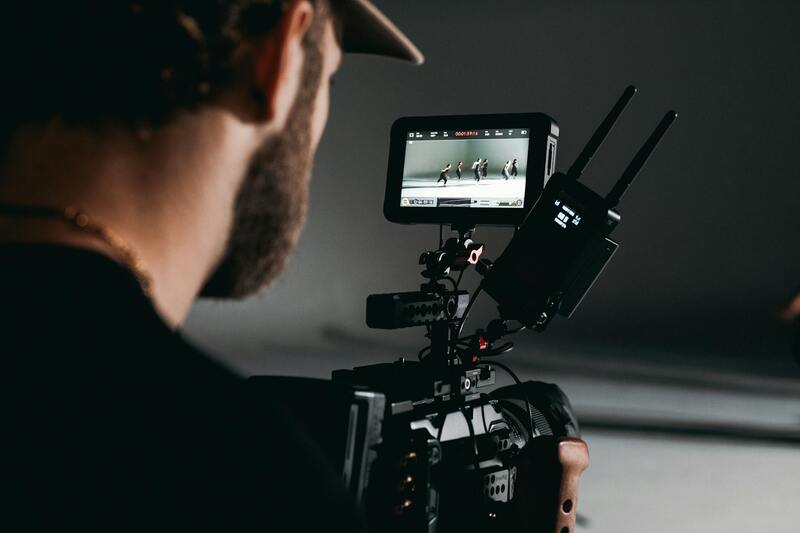
Incorporating descriptive, keyword-rich alt text into each image enhances accessibility and aids search engines in understanding the content of your photos. This can drive additional organic traffic to your listing and improve your property's visibility online. When working with a professional commercial real estate photographer, ensure they follow best practices for image optimization, which includes color calibration, sharpness adjustments, and strategic cropping to emphasize key features.
By combining expert photography with meticulous image optimization, you increase the likelihood of attracting qualified prospects. High-quality visuals that load swiftly and render correctly across all devices contribute to a seamless viewing experience, encouraging engagement and reducing bounce rates. Ultimately, this approach supports your broader marketing strategy, boosting the property’s appeal and expediting the transaction process.
Ensuring Professionalism and Experience in Commercial Real Estate Photography
When selecting a commercial real estate photographer, it is vital to assess their professionalism and experience meticulously. A seasoned photographer possesses a comprehensive understanding of the architectural and structural aspects of commercial properties, which enables them to highlight the unique features of each space effectively. Their familiarity with the nuances of commercial layouts, lighting conditions, and spatial dynamics ensures that the resulting images present the property in its best possible light. Experienced photographers also have a strategic approach to staging, angle selection, and lighting adjustments, which collectively enhance the visual appeal. They understand how to minimize distortions, optimize depth perception, and showcase the property’s scale and layout clearly. This expertise reduces the chances of misrepresentation, providing viewers with an accurate portrayal that aligns with the property's true features. Additionally, professionalism extends to punctuality, communication, and adherence to deadlines. Reliable photographers maintain clear communication channels, listen to client needs, and deliver the final images promptly, allowing the marketing campaign to stay on schedule. Their ability to handle complex shoots, including high-rise buildings or properties with unique architectural details, demonstrates their adaptability and skill. To verify a photographer's experience, review their portfolio and ask for case studies of commercial properties they have previously photographed. Testimonials from previous clients can also offer insights into their reliability and quality of work. A photographer with a proven track record in commercial real estate photography will understand the importance of capturing images that not only meet aesthetic standards but also serve strategic marketing purposes, enhancing the property's visibility among targeted buyers and tenants. In Miami's competitive market, partnering with a professional commercial real estate photographer who has demonstrated success in this sector ensures your property stands out. Their expertise in capturing the essence of each space can significantly influence buyer perception and facilitate smoother transaction processes.