
Importance of High-Quality Real Estate Videos
In the competitive Miami real estate market, capturing the attention of potential buyers requires more than just listing details and photographs. High-quality real estate videos have become an essential tool for showcasing properties in a dynamic and engaging manner. These videos enable agents and property owners to provide an immersive experience that static images cannot achieve, highlighting the unique features, layout, and ambiance of each property. Well-crafted videos can dramatically increase viewer engagement, resulting in higher inquiry rates and faster sales.
Professional real estate videos serve as powerful marketing assets that elevate a property's visibility across multiple platforms, including social media, property listing websites, and email campaigns. In Miami’s vibrant market, where buyers often travel from different regions or countries, videos help you reach a wider audience by delivering compelling visual content that transcends geographical boundaries. Moreover, high-quality videos contribute to establishing credibility and trustworthiness, reassuring potential buyers of the property's value and the professionalism of the listing agent.
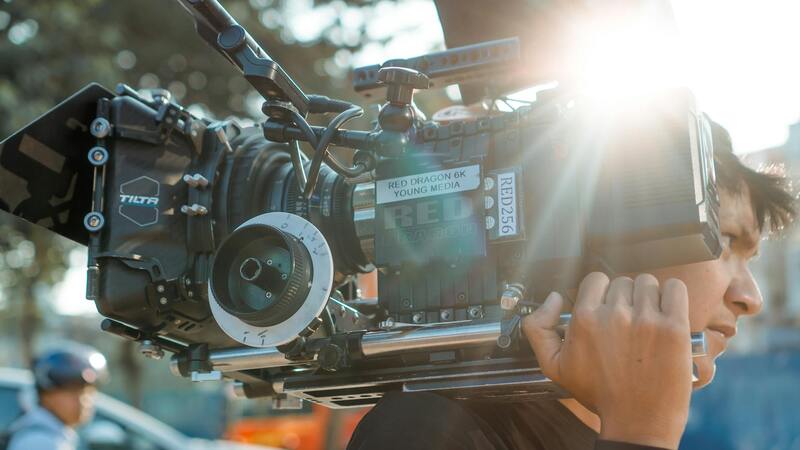
In summary, investing in professional real estate videography ensures that your property stands out in a crowded market. It facilitates a more comprehensive presentation, allowing prospective buyers to visualize themselves in the space and make informed decisions faster. As part of a strategic marketing approach, high-quality videos can significantly accelerate the sales process and enhance overall listing performance in Miami's competitive real estate landscape.
Key Elements of Great Real Estate Videos
Creating compelling real estate videos involves several fundamental components that work together to produce a polished and persuasive showcase. These elements include clear storytelling, high production quality, engaging visuals, and accurate representation of the property's features.
- Storytelling and Narrative: An effective video guides viewers through the property, emphasizing its most attractive features and telling a story that resonates emotionally. This can include highlighting the family-friendly spaces, luxury amenities, or stunning views.
- High-Resolution Visuals: Crisp, clear images are essential for capturing details and ensuring the property looks its best. Employing high-resolution cameras and proper lighting helps in achieving this goal.
- Consistent Branding: Incorporating consistent branding elements such as logos, color schemes, and contact information reinforces professionalism and helps prospective clients remember your name.
- Strategic Pacing and Length: The video's pace should keep viewers engaged without overwhelming them. Typical optimal lengths range from 1.5 to 3 minutes, enough to showcase key areas without losing audience interest.
- Highlighting Unique Features: Special architectural details, outdoor spaces, and upgrades should be vividly showcased to differentiate the property from competing listings.
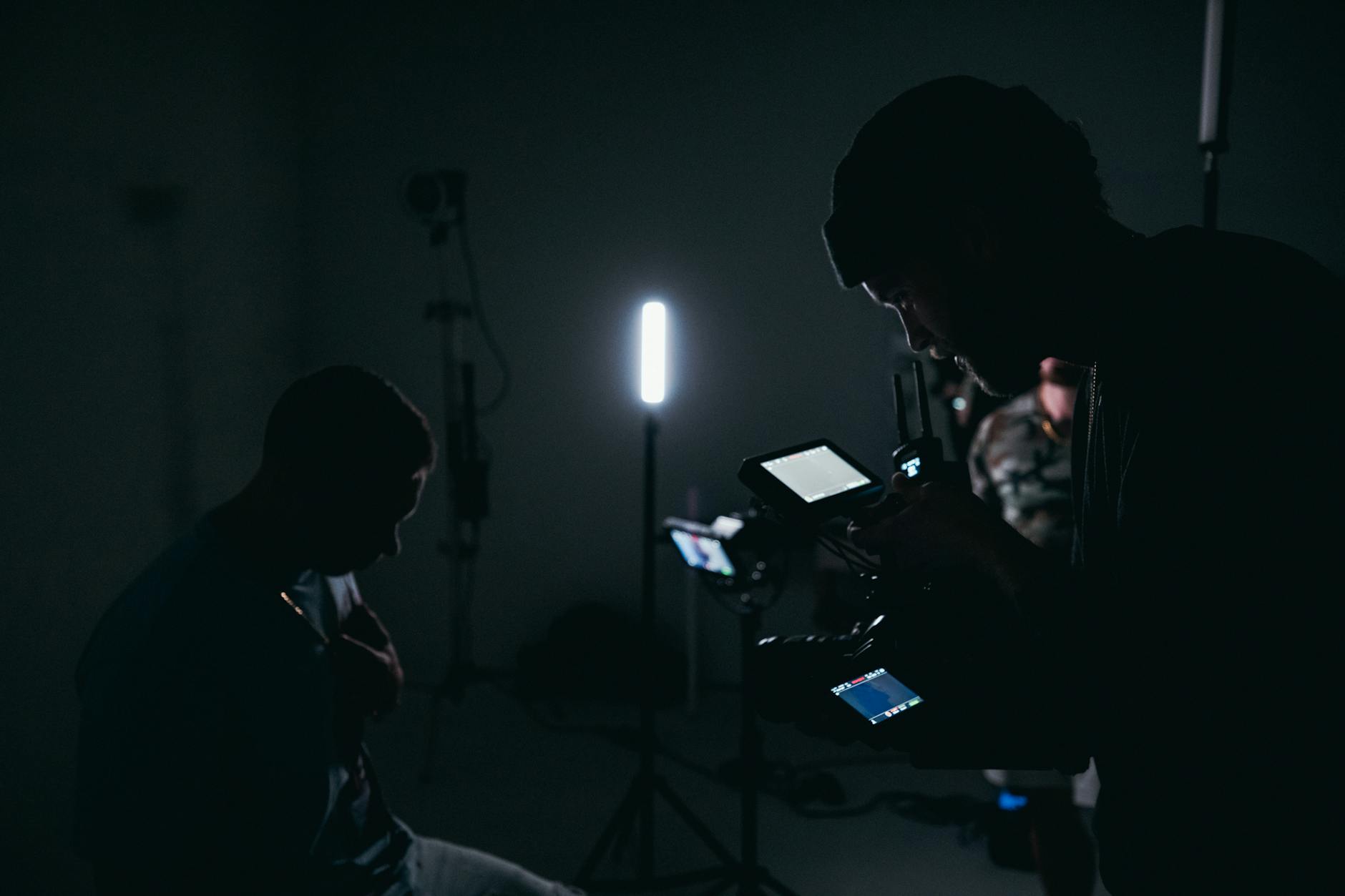
In essence, great real estate videos seamlessly blend aesthetic appeal with informative content. This approach not only attracts potential buyers but also encourages them to take the next step toward viewing the property in person or making an offer. Achieving this level of quality requires precision in both planning and execution, making strategic choices about equipment, techniques, and post-production essential for success in the Miami real estate scene.
Choosing the Right Equipment and Technology
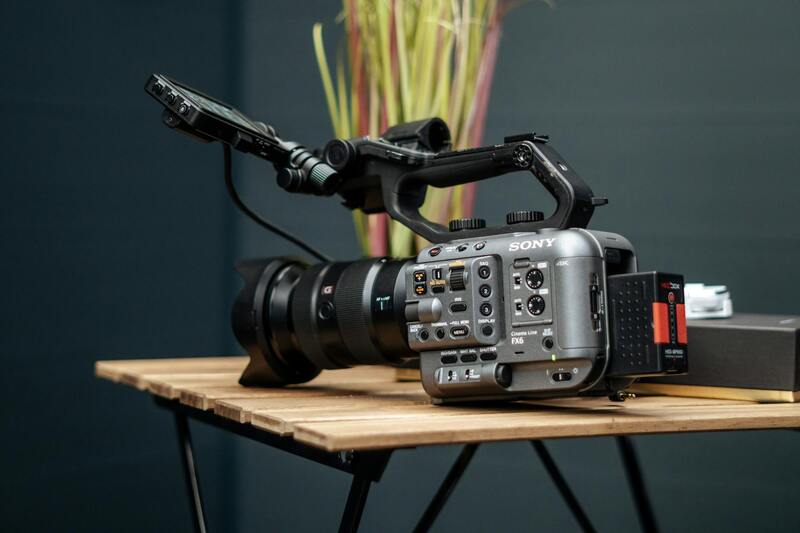
Investing in the appropriate equipment is fundamental to producing compelling real estate videos that capture the attention of potential buyers. High-quality cameras with 4K resolution or higher ensure that every detail of the property is rendered with clarity, allowing viewers to appreciate the fine craftsmanship, textures, and finishes. Utilizing wide-angle lenses can help in capturing expansive spaces within smaller rooms, providing a sense of openness and scale that standard lenses may not achieve.
Lighting equipment also plays a crucial role. Portable LED lights or softboxes help eliminate shadows and highlight the property's best features, especially in areas with limited natural light. Proper lighting not only enhances the visual appeal but also ensures consistency across different shooting locations. Additionally, stabilizers such as gimbals or tripods maintain steady footage and prevent distracting shakiness, elevating the overall production quality.
Advancements in drone technology have transformed real estate marketing by offering breathtaking aerial footage. Drones equipped with high-resolution cameras can capture expansive views of the property and surrounding landscape, providing a comprehensive perspective that ground-level shots cannot deliver. This aerial footage not only enhances visual interest but also demonstrates the property's prominence within its neighborhood or scenic environs.
Partnering with the right technology involves selecting equipment that aligns with the property's scale and the desired visual style. High-dynamic-range (HDR) cameras are beneficial for balancing highlights and shadows in complex lighting environments. Additionally, quality microphones and audio recording devices ensure that narration, if included, remains clear and professional during walkthroughs or voiceovers.
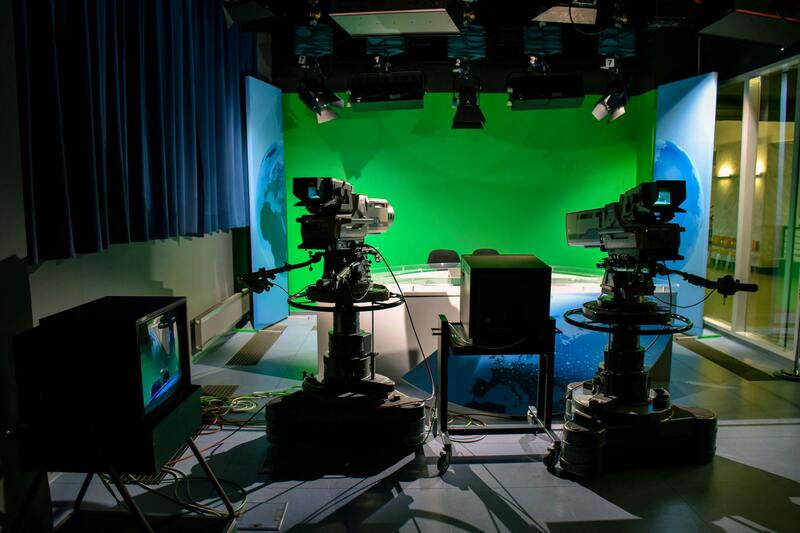
Ultimately, selecting the right equipment forms the foundation for producing high-impact real estate videos. It enhances the property's visual storytelling and ensures that the footage aligns with professional standards, making listings more attractive and trustworthy to prospective buyers.
Effective Video Shooting Techniques
Implementing strategic shooting techniques can substantially elevate the quality of real estate videos. Start by planning a detailed shot list that highlights each key area of the property, from the welcoming entryway to the luxurious master suite. This preparation guarantees comprehensive coverage, preventing overlooked spaces that might diminish the property's appeal.
Optimal camera angles are critical. Low-angle shots can emphasize ceiling heights and spaciousness, while high-angle shots from a drone or elevated position showcase the property's overall layout. Smooth camera movements following natural walk-through patterns lead viewers seamlessly through the space, creating an immersive experience.
Staging plays a significant role in storytelling. Arranging furniture and decor to highlight the room’s potential helps viewers visualize living in the space. Ensuring that each scene is well-lit, free of clutter, and framed carefully directs the viewer’s attention to the property's best features.
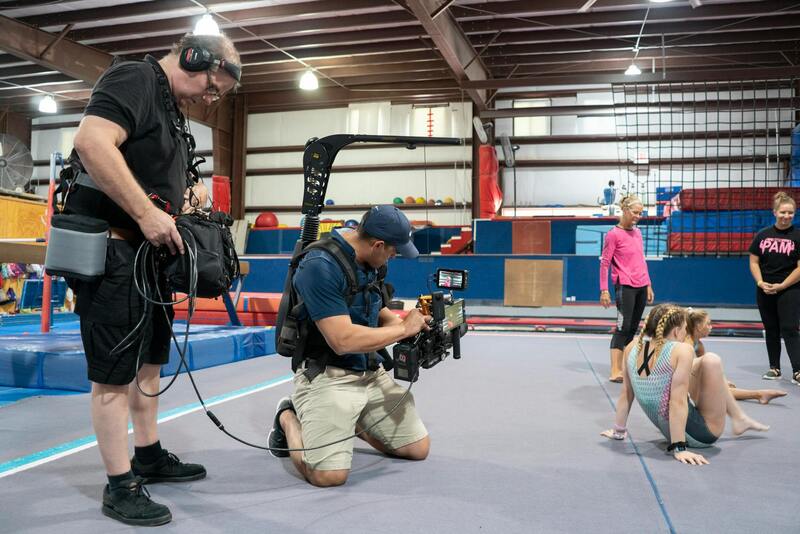
Color grading and natural lighting are essential considerations during shooting. Filming during the golden hour—the period shortly after sunrise or before sunset—adds warm, inviting tones that flatter interior spaces and outdoor vistas. Maintaining consistent lighting conditions across shots ensures a cohesive flow and maintains viewer engagement.
Incorporating dynamic shots, such as slow pan or tilt movements, adds professionalism and prevents monotony. For interior scenes, steady walkthroughs combined with focused close-ups of features like custom finishes, appliances, and architectural details can effectively highlight unique property characteristics.
Editing and Post-Production Tips
Effective editing transforms raw footage into a polished, engaging presentation. Color correction is vital; adjusting brightness, contrast, and saturation ensures that the video reflects true-to-life colors and a vibrant aesthetic. This step is especially important in Miami, where lively, colorful scenes appeal strongly to prospective buyers.
Incorporating cinematic transitions, such as fade-ins or elegant slide-ins, maintains a smooth viewing experience. Using text overlays strategically can highlight important features, mention recent upgrades, or provide key information without cluttering the visual flow.
Adding background music that complements the property's ambiance enhances emotional connection. A calm, sophisticated soundtrack can evoke feelings of comfort and luxury, encouraging viewers to imagine themselves living in the space. Voiceovers, when used, should be clear and professional, effectively guiding viewers through the property's narrative.
Editing should also include the integration of relevant branding elements such as logo placement, contact information, and social media handles, subtly reinforcing the agency's presence and making it easier for potential clients to reach out.
Effective Video Shooting Techniques
Capturing compelling real estate videos begins with precision in shooting techniques that prioritize clarity, stability, and visual appeal. Utilizing high-resolution cameras ensures crisp, detailed footage that showcases a property’s features authentically, allowing prospective buyers to appreciate every nuance from the comfort of their own devices. To maintain smoothness throughout the footage, employing stabilized equipment such as gimbals or shoulder rigs minimizes unwanted camera shake, resulting in professional-looking visuals that convey trust and quality.
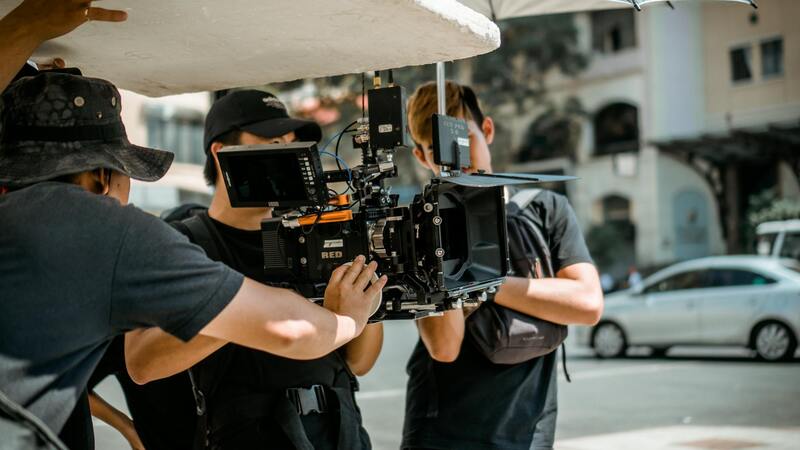
In addition, drone footage has become an invaluable component of standout real estate videos, especially in vibrant urban environments like Miami. Drone shots provide sweeping views of a property’s surroundings—showcasing backyard pools, scenic vistas, or nearby amenities—adding a dynamic dimension that static shots cannot achieve. Ensure drone operators adhere to safety guidelines and optimal flight conditions to obtain seamless aerial footage.
Lighting plays a crucial role in video quality. Shooting during the golden hour, when natural light is soft and warm, accentuates architectural details and creates inviting atmospheres. Supplement natural light with professional lighting setups when necessary, especially in interiors or shadowed areas, to ensure every room looks bright and welcoming.
Focus on shot composition by framing each scene thoughtfully. Use wide-angle lenses to capture the full scope of rooms and exterior spaces, but avoid distortion. Incorporate various angles to add visual interest—high shots overlooking a property, low angles emphasizing grand features, or close-ups of luxurious finishes—giving viewers a comprehensive experience of the property.
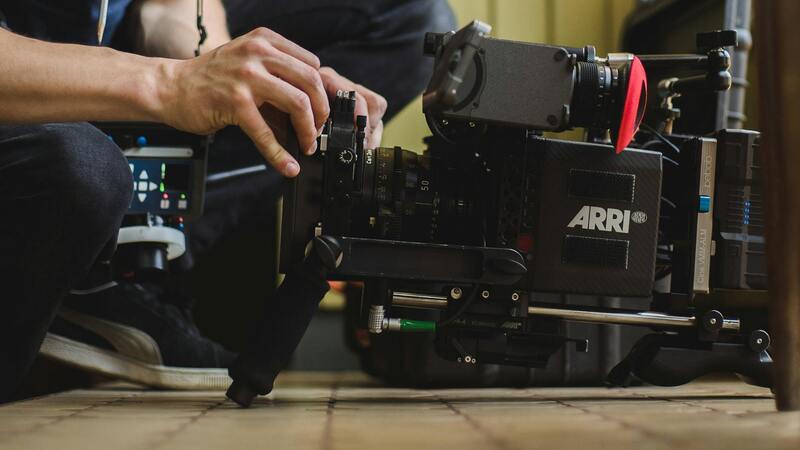
Finally, plan each shot meticulously through detailed storyboarding or shot lists. Establish a logical flow that guides viewers seamlessly from outdoor exteriors to interior spaces, emphasizing flow, space, and unique selling points. This preparation minimizes unnecessary retakes and ensures consistency throughout the production process, saving time and resources while maximizing impact.
Effective Video Shooting Techniques
Capturing compelling real estate videos requires more than just the right equipment—it demands mastery of shooting techniques that enhance the property's appeal and engage viewers. Stability is paramount; using stabilizers or gimbals ensures smooth footage free from shaky movements, which can distract audiences and diminish professionalism. When filming walk-throughs or exterior showcases, maintaining steady camera movements and deliberate pacing helps convey a sense of space and flow.
Optimal lighting plays a crucial role during shooting. To highlight architectural features and interior details, film during times of natural light abundance, such as early mornings or late afternoons, when sunlight provides warm, inviting ambiance. For indoor scenes, supplement natural lighting with high-quality diffused light sources to eliminate harsh shadows and evenly illuminate every corner. This approach ensures the property's features are visually compelling and accurately represented.
Angles and shot composition significantly influence viewer perception. Use wide-angle lenses to capture expansive rooms and exterior vistas, but avoid distortion by adjusting camera positioning. Incorporating a variety of shots—such as bird’s-eye views, close-ups of luxurious finishes, or panoramic exterior scenes—creates visual interest and emphasizes the property’s best aspects. Remember to plan these angles meticulously to guide the viewer seamlessly through different spaces and highlight unique selling points.
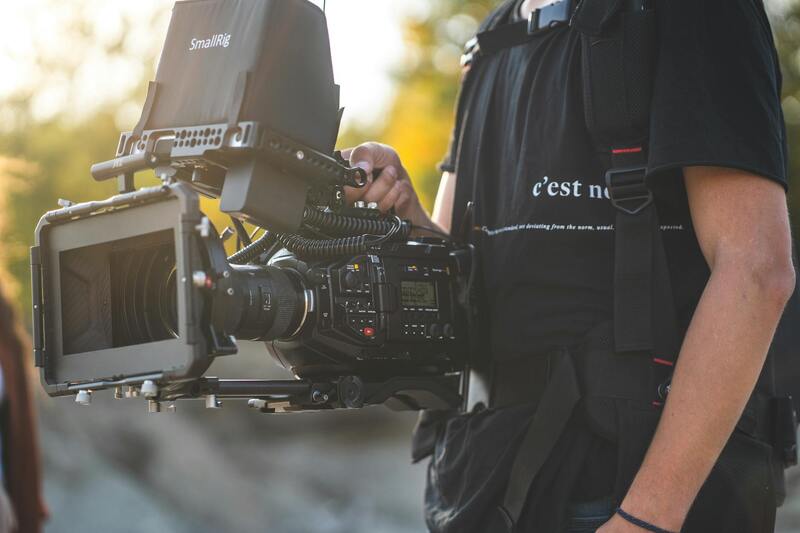
Additionally, utilizing proper camera settings, such as adequate aperture for depth of field and appropriate exposure, enhances image clarity and detail. Consider utilizing a drone for aerial shots, but always prioritize safety protocols and flight conditions to ensure stable, high-quality footage. For interior shots, using a tripod can significantly improve stability and allow for consistent framing, especially in low-light conditions.
Creating a shot list or storyboard prior to filming clarifies your vision and streamlines the shoot. By mapping out each scene's purpose and placement, you minimize the need for reshoots and ensure a cohesive narrative flow. This preparation saves time during production and guarantees that every shot contributes to a compelling story that highlights the property's core qualities.
Editing and Post-Production Tips
Post-production is where raw footage transforms into an engaging visual story. Prioritize color grading to enhance the property’s natural hues and create a warm, inviting atmosphere. Correcting exposure and contrast ensures each shot looks polished and professional, while removing distracting elements helps keep the focus on key features. Incorporate smooth transitions and dynamic pacing to maintain viewer interest. Use cinematic techniques, such as slow zoom-ins on luxurious finishes or sweeping drone shots, to evoke emotional responses and underline the property's premium qualities. Add branded graphics or text overlays judiciously to emphasize important details like square footage, location advantages, or recent upgrades, but avoid cluttering the visual narrative. Sound design also plays a crucial role. Use background music that complements the property's aesthetic and maintains a professional tone. Consider adding voice-over narration to guide viewers through the property, emphasizing its unique selling points and inviting emotional connection. Finally, optimize the video length to maintain viewer engagement; typically, a duration of 1-3 minutes strikes a balance between thoroughness and viewer attention span. Intuitive edits that focus on compelling visuals and storytelling will maximize the video’s impact rating and lead to better engagement on property listings.
Effective Video Shooting Techniques
Shooting high-quality real estate videos requires meticulous planning and execution. Utilize natural light as much as possible by scheduling shoots during daylight hours, ideally during the golden hour when sunlight lends a warm, inviting glow to the property. In interior spaces, augment natural light with high-quality artificial lighting to eliminate shadows and highlight key features without creating harsh contrasts.
Master the stabilization of your camera equipment using tripods, gimbals, or steady cams to produce smooth, professional footage. Steady shots not only enhance visual appeal but also prevent distractions that could detract from the viewer’s focus. When capturing interior shots, employ wide-angle lenses to showcase the full scope of rooms, emphasizing spatial volume and flow.
Adopt a strategic shooting order that mirrors a natural walkthrough of the property. Start with exterior shots to establish the property's curb appeal, then transition smoothly into interior spaces, concentrating on high-value features such as kitchens, master bedrooms, and outdoor living areas. Incorporate drone footage to provide unique aerial perspectives of the property and its surrounding landscape, adding an extra layer of depth and context.
Ensure that each shot is well-composed, with attention to framing, focus, and the rule of thirds. Use slow, deliberate camera movements to avoid unnecessary motion sickness and to allow viewers to absorb each detail comfortably. Remember to keep shots consistent in lighting and color temperature to maintain uniformity across the video.
Sound quality is equally important during filming. Minimize ambient noise and use external microphones to capture clear audio when recording voice-over narrations or interviews with homeowners or agents. Carefully plan the sequence of shots, considering pacing and storytelling flow, to create an engaging narrative that guides viewers from the entrance to the most impressive features in a cohesive manner.
Legal and Ethical Considerations
Creating compelling real estate videos involves adherence to several important guidelines that respect privacy, property rights, and truthful representation. Ensuring proper permissions are obtained before filming on private property is essential to maintain ethical standards and foster trust in your marketing efforts. It is equally crucial to verify that all visuals accurately depict the property’s condition without misrepresentation, helping potential buyers form realistic expectations.
When capturing drone footage, compliance with local airspace regulations must be observed. This includes obtaining necessary permits and following safety guidelines to prevent disruptions or hazards. Using drone technology responsibly not only preserves safety but also enhances the perceived professionalism of your property videos.
Respect for the privacy of current residents or tenants during filming is paramount. Informing all parties involved about the filming schedule and scope helps avoid misunderstandings and potential conflicts. Additionally, including disclaimers or obtaining written consent when necessary can protect your agency from claims related to privacy infringements.
Authenticity in real estate videos builds credibility. Overediting or staging shots in a way that distorts the property’s actual features can lead to dissatisfaction or distrust among viewers. Striving for transparency ensures prospective buyers receive an honest portrayal, fostering long-term relationships and positive reputation within the marketplace.
Effective Video Shooting Techniques
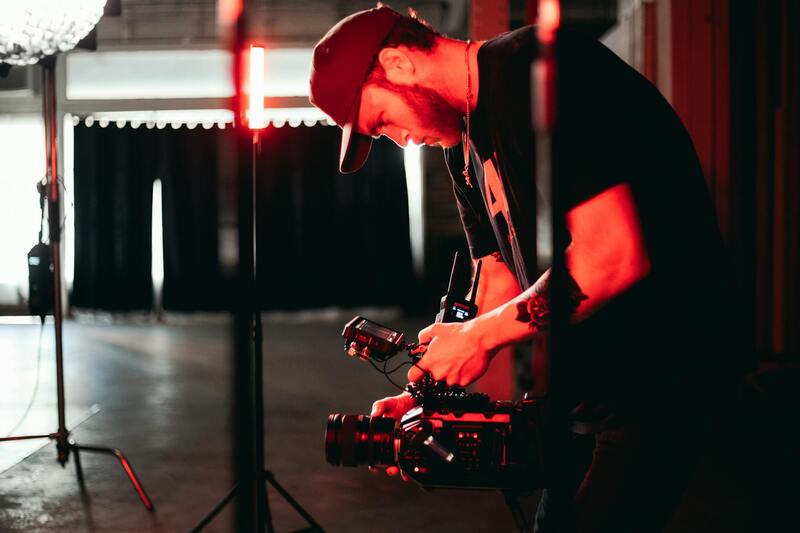
Capturing compelling real estate videos hinges on employing strategic shooting techniques that highlight a property’s best features while providing a smooth viewing experience. Proper camera handling, thoughtful composition, and deliberate pacing all contribute to creating engaging visuals. Utilizing stabilization equipment, such as gimbals or tripods, ensures steady shots that enhance professionalism and viewer trust.
Lighting plays a pivotal role in showcasing a property accurately. Shooting during the daytime when natural light is abundant can illuminate spaces effectively, revealing true colors and textures. Additionally, supplementary lighting sources can be employed to fill shadows and highlight architectural details, particularly in interior shots. It’s important to avoid overexposure or underexposure, as these can distort the property's appearance and mislead potential buyers.
Angles and framing are crucial for emphasizing key areas of a property. Wide-angle lenses allow viewers to grasp the spatial layout and size of rooms more effectively, creating a sense of openness. However, it’s essential to avoid excessive distortion, which can give an unrealistic impression. Incorporating varied shots—such as establishing exterior views, detailed interior shots, and aerial footage—provides a comprehensive perspective that appeals to different buyer interests.
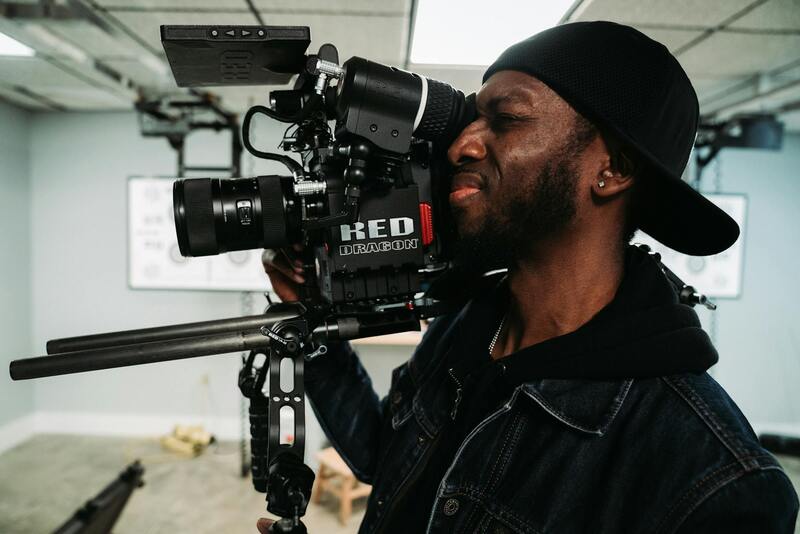
Maintaining a logical flow throughout the video ensures a seamless narrative. Start with an exterior shot to establish context, then transition smoothly through interior spaces, highlighting flows and connections between rooms. Incorporating movement, like slow slider shots or gentle pans, can add cinematic quality without overwhelming viewers. It’s vital to be mindful of avoiding abrupt cuts or shakiness to keep the viewer engaged without distraction.
Think carefully about audio as well. Clear, unobtrusive background music can evoke emotion and complement visuals, but it should never compete with spoken descriptions or distract from the property details. When including voiceovers or narration, speaking clearly and at a measured pace enhances professionalism and comprehension.
Utilizing Drone Footage for a Broader Perspective
Integrating aerial views provides an expansive perspective of the property’s surroundings, capturing landscaping, neighborhood amenities, and proximity to key locations. Drone footage can reveal aspects of a property that are otherwise difficult to convey through ground-level shots. When employing drones, maintaining steady flight paths and avoiding abrupt movements are essential to produce polished visuals. Additionally, all drone operations must comply with regional airspace guidelines, and appropriate permissions should be secured for a smooth filming process.
Legal and Ethical Considerations
Producing high-quality real estate videos requires adherence to established standards and best practices that reflect professionalism and integrity. Ensuring accurate representation of the property is essential to build trust with prospective buyers and stakeholders. This means avoiding exaggerated claims or misleading visuals that could distort the true features of a property. Honest portrayal fosters transparency and supports sound decision-making for all parties involved.
Respecting privacy rights and obtaining necessary permissions is a fundamental component of ethical video production. This includes securing consent from property owners before filming, especially if the property is occupied, to prevent privacy infringements. When capturing footage of neighboring properties or public spaces, it is crucial to be aware of local regulations and community guidelines to avoid unauthorized recordings or disruptions.
Content integrity also encompasses the responsibility to avoid manipulating footage in a way that alters the true appearance or condition of the property. While editing should enhance visual appeal, it must not distort reality or conceal important information. Authenticity in showcasing properties encourages informed viewing and helps maintain professionalism across the industry.
Another consideration involves respecting intellectual property rights. This means using licensed music, images, and audio-visual content to avoid copyright infringement. Proper crediting and licensing agreements should be in place for all third-party elements incorporated into the video.
Adhering to these standards demonstrates a commitment to quality and ethical responsibility, which are vital to fostering long-term success in real estate marketing. Professionalism and integrity not only enhance the reputation of the producer but also ensure that the property’s presentation aligns with industry regulations and societal expectations, ultimately supporting a trustworthy and reliable real estate marketplace.