
Importance of Professionally Capturing Miami Properties
In the competitive real estate landscape of Miami, the visual presentation of a property can significantly influence its marketability and sale speed. High-quality house photography serves as a critical component in creating compelling property listings that stand out amidst numerous options. Professionally captured images not only depict the property in the best possible light but also evoke an emotional connection with potential buyers, encouraging them to schedule viewings and make offers.
Effective photography aligns with the unique aesthetic appeal of Miami's vibrant neighborhoods, luxurious waterfronts, and modern developments. When prospective clients browse online listings, the initial visual impression often determines their interest level. Clear, well-composed photographs showcase space, highlight architectural details, and emphasize natural lighting, all of which contribute to a more enticing presentation. Such images can also communicate the property's potential lifestyle, from relaxing by the pool to enjoying panoramic city views, fostering a desire to explore further.
Furthermore, quality real estate photography impacts search engine visibility. Listings equipped with professional images tend to rank higher on property portals and maintain viewer engagement longer. This increased visibility directly correlates to a broader reach and the likelihood of attracting qualified buyers. Consequently, leveraging expert photography becomes a strategic investment for sellers and real estate professionals aiming to maximize their property's exposure.
In essence, the visual allure created through professional house photography serves as a catalyst in Miami's fast-paced real estate scene. It not only amplifies the property's appeal but also contributes to a faster sale, often at a higher market value. As competition intensifies, the significance of compelling, high-quality imagery becomes ever more apparent for real estate success in Miami.
Preparation and Staging for Photography Sessions
Ensuring a property is meticulously prepared before a photography session is essential for capturing its best features and creating an inviting atmosphere for prospective buyers. Staging involves arranging furniture, decluttering spaces, and adding decorative elements that accentuate the property’s strengths. Proper staging not only highlights a room’s functionality but also helps potential buyers envision themselves living in the space.
When staging a Miami property, attention to detail is crucial. This can include strategic placement of accent pieces, ensuring that each room has a focal point, and enhancing the overall ambiance with subtle cues that evoke comfort and elegance. For instance, placing fresh flowers or vibrant textiles can add a touch of warmth and vibrancy that translates well in photographs.
Property owners should also consider window treatments and cleanliness, as natural light plays a pivotal role in establishing a bright and welcoming atmosphere. Removing personal clutter and excessive decorations allows viewers to focus on the space itself rather than individual belongings. Additionally, in a vibrant market like Miami, outdoor spaces such as patios, gardens, or pools should be staged to showcase lifestyle benefits, emphasizing resort-style living that appeals to buyers seeking a luxurious Miami experience.
In preparing for a professional photoshoot, it is beneficial to create a checklist that covers all areas, including highlighting unique architectural details, ensuring all lights are functional, and confirming that the property has been thoroughly cleaned. The goal is to make every room appear spacious, clean, and inviting without overdoing the staging. This front-end effort ensures that the photographer can focus on capturing compelling images that show the property at its best.
Technical Skills and Equipment for House Photography
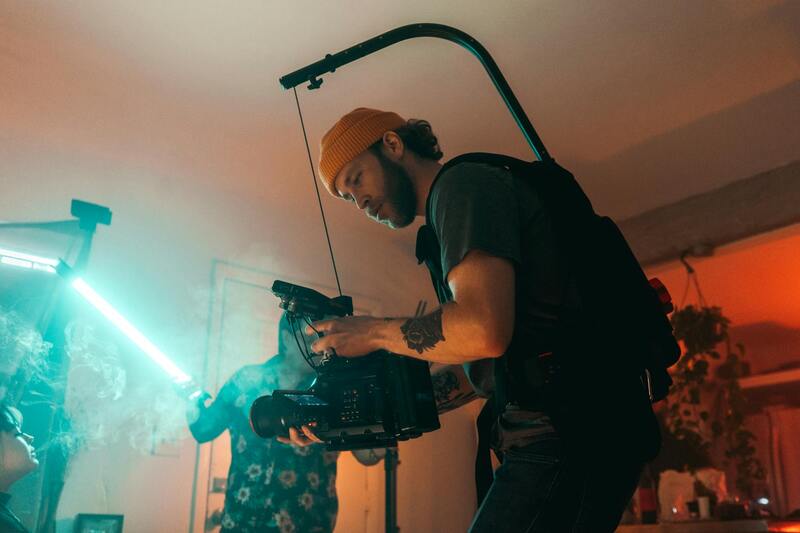
Achieving high-quality images of Miami properties requires a combination of technical expertise and high-grade equipment. Professionals in house photography for real estate utilize advanced cameras with full-frame sensors capable of capturing wide angles and high-resolution images. This ensures that every detail of the property is clear, crisp, and true to life, which is essential for attracting serious buyers.
In addition to the camera, the use of professional-grade lenses is crucial. Wide-angle lenses, for example, allow photographers to capture expansive spaces in a single shot, giving viewers a sense of spatial awareness that enhances online listings. Macro lenses can highlight architectural details, intricate designs, or unique features that set a property apart. Tripods are also indispensable for maintaining stability and achieving sharp images, especially in interior shots where slower shutter speeds might be necessary due to lighting conditions.
Beyond imaging devices, equipment such as external flashes, reflectors, and diffusers play a vital role in balancing lighting and eliminating harsh shadows or glare. For exterior shots, drone photography has become increasingly popular, offering aerial perspectives that showcase the property's size, landscaping, and surrounding amenities from a captivating vantage point.

Utilizing the right software for image processing is equally important. Post-shoot editing tools enable professionals to enhance lighting, correct color balance, and remove minor imperfections, resulting in polished images that accurately represent the property. Skilled editing helps maintain consistency across multiple photos, ensuring that the visual narrative of the property aligns with its true appeal.
Investing in professional training for photography techniques, such as managing wide dynamic ranges and mastering HDR imaging, further elevates the quality of visual content. In a competitive Miami real estate market, superior imagery can create a significant edge, highlighting properties in a way that captivates potential buyers from the initial online view.
Technical Skills and Equipment for House Photography
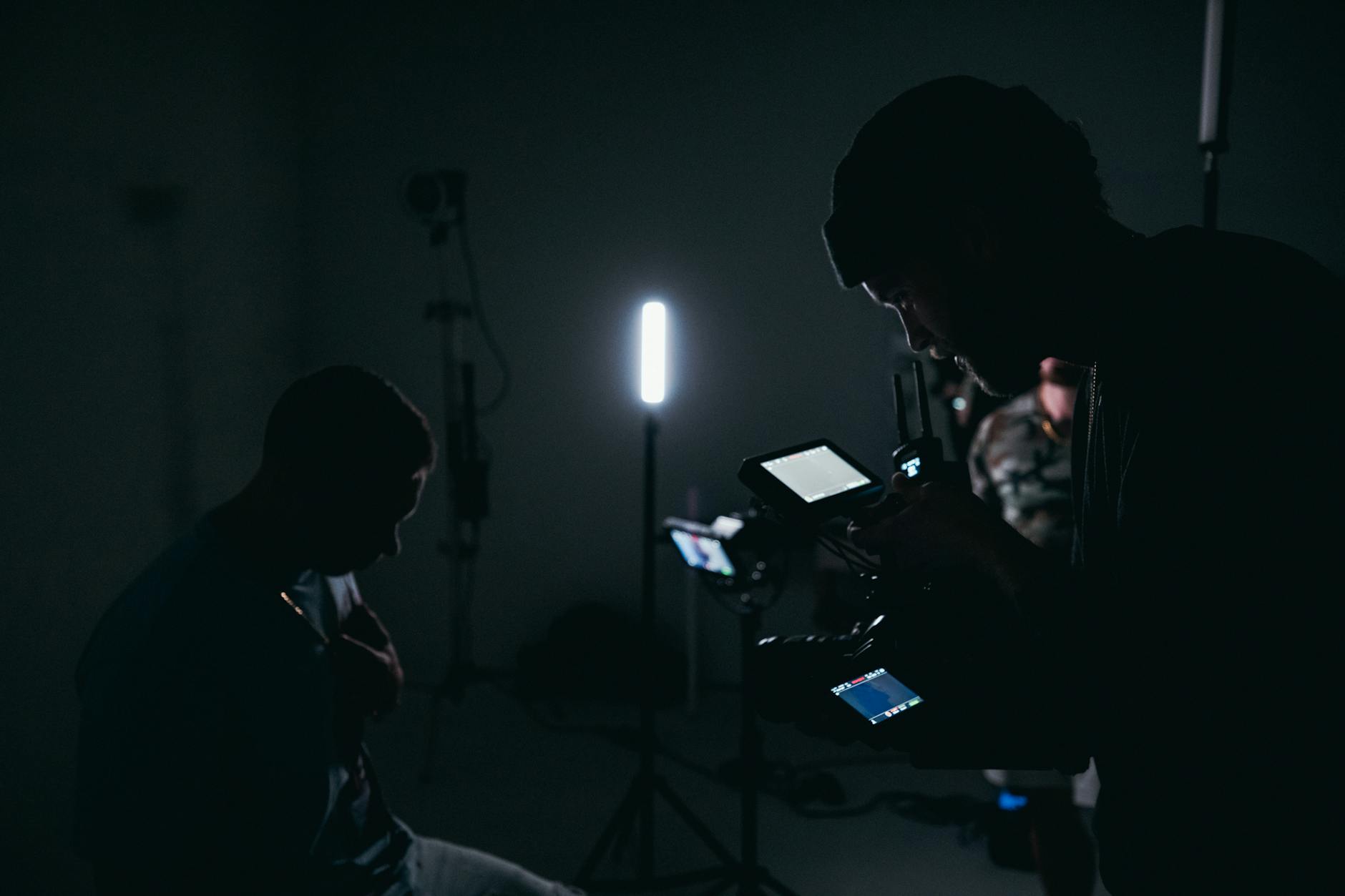
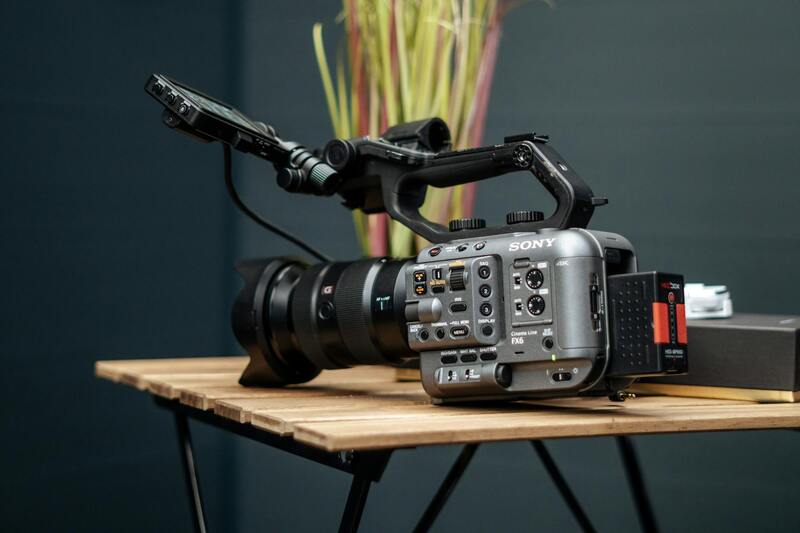
Achieving high-caliber images of Miami properties hinges on a photographer's technical understanding and the quality of their equipment. A professional real estate photographer must select camera gear capable of capturing detailed, true-to-life images. Typically, a full-frame DSLR or mirrorless camera is preferred for its superior sensor quality and dynamic range, which are essential for showcasing both interior and exterior spaces with clarity.
Lenses are equally critical; wide-angle lenses, usually ranging from 14mm to 24mm, enable the capture of spacious interiors and expansive exteriors within a single shot. These lenses help prevent distortion while offering a comprehensive view that entices prospective buyers. For finer details or close-up shots, macro lenses can be employed to highlight architectural elements, fixtures, or landscaping features.
Camera settings must be optimized for each scene. Utilizing a low ISO minimizes noise, while aperture settings are adjusted to balance depth of field with sharpness — typically, a mid-range aperture such as f/8 or f/11 is used for interior scenes to ensure maximum clarity throughout the room. Shutter speed adjustments, often complemented by a tripod, stabilize the camera for sharp images, particularly in interiors where light levels can vary significantly.
Battery life and storage are practical considerations; professional-grade cameras with ample battery capacity and high-capacity memory cards prevent interruptions during shooting sessions. Additionally, having a variety of filters, such as polarizers or neutral density filters, enhances image quality by controlling reflections or exposure levels, especially in bright outdoor conditions.
Technical Skills and Equipment for House Photography
Achieving high-quality images of Miami real estate requires more than just a good eye; it demands mastery of technical skills and the use of specialized equipment. Professional house photographers prioritize the correct choice of camera and lenses to capture the unique features of each property. A full-frame DSLR or mirrorless camera with high resolution ensures sharpness and detail, which are critical for appealing real estate images. Wide-angle lenses, typically in the 14-24mm range, are essential for capturing expansive interior spaces and architectural details without distortion, providing viewers with an accurate sense of scale and proportion.
Optimal camera settings are fundamental to producing professional results. A low ISO setting reduces grain and noise, especially under varied lighting conditions. Aperture choices, usually between f/8 and f/11, ensure maximum depth of field, bringing foreground and background into clear focus. A steady tripod stabilizes the camera, allowing for longer exposure times when lighting is subdued, ensuring bright, crisp images. For outdoor shots, filters such as polarizers can mitigate reflections on glass surfaces and enhance sky contrast, while neutral density filters help control exposure levels in bright sunlight.
Utilization of advanced equipment such as drone cameras can add captivating aerial perspectives, offering comprehensive views of the property's exterior and surrounding environment. Additionally, lighting modifiers like diffusers and softboxes are employed to create uniform, flattering light sources indoors, avoiding harsh shadows and emphasizing the room’s features.
Refining these technical skills transforms ordinary images into compelling visuals that authentically represent the property's spatial qualities and design details. Proper equipment selection and mastery over camera settings are the backbone of producing images that stand out in a competitive market, immediately capturing the interest of prospective buyers and elevating the overall appeal of Miami’s luxury and diverse real estate offerings.
Lighting Techniques for Bright and Inviting Images
Achieving optimal lighting in real estate photography is essential to showcase properties in their best light and attract potential buyers. Proper lighting not only illuminates interior spaces effectively but also enhances architectural features, textures, and color accuracy. In Miami’s vibrant real estate market, lighting techniques are tailored to accentuate the unique ambiance of each property, whether it’s a sunlit condo or a spacious family home.
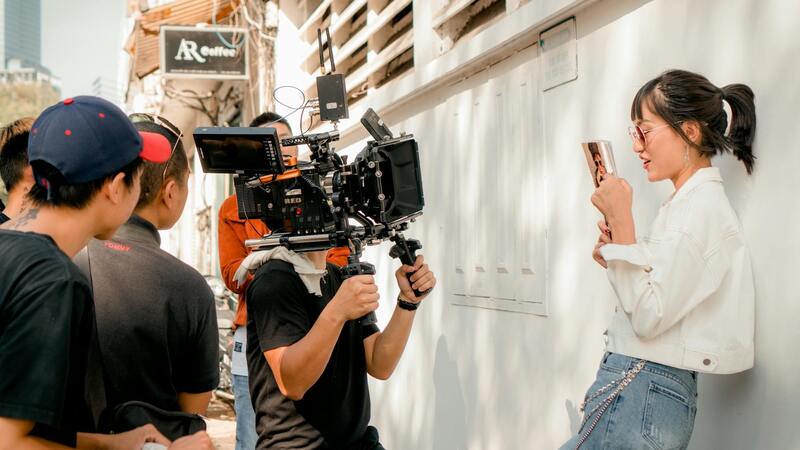
Natural light serves as the foundation for creating appealing images. During photoshoots, photographers often schedule sessions during times when sunlight floods the interior, typically in the late morning or early afternoon. To maximize natural light, windows are opened to allow unobstructed sunlight, and window treatments are adjusted to minimize glare and unwanted shadows. Using reflectors or bounce boards can help direct light evenly across the space, reducing harsh shadows on walls and furnishings.
Supplementing natural light with artificial lighting is equally crucial, especially in areas where sunlight is insufficient or during overcast days. High-quality continuous and strobe lighting units provide consistent illumination, allowing for precise control over brightness and shadow placement. Softboxes or diffusers are employed to soften light sources, ensuring a uniform and flattering effect that mimics natural daylight. This approach is especially beneficial when highlighting interior details such as crown molding, textured wall finishes, or decorative elements.
Layering light sources enhances depth and dimension, making rooms appear more spacious and inviting. For exterior shots, capturing the property during the golden hour — shortly after sunrise or before sunset — provides warm, diffused sunlight that accentuates landscaping and architectural details. Strategically placing external lights, such as uplights or landscape lighting, can add visual interest and depth during dusk photography.
In Miami’s competitive real estate scene, mastering lighting techniques ensures that every property is portrayed in its most appealing state. Well-lit images not only highlight the property’s best features but also evoke an emotional response from viewers, increasing engagement and interest. Incorporating advanced lighting methods, such as LED panels with adjustable color temperatures and professional diffusers, offers further control and flexibility in creating compelling visuals that stand out in online listings and promotional materials.
Post-Processing and Editing of Real Estate Photos
Post-processing plays a critical role in delivering high-quality house photography for real estate. After capturing images on-site, professional editing ensures that they meet the highest visual standards while authentically representing the property. The editing process involves several key steps, including color correction, exposure adjustments, and perspective correction, all aimed at creating a cohesive and appealing visual narrative.
Color correction ensures that the hues in each image accurately reflect real-life conditions, enhancing the property's natural appeal. Adjusting brightness, contrast, and saturation helps in highlighting specific features such as lush landscaping, gleaming countertops, or vibrant interior accents. Perspective correction is equally vital; it rectifies converging lines and distortions caused by wide-angle lenses, ensuring that architectural elements appear proportional and true to life. Proper perspective enhances spatial awareness, giving potential buyers a realistic sense of room dimensions and layout.
Advanced editing techniques also include removing minor imperfections, such as dust spots, reflections, or distracting elements, that may detract from the property's appeal. However, it is essential to maintain authenticity throughout the editing process to avoid creating images that misrepresent the property. Over-editing can lead to dissatisfaction or a loss of trust when prospective buyers visit in person.
Furthermore, the use of layered editing tools allows for enhancements that strengthen visual storytelling. For example, techniques like high dynamic range (HDR) merging can balance exposure levels between bright windows and shaded interior areas, delivering evenly lit and vibrant images. Additionally, sharpening and clarity adjustments can make details more distinct, drawing attention to architectural craftsmanship, decorative fixtures, and fine textures.
In an increasingly digital marketplace, the presentation of real estate images is crucial for attracting serious buyers. High-quality photos that are professionally edited can significantly influence online engagement, lead to faster sales, and command better offers. Ensuring that every image accurately captures the property’s unique qualities while maximizing aesthetic appeal is a cornerstone of effective house photography for real estate.
Advanced Techniques for Showcasing Miami Homes with Professional House Photography
Beyond capturing foundational images, leveraging advanced photography techniques can elevate the visual storytelling of Miami properties, making them stand out in a competitive marketplace. These methods involve meticulous planning, specialized equipment, and refined editing practices that ensure each image not only highlights the property's features but also resonates with prospective buyers’ aspirations.
Utilizing Drone Photography for Unique Perspectives
In the vibrant Miami real estate scene, aerial shots provide a compelling view of a property’s footprint, surrounding landscape, and proximity to local amenities. Drone photography offers sweeping perspectives that ground-level photos cannot, enabling potential buyers to appreciate the property's scale and context within its neighborhood. When executed with professional-grade drones operated by trained pilots, this approach ensures safety and image quality, capturing stunning vistas during optimal lighting conditions such as golden hour or sunset to enhance visual drama.
Capturing Lifestyle and Context
High-quality house photography extends beyond interiors and exteriors to include lifestyle shots portraying the property's potential living experience. This can involve staged scenes with desirable outdoor furniture, pool areas, or nearby scenic views that evoke the Miami lifestyle—beach proximity, city lights, parks, or vibrant local culture. Such images help buyers envision their future lives there, transforming static property listings into aspirational showcases.
Incorporating Virtual Staging
Virtual staging can be a game-changer in the digital presentation of Miami homes. By digitally adding furniture, art, or decor to empty spaces, it enables buyers to better understand the potential of each room. This technique is cost-effective and flexible, allowing tailored designs that complement the local aesthetics and architectural style, from sleek modern condos to classic Miami Art Deco residences.
Employing Progressive Lighting and Color Techniques
Alternating between natural and artificial lighting enhances the depth and vibrancy of images. For instance, timing shoots during the early morning or late afternoon hours can produce soft sunlight effects that highlight interior textures and outdoor features. Techniques such as high dynamic range (HDR) imaging balance exposure levels across bright and shaded areas, resulting in images with rich details and inviting ambiance. Color correction processes also ensure the hues reflect the property’s true character, whether it’s the warm tones of Miami’s tropical palette or the cool hues of ocean views.
Enhancing Images with Architectural and Textural Details
A detailed focus on architectural elements like moldings, flooring, and fixtures can significantly elevate the perceived quality of a property. Using macro and tilt-shift lenses, professional photographers can emphasize textures and craftsmanship, drawing attention to the unique features that set Miami homes apart. These images appeal to discerning buyers who value detail and authenticity, further establishing trust in the listing.
Conclusion
Employing these advanced, legitimate photography techniques ensures that Miami real estate listings are optimized for maximum visual impact and buyer engagement. Leveraging professional equipment, strategic staging, and polished post-processing results in compelling visuals that capture the essence of the property while accurately representing its features. In a competitive market, these high-quality images become vital tools for attracting serious inquiries, accelerating sales, and commanding top market value.