Importance of High-Quality Real Estate Photography
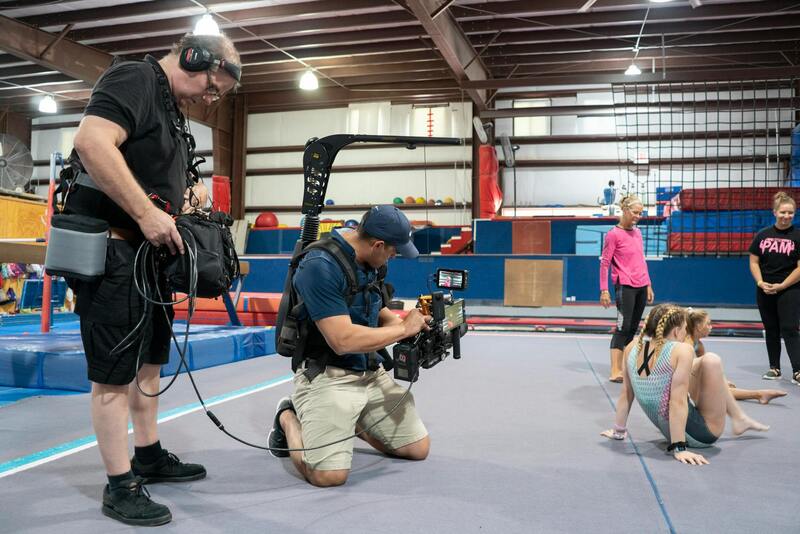
In Miami's vibrant and highly competitive real estate market, the visual presentation of properties plays a pivotal role in attracting potential buyers. High-quality real estate photography is no longer a mere enhancement; it is an essential component of a successful marketing strategy. Professional images capture the true essence of a property, highlighting its best features and creating a compelling first impression that can significantly influence viewing interest.
Property listings with professional photographs tend to achieve higher visibility and engagement across online platforms. When buyers search for homes or commercial spaces, they are often attracted initially by stunning visuals that make listings stand out amidst countless others. This increased attention often translates into quicker sales and better offers, as compelling imagery helps buyers envision themselves within the space.
In Miami, where luxury properties, waterfront estates, and modern condos dominate the market landscape, the importance of capturing these distinctive features with precision cannot be overstated. Real estate images that convey clarity, depth, and accurate color representation allow viewers to appreciate the scale, ambiance, and unique selling points of each property. Well-executed professional photography can bridge the gap between initial online interest and physical property visits, setting the stage for successful transactions.
Furthermore, in a market as dynamic as Miami's, where buyers often make quick decisions, the visual appeal provided by professional photography can be the decisive factor. It elevates the perceived value of the property, fosters trust, and demonstrates that sellers and agents are committed to presenting the property in the best possible light. This strategic use of imagery underscores the significance of investing in top-tier photography services to maximize marketing effectiveness and boost overall sales performance.
Ultimately, the role of professional real estate photography extends beyond mere visual appeal; it is a vital tool in creating a persuasive narrative that connects emotionally with prospective buyers. As such, employing experienced photographers who understand the nuances of real estate visuals is a crucial step toward achieving real estate goals in Miami's competitive environment.
Equipment and Techniques Used in Professional Property Photography
Achieving stunning real estate images requires a combination of advanced equipment and refined techniques. Professional photographers invest in high-resolution DSLR or mirrorless cameras capable of capturing intricate details and vibrant colors. These cameras often come equipped with wide-angle lenses, which are essential for showcasing the full scope of interior spaces and exterior landscapes. Wide-angle lenses allow photographers to capture more of the room in a single shot, creating a sense of space that appeals to prospective buyers.
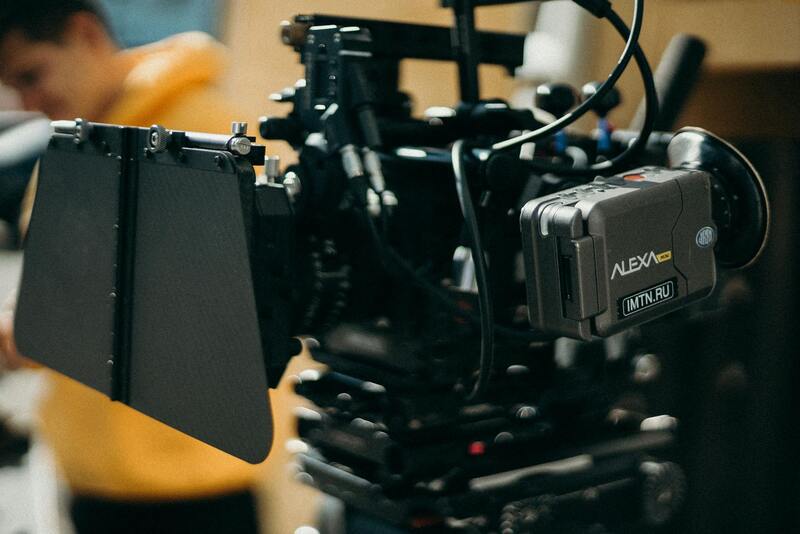
In addition to camera gear, professional photographers utilize specialized lighting techniques to ensure each photograph accurately depicts the property under optimal conditions. Natural light is prioritized, with early morning or late afternoon often providing ideal lighting angles. Supplementary lighting, such as flash units and diffusers, is employed to eliminate shadows and highlight key features without washing out the space.
Techniques like HDR (High Dynamic Range) imaging are standard in real estate photography. HDR involves capturing multiple images at different exposures and blending them to produce images that show both shadowed and brightly lit areas in detail. This technique is particularly effective in rooms with high contrast lighting, ensuring that interior features and views outside the windows are equally visible.
Stability is critical. As such, tripods and stabilizers are used to prevent camera shake and ensure sharp images. For exterior shots, drones may be employed to capture expansive property views and surrounding landscapes from aerial perspectives, adding a compelling visual dimension that static images cannot provide.
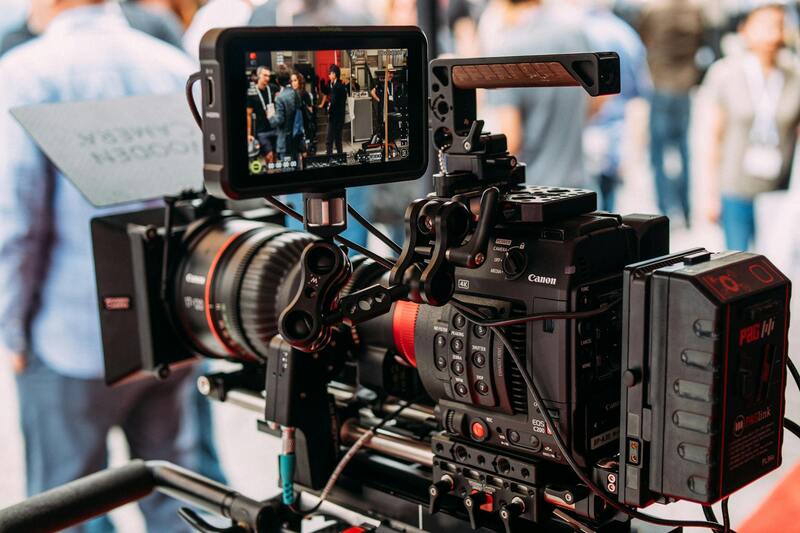
Post-processing is an equally vital part of the process. Photographers employ professional editing software to adjust white balance, contrast, and sharpness, prioritizing natural appearance over overly processed images. Proper editing ensures that images are vibrant, inviting, and true to the property’s actual look, which helps manage buyer expectations and reduces potential mismatches during viewings.
Precision in composition, use of lighting, and post-processing collectively ensure that every image not only captures a property accurately but also appeals aesthetically to potential buyers. These technical strategies form the backbone of high-quality real estate photography and are vital for creating listings that stand out in Miami’s competitive market.
Equipment and Techniques Used in Professional Property Photography
Professional real estate photography hinges on the use of specialized equipment and refined techniques that capture properties in their best light. State-of-the-art digital cameras with high resolution capabilities are essential to produce crisp, detailed images that showcase every feature of a property. These cameras often support wide-angle lenses, enabling photographers to capture expansive interior spaces and exterior views in a single shot, which can make rooms appear larger and more inviting.
Tripods are critical for maintaining stability and consistency across shots, especially when multiple exposures are necessary for techniques like HDR imaging. This approach ensures balanced lighting, highlighting both shadowed and brightly lit areas effectively. For properties with abundant natural light, reflectors and diffusers are used to control light direction and intensity, reducing glare and enhancing image clarity.
In addition to still photography, drones play a significant role in capturing aerial perspectives of larger properties or those with unique landscaping features. Aerial shots provide a comprehensive view of the property’s layout, surrounding environment, and amenities, offering prospective buyers a better understanding of spatial relationships. Proper drone operation, combined with high-quality cameras and stabilization equipment, is vital for producing smooth, eye-catching aerial imagery.
Post-processing techniques further enhance these images, involving professional editing software that adjusts exposure, white balance, contrast, and color vibrancy. Skilled editors ensure that images remain true to life while being visually appealing, eliminating minor imperfections and optimizing visual impact. This attention to detail ensures that each photograph accurately reflects the property’s unique features and aesthetic appeal.
Lighting remains a critical component throughout the process. Techniques include both natural lighting enhancements and artificial lighting setups to simulate optimal conditions. This balanced approach ensures each room appears warm and welcoming, which is especially important for interior photography. The ultimate goal is to produce images that are both authentic and captivating, enticing potential buyers to schedule a viewing.
Ensuring Authentic and Engaging Visual Content
Creating compelling real estate images requires more than just good equipment; it calls for a strategic approach that emphasizes authenticity and visual appeal. Professional real estate photographers employ advanced techniques to showcase a property’s true character, capturing its best features under optimal lighting conditions. This authenticity helps prospective buyers form a genuine connection with the property, increasing the likelihood of inquiries and visits. One critical method involves meticulous staging and lighting adjustments before the shoot. Skilled photographers analyze each space to determine the optimal times for natural light exposure and implement artificial lighting setups when needed. These steps ensure that interiors are portrayed in their most inviting state, highlighting architectural details, textures, and spatial relationships authentically. Additionally, post-production editing plays a pivotal role. Expert editors refine each image to balance exposure, contrast, and sharpness without overprocessing, which maintains the integrity of the property’s appearance. This balance guarantees that listings stand out with vibrant yet realistic visuals, ultimately attracting serious buyers and investors. As part of authenticity, capturing the property from multiple angles and perspectives offers a comprehensive view for potential buyers. Wide-angle lenses are particularly effective in making spaces appear larger and more open, while close-up shots emphasize unique design elements. Incorporating these techniques into a cohesive visual narrative helps paint a complete picture of what the property has to offer. In a competitive real estate market like Miami, standing out is essential. High-quality, authentic images serve as a powerful tool to tell the property’s story effectively, drawing attention across digital platforms and facilitating faster sales.
Equipment and Techniques Used in Professional Property Photography
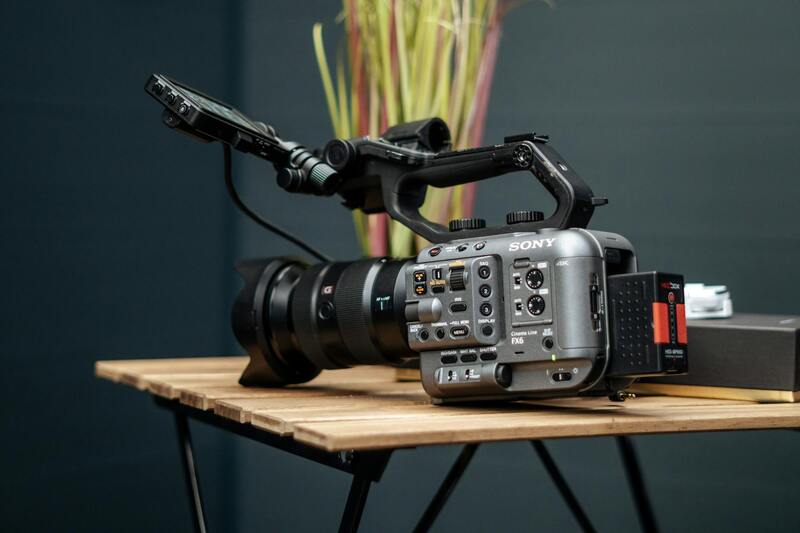
The foundation of captivating real estate photography lies in the use of specialized equipment and advanced techniques. High-end cameras tailored for real estate visuals feature full-frame sensors, which capture intricate details with exceptional clarity and depth. These cameras, combined with wide-angle lenses, are instrumental in creating images that showcase entire rooms, making spaces appear more expansive and inviting. Such lenses minimize distortion, ensuring that architectural features are represented accurately, which is crucial for building trust with prospective buyers.
To enhance lighting conditions, professional photographers rely on various tools and methods. Natural light is often harnessed during optimal times to produce bright, airy images. However, supplementary lighting, such as strobes or continuous softboxes, can be employed to eliminate shadows and highlight key features, especially in interiors with limited sunlight or complex lighting scenarios. Diffusers and reflectors are also used to soften harsh shadows, ensuring even illumination that accurately reflects the property’s ambiance.
Beyond equipment, technique plays a vital role. Photographers often utilize HDR (High Dynamic Range) imaging to balance exposure levels across different parts of the photo, capturing both interior details and exterior views without loss of quality. This approach prevents overexposed windows or dark corners, resulting in balanced images that depict the property as it truly is.
Framing and composition are meticulously executed to emphasize the property’s best features. This includes strategic positioning to showcase spaciousness, architectural lines, and unique design elements. Additionally, ensuring that vertical lines remain straight avoids distortions that could misrepresent a space’s dimensions. Maintaining consistency across all images creates a professional, cohesive visual narrative for marketing.
Post-processing is essential for polishing images to perfection. Skilled editors adjust color balance, sharpness, and exposure levels to produce vibrant images that accurately reflect the property’s true appearance. Retouching may also involve removing minor imperfections or distractions, ensuring that every shot communicates quality and professionalism.
Enhancing Online Listings with High-Quality Real Estate Photography
In today’s competitive real estate market, the significance of professional real estate photography cannot be overstated. High-caliber images serve as the digital storefront for your property, capturing the essence and appeal that entice potential buyers to explore further. By focusing on the fine details, lighting, and composition, professional photography ensures that each property is presented in its best light, making it stand out in crowded online listings.
When showcasing a property, the goal is to evoke an emotional response that drives engagement and prompts action. The use of vibrant, crisp, and accurately exposed images helps convey the property's true character, whether it features a modern interior, a scenic outdoor space, or unique architectural details. This visual storytelling is essential for creating memorable impressions and inspiring confidence among prospective buyers, agents, and investors.
Another pivotal aspect is consistency across diverse listing platforms. Uniform, polished images develop a cohesive brand image for real estate professionals and agencies, fostering credibility and professionalism. This consistency also ensures that the property’s unique selling points are effectively communicated, regardless of where the listing appears.
Impact on Market Perception and Sale Efficiency
Properties presented with professional photography typically garner more interest and higher offers. Data indicates that listings with superior images receive significantly more views and inquiries, often resulting in quicker transactions. By investing in high-quality photography, sellers demonstrate their commitment to quality and transparency, which reassures buyers and accelerates the buying process.
Moreover, high-resolution images are highly shareable on social media, email campaigns, and digital advertisements. This amplifies exposure, broadens reach, and pulls in a wider pool of potential buyers. A well-crafted visual strategy thus becomes a vital component of a comprehensive marketing approach, ensuring that your property’s story resonates across all channels.
From highlighting spacious interiors with natural lighting to emphasizing outdoor amenities, professional photography elevates the perceived value of a property. It turns online listings into engaging, inviting showcases that appeal to discerning buyers seeking authentic representations. When executed with skill and precision, high-end imagery forms a cornerstone of an effective real estate marketing strategy, transforming first impressions into lasting impressions and open doors to successful sales.
Choosing a Miami-Based Production Agency for Real Estate Photography
Selecting the right professional photography provider in Miami is crucial for ensuring your property stands out in this highly competitive market. A local agency possesses an intricate understanding of Miami’s unique real estate landscape, including neighborhood characteristics, architectural styles, lighting conditions, and buyer preferences. Their familiarity with the regional market enables them to tailor their photographic approach to highlight the property’s strengths effectively.
When evaluating potential agencies, consider their portfolio of local projects. A well-rounded portfolio showcases versatility across various property types, such as waterfront condos, luxury estates, and commercial spaces. This breadth not only reflects their technical expertise but also their ability to adapt to different styles and requirements.
Additionally, an agency with established relationships in the Miami real estate community often offers better insights into current trends and buyer expectations. They can advise on the best times for shooting to capture optimal lighting conditions, and they are familiar with the platforms and formats that get the most engagement within the local market.
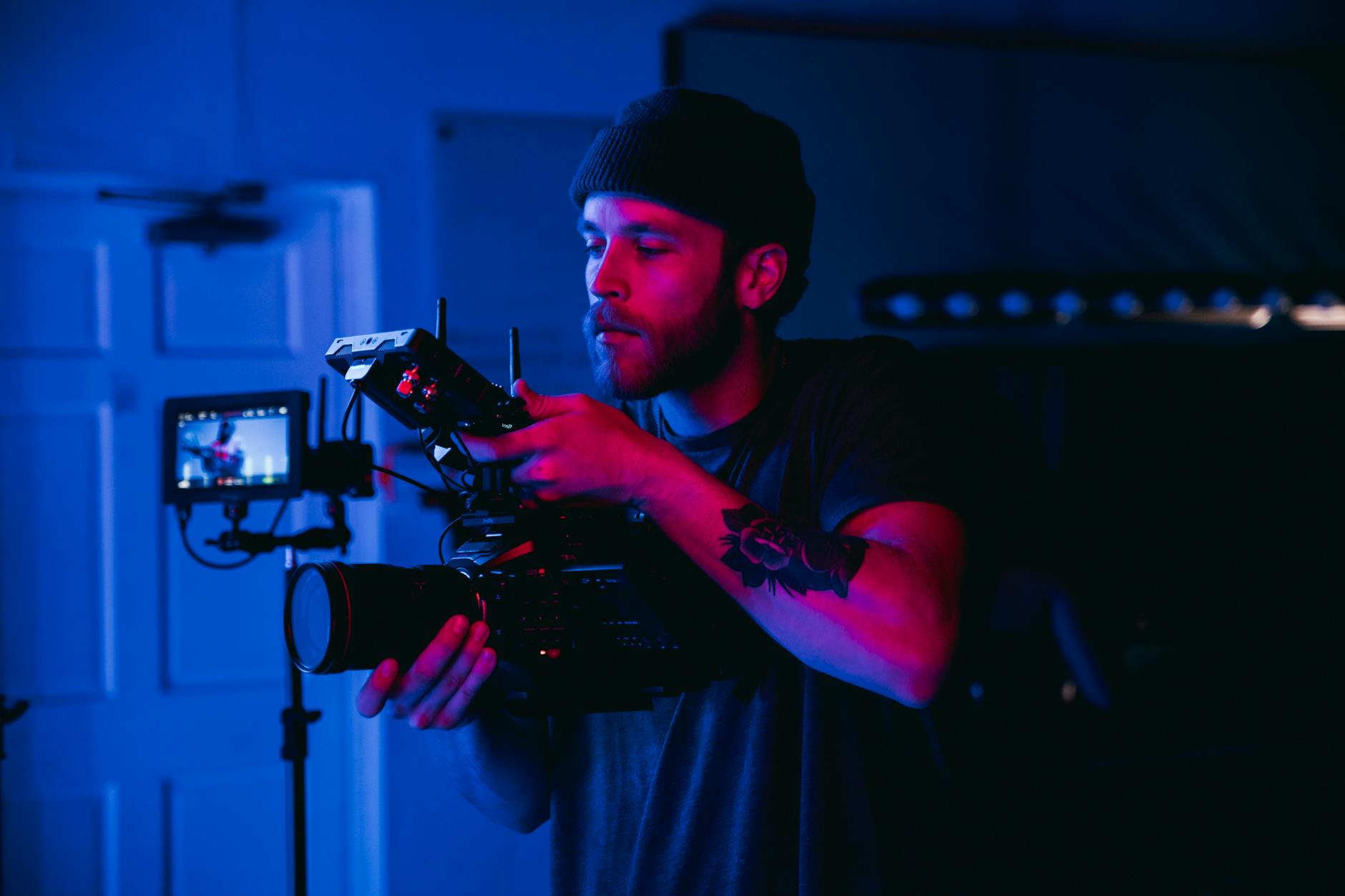
Ensuring the agency uses cutting-edge equipment and techniques is also essential. Their knowledge of the latest trends in real estate presentation, such as drone photography or virtual staging, can significantly enhance your listing’s appeal.
Pricing transparency and clear communication about deliverables are equally important. Reliable agencies provide detailed quotes outlining the scope of work, the number of images, post-processing services, and turnaround times. This clarity helps you maximize your investment and ensures your expectations align with the final product.
Finally, reviews and client testimonials can offer valuable insights into an agency’s professionalism, creativity, and reliability. Prioritize providers with a proven track record of elevating property listings in Miami’s vibrant real estate market.
Enhancing Online Visibility and Engagement Through Strategic Photography
Effective real estate photography plays a pivotal role in capturing the attention of potential buyers and renters, especially within competitive markets like Miami. High-quality images serve as the first visual impression of a property, influencing click-through rates and fostering interest before any physical visits occur. To maximize this impact, real estate professionals and property owners should implement a comprehensive approach to showcase each listing at its best.
Utilizing Photo Optimization Techniques
Optimizing images involves a combination of technical adjustments and strategic presentation. This includes ensuring images are correctly sized for various online platforms to prevent slow loading times, which can deter potential clients. Color correction and brightness adjustments enhance visual appeal, accurately representing the property's features without misrepresentation. Strategic cropping emphasizes key selling points, such as spacious living areas, breathtaking views, or unique architectural details.
Additionally, employing metadata tagging helps improve search engine visibility, making it easier for prospective buyers to find listings through online searches. Consistent formatting across all images, such as uniform aspect ratios and color grading, creates a professional and cohesive visual presentation. Utilizing high-resolution images ensures that viewers see every detail clearly, making the property stand out in digital listings and virtual tours.
Integrating Visual Content Into Multi-Channel Marketing
To expand reach, it’s essential to incorporate professional photographs into a multi-channel marketing strategy. Listings on multiple real estate platforms should always feature the highest quality images available. This consistency not only enhances credibility but also improves the overall appeal of the property.
Social media channels, such as Instagram, Facebook, and LinkedIn, offer unique opportunities to showcase property images in engaging formats like carousel posts or Stories. Virtual tours and 3D walkthroughs, often built upon high-quality photography, can provide immersive experiences that entice viewers to inquire further. Email marketing campaigns also benefit from compelling images that draw recipients’ attention and motivate them to schedule viewings or request additional information.
Measurement and Continuous Improvement
Monitoring the performance of visual content through analytics is vital. Tracking metrics such as engagement rates, click-through ratios, and inquiry volumes helps identify what resonates with the target audience. Regularly updating images, especially when staging changes or renovations occur, ensures that listings remain current and attractive.
Investing in professional real estate photography consistently yields higher engagement levels, accelerates the sales process, and often secures better pricing. By viewing the visuals as a strategic asset and leveraging their full potential across digital channels, real estate professionals can significantly enhance their marketing efficacy and client satisfaction.