
Key Elements of Effective Realtor Photography
High-quality realtor photography plays a crucial role in attracting potential buyers and showcasing properties in their best light. The foundation of compelling real estate images hinges on several essential components that work together to create visual appeal and convey the property's unique features. These include proper lighting, thoughtful composition, strategic angles, and meticulous attention to detail.
Lighting is paramount in real estate photography. Natural light, when utilized effectively, can highlight a property's space, color, and ambiance, creating inviting images that resonate with viewers. Photographers often schedule shoots during daylight hours to maximize natural illumination, avoiding harsh shadows or overexposed areas.
Composition involves arranging elements within the frame to emphasize the property's best features. This includes aligning the horizon, balancing foreground and background, and ensuring that key areas like living rooms, kitchens, and bedrooms are prominently featured. Good composition guides the viewer’s eye, making the property more appealing and easier to visualize as a potential home.
Angles and perspective play a significant role in how spacious and inviting a property appears. Wide-angle lenses are commonly used to capture more of a room in a single shot, offering a sense of space and scale that might be difficult to perceive otherwise. Strategic shooting angles—such as from the corner of a room—can accentuate the spaciousness and architectural details without distorting the image.
Attention to detail throughout the process ensures that every element within the frame contributes positively to the overall visual story. This includes decluttering surfaces, ensuring windows are free of smudges, and highlighting architectural features and design elements that make the property unique.

In addition to these core elements, professional realtor photography requires a keen eye for consistency and an understanding of the target market. Tailoring images to highlight the aspects most appealing to prospective buyers in Miami can significantly enhance marketing effectiveness. Mastery of lighting, angles, and detailed staging ensures that each photo creates a strong visual impact, driving increased interest and engagement in property listings.
Choosing the Right Photography Equipment
Utilizing professional-grade equipment is crucial for capturing the true essence of a property. High-resolution digital cameras with full-frame sensors ensure crisp detail and accurate color reproduction, making spaces look vibrant and inviting. Wide-angle lenses, typically ranging from 14mm to 24mm, are essential for capturing expansive interior shots without distortion. These lenses enable real estate professionals to showcase a room’s full size, highlighting architectural features and spatial relationships effectively.
Tripods are indispensable for maintaining stability during shots, particularly in lower light conditions or when employing long exposure techniques to enhance natural lighting. Remote shutter releases or camera timers help prevent camera shake, resulting in sharp images that accurately reflect the space.
Advanced Techniques to Elevate Property Presentations
Beyond equipment, mastering advanced photographic techniques can substantially improve the visual quality of property images. Bracketing exposures and combining images through HDR (High Dynamic Range) processing allows capturing both interior and exterior details, even in challenging lighting conditions. Using proper white balance settings ensures that natural light is accurately represented, which is critical for creating appealing and trustworthy visual content.
Implementing proper lighting methodologies, such as shooting during the day with natural light or supplementing with professional lighting equipment, ensures the property is well-illuminated and shadows are minimized. Carefully managing reflections and glare, especially in showings with large windows or mirrors, results in cleaner, more professional images.
Post-Processing Techniques to Refine Visual Content
Raw images often require post-processing to correct minor imperfections and enhance overall visual impact. Skilled editing involves adjusting brightness, contrast, and color saturation to make images pop without overselling or misrepresenting the property. Cropping and straightening images ensure proper framing and geometry, while dodging and burning techniques draw attention to key architectural details.
Photo enhancement also includes removing distractions or clutter, which can detract from a property’s appeal. Subtle retouching of walls, floors, or fixtures helps to create a polished final look that attracts potential buyers and supports the overall marketing strategy.
Key Elements of Effective Realtor Photography
Understanding Composition and Framing
Achieving compelling realtor photography hinges significantly on proper composition and framing. When capturing a property, it is essential to emphasize the space's best features through strategic placement of angles and lines. The rule of thirds remains a timeless technique, allowing photographers to position key architectural elements in a way that guides the viewer's eye naturally across the image. Proper framing ensures that the viewer's focus remains on the property's highlights without unnecessary distractions. Wide-angle lenses are commonly employed to showcase room layouts and spatial dimensions, but they must be used judiciously to avoid distortion that could misrepresent the property's true proportions.
Optimal Lighting Techniques
Lighting plays a pivotal role in realtor photography. The goal is to produce images that accurately depict the property's ambiance while minimizing harsh shadows and overexposure. Shooting during daylight hours, especially in the morning or late afternoon, allows for soft, natural light that brings warmth and clarity to interior images. Supplementing natural light with professional lighting equipment, such as strobes or diffusers, can fill in shadows and highlight architectural details. Managing reflections from windows and mirrors is equally important; angles must be carefully chosen to prevent unwanted glare or distracting reflections, ensuring a clean, professional look in every shot.
Color Accuracy and White Balance
Accurate color representation is fundamental in professional realtor photography. Adjusting white balance settings on the camera ensures that colors in the images match real-life hues, preventing unrealistic color casts that may mislead potential buyers. A neutral white balance provides a clean baseline, but adjustments can be made to enhance warmth or coolness according to the property's style and mood. Consistent color grading throughout a series of photos contributes to a cohesive visual presentation that enhances the property's appeal and supports branding efforts.
Strategic Post-Processing Enhancements
Post-processing is a critical step in elevating raw images into polished marketing tools. Professional editing involves subtle adjustments to brightness, contrast, and saturation to create vibrant yet realistic visuals. Cropping and straightening ensure all images are properly aligned and framed, which is crucial for maintaining visual consistency. Techniques such as dodging and burning can draw attention to specific features, like a beautiful fireplace or unique architectural detail. Removing minor distractions or clutter—such as personal items, cords, or blemishes—further refines the images, presenting the property in its best light without exaggeration.
Ensuring Consistency Across Visual Content
Consistency in visual style and quality across all property images and marketing materials reinforces brand recognition and professionalism. Standardized settings for camera angles, lighting, and editing create a cohesive look that buyers associate with credibility and attention to detail. Implementing a structured workflow—from pre-shoot planning to post-processing—helps maintain uniformity, especially when multiple properties are showcased or when working with a team of real estate professionals.
Leveraging Technology for Superior Results
Emerging technologies, including high-dynamic-range imaging (HDR) and advanced editing software, elevate the quality of realtor photos. HDR allows capturing a broader range of light and detail, particularly in challenging lighting environments with bright exteriors and darker interiors. Drone photography integrates aerial shots that provide captivating perspectives and invaluable property context. Additionally, virtual staging software can digitally furnish empty rooms, helping potential buyers visualize the space’s potential without the need for physical staging. Seamless integration of these technological tools ensures that every image effectively captures the property's essence, fostering faster sales and increased buyer engagement.
The Role of Professional Equipment and Techniques
Effective realtor photography hinges on the use of specialized equipment and proven shooting techniques that highlight a property's best features. High-quality cameras with full-frame sensors capture images with exceptional clarity and color accuracy, ensuring that every detail, from intricate architectural features to subtle interior accents, is vividly represented. Wide-angle lenses are indispensable, as they allow photographers to capture more of a room in a single shot, creating an expansive sense of space that appeals to potential buyers.
Tripods play a crucial role in maintaining stability during long exposure shots, especially in low-light conditions or interior settings with limited natural light. Coupled with remote shutter releases, they minimize camera shake, resulting in sharper images. Indoor lighting setups, including professional strobes or portable flash units, help balance exposure, mitigate shadows, and bring out the true colors of the space. External lighting is particularly useful when natural light is insufficient or inconsistent, ensuring that each shot remains uniformly well-lit.
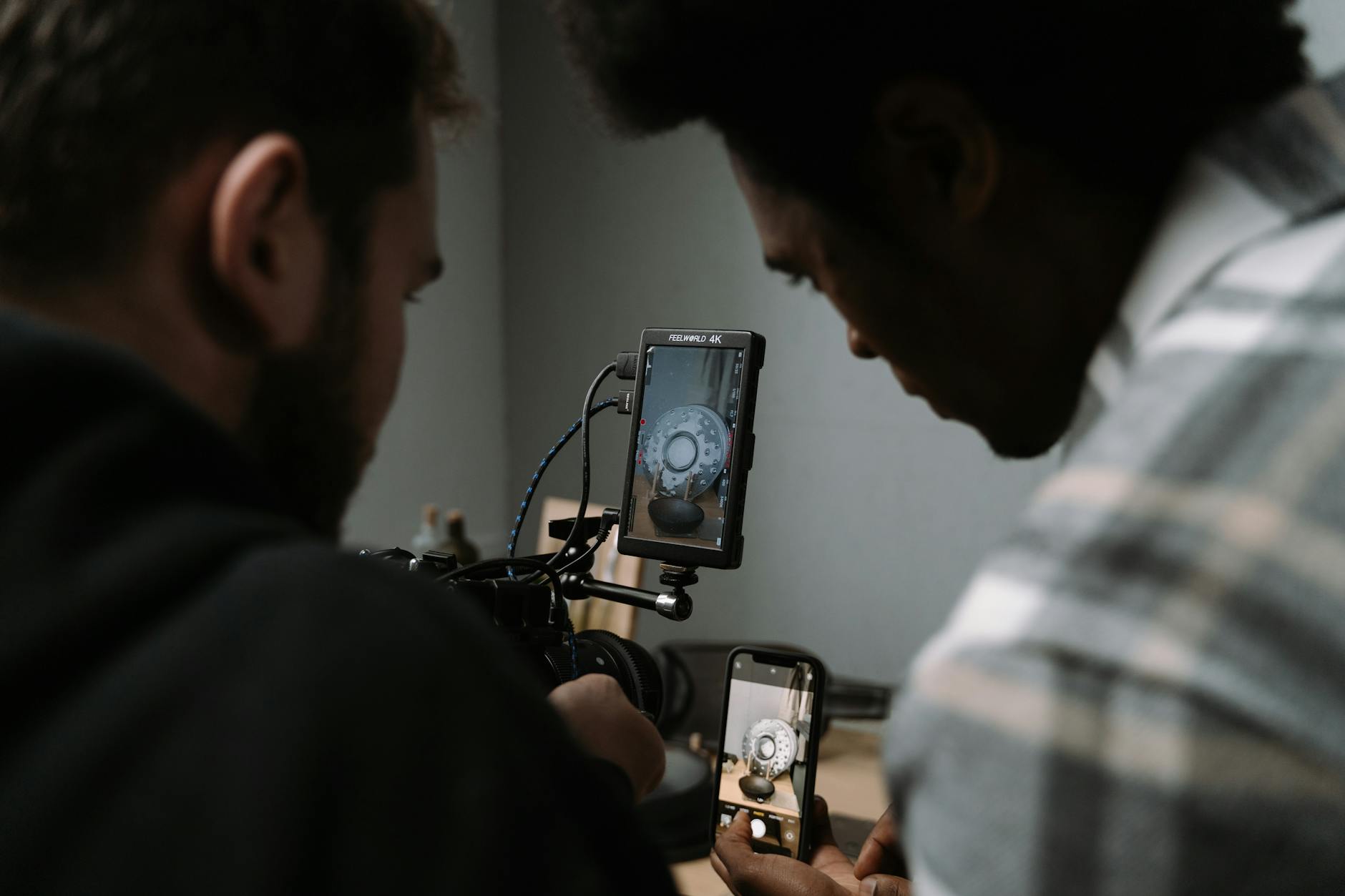
In addition to surface-level camera gear, professional real estate photographers employ advanced techniques like strategic composition, ensuring each shot aligns with the viewer’s eye movement, highlighting focal points of the property. Vertical lines are carefully kept straight to maintain architectural integrity, avoiding distortion that could misrepresent the property’s actual dimensions. Exposure bracketing and high-dynamic-range imaging (HDR) enable capturing images with balanced lighting across different areas of the property, from bright windows to shadowed corners. Post-shoot calibration, including color correction and lens distortion correction, provides consistent and true-to-life images that accurately reflect the property’s features.
Post-Processing and Image Enhancement
Post-processing is integral in transforming raw images into polished marketing tools. Photographers employ advanced editing software to enhance color vibrancy, correct exposure, and remove imperfections such as minor blemishes or distractions. Proper white balance adjustments ensure interior colors appear natural and inviting. Cloning and healing tools help tidy up clutter or unwanted elements in the frame, creating a cleaner presentation. Overall, a streamlined editing workflow preserves the authenticity of the images while elevating their visual appeal.
Digital enhancements should serve to showcase the property accurately without misrepresenting its true appearance. Subtle adjustments to contrast and sharpness can add depth, making the images more engaging. When used appropriately, virtual staging and lighting adjustments can help buyers visualize potential without altering the genuine essence of the space. The goal is to produce images that captivate viewers while maintaining credibility and trust in the marketing material.
Incorporating Virtual Tours and Aerial Shots
Innovative marketing strategies expand beyond static images. High-quality virtual tours enable clients to navigate through the property remotely, providing a comprehensive view of the layout and flow. These tours often integrate dolly or wheelchair-accessible camera paths to generate immersive experiences that foster emotional connection and spark buyer interest.
Aerial shots captured via drone technology offer a unique perspective that highlights the property’s surroundings, landscape features, and proximity to amenities. These images are especially impactful in Miami, where waterfront and large estate properties benefit from sweeping views and contextual visuals. Drone footage combined with traditional photography results in a compelling visual narrative that underscores the property’s appeal from multiple vantage points.
Key Elements of Effective Realtor Photography
Achieving standout realtor photography involves understanding and emphasizing several core elements that influence buyer perception. High-quality images should accurately showcase the space, highlighting architectural features, natural lighting, and the overall ambiance of the property. Composition is vital; framing each shot to direct the viewer’s eye toward the property's most attractive aspects can make a significant difference. Depth of field, perspective, and strategic use of lighting all contribute to images that feel inviting and professional.
When capturing scenes, attention to detail—for instance, ensuring countertops are clear, beds are neatly made, and clutter is minimal—creates a more appealing visual narrative. Colors should be vibrant yet true to life, helping prospective buyers imagine themselves in the space. Incorporating different angles and perspectives can also communicate the property's layout more effectively, giving viewers a comprehensive understanding of the property's size and flow.
Lighting, both natural and artificial, plays a crucial role in quality realtor photography. Well-lit images, taken during optimal times of day to harness natural light, tend to feel more welcoming and authentic. Avoiding shadows and ensuring even illumination helps to present the property in the best possible light. Post-processing can further refine images, correcting color imbalances and enhancing clarity without misrepresenting the property’s true appearance.
Incorporate staging techniques to prepare spaces before a photo shoot, such as decluttering, rearranging furniture for optimal flow, and adding accents that highlight the property’s features. These small, strategic adjustments can turn a good photograph into a compelling visual story that resonates with viewers.
Importance of Professional Realtor Photography
Professional realtor photography significantly impacts how a property is perceived online and in marketing materials. Accurate, high-resolution images attract more interest, encourage longer viewing times, and increase the likelihood of scheduling showings. Markets with a high volume of listings rely on compelling visual content to differentiate their properties, making the quality of photos a critical component in the sales process.
Moreover, well-executed professional images help to establish credibility and build trust with potential buyers. When viewers see clear, detailed photos, they gain confidence in the property and the professionalism of the listing agent. This builds a sense of transparency and increases engagement throughout the buying journey.
Choosing the Right Photography Style for Miami Properties
Miami's diverse real estate market benefits from a tailored photography approach that captures each property's unique character. For waterfront estates, expansive panoramic shots and aerial drone images convey the grandeur and scenic surroundings. Modern urban condos may benefit from sleek, minimalist styles emphasizing clean lines and trendy interiors.
Luxury properties often require staged, high-end images that highlight features like custom finishes, outdoor living spaces, and panoramic views. Incorporating a variety of images—including interior shots, exterior views, and aerial perspectives—can create a cohesive visual story that appeals to high-net-worth individuals.
Ultimately, selecting a photography style that aligns with the property type and target demographic enhances marketing effectiveness, capturing the attention of prospective buyers both locally and internationally.
Key Elements of Effective Realtor Photography
Creating compelling realtor photography requires more than just a camera and a steady hand. It involves carefully orchestrated elements that work together to showcase the property’s best features and evoke an emotional response from potential buyers. The primary goal is to produce images that not only appear visually appealing but also accurately represent the space, size, and ambiance of the property. Essential aspects include proper lighting, strategic composition, and attention to detail. Lighting plays a crucial role; utilizing natural light enhances the authenticity and warmth of the space, while supplementary artificial lighting can eliminate shadows and highlight key features. Composition must guide the viewer’s eye seamlessly through the scene, emphasizing the property’s main selling points. Attention to detail encompasses decluttering, arranging furniture, and ensuring all elements within the shot are clean and well-maintained. These elements work synergistically to craft images that leave a lasting impression and inspire action.
Understanding Lighting Techniques
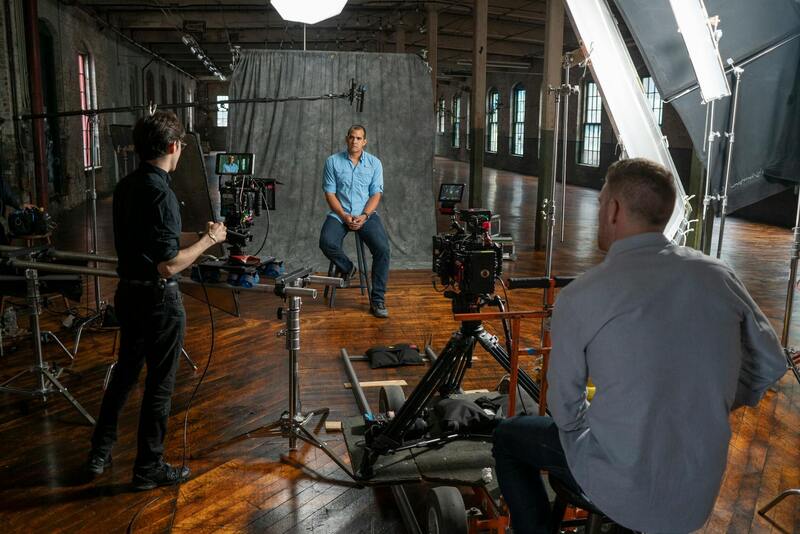
Effective realtor photography hinges on mastering lighting techniques. Natural light should be utilized whenever possible, with photos taken during the day when sunlight can pour in and illuminate the interior. The direction of the light influences mood; soft, evenly distributed sunlight reduces harsh shadows and enhances color fidelity. In spaces with limited natural light, professional photographers often employ specialized lighting equipment such as softboxes and diffusers to mimic daylight and produce a consistent, inviting glow. Exterior shots benefit from capturing the property during the golden hours—shortly after sunrise or before sunset—when the warm tones add vibrancy. Proper lighting not only reveals the true colors and textures of surfaces but also enhances the overall aesthetic quality, helping the property appear spacious, clean, and welcoming.
Composition and Framing Strategies
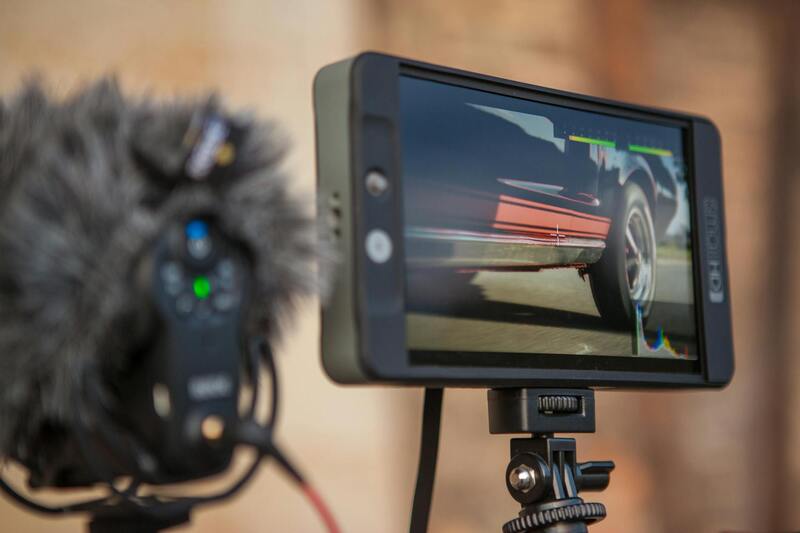
Composition is the backbone of compelling realtor photography. A well-composed shot directs the viewer’s attention to the property’s focal points, such as a stunning fireplace, panoramic views, or unique architectural details. The rule of thirds, where the subject is positioned along the grid lines, is a common guideline that creates balanced and engaging images. Wide-angle lenses are particularly effective for interior shots, allowing photographers to capture the full scope of a space without distortion. Proper framing involves eliminating distractions in the background, ensuring that furniture and decor enhance the overall appeal without cluttering the scene. Including a variety of perspectives — such as eye-level, elevated, and close-up shots — offers a comprehensive visual narrative of the property. Meticulous attention to composition not only boosts the visual appeal but also facilitates better online engagement and property interest.

Maintaining Visual Consistency and Authenticity
Consistency in visual presentation is essential for building a trustworthy and recognizable real estate brand. Using a standardized editing style ensures that photos have uniform color tones, brightness, and clarity across listings. While enhancement techniques can elevate the images, it is vital to maintain authenticity, portraying the property as it truly exists. Over-editing or exaggerating features can lead to disappointment during viewings and diminish credibility. Photographers often employ color correction, contrast balancing, and subtle retouching to produce polished images that highlight the property's best characteristics without veering into overstatement. This balance between enhancement and realism reassures prospective buyers about what to expect, fostering trust and encouraging further engagement with the listing.
The Role of Professional Equipment and Techniques
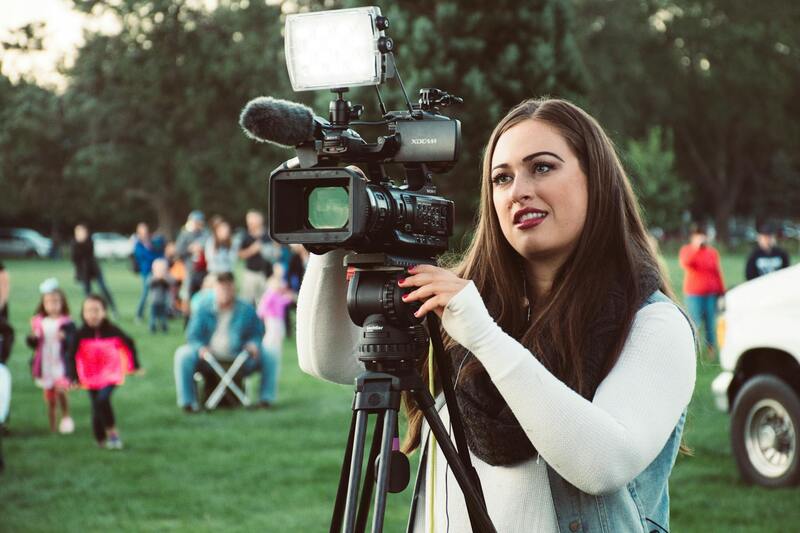
Investing in high-quality professional photography equipment is fundamental to capturing stunning images that effectively showcase Miami properties. Advanced camera systems with high-resolution sensors ensure crisp detail and vibrant color reproduction, which are essential for highlighting both interior and exterior features. Wide-angle lenses are particularly valuable in real estate photography, as they allow photographers to capture expansive spaces in a single shot, creating a sense of openness that appeals to prospective buyers. Additionally, using tilt-shift lenses can help correct perspective distortions, maintaining straight lines in architectural shots and making spaces appear true to life.
Lighting is another critical component, and professional photographers utilize a variety of techniques to ensure each shot is well-lit. Natural lighting is preferred to emphasize authenticity, but supplemental lighting such as strobes or softboxes are used strategically to eliminate shadows and illuminate darker areas of a property. When shooting during different times of the day, expert photographers optimize sunlight to achieve the ideal ambiance and color temperature.

Post-Processing and Image Enhancement
Post-processing is a vital stage in producing polished, attractive real estate photos. Professional editing techniques enhance the original images without compromising authenticity. Color correction ensures that the hues in interior spaces and outdoor scenes accurately reflect real-life conditions, making listings more appealing and trustworthy. Adjustments to brightness, contrast, and sharpness serve to highlight key features and create a balanced visual presentation.
Retouching can effectively remove minor imperfections such as distracting reflections, dust spots, or blemishes that may detract from the property's appeal. When appropriate, HDR (High Dynamic Range) processing can be employed to balance exposure between bright and shadowed areas, revealing details that might otherwise be lost. This technique is especially useful in rooms with large windows where lighting contrasts are pronounced.
It’s essential to strike a balance between enhancement and authenticity. Overediting can distort the true appearance of the property, leading to mismatched expectations during viewings. Effective post-processing emphasizes the property's strengths while maintaining a realistic portrayal, fostering trust with potential buyers. Consistency in editing style across all listing images promotes brand recognition and strengthens a professional real estate marketing strategy.
Effective Techniques for Enhancing Realtor Photos in Miami
Once the initial images are captured with professional equipment and in optimal staging conditions, the process of post-processing begins. This phase is crucial for refining photographs to truly highlight the property's best features while maintaining an authentic representation. The goal is to create images that captivate potential buyers and generate genuine interest, ultimately fostering quicker and more successful sales.
One of the primary focuses during post-processing is color correction. This ensures that the colors in interior and exterior shots accurately reflect real-life conditions, avoiding overly saturated or dull appearances. Proper color balance makes spaces appear inviting and true to their actual look, which builds trust with viewers and prevents any dissonance during actual property visits.
Adjustments to brightness, contrast, and sharpness are also essential. Brightening dimly lit areas reveals details that might be hidden, while controlled contrast emphasizes architectural features such as moldings, textures, or landscape elements. Enhancing sharpness helps to define edges and fine details, making images clearer and more professional.
Retouching minor imperfections is a common practice to elevate image quality. Small blemishes, dust spots, reflections, or distracting items can be discreetly removed or minimized, ensuring the focus remains solely on the property's appeal. When used judiciously, these edits contribute to a polished look without compromising the authenticity of the image.
HDR (High Dynamic Range) processing is also employed to balance exposure in high-contrast scenes, especially in spaces with large windows where light and shadows compete. This technique ensures that neither overly bright nor shadowed areas obscure important details, providing a well-rounded, attractive image.
Maintaining consistency across all images in a listing or portfolio is fundamental. Standardized editing styles and color grading reinforce branding and demonstrate professionalism. When done correctly, post-processing transforms raw images into compelling visuals that resonate with prospective buyers, making property listings stand out in a competitive Miami real estate market.
Each photo should be a faithful yet optimized representation of the property, capturing its unique character while appealing to the visual preferences of potential buyers. This balanced approach between enhancement and authenticity is crucial for fostering trust and encouraging viewings, ultimately leading to successful transactions.
Post-Processing and Photo Editing Techniques
Effective realtor photography extends beyond capturing the initial shot; it involves meticulous post-processing to ensure each image accurately represents the property's features while enhancing visual appeal. High-quality editing can correct minor distortions, adjust lighting, and refine color balance to produce images that are both captivating and faithful to reality.
Adjusting brightness and contrast is fundamental to achieving balanced images that convey the true ambiance of a space. Overexposed photographs often obscure details, especially in areas with contrasting light sources, such as large windows or open kitchens. Properly calibrated adjustments help reveal textures, color nuances, and architectural elements that might otherwise be overlooked.
Color correction plays a vital role in maintaining consistency across a property’s visual presentation. Accurate color grading ensures that whites appear white without undue warmth or coolness, allowing prospective buyers to envision how furniture and decor will look in person. Maintaining the natural hues of walls, flooring, and outdoor elements is essential for building trust and authenticity.
Retouching can also address minor imperfections that, if left uncorrected, could distract viewers. For example, removing reflections on windows, discreetly retouching small blemishes, or eliminating distracting objects ensures the focus remains on the home’s most appealing features. This process is performed carefully to avoid over-editing, which can undermine the authenticity of the images.
HDR (High Dynamic Range) imaging techniques are frequently used to manage scenes with significant contrast. By blending multiple exposures, HDR brings out details in shadowed areas while preventing highlights from becoming washed out. This results in comprehensive visuals that accurately portray both interior and exterior spaces, especially in Miami homes with abundant natural light.

Consistency in editing style not only enhances individual images but also creates a cohesive visual narrative across entire listings. Standardized color grading and stylistic preferences reinforce branding efforts and help real estate agents establish a professional reputation. When images are unified in tone and quality, they command greater attention and foster trust with potential buyers.
Ultimately, the goal of professional post-processing is to produce images that are both visually stunning and true to the property’s essence. This balance of enhancement and authenticity helps prospective buyers form accurate impressions, leading to increased engagement and quicker sales. The meticulous approach to editing underscores the importance of high-caliber realtor photography in Miami’s competitive real estate landscape.
Post-Processing and Image Enhancement
In the realm of professional realtor photography, post-processing and image enhancement are pivotal steps in delivering visually compelling property images. After capturing the initial shots, professional photographers utilize advanced editing techniques to optimize each photograph while maintaining the authenticity of the property. This careful editing process ensures that the images reflect the true essence of the home, appealing to prospective buyers without misleading them.

One of the fundamental techniques used in post-processing is color correction. This process adjusts the color balance to ensure that the hues are accurate and vibrant, portraying the property in natural and appealing tones. Proper color correction enhances the visual impact of both interior and exterior shots, making spaces appear brighter, more inviting, and true to life.
Another widely employed method is contrast adjustment, which emphasizes the richness of textures and details. Proper contrast helps distinguish different elements within a scene, creating depth and dimension in the images. When combined with sharpening techniques, these adjustments result in crisp, clear visuals that highlight the property's best features.
HDR (High Dynamic Range) imaging, often used in realtor photography, involves blending multiple exposures to create images with a wide range of tonal detail. This technique is especially beneficial in Miami homes where natural light plays a significant role. HDR brings out details in shadowed areas, such as interior corners or shaded outdoor spaces, while control of bright highlights ensures the overall image remains balanced and true to real-life lighting conditions.
Selective editing also plays a crucial role. For instance, removing minor distractions like clutter or imperfections helps focus attention on the property’s primary features. This process must be performed delicately to avoid overly retouched images that could distort the viewer’s perceptions.
Consistency in editing style across all photos on a listing enhances visual cohesion, which is key in creating a professional and trustworthy presentation. Standardizing color grading and stylistic elements lends a unified look that aligns with branding efforts, thereby reinforcing the reputation of the realtor or agency.
Ultimately, the goal of post-processing in professional realtor photography is to craft images that are both striking and faithful to the actual property. This careful balance fosters trust with prospective buyers and scales engagement, ultimately speeding up the sales process. High-quality editing ensures that each image not only captures attention but also accurately communicates the property's true allure.
Post-Processing and Image Enhancement
Following the capture of high-quality property images, the next vital step is post-processing, which involves refining photographs to highlight the property’s best features while maintaining authenticity. This process is essential for ensuring that images resonate well with prospective buyers and effectively showcase the property's potential. Professional realtor photography relies heavily on advanced editing techniques to enhance visual appeal without overdoing it, preserving the true character of the space.
One of the foundational elements in post-processing is color correction and grading. Adjustments made here ensure that the photos accurately represent the property's color palette, from the hue of the walls to the vibrancy of outdoor landscaping. Proper color management enhances the overall visual harmony and consistency across all images in a listing, which helps in building a professional and cohesive presentation.
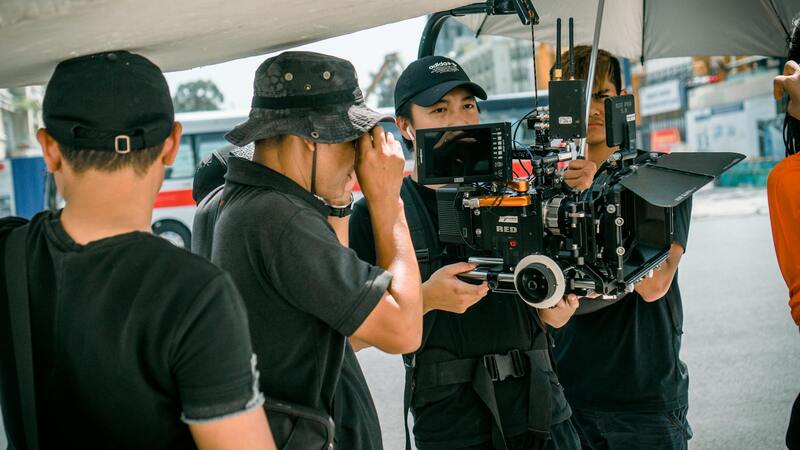
Exposure correction and tonal adjustments are equally important. They help balance the light in images, reducing overly bright or dark areas that could distract or mislead viewers. Techniques like dodging and burning can be subtly applied to emphasize architectural details or create a sense of depth, making interior spaces more inviting.
Another critical element is retouching minor imperfections. Removing clutter, smudges, or small flaws ensures that the focus remains on the property’s primary features. However, it’s crucial that this retouching maintains the image's authenticity, so potential buyers get an accurate representation of the space.
Furthermore, consistency across all images enhances a listing’s professional appearance. When images share a uniform editing style—whether in color tone, contrast, or saturation—it creates a seamless visual narrative, which increases buyer confidence. Advanced techniques like HDR (High Dynamic Range) processing are often employed to ensure that no detail in shadows or highlights is lost, especially in properties with challenging lighting conditions.
Finally, effective post-processing should aim to make the images compelling and true to life, fostering trust and encouraging viewers to engage more deeply with the listing. Precise editing enhances the property’s appeal, driving quicker sales and attracting more potential buyers.
Post-Processing and Image Enhancement
Once high-quality images are captured using professional equipment, the next critical phase involves post-processing and image enhancement. These processes are essential to ensure that the final visuals not only capture the property's true essence but also present it in a compelling and visually appealing manner. Proper editing can highlight architectural details, correct any lighting inconsistencies, and reduce minor imperfections, all while preserving the authenticity of the space.
In the realm of realtor photography, post-processing begins with color correction and tonal adjustments. Balancing brightness, contrast, saturation, and white balance is fundamental to creating images that are vibrant yet natural. Overexposed or underexposed images can diminish a property's appeal, making the editing process vital to rectify these issues. Advanced techniques like High Dynamic Range (HDR) processing are employed to merge multiple exposures, ensuring that both shadows and highlights are well-defined, especially in scenes with complex lighting conditions.
Retouching small imperfections, such as clutter, smudges, or minor flaws, is also an integral part of image enhancement. This step ensures the focus remains on the property's key features without distracting visual noise. However, it is equally important to maintain the authenticity of the images; excessive retouching that alters the real appearance of the space can lead to a disconnect between online visuals and actual showings.
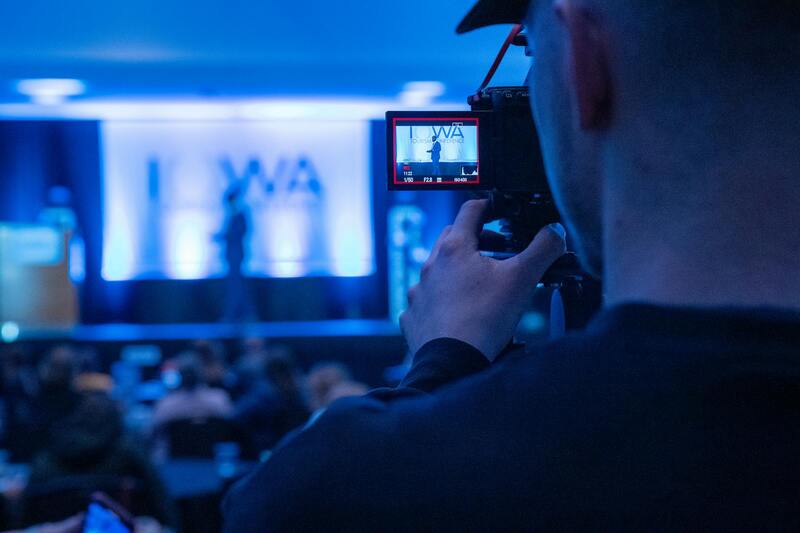
Consistency in editing style across a property’s image gallery contributes significantly to a polished and professional listing. When all images have a uniform color tone, contrast level, and saturation, viewers experience a seamless visual flow that boosts confidence in the listing. This uniformity also facilitates a cohesive storytelling approach, allowing potential buyers to envision themselves in the space more effectively.
Additionally, perspective correction and straightening of architectural lines help prevent distortions that can result from wide-angle lenses. This ensures that the property's features appear true to scale, reinforcing buyer trust. Techniques like vignetting or subtle sharpening can further enhance image quality, drawing attention to specific areas of interest.
Effective post-processing ultimately bridges the gap between raw capture and the enticing visuals that attract buyers. When executed skillfully, it can elevate a property's online presence, generate more interest, and facilitate quicker sales by highlighting its most attractive aspects with clarity and authenticity.
Post-Processing and Image Enhancement
Once the initial photograph has been captured, post-processing plays a pivotal role in elevating the visual appeal of realtor images. Skilled editing ensures the property's best features are highlighted while maintaining a natural, authentic appearance. Adjustments to brightness, contrast, and color saturation help create a vibrant yet realistic scene that captures the viewer’s attention.
Advanced techniques such as perspective correction are essential for rectifying distortion caused by wide-angle lenses, ensuring that architectural lines remain straight and true to scale. This correction prevents the visual misrepresentation of space, fostering accurate expectations for prospective buyers.
Subtle enhancements like sharpening specific areas or employing vignetting around the edges can guide the viewer’s eyes toward focal points within the images. These tactics subtly emphasize key features, such as a stunning kitchen or breathtaking view, without overwhelming the overall aesthetic.
Consistent editing styles apply across all images within a listing, creating a cohesive visual story. Uniform color tones and contrast levels enable a seamless flow that reinforces professionalism and attention to detail, ultimately increasing viewer engagement. Properly edited photographs can significantly influence the perception of a property's value, making it more attractive in a competitive market.
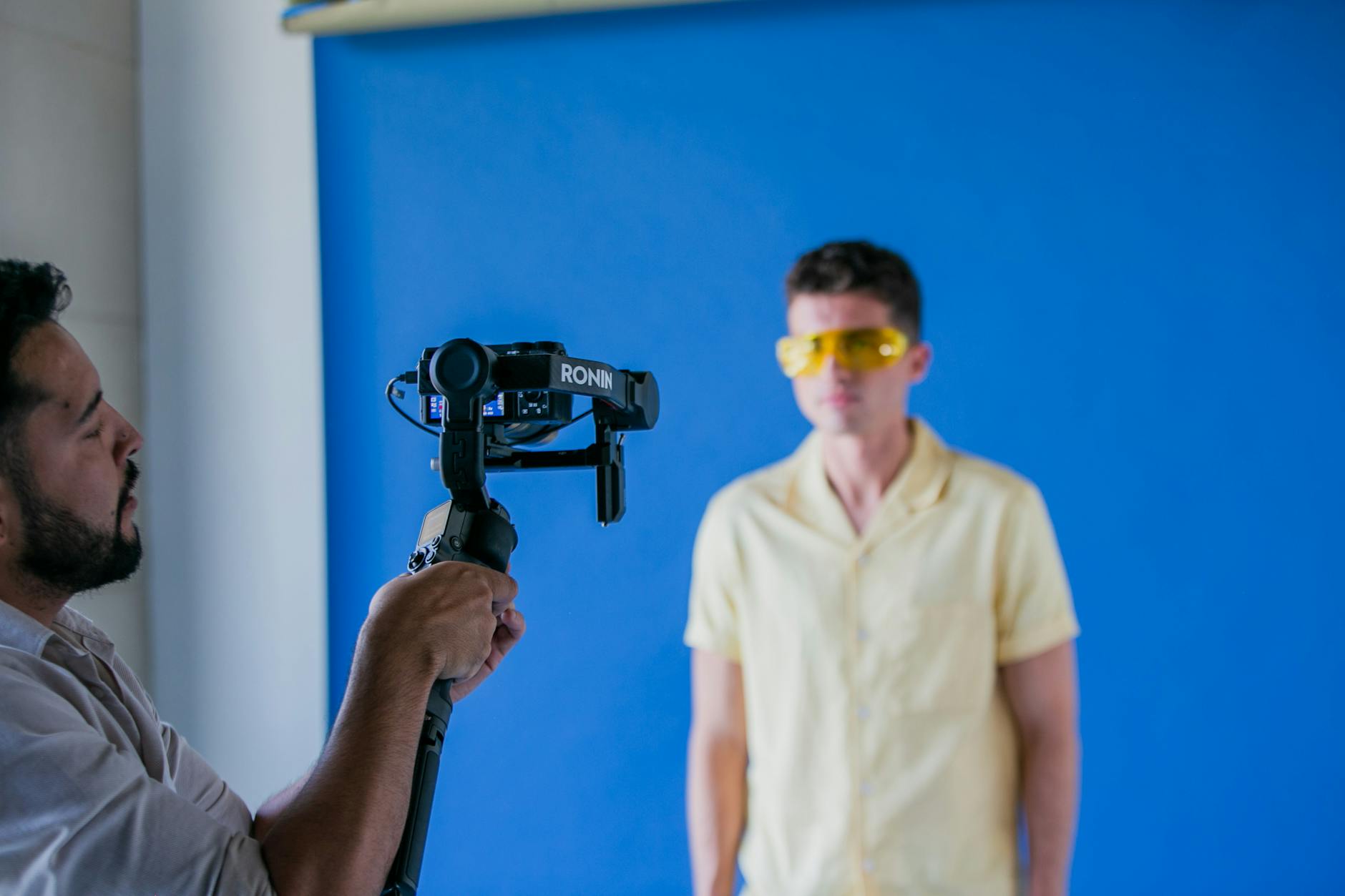
When leading real estate markets like Miami are involved, where visual impressions can directly influence buyer interest, investing in meticulous post-processing is a strategic decision. High-quality images solved for clarity and vibrancy serve as powerful marketing tools that can accelerate the sales process, bringing properties to the forefront of potential buyers' attention.
Electrical and Lighting Considerations in Realtor Photography
Optimized lighting is crucial to showcase a property's true potential. Professional real estate photography leverages natural light and supplemental lighting to enhance space brightness and ambiance. Properly balanced lighting not only highlights architectural features but also creates a welcoming atmosphere that appeals to prospective buyers.
Using high-quality lighting equipment, professionals can avoid common issues like harsh shadows, uneven illumination, and color distortions. Techniques such as diffusing light sources or employing reflectors ensure soft, even light that accurately depicts interior and exterior elements. When combined with strategic timing—like shooting during the golden hour—these methods bring out the best in each property.
Color Accuracy and White Balance
Accurate color representation is vital for authenticity in property images. Professional photographers meticulously set white balance to ensure that colors appear natural and true to life. This precise calibration prevents misleading hues that might otherwise misrepresent materials, paint colors, or furnishings, thereby fostering transparency and trust with potential buyers.
Environmental Control and Post-Processing
Controlling environmental factors during the shoot, such as minimizing reflections, managing window glare, and reducing clutter, contributes to the clarity and professionalism of images. Post-processing further refines these photos by correcting exposure, enhancing contrast, and sharpening details, ensuring that each image aligns with the property's best features.
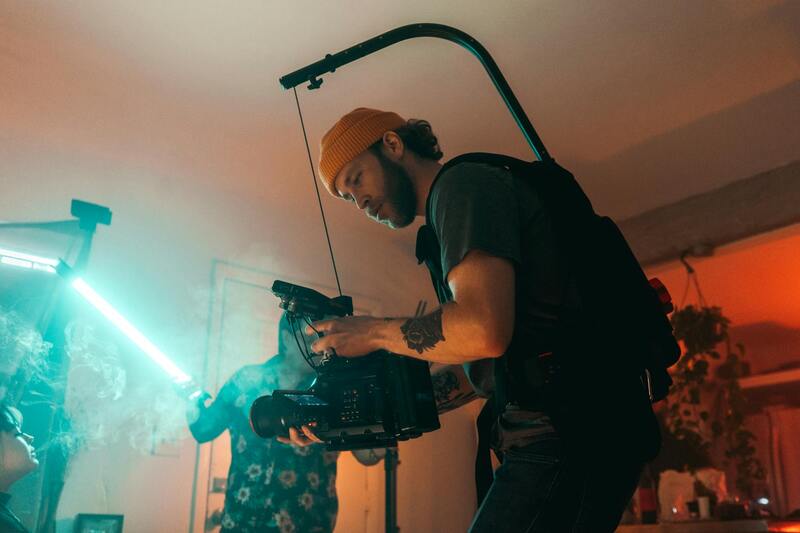
Advancements in lighting and image editing enable real estate professionals to produce visuals that stand out in competitive markets. High-caliber photography that accurately portrays space, texture, and color fosters emotional connection and stimulates interest among potential buyers.
Overall Impact on Marketing and Sales
By integrating meticulous lighting techniques and post-processing strategies, realtor photography effectively communicates the property's value, diminishes misunderstandings, and accelerates the sales process. Professionally lit and color-balanced images serve as a compelling visual narrative, shaping positive first impressions and reinforcing perceived value among target audiences.