
Importance of HD Photography in Real Estate Marketing
In the competitive Miami real estate market, the quality of property images can significantly influence a potential buyer's decision. High-definition (HD) photography has become an essential tool for real estate professionals seeking to showcase properties in the best light. Crisp, detailed images capture the unique features of each property, allowing online viewers to appreciate the intricacies of the space without visiting in person. The vibrant visuals created through HD photography help listings stand out on digital platforms, drawing more attention and increasing the likelihood of inquiries. Additionally, HD images foster greater engagement by providing a virtual experience that feels both authentic and inviting, effectively translating the property's appeal through a screen. For Miami's diverse and luxury-heavy real estate scene, the impact of visually striking, high-resolution images cannot be overstated, as they set the tone for the property's perceived value and desirability.
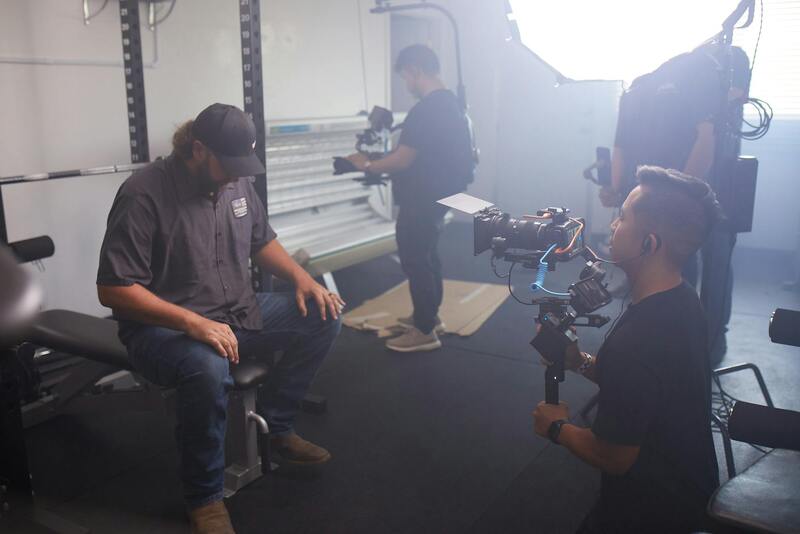
In essence, quality visuals are a cornerstone of effective real estate marketing in Miami. They facilitate faster sales, higher offers, and a broader reach, ultimately ensuring that properties are showcased to their fullest potential. As buyers increasingly rely on online listings, professional HD images serve as the first impression that can make or break an offer. Well-crafted visual content also enhances the credibility and professionalism of the listing, reflecting positively on the real estate agent or agency involved. Consequently, investing in high-definition property photos is no longer optional but a vital aspect of modern property marketing strategies that aim to maximize visibility and accelerate sales cycles.
Benefits of Professional Real Estate Photography
Utilizing skilled photographers to capture real estate images offers numerous advantages. Expert photographers understand how to optimize lighting, angles, and composition to showcase a property's best features. Their technical proficiency ensures that each photo maintains clarity and vividness, even in challenging lighting conditions often found in Miami's sunny, dynamic environments. Moreover, professional photographers have access to advanced equipment that surpasses the capabilities of typical smartphone cameras, producing images with superior resolution and depth.
- Enhanced Visual Appeal: Professionally shot HD images present properties in an engaging manner that attracts more viewers.
- Faster Sales: Listings with high-quality photos tend to receive more inquiries and generate quicker market responses.
- Higher Market Value: Well-presented properties are often capable of commanding higher asking prices.
- Consistency Across Listings: Professional photography maintains a high standard that reinforces brand credibility and trustworthiness.
Investing in professional real estate photography can dramatically improve the overall marketing effectiveness, making it a strategic necessity for Miami property listings seeking to maximize their exposure and appeal.
Key Elements of Effective Real Estate HD Pictures
Creating impactful real estate images involves more than just high resolution. The key elements include optimal lighting, strategic composition, and the presentation of space to highlight its best features. Proper lighting, both natural and artificial, ensures that rooms appear bright and inviting, avoiding shadows or overexposed areas. Composition techniques such as the use of leading lines and framing guide viewers' eyes to focal points, emphasizing the property's strengths. Attention to staging and tidiness also plays a crucial role, as clutter-free and well-organized spaces increase visual appeal. Additionally, capturing multiple angles helps provide a comprehensive view of each room, enabling potential buyers to gain a clear understanding of the property's layout and size.

Technologies and Equipment for Shooting HD Real Estate Photos
Utilizing the latest technologies can significantly elevate the quality of real estate photographs. Modern DSLR and mirrorless cameras equipped with wide-angle lenses are standard tools for capturing expansive views of interior and exterior spaces. Tripods and stabilization equipment ensure sharpness, while drones provide aerial perspectives that highlight property surroundings and landscape features. Advanced HDR (High Dynamic Range) techniques enable photographers to balance exposure levels, capturing details in both bright and shadowed areas within a single image. Additionally, panoramic rigs and 3D imaging tools can create immersive virtual tours, further enhancing online listings. By leveraging cutting-edge technology, Miami real estate professionals can deliver images that truly represent the property's essence in crisp detail and vibrant color.
Key Elements of Effective Real Estate HD Pictures
Creating impactful high-definition images for real estate involves attention to several critical elements that collectively enhance visual appeal and buyer engagement. These include composition, lighting, perspective, and staging, all meticulously crafted to highlight the property's best features and evoke an emotional connection with viewers.
Composition and Framing
Effective composition begins with thoughtful framing, ensuring that each shot directs the viewer's eye through the space naturally. Utilizing the rule of thirds positioning can emphasize focal points such as a stylish fireplace, a panoramic window, or a unique architectural detail. Symmetry and balance within images aid in portraying a harmonious environment, while avoiding clutter ensures the space appears inviting and spacious.
Lighting Techniques
Proper lighting is paramount in HD real estate photography. Natural light, often preferred, enhances the true color and atmosphere of each room. Photographers schedule shoots during daylight hours to maximize sunlight infiltration. For interior shots, supplemental lighting—such as softboxes or LED panels—can fill shadows and create even illumination. The goal is to produce bright, vibrant images that accurately represent the property's ambiance without overexposure or harsh shadows.
Perspective and Angles
Capturing multiple angles from strategic vantage points offers prospective buyers a comprehensive view of the property. Wide-angle lenses are essential in showcasing interior space, giving a sense of scale and openness. Overhead or elevated shots can effectively display outdoor areas and property landscaping. Carefully chosen perspectives help communicate layout flow and spatial relationships, fostering a clearer understanding of the property's configuration.
Staging for Visual Impact
Well-staged spaces are a cornerstone of effective HD photography. Minimalist decor, neutral tones, and clutter-free rooms allow viewers to focus on the property's architectural and design features. Strategic placement of furniture and decor accents can accentuate room dimensions and create a welcoming atmosphere. The goal is to evoke a lifestyle that appeals to potential buyers and inspires them to envision living there.
Consistency and Image Cohesion
For a cohesive online listing, consistency across all images is vital. This entails maintaining uniform color grading, perspective, and lighting standards throughout the photo set. Such uniformity creates a professional, polished appearance that reinforces the property’s desirability and helps to establish trust with potential buyers.
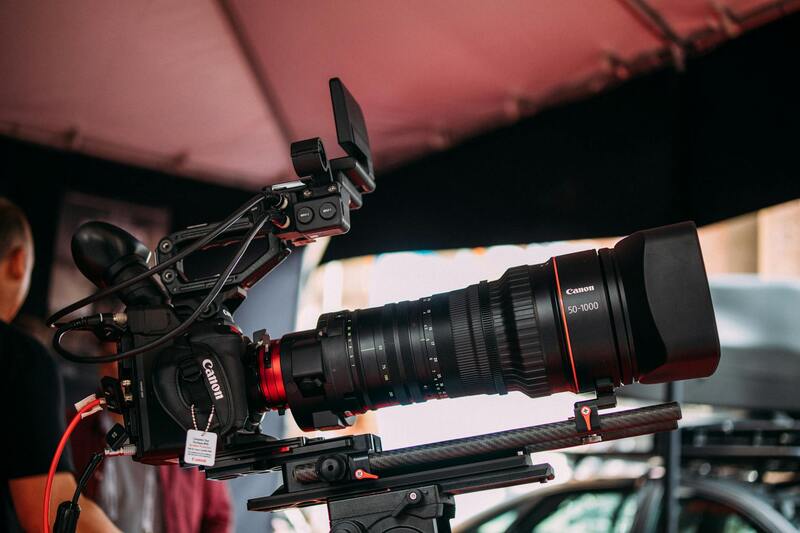
Integrating these core elements into the photography process ensures that each image maximizes visual impact. This not only attracts more prospective buyers but also effectively communicates the unique qualities of the property, ultimately accelerating the sale process and enhancing market competitiveness.
Key Elements of Effective Real Estate HD Pictures
High-quality real estate photography relies on several critical elements to produce images that captivate potential buyers and accurately showcase the property. These components include precise lighting, strategic staging, innovative camera angles, and meticulous post-processing. Mastering these aspects ensures that each photograph highlights the property's best features and conveys a compelling visual story.
Lighting
Effective lighting is fundamental for creating vibrant, welcoming images. Natural light is often preferred, as it lends authenticity and warmth to interior spaces. Photographers typically shoot during the day when sunlight fills rooms, utilizing wide apertures to maximize brightness while avoiding overexposure. Artificial lighting can supplement natural light, especially in regions like Miami where sunlight is abundant but may be obstructed by clouds or architectural features. Proper exposure settings and balancing color temperature are key to producing images that look true to life.
Staging
Staging involves arranging furniture and decor to enhance the property's visual appeal while allowing viewers to imagine themselves living there. Minimalistic decoration with neutral tones helps emphasize architectural features without distraction. Attention to detail, such as placing accent pillows or adding fresh flowers, enhances ambiance and creates an inviting atmosphere. Carefully staged spaces guide the viewer's eye through the environment, highlighting flow and functionality.
Camera Angles and Composition
The choice of angles greatly influences how spacious and attractive a property appears. Wide-angle lenses are commonly used to capture more expansive views of rooms, making spaces look larger. Optimal compositions involve positioning the camera at eye level and utilizing the rule of thirds to balance elements within the frame. Elevating shots or aerial perspectives (when applicable) can showcase outdoor areas and the overall property layout more effectively.

Post-Processing
Post-processing is essential for refining images and ensuring they accurately represent the property. This includes adjusting brightness, contrast, and color saturation to enhance visual impact. Image retouching can remove minor imperfections, such as reflections or distracting elements, while maintaining authenticity. Advanced editing techniques, like perspective correction, help achieve straight lines and balanced compositions, which contribute to a professional appearance.
In the competitive Miami real estate market, the quality of visual content directly influences property visibility and buyer interest. By focusing on these key elements—lighting, staging, angles, and editing—agents and property owners can maximize the effectiveness of their listings. High-quality HD images serve as a vital tool for attracting qualified buyers, accelerating sales, and increasing market value.
Technologies and Equipment for Shooting HD Real Estate Photos
Capturing high-definition (HD) images of real estate properties requires a combination of advanced technologies and specialized equipment. The foundation of professional-quality photos begins with high-resolution digital cameras capable of capturing detailed images with minimal noise and optimal color accuracy. Full-frame DSLR and mirrorless cameras are preferred due to their superior image sensors, which perform well across various lighting conditions commonly encountered in property interiors and exteriors.
Utilizing the right lenses is paramount to achieving captivating HD photos. Wide-angle lenses, typically between 14mm and 24mm, allow photographers to include more of a room within the frame, creating a sense of spaciousness. Tilt-shift lenses are also employed to correct perspective distortions, particularly when photographing exteriors or tall interior spaces, ensuring that vertical lines remain straight and the image looks true to life.
In addition to static cameras, drones have become essential for capturing aerial views of properties, especially for large estates or properties with scenic outdoor spaces. Equipped with high-quality cameras, drones provide stunning overhead shots that highlight property layouts, landscaping, and proximity to local amenities.
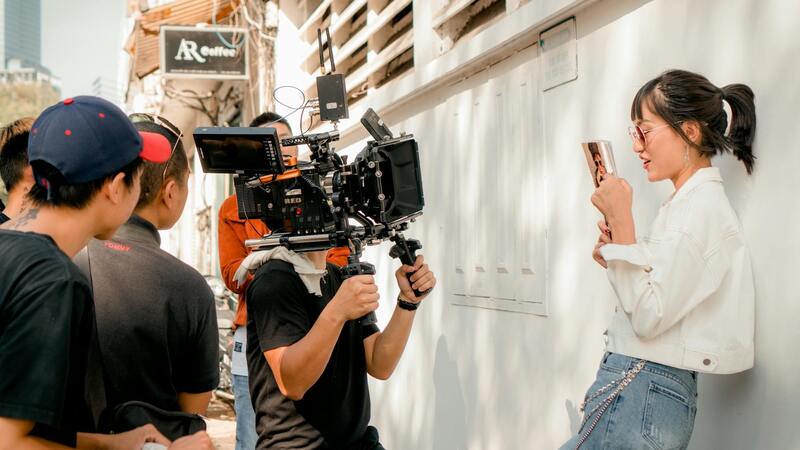
Lighting equipment also plays a crucial role in real estate photography. External flashes, softboxes, and LED panels help ensure well-lit spaces, eliminating shadows and highlighting architectural features. Proper lighting setup is especially vital for interior shots, which often lack sufficient natural light. Photographers may also utilize reflectors to bounce light into darker areas, resulting in evenly illuminated images that attract potential buyers.
Additionally, image stabilization accessories, such as gimbals for drones and tripods for cameras, contribute to sharp, clear images by reducing motion blur. Advanced editing software further enhances captured images, allowing for precise color correction, noise reduction, and perspective adjustments, ensuring that every photo accurately represents the property’s true appearance.
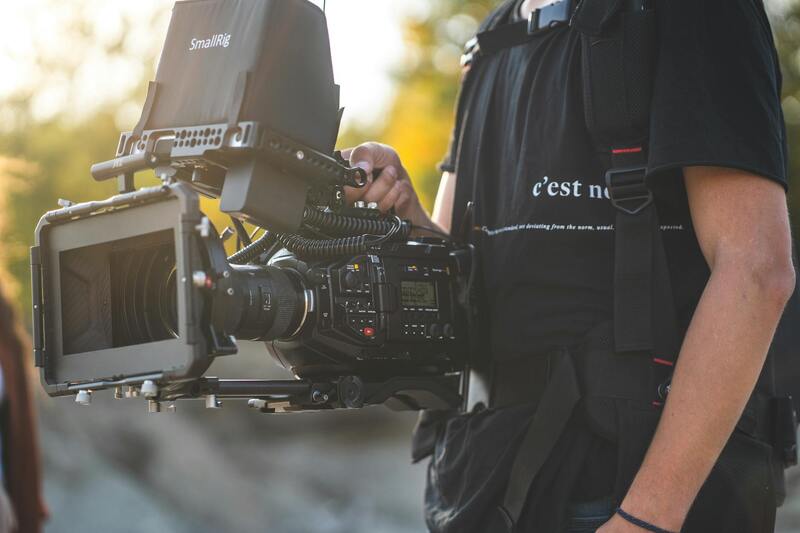
Investing in high-quality equipment and leveraging the latest technology ensures that real estate professionals can produce HD images that stand out in the competitive Miami market. High-resolution visuals not only improve online listing performance but also build greater trust with prospective clients who value integrity and authenticity in property presentation.
Key Elements of Effective Real Estate HD Pictures
Achieving impactful high-definition images for real estate hinges on several critical components that collectively enhance a property's visual appeal and marketability. These elements ensure that each photograph not only captures the physical attributes of a property but also resonates with potential buyers, encouraging engagement and interest.
- Optimal Lighting: Natural light is ideal, especially during the golden hours, to bring warmth and vibrancy to images. When natural light is insufficient, professional lighting equipment is utilized to illuminate interior spaces evenly, emphasizing architectural details and spatial features without creating harsh shadows or overexposure.
- Perspective and Composition: Employing the right camera angles and framing techniques helps showcase the property's best features. Wide-angle lenses are commonly used to depict spaciousness accurately while maintaining a natural appearance. Proper composition directs the viewer's eye through the space, highlighting key areas such as kitchens, living rooms, and outdoor spaces.
- Image Sharpness and Focus: Ensuring that all elements within the frame are in sharp focus boosts the professionalism of the photos. Techniques involving image stabilization, precise focusing, and tripod use are instrumental in capturing crisp, clear images, especially in low-light conditions or when shooting at slower shutter speeds.
- Color Accuracy and Richness: Accurate color representation is crucial for authentic property presentation. Post-processing adjustments, including white balance correction and brightness enhancements, ensure that colors remain true to life, making the property more appealing and trustworthy.
- Highlighting Architectural Details: Effective HD real estate photography captures unique architectural features, such as intricate moldings, high ceilings, or custom finishes. Close-up shots and varied angles help emphasize these elements, adding depth and character to the listing.
- Utilization of Drone Photography: Overhead shots taken from drones provide expansive views of properties, landscaping, and surrounding areas. These images are vital for showcasing large estates, commercial properties, or properties with notable outdoor features, offering prospective buyers an immersive perspective.

Consistency in applying these elements across all images creates a cohesive, professional presentation. This not only attracts more interest but also establishes credibility and trustworthiness, which are essential in high-stakes real estate markets like Miami. By integrating high-quality visuals that authentically represent properties, real estate professionals can significantly enhance their marketing efforts, leading to increased inquiries and faster sales turnovers.
Role of Post-Processing and Image Optimization
Once the high-definition images are captured, the post-production stage becomes essential to ensure that each photograph accurately reflects the property’s true characteristics while enhancing visual appeal. Professional image editing involves meticulous adjustments such as color correction, brightness and contrast balancing, and removal of any distracting elements that could detract from the property's presentation.
Color correction is particularly vital in real estate photography, as it ensures that the hues of walls, furniture, and outdoor surroundings appear natural and inviting. White balance adjustments help maintain color consistency across all images, providing a seamless viewing experience for potential buyers. Moreover, subtle retouching can highlight architectural details, make spaces look more spacious, and eliminate minor imperfections like shadows or reflections that might distort the viewer’s perception.
Optimization of images for online display is equally important. High-resolution photos should be compressed using advanced algorithms that reduce file size without sacrificing quality, resulting in faster page loading times. For websites like miamieventvideopro.com, where the goal is to showcase properties swiftly and efficiently, optimized images contribute to enhanced user experience, encouraging visitors to engage more thoroughly with the property listings.

Ensuring that images load quickly despite their high resolution is crucial in competitive markets like Miami, where potential buyers often browse through numerous listings. Proper image tagging and metadata inclusion also play a role in improving search engine rankings, making the properties more discoverable to interested clients. Integrating these post-processing techniques guarantees that the visual assets maximize their potential, both visually and functionally, to generate more interest and higher market value for the properties shown.
Role of Post-Processing and Image Optimization in Real Estate Photography
After capturing stunning high-definition images of Miami properties, the next critical phase involves meticulous post-processing and image optimization. This step transforms raw photographs into compelling visual narratives that effectively attract prospective buyers and enhance online listings. Effective post-processing ensures that each image showcases the property's best features while maintaining a natural, authentic appearance.
Refining Images Through Post-Processing Techniques
- Color Correction: Adjusting white balance and saturation levels ensures that colors are accurate and vivid. Correct color representation is essential in conveying the true ambiance of a space, whether it's the warm tones of a sunlit living room or the crisp whites of modern cabinetry.
- Brightness and Contrast Adjustment: Proper calibration of brightness and contrast can highlight architectural details and improve overall image clarity. It helps in emphasizing textures, materials, and spatial dimensions.
- Perspective Correction: Correcting lens distortion and aligning vertical and horizontal lines ensures that buildings and rooms appear proportionate and true to life, preventing misleading impressions.
- Retouching Minor Imperfections: Subtle retouching can remove minor distractions such as shadows, reflections, or blemishes that might detract from the property's appeal. This process ensures a polished, professional look without compromising authenticity.
- Highlighting Architectural Features: Techniques such as dodging and burning can draw attention to unique design elements, making these features stand out in a competitive market.
Optimizing Images for Online Platforms
High-resolution images, while vital for showcasing property details, need to be optimized for quick loading times across various devices. Advanced compression algorithms allow for a balance between quality and file size, ensuring that images are crisp yet lightweight enough for swift web display. Faster load times boost user engagement by providing a seamless browsing experience, which is especially important on mobile devices prevalent among Miami’s diverse buyer demographic.
Furthermore, proper image tagging and inclusion of relevant metadata enhance search engine visibility, making listings easier to discover through organic searches. Descriptive filenames, alt text, and keywords relating to the property and location improve SEO performance, thereby expanding the reach to potential buyers actively searching for Miami real estate.

Consistency and Authenticity in Post-Processing
While enhancement techniques are essential, maintaining consistency across property images is equally important. A uniform style in tone, color grading, and editing helps create a cohesive visual story, reinforcing brand identity for the real estate agency or individual agent. Authenticity should always be preserved to avoid misleading viewers, ensuring that prospective buyers receive an accurate representation of the property's appearance.
By adhering to these best practices, Miami real estate professionals can leverage high-impact imagery that captivates viewers, builds trust, and ultimately accelerates the sales cycle. Proper post-processing and optimization are not mere technical steps but integral components that elevate the overall appeal and marketability of Miami properties in today's competitive landscape.
Impact of High-Definition Real Estate Photographs on Market Perception
High-definition (HD) real estate photos serve as a visual foundation that shapes the initial perception of a property. In a competitive market like Miami, where properties are often viewed by international buyers and investors, crisply captured images communicate value, luxury, and sophistication effectively. The clarity and detail provided by HD photography allow prospective buyers to appreciate every aspect of the property's architecture, interior design, and unique features without physically visiting the site. This transparency not only enhances trust but also reduces the likelihood of disappointment during physical viewings, streamlining the transaction process.

Moreover, HD images amplify the perceived property value by emphasizing high-end finishes, spacious layouts, and desirable views, which are characteristic of Miami’s upscale real estate market. When presented consistently across listing platforms, these images contribute to a professional look that elevates an agent’s or agency’s reputation, positioning them as leaders in the local real estate scene.
Influence on Online Visibility and Engagement
Modern real estate consumers increasingly rely on online listings and digital platforms to make initial decisions. Sharp, detailed images filled with vibrant colors and accurate lighting significantly improve the property’s online presence. Incorporating Super-High-Resolution (SHR) and 4K images provides enhanced zoom capabilities, allowing viewers to examine fine details without sacrificing quality. This invites more engagement, longer viewing times, and higher chances of inquiries or appointments.
Enhancing the Buyer’s Experience with Visual Storytelling
Strategic use of high-definition photography helps craft a compelling visual narrative of the property. By highlighting key features—such as modern kitchens, panoramic balconies, lush landscaping, or nearby waterfront views—agents can guide potential buyers through an immersive experience. This emotional connection is often what differentiates a listing amidst numerous others and can accelerate the decision-making process.
Best Practices for Utilizing HD Images in Real Estate Listings
- Consistent Style and Quality: Ensure uniformity in editing style, lighting balance, and color grading across all images for a cohesive presentation.
- Focus on Key Selling Points: Capture wide-angle shots of main living areas, exterior façades, and scenic views to immediately convey property appeal.
- Avoid Over-Editing: Maintain authenticity by ensuring images accurately reflect the property, avoiding excessive photo manipulation or misleading visual enhancements.
- Optimize Image Sizes: Use high-resolution images optimized for fast loading without sacrificing quality, improving user experience across devices.
- Professional Composition: Apply framing techniques that showcase space, symmetry, and lighting, making the property look inviting and spacious.
Utilizing Adequate Equipment and Technology
The foundation of compelling HD real estate photography lies in the right equipment. High-quality cameras with large sensors, wide-angle lenses, and advanced stability features enable capturing expansive, detailed images. Drone photography can also be integrated to showcase property exteriors, landscapes, and aerial views of Miami’s distinctive neighborhoods and waterfront properties.
In addition, lighting equipment such as diffusers, reflectors, and strobes can be employed to control natural and artificial light, ensuring vibrant and evenly lit images. Post-capture editing software further enhances the photographs, correcting color, brightness, and perspective distortions, and preparing images for optimal online presentation.
Tailoring Photography Approaches to Miami’s Unique Market
Miami’s real estate landscape encompasses a wide array of architectural styles, from sleek modern condos to historic Art Deco structures. Photographers should adapt their techniques to highlight these unique elements, utilizing natural light and angles to emphasize the distinct character of each property. Additionally, capturing outdoor living spaces and scenic surroundings is crucial in communicating lifestyle appeal, which is a significant driving force in Miami’s property market.
Post-Processing Strategies for Impactful Results
High-quality post-processing emphasizes the strengths of each property, correcting minor imperfections and ensuring images are true to life. Consistent white balance, color correction, and perspective adjustments contribute to a professional final look. The use of HDR (High Dynamic Range) techniques helps balance contrasting light levels, revealing detail in both shadowed and brightly lit areas, which is essential when photographing Miami’s sun-drenched exteriors and interiors.
Additionally, strategic cropping retains focus on the most appealing aspects of each shot. It’s vital to preserve the authenticity of the image, so prospective buyers receive an accurate preview, fostering trust and reducing the risk of mismatched expectations upon viewing.
Impact of HD Photography on Market Dynamics
Superior imagery strengthens market positioning for sellers and agents by making listings stand out in digital marketplaces, which is critical in Miami’s competitive environment. Enhanced photos attract higher engagement levels, evoke emotional responses, and can justify premium pricing due to the perception of added value. The ability to clearly demonstrate a property’s features and ambiance through HD visuals increases the likelihood of quick sales and favorable market positioning.