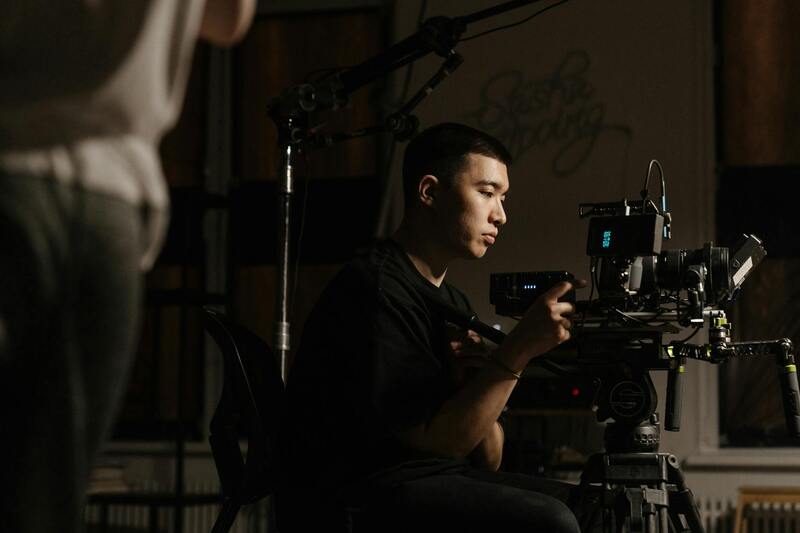
Importance of Video Marketing in Miami Real Estate
In the highly competitive Miami real estate market, showcasing properties effectively is essential for drawing genuine interest from prospective buyers. High-quality home videos have become a vital component of successful property marketing strategies, offering a dynamic and immersive way to highlight a property's unique features. Unlike static images, well-crafted videos convey the scale, layout, and ambiance of a home with greater clarity and emotional impact, often leading to faster sales and higher offers. They serve as an engaging virtual tour, allowing potential buyers to experience the property remotely yet intimately. This ability to connect viewers with the space in a realistic manner significantly amplifies visibility in an environment where rapid decision-making is linked to compelling visual presentation. Miami's vibrant real estate scene, characterized by luxury condominiums, waterfront estates, and urban apartments, demands marketing approaches that stand out. Professional home videos increase a property's appeal by illustrating the lifestyle it offers, emphasizing scenic views, sophisticated interiors, and outdoor amenities. Such videos help cut through the noise of a crowded market, ensuring listings attract the right audience and generate leads more effectively. The growing prominence of online real estate platforms and social media channels underscores the importance of high-quality visual content. As buyers often begin their property search online, compelling videos enhance listing engagement and drive traffic. They provide a comprehensive understanding of the property, reducing the back-and-forth of initial inquiries and ensuring that interested parties are well-informed. This streamlined process saves time for real estate agents and homeowners alike. Moreover, professionally produced home videos contribute to building trust and credibility. When viewers perceive the content as polished and reliable, they develop confidence in the property and the seller’s professionalism. In Miami’s diverse market, where clients range from local buyers to international investors, such high standards of presentation can make a decisive difference. From a technical perspective, videos enable showcasing unique property features that are difficult to capture through photos alone. For instance, panoramic shots of Miami’s iconic waterfront views, or sweeping aerial footage of sprawling estates, can establish a strong emotional connection. This level of detail and authenticity helps clarify property value more convincingly than conventional marketing methods. In summary, integrating professional-grade real estate home videos into Miami property marketing strategies significantly enhances visibility, accelerates sales cycles, and fosters greater buyer engagement. As the market continues to evolve, the ability to leverage compelling visual content remains one of the most effective tools for real estate success in Miami.
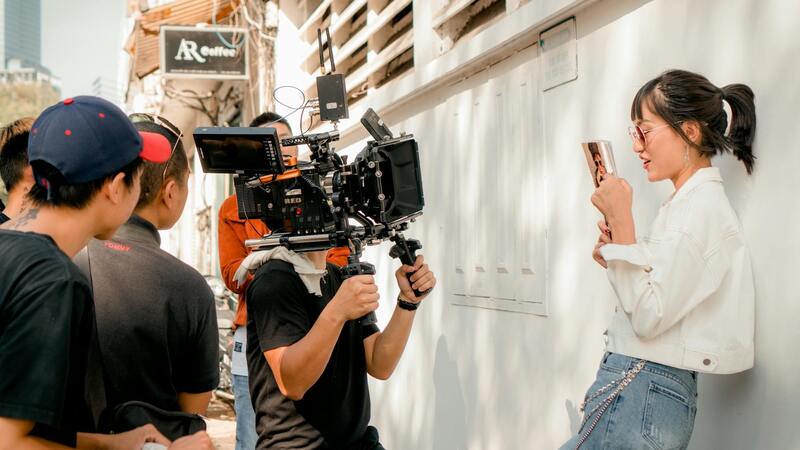
Production Tips for Creating Engaging Home Videos
Creating compelling real estate home videos in Miami requires a strategic approach that highlights the property's best features while maintaining viewer engagement. Start with thorough planning; developing a detailed shot list ensures all critical aspects of the property are covered, from unique architectural elements to outdoor spaces. Prioritize natural lighting conditions to capture rooms at their brightest, avoiding heavy shadows that can diminish visual appeal.
Use a combination of steady camera movements and smooth transitions to maintain a professional look. Incorporating slow, deliberate camera pans and gentle zooms can emphasize room dimensions and architectural details. For outdoor footage, consider capturing scenes during the golden hour—shortly after sunrise or before sunset—to achieve warm, inviting visuals.
Attention to detail is paramount. Ensure all areas are tidy and well-lit, making the property appear inviting and spacious. It’s advisable to stage rooms appropriately; decluttered spaces with minimal furnishings allow viewers to envision their own lifestyle within the home. Adding subtle touches, such as opening curtains to let in natural light or showcasing outdoor views, enhances visual storytelling.
Sound quality also plays a crucial role. Use high-quality microphones to capture clear audio if narration or live commentary is included. Otherwise, background music should be chosen carefully for tone and volume, complementing the property's ambiance without overwhelming the visuals.

Post-production editing is the final step where you can refine your footage. Keep editing clean and concise, avoiding overly long shots that may cause viewers to lose interest. Incorporate branding elements subtly and include informative text overlays highlighting key features, such as high ceilings, modern amenities, or waterfront views.
For narrations, consider professional voice-over services to add a level of sophistication, especially when targeting high-end markets. Consistency in style and pacing throughout the video maintains a cohesive and professional presentation that appeals to Miami’s diverse buyers.
Ultimately, well-produced home videos tell a compelling visual story that resonates emotionally with viewers, making them feel connected to the property even before visiting in person. This strategic approach accelerates interest and can significantly impact the sales process.
Legal and Privacy Considerations
When creating and distributing real estate home videos in Miami, it’s essential to approach the process with awareness of applicable laws and privacy guidelines. Respect for the property's confidentiality, the privacy of current occupants, and the rights of neighbors can influence how footage is captured and shared. Ensuring that the depicted spaces are free from personal identifying details or sensitive information helps maintain a professional presentation.
Before filming, it’s advisable to obtain proper permission from property owners or managers, particularly if the property is leased or under an exclusive listing agreement. Clear communication about the intended use of the videos can prevent misunderstandings or disputes, fostering trust and transparency. Content creators should also verify that they have the right to feature external areas, such as neighboring properties or private lots, to avoid infringing on third-party rights.
In the editing phase, consider blurring or omitting identifiable elements that may not be relevant to the property showcase, such as personal belongings or private outdoor spaces adjacent to the property. This approach preserves privacy while still highlighting the key features of the home.
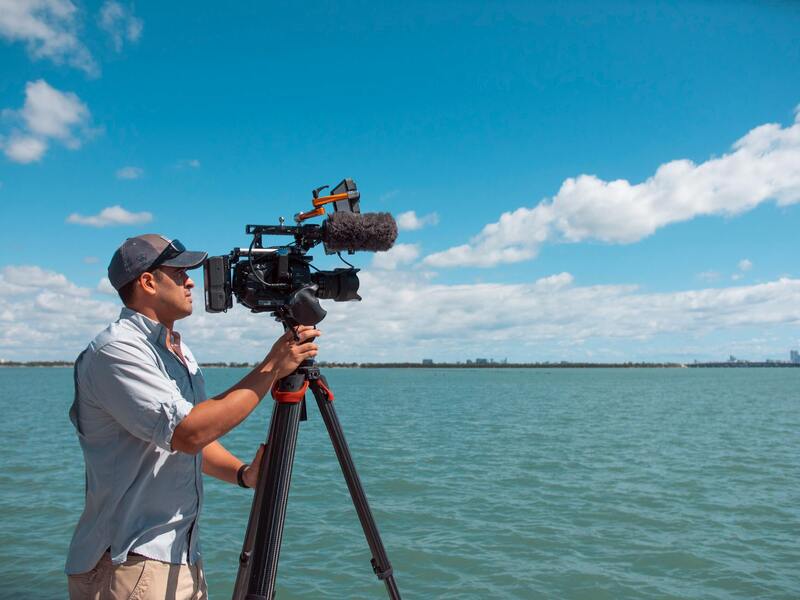
Furthermore, understanding local regulations concerning drone footage or aerial shots is vital. Some neighborhoods may have restrictions regarding the use of aerial devices, and obtaining necessary permits or permissions can streamline the production process. By adhering to these guidelines and maintaining an ethical approach, real estate professionals can produce compelling, compliant videos that build credibility and trust with prospective buyers and the community.
Legal and Privacy Considerations
Creating compelling real estate home videos in Miami involves not only technical execution but also adherence to important measures that protect all parties involved. Ensuring that videos comply with property rights, privacy standards, and local regulations safeguards the production process and maintains a professional reputation.
One fundamental aspect is confirming that permission has been obtained from all relevant stakeholders prior to filming. This includes property owners, tenants, or managing agents. Clear communication regarding the scope of the video project, usage rights, and distribution channels helps prevent misunderstandings and upholds a transparent relationship with clients.
When capturing footage, it’s vital to be cautious around external areas that might include neighboring properties or private land. Filming beyond the property boundaries without consent can lead to inadvertent privacy breaches. Utilizing techniques such as framing to exclude neighboring properties or focusing solely on the interior spaces can mitigate such issues.
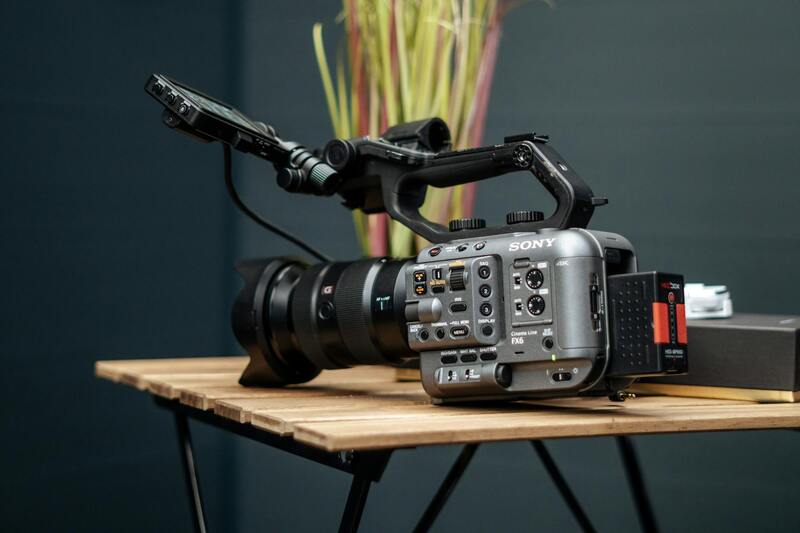
Additionally, the use of aerial footage requires careful attention. Many neighborhoods have specific guidelines or restrictions concerning drone flights. Securing necessary permits and understanding local ordinances ensures that aerial shots enhance the video without infringing on airspace regulations or privacy concerns.
It’s also essential to be aware of privacy laws related to digital content. Avoid including identifiable personal information of residents or staff unless explicit consent has been granted. Video editing tools can be used to blur or obscure such details, thereby respecting individuals’ privacy rights while showcasing the property effectively.
Adopting an ethical approach in all phases of production — from pre-filming permissions to post-production editing — reinforces trust with clients and strengthens the reputation of real estate professionals in Miami. This careful attention to legal and privacy considerations ensures that video marketing efforts proceed smoothly and successfully, providing a positive experience for potential buyers and the community alike.
Legal and Privacy Considerations
Creating compelling real estate home videos in Miami demands a rigorous adherence to policies safeguarding privacy and content authenticity. Selective filming practices emphasize focusing solely on the property and its features, avoiding any inclusion of private spaces or individuals without explicit authorization. It is crucial to respect property lines and exercise discretion in capturing areas around the home, especially when utilizing aerial footage or wide-angle shots.
Proper planning involves obtaining clear, written permissions from property owners or residents before filming. This not only fosters trust but also ensures that content creation aligns with community standards and respects individual rights. When recording interior scenes, be aware of sensitive information or personal belongings that could inadvertently appear in the footage. Using editing techniques such as blurring or cropping can further eliminate potential privacy infringements.
Regarding drone operations for aerial shots, practitioners must familiarize themselves with specific airspace regulations and obtain necessary permits where applicable. Many Miami neighborhoods have established guidelines regarding drone flight zones and altitude restrictions. Adhering to these rules guarantees that aerial content is captured responsibly and without disruption.

Beyond physical filming, digital content management plays a pivotal role in compliance. Video editing software offers functionalities that allow creators to anonymize residents or staff, such as blurring faces or sensitive information, thus maintaining privacy while highlighting property features. Ensuring that all visual elements are vetted prior to online distribution minimizes risks and reinforces a professional approach.
By integrating these policies into the production process, real estate professionals in Miami can craft high-quality videos that not only attract buyers but also uphold a reputation of integrity and respect within the community. Thoughtful attention to legal and privacy considerations in home video projects facilitates smoother marketing campaigns and contributes to a positive viewing experience for potential clients.
Legal and Privacy Considerations
When producing real estate home videos in Miami, it is essential to adhere to precise protocols concerning permissions and privacy to ensure a professional and trustworthy presentation. Securing clear consent from property owners is the first step, enabling the creation and distribution of promotional content without concerns about unforeseen disputes. This process involves obtaining written agreements that detail how the footage will be used, distributed, and stored, offering transparency and clarity for all parties involved.
Respecting the privacy of current occupants or visitors is equally vital. Video content should avoid capturing identifiable individuals without their consent, especially in private areas like backyards or interior spaces. Incorporating techniques such as strategic framing or blurred visuals can effectively mitigate privacy concerns while still showcasing key property features.
Moreover, understanding and complying with municipal signage regulations and zoning restrictions ensures that the filming process respects local ordinances. Certain neighborhoods or districts might have specific guidelines regarding filming activities, especially for drone footage, which often requires permits. Performing due diligence about these local rules prevents disruptions and emphasizes a commitment to responsible content creation.
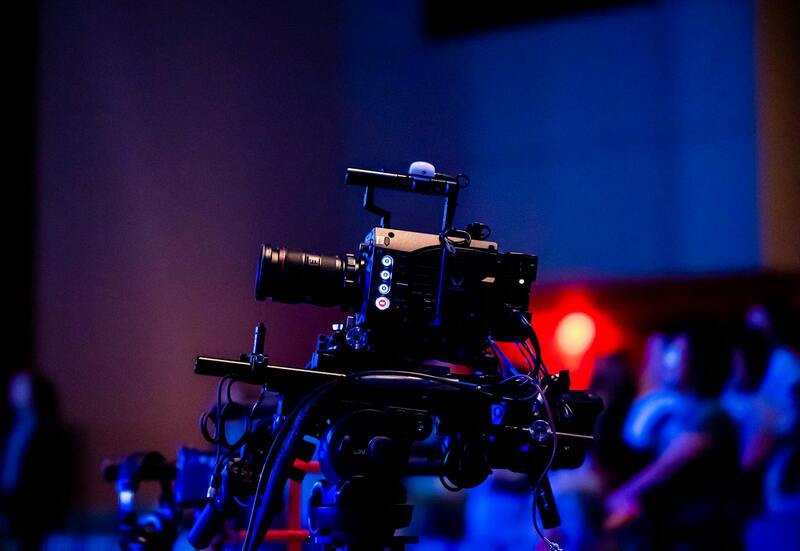
Creating a comprehensive checklist for each project that includes permission acquisition, privacy safeguards, and compliance with local standards fosters consistency across campaigns. Regularly updating knowledge of Miami’s evolving regulations related to aerial filming, digital content management, and public safety enhances operational efficiency and upholds the integrity of marketing efforts. When these parameters are rigorously followed, real estate professionals demonstrate respect for community standards while maximizing the impact of their visual marketing strategies.
Legal and privacy considerations are not merely procedural steps but foundational elements that support a sustainable and reputable real estate marketing approach. By embedding these practices into your content creation workflow, you can confidently showcase Miami properties while maintaining trust with clients and the community at large.
Legal and Privacy Considerations in Producing Real Estate Home Videos
When creating compelling real estate videos in Miami, it is essential to implement strategies that respect the privacy rights of individuals and adhere to municipal regulations. Securing explicit permissions before filming involves obtaining consent from homeowners, tenants, and any other individuals who may be present within the property. Clear communication about the purpose of the video, how it will be used, and the distribution channels can foster transparency and prevent potential misunderstandings.
Privacy safeguards should be integrated into the filming process. This includes blurring or masking identifiable features of individuals who have not provided consent, as well as being cautious around private or sensitive areas within a property. For instance, personal documents, private bedrooms, or confidential information should be excluded from footage or appropriately obscured. These measures protect the privacy of current occupants and uphold the professional standards of the marketing campaign.
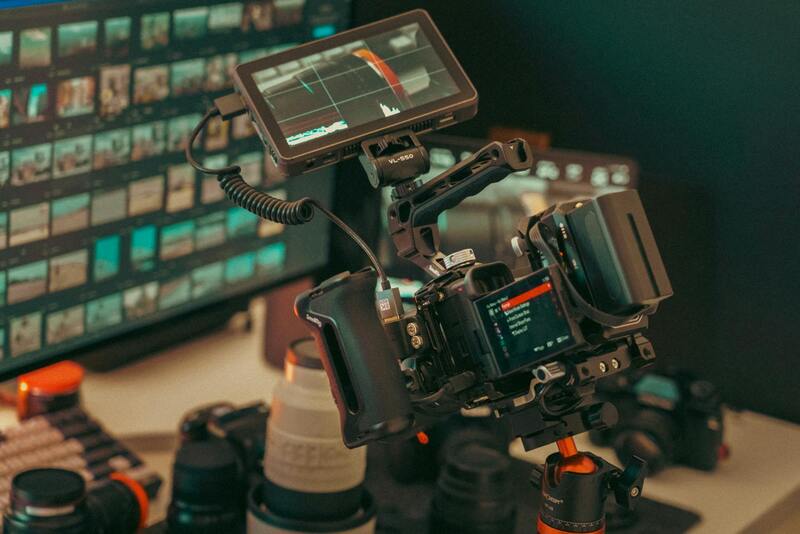
Compliance with local ordinances forms the backbone of responsible video marketing. This includes understanding specific rules related to drone filming, which often requires acquiring permits from relevant city or county agencies. Drone operators should familiarize themselves with Miami’s regulations concerning altitude limits, restricted zones, and operating hours to prevent violations that could hamper marketing efforts or incur penalties. Moreover, any filming that involves public areas, such as nearby streets or parks, must be coordinated with local authorities to secure necessary permissions.
In addition to obtaining permissions, it’s crucial to respect community standards and neighborhood-specific guidelines. Some Miami districts may have restrictions on commercial filming activities, especially in residential zones to minimize disruptions for residents. Conducting pre-filming assessments and liaising with neighborhood associations or local officials can help in obtaining the required approvals smoothly and demonstrating a commitment to respectful content creation.
Developing a Comprehensive Checklist
- Secure explicit permissions from property owners and residents before filming.
- Implement privacy measures, such as blurring or avoiding shot of individuals without consent.
- Obtain necessary permits for drone footage or aerial shots, adhering to Miami’s altitude and operational restrictions.
- Coordinate with local authorities and neighborhood associations when filming in public or restricted areas.
- Stay updated on the latest regulations regarding digital content, drone use, and community standards in Miami.
By diligently integrating these practices into the production workflow, real estate professionals can ensure their videos not only highlight property features effectively but also respect the rights of individuals and follow all applicable local guidelines. This responsible approach reinforces trust with clients and community members, ultimately supporting a sustainable and reputable marketing strategy within Miami’s dynamic real estate market.
Implementation of Video Content in Miami’s Real Estate Market
Developing high-quality real estate home videos involves careful planning and strategic execution to ensure they resonate with potential buyers and effectively showcase property features. Investing in professional production methods can significantly enhance the visual appeal and credibility of your listings. This approach begins with understanding your target audience and tailoring the video narrative to highlight unique selling points that appeal specifically to Miami’s diverse demographic. Incorporating storytelling elements that emphasize lifestyle benefits, neighborhood characteristics, and community amenities can boost viewer engagement and foster emotional connections to the property.
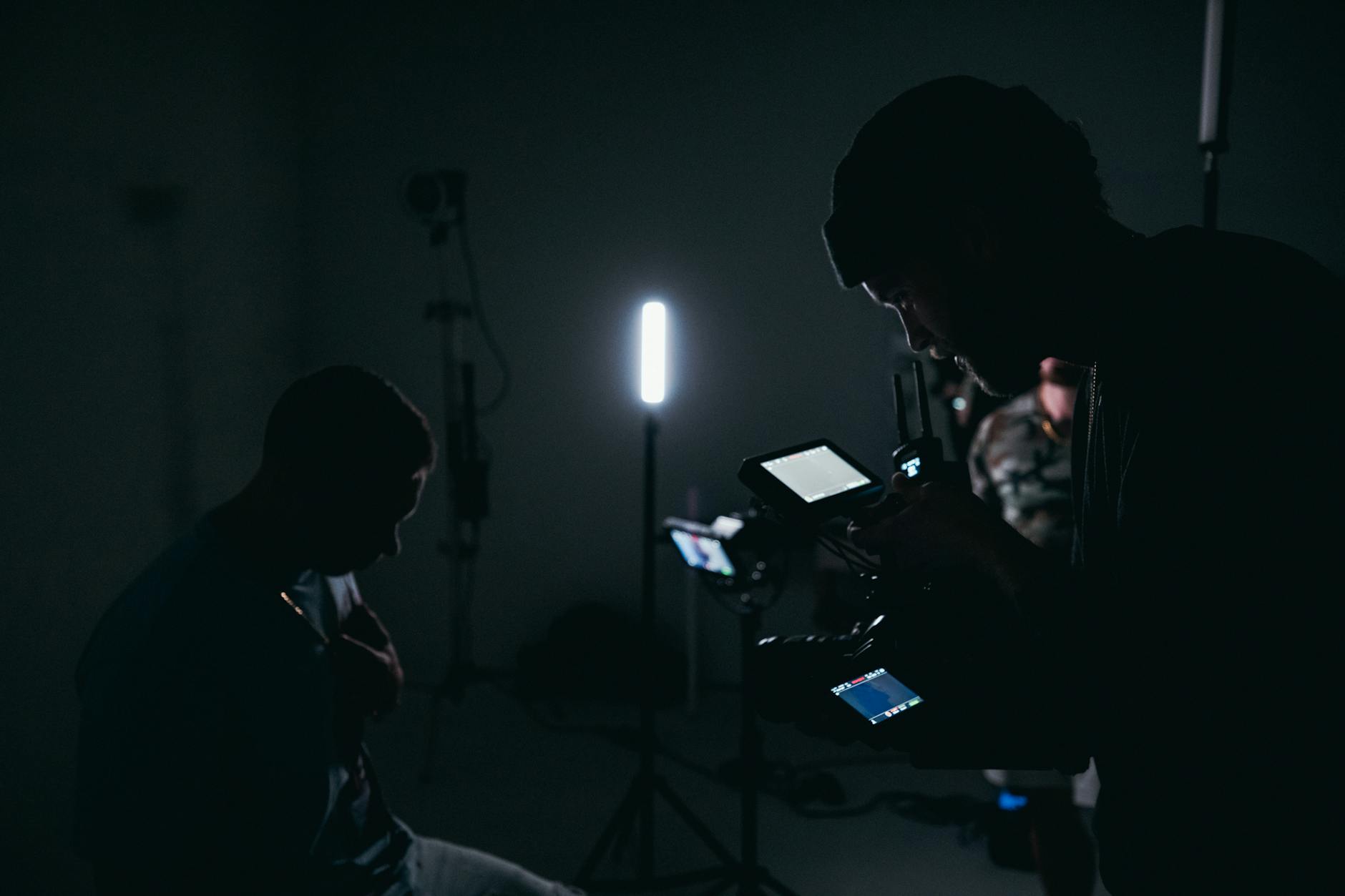
In addition, consistent branding throughout your video content reinforces your agency's identity and builds brand recognition in Miami’s competitive market. Utilizing professional voiceovers, clear narration, and effective background music can elevate the overall production quality, helping your videos stand out amidst numerous listings. Carefully crafted scripts that highlight property advantages, recent renovations, and unique architectural details can guide viewers’ focus and generate greater interest.
Advanced Techniques for Effective Video Marketing
- Implementing 3D virtual tours enables viewers to experience a property from the comfort of their homes, providing a comprehensive understanding of space and layout.
- Drone footage offers elevated perspectives of surrounding neighborhoods, showcasing local landmarks, greenery, and accessibility, which are particularly appealing in Miami’s vibrant community settings.
- Time-lapse shots demonstrate daylight variations and property features over time, adding dynamism and depth to the visual narrative.
Maintaining a consistent upload schedule and integrating videos across various digital platforms ensures your listings garner maximum exposure. Tailoring content to specific audiences, such as international buyers interested in Miami’s luxury homes or families seeking community amenities, enhances engagement and accelerates the sales process.
Finalizing Your Video Marketing Strategy
Optimizing your videos for search engines by incorporating targeted keywords, relevant tags, and detailed descriptions helps to improve visibility on platforms like YouTube and Google. Including call-to-action prompts guides viewers to contact your agency, visit your website, or schedule a property tour, ensuring a seamless transition from online engagement to real-world interaction. Regularly analyzing viewer analytics and engagement metrics informs future content strategies, allowing you to refine your approach and meet evolving market demands effectively.