
Types of Real Estate Photography and Videography
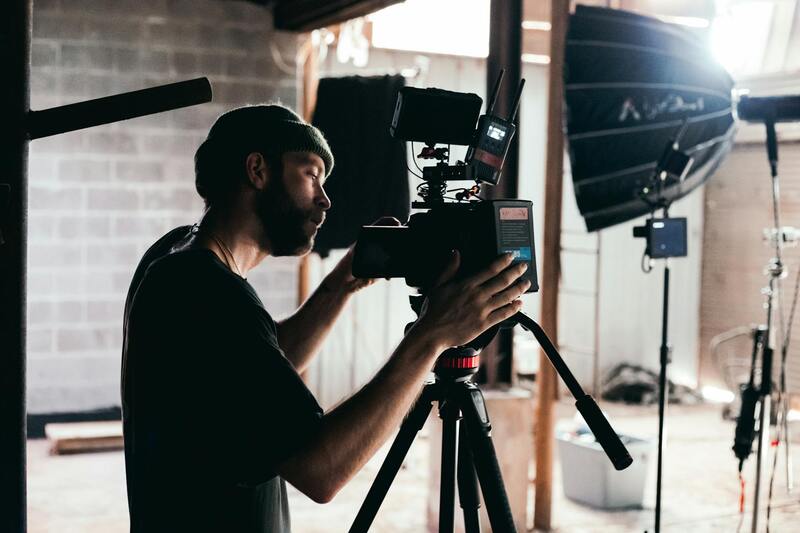
In the competitive Miami real estate market, employing a diverse array of high-quality visual media is essential for showcasing properties effectively. From traditional images to immersive videos, each format plays a crucial role in attracting potential buyers and facilitating quicker sales. Understanding the various types of real estate media available can help sellers and agents select the most impactful tools to highlight a property's unique features.
1. Aerial Drone Videos and Photography
Drone footage offers stunning aerial perspectives of properties, particularly advantageous for showcasing expansive estates, waterfront properties, and the surrounding neighborhood. High-resolution drone videos provide a dynamic view that static images cannot, allowing prospective buyers to appreciate the scale, landscape, and proximity to local amenities. Well-executed drone content can significantly elevate a property's appeal, making it stand out in listings.
2. 3D Virtual Tours and Interactive Media
3D virtual tours simulate a walk-through experience, enabling viewers to explore a property interactively from anywhere. These immersive representations facilitate a realistic understanding of space and layout, fostering increased engagement. Interactive features such as clickable hotspots allow users to delve into specific rooms and details, making virtual tours a pivotal component in modern remote property viewing.
3. Twilight Shots and Exterior Portraits
Twilight photography captures properties during the magical hours of dawn or dusk, producing warm, inviting images that emphasize exterior features and landscape lighting. Such shots evoke emotional responses, highlighting curb appeal and creating memorable first impressions. These images are especially effective for luxury estates and properties with outdoor amenities that shine under ambient lighting conditions.
4. Interior Videos and High-Resolution Photography
Professional interior shots focus on presenting a property’s layout, design elements, and key features with clarity and aesthetic appeal. Subtle enhancements through staging and proper lighting ensure spaces appear spacious, bright, and welcoming. Interior videos, including walkthroughs and lifestyle showcases, provide a dynamic glimpse of the property's flow and ambiance, attracting serious inquiries.
Effective real estate marketing integrates these media formats to craft a comprehensive visual narrative that resonates with prospective buyers. Combining crisp images with engaging videos and virtual tours creates a compelling multi-sensory experience, encouraging realtor listings to realize their full potential in the vibrant Miami marketplace.
Types of Real Estate Photography and Videography
Within the realm of real estate marketing, selecting the appropriate media types plays a crucial role in capturing the essence of a property and attracting potential buyers. Professional photography and videography encompass various formats, each serving a specific purpose in highlighting different aspects of a property.
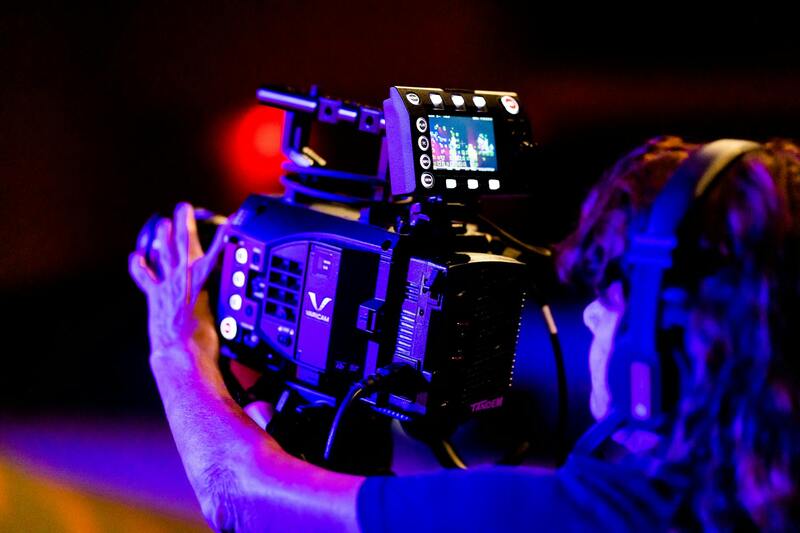
One of the primary formats is static high-resolution photography, which is essential for showcasing a property’s aesthetic appeal. These images emphasize key features, from expansive living spaces to intricate architectural details, often enhanced with professional staging and lighting for maximum impact.
Complementing still images are various videography styles that bring a property to life through motion. These include:
- Walkthrough Videos: These videos provide a guided tour of the property, allowing viewers to experience the flow of spaces as if they are physically present. They are instrumental in conveying the scale and spatial relationships within a home.
- Drone Footage: Aerial shots captured via drone offer a unique perspective of both the property and its surrounding environment. These shots are particularly useful for showcasing large estates, outdoor amenities, and the property's proximity to key locations.
- Interior Videography: High-definition videos focusing on interior spaces highlight design details, finishes, and functional layouts. These videos can include stylistic walkthroughs that evoke an emotional response and encourage inquiries.
- Virtual Tours and 360° Media: Interactive virtual tours allow potential buyers to explore a property at their own pace, providing a comprehensive view that static images alone cannot replicate. 360° photography further enhances engagement by immersing viewers in the space.
For properties with outdoor features, twilight photography and exterior portraits capitalize on ambient lighting during dawn or dusk, creating warm, inviting images that emphasize landscape lighting and curb appeal. Such lighting conditions help properties stand out and make a lasting impression, especially in the luxury market segment.
Ultimately, integrating diverse visual media formats enables real estate professionals to craft a dynamic and appealing presentation of their listings. By effectively combining photography and videography tailored to each property's unique qualities, marketers can elevate their promotional efforts and achieve faster, more lucrative sales.
Key Features of Effective Real Estate Photography
Effective real estate photography hinges on multiple critical elements designed to highlight a property's best features and create an emotional connection with potential buyers. Proper lighting is paramount; it ensures each room appears bright, welcoming, and true to life. Natural light is ideal, but supplemental lighting can be strategically used to eliminate shadows and accentuate architectural details. Staging plays a vital role, as well-arranged spaces feel more inviting and allow viewers to envision living in the home. Choosing the right angles enhances the spatial perception, making rooms appear more expansive and balanced. Angled shots, especially those that capture multiple perspectives within a single image, can showcase a home’s layout effectively. High-quality image editing techniques further elevate the visual appeal. These include color correction to reflect accurate tones, minor retouching to remove distractions or imperfections, and sharpening to enhance clarity. Additionally, employing depth of field strategically can draw attention to focal points within a scene, guiding viewers’ eyes through the visual narrative. The integration of these elements produces images that are not only visually stunning but also truthful representations of the property. This balance between aesthetics and authenticity builds trust and sets realistic expectations, crucial for converting online interest into scheduled viewings. In the competitive Miami real estate landscape, attention to these details can significantly influence the success of a listing, encouraging faster sales and higher engagement rates.
The Role of Videography in Property Marketing
Video content has become an indispensable element of modern real estate marketing strategies. Unlike static images, videography offers a comprehensive, dynamic exploration of a property, allowing viewers to experience the space in a manner that closely resembles an in-person tour. High-definition videos can emphasize flow and spatial relationships, giving potential buyers a vivid understanding of the property's layout and atmosphere. The strategic use of walk-through videos engages viewers emotionally, enabling them to connect with the property on a deeper level. Highlighting unique architectural features, premium finishes, and outdoor amenities through well-edited videography captures attention and distinguishes listings in a crowded marketplace. Moreover, editing techniques—such as smooth transitions, background music, and voice-over narration—add professionalism and appeal. In a competitive Miami real estate environment, professionally produced videos serve as powerful tools for attracting serious buyers. They can be shared across multiple digital channels, increasing visibility and fostering greater engagement. Integrating videography into listing presentations ultimately helps build a compelling story around each property, encouraging more inquiries and faster sales conversions.
Types of Media Used in Real Estate Marketing
Effective real estate marketing employs a diverse array of visual media to appeal to different preferences and touchpoints in the buyer journey. High-resolution photographs are foundational; they serve as the initial point of interest that prompts viewers to learn more. Aerial drone footage provides a panoramic perspective of the property's surroundings, emphasizing location advantages and outdoor features. Interior videos and virtual tours offer immersive experiences that static images cannot replicate. Interactive virtual tours allow viewers to navigate at their own pace, exploring every room and exterior space with detailed context. 360° photos deepen user interaction by providing a seamless, panoramic view of each space. Twilight photography and exterior shots taken during dawn or dusk leverage ambient lighting to create warm, inviting images that stand out on listing platforms. Such media highlight landscape lighting, outdoor amenities, and curb appeal, especially enhancing luxury listings. Utilizing a combination of these media formats creates a comprehensive, engaging presentation that attracts a wider pool of prospective buyers. This multi-format approach ensures that listings appeal to a broad audience and can be tailored to different platforms—social media, MLS listings, virtual open houses—maximizing exposure and engagement.
Choosing a Professional Production Agency in Miami
Selecting a skilled and experienced production partner is essential for ensuring the highest quality of visual content. A reputable Miami-based agency specializing in real estate media possesses a deep understanding of local market trends and aesthetics. They utilize advanced equipment such as high-resolution cameras, professional drones, and stabilized gimbals to capture crisp, steady footage. An effective agency offers tailored solutions, understanding that each property requires a unique approach to highlight its most attractive features. This includes customized shooting schedules that consider optimal lighting times, staging advice to enhance visual appeal, and creative editing that aligns with branding strategies. Furthermore, a trusted production agency provides comprehensive project management, from pre-production planning to post-shoot editing. They ensure timely delivery and allow real estate professionals to focus on client interactions and sales activities. Investing in top-tier real estate media production in Miami translates into elevated listing presentations, increased viewer engagement, and ultimately, a faster sale process.
Key Features of Effective Real Estate Photography
High-quality real estate photography is pivotal in capturing a property’s essence and attracting potential buyers. Effective visuals should emphasize natural lighting to showcase the property’s true colors and atmosphere, making spaces appear inviting and spacious. Lighting plays a critical role; utilizing diffused natural light or professional lighting equipment ensures interiors look bright and balanced. Additionally, wide-angle lenses are essential for depicting room sizes accurately while creating an immersive perspective that draws viewers into the space. Clear, sharp images with impeccable focus highlight architectural details and unique features that distinguish the property from others on the market.
Composition is another vital aspect. Proper framing and strategic staging accentuate the most appealing elements of the property, guiding the viewer’s eye through the space seamlessly. Perspectives should include various angles—both wide shots for context and detail shots for specific features such as fireplaces, custom cabinetry, or high-end fixtures. Consistency across all images creates a cohesive gallery that presents the property professionally.
Post-processing and editing are equally important. Subtle enhancements such as color correction, brightness adjustments, and minor retouching can elevate the visual quality without misrepresenting the property. This process ensures each image aligns with the property’s branding and marketing objectives. Ultimately, pictures that are well-composed, properly lit, and professional in quality generate higher engagement, leading to increased interest from prospective buyers.
Best Practices for Real Estate Videography
Effective real estate videography serves as a dynamic extension of photographic content, offering potential buyers a comprehensive view of the property and its surroundings. When producing real estate videos, it is essential to plan a balanced narrative that guides viewers through the home fluidly, emphasizing key areas such as the living room, kitchen, master suite, and outdoor spaces. The use of stable, smooth camera movements—often achieved with professional gimbals—ensures polished, professional footage, minimizing distracting jitters.
Walking videos or walk-through tours give an authentic experience of the space, allowing viewers to visualize themselves living within it. Incorporating drone footage provides stunning aerial perspectives of the property’s exterior and neighboring areas, highlighting features like landscaping, proximity to amenities, or scenic views. These shots not only enhance visual appeal but also demonstrate the property’s unique location advantages.
Ensuring proper lighting, both during filming and in post-production, helps maintain a lively and inviting atmosphere. Including ambient sounds or background music enhances engagement without overwhelming the viewer. A concise, well-edited video that balances informative content with visual appeal captivates the audience, inspiring them to explore the property further.
Key Features of Effective Real Estate Photography
Establishing exceptional real estate photographs requires attention to detail, technical proficiency, and an understanding of what appeals to prospective buyers. High-quality images are the foundation of compelling property listings, and their effectiveness depends on several essential features that highlight the property’s best attributes.
- Proper Lighting: Natural light is optimal for showcasing interior spaces, making rooms appear bright, welcoming, and spacious. Professional lighting setups can supplement insufficient daylight, avoiding shadows and ensuring every detail is visible. Exterior shots benefit from shooting during golden hours—shortly after sunrise or before sunset—for warm, appealing images.
- Composition and Framing: Achieving balanced compositions with the right framing emphasizes the property's most attractive features. Wide-angle lenses are common in real estate photography, allowing viewers to see the full scope of rooms while avoiding distortion. Correct framing directs focus to focal points like fireplaces, views, or unique architectural elements.
- Decluttering and Staging: A clean, uncluttered space appears more inviting and easier for prospective buyers to envision their belongings in the new environment. Staging furniture and decor strategically accentuate room proportions and functionality, creating an aspirational aesthetic that resonates emotionally.
- Post-Processing Excellence: Professional editing enhances colors, adjusts brightness, and corrects minor imperfections without making the images appear unnatural. Maintaining authenticity ensures realism and builds trust with viewers while highlighting the property's strengths.
- Consistent Style and Branding: Applying a cohesive visual style across all photos reinforces brand identity and professionalism. This consistency assures clients of quality while creating a recognizable look for marketing materials.
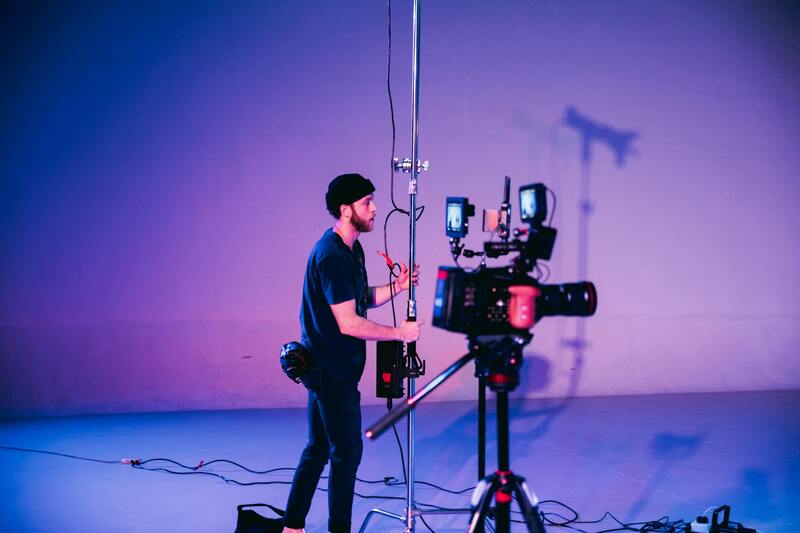
Additionally, integrating some variation within photo sets—such as wide-angle shots of key rooms, detailed close-ups of special finishes, and exterior vistas—provides a comprehensive visual narrative. This approach enhances the overall listing appeal, enabling viewers to experience the property thoroughly and make informed decisions quickly.
Types of Real Estate Photography and Videography
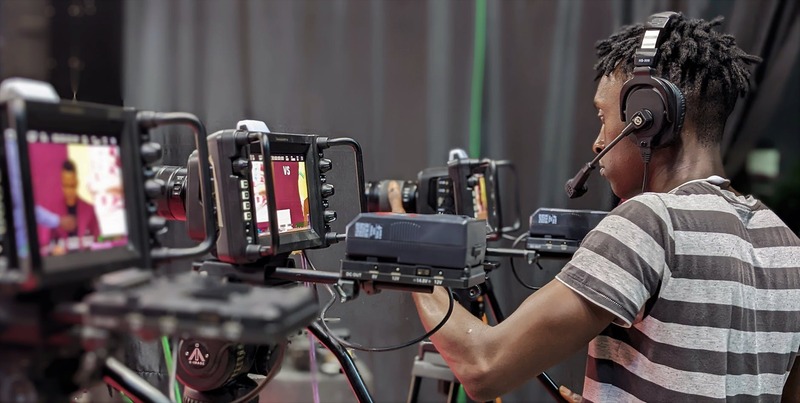
In the Miami real estate market, a diverse array of media formats play pivotal roles in attracting prospective buyers. Traditional photography remains foundational, capturing high-resolution images that showcase a property's interior and exterior. Wide-angle lenses are predominantly used to emphasize spatial proportions, allowing viewers to comprehend room layouts effectively. From sunlit living areas to lush outdoor landscapes, these images constitute the visual backbone of property listings.
Video content adds a dynamic dimension to property marketing. Walkthrough videos, drone footage, and virtual tours enable potential buyers to virtually explore properties, gaining an immersive experience that static images cannot provide. Such videos highlight architectural details, flow between spaces, and provide contextual views of the surrounding neighborhood, which is especially valuable in Miami’s vibrant and diverse communities.
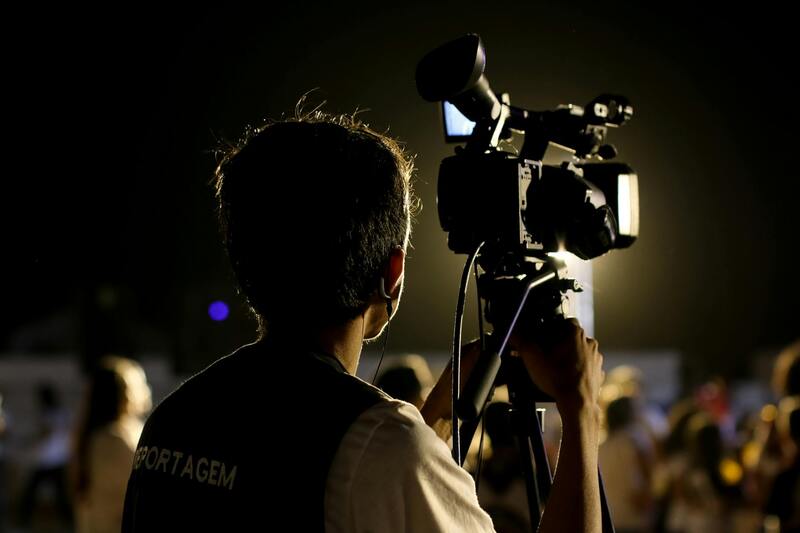
Moreover, aerial videography, primarily utilizing drones, produces stunning aerial shots and sweeping vistas of properties and neighborhoods. This form of content effectively emphasizes property size, landscaping, and proximity to local attractions – critical factors for buyers considering Miami real estate. Ground-based videography complements aerial footage by focusing on interior features, neighborhood amenities, and lifestyle aspects that resonate with prospective clients.
For luxury estates, 3D virtual tours and 360-degree media have become essential. These interactive formats allow viewers to navigate through a property at their own pace, providing a detailed and engaging experience that closely mimics an in-person visit. Such media types foster transparency and help streamline the decision-making process for discerning buyers seeking comprehensive property insights online.
Overall, the integration of various media types tailored to specific listing goals enhances visibility and appeal in Miami’s competitive market. Effective media usage combines clarity, aesthetic appeal, and strategic storytelling to elevate each property’s marketing potential.
Optimal Use of Media Formats in Real Estate Campaigns
- Combine high-resolution photographs with cinematic videos to give a compelling visual narrative.
- Utilize drone footage to maximize outdoor and neighborhood showcasing.
- Incorporate virtual tours and 360-degree media for an interactive experience.
- Ensure consistency in style and branding across all media formats for professional presentation.
- Align media types with target buyer preferences and property characteristics for maximum impact.
Leveraging Drone Footage and Aerial Shots
In the competitive Miami real estate market, aerial videography offers a unique opportunity to highlight a property's surroundings, setting, and external features that are crucial for prospective buyers. Professional drone footage captures expansive views of the property, showcasing landscaped gardens, pool areas, outdoor amenities, and proximity to key local attractions. This perspective provides a comprehensive visual narrative that static images cannot convey, giving viewers a sense of space and context.
Advanced drone technology enables the creation of dynamic, smooth shots that can transition seamlessly from sweeping vistas to detailed close-ups of exterior architectural elements. This technique not only enhances the aesthetic appeal but also allows agents to emphasize the property's most attractive features, such as waterfront access or panoramic city views, which are particularly valuable in Miami.
Enhancing Listings with Virtual Tours and 360° Media
Virtual tours and 360-degree media have transformed how properties are marketed online, providing potential buyers with immersive experiences that mimic in-person visits. These media formats enable viewers to navigate through a property interactively, examining rooms, layouts, and details from multiple angles. For Miami real estate, this technology is particularly effective in showcasing large estates, luxury condos, and unique architectural features.
The creation of virtual tours involves stitching high-resolution imagery into seamless, interactive environments, often complemented by hotspot features that provide additional property details. This interactive process can significantly increase engagement rates, as it allows prospective buyers to explore properties at their own pace and convenience.
Effective virtual tour production requires precise planning, including optimal camera positioning, lighting, and staging, to ensure each space is presented in the best possible light. When done professionally, virtual tours can shorten the sales cycle by providing comprehensive insights early in the decision process, ultimately leading to more qualified inquiries and faster transactions.
Best Practices for Real Estate Videography
Creating compelling property videos requires meticulous planning and execution to highlight the property's unique features effectively. Professionals in Miami employ a combination of strategic shot sequences, optimal duration, and advanced techniques to produce videos that captivate potential buyers and convey the essence of the property. A well-structured video typically starts with an external shot of the property, establishing its curb appeal and neighborhood context, followed by interior walkthroughs that emphasize spaciousness, natural light, and design elements.
Shot sequences should flow logically, guiding viewers through the property in a manner that feels natural and engaging. This often involves a mix of wide-angle shots to show room layouts, close-ups to highlight finishes and details, and smooth drone footage for aerial perspectives of larger estates or community surroundings. Maintaining a balance between showcasing individual features and overall property ambiance is essential.
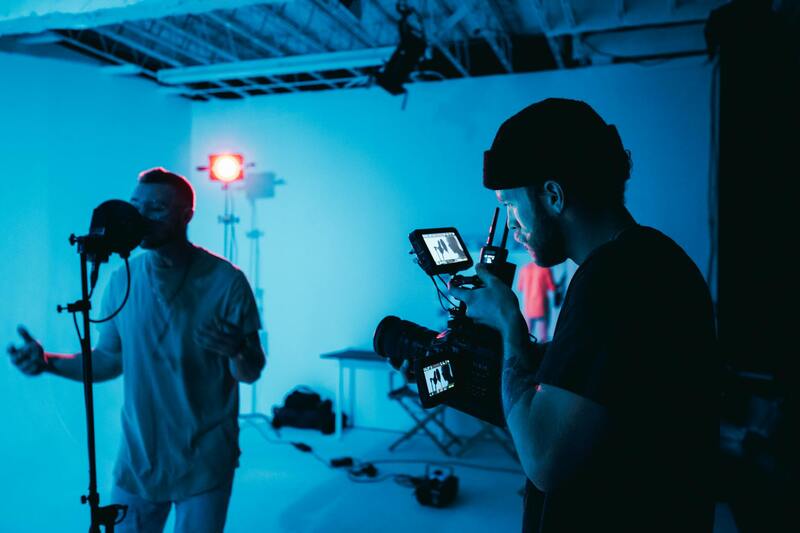
The duration of these videos typically ranges from 1 to 3 minutes, depending on the property's size and complexity. Shorter videos are preferred online to maintain viewer engagement, but they must include all essential visuals to give a comprehensive overview. Employing techniques such as smooth camera movements, professional stabilization, and optimal lighting ensures high-quality visuals that elevate the property's appeal.
Additionally, professionals often incorporate cinematic techniques like wide-angle lenses to create a sense of space and slow-motion shots to emphasize luxury finishes. Strategic use of lighting, both natural and supplemental, further enhances the visual impact, making spaces appear bright, inviting, and well-maintained.
Technical Considerations
- Preservation of natural light to showcase true colors and ambiance
- Consistent camera angles to avoid disorienting viewers
- Use of remote-controlled gimbals and sliders for smooth motion
- Optimal editing to ensure seamless transitions and appealing pacing
- Sound design, including background music and clear narration if applicable
In Miami’s competitive real estate market, video productions that adhere to these best practices are better positioned to attract serious buyers, accelerate the sales process, and maximize online listing exposure. High-quality videography not only enhances the property's presentation but also builds trust with prospective clients, demonstrating professionalism and attention to detail.
Types of Media Used in Real Estate Marketing
Effective property promotion relies on a diverse range of media to showcase each listing’s unique features. Traditional photography remains the foundation, capturing high-resolution images that highlight the property's key spaces. These images are essential for online listings, print advertisements, and social media campaigns. Complementing still photos, professional videography offers dynamic perspectives, allowing potential buyers to virtually tour the property and appreciate flow, layout, and ambiance.
Exterior drone footage has become increasingly popular, providing sweeping aerial views that reveal property size, surrounding landscape, and community context. This type of media can elevate a listing, especially for properties with extensive land, unique architectural features, or desirable geographic locations.
3D virtual tours and 360° images are also integral components, enabling viewers to navigate through the property at their own pace. These immersive experiences are particularly valuable in today’s remote real estate market, offering a comprehensive view that static images alone cannot provide.
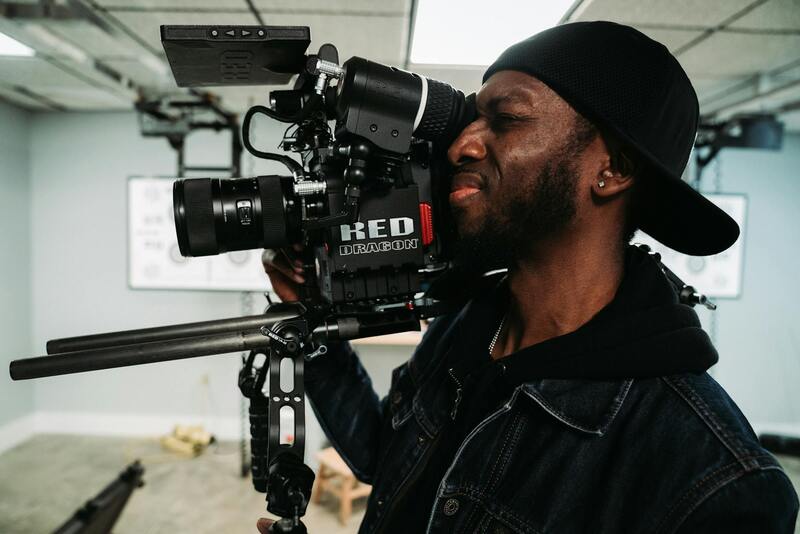
Choosing a Professional Production Agency in Miami
Selecting a skilled agency for real estate photo and video services ensures the highest quality content that meets industry standards. When evaluating potential partners, consider their portfolio, experience with local Miami properties, and familiarity with branding requirements. An experienced agency understands how to craft visuals that resonate with target audiences and align with current market trends.
Additionally, a professional team will utilize industry-leading equipment and techniques, such as wide-angle lenses, drone technology, and cinematic videography methods, to deliver compelling visuals. They are also adept at working within tight schedules, ensuring timely delivery for fast-paced real estate markets.
Clear communication, transparent pricing, and comprehensive service offerings are crucial factors when selecting a provider. Working with reputable professionals guarantees that all media content adheres to best practices, positioning your property for maximum exposure and engagement.
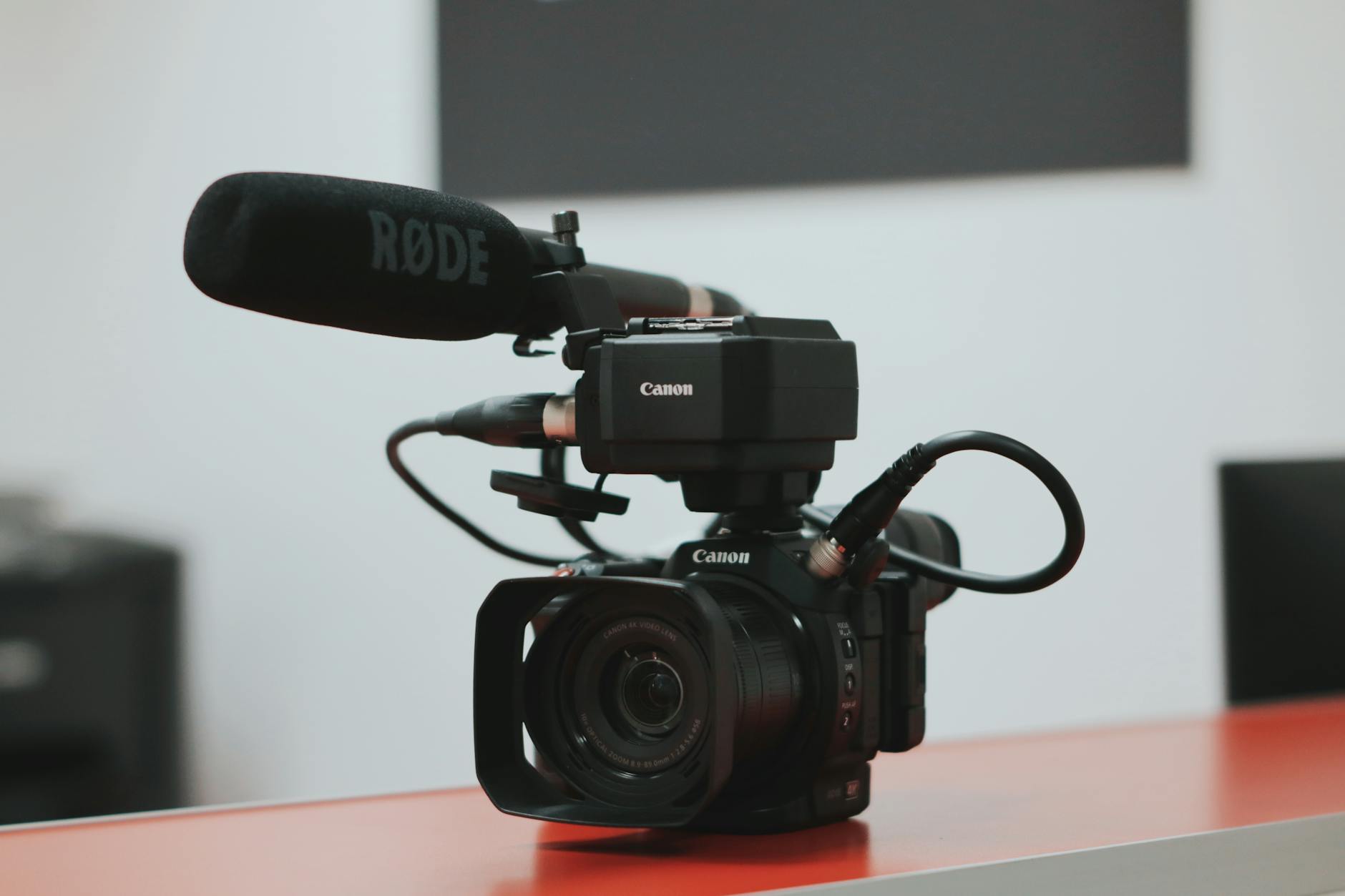
Types of Media Used in Real Estate Marketing
In the competitive landscape of Miami real estate, diversifying the types of visual media utilized can significantly enhance property visibility and appeal. Static images remain a staple, providing sharp, high-resolution photographs that highlight the primary features of a property. These images serve as the foundation of online listings, brochures, and digital campaigns, capturing the property’s best angles and spatial relationships.
Complementing static photos, high-quality videos offer dynamic tours that allow prospective buyers to experience the flow and atmosphere of a property virtually. These videos can range from simple walk-throughs to cinematic presentations, emphasizing key interior features and exterior surroundings.
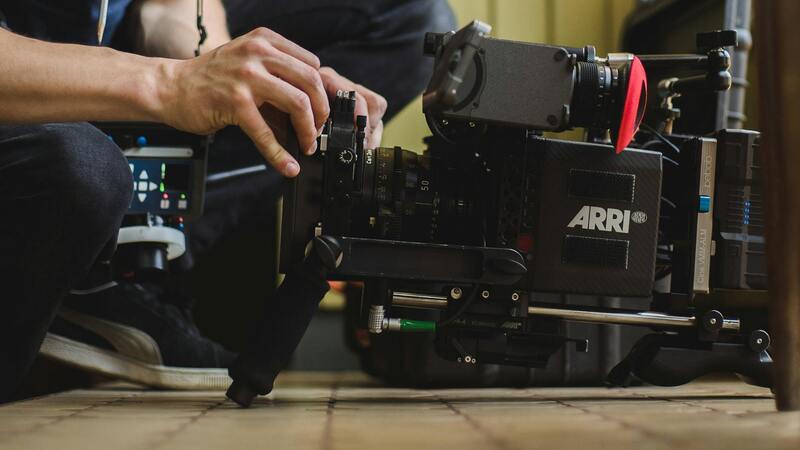
Drone footage is increasingly vital in Miami’s real estate marketing, especially for waterfront properties, expansive estates, or developments with impressive landscapes. Aerial shots provide a comprehensive perspective of the property’s exterior, surroundings, neighborhood context, and proximity to local amenities.
Virtual tours and 360° media have revolutionized property viewing, enabling potential buyers to navigate the space interactively from anywhere. These immersive experiences are particularly beneficial for remote or international buyers, who can explore the property in detail without physically visiting. Incorporating virtual reality (VR) elements further enhances engagement, offering a highly realistic and accessible viewing experience.
By integrating various media formats, Miami real estate professionals can craft comprehensive visual narratives that resonate with diverse audiences. Whether through captivating imagery, engaging videos, or aerial and virtual content, a strategic mix of media types ensures your property stands out in a densely populated market.
Types of Real Estate Photography and Videography
In Miami’s competitive real estate market, utilizing a diverse range of visual media is essential for capturing the attention of potential buyers. Different types of photography and videography serve specific purposes, each contributing uniquely to the overall marketing strategy. Static images, such as high-resolution interior and exterior shots, provide an immediate visual overview of the property. These images highlight architectural details, interior design, and landscaping features, forming the backbone of online listings.
Next, video content introduces movement, offering virtual walkthroughs that showcase the flow of spaces and spatial relationships within the property. Cinematic property tours can evoke emotional responses, helping prospective buyers imagine living in the space. Aerial videography and photography, especially valuable in Miami, unveil surrounding landscapes, waterfront access, and neighborhood amenities, providing context that static images cannot fully convey.
Virtual tours and 360° panoramic media further expand the reach of property marketing efforts. These immersive formats enable remote exploration, giving prospective buyers a detailed experience akin to an in-person visit. This is particularly advantageous for international investors or out-of-town buyers seeking to make informed decisions from afar.
Importance of High-Quality Visual Content in Miami Real Estate
The real estate market in Miami thrives on compelling visual narratives that differentiate listings. High-quality photography and videography are not merely aesthetic considerations—they are strategic tools that influence buyer perception and engagement. Professionally produced media ensures clarity, accurate color representation, and optimal lighting, which are vital to showcase the true value of a property.
Quality visuals generate increased interest, higher online traffic, and ultimately, faster sales. Moreover, well-crafted media build trust and credibility with prospective buyers, who often rely heavily on visuals to pre-screen properties before scheduling viewings. In Miami’s vibrant, visually-driven market, top-tier media elevate listings above competitors, facilitating quicker turnarounds and better sale prices.
Key Features of Effective Real Estate Photography
- Optimal lighting that highlights property features without shadows or glare.
- Wide-angle lenses to capture more of each space, emphasizing room sizes and layout.
- Proper staging and decluttering to present the property in appealing, unobstructed views.
- Consistent color grading and editing to maintain visual coherence across all images.
- Showcasing unique architectural details and landscape features.
The Role of Videography in Property Marketing
Videos offer a dynamic in-depth look at a property, providing a sense of space, flow, and ambiance that static images cannot fully deliver. Cinematic walkthroughs guide viewers through rooms, highlighting key features and design elements while evoking the lifestyle associated with the property. Drone footage enhances storytelling by contextualizing the property within its surroundings, emphasizing proximity to Miami’s scenic waterfronts, parks, and city infrastructure.
Types of Media Used in Real Estate Marketing
- High-resolution Photographs
- Video Tours – from simple walk-throughs to cinematic productions
- Drone and Aerial Shots
- Virtual Reality and 360° Panoramas
- Virtual Tours and Interactive Media
Integrating these various media types into your listing maximizes exposure and appeals to different buyer preferences. Each format serves to complement the others, creating a comprehensive and engaging virtual presentation that resonates in Miami’s competitive market.
Choosing a Professional Production Agency in Miami
Selecting an experienced agency ensures that your visual content meets the highest standards of quality and professionalism. Look for agencies with a portfolio demonstrating expertise in real estate media, familiarity with local Miami properties, and a track record of producing engaging, high-impact content. A good agency will also understand the importance of timely delivery and flexible packages tailored to your specific marketing needs.
Key Elements of Effective Real Estate Photography
- Strategic composition that emphasizes the property’s best features.
- Use of natural light and supplemental lighting to enhance visual appeal.
- Clean, clutter-free spaces to present a welcoming environment.
- Accurate color reproduction for true-to-life images.
- Post-production editing that enhances quality without over-processing.
Best Practices for Real Estate Videography
- Use stabilizers and gimbals for smooth, professional footage.
- Plan a shot list that covers all key areas and highlights unique features.
- Maintain consistent lighting and camera settings throughout the shoot.
- Include aerial shots for expansive exterior and neighborhood context.
- Create a compelling narrative that guides viewers through the property.
Cost Considerations and Production Timelines
High-quality real estate media production involves an investment proportional to the property’s value and marketing goals. While prices vary based on scope, complexity, and technology used, it is essential to collaborate with a provider who offers transparent pricing and clear timelines. Typically, professional shoots are scheduled within a few days, with post-production taking additional days. Proper planning ensures media is ready in time for key marketing windows, such as new listings or upcoming open houses. Ensuring that production schedules align with your marketing timeline helps maximize the impact of visual content on potential buyers.
Leveraging Drone Footage and Aerial Shots
In modern real estate marketing, drone footage has become an essential element for showcasing properties, especially those with expansive land, scenic surroundings, or unique architectural features. Aerial shots provide a bird’s-eye view of the property, offering potential buyers a comprehensive perspective that ground-level images cannot capture. This type of visual content allows agents to highlight the property's proximity to key landmarks, nearby amenities, and the overall neighborhood environment, enriching the listing's appeal.
Utilizing drone footage involves careful planning and execution by licensed pilots who understand the local regulations pertaining to drone operations. High-definition aerial video and images should be shot during optimal lighting conditions, typically in the early morning or late afternoon, to maximize visual quality. Post-production editing can enhance clarity, color accuracy, and smoothness, ensuring the final media complements the property's style and highlights its best features.
Best Practices for Using Media in Real Estate Listings
The strategic integration of professional photography and videography within property listings significantly influences viewer engagement and market response. To optimize the effectiveness of visual media:
- Maintain Consistency: Ensure that images and videos are consistent in style, lighting, and tone to create a cohesive visual narrative.
- Highlight Unique Features: Use media to focus on architectural details, upgraded interiors, outdoor amenities, and other distinctive aspects that set the property apart.
- Optimize for Platforms: Resize and format media appropriately for various marketing channels, including MLS platforms, social media, and property websites, to ensure fast loading times and high-quality display.
- Use Compelling Thumbnails and Previews: Select eye-catching images and video clips as previews that entice viewers to explore the full media content.
- Include Virtual Tour Links: Integrate virtual tours or 360° media within listings to give viewers an immersive experience and facilitate remote property exploration.
The use of high-caliber visual content in real estate listings has been proven to decrease time on market and increase buyer interest. When media is professionally produced and thoughtfully incorporated, it captures attention, conveys professionalism, and instills confidence in prospective buyers, ultimately leading to more inquiries and faster sales.
Leveraging Drone Footage and Aerial Shots
In the competitive Miami real estate market, drone footage and aerial shots have become indispensable tools for showcasing properties from a unique perspective. These high-altitude visuals provide a comprehensive view of the property's exterior, its surrounding amenities, and the neighborhood environment. Aerial media effectively highlights features such as large estates, waterfront properties, lush gardens, and expansive outdoor living areas, which conventional ground-level photography might not fully capture.
Professional drone footage enhances the overall aesthetic quality of real estate marketing materials, creating a dynamic visual experience that draws potential buyers' attention. When executed correctly, aerial shots can also demonstrate the proximity to key locations like beaches, parks, or commercial hubs, adding contextual value. The use of stabilized, high-resolution drone cameras ensures that every shot is crisp, smooth, and professionally composed, minimizing distortions and capturing the property in the best light.
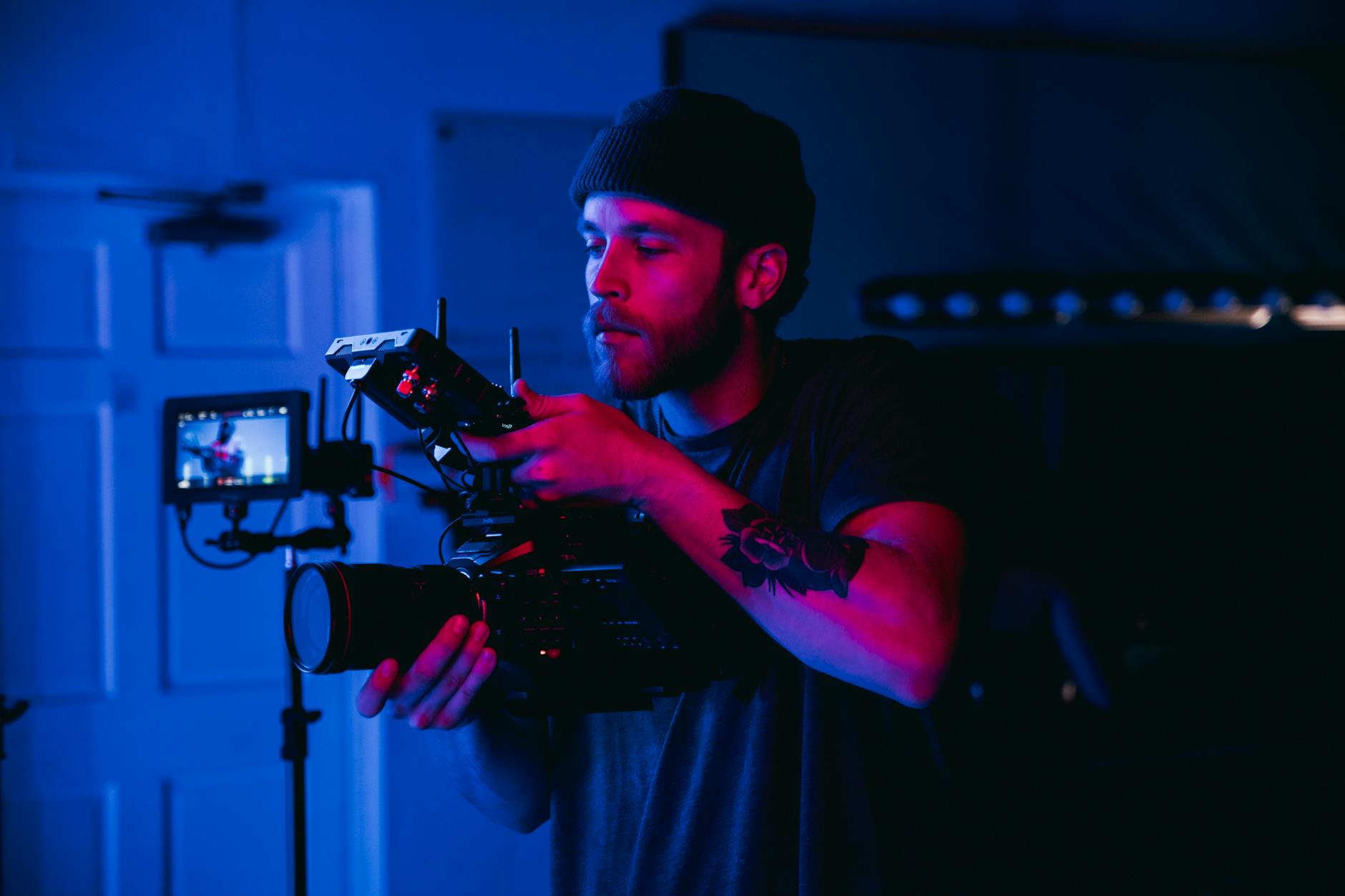
Integrating drone footage into virtual tours, listing videos, and social media posts can significantly boost engagement levels. Prospective buyers can gain a better sense of scale and layout, which helps accelerate decision-making processes. Additionally, aerial photos serve as eye-catching thumbnails and previews that increase click-through rates on online listings and marketing campaigns. For properties with extensive land or unique topography, aerial media is often the primary method to fully showcase the property's attributes, making it an essential component of high-impact real estate marketing in Miami.
Enhancing Listings with Virtual Tours and 360° Media
Virtual tours and 360-degree media have revolutionized how properties are presented online by offering immersive, interactive experiences. These formats allow viewers to navigate through a property as if they were physically present, exploring each space from multiple angles and perspectives. Incorporating virtual tours and 360° media into listings enables potential buyers to scrutinize interior layouts, ascertain spatial relationships, and appreciate architectural features more intimately than static images alone.
High-quality virtual tours not only increase engagement but also attract serious buyers by providing convenience and reducing the need for multiple in-person visits. For Miami's fast-paced market, virtual tours are particularly advantageous, as they allow out-of-town or busy clients to experience the property remotely without sacrificing detail or authenticity. When professionally produced, this media type elevates the desirability of a listing and helps properties stand out amidst a crowded marketplace.
Types of Real Estate Photography and Videography
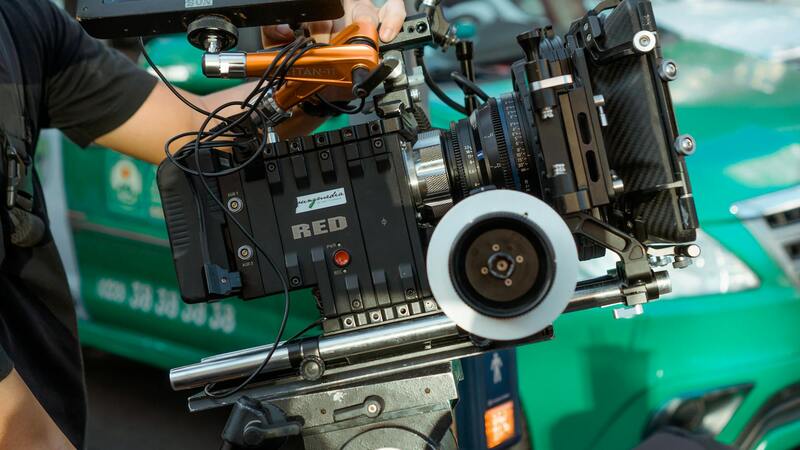
Real estate marketing in Miami benefits significantly from diverse visual content, including high-resolution photos, engaging videos, drone footage, virtual tours, and 360-degree walkthroughs. Each format serves a specific purpose in capturing different aspects of a property and attracting various buyer demographics. Photographs provide static, detailed views of interior and exterior spaces, highlighting architectural features and aesthetic appeal. Videos, on the other hand, present dynamic tours that showcase flow and spatial relationships, creating a more immersive experience for the viewer.
Drone videography offers elevated perspectives that reveal the full scope of the property, especially for large estates or properties with exceptional surrounding landscapes. Virtual tours and 360° media introduce interactivity, allowing potential buyers to explore the property remotely from multiple angles, which increases engagement and provides a comprehensive understanding of the space.
Importance of High-Quality Visual Content in Miami Real Estate
In Miami’s competitive real estate market, premium visual content stands out as a critical factor influencing buyer interest and conversion rates. With an influx of out-of-state and international clients, the demand for compelling visuals that can effectively communicate a property’s unique features has never been higher. High-quality photos and videos act as the digital storefront—forming the first impression and enticing prospects to schedule viewings.
Additionally, professionally produced media enhances online listings, social media campaigns, and virtual open houses, making properties appear more desirable and reducing the time they spend on the market. Leveraging the latest technology in visual presentation aligns with the expectations of modern buyers who prioritize instantaneous, immersive viewing experiences.
Key Features of Effective Real Estate Photography
- Bright, well-lit images that emphasize natural light and space
- High resolution to ensure clarity across all devices
- A wide-angle approach that captures entire rooms and exterior views
- Consistent styling and staging to appeal to a broad audience
- Accurate color representation to showcase authentic property details
- Strategic angles that highlight unique features and architectural elements
The Role of Videography in Property Marketing
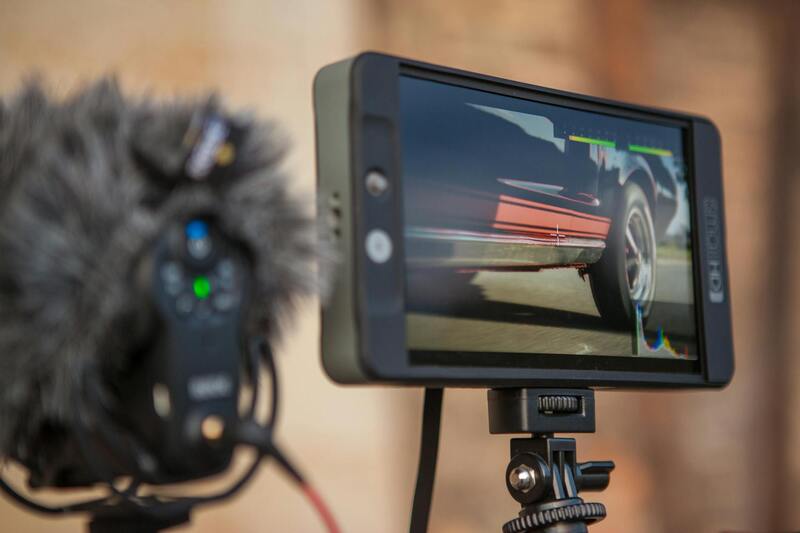
Video content provides a narrative for the property, allowing potential buyers to experience the ambiance, flow, and ambiance of a home or commercial space. Well-crafted videos can include walkthroughs, narrated voiceovers, and music that evoke emotion and help viewers envision themselves within the property. This format is particularly effective for showcasing key living areas, outdoor spaces, and architectural highlights that static images might not fully convey.
Types of Media Used in Real Estate Marketing
In addition to traditional photography and videography, Miami real estate professionals incorporate aerial drone footage, virtual reality tours, and 360-degree photography. Each media type serves to address different marketing needs, from attracting online clicks to offering comprehensive virtual experiences. Combining these elements into a synchronized marketing strategy ensures a property achieves maximum exposure, reaches varied audiences, and encourages engagement across multiple platforms.
Integrating Visual Content into Real Estate Marketing Strategies
Effective real estate marketing in Miami relies heavily on the strategic integration of high-quality visual content across multiple channels. When vendors utilize professionally produced images and videos, they significantly enhance the visibility and appeal of property listings. These visuals should be optimized for each platform to ensure maximum engagement and reach.
On online listing sites, high-resolution images and engaging videos capture the attention of potential buyers immediately. Implementing a consistent visual style, including the use of natural lighting and authentic staging, creates a cohesive and attractive presentation that resonates with viewers. Including a variety of media formats, such as 360-degree virtual tours and aerial shots, broadens the appeal by providing comprehensive views of the property that static images alone cannot achieve.
Social media platforms serve as powerful tools for property promotion, offering opportunities for targeted advertising and organic sharing. High-quality media content, especially videos showcasing walkthroughs and drone footage, encourages users to pause, engage, and share listings. Optimizing these visuals with descriptive captions and strategic hashtags enhances discoverability among Miami's diverse audiences.
For MLS (Multiple Listing Service) and other online databases, the focus should be on consistency and clarity. Accurate color representation, proper framing, and image metadata improve searchability and professionalism. Incorporating virtual tours with clickable hotspots allows potential buyers to explore the property interactively, increasing engagement time and interest.
Beyond online platforms, integrating visuals into email marketing campaigns and printed materials amplifies outreach efforts. Embedding video links in emails or QR codes on flyers directs audiences to immersive virtual experiences, bridging the gap between physical and digital marketing efforts.