
Importance of High-Quality Property Photos
In the competitive Miami real estate market, compelling property photos are essential for capturing the attention of prospective buyers and renters. Professionally shot images significantly enhance online listings, making properties stand out amidst numerous options. High-quality visuals can accelerate the decision-making process for potential clients by providing a clear and attractive presentation of the property’s features. When listings feature sharp, well-lit photographs that accurately represent the space, they tend to attract more clicks and inquiries. This increased engagement can lead to quicker sales or rentals, ultimately reducing the time properties spend on the market.
Moreover, property photos serve as the first impression; they are often the initial interaction a prospective buyer or tenant has with a property. Poor-quality images can detract from the property’s perceived value, potentially discouraging interest and lowering perceived desirability. Conversely, professional photography showcasing well-composed and vibrant images can highlight a property’s best features — such as spacious living areas, modern kitchens, scenic views, or luxurious amenities — which are critical factors in attracting targeted audiences.
In Miami, where waterfront views and vibrant lifestyles are major selling points, capturing these elements with high-quality photography enhances marketability. Furthermore, professional photos incorporate consistent branding that reflects the high standards of reputable real estate agencies, thereby building trust with prospective clients. This trust translates into increased engagement and quicker sales cycles.
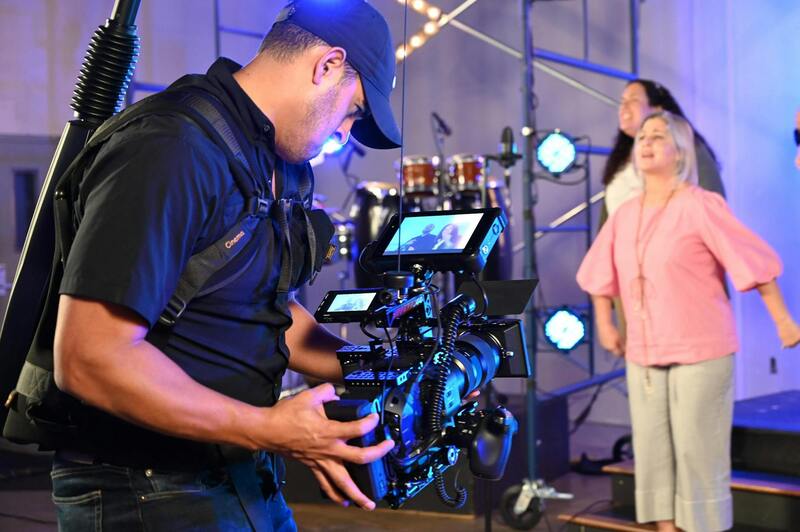
Investing in high-quality images not only elevates the visual appeal but also demonstrates a commitment to professionalism and attention to detail. Such dedication reassures clients that they are dealing with experienced agents who prioritize delivering comprehensive and engaging property presentations. As digital platforms continue to dominate property searches, the impact of polished, professional images on online visibility, viewership, and ultimately sales success cannot be overstated.
Best Practices for Photography Equipment and Techniques
Achieving exceptional real estate property photos begins with selecting the right equipment and implementing effective photography techniques. High-grade DSLR or mirrorless cameras equipped with wide-angle lenses are essential to capture expansive interiors and architectural details accurately. Developing a keen understanding of aperture settings, shutter speed, and ISO sensitivity ensures that images are sharp, well-lit, and free of noise, even in challenging lighting conditions.
Utilizing a tripod enhances stability, allowing for precise framing and consistent angles, particularly in low-light scenarios or when capturing interior spaces. Shooting in the raw format provides greater flexibility during post-processing, enabling adjustments to exposure, white balance, and color saturation without compromising image quality.
Composition plays a critical role in showcasing a property’s most appealing features. Employing the rule of thirds, leading lines, and symmetry directs viewers’ attention toward focal points such as a modern kitchen, a scenic waterfront view, or an inviting living area. Strategic use of natural light, often during the golden hour, can add warmth and vibrancy to images, highlighting the property's ambiance.
Additional equipment like drone cameras can provide breathtaking aerial shots that reveal property size, landscape features, and surrounding amenities. Properly managing indoor lighting through supplementary fixtures or reflectors ensures uniform illumination, reducing harsh shadows and emphasizing textures.

Timing and Weather Considerations
Perfect timing and weather conditions are vital for optimal property photos. Shooting during times of abundant natural light, typically mid-morning or late afternoon, can reveal the home in its most flattering state. Overcast days can be advantageous by diffusing sunlight, reducing glare, and producing softer shadows that enhance interior visibility.
It’s advisable to monitor weather forecasts before scheduling photography sessions. Clear skies not only illuminate exterior details but also reflect positively on waterfront and outdoor living spaces. Avoid days with excessive wind, fog, or rainfall, which can obscure views and diminish the overall quality of the images.
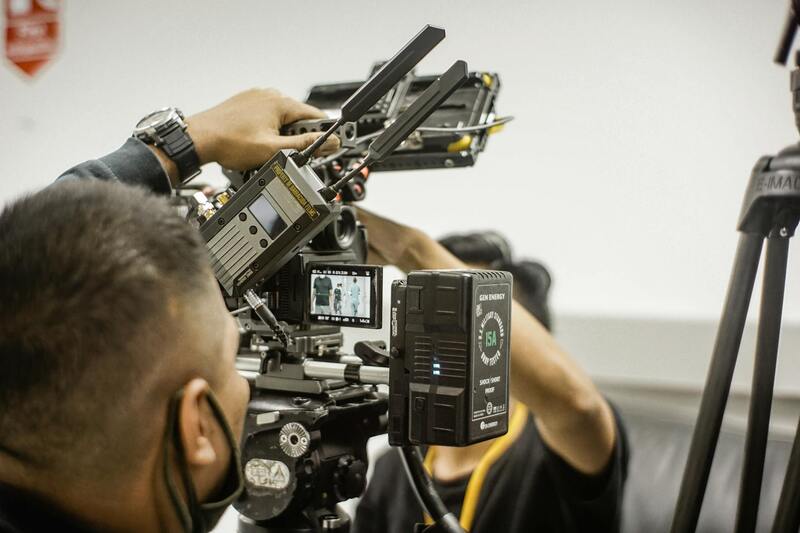
Photo Editing and Post-Processing
Post-processing is an integral part of producing professional real estate images. Adjustments to brightness, contrast, and color balance can correct minor exposures and ensure the photos accurately reflect the property’s true appearance. Retouching may involve removing minor imperfections, such as distracting clutter, scratches, or shadows, to maintain a clean, inviting look.
Employing subtle enhancements like sharpening and noise reduction can make details pop without creating an artificial or over-processed look. When applied consistently, these edits strengthen branding and presentation, contributing to a polished visual narrative.
Maintaining authenticity during editing is essential to ensure prospective buyers receive an accurate representation of the property, fostering trust throughout the sales process.
Legal and Ethical Aspects of Property Photography
Adhering to ethical standards in real estate photography involves accurate representation and responsible use of images. This includes obtaining necessary permissions for the use of private property, avoiding deceptive alterations, and respecting privacy by excluding identifiable individuals or private areas unless explicitly authorized.
Clear documentation of image rights can prevent misunderstandings and supports transparency. Properly crediting photographs and respecting intellectual property rights of equipment and software used in editing further reinforce ethical practices. Ensuring images are an honest portrayal of the property sustains credibility and aligns with professional standards.
Role of a Miami Production Agency in Property Photography
A specialized production agency in Miami brings industry expertise, local market knowledge, and technical proficiency to real estate photography. These agencies utilize advanced equipment, tailored techniques, and experienced personnel to produce high-impact images that resonate with Miami’s vibrant real estate scene.
By handling comprehensive aspects such as staging, lighting setup, and post-production, production agencies ensure the property is presented in the best possible light. Their strategic approach to composition and timing culminates in images that effectively attract target audiences and accelerate sales cycles.
Optimizing Photos for Online Listings and Marketing
Once captured, photos must be optimized for digital platforms to maximize visibility. High-resolution images should be compressed judiciously to balance quality and load times. Incorporating descriptive filenames and alt tags improves search engine optimization (SEO), making listings easier to find in online searches.
Consistent branding through watermarking or overlaying logos fosters recognition across different channels. Implementing a variety of image formats, such as thumbnails, banners, and full-size pictures, ensures versatility in marketing materials.
Ultimately, well-optimized photos serve as the foundation for compelling online listings, immersive virtual tours, and engaging marketing campaigns, significantly enhancing a property’s market appeal and reach.
Essential Techniques for Capturing Superior Real Estate Property Photos
Achieving top-tier real estate property photos requires a strategic combination of advanced equipment, expert techniques, and meticulous planning. High-quality images not only showcase a property's best features but also influence potential buyers' perceptions, making them integral to effective marketing. When photographing properties in vibrant markets like Miami, certain practices can significantly enhance the visual appeal and accuracy of the listing photos.
Utilizing Professional Equipment for Optimal Results
The foundation of remarkable property photos lies in using specialized camera gear. Professional-grade DSLR or mirrorless cameras equipped with wide-angle lenses are essential for capturing expansive interiors and exteriors in a single shot. These lenses facilitate a broad field of view, making spaces appear larger and more inviting. Tripods are indispensable for ensuring stability and sharpness, especially in low-light conditions or during long exposures.
Lighting equipment also plays a critical role. Portable flash units, softboxes, and reflectors can be used to balance natural light and eliminate harsh shadows. When shooting indoors, it’s advantageous to blend natural sunlight with supplemental artificial lighting to achieve a well-lit, natural-looking appearance. Exterior shots benefit from capturing during golden hour—shortly after sunrise or before sunset—when natural light enhances colors and creates a warm, welcoming atmosphere.
Advanced Techniques for Enhancing Visual Appeal
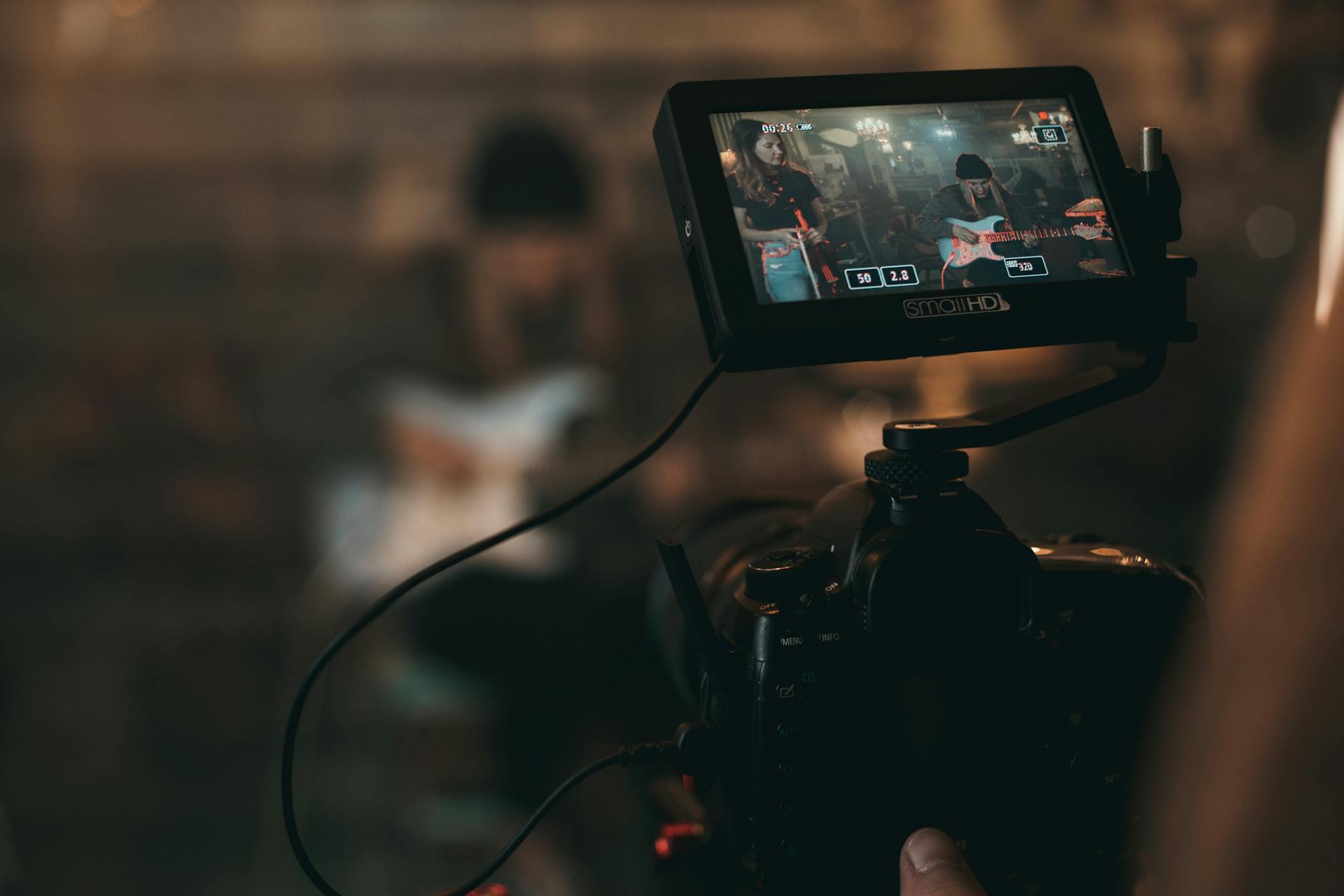
Proper camera settings are crucial. Shooting in RAW format allows for greater flexibility during post-processing, preserving image details and color accuracy. An aperture setting of f/8 to f/11 generally provides sharpness across depth of field, ensuring both foreground and background elements are in focus.
To minimize distortion, especially with wide-angle lenses, keep the camera level and at eye height. Overhead shots can be effective for showing room layouts, while lower angles can emphasize ceiling height and architectural features. Bracketing exposures and blending them during editing can create high-dynamic-range (HDR) images that accurately represent both shadows and highlights.
Staging and decluttering are equally vital. Removing personal items and arranging furniture to highlight space flow enhances the clarity and appeal of images. Adding subtle decorative touches, such as fresh flowers or well-placed art, can make spaces appear more inviting.
Optimizing Environment Conditions for Photoshoot
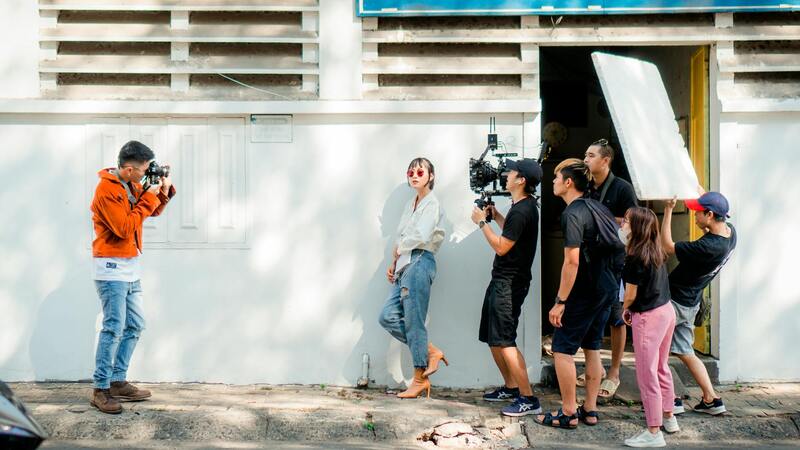
Timing the shoot during optimal weather conditions ensures consistent lighting and minimal interruptions. Clear, sunny days are ideal for outdoor photos, while indoor shoots benefit from bright, diffused sunlight. Overcast skies provide soft, consistent light that reduces harsh shadows and highlights. Avoiding rainy or stormy weather maintains safety and prevents water spots or reflections that can detract from image quality.
Preparing the property by opening curtains, turning on lights, and adjusting window treatments helps control indoor lighting and creates a warm, inviting atmosphere. Ensuring the space is clean, organized, and free of clutter contributes significantly to overall image quality and viewer engagement.
Effective Post-Processing for Property Photos
Post-processing plays a crucial role in transforming raw images into visually compelling representations of a property. High-quality editing helps correct exposure issues, enhance colors, and ensure the final photos accurately reflect the property's true appearance. Proper adjustment of brightness, contrast, and sharpness can bring out the details that might be lost during the initial shot. It’s essential, however, to maintain authenticity to prevent over-manipulation that could mislead viewers.
Using advanced editing software enables professionals to perform precise enhancements, such as leveling skewed horizons, removing distracting elements, and sharpening key features. This process ensures interior spaces look spacious and inviting, while exterior shots capture the property’s curb appeal in the best possible light. When performed correctly, post-processing elevates the overall visual quality without compromising the integrity of the images.
Additionally, employing techniques like high-dynamic-range (HDR) imaging during post-processing helps balance the exposure between bright and dark areas within a shot. This approach provides a cohesive, well-exposed image that accurately displays both interior shadows and exterior highlights. Consistency across all property images reinforces a professional appearance, reinforcing trust and interest among prospective buyers or renters.
It's important that post-processing is done systematically, adhering to established standards, to avoid creating images that appear artificially enhanced. The goal remains to showcase the property in a way that appeals to potential clients while presenting an honest view of what they can expect.
Strategies for Effective Image Composition and Angle Selection
Beyond equipment and timing, the composition and choice of camera angles play crucial roles in creating compelling real estate photographs. Professional photographers strategically select angles that maximize the perceived space, highlight architectural features, and showcase the property’s unique selling points. For interior shots, shooting from the corners of rooms often provides a sense of depth and offers a comprehensive view of the space. Including wide-angle lenses helps in capturing more of the room within a single frame, making spaces appear larger and more inviting.
Exterior photos benefit from capturing the property from various perspectives—front, side, and rear views—to provide a comprehensive visual narrative. Elevating the shot by using drone photography can add value, offering aerial views that underline the property's landscape, proximity to amenities, or surrounding environment. Ensuring the horizon lines are level and avoiding converging verticals further enhances the professionalism of the images.
Utilizing natural lines, such as pathways, fences, or the edges of furniture, can lead the viewer’s eye through the space effectively. Thoughtfully framing scenes by leaving space in the direction of natural light or ahead of moving subjects helps in emphasizing the property’s openness and flow. Photographers often employ the rule of thirds, positioning key features at intersecting points, which creates balanced and engaging images.
Enhancing Property Photos with Professional Lighting
Lighting significantly influences the attractiveness and realism of property images. Strategic use of natural light, combined with supplementing artificial lighting when necessary, ensures that rooms appear bright and welcoming. High-quality strobes or continuous lights can eliminate shadows and highlight textures. Ensuring consistent lighting throughout a series of photos maintains a cohesive visual experience without distracting discrepancies.
For outdoor shots, shooting during the golden hour—the period shortly after sunrise or before sunset—provides soft, warm light that enhances curb appeal. Overcast days can also be advantageous, as diffuse lighting reduces harsh shadows and improves color accuracy. Properly balanced lighting minimizes the need for extensive post-processing, resulting in images that are both authentic and visually appealing.

In summary, the key to captivating real estate photos lies in meticulous composition, strategic angle selection, and skillful lighting. These elements collectively help present the property in its best light, appeal to prospective buyers or renters, and ultimately facilitate a quicker transaction process. Collaborating with seasoned professionals who understand these nuances ensures that each image aligns with the property’s most attractive features and optimizes online engagement.
Legal and Ethical Aspects of Property Photography
In the realm of real estate, maintaining transparency and integrity in photographic representation is paramount. Photographers and agents must ensure that every image accurately reflects the property's condition and features without manipulation that could mislead viewers. This includes avoiding the use of misleading angles or excess editing that could distort the true appearance of spaces, thereby upholding professional standards that foster trust among prospective clients.
Permissions are a critical factor when capturing images in private or secured areas. It is essential to obtain all necessary authorizations for photographing interiors and exteriors, especially in properties with exclusive access or restricted zones. Respect for privacy rights involves refraining from photographing or publishing images of individuals without consent, which aligns with the necessity to preserve the privacy interests of current residents or tenants.
Honest portrayal extends beyond static images. Detailed and truthful descriptions accompanying photographs help set appropriate expectations for buyers or renters. This practice reduces disputes and enhances the overall reputation of the listing agent or agency. Consistency between photos and the actual state of the property encourages informed decision-making, thus fostering a professional environment and facilitating smoother transactions.
Adhering to these standards demonstrates a commitment to ethical practices within the real estate industry, which is fundamental to sustaining a positive reputation and ensuring compliance with industry norms. Reliable visuals combined with transparent information create a compelling, honest presentation that benefits all parties involved in property transactions.
Role of a Miami Production Agency in Property Photography
Professional agencies specializing in real estate photography, such as those operating within Miami, play an essential role in elevating property presentation. They bring technical expertise and creative insight that transform listings into visually compelling assets. From capturing the unique architectural features to enhancing the property's ambiance, these agencies focus on creating imagery that appeals to targeted audiences.
Partnering with a Miami-based production agency ensures access to advanced equipment, seasoned photographers, and tailored strategies aligned with local market trends. Their understanding of the region’s aesthetic preferences and lighting conditions allows for optimized shots that highlight a property’s best attributes effectively. Furthermore, these agencies often provide comprehensive services, including staging, drone photography, and virtual tours, adding depth and versatility to marketing campaigns.
Optimizing Photos for Online Listings and Marketing
For maximum impact, high-quality real estate photos should be strategically optimized for digital platforms. This involves adhering to technical specifications recommended by most listing sites, such as resolution, aspect ratios, and file size. Properly compressed images maintain quick load times without sacrificing clarity, which directly influences user engagement.
Captions and metadata also play a crucial role in search engine optimization (SEO). Including relevant keywords like "Miami real estate property photos" within descriptions helps improve visibility on search engines, attracting more prospective buyers. Additionally, consistent branding, such as watermarks or agent logos, enhances professional recognition and brand trustworthiness.
Incorporating a variety of perspectives within a photo set—interior, exterior, close-ups, and wide angles—provides a comprehensive visual story of the property. This multi-dimensional approach enables viewers to virtually explore the space, increasing their emotional connection and interest levels. When paired with strategic text overlays or call-to-action prompts, these images can significantly boost a listing's conversion potential.
Legal and Ethical Aspects of Property Photography
Adhering to established guidelines and best practices in real estate property photos is crucial for maintaining transparency and integrity in marketing. Ensuring that all images accurately represent the property's current condition prevents any misinterpretations that could lead to misunderstandings or disputes. This includes capturing the true size, layout, and features of the property without excessive staging or digital enhancements that distort reality.
Securing proper permissions before photographing private areas or including residents in footage is an important step in respecting privacy and property rights. It’s vital to obtain consent from homeowners or tenants when capturing interior shots or drone footage, especially in sensitive locations. This not only upholds ethical standards but also fosters trust with clients and potential buyers.
Maintaining consistency across a property’s visual assets reinforces professionalism and credibility. This involves using uniform lighting, angles, and editing styles that align with the property’s branding and marketing strategy. Out-of-focus, poorly lit, or overly saturated images can undermine the listing’s appeal and credibility, diminishing the chances of engaging prospective buyers effectively.

Furthermore, it’s imperative to be aware of and comply with local regulations regarding drone photography and footage licensing. Using aerial imagery responsibly and legally enhances the marketing approach while avoiding potential conflicts or legal issues. Registration, certifications, and adherence to altitude restrictions often guide drone operations and should be respected in the process.
Respect for intellectual property rights is another ethical consideration. Employing only licensed photography equipment and avoiding the use of unlicensed images or editing tools ensures the authenticity of the visual content. This adherence not only protects the agency’s reputation but also aligns with industry standards for professionalism and integrity.
Ultimately, high-quality property photos serve as a reflection of honesty and professionalism in real estate marketing. When approached ethically, these images form a trustworthy foundation that helps potential buyers make informed decisions, fostering smoother transactions and sustainable relationships within the market.
Ensuring Ethical and Accurate Visual Representation in Property Photography
To maintain transparency and foster trust within the real estate market, it is essential that property photographs accurately reflect the current condition and features of the property. This practice not only enhances the credibility of the listing but also mitigates potential disputes or misunderstandings that may arise during transactions. Clear, truthful imagery enables potential buyers or renters to make well-informed decisions based on the actual state of the property, reducing the likelihood of dissatisfaction or transaction delays.
Adherence to local guidelines regarding drone usage, aerial shots, and licensing is of utmost importance. Utilizing aerial views responsibly involves obtaining proper permissions and complying with altitude restrictions. This ensures the images are captured legally and ethically, avoiding potential conflicts or compliance issues. Consistent documentation of permits and certifications demonstrates a commitment to lawful practices and enhances the professionalism of your marketing efforts.
Respecting intellectual property rights entails only using licensed, authorized images and editing tools. Unauthorized use of images or unlicensed editing software can compromise the authenticity of the visual content and potentially lead to legal issues. Employing licensed equipment and adhering to copyright laws uphold the integrity and quality of the property presentation, aligning with the highest standards of industry practice.
Maintaining Standards for Ethical Property Marketing
- Use only licensed photography equipment and editing tools.
- Obtain necessary permits and clearances for aerial photography.
- Ensure all images accurately represent the current state of the property.
- Avoid manipulating images in a way that misleads viewers about the property's features or condition.
- Respect intellectual property rights by refraining from the use of unlicensed images or content.
Impact of Ethical Practices on Market Reputation
Adhering to these principles fosters transparency, enhances credibility, and builds long-term trust with clients and prospective buyers. Ethical photography practices contribute to a more reliable and professional real estate industry, setting a standard that benefits all stakeholders involved. Accurate visual communication not only facilitates smoother transactions but also cultivates a reputation for integrity and excellence within the Miami real estate market.