
Role and Importance of a Residential Real Estate Photographer
In today’s competitive property market, the significance of high-quality photography cannot be overstated. A professional residential real estate photographer plays a pivotal role in shaping the perception of a property, capturing its best features, and presenting it in a manner that resonates with prospective buyers. Through expertly composed images, they can transform a simple listing into an eye-catching showcase that grabs attention across various digital platforms.
Effective real estate photography enhances a property’s appeal, making it stand out amidst numerous listings. When prospective buyers browse online, the initial impression is often formed solely based on photographs. In this digital age, where many buyers start their home search on the internet, compelling imagery drives higher engagement, more inquiries, and ultimately, faster sales.
Furthermore, professional photography encourages increased viewing interest, which translates into higher foot traffic and more competitive offers. Well-crafted images can highlight a property’s unique features, showcase its spacious interiors, and present it in the best possible light. This is especially crucial in neighborhoods like Miami, where vibrant aesthetics and attractive outdoor spaces are key selling points.
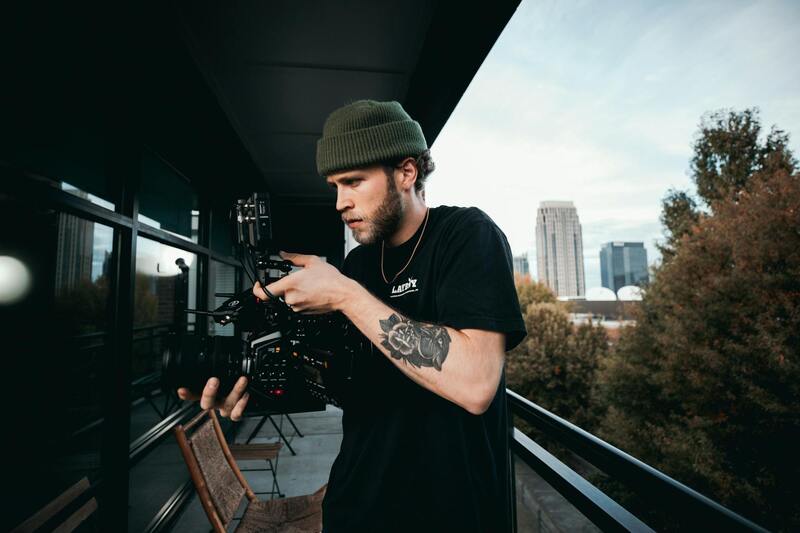
Real estate professionals recognize that investing in professional photography is a strategic move that boosts marketing efforts. When listings feature high-resolution, well-lit images, they not only appeal more to prospective buyers but also convey a sense of professionalism and credibility. This investment often results in quicker sales and better offers, making it an indispensable component of modern property marketing strategies.
In summary, a residential real estate photographer’s role extends beyond merely capturing images. They are vital in creating compelling narratives around properties, enhancing their market visibility, and helping clients achieve their home selling goals more efficiently. As the real estate landscape continues to evolve, the importance of expert photography becomes increasingly apparent, serving as a fundamental element in successful property transactions.
Skills and Qualifications of a Residential Real Estate Photographer
A proficient residential real estate photographer must possess a comprehensive set of technical skills and industry knowledge to ensure each property is presented at its best. Central to this expertise is mastery in camera operation, including understanding various camera settings such as aperture, shutter speed, and ISO to capture images with optimal clarity and depth. Mastery of these fundamentals ensures photos are sharp, well-lit, and accurately represent the property's scale and ambiance.
Lighting is another critical component. An experienced photographer skillfully utilizes natural light and supplemental lighting techniques to enhance the property's features, avoid undesirable shadows, and create inviting, balanced images. Proper lighting not only highlights interior details but also emphasizes outdoor spaces, which are often pivotal in Miami's vibrant neighborhoods.
Post-processing skills, including photo editing and retouching, are essential for delivering polished images that meet professional standards. Skilled editors can correct color imbalances, straighten lines, and remove distractions, ensuring the final photographs are attractive and true to life. This meticulous attention to detail underscores the importance of technical proficiency in delivering consistent, high-quality results.
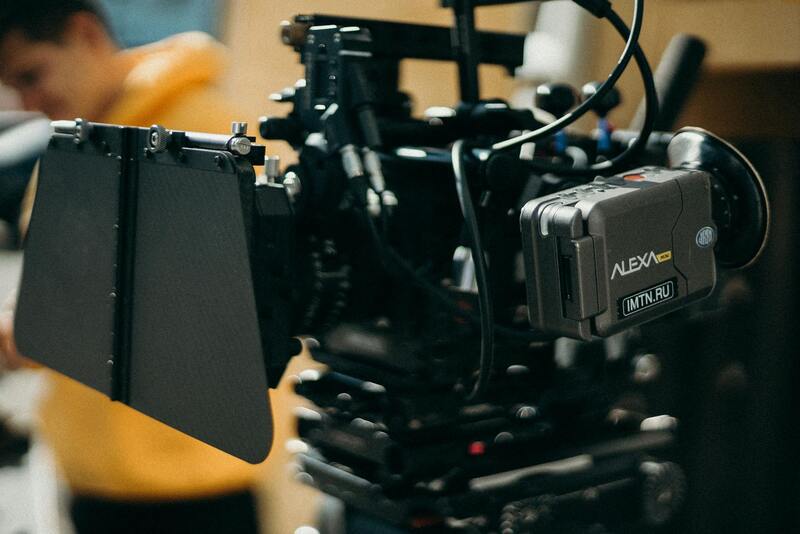
Beyond technical abilities, an in-depth understanding of the real estate industry enhances a photographer’s effectiveness. Familiarity with property layouts, architectural styles, and market trends enables the photographer to emphasize key selling points and tailor their approach to resonate with prospective buyers and real estate professionals. Knowledge of Miami's diverse architectural landscape and popular neighborhood features further informs the photographic style and composition, ensuring images align with local market expectations and appeal to target audiences.
Furthermore, effective communication skills are vital for collaboration with real estate agents and property owners. Understanding their goals and expectations allows photographers to deliver images that align with marketing strategies and showcase the property’s unique appeal. Continuously updating skills through industry workshops and practice keeps professionals at the forefront of new techniques and trends in real estate marketing photography.
Types of Photography Equipment and Techniques
Achieving stunning images of residential properties relies heavily on the use of specialized equipment and advanced techniques. High-quality results are driven by selecting the right tools, which include wide-angle lenses, drone cameras, and professional lighting setups. Each piece of equipment plays a critical role in capturing the full scope and detail of a property.
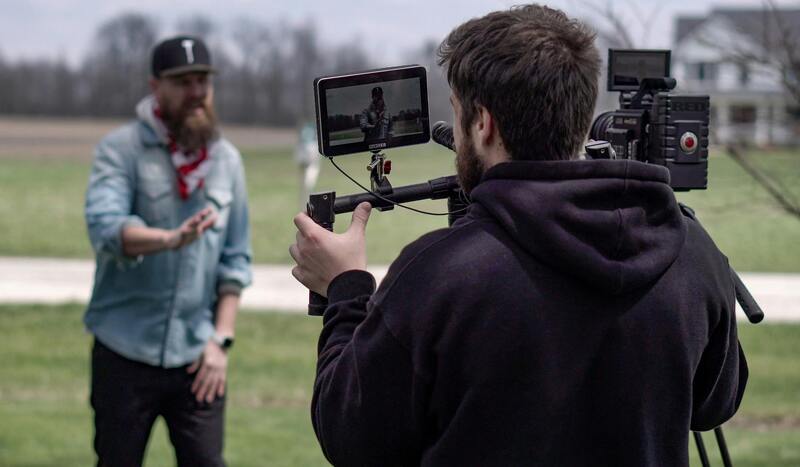
Wide-angle lenses are fundamental in real estate photography. They allow photographers to encompass more of a room within a single shot, creating a sense of space and openness that appeals to prospective buyers. Proper lens choice ensures that interior shots remain proportionate and free from distortion, offering an accurate representation of the property's dimensions.
Drone photography has become an integral part of showcasing exterior property features and the surrounding neighborhood. Aerial shots provide potential buyers with a comprehensive view of the property’s size, layout, and nearby amenities, particularly useful for large estates or properties with scenic landscapes. Utilizing drones also enhances marketing materials by adding a dynamic perspective that stands out in listings.
Lighting techniques are equally vital. Natural light is harnessed to highlight the property's best features, while supplemental lighting can enhance spaces that may be shadowed or poorly lit during the day. Professional lighting tools and reflectors help achieve even illumination, reducing shadows and ensuring that each room's details are clear and inviting. Adjustments in lighting angles and intensities are often necessary to produce a balanced, appealing ambiance.
To effectively capture compelling images, photographers employ a combination of techniques including HDR (High Dynamic Range) imaging. This process involves taking multiple exposures of a scene and blending them to retain detail in both shadows and highlights. HDR is especially useful for interior shots where windows may cause high contrast between bright exteriors and dim interiors.
Other techniques involve strategic framing and composition, such as leading lines, symmetry, and points of interest. These compositional elements guide the viewer’s eye through the photograph, emphasizing space, architectural details, or outdoor features. Ensuring consistency across images and maintaining a professional aesthetic is critical for creating an appealing visual narrative of the property.
Post-processing is the final step in refining real estate images. Skilled editing adjusts color balance, corrects distortions, and removes distracting elements without altering the authentic look of the property. Accurate color correction is essential to portray the space realistically, while image sharpening enhances detail clarity. Maintaining integrity and authenticity in editing reinforces trust with clients and potential buyers.
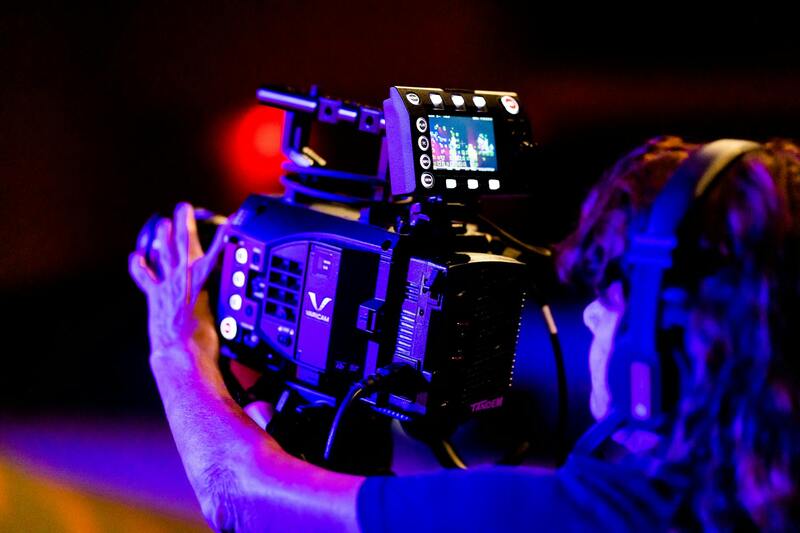
Ultimately, the successful combination of appropriate equipment and refined techniques results in visually compelling property representations that attract interest and facilitate faster sales. A professional residential real estate photographer leverages these tools to showcase each property's unique charm, ensuring that images not only attract viewers but also accurately reflect the property’s true features.
Best Practices for Residential Property Photography
To maximize the visual appeal of a property and attract potential buyers, adopting a set of best practices in residential real estate photography is crucial. These practices ensure that every photograph effectively highlights the property's strengths while maintaining a professional and inviting appearance.
Staging the Space
Proper staging transforms a property into an aspirational home that appeals to a broad audience. Clear clutter, neutral decor, and strategic placement of furniture help showcase the space’s potential. Neutral tones and minimal decoration draw attention to architectural features and create a clean, welcoming atmosphere. Accessories like fresh flowers, well-placed lighting, and tasteful artwork subtly enhance the appeal without overpowering the scene.
Optimal Lighting Strategies
Lighting holds the key to vibrant and inviting images. Natural light is preferred, so scheduling shoots during the day when sunlight fills the space evenly can make interiors appear larger and more welcoming. Opening curtains, trimming landscaping outside windows, and turning on additional lights help illuminate dark corners. For exterior shots, capturing during the golden hour—the period shortly after sunrise or before sunset—adds warmth and depth to the images.
Camera Angles and Composition
Choosing the right angles is essential to depict a property's layout accurately. Wide-angle lenses are commonly used to capture more of the space, creating a sense of openness. Typically, shooting from the corners of rooms provides depth and perspective. Maintaining a consistent eye level across images preserves spatial relationships. Emphasizing architectural details, outdoor views, and unique features can further elevate the quality of the presentation.
Post-Processing Techniques
Reliable editing ensures visual consistency and refinement. Adjustments to brightness, contrast, and color balance enhance realism, removing any dullness or oversaturation. Correcting distortions caused by wide-angle lenses maintains the true proportions of rooms and exteriors. Cloning or removal of minor distractions—such as wires or clutter—allows for a cleaner presentation while keeping images authentic. Sharpening and subtle vignetting can also be employed to draw focus to central features.

Consistency Across Visuals
Implementing consistent color tones, angles, and editing styles across a set of images fosters a cohesive visual story. Consistency helps viewers easily interpret the property layout and provides a polished look in online listings and marketing materials.
By adhering to these best practices, residential real estate photographers can create high-quality, engaging images that not only attract more interest but also accurately represent the property’s true character, paving the way for quicker and more successful sales.
Types of Photography Equipment and Techniques
Choosing the appropriate tools and employing effective techniques are crucial for capturing high-quality residential property images. A professional residential real estate photographer typically invests in high-resolution DSLR or mirrorless cameras equipped with wide-angle lenses. These lenses allow for expansive shots of interior spaces, making rooms appear larger and more inviting. Additionally, tilt-shift lenses can help correct perspective distortions often encountered when photographing architecture, ensuring straight lines and true-to-proportions images.
Lighting plays a significant role in real estate photography. Natural light is preferred whenever possible, as it produces vibrant, authentic images. Photographers often schedule shoots during optimal times of day, such as late morning or early afternoon, to maximize sunlight and minimize shadows. In indoor settings, supplemental lighting like portable strobes, softboxes, or LED panels can assist in evenly illuminating spaces, reducing unwanted shadows or dark corners.

Techniques such as HDR (High Dynamic Range) photography allow for balanced exposures in scenes with contrasting lighting conditions, such as bright windows and darker room interiors. Bracketing multiple shots at different exposures and merging them seamlessly in post-processing results in well-lit, detailed images.
Another vital aspect is the use of tripod stabilization, which ensures sharp images, especially during long exposure shots or interior low-light conditions. The careful composition of images involves positioning the camera at optimal heights and angles to showcase the property's most appealing features. Shooting from strategic vantage points can emphasize the flow of space, highlight architectural details, and present outdoor views compellingly.
Mastering these equipment choices and photographic techniques enables specialists to produce images that truly reflect the property's appeal and attract prospective buyers effectively.

Understanding the Impact of Visual Content on Property Listings
In today’s competitive real estate environment, high-quality visual content is a cornerstone of successful property marketing. Captivating images not only attract more potential buyers but also foster a sense of trust and transparency regarding the property being sold. When prospective buyers browse listings online, the first impression often hinges on the quality of photographs, making the expertise of a professional residential real estate photographer indispensable.
Effective photography can highlight a property’s best features, demonstrate spatial relationships, and present the home in its most appealing light. Incorporating multiple angles, capturing natural lighting, and emphasizing architectural details help create a comprehensive visual story that resonates with viewers. The role of a residential real estate photographer extends beyond simply snapping pictures; it involves a strategic approach to showcase the property's unique qualities while adhering to best practices for clarity, composition, and lighting.
Moreover, professional images can significantly reduce the time a property remains on the market. Well-crafted visuals facilitate more informed decision-making, encouraging quicker responses from interested buyers. As a result, real estate professionals often integrate the services of skilled photographers into their marketing strategies to maximize property visibility and appeal.

Enhanced Marketing Strategies Through Professional Photography
Beyond traditional listing platforms, high-quality property images are vital for a comprehensive marketing campaign. These visuals are utilized in social media advertising, print brochures, virtual tours, and email campaigns—each requiring consistent, eye-catching photography that captures the property's essence.
In digital marketing, visual content serves as an entry point for prospective buyers, acting as a virtual tour that conveys the property’s ambiance and layout. Professional photographers employ techniques like wide-angle lenses, HDR imaging, and strategic lighting to produce compelling images that stand out in saturated online markets.
Benefits of Collaborating with a Residential Real Estate Photographer
- Enhanced property visibility across multiple channels.
- Increased engagement and inquiries from prospective buyers.
- Quicker sale timelines due to impactful visual representation.
- Consistency in branding and presentation of listings.
While some may consider DIY photography for cost-saving reasons, the complexities involved in capturing an appealing, well-lit, and accurate representation of a home underscore the necessity for professional skills and equipment. A dedicated residential real estate photographer understands how to optimize every shot, ensuring that each image aligns with current market expectations and buyer preferences.
Technical Aspects That Elevate Property Photography
Advanced camera technology, such as full-frame sensors and high-resolution sensors, plays a crucial role in achieving crisp, detailed images that shine in online listings. Alongside cameras, the use of various lenses, tripods, and lighting tools helps in managing different interior and exterior scenarios efficiently.
Employing techniques such as HDR, panorama stitching, and strategic staging enhances the visual narrative of each property. Photographers also focus on capturing a variety of shots—including exterior curb appeal, interior living spaces, kitchens, bathrooms, bedrooms, and outdoor amenities—to provide a comprehensive overview that guides potential buyers through the property's key features.
Understanding the nuances of photographic composition, including proper framing, perspective, and color balance, ensures images are not only attractive but also truthful representations of the property. This honesty in visual portrayal builds trust with buyers and aligns their expectations with reality, ultimately supporting a transparent transaction process.
Legal and Ethical Considerations in Real Estate Photography
In the realm of residential real estate photography, adhering to established legal and ethical standards is fundamental to maintaining professional integrity and fostering trust among clients and potential buyers. This aspect encompasses multiple facets, including the truthful representation of properties, respecting privacy rights, and complying with industry regulations.
One of the primary responsibilities of a residential real estate photographer is to ensure that all images reflect an honest portrayal of the property. This involves avoiding any form of digital manipulation that could mislead viewers or distort the property's features. For instance, while enhancing lighting and color accuracy is acceptable, any alteration that significantly changes the property's appearance beyond reality should be avoided. Accurate depiction helps manage buyer expectations and supports transparent transactions.
Respect for privacy is another crucial element. Photographers must obtain proper permissions before capturing images, especially when photographing interiors or private outdoor spaces. Additionally, a clear understanding of what areas can and cannot be shown ensures compliance with privacy considerations while providing comprehensive property visuals.
Furthermore, adherence to local laws and industry standards requires that photographers avoid practices such as trespassing or entering restricted areas without authorization. It is also vital to use appropriate signage or notifications when photographing in public spaces or condominiums, where specific rules may apply.
Professional integrity extends to punctuality and transparency in service agreements. Clear communication about the scope of work, deliverables, and pricing helps set correct expectations from the outset. Providing comprehensive contracts or agreements that outline these details supports ethical business practices and establishes a foundation of mutual trust.
In the competitive Miami real estate market, maintaining high professional and ethical standards not only enhances a photographer's reputation but also directly contributes to the success of property sales. Clients and real estate professionals increasingly prioritize working with specialists who demonstrate integrity, honesty, and a commitment to truthful representation through their visual content. As such, a diligent approach to legal and ethical considerations is an integral component of a licensed residential real estate photographer’s role, supporting a smooth, transparent, and trustworthy property marketing process.
Pricing and Service Packages for Home Photography
Establishing transparent and competitive pricing strategies is essential for professional residential real estate photographers. Pricing structures typically reflect the complexity of the property, the scope of the shoot, and the level of post-processing involved. Common service packages may include basic photography, which captures the property's key features with standard editing, as well as premium packages that incorporate drone footage, 3D tours, or twilight photography to enhance visual appeal.
Offering customizable packages empowers clients to select the services that best suit their marketing needs and budget. It is vital to clearly define what each package includes, such as the number of images, turnaround times, and additional services like virtual staging or video walkthroughs. Transparent pricing prevents misunderstandings and fosters trust, establishing a reputation for professionalism and reliability.
Pricing may also vary based on location, property size, and the specific requirements of the real estate agent or property owner. Offering flexible options and clear communication regarding costs and deliverables enhances client satisfaction and encourages repeat business. Many photographers implement tiered pricing models to cater to different budget levels, which can include basic, standard, and premium tiers—each with distinct features and benefits.
Furthermore, incorporating value-added services such as virtual tours, drone video footage, and 360-degree panoramas can justify higher price points and provide clients with comprehensive marketing tools that differentiate their listings. Providing detailed service descriptions and upfront estimates helps manage client expectations while positioning the photographer as a professional committed to delivering measurable results.
Effective marketing of these service packages involves showcasing previous work and client testimonials, highlighting how professional photography accelerates property sales and increases listing visibility. Staying updated on industry trends ensures that packages remain competitive and aligned with market demands, particularly within the vibrant Miami real estate scene.