
Importance of Video Marketing for Real Estate Agents
In the highly competitive Miami real estate market, property presentation plays a critical role in attracting prospective buyers and closing deals efficiently. Video marketing has emerged as an essential tool for agents seeking to showcase properties in a compelling, engaging manner. High-quality videos can highlight the unique features of a property, provide virtual walkthroughs, and create an immersive experience that static images cannot deliver. As Miami continues to attract a diverse clientele, including international investors and local buyers, the demand for dynamic, visually appealing content has never been higher.
Effective video marketing enhances a property’s visibility across multiple platforms, including social media, listing websites, and email campaigns. This multi-channel approach ensures that listings reach a broader audience, increasing the chances of a swift sale. Furthermore, videos can significantly improve search engine rankings, making listings more discoverable to potential buyers researching the Miami real estate market online. Given the fast-paced nature of property transactions in Miami, utilizing professional-quality video content has become indispensable for agents aiming to stay ahead in a competitive landscape.
In addition to attracting buyers, videos serve as a powerful branding tool for real estate agents. Consistently producing high-caliber content helps establish credibility and demonstrates marketing expertise. Prospective clients are more likely to trust agents who leverage innovative marketing techniques, including professional videos, as they view these as indicators of dedication and market knowledge. As the Miami real estate industry evolves with digital technology, embracing comprehensive video marketing strategies is crucial for agents looking to expand their reach and solidify their reputation.
Types of Real Estate Videos for Agents
Real estate agents in Miami have a variety of video formats at their disposal, each designed to serve specific marketing purposes. Understanding these options enables agents to select the most appropriate type of video content for each property and target audience.
- Property Walkthroughs: These detailed videos guide viewers through the entire property, emphasizing layout, flow, and standout features. Walkthroughs are ideal for online listings, providing a virtual experience that mimics an in-person visit.
- Neighborhood Tours: Showcasing the local community, amenities, schools, and attractions helps buyers envision their life in the area. This type of video is particularly effective in Miami’s diverse neighborhoods.
- Drone Footage: Aerial shots reveal property size, land features, and surrounding environment, offering a comprehensive perspective that ground-level videos cannot capture.
- Lifestyle Videos: These videos focus on lifestyle aspects such as nearby recreational facilities, dining options, and cultural hotspots, appealing especially to lifestyle-oriented buyers.
- Teasers and Promotional Clips: Short, engaging videos designed for social media platforms, intended to generate interest and drive traffic to the full property listing.
Key Elements of High-Quality Property Videos
Creating impactful property videos requires attention to several critical elements. Professional execution ensures the content captures the property's essence and appeals to the target audience.
- High-Resolution Footage: Clear, crisp visuals are essential for showcasing property details and creating a polished appearance.
- Proper Lighting: Adequate lighting accentuates the property’s features and eliminates shadows, contributing to a welcoming atmosphere.
- Stable Camera Work: Smooth, steady shots avoid disorienting viewers and support a seamless viewing experience.
- Comprehensive Coverage: Cover every major area of the property, including interior rooms, exterior features, and communal spaces if applicable.
- Clear Narration or Text Overlays: Providing context and highlighting key features helps viewers understand the value proposition of each property.
Choosing the Right Video Production Services in Miami
Selecting a reliable and experienced video production company is vital for producing effective real estate videos. Local Miami-based providers understand the unique market dynamics and have access to the latest technology tailored to the region’s needs. When evaluating potential partners, agents should consider their portfolio, technological capabilities, and reputation within the industry.
An ideal service provider offers a full spectrum of production options, including drone filming, post-production editing, and strategic content planning. They should also demonstrate an understanding of real estate marketing best practices, ensuring videos are optimized for various platforms and targeted audiences. Working with experienced professionals ensures the final product aligns with branding standards and performance goals, ultimately delivering higher engagement and quicker property sales.
Legal and Practical Considerations in Real Estate Video Production
Producing videos for real estate listings involves adhering to specific legal and practical standards to ensure the content is both effective and compliant with industry guidelines. While creative elements are vital, focusing on the appropriate procedures ensures the final product serves its intended purpose without complications.
One of the foundational aspects of successful real estate video production is securing necessary permissions before filming. This involves obtaining clear consent from property owners or authorized representatives, which covers the use of the property and any individuals appearing in the footage. Proper documentation of these permissions helps prevent misunderstandings and provides a clear record of authorization.
Additionally, compliance with privacy considerations is essential. When capturing drone footage or interior shots, special attention should be paid to avoid intruding on private spaces or capturing sensitive content. Clear communication with property owners can help set boundaries about what can and cannot be shown or recorded.
In urban or populated areas, local regulations regarding drone usage may impose restrictions, such as no-fly zones, altitude limits, or the need for special permits. Working with a drone operator familiar with regional rules ensures that aerial shots are compliant and can be safely executed without risking legal issues.
Careful planning of filming schedules also minimizes disruption, particularly when capturing properties in active neighborhoods or crowded environments. It’s vital to coordinate with residents or neighbors to avoid conflicts and to secure any necessary permits for filming in public or restricted areas.
Post-production should also include considerations for fair usage rights regarding background music, stock footage, and images integrated into the videos. Utilizing licensed resources and properly attributing content prevents copyright infringements and potential disputes.
By following official procedures such as obtaining permissions, respecting privacy, complying with drone and location regulations, and managing intellectual property correctly, real estate agents can produce high-quality videos that enhance their marketing efforts while avoiding legal complications. These practices uphold the professionalism and credibility of the property presentation, ultimately supporting the goal of closing sales efficiently and transparently.
Legal and Practical Considerations in Real Estate Video Production
Creating effective and compliant real estate videos requires adherence to a set of proven methods and standards that uphold professionalism and respect for legal boundaries. This includes securing proper permissions for filming on private property, which often involves obtaining written consent from property owners or authorized representatives. Ensuring clear communication about the scope of the shoot and intended usage helps prevent misunderstandings or disputes afterward.
When capturing footage in public spaces, like streets or parks, it’s essential to be aware of local ordinances and regulations governing filming activities. While off-the-shelf equipment like smartphones and DSLRs are generally permissible to use in public areas, the deployment of professional gear such as drones or steadicams may require special permits or notification of authorities to avoid interruptions or penalties.
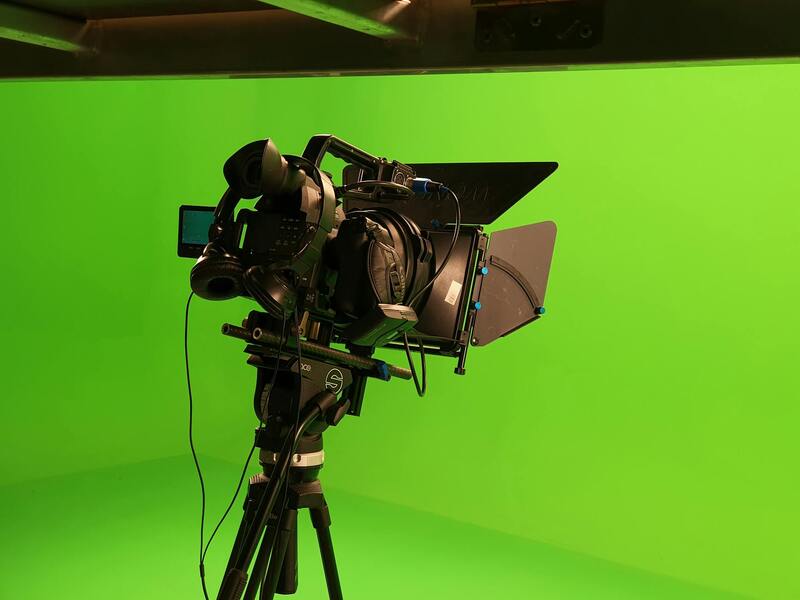
Proper planning and documentation are critical, especially when scheduling shooting times to minimize disturbance to residents and businesses. Communicating with neighbors and local authorities ahead of time fosters cooperation and demonstrates professionalism, contributing to a smooth production process.
Additionally, managing intellectual property rights is vital in maintaining compliance. This involves using licensed music, stock footage, and images within videos and providing appropriate attributions when necessary. Licensing agreements clarify usage rights and prevent copyright issues that could otherwise become costly or damage reputation.
Operationally, employing trained professionals who understand regional regulations, safety protocols, and best practices in videography ensures quality results that align with industry standards. Consulting with experienced production firms, such as those familiar with Miami's specific requirements, helps streamline the process and affords peace of mind throughout all production phases.
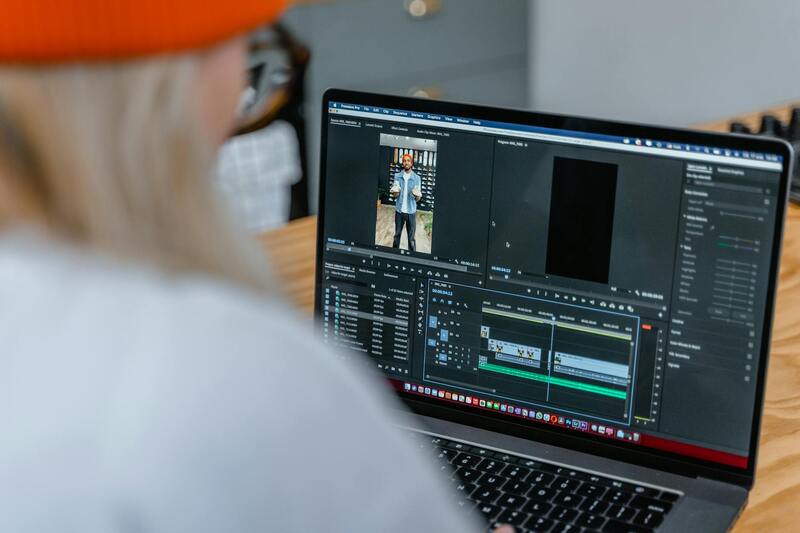
From pre-production planning to post-production editing, every step should be approached with a focus on accuracy, clarity, and compliance. Such diligence safeguards the production process from avoidable setbacks and reinforces the credibility of the marketing material, ultimately supporting the goal of a successful property sale.
Legal and Practical Considerations in Real Estate Video Production
Producing high-quality videos for real estate agents involves several practical steps that ensure the content is both effective and compliant with industry standards. One fundamental aspect is obtaining authentic property footage while respecting privacy and safety considerations. Using professional equipment like drones and steadicams can elevate the quality but also require adherence to operational best practices to avoid unintended disruptions or safety hazards.
Careful planning is paramount. This includes scheduling shoots during optimal times to capture natural light and minimize disturbance to residents or neighboring properties. Prior coordination with property owners and local authorities not only fosters cooperation but also ensures that all activities are conducted within permissible guidelines.
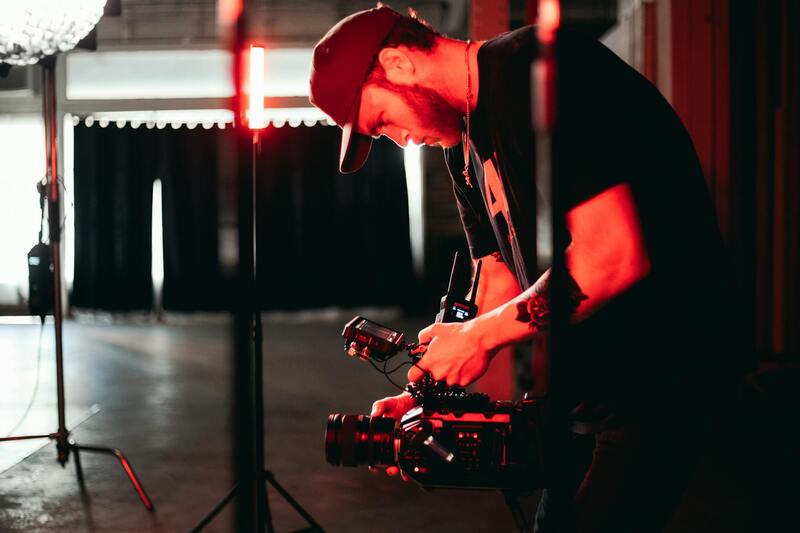
Another vital component is the management of intellectual property rights. Incorporating licensed music, stock footage, and imagery enhances the professionalism of the final product while avoiding copyright disputes. Licensing agreements should clearly define usage rights, expiration, and attribution requirements, equipping real estate agents with legally sound marketing tools.
Operational competence plays a critical role. Engaging with experienced videographers familiar with the protocols specific to the Miami area, including safety regulations and permit procedures, ensures that production proceeds without legal or logistical hurdles. Professional crews trained in regional regulations can efficiently handle equipment operation, safety compliance, and environmental considerations.
Post-production processes demand equal attention. Skilled editing ensures that footage is polished, engaging, and accurately represents the property. Subtitles, call-to-action overlays, and high-quality sound design contribute to an immersive viewer experience. These elements should be handled by seasoned editors who understand the nuances of real estate marketing, further aligning the video content with strategic sales objectives.
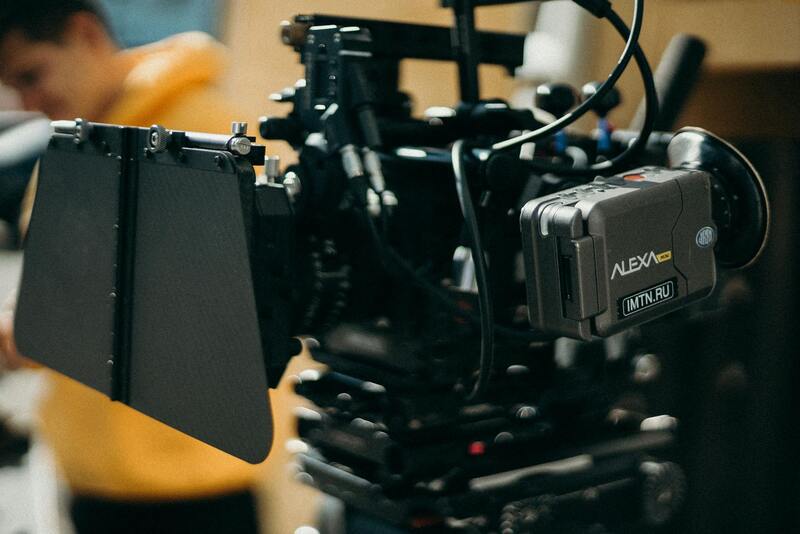
Finally, document all procedures and obtain necessary approvals to foster transparency and maintain records of compliance. Doing so facilitates smooth revisions if needed and reinforces the integrity of the marketing campaign. When every detail is managed meticulously—from pre-production to final edits—the resulting videos serve as powerful tools that can significantly impact property visibility, attract potential buyers, and strengthen the agent’s reputation in the Miami market.
Legal and Practical Considerations in Real Estate Video Production
When creating professional videos for real estate marketing, understanding and adhering to established protocols is essential to ensure smooth operations and optimal results. The process begins with securing necessary permissions and permits, especially when filming in private or restricted areas. This involves coordinating with property owners and relevant authorities to confirm access rights and avoid delays or legal complications. Proper documentation of these agreements should be maintained for accountability and transparency.
Operational logistics also include compliance with safety standards, particularly when utilizing aerial footage, drones, or specialized equipment. Skilled videographers trained in handling such devices recognize regional regulations, including flight restrictions in certain districts or near sensitive infrastructure. Implementing safety measures not only protects crew members and property but also helps in avoiding potential violations or fines.
From a logistical perspective, scheduling shoot times that minimize disruption to residents or neighbors is a considerate and strategic approach. Communication with the property stakeholders about shoot plans, durations, and expected outcomes fosters goodwill and smooth collaboration.
Additionally, professional video production often involves coordinating with local authorities for any necessary film permits. Ensuring these permits are obtained transparently prevents interruptions during shooting and maintains the integrity of the marketing campaign.
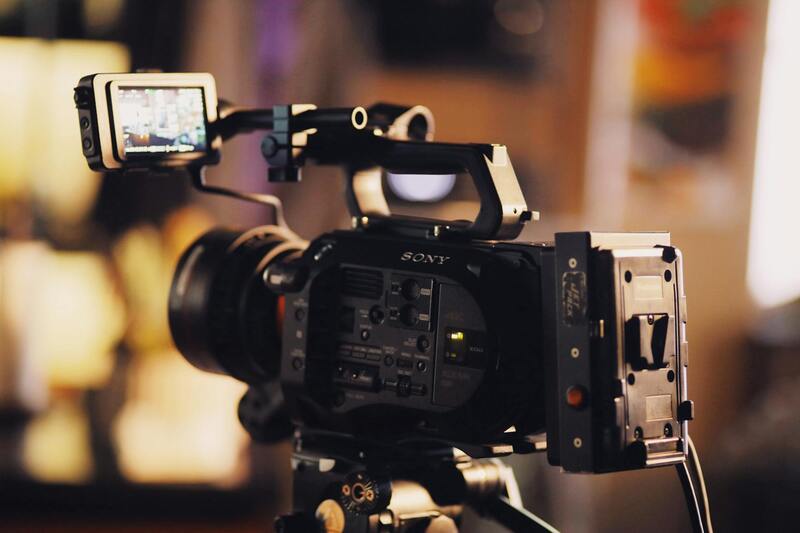
Post-production practices should incorporate meticulous editing that aligns footage with real estate branding goals. This includes color correction for visual consistency, sound editing for clear narration or background music, and the inclusion of subtitles for accessibility. Overlays such as contact information or calls to action enhance viewer engagement without cluttering the visual flow.
Legal and Practical Considerations in Real Estate Video Production
Creating compelling real estate videos involves a series of practical steps that ensure the content is both effective and compliant with established standards. A critical aspect is obtaining the necessary permissions for filming on specific properties, especially those within private residences or commercial areas. These permissions not only facilitate smooth operations but also demonstrate respect for property rights, fostering trust among homeowners and stakeholders. To streamline this process, real estate professionals often coordinate with property owners well in advance of the scheduled shoot.
Respecting privacy is paramount in real estate videography. This involves ensuring that any footage capturing individuals is done with explicit consent, especially in private settings. Clearly communicating the purpose of the video and how the footage will be used helps in securing cooperation from residents and visitors. It’s equally important to avoid recording sensitive or confidential areas that could infringe upon privacy expectations.
Adhering to local regulations and guidelines is essential to maintain the integrity of the marketing effort. This includes understanding specific rules related to drone usage, which often require special permits and adherence to altitude restrictions and no-fly zones. Employing licensed operators for drone footage ensures compliance and enhances the quality of aerial shots, providing an expansive view of the property and surrounding areas.
In addition to regulatory compliance, professional real estate video production embraces safety protocols. Ensuring that all equipment is used according to manufacturer guidelines and that shooting environments are assessed for hazards protects everyone involved. Continuity in following these procedures minimizes risks and contributes to a smooth production process.
Maintaining thorough documentation of permits, permissions, and compliance measures is essential. This record-keeping facilitates transparency, aids in future reference, and can be instrumental if questions arise about the production process. Demonstrating diligent adherence to these practices reinforces the professionalism of the real estate team and supports a positive reputation in Miami’s competitive market.
Assessing the Effectiveness of Your Real Estate Video Campaigns
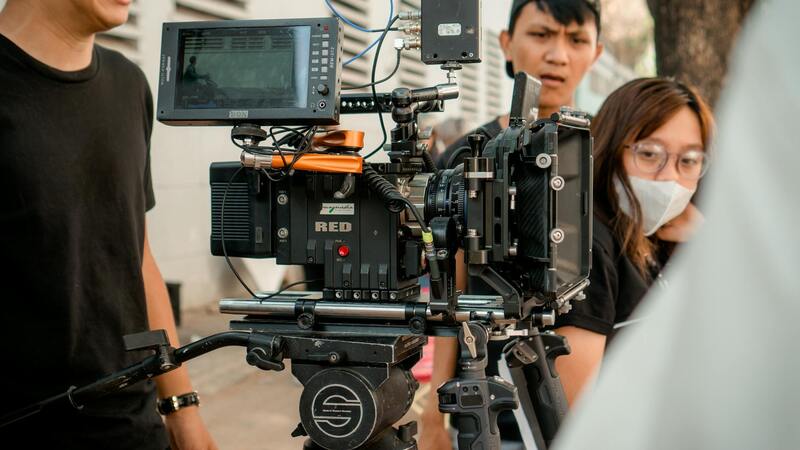
Monitoring the performance of your real estate videos is a critical step in understanding their impact and refining your marketing strategy. By examining viewer engagement metrics, such as watch time, click-through rates, and audience retention, agents can identify which content resonates most with potential buyers. These insights inform decisions on video styles, topics, and distribution channels, ensuring that future efforts are aligned with audience preferences.
Lead generation remains a primary goal of real estate videos. Tracking how viewers interact with your content—whether through inquiries, website visits, or scheduled showings—helps evaluate the return on investment for your video marketing initiatives. Advanced analytics tools can attribute specific leads to particular videos, providing a clear picture of effectiveness and guiding budget allocations.
Beyond immediate engagement, assessing long-term influence is equally important. Analyzing the progression of new contacts through your sales funnel can illustrate how video content contributes to brand awareness and trust-building over time. By integrating data from various sources, such as CRM systems and social media analytics, real estate professionals can develop a comprehensive overview of how their video campaigns impact overall sales performance.
Adapting Strategies for Future Success
With detailed performance data, real estate agents are better positioned to adapt their video marketing strategies. This might include experimenting with new formats, refining messaging, or targeting different buyer demographics. Regularly revisiting analytics ensures that efforts remain focused on high-impact content, maximizing exposure and engagement.
Investing in consistent measurement and analysis enables continuous improvement, ultimately leading to increased listing visibility, faster sales cycles, and stronger client relationships. Effective real estate video marketing is an ongoing process that evolves alongside market trends and technological advancements, requiring diligent tracking and strategic adjustments.
Legal and Practical Considerations in Real Estate Video Production
Executing professional video projects within the real estate sector demands adherence to several established practices that ensure smooth operations and uphold the standards expected by clients and stakeholders. First, securing proper permissions is crucial; this includes obtaining consent from property owners before filming and showcasing the property. Clear agreements should delineate the scope of the shoot, usage rights, and any restrictions to avoid misunderstandings.
In addition, creative planning and pre-production organization are essential steps. This involves coordinated scheduling to minimize disruption to the property's daily operations, ensuring that filming occurs at optimal times for lighting and available access. Prioritizing safety standards for crew members and visitors during shoots is also vital, including securing a safe environment and following local safety regulations.
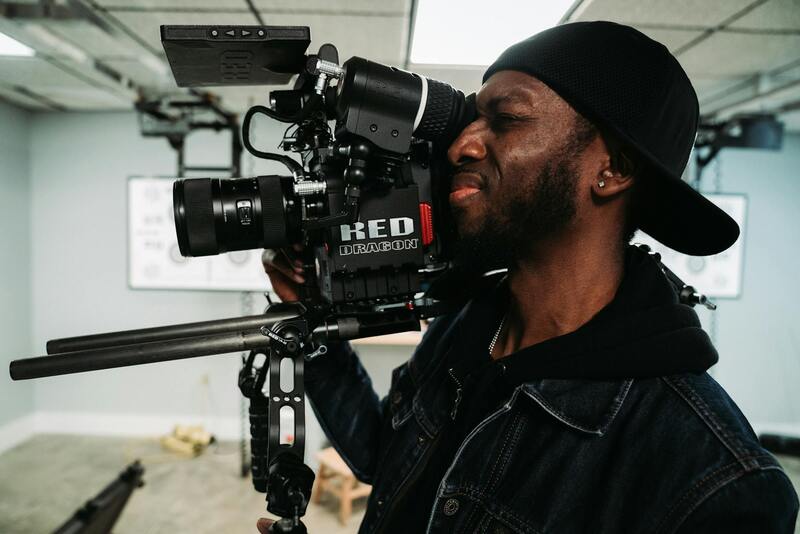
Post-production considerations encompass the editing process, where maintaining truthful representation of the property is paramount. Enhancing visuals without misrepresentation helps build trust with prospective buyers. Incorporating branding elements, such as logos and contact information, can increase lead generation efficiency. Additionally, ensuring the videos are optimized for various platforms enhances their reach and engagement.
Data privacy and compliance are also important, particularly when collecting viewer information through embedded calls to action. Clear disclaimers and privacy policies ensure that viewer data handling aligns with best practices—in turn, fostering trust with the audience.
For real estate agents engaging with video production teams, selecting reputable providers with proven expertise and a track record of compliance helps safeguard project quality and legal positioning. Regularly reviewing the latest industry regulations, local ordinances, and technological standards further solidifies the integrity of video marketing initiatives.