
Understanding Virtual Real Estate Photography
Virtual real estate photography has emerged as a transformative tool within the property marketing landscape, especially in vibrant markets like Miami. Unlike traditional photography, which captures static images of a property's interior and exterior, virtual real estate photography integrates advanced technology to create highly detailed, immersive visual representations of a property. These images enable prospective buyers or tenants to explore the space remotely, offering a realistic sense of scale, layout, and ambiance without the need to visit physically.
This mode of imaging leverages high-resolution cameras, panoramic lenses, and sophisticated software to produce 360-degree views, virtual walkthroughs, and interactive floor plans. In the context of Miami's bustling real estate environment, virtual real estate photography has become an essential component for agents aiming to stand out in competitive listings. It facilitates a more accessible, efficient, and engaging viewing experience that aligns with the rapidly evolving digital preferences of modern consumers.
When prospective buyers browse online listings, they are increasingly expecting high-quality visual content that accurately reflects the property's unique features. Virtual real estate photography meets this demand by creating compelling visual narratives that highlight the property's best aspects, from luxurious ocean-facing balconies to opulent interiors. This approach not only attracts more interest but also helps to qualify genuine buyers early in the process, saving time and resources for agents.
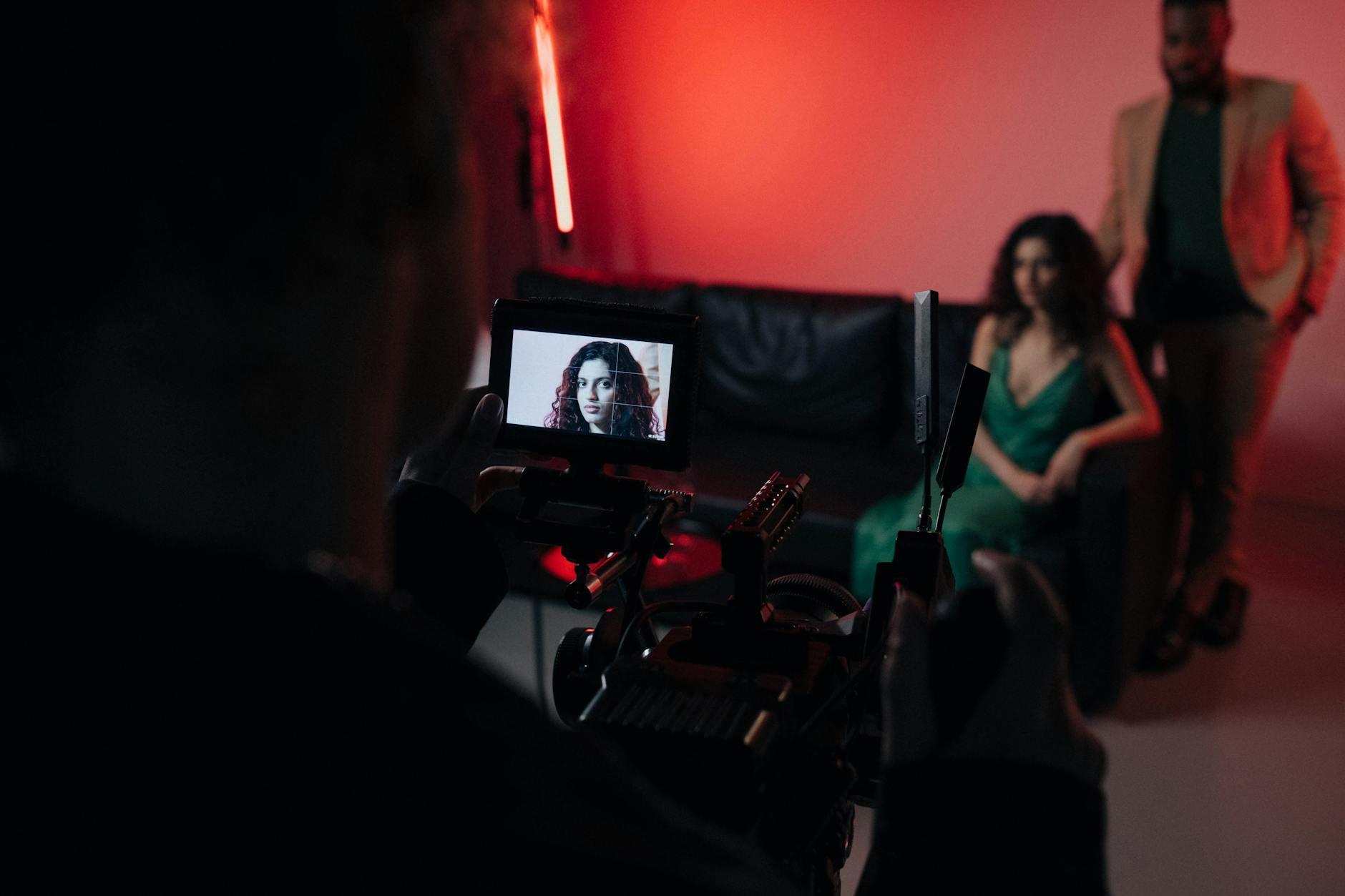
Moreover, virtual photography is particularly beneficial in Miami due to the city’s diverse architecture and vibrant neighborhoods. It enables agents to showcase properties across different areas with consistency and precision, whether it’s a waterfront penthouse or a quaint suburban home. As technology continues to advance, virtual real estate photography will further enhance the way properties are marketed, making remote viewing more seamless, accurate, and engaging for potential clients.
Understanding Virtual Real Estate Photography
Virtual real estate photography involves capturing high-resolution, immersive images and videos that provide an accurate representation of a property without physical presence. This technology allows prospective buyers and investors to explore a property remotely, providing a comprehensive viewing experience that mimics visiting the site in person. As digital platforms continue to dominate the real estate industry, virtual photography has become a strategic tool for Miami real estate professionals seeking to enhance their listings.
In practice, virtual real estate photography includes several sophisticated techniques such as panoramic shots, 3D modeling, and interactive virtual tours. These methods enable viewers to navigate through properties interactively, examining every detail from multiple angles and perspectives. The core goal is to create a compelling and seamless visual journey that highlights a property's key features, from expansive living spaces to exterior architectural details.
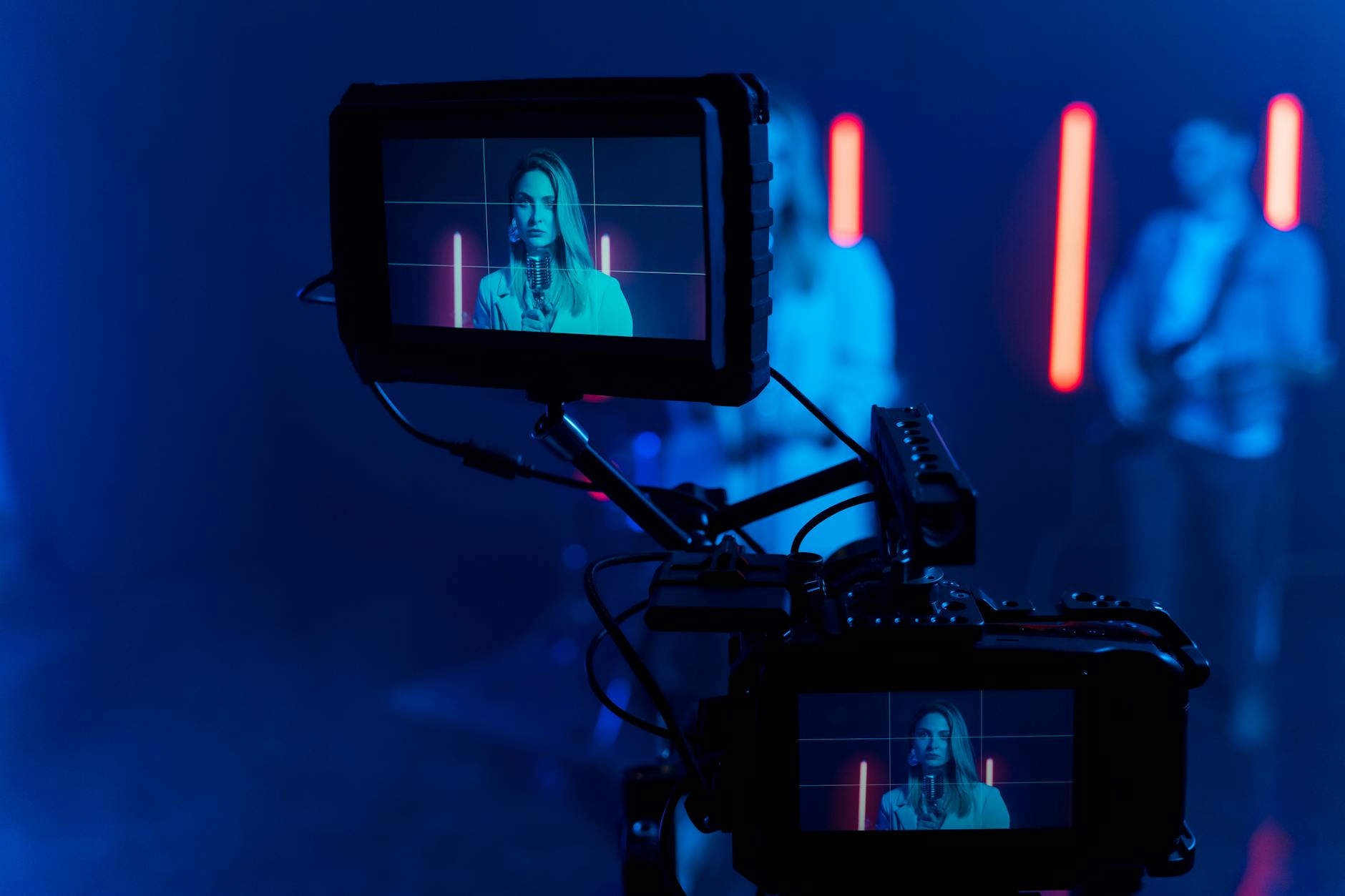
This approach is especially relevant in Miami, where waterfront properties, luxury condos, and iconic architecture are prevalent. Virtual photographs can emphasize the unique aspects of these properties—such as panoramic views of the ocean or city skyline—making them more attractive to potential clients. Beyond aesthetics, virtual real estate photography significantly streamlines the sales process by enabling remote viewing, which is particularly advantageous in a competitive market where quick decisions are often essential.
As the demand for remote engagement grows, virtual photography also supports various marketing channels. It can be integrated into social media campaigns, virtual open houses, and online listings, ensuring that properties reach a broader audience efficiently. Additionally, virtual representations help stabilize the property’s perceived value, as high-quality visuals effectively communicate the property’s true potential and condition, thereby reducing mismatched expectations.
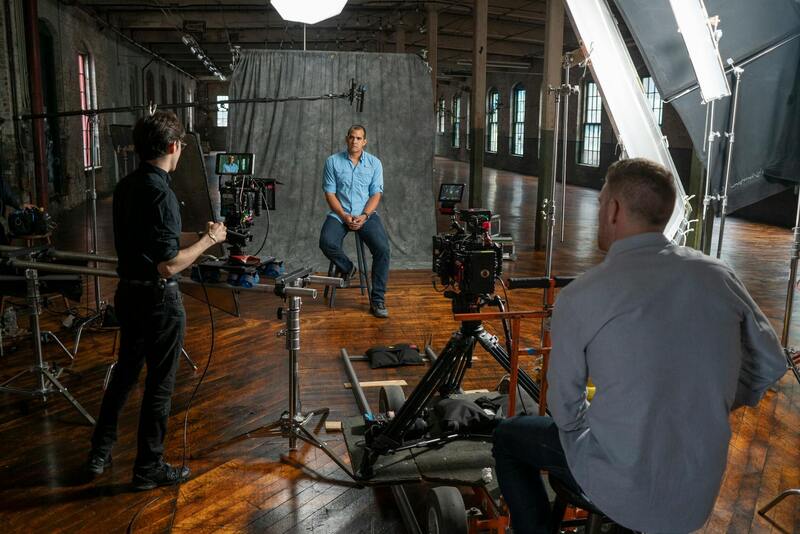
Given Miami’s vibrant neighborhoods and diverse real estate market, employing advanced virtual photography techniques allows agents to differentiate their listings de facto. Whether showcasing a sleek downtown loft, a luxurious beachfront estate, or a cozy suburban home, well-executed virtual imagery ensures that every property’s distinctive characteristics are accurately portrayed. As technology continues to evolve, the integration of virtual photography with emerging tools like augmented reality and artificial intelligence will further transform property marketing, making the virtual viewing experience even more immersive and informative.
Creating Virtual Tours and 3D Floor Plans
Creating compelling virtual tours and detailed 3D floor plans significantly enhances the online property presentation. High-quality virtual tours enable viewers to navigate through a property seamlessly, offering an interactive experience that closely mimics an in-person visit. This immersiveness allows potential buyers or tenants to examine every room, feature, and spatial relationship, resulting in more informed decision-making. Employing 3D modeling software, real estate professionals can generate accurate floor plans that detail room sizes, layouts, and architectural features. These digital layouts serve as essential tools that streamline the viewing process, especially for remote clients who may not be able to visit in person. Accurate virtual tours combined with detailed floor plans can highlight the unique aspects of a property, such as open-concept living areas, outdoor spaces, and custom architectural elements, thus elevating the listing’s appeal. To ensure a professional outcome, it is necessary to coordinate these virtual content creations with experienced photographers and 3D modeling specialists. Proper lighting setup, strategic shot placement, and careful staging contribute to a virtual experience that authentically reflects the property's true character. The integration of high-resolution imagery and synchronized narration or background music can further enhance the virtual tour’s engagement factor, helping prospective buyers envision themselves within the space.
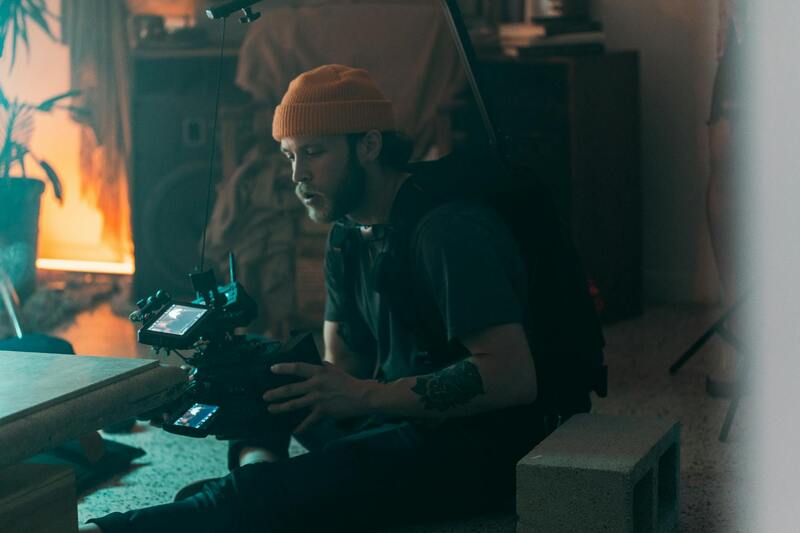
These digital assets are not only beneficial for property marketing but also serve as valuable tools in negotiations and making strategic decisions. By providing clear, visually engaging, and immersive virtual content, real estate professionals can better showcase the property’s true potential, attract serious inquiries, and speed up the sales cycle.
Creating Virtual Tours and 3D Floor Plans
Developing engaging virtual tours and precise 3D floor plans requires a combination of advanced technology and expert execution. Virtual tours typically involve capturing high-quality, panoramic imagery that allows potential buyers to navigate through a property seamlessly. This immersive experience gives viewers the sense of walking through the space, highlighting key features, layout, and flow. To achieve this, professional photographers utilize specialized equipment such as 360-degree cameras, tripod stabilizers, and drone footage when appropriate. These tools enable the creation of smooth, detailed virtual walkthroughs that can be accessed on various devices, including smartphones, tablets, and desktop computers. Complementing virtual tours with accurate 3D floor plans enhances the overall presentation of a property. These digital layouts are generated using sophisticated software that converts spatial data from the photography process into scalable, to-scale representations of each level of a home. The result is a detailed visual map that offers prospective buyers insight into room sizes, wall placements, door and window locations, and overall spatial relationships.
- 360-degree panoramic imaging provides a comprehensive view of each room from multiple angles.
- High dynamic range (HDR) photography ensures balanced lighting, revealing both bright and shadowed areas with clarity.
- Strategic shot placement focuses on highlighting architectural elements, natural light, and unique features such as fireplaces or custom cabinetry.
- Post-production editing refines images for maximum clarity, color accuracy, and visual appeal.
- Integration of virtual tours with interactive floor plans creates a cohesive and engaging online experience.
Legal and Ethical Considerations in Virtual Real Estate Photography
Accurate and honest representation of properties is paramount in virtual real estate photography. When creating virtual content, it is essential to ensure that images and virtual tours reflect the property's current state without exaggeration or manipulation that could mislead potential buyers. This integrity builds trust with clients and fosters transparency throughout the marketing process.
Maintaining ethical standards involves providing comprehensive and truthful portrayals. This includes updating virtual representations to mirror any renovations, repairs, or changes made to the property. If enhancements are included in virtual tours, they should be clearly indicated to avoid misleading viewers. Clear disclosure of such modifications preserves the integrity of the marketing assets and enhances reputation.
Professional photographers and virtual tour creators also adhere to best practices concerning privacy and consent. Securing permissions from property owners to capture and use images is mandatory. Additionally, care must be taken to avoid including private or sensitive information within virtual content, especially in virtual tours that may reveal non-public areas or personal belongings.
Legal compliance extends to intellectual property rights. Photographers must ensure they own the rights to all images and virtual content they produce or have secured proper licensing agreements. This avoids complications related to copyright infringement and ensures that virtual marketing assets are fully legitimate.
Furthermore, virtual real estate photography should align with industry standards and local regulations governing advertising practices. Staying informed about changes in regulations helps providers avoid inadvertent violations and maintain a high level of professionalism in their offerings.
Incorporating these principles into virtual content creation ensures that all marketing efforts are rooted in integrity. This not only reduces potential disputes but also enhances the overall reputation of the virtual real estate photography service provider, establishing a solid foundation for long-term success in the dynamic Miami property market.
Best Practices for Capturing Virtual Real Estate Content
Producing high-quality virtual real estate photography requires a systematic approach that emphasizes clarity, consistency, and professionalism. To achieve compelling visual content, photographers should utilize techniques that accurately represent the property's dimensions and features, creating an immersive experience for prospective buyers or tenants. Proper lighting is paramount; diffused natural light or well-balanced artificial lighting helps eliminate harsh shadows and highlights that can distort perceptions of space.
Choosing the right vantage points maximizes the perceived spaciousness and highlights the property’s best attributes. Photographers should aim to capture multiple angles of each room, including corners and details that showcase unique architecture or finishes. Maintaining a consistent perspective across images ensures cohesive visual storytelling.
Image stabilization equipment minimizes blurriness, while high-resolution cameras ensure crisp, detailed visuals. It's crucial to avoid clutter or personal items that distract from the property's features. Meticulous staging—removing extraneous objects and tidying up spaces—enhances visual appeal.
Post-processing plays a vital role in refining images. Adjustments for brightness, contrast, and color balance should be subtle to preserve authenticity. Correcting lens distortions and straightening images ensures accurate representation. Over-editing can mislead viewers, so authenticity remains a priority.
For virtual tours, smooth camera movements and transitions contribute to a seamless experience. Using specialized software allows for meticulous control over navigation paths and scene sequencing. Consistency in style and pacing enhances viewer engagement.
Finally, maintaining up-to-date equipment and software ensures that content meets industry standards. Regular training and calibration allow photographers to stay current with technological advancements and aesthetic trends, thereby delivering virtual real estate visuals that stand out and accurately represent referred properties.
Legal and Ethical Considerations
When engaging in virtual real estate photography, adhering to established practices that uphold transparency and respect for property owner rights is essential. Accurate depiction of the property is fundamental for fostering trust between agents and prospective buyers. Avoiding manipulations that could mislead viewers ensures the integrity of the visual content. Obtaining clear permissions from property owners before conducting any virtual imaging is a necessary step. This includes securing consent for photographing specific areas and generating virtual tours or 3D models, especially in cases where access may be restricted or sensitive spaces are involved. Copyright issues also play a significant role. Photographers should retain the rights to their work and understand licensing agreements associated with the use of proprietary equipment and software. When collaborating with other professionals, clear agreements outlining the scope of usage of images and virtual tours help in avoiding misunderstandings. Maintaining records of permissions and usage rights provides a transparent framework that safeguards all parties involved. This diligence supports the credibility of the virtual real estate content and aligns with best practices for responsible digital marketing in the real estate sector.
Legal and Ethical Considerations
When implementing virtual real estate photography, adherence to established protocols that promote transparency and respect property owner rights is crucial. The authenticity of the visual content not only enhances the credibility of the listing but also fosters trust among prospective buyers. Photographers must avoid any image manipulations that could misrepresent the property’s actual condition or features, maintaining the integrity of the virtual content.
Securing explicit permission from property owners prior to conducting virtual imaging activities is a fundamental step. This involves obtaining consent for capturing specific areas within the property and creating virtual tours or 3D models. Such permissions are particularly important in cases where access might be limited, such as restricted or sensitive spaces, ensuring that all involved parties are aware of and agree to the process.
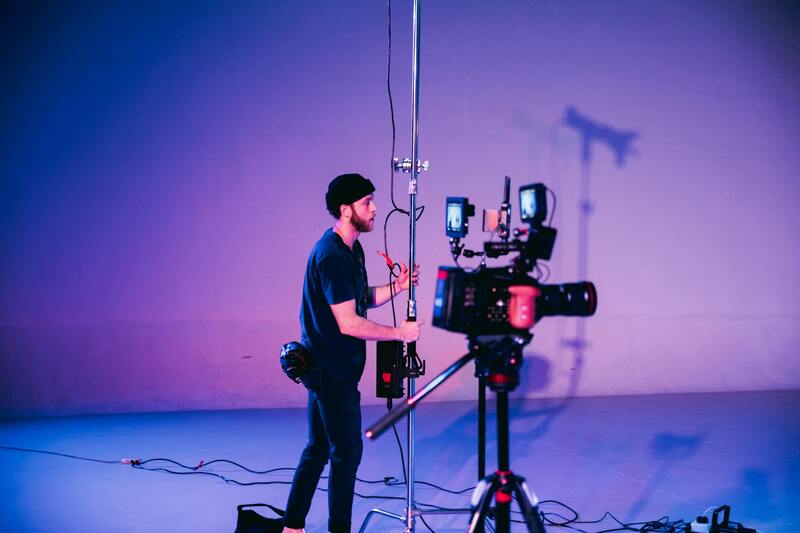
Copyright considerations also demand attention. Visual content produced through virtual real estate photography remains the property of the creator—be it the photographer or the agency—unless explicitly transferred. Understanding licensing agreements for software tools and equipment usage is essential. When collaborations occur, clearly defined agreements about the scope of image and virtual tour usages help prevent misunderstandings and protect intellectual property rights.
Maintaining thorough documentation of permissions, licenses, and usage rights creates an accountability framework. It substantiates the legitimacy of the content and promotes responsible marketing practices in the digital real estate landscape. Ensuring transparency in these processes not only complies with industry standards but also reassures clients and potential buyers of the authenticity of the virtual representations.
By prioritizing proper permissions and transparency, real estate professionals reinforce their reputation and demonstrate a commitment to ethical standards, ultimately facilitating a trustworthy virtual property showcasing experience for all parties involved.