
Understanding Creative Real Estate Photography
Creative real estate photography has emerged as a vital component of property marketing in Miami, where visual appeal directly influences a potential buyer’s perception and decision-making process. Unlike conventional real estate images that primarily focus on documenting a property's layout and features, creative photography emphasizes artistic expression, compelling compositions, and innovative viewing angles that showcase properties at their best. This approach helps properties stand out in a competitive market, capturing attention across various digital platforms and print media.
In the dynamic Miami real estate landscape, where luxury residences, modern condominiums, and sprawling estates are numerous, the need to differentiate each listing is paramount. Creative photography leverages techniques such as strategic lighting, colour grading, and unique perspectives to evoke emotional responses and highlight a property’s distinctive features. These images do not merely serve as documentation but transform listings into visual stories that entice potential buyers, investors, and agents alike.

Moreover, creative real estate photography aligns with the evolving digital marketing landscape, where high-quality visuals are crucial for online listings, social media engagement, and virtual tours. In an environment where first impressions are often made online, the power of compelling imagery can significantly shorten sales cycles and increase the perceived value of properties.
Standout images created through distinct artistic approaches help market Miami properties to a broader audience, both locally and internationally. For overseas buyers seeking prime Miami real estate, visually striking photographs can convey the lifestyle, luxury, and investment potential in a way standard images might not fully capture. As a result, real estate professionals and property owners who invest in creative photography often see enhanced visibility, faster sales, and higher offers.
Ultimately, creative real estate photography is a strategic investment that elevates property marketing to new levels of excellence. When executed with professionalism and a keen eye for detail, it transforms ordinary listings into extraordinary visual narratives that resonate with sophisticated buyers and facilitate successful transactions.
Techniques and Styles for Creative Imaging
Implementing inventive techniques and exploring diverse styles enable photographers to craft striking images that set Miami properties apart in a competitive market. A key approach involves the use of drone photography, which offers breathtaking aerial perspectives that showcase the full scope of luxury estates, sprawling outdoor spaces, and scenic surroundings. These high-altitude shots provide potential buyers with a comprehensive view of the property’s environment, enhancing spatial awareness and appeal. Another popular technique is HDR (High Dynamic Range) imaging, which combines multiple exposures to produce images with balanced lighting and rich detail in both shadows and highlights. This approach is particularly effective in capturing the vibrant colors of Miami’s tropical landscapes, sun-drenched facades, and interior lighting, conveying a warm, inviting atmosphere. In terms of stylistic choices, contemporary real estate photography often incorporates minimalist aesthetics that emphasize clean lines, symmetry, and uncluttered spaces. This strategy directs focus to key features and architectural elements, fostering a sense of elegance and spaciousness. Conversely, some listings benefit from a more artful approach, such as using reflections, shadows, or dramatic lighting to create mood and depth. Lifestyle imagery, which depicts residents enjoying amenities or engaging in leisure activities, can also enhance listings by painting a picture of the lifestyle that comes with the property. Incorporating local Miami landmarks, vibrant street scenes, or coastal views into the backdrop helps convey the neighborhood's character and appeal. Overall, blending technical proficiency with creative vision allows photographers to produce distinctive images that resonate emotionally with viewers. Tailoring the style to match the property’s unique features and target clientele ensures that each visual presentation effectively captures the imagination and motivates potential buyers to take action.
Role of Equipment and Technology
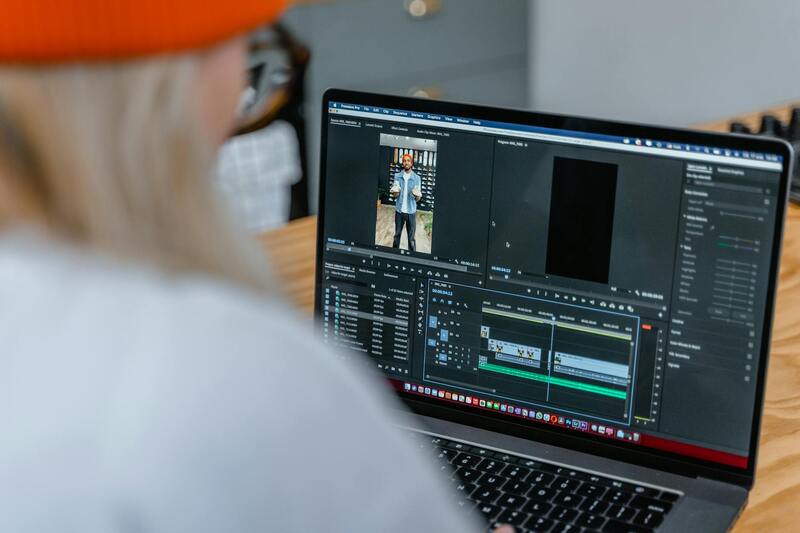
Advanced equipment plays a pivotal role in elevating the quality and creativity of real estate photography. High-resolution DSLR and mirrorless cameras form the cornerstone, providing clarity and detail essential for professional-grade images. Equipped with wide-angle lenses, these cameras capture expansive interior spaces and sweeping exterior vistas, making rooms appear larger and more inviting. Drones equipped with stabilization technology have revolutionized virtual tours and aerial imagery, offering dynamic perspectives that were previously difficult to attain. Modern drone models come with high-definition cameras and intelligent flight capabilities, allowing for smooth, stunning cinematography even in challenging environments. Lighting equipment such as portable strobes, softboxes, and reflectors is indispensable in controlling illumination, especially in interiors with unpredictable natural light. Proper lighting enhances textures, highlights architectural details, and ensures true-to-life colors, creating images that are both appealing and accurate. Post-processing software also plays a significant role in refining images. Tools like Adobe Photoshop and Lightroom facilitate meticulous adjustments to brightness, contrast, and color balance. They enable subtle enhancements that heighten visual impact without crossing into artificiality. Integrating cutting-edge technology like 360-degree cameras and virtual staging tools further broadens the scope of creative possibilities. These innovations allow for immersive experiences and flexible presentations that meet the high expectations of modern property seekers. In essence, the strategic use of specialized equipment and advanced technologies is fundamental to producing innovative, professional real estate imagery that captivates audiences and maximizes listing potential.
Role of Equipment and Technology
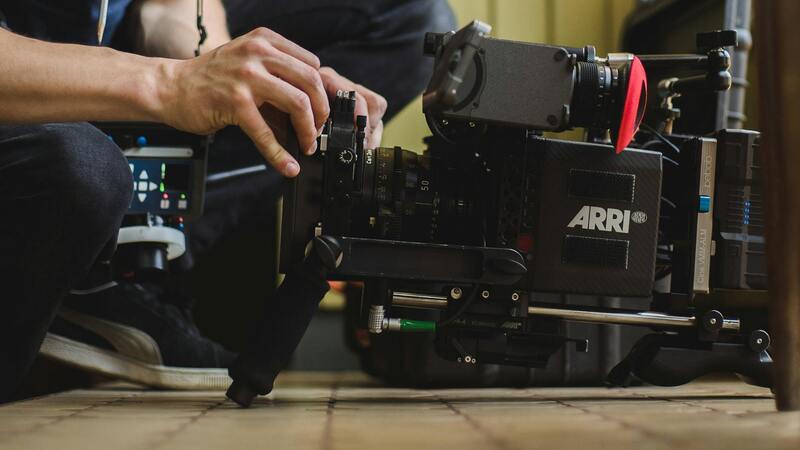
Harnessing the appropriate equipment and cutting-edge technology is integral to elevating creative real estate photography. High-resolution digital cameras with advanced sensor capabilities serve as the backbone for capturing crisp, detailed images that showcase a property's unique features. Wide-angle lenses are often employed to encompass expansive interior spaces in a single shot, providing prospective buyers with a comprehensive view of each room.
Drone technology plays a transformative role in real estate photography, offering aerial perspectives that highlight a property's location, landscaping, and surrounding amenities. Modern drones equipped with high-definition cameras and intelligent flight modes can produce sweeping shots and cinematic videos, adding a dynamic layer to property listings.

Lighting equipment, including portable LED panels, softboxes, and reflectors, enables photographers to control illumination meticulously. Proper lighting brings out textures and architectural details, making spaces appear warmer, more inviting, and true to life. In interior shots, strategic lighting adjustments can mitigate shadows and highlight desirable features.
Post-production tools bolster the creative process by refining raw images to achieve their full potential. Software like Adobe Photoshop and Lightroom allows for precise color correction, noise reduction, and compositional adjustments. These enhancements deepen the visual impact without compromising authenticity.
Emerging technological innovations further expand creative possibilities. 360-degree cameras facilitate immersive virtual tours, while virtual staging software allows for flexible customization of empty spaces, making properties more appealing without physical modifications. Virtual reality (VR) integration can create interactive experiences, enabling potential buyers to explore properties remotely.

Choosing the right combination of equipment and technology is vital for producing compelling imagery that attracts attention, builds trust, and ultimately accelerates sales. When executed skillfully, these tools help create a compelling narrative around every property, emphasizing its best attributes and appealing to the target audience effectively.
Understanding Creative Real Estate Photography
Creative real estate photography extends beyond standard listing images to craft engaging, visually compelling representations of properties. It involves the deliberate use of composition, lighting, color grading, and post-production techniques to emphasize unique architectural features, interior design elements, and the overall ambiance of a property. This approach aims to evoke emotional responses from prospective buyers, encouraging them to envision themselves living in the space. The goal is to transform a simple property listing into an immersive visual story that captures attention and differentiates the listing in a competitive market.

Effective creative real estate photography requires a deep understanding of the property’s strengths and the target audience’s preferences. By highlighting the best aspects of a home—whether it’s a stunning backyard, modern kitchen, or spacious living room—photographers can craft visuals that resonate emotionally with viewers. This strategic focus enhances the perceived value of the property and can significantly influence purchasing decisions.
Key Elements of Creative Real Estate Photography
- Composition: Careful framing and perspective selection ensure that each shot captures the space’s best features while maintaining visual harmony.
- Lighting: Natural light, supplemented with artificial lighting when necessary, accentuates textures, colors, and architectural details, creating a warm and inviting atmosphere.
- Color Strategy: Consistent color grading throughout a shoot reinforces the property's aesthetic and visual appeal.
- Post-Processing: Editing software allows for subtle enhancements that improve clarity, correct distortions, and refine the overall visual narrative.
Integrating these elements cohesively results in imagery that not only presents the property accurately but also elevates its visual storytelling potential.
Techniques and Styles for Creative Imaging
Several techniques contribute to the distinctiveness of creative real estate photography. High-dynamic-range (HDR) imaging captures multiple exposures to balance interior and exterior lighting, producing images that reflect the true ambiance of the space. Wide-angle lenses are essential for capturing more of a room in a single shot, creating a sense of spaciousness. Additionally, drone photography introduces aerial perspectives that showcase property size, landscaping, and surroundings from a unique vantage point.

Creative styles may incorporate mood lighting, artistic filters, or virtual staging to cater to specific branding or market demands. These stylistic choices help differentiate listings and attract particular buyer segments, whether they prefer sleek modern aesthetics or cozy, traditional interiors. Combining these techniques allows for tailored visual narratives that align with property attributes and market positioning.
Implementing Advanced Editing Techniques for Impactful Visuals
Post-processing plays a critical role in elevating the quality and appeal of creative real estate photography. Skilled editing enhances the visual narrative by refining lighting, correcting color balance, and removing imperfections that may distract viewers. Techniques such as exposure blending, contrast adjustments, and sharpness enhancement ensure that each image accurately captures the property’s true ambiance while also emphasizing desirable features.
Color grading, when applied thoughtfully, can set the tone of a property’s imagery, whether conveying warmth, modern sleekness, or cozy charm. Incorporating subtle vignettes and clarity boosts directs viewers’ focus precisely where intended, guiding them through the property’s most compelling aspects.
Furthermore, virtual staging through advanced editing tools allows the visualization of empty spaces with stylish furniture and decor, making the property more relatable and aspirational. This method adds a layer of creative storytelling, helping potential buyers envision themselves residing in the space without the need for physical staging.
Innovative Use of Drones and Aerial Photography
Incorporating drone photography into the creative process provides a distinctive aerial perspective that can dramatically enhance a property’s presentation. Aerial shots highlight the full scope of the property’s layout, landscaping, and surrounding amenities, offering potential buyers a comprehensive view that ground-level images cannot deliver. These shots are particularly effective for showcasing large estates, waterfront properties, or developments with extensive outdoor spaces.
Drone footage can be integrated seamlessly into virtual tours, offering dynamic walkthroughs that guide viewers through the estate from a unique vantage point. Such visuals are highly engaging and create a memorable impression that can significantly influence buying decisions.
Incorporating Artistic Filters and Mood Lighting
To evoke specific emotions and align with branding strategies, creative real estate photography often employs artistic filters and mood lighting. These stylistic choices can transform a standard listing into an artfully curated presentation that appeals to targeted audiences. For example, warm lighting can create a welcoming, cozy atmosphere ideal for family homes, while cooler tones and sleek filters align with modern, upscale properties.
This approach requires a nuanced understanding of both technical aspects and aesthetic sensibilities to enhance the property’s desirability without misrepresenting its features. The goal is to craft images that resonate with potential buyers and reinforce the property's unique selling points.
Utilizing Virtual Staging and 3D Renderings for Creative Depth
Virtual staging and 3D renderings have become invaluable tools in creative real estate photography. They offer a flexible way to showcase a property’s potential by digitally adding furniture, decor, or even renovating elements. These techniques provide a realistic glimpse of the space’s full capability, appealing to a broader range of buyers and capturing their imagination more effectively than empty rooms alone.
When integrated thoughtfully, virtual staging can be tailored to match market trends and target demographics, creating eye-catching visuals that stand out on listing platforms. 3D walkthroughs and virtual tours further deepen engagement, offering an immersive experience from the comfort of a potential buyer’s home.
Understanding Creative Real Estate Photography
Creative real estate photography involves the artful framing, lighting, and editing of property images to evoke emotions and engage potential buyers on a deeper level. Unlike standard photography that merely captures the physical details of a property, creative approaches aim to highlight a home’s unique features and ambiance, making it stand out in competitive listings. This methodology combines technical expertise with aesthetic sensibility to produce visuals that not only showcase spatial layouts but also tell a compelling story about the lifestyle the property offers.
Top real estate markets, such as Miami, benefit significantly from creative visuals that can capture the vibrant energy, coastal charm, or luxurious ambiance of a property. This approach ensures the imagery resonates with target audiences, encouraging viewers to imagine themselves living there. It’s a strategic blend of artistic vision and technical precision that elevates ordinary property images into powerful selling tools, fostering a quicker emotional connection and increasing interest among prospective buyers.
Key Elements of Creative Real Estate Photography
- Lighting Techniques: Utilizing natural light changes, artificial lighting setups, and mood lighting to craft inviting atmospheres or emphasize specific details.
- Composition and Framing: Employing innovative angles, perspectives, and focal points to highlight the property's strengths while maintaining a clear sense of space and flow.
- Color Palette and Filters: Applying artistic filters or color grading to evoke particular moods, whether warm and cozy or sleek and modern.
- Virtual Enhancements: Incorporating digital staging, 3D renderings, and virtual walkthroughs to showcase innovative possibilities or renovate visuals.
- Detail Highlights: Focusing on architectural features, luxurious finishes, or scenic views that set the property apart in the market.
Visual Consistency and Brand Alignment
Maintaining a consistent visual style that aligns with the property's branding and target demographic reinforces recognition and trust. Effective creative photography communicates not just the physical space but the lifestyle and values associated with the property, ensuring a lasting impression on viewers.
Techniques and Styles for Creative Imaging
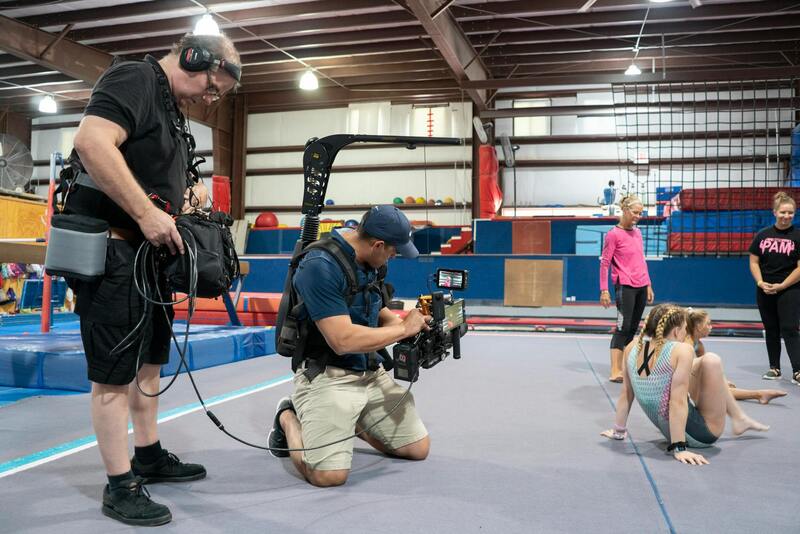
Integrating various photographic techniques allows for a tailored visual presentation suited to each property’s unique character.
- Aerial Photography: Drone shots provide sweeping views of the property’s surroundings, outdoor spaces, and neighborhood context, adding depth and perspective.
- HDR and Tone Mapping: High Dynamic Range imaging enhances details in both shadows and highlights, producing balanced and vibrant images even in challenging lighting conditions.
- Panoramas and 360° Tours: Wide-angle and immersive virtual tours offer comprehensive views of interiors and exteriors, facilitating remote viewing experiences that drive engagement and interest.
- Mood and Artistic Filters: Color grading and filters are applied to evoke specific emotions, from warmth and comfort to sophistication and modernity.
- Lighting Enhancements: Post-processing adjustments enhance natural lighting or creatively introduce shadows and highlights to accentuate architectural lines and textures.

Role of Equipment and Technology
The foundation of compelling creative real estate photography rests on advanced equipment and technology. High-resolution digital cameras with full-frame sensors ensure crisp, detailed images capable of capturing every nuance of a property’s interior and exterior. Wide-angle lenses are essential for creating expansive views and making tight spaces appear more generous.
Drone technology has revolutionized property showcasing, providing stunning aerial perspectives that contextualize the property within its environment. Gimbals and stabilizers ensure smooth footage during videography and virtual tours, helping to produce sleek, professional visuals.
Lighting equipment, such as portable strobes and softboxes, allows for controlled illumination that highlights key features or compensates for challenging natural light situations. Post-processing software like Adobe Lightroom and Photoshop further refines images, blending technical adjustments with creative edits to achieve a visually striking final product.
Emerging technologies such as 3D modeling and virtual reality platforms extend the capabilities of creative visuals, offering interactive virtual tours and detailed digital representations that cater to the modern digital audience. These tools allow agents to present properties in innovative ways, enhancing viewer interest and interaction.
Matching Legal Requirements with Creative Excellence in Miami Real Estate Photography
Successfully navigating the realm of creative real estate photography in Miami involves adhering to established standards that promote transparency and accuracy. While artistry and innovation are vital, aligning visual content with official guidelines ensures credibility and fosters trust among potential buyers and sellers. This alignment begins with precise and honest depiction of property features, utilizing techniques that enhance the property's appeal without misleading viewers.
High-quality imagery must accurately represent the spatial dimensions, finishes, and overall condition of a property. Photographers often employ advanced composition principles, such as the Rule of Thirds and leading lines, to produce visually compelling images that also maintain authenticity. The use of HDR imaging, for instance, combines multiple exposures to produce well-lit, detail-rich visuals without exaggerating the actual appearance, ensuring prospective buyers receive an honest preview of what the property offers.
In addition, the integration of aerial photography via drone technologies provides a comprehensive view of the property's external environment, landscaping, and neighborhood context. These shots are captured following regulated flight protocols that respect privacy boundaries and airspace restrictions, aligning with official standards while offering stunning perspectives that boost property's marketability.

Post-production editing plays a crucial role in balancing visual enhancement with factual accuracy. Professional editors employ software like Adobe Lightroom to adjust brightness, contrast, and color balance, ensuring that images reflect realistic color tones and lighting conditions. Avoiding over-processing preserves the integrity of the visuals and maintains viewer confidence.
Moreover, virtual tours and 3D walkthroughs, when created with precise measurements and image stitching, provide dynamic yet truthful representations of the property. This technology allows prospective buyers to explore spaces in detail from the safety and convenience of their devices, broadening market reach without compromising transparency.
Comprehensive documentation and consistent visual standards across all marketing materials foster a professional image that aligns with regulatory expectations. Clear labeling of images, detailed descriptions, and the avoidance of manipulative enhancements ensure potential clients receive accurate information, supporting informed decision-making within the property transaction process.

Understanding Creative Real Estate Photography
Creative real estate photography transcends traditional methods by incorporating innovative approaches that highlight a property's unique features and visualize its potential in the market. It is a strategic blend of technical expertise and artistic vision aimed at capturing compelling images that engage prospective buyers and investors. This approach involves the careful selection of angles, lighting, and composition to create a narrative around the property, emphasizing its best qualities and contextual surroundings. By doing so, it transforms a simple listing into an aspirational viewing experience, which increases interest and accelerates sales proceedings. When executed professionally, creative photography bridges the gap between statistical listing details and an emotional connection that motivates buyers to take action.

Key Elements of Creative Real Estate Photography
- Lighting and Timing: Mastery of natural and artificial lighting to accentuate space, mood, and ambiance at optimal times of day.
- Composition and Framing: Strategic positioning of subjects within the frame to highlight architectural details and layout flow.
- Color Palette and Mood: Use of color adjustments and styling to evoke specific atmospheres aligned with target markets.
- Contextual Environment: Incorporating neighborhood, landscape, and exterior features to provide prospective buyers with a comprehensive understanding of the property's setting.
- Authentic Representation: Balancing creative enhancements with realistic portrayals to ensure trustworthiness of visuals.
Techniques and Styles for Creative Imaging
Employing a variety of techniques allows real estate photographers to craft engaging visuals tailored to each property. Techniques include wide-angle shots to capture entire rooms or exterior vistas, drone photography for expansive neighborhood views, and panoramic composites that offer immersive perspectives. Styles can range from minimalistic, emphasizing clean lines and simplicity, to more artistic approaches incorporating dramatic lighting and unconventional angles. Virtual staging integrated into real images can also demonstrate potential interior layouts. These methods work in harmony to produce visual content that not only informs but also inspires potential buyers, making listings stand out amidst competitive markets.

Role of Equipment and Technology
The advancement of camera equipment and imaging technology significantly elevates the quality of creative property visuals. High-resolution DSLRs and mirrorless cameras equipped with wide-angle lenses allow for sharp, detailed captures of interior and exterior spaces. Drone technology offers aerial perspectives that reveal the scope and neighborhood context, essential for high-value properties in Miami. Additionally, stabilization gear such as gimbals helps achieve steady shots free from motion blur, enhancing professionalism. Post-processing software like Adobe Lightroom and Photoshop enables subtle enhancements to lighting, color balance, and clarity, ensuring images present properties at their best without compromising authenticity. The integration of 3D imaging and virtual reality tools further broadens the scope of creative visualization, providing immersive experiences that resonate deeply with modern audiences.
Benefits of Creative Photography for Miami Real Estate
In Miami’s competitive real estate landscape, striking visuals serve as a critical differentiator. Creative photography elevates the aesthetic appeal of listings, attracting more views and inquiries. It helps to showcase luxury features, architectural uniqueness, and the vibrant Miami lifestyle, appealing to an affluent demographic seeking exclusive properties. Additionally, high-quality imagery improves online engagement, reduces time on the market, and enhances brand reputation for agents and agencies. In such a high-energy market, compelling visual storytelling also aids in positioning properties at a premium price point, maximizing return for sellers. When combined with strategic marketing, creative real estate photography becomes an indispensable tool for successful property sales in Miami's dynamic real estate environment.
Choosing a Miami Production Agency for Creative Photography
Selecting the right partner requires evaluating agencies based on their portfolio, experience, and understanding of the local Miami market. An effective agency employs professionals skilled in both technical photography and artistic storytelling, capable of adapting styles to suit the property and target audience. Critical considerations include their use of advanced equipment, ability to handle complex shots such as aerials or virtual staging, and proficiency in post-production editing. Clear communication about project goals, timelines, and deliverables is essential to ensure alignment and consistent quality. Agencies with a solid reputation for professionalism and attention to detail are invaluable for maximizing the impact of creative imagery and ensuring the production aligns with marketing strategies that resonate with local buyers and investors.
Best Practices and Tips for Successful Creative Shoots
- Pre-Planning: Conduct a thorough walkthrough to identify the property's unique features and determine the best angles and lighting conditions.
- Scheduling: Schedule shoots during optimal lighting hours, typically early morning or late afternoon, to capture natural light and create appealing shadows.
- Staging and Styling: Ensure interior spaces are decluttered, well-lit, and styled to enhance visual appeal without overdoing enhancements.
- Technical Precision: Use stable equipment and camera settings optimized for clarity. Consider drone flights with regulated protocols to capture exterior views responsibly.
- Post-Processing: Employ subtle edits to highlight features, correct lighting, and ensure color accuracy, avoiding over-processing that could mislead viewers.
- Consistent Branding: Maintain visual consistency across all images to reinforce branding and professionalism in marketing materials.
- Continuous Learning: Stay updated with emerging trends and technological advancements to keep creative visuals fresh and effective.