
Importance of Professional Property Photography in Real Estate
In the competitive landscape of the real estate market, the importance of high-quality property photography cannot be overstated. For estate agents, compelling visuals serve as a critical first impression, often determining whether a potential buyer will pursue further interest. Exceptional images capture the essence and unique features of a property, allowing buyers to envision themselves living there and fostering emotional connections that drive inquiries and viewings.
With the majority of homebuyers starting their search online, the presentation of property photos plays a pivotal role in attracting traffic to listing websites. Listings with professional photographs tend to generate higher click-through rates, longer viewing times, and more engagement. These visual assets also amplify the reach of marketing efforts across various digital platforms, including social media and email campaigns. Ultimately, the use of leading-edge photography techniques translates into quicker sales, higher offer prices, and a more streamlined selling process for estate agents.
Investing in professional property photography harmonizes with a strategic approach to real estate sales. It enhances the credibility of the listing, reflects the quality and value of the property, and positions estate agents as committed and detail-oriented professionals. Additionally, quality images help differentiate properties in a crowded market, making them more memorable and attractive to prospective buyers. The groundwork laid by polished photography exponentially increases the effectiveness of subsequent marketing channels, facilitating a smoother transaction from listing to closing.
Equipment and Techniques for Real Estate Photography
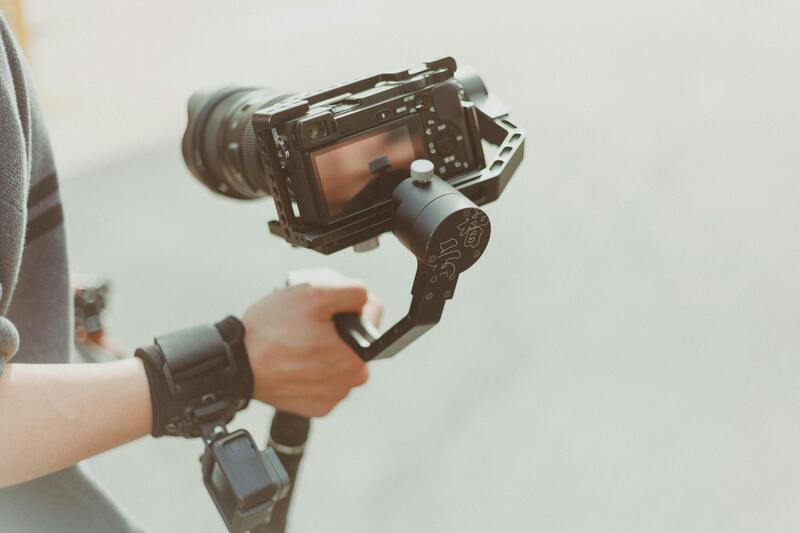
Achieving stunning property images requires the right combination of professional-grade equipment and refined techniques. Top-tier cameras with high-resolution sensors are fundamental, providing the detail and clarity essential for attractive property visuals. Mirrorless or DSLR cameras equipped with wide-angle lenses are particularly advantageous, as they capture expansive interiors and exteriors, giving potential buyers a comprehensive view of the property in a single shot.
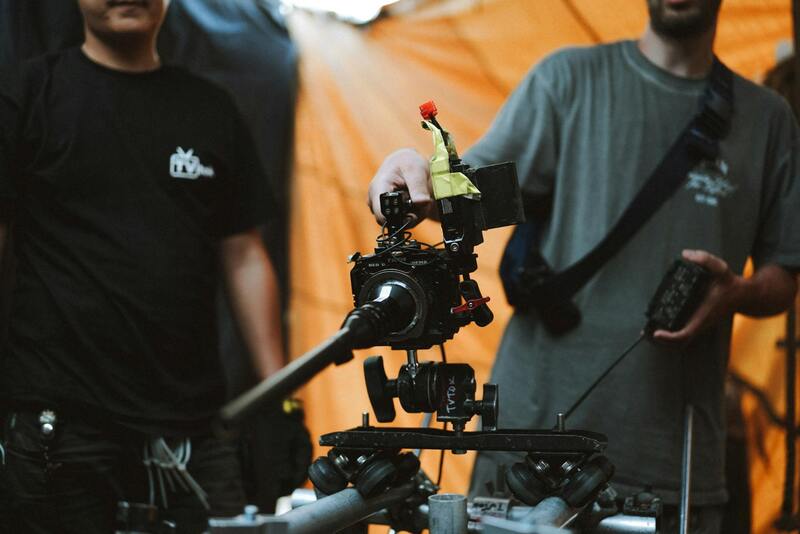
Utilizing tripod stabilizers helps maintain consistency across images and reduces blurriness, especially in low-light conditions. A remote shutter release or timer minimizes camera shake, further enhancing image sharpness. Proper lighting is achieved through a combination of natural light and supplemental lighting sources, such as portable flashes or LED panels, to eliminate shadows and evenly illuminate every room.
Posture and perspective play a critical role in emphasizing a space's size and flow. Techniques such as shooting from an eye-level angle and including leading lines guide the viewer’s eye through the image naturally. Proper composition ensures visual balance and highlights the property’s most appealing attributes, such as a spacious living area, modern kitchen, or scenic views.
Advanced Techniques
- HDR Imaging: High Dynamic Range (HDR) combines multiple exposures to produce images with balanced highlights and shadows, crucial for rooms with windows and interior details.
- Vertical and Diagonal Lines: Correctly aligned verticals prevent a skewed appearance of walls and doorframes, preserving the true proportion of spaces.
- Panoramic Shots: Wide-angle or stitched photos provide a comprehensive view of large spaces, creating an immersive experience for online viewers.
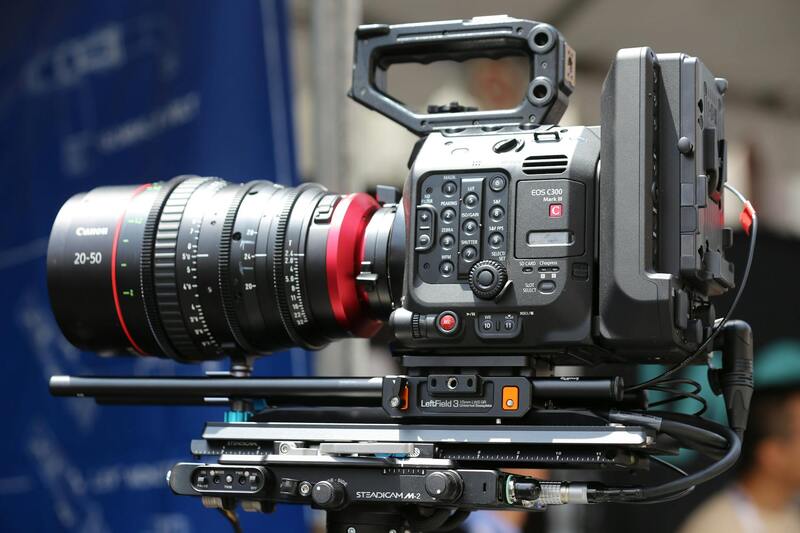
Implementing these equipment choices and techniques ensures photographs accurately represent the property's features while creating visually compelling images that attract prospective buyers and encourage more viewings.
Advanced Shooting Techniques for Enhanced Property Representation
To elevate the quality and impact of property images, professional photography employs a range of advanced techniques that ensure properties are showcased in their best light. High Dynamic Range (HDR) imaging stands out as an essential method, as it captures multiple photographs at different exposures and blends them seamlessly. This approach balances the interior highlights with exterior views, especially when large windows admit bright sunlight, ensuring that no detail is lost in shadows or blown out highlights. HDR makes property features pop, highlighting intricate architectural details and interior design elements.
In addition to HDR, meticulous attention to vertical and diagonal lines ensures that walls, doorframes, and windows appear straight and true to their physical form. Correctly aligned verticals are crucial for maintaining realism in images, preventing the viewer from feeling disoriented by skewed perspectives. When these lines are off, it can give an unprofessional impression or misrepresent the dimensions of the space. Using tilt-shift or perspective correction tools during post-processing can refine these lines for maximum accuracy.
Panoramic shots are increasingly popular for showcasing large living spaces, open-plan kitchens, or outdoor areas. Through wide-angle lenses or stitching multiple images together, real estate photography captures a broader view, providing potential buyers with an immersive experience that static images cannot match. These panoramic representations convey the scale and flow of the property, helping viewers visualize themselves within the space more effectively.
Furthermore, the strategic use of leading lines, such as pathways, furniture arrangements, or architectural elements, guides viewers' attention across an image. Combining these lines with proper composition techniques directs focus toward the property's most compelling features, whether it’s a modern kitchen, luxurious bathroom, or scenic outdoor view. These methods are integral to creating a compelling visual narrative that resonates with prospective buyers.
Overall, integrating advanced techniques like HDR, perspective correction, and panoramic photography enables real estate professionals to produce images that are not only visually striking but also true to life. High-quality visuals are instrumental in attracting interest, encouraging viewings, and ultimately facilitating quicker property sales.
Legal and Ethical Considerations in Property Photography
For estate agents and property marketers, adhering to appropriate practices when capturing and sharing property images is essential to maintaining transparency and fostering trust with potential buyers. Precise representation through photography ensures that listings accurately reflect the property's features and condition, minimizing misinterpretations or discrepancies that could arise during viewings or inspections.
Content integrity begins with capturing images that depict the property’s true state without excessive editing or manipulation that could mislead viewers. Techniques such as correcting distortions from wide-angle lenses, adjusting brightness and contrast for clarity, and highlighting key features should be applied judiciously to uphold authenticity.
Metadata management is another critical aspect. Properly tagging and annotating images with relevant information helps avoid confusion and ensures that viewers receive a clear understanding of each space. Furthermore, compliance with privacy regulations involves obtaining consent for photographing occupied properties, especially when images include personal belongings or private areas. This diligence not only honors occupant privacy but also reinforces the professional reputation of the listing agent and photographer.
When creating virtual tours or panoramic images, it’s vital to present a comprehensive view that respects the property’s true layout and spatial proportions. Over-stitching or digital enhancements that distort scale should be avoided. As part of ethical practice, showcasing the property in its best light does not mean misrepresenting its qualities; rather, it involves highlighting its strengths within the bounds of accuracy.
The professional responsibility extends beyond the act of taking photographs. It encompasses responsible use of editing tools, honest representation, and consistent communication with clients to clarify what viewers can expect from the imagery. When these standards are maintained, property marketing efforts become more effective and reputable, ultimately leading to swifter sales and satisfied clients.
In summary, ethical considerations in property photography involve truthful visual representation, respecting privacy rights, and adherence to best practices that preserve the integrity of the listing. This commitment to professionalism enhances credibility in the competitive Miami real estate market and ensures that the interests of all parties are protected.
Legal and Ethical Considerations
Adherence to established standards in property photography necessitates strict attention to legal and ethical considerations. This encompasses ensuring informed consent from property owners or tenants prior to photographing, particularly in occupied residences. Clear communication about the purpose of images and intended use in marketing efforts fosters transparency and trust.
Respect for privacy rights demands careful omission of personal belongings, sensitive areas, and any private information that might compromise occupant confidentiality. Additionally, capturing images within appropriate timeframes minimizes disruptions and respects the comfort of current inhabitants.
When incorporating aerial photography, especially using drone technology, professionals must observe regulations governing airspace and ensure proper certification where required. This guarantees compliance with aviation standards and mitigates potential privacy intrusions into neighboring properties or public spaces.
In terms of digital editing, responsible use of post-processing tools is critical. Enhancements should aim to accurately portray the property’s features without exaggerating dimensions or creating misleading impressions. This balanced approach maintains integrity and aligns with best practices in visual representation.
Maintaining comprehensive records of images, including timestamps and ownership rights, supports professional accountability and provides clarity during negotiations or disputes.
- Obtain explicit consent from property owners or tenants before photographing.
- Ensure privacy by avoiding private or sensitive areas unless consented to.
- Comply with drone regulations and licensing requirements for aerial shots.
- Use digital editing responsibly, preserving authenticity of the images.
- Document image metadata for legal safeguarding and clear attribution.
Upholding these standards not only enhances credibility but also protects the reputation of the photographer and real estate agents involved. Ethical practices in property photography form the backbone of trustworthy marketing, contributing to a transparent and professional real estate industry.
Strategic Use of Interior and Exterior Shots for Maximum Impact
Capturing both interior and exterior images strategically is essential to showcase a property’s full potential. High-quality exterior shots should highlight curb appeal, focusing on landscaping, architectural features, and entryways to create an inviting first impression. Proper lighting during the golden hours ensures vibrant, appealing visuals that attract prospective buyers.
Interior photography must emphasize spaciousness, natural light, and the flow between rooms. Wide-angle lenses are often employed to portray larger spaces accurately, avoiding distortions that can mislead viewers. Attention to details like decluttered surfaces, clean windows, and balanced lighting enhances the overall aesthetic and communicates the property's quality effectively.

In addition to capturing eye-catching moments, the sequencing of images is crucial. A logical flow from the facade to key living areas guides viewers through the property, creating an immersive experience that encourages engagement and inquiries.
Staging and Composition Techniques to Elevate Property Images
Proper staging enhances the property's features and allows prospective buyers to envision themselves living there. Rearranging furniture, adding tasteful decor, and removing personal items create a neutral, inviting atmosphere that appeals broadly.
Composition techniques like the rule of thirds, leading lines, and symmetry direct the viewer’s eye and emphasize the property's best features. Utilizing height and perspective can also reveal the true scale and spatial relationships within rooms, contributing to more accurate impressions of size and layout.
Utilizing natural light is critical for capturing authentic, vibrant images. Photographers often schedule shoots during daylight hours when sunlight fills rooms, reducing the reliance on artificial lighting, which can sometimes create unnatural tones.
Incorporating Aerial and Drone Photography for Comprehensive Listings
Integrating aerial photography adds a dynamic perspective, highlighting the property's surroundings, proximity to amenities, and landscape features. Drone images are particularly effective for large estates, commercial properties, or homes with scenic outdoor spaces.
When executed responsibly, drone shots can showcase the property within its environment, providing context that static images cannot convey. This approach helps buyers understand the property's position within the neighborhood, nearby infrastructure, and overall appeal.
Employing these techniques ensures listings are visually compelling and accurately represent each property's unique features, ultimately supporting faster and more effective transactions for estate agents and their clients.
Legal and Ethical Considerations in Property Photography
Maintaining a high standard of professionalism in property photography involves adhering to established guidelines that respect the privacy of individuals and the integrity of property representations. It is essential to obtain proper permissions before entering private residences or capturing images that include identifiable individuals or sensitive areas. Ensuring that all images accurately reflect the property's condition prevents disputes and reinforces trust among clients and potential buyers.
Photographers should be transparent about their methods and purpose, providing clear communication regarding how images will be used. Respecting intellectual property rights, such as avoiding the use of copyrighted materials without authorization, is also critical. These practices help uphold the reputation of the profession and foster positive relationships with clients and estate professionals.
It is equally important to avoid manipulative or misleading representations. While editing enhances image quality, it should not alter the true appearance of the property. Techniques like selective highlighting or excluding unwanted elements should be employed cautiously to preserve authenticity. This commitment to honesty ensures that buyers are making informed decisions, which benefits both sellers and estate agents by reducing the likelihood of future conflicts or misinterpretations.
In the digital age, where images are often shared across multiple platforms, consistent and responsible use of photography fosters a trustworthy market environment. Proper handling of images, along with respectful interactions with homeowners and clients, reinforces the professional standards that elevate property marketing efforts and position real estate listings for a smoother transaction process.
Working with Estate Agents and Clients
Effective collaboration between property photographers and estate agents is essential in producing images that accurately reflect the property's value and appeal. Building a professional relationship based on clear communication and mutual understanding ensures that photographic efforts align with marketing strategies. Photographers should thoroughly understand the property's unique features and the target audience's expectations to tailor their approach accordingly.
Engaging with estate agents prior to the shoot allows for planning optimal times for photography, considering natural lighting conditions and accessibility. Establishing a detailed shot list can help focus efforts on key selling points, such as spacious living areas, appealing exterior shots, or modern kitchens. This proactive approach minimizes the need for multiple revisits, saving time and resources while maintaining high-quality outputs.
Furthermore, transparency regarding the photography process—in terms of techniques used, scope, and post-processing—is critical in managing client expectations. Conveying the value of professional photography enhances the estate agent's ability to market listings effectively, knowing that the images will serve as a compelling showcase across various digital platforms. Regular communication also enables feedback, allowing photographers to refine their work and ensure client satisfaction.
It is equally important for photographers to respect the estate agent's branding and marketing guidelines. Consistency in style, tone, and presentation reinforces brand identity and enhances the overall impact of the listing. When estate agents and photographers work in harmony, the resulting images not only attract more prospective buyers but also facilitate smoother transaction processes by accurately representing the property's condition and appeal.
By understanding the specific needs of estate agents and aligning their photographic approach accordingly, professionals can deliver images that truly resonate with potential buyers. This collaborative effort is vital in creating a compelling narrative around a property, ultimately driving interest and accelerating sales.