
Understanding the Importance of Cinematic Videos in Real Estate
In today’s competitive Miami real estate market, high-quality visual content has become a critical component of successful property marketing. Cinematic videos serve as a dynamic tool to showcase properties in a compelling way, capturing the essence and unique features of each listing. These videos leverage professional filming techniques, premium equipment, and refined editing to craft visual narratives that resonate with prospective buyers, ultimately driving increased engagement and interest. Cinematic videos offer immersive experiences that static images and traditional virtual tours might not fully deliver. By integrating smooth camera movements, strategic lighting, and captivating compositions, these videos create an emotional connection with viewers. As potential buyers scroll through countless listings online, properties enhanced with cinematic videos stand out, encouraging viewers to spend more time exploring the details of each property. In the vibrant Miami real estate scene, where luxury homes, waterfront estates, and modern condominiums attract international and local buyers alike, cinematic videos help sellers differentiate their properties. They provide a comprehensive view of the property's layout, ambiance, and surroundings. This visual storytelling not only elevates listing presentations but also broadens the potential audience by appealing to a diverse range of buyers who value high-end, engaging content. Furthermore, cinematic videos extend beyond simple marketing, serving as a powerful sales tool that can be used across various digital marketing channels. From social media to property websites and email campaigns, these videos improve visibility and foster stronger emotional connections, ultimately accelerating the decision-making process. Creating an impactful cinematic real estate video involves a keen understanding of the target audience, the features worth highlighting, and the narrative that will most effectively communicate a property's unique appeal. In Miami’s fast-paced real estate environment, investing in quality cinematic video production is an essential strategy to ensure a listing captures attention and drives results. This approach transforms traditional property showcasing into an artful experience that aligns with the expectations of modern buyers and elevates the overall marketing approach.
Choosing the Right Equipment and Techniques
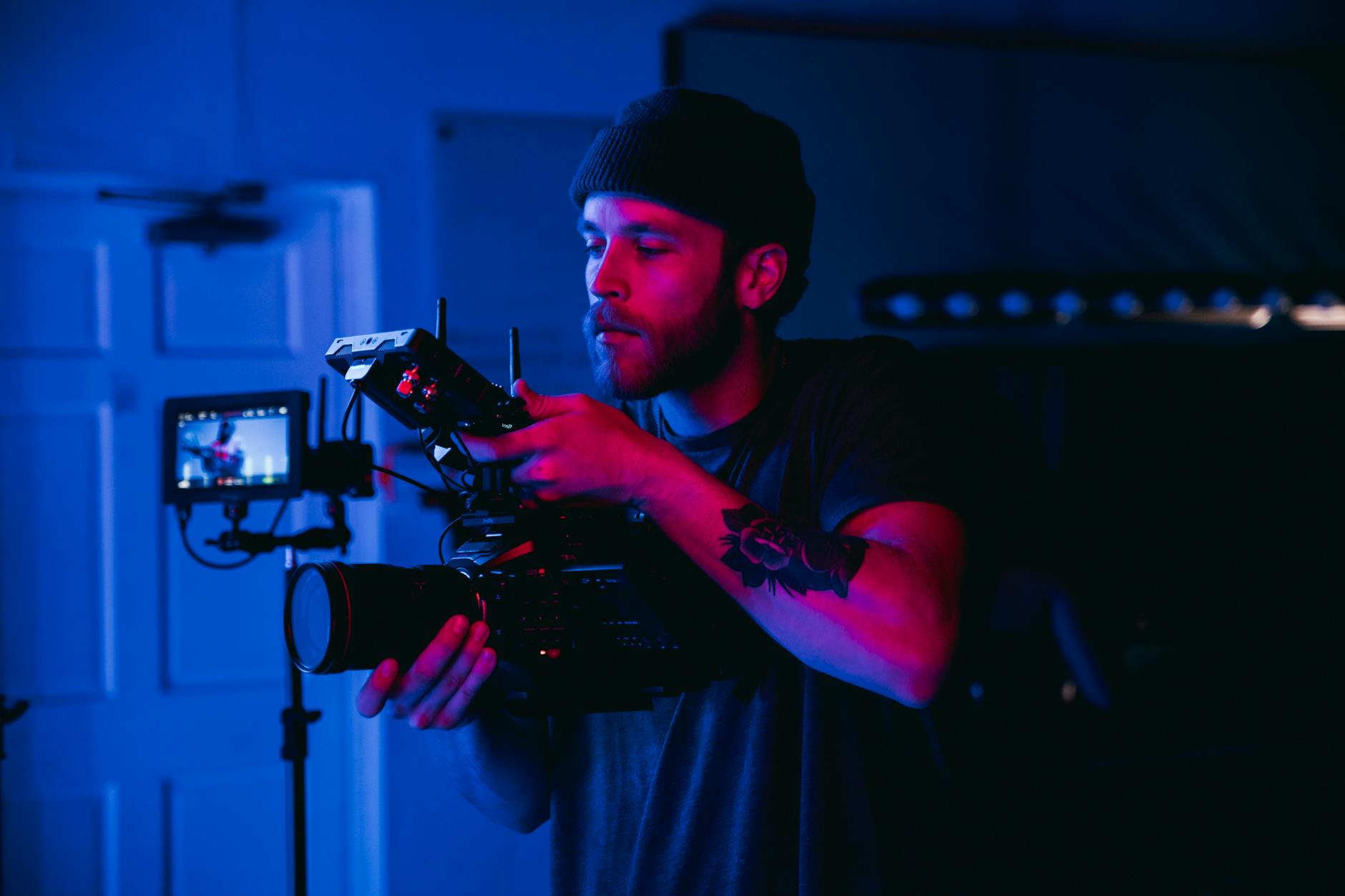
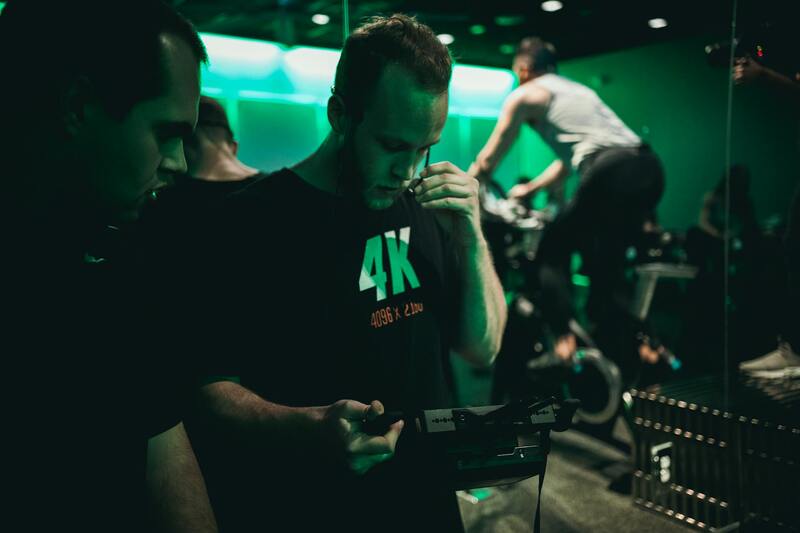
Producing a compelling real estate cinematic video requires meticulous selection of equipment and innovative filming techniques that highlight the property's unique features effectively. High-resolution cameras equipped with wide-angle lenses are essential to capture expansive interior and exterior spaces with clarity and depth. Utilizing stabilizers such as gimbals ensures smooth camera movements, which are crucial for cinematic appeal, allowing fluid transitions and panoramic shots that make viewers feel immersed in the environment.
Drone technology plays a pivotal role in real estate cinematic videos by providing breathtaking aerial views of the property and its surroundings. These shots can showcase the property's size, landscaping, proximity to local amenities, and scenic views, elements often critical in luxury Miami homes. Employing drone footage also adds a layer of professionalism and visual interest that captures potential buyers' attention immediately.
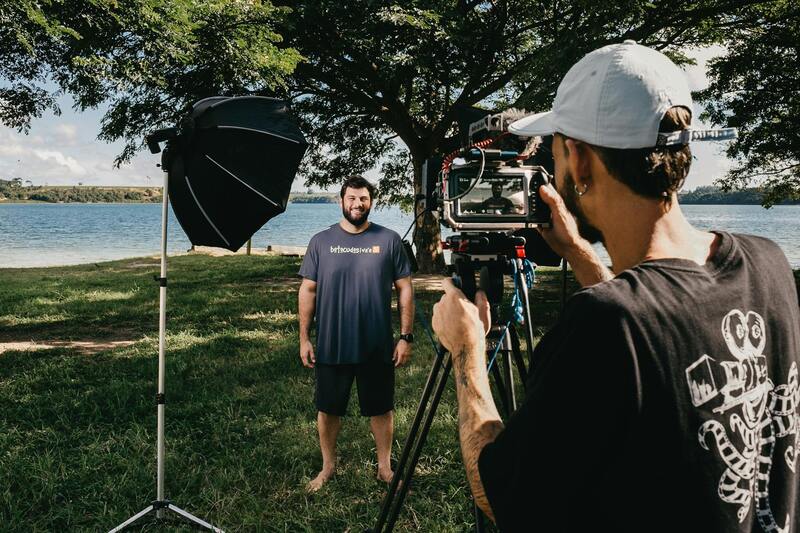
Lighting is another essential factor, especially for interior shots. Using natural light supplemented by professional lighting equipment ensures spaces appear bright, welcoming, and true to life. Techniques such as shooting during the golden hour—shortly after sunrise or before sunset—enhance the property's visual appeal with warm, soft lighting.
Camera Techniques to Elevate Property Showcasing
- Slider and crane shots: Incorporate smooth, controlled movements to add cinematic flair and reveal property details dynamically.
- Gimbal stabilization: Enables fluid walking shots through the property, providing viewers with a first-person perspective of the space.
- Posture and framing: Use rule-of-thirds and symmetry to compose visually pleasing shots that emphasize key features.
In addition, employing slow, deliberate camera movements can evoke a sense of elegance and calm, aligning with the upscale Miami real estate market. Combining these technical tools and techniques ultimately creates a seamless, engaging visual narrative that highlights the property's best attributes and leaves a lasting impression on viewers.
Choosing the Right Equipment and Techniques
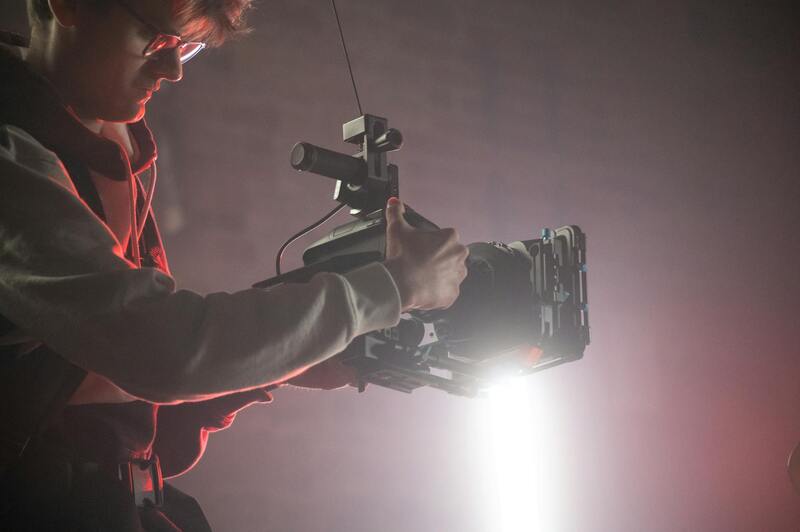
Achieving cinematic quality in real estate videos hinges on the selection of premium equipment and mastering advanced filming techniques. Professional-grade cameras with large sensors and interchangeable lenses capture high-resolution, vibrant images that do justice to upscale Miami properties. A camera capable of shooting in 4K or higher ensures sharp details and facilitates color grading in post-production, enhancing visual appeal.
Drones equipped with stabilized gimbal systems are indispensable for breathtaking aerial shots, offering sweeping views of properties and their surroundings. These shots present potential buyers with a comprehensive perspective, emphasizing property size, landscape features, and proximity to local attractions. Utilizing drone flights during different times of day, especially during golden hour, maximizes the natural, warm lighting that accentuates a property's charm.
Stabilization tools such as gimbal stabilizers for handheld shots enable smooth, fluid camera movements, making interior walkthroughs more engaging. These movements, including sliding, panning, and tilting, add a dynamic layer to the storytelling process, highlighting spaciousness and architectural details effectively. Controlled camera rigs, such as slider systems, facilitate precise, slow movements that exude elegance and calm, aligning with the sophisticated Miami real estate market.
Lighting kits, including softboxes and reflectors, are crucial for interior shots to reinforce natural lighting or compensate for low-light conditions. Shooting during early mornings or late afternoons enhances the warmth of natural light, creating inviting environments that resonate with prospective buyers.
Post-production workflows involve meticulous editing—color correction, stabilization, and seamless transitions—that refine the footage. Employing professional editing software enables color grading that enhances mood and atmosphere, while sound design choices, such as ambient background music and clear narration, amplify the overall cinematic experience.
Legal Considerations and Permissions in Miami
Producing a successful real estate cinematic video in Miami requires navigating a series of procedural steps to ensure compliance with local regulations and property protocols. Securing the proper permissions is fundamental to avoiding disruptions during filming and demonstrating respect for property owners' rights. Typically, this involves obtaining formal authorization from property owners or management companies, which confirms consent to shoot on the premises. Clear communication about the scope of the shoot, duration, and intended use of the footage is essential for building mutual understanding and trust.
Additionally, when utilizing drone technology for aerial shots, operators must adhere to specific guidelines established by the Federal Aviation Administration (FAA) and local Miami regulations. This includes registering the drone and operating it within designated airspace restrictions, especially over private residences, parks, or crowded urban areas. Conducting flights during daylight hours with appropriate visual line-of-sight control reduces potential conflicts and safety concerns.
It is recommended to have all necessary documents and permits prepared before filming begins. For interior shots, owner approval generally covers most permissions; however, for exterior or aerial filming, explicit consent and clearances are often required. Maintaining comprehensive documentation of all permissions not only streamlines the post-production process but also safeguards against any potential disputes.
This approach demonstrates a commitment to professionalism and transparency, qualities highly valued in the luxury Miami real estate market. Collaborating with experienced local production firms can facilitate the acquisition of necessary permits and ensure adherence to all procedural requirements. Such partnerships also bring valuable insights into community-specific regulations, helping to streamline the production workflow and focus on delivering a compelling cinematic portrayal of Miami’s exquisite properties.
Legal Considerations and Permissions in Miami
Producing high-quality real estate cinematic videos in Miami requires a comprehensive understanding of the procedural requirements for obtaining the necessary permissions and authorizations. When capturing exterior shots, drone footage, or aerial perspectives, it is essential to coordinate with local authorities and property owners to secure explicit consent. This process involves verifying zoning regulations, property rights, and airspace restrictions specific to Miami's diverse neighborhoods.
Engaging with qualified professionals who specialize in obtaining filming permits ensures compliance with municipal guidelines. These experts are well-versed in navigating Miami’s permitting landscape, including permits for restricted airspace, high-traffic urban zones, and environmentally sensitive areas. Maintaining meticulous records of all permissions, waivers, and approvals significantly reduces the potential for disruptions during the production schedule and supports smooth post-production workflows.
Furthermore, collaboration with local authorities can facilitate access to specific locations that might typically be off-limits, such as private rooftops or waterfront properties, provided all safety and privacy considerations are observed. Having clear agreements in place with property owners and residents not only enhances professional rapport but also ensures that filming activities align with community standards.
To minimize potential conflicts, it’s advisable to incorporate detailed scripts and shot lists that specify the nature and scope of the video project. This preparation fosters transparency and builds trust with all stakeholders involved in the production.
Legal Considerations and Permissions in Miami
In the competitive and vibrant real estate market of Miami, producing high-quality cinematic videos requires adherence to specific regulations and obtaining necessary permissions. These steps are crucial in achieving professional standards while respecting local policies and community guidelines. Ensuring compliance starts with a thorough understanding of the different types of permits necessary for various shooting scenarios, especially when utilizing aerial footage or drone technology.
When capturing aerial shots of properties, it is essential to obtain appropriate drone operation clearances, which often involve coordinating with the Federal Aviation Administration (FAA) and local aviation authorities. Proper drone registration, flight plan submissions, and adherence to altitude and restricted airspace guidelines are fundamental to conducting legal aerial filming. Working with licensed drone operators familiar with Miami’s airspace restrictions can mitigate potential issues, ensuring the footage is gathered safely and legally.
Beyond aerial filming, securing filming permits for ground-based footage is equally important. These permits typically cover location access, especially in highly regulated areas like downtown districts, parks, waterfronts, or private neighborhoods. Approaching property owners and local authorities early in the planning process facilitates the approval process and helps prevent disruptions during shoots. Having official documentation of permits not only smooths the production workflow but also demonstrates professionalism and respect for property rights.
Privacy laws also play a significant role when filming in residential areas or capturing identifiable persons. It is essential to obtain model releases and consent forms from individuals who appear in the videos, especially for promotional use. This step underscores the importance of transparency and respect for personal privacy, which enhances the overall reputation of the production team and the client.
Furthermore, adherence to local noise ordinances and safety regulations during filming activities is obligatory. For instance, shooting hours may be restricted in certain neighborhoods to avoid disturbance to residents, and equipment must be operated safely, particularly when working on rooftops or near water bodies.
In summary, navigating the legal landscape of Miami’s real estate cinematic video production involves meticulous planning and proactive communication with authorities and property stakeholders. Securing all necessary permits, respecting privacy rights, and following operational guidelines helps produce visually compelling content that aligns with legal standards, safeguarding the project from potential setbacks and fostering a positive relationship within the community.
Legal Considerations and Permissions in Miami
Producing high-quality real estate cinematic videos in Miami requires a thorough understanding of the necessary permissions and adherence to local regulations. Ensuring proper permits are secured prior to filming contributes significantly to a smooth workflow and demonstrates professionalism. These permits may include access agreements for private properties, which guarantee the right to film without interruptions during scheduled shoots.
Property owners and stakeholders must be consulted to obtain explicit authorization, avoiding potential conflicts or misunderstandings. Clear communication and documented approval not only facilitate the logistical aspects but also uphold a respectful collaboration between production teams and property representatives. In the context of Miami's vibrant real estate market, respecting these formalities sets a foundation for a trustworthy professional relationship.

In addition, privacy considerations are paramount, especially when filming residential neighborhoods or capturing identifiable individuals. Obtaining model releases from residents or visitors featured in the footage confirms consent for promotional use and aligns with best practices in content production. This transparency fosters trust and demonstrates respect for personal boundaries.
Operational safety and compliance with local ordinances are also vital. Filmmakers should familiarize themselves with noise restrictions, unauthorized access policies, and safety standards for equipment handling—particularly when working at heights or across water features. Awareness and adherence to these guidelines safeguard the crew and property, preventing potential legal or safety incidents during production.
By navigating these official requirements meticulously, content creators can produce visually stunning real estate videos that resonate with audiences while maintaining integrity within the local regulatory landscape. Proper permits, consent documentation, and safety practices not only enhance the credibility of the project but also contribute to the overall reputation and success of the cinematic marketing efforts.
Legal Considerations and Permissions in Miami
Successfully producing real estate cinematic videos in Miami requires adherence to established procedures for obtaining necessary authorizations. While focusing on official channels, filmmaking teams must ensure they secure appropriate permits from local agencies responsible for city planning, zoning, and public space usage. These permits facilitate access to various filming locations, particularly when drone footage or aerial views are involved, minimizing disruptions and avoiding potential interruptions or penalties.
In addition to permits, obtaining model releases is essential when individuals are visible within the footage, especially in residential neighborhoods or commercial complexes. This documentation confirms the owner’s or resident’s consent for the intended promotional use of images derived from the video content, reinforcing transparency and professionalism.
Property owners and film crews should also collaborate with local authorities to schedule filming sessions during designated hours in accordance with noise ordinances and community guidelines. Respecting private property boundaries and limiting the duration of shoots helps maintain goodwill with residents and minimizes potential conflicts.
Familiarity with Miami’s specific regulations regarding drone operations is particularly vital. Drone pilots must adhere to FAA guidelines and local restrictions, such as avoiding no-fly zones over certain areas and obtaining necessary waivers when capturing aerial shots. This comprehensive approach ensures safety, compliance, and the production of high-quality footage that elevates property listings.
Image Placeholder: Professional drone filming over Miami waterfront
Producers need to document all approvals and permissions meticulously. This record-keeping not only streamlines the production process but also instills confidence among property stakeholders and marketing partners, demonstrating a commitment to responsible and respectful content creation. Compliant planning and execution of video projects underpin their effectiveness in competitive Miami markets, where professionalism and adherence to regulations distinguish top-tier cinematic real estate marketing.