
Understanding the Importance of Real Estate Photography
In the competitive Miami real estate market, high-quality photography has become a cornerstone of effective property marketing. Visually appealing images serve as the first impression for potential buyers, significantly influencing their interest in a listing. Well-crafted photographs highlight a property's best features, showcase spacious interiors, and capture the vibrant energy of Miami's unique architecture and lifestyle.
The impact of professional photography extends beyond aesthetic appeal. It enhances online listings by increasing visibility and engagement, often leading to quicker sales and higher offers. Buyers increasingly rely on virtual tours and high-resolution images to narrow down their options before scheduling physical visits. In a city known for its luxurious homes, beachfront properties, and modern condos, the clarity, composition, and lighting of real estate photos directly contribute to the property's perceived value.
Furthermore, quality images build trust and credibility with prospective buyers. When listings feature crisp, well-lit photographs that accurately represent the property, it encourages interest and fosters a sense of transparency. In Miami, where real estate assets often command premium prices, the role of professional photography is indispensable in differentiating an offering in a crowded marketplace.
Effective real estate photography also aligns with the broader marketing strategy, including digital advertising, social media, and printed materials. Consistent, compelling photography helps to establish a recognizable brand identity for real estate agents and agencies, reinforcing their reputation for professionalism and attention to detail. This visual consistency boosts engagement and encourages viewers to explore listings further.
Investing in high-quality real estate photography is a strategic move that amplifies marketing efforts, accelerates sales cycles, and enhances the perceived value of properties across Miami’s diverse and dynamic market. By capturing the essence of each property with precision and artistry, real estate professionals can maximize their outreach and ensure their listings stand out in a competitive environment.

Choosing the Right Equipment and Technology
For capturing high-quality real estate images, selecting the appropriate equipment is critical. Professional-grade cameras with full-frame sensors are preferred to ensure clarity, dynamic range, and color accuracy. These cameras handle various lighting conditions effectively, allowing real estate photographers to produce consistent results across different property types and times of day.
Lens selection plays a vital role in achieving the desired perspective and spatial understanding. Wide-angle lenses, typically ranging from 14mm to 24mm, are standard for real estate photography as they enable the photographer to capture more of a room in a single shot, emphasizing space and layout. Using tilt-shift lenses can also help correct distortion in images, especially in rooms with tall ceilings or tight corners, ensuring that vertical lines remain straight and true to life.
In addition to cameras and lenses, tripod stability is essential for sharpness, especially during interior shoots where longer exposure times might be necessary due to low lighting conditions. Remote shutter releases or timers help eliminate camera shake, ensuring crisp images. Up-to-date flash and lighting equipment, including softboxes or diffusers, allow for the effective illumination of interiors without harsh shadows or uneven lighting, which can detract from the property's appeal.
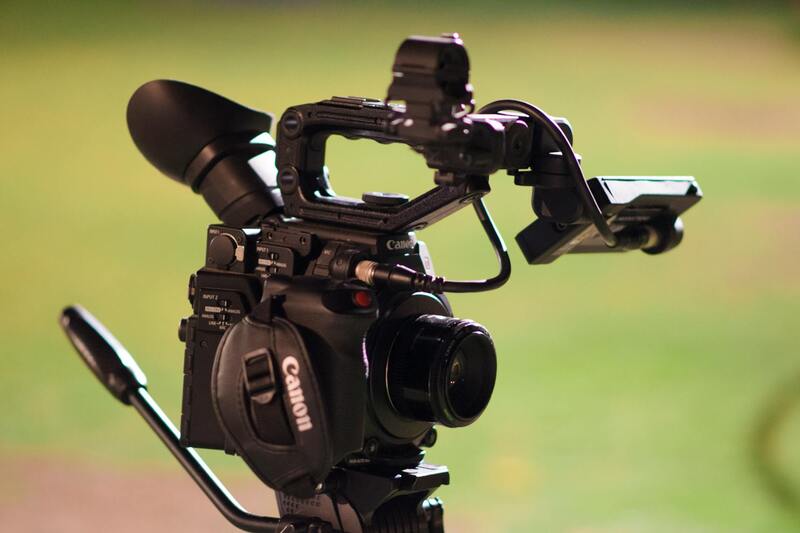
Utilizing Advanced Software and Drones
Modern real estate photography extends beyond still images to include aerial shots and virtual tours. Drone technology provides unique perspectives of larger properties, showcasing outdoor amenities and landscape features that ground-level photos cannot capture. High-resolution drone cameras equipped with stabilization technology produce clear, compelling aerial images.
Post-capture editing software, such as Adobe Lightroom and Photoshop, enhances raw images by adjusting exposure, correcting color balance, and refining details. These tools help real estate photographers deliver visually striking images that accurately reflect the property's personality. HDR (High Dynamic Range) techniques combined with sophisticated editing workflows ensure that interior photos display both bright and shadowed areas without losing detail.
Emerging Technological Trends
Virtual staging software enables realistic digital enhancements, allowing viewers to visualize furnished interiors without physical staging. 3D imaging and virtual tours are increasingly popular in Miami's competitive market, offering potential buyers a comprehensive, interactive experience. These tools require specialized hardware and software but significantly boost engagement and facilitate faster sales decision-making.
Choosing the Proper Tools for Different Property Types
- Luxury Homes: High-end camera bodies, fisheye or wide-angle lenses, aerial drones, and professional lighting setups are essential to capture the grandeur of upscale properties.
- Condominiums and Apartments: Focus on wide-angle shots to maximize limited space and utilize drone footage for building exteriors and surrounding amenities.
- Commercial Properties: High-resolution images, detailed interior shots, and external aerial views; often complemented by 3D virtual tours for investor presentations.
Optimal Techniques for Capturing Miami's Unique Real Estate Properties
Miami's diverse real estate landscape presents distinct challenges and opportunities for professional photography. To effectively showcase properties, photographers must adapt their techniques to highlight architectural features, interior design, and exterior appeal within this vibrant market.
One essential approach involves understanding the lighting conditions unique to Miami. Bright, sunny days can create high contrast and exposure challenges, necessitating the use of graduated ND filters or reflectors to balance light. During golden hour—shortly after sunrise or before sunset—natural lighting enhances colors and textures, providing a warm, inviting aesthetic that resonates with potential buyers.
Portraying the scale and space of Miami's luxury condos or waterfront estates requires strategic use of wide-angle lenses. These lenses capture expansive views and make interiors appear more spacious, which is crucial in marketing properties that boast open floor plans or panoramic vistas. Complementing still images with aerial photography allows potential clients to appreciate property size and surrounding amenities such as beaches, parks, or city skylines.
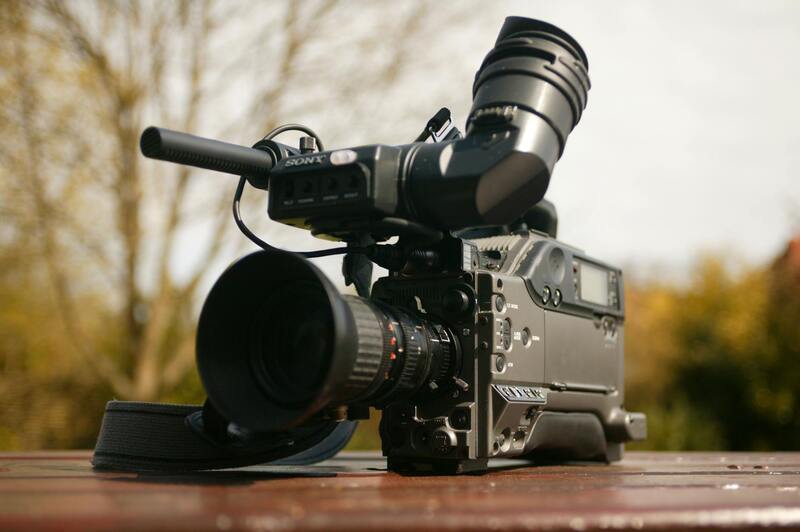
Incorporating drone photography adds a dynamic perspective that emphasizes location advantages—such as proximity to beaches, marinas, or vibrant neighborhoods. To ensure these shots are effective, time the flights during optimal lighting hours, avoiding harsh midday sun which can cause stark shadows or overexposure. Smooth, steady drone footage can further enhance virtual tours and marketing videos.
Narrow indoor spaces, such as Miami's compact condominiums, benefit from controlled lighting and strategic composition to avoid clutter and emphasize space. Using a tripod stabilizer helps achieve sharp images, while controlled lighting setups—whether natural or supplemental—ensure the interior appears bright and welcoming.
Specialized techniques such as HDR photography can also be employed to balance interior brightness with exterior views, capturing the full dynamic range of the scene. This is particularly useful for properties where windows face sunlight or shaded areas, providing a comprehensive and true-to-life image for prospective buyers.
Ultimately, tailored photographic strategies that leverage Miami’s unique environmental and architectural elements are vital for creating compelling visuals. These images serve as powerful tools to attract targeted audiences and accelerate property sales by accurately conveying the property’s aesthetic appeal and lifestyle potential.
Utilizing Extensive Post-Processing for Optimal Visual Impact
Effective post-processing is a critical phase in delivering exceptional real estate imagery that captures the full potential of Miami properties. This process involves refining raw photographs to enhance clarity, color accuracy, and overall visual appeal, ensuring the images resonate with prospective buyers and elevate marketing efforts.
One of the primary objectives during post-processing is to balance exposure levels across images. HDR (High Dynamic Range) techniques, often employed during editing, allow real estate photographers to merge multiple exposures—highlighting interior details while maintaining exterior views, especially in properties with large windows or varying light conditions. This approach ensures a cohesive representation of the property, avoiding overexposed sunlight or dark corners.
Color correction also plays a vital role. Miami's vibrant architectural styles and lush landscaping demand accurate color rendition to authentically depict the property's aesthetic. Intuitive editing adjusts hues, saturation, and contrast to produce images that are bright, inviting, and true to life, thereby attracting more serious buyers.
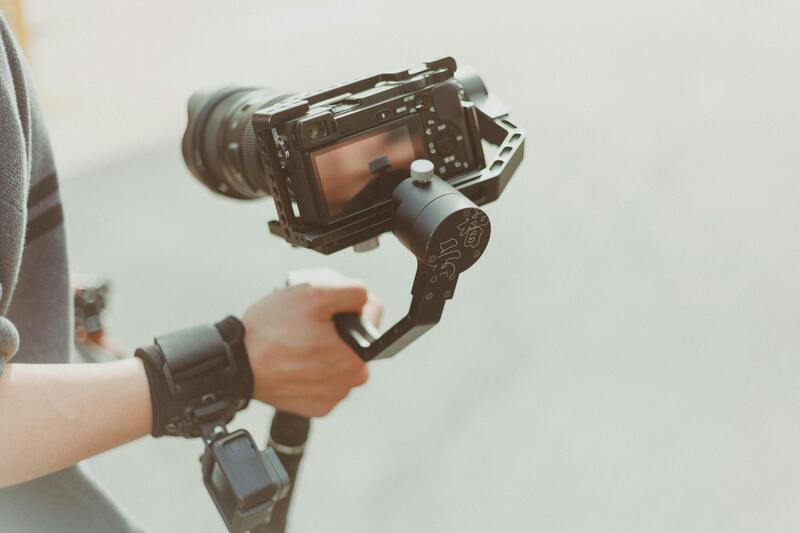
Image sharpness and clarity are bolstered through noise reduction and sharpening techniques, which highlight fine details without creating an artificial appearance. This is especially important when showcasing intricate architectural features or luxurious finishes that distinguish Miami properties in a competitive market.
Sky replacement and background editing may be necessary in certain scenarios to correct weather inconsistencies or unwanted elements, ensuring the property remains the star of each image. Moreover, careful cropping and straightening help with compositional harmony, emphasizing the property's spatial qualities and architectural flow.
Optimizing images for various marketing channels is equally essential. High-resolution images suitable for print should be prepared alongside web-friendly versions that load quickly without sacrificing quality—critical for online listings and social media platforms. Incorporating subtle branding elements or watermarks can also reinforce brand identity and protect intellectual property.
Meticulous post-processing transforms stunning photographs into compelling visual narratives that effectively communicate the property's lifestyle appeal. This refined imagery is instrumental in capturing the attention of discerning buyers and enhancing the overall marketing strategy.
Understanding the Importance of Real Estate Photography
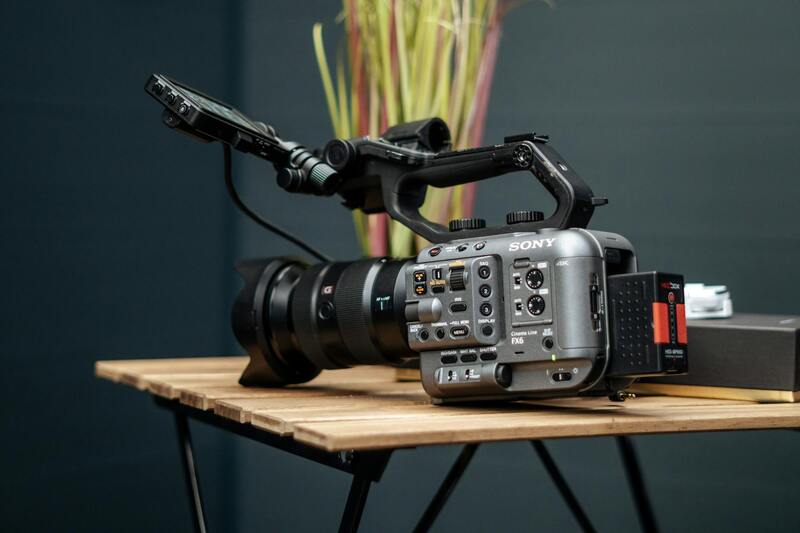
High-quality real estate photography plays a transformative role in the property marketing process, especially within vibrant markets like Miami. It is the first impression potential buyers or renters will have of a property, making it essential that images accurately reflect the property's best features. Effective real estate photography not only enhances visual appeal but also establishes trust and professionalism, setting a property apart in a competitive landscape. Properly executed images can significantly reduce the time a property spends on the market by attracting qualified interest from the outset. This is achieved by capturing the property's unique architectural details, spacious layouts, and desirable features with clarity and precision. When expertly managed, real estate photography becomes a powerful tool that aligns seamlessly with digital marketing efforts, such as online listings, social media campaigns, and virtual tours, ultimately increasing visibility and engagement at every stage of the sales funnel.
Key Elements of Professional Real Estate Photography
Achieving compelling real estate images hinges on several critical elements that together create an inviting and trustworthy presentation. First and foremost is lighting. Properly lit photographs reveal the true ambiance of a space, highlighting both natural sunlight and interior lighting fixtures without creating harsh shadows or overexposure. Interior space depiction should emphasize layout and flow, often achieved through wide-angle lenses that capture the full breadth of rooms while avoiding distortion. Attention to detail in composition plays a vital role by ensuring that each shot showcases key features such as high-end finishes, architectural accents, and outdoor views.
- Lighting: Use natural light effectively, supplement with professional lighting equipment if necessary.
- Angles and Composition: Select angles that maximize space perception and highlight architectural features.
- Focus and Clarity: Maintain sharp focus across all critical areas, utilizing appropriate aperture settings.
- Consistency: Ensure uniformity in style and lighting across all images for cohesive marketing.
Staging also enhances the visual narrative by demonstrating lifestyle possibilities, which can make a property more appealing. Proper staging combined with professional photography conveys a sense of space and potential that resonates with buyers, especially when aiming to attract discerning clients looking for Miami’s luxury properties or waterfront estates. The culmination of these elements creates a visual story that elevates the property's perceived value and encourages prospects to envision themselves living or investing there.
Choosing the Right Equipment and Technology
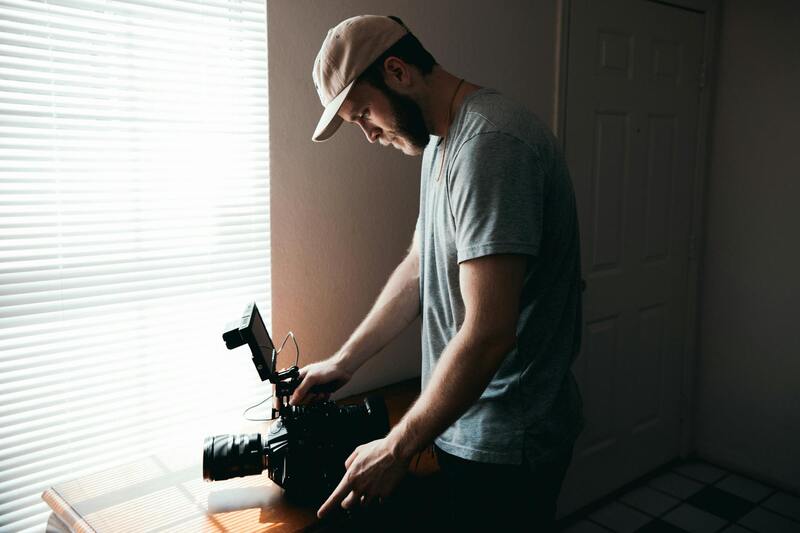
An effective real estate photography setup requires specialized equipment tailored to capture Miami properties with precision. DSLR or mirrorless cameras equipped with wide-angle lenses are standard, as they facilitate expansive views that showcase large rooms and outdoor scenery. Tripods are essential for stability and precise composition, especially in low-light environments or interior shots. Advanced techniques such as HDR (High Dynamic Range) imaging combine multiple exposures to balance bright and shadowed areas, delivering well-exposed images despite challenging lighting conditions. Drone technology may also be employed to capture captivating aerial views of waterfront properties, sprawling estates, or urban views prevalent in Miami.
Pre-Photography Preparation
Preparation is key to ensuring a smooth shooting process and outstanding results. Prior to a session, properties should be meticulously cleaned and decluttered to prevent distractions and maintain a clean, appealing environment. Strategic placement of furniture and decor can enhance room features and create a welcoming atmosphere. Addressing minor repairs—such as fixing squeaky hinges, replacing burnt-out bulbs, or repairing torn window treatments—contributes to an overall polished appearance. Additionally, scheduling shoots during optimal natural lighting periods—usually mid-morning or late afternoon—maximizes sunlight and reduces unwanted shadows. Communicating with property owners and real estate agents about shot lists and specific features to emphasize helps streamline the process and ensures the photographer captures all essential visual elements effectively.
Post-Processing and Image Optimization
After capturing the initial images, the post-processing stage is crucial for transforming raw photos into compelling visual assets that attract potential buyers. Professional editing involves meticulous color correction to ensure that the images accurately reflect the property's true hues and ambiance. Adjustments to contrast, brightness, and saturation help highlight key features and create a vibrant, inviting atmosphere.
Image sharpness and clarity are enhanced through precise sharpening techniques, which make details stand out without introducing noise. Correcting lens distortions, such as converging vertical lines in wide-angle shots, ensures that walls and structural lines appear straight and true to life, adding a sense of professionalism and credibility to the visuals.
Size optimization is equally important when preparing images for online use. High-resolution photos are reduced to appropriate dimensions to facilitate fast website loading times without compromising visual quality. This process also involves compressing images to enhance user experience and reduce bounce rates, which is key in the competitive Miami real estate market.
Consistent color grading across a series of images maintains a cohesive look in online listings, making the property appear more professional and appealing. Additionally, creating different image versions—such as wide shots for listings and close-up details for social media—allows for strategic use across various marketing platforms, maximizing outreach and impact.
Ultimately, the goal of post-processing is to craft polished, visually engaging images that accurately represent the property, attract interest, and generate inquiries. Well-edited visuals are vital components of effective real estate marketing, especially in vibrant markets like Miami, where properties often feature stunning waterfront views, modern architecture, and luxurious amenities.
Enhancing Your Real Estate Listings with Professional Photography Techniques
Employing the most effective photographic methods tailored for Miami's distinct real estate market can significantly elevate property presentations. This involves strategic planning and execution to ensure each image captures the property's unique features, from waterfront vistas to contemporary architectural details. Utilizing advanced techniques like HDR imaging and strategic lighting can overcome challenging lighting environments typical in Miami's bright, sun-drenched settings. These methods help balance interior and exterior exposure, ensuring vibrant, true-to-life visuals that attract potential buyers.
Use of Wide-Angle Lenses for Comprehensive Space Representation
Wide-angle lenses are indispensable in real estate photography, allowing for the depiction of spacious interiors and expansive exteriors within a single shot. When used properly, they can make rooms appear larger and more inviting without distorting the lines of architecture. Proper alignment and careful composition are essential to avoid unnatural elongation, ensuring the images accurately represent the property’s scale. This technique is especially effective in Miami's open-concept condos and expansive estates, providing viewers with a comprehensive understanding of the property's layout.
Mastering Natural and Artificial Lighting
Lighting plays a crucial role in capturing the true ambiance of a property. Natural light should be maximized by scheduling shoots during the day and opening curtains and blinds. Supplementing with professional lighting fixtures can fill in shadows and highlight architectural features, especially in areas with limited natural light. Balancing daylight with artificial illumination ensures that colors are vibrant and details are sharply defined, which is vital when showcasing Miami's diverse property styles, from sleek city apartments to lush waterfront homes.
Reflecting Miami’s Architecture and Cultural Aesthetics
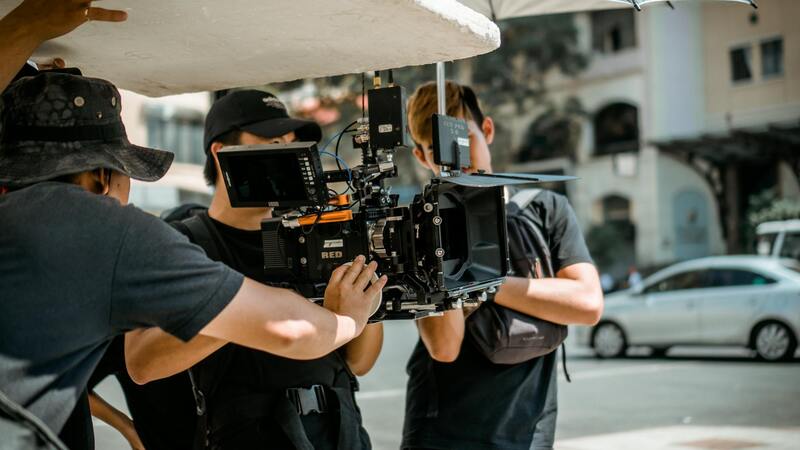
Miami's architectural landscape is rich with modern, Art Deco, Mediterranean revival, and contemporary styles. Capturing these unique features requires a keen understanding of how to frame structures to emphasize their distinctive characteristics. Techniques such as tilt-shift photography can be particularly effective in showcasing vertical lines in tall buildings, maintaining architectural integrity while making the structure appear balanced and proportionate. Additionally, incorporating Miami's iconic elements, like ocean views or vibrant neighborhood scenery, enhances the storytelling aspect of property images.
Addressing Weather and Environmental Conditions
The local climate can influence shoot planning—bright sunny days are ideal for outdoor shots, but overcast days can provide diffuse light that softens shadows. Being prepared for sudden weather changes and understanding how to work around them ensures consistent quality across your images. Techniques such as shooting during golden hour, when sunlight is softer and warmer, can imbue properties with a welcoming glow that resonates with prospective buyers.
Conclusion
Precision in capturing Miami's diverse properties hinges on choosing the right techniques and tools. Mastery of wide-angle lenses, skillful lighting adjustments, and an appreciation for architectural nuances are fundamental. Proper planning, combined with expert execution, results in compelling images that resonate with buyers and elevate listings in Miami’s competitive real estate environment.
Advanced Post-Processing Techniques to Enhance Real Estate Photography
Post-processing is a critical phase in producing visually compelling real estate images that stand out in Miami's competitive market. Proper editing not only enhances the visual appeal but also ensures the images accurately reflect the property's features. High-quality post-processing involves several key steps, including color correction, exposure adjustment, and perspective correction, which collectively improve image clarity and realism.
Color correction is essential to represent the property's true hues, particularly when capturing vibrant Miami exteriors and lush landscaping. Adjusting white balance ensures that whites appear neutral, avoiding color casts that can distort the image. Exposure adjustments help highlight details in both shadowed and brightly lit areas, balancing the overall brightness and contrast.

One of the most valuable tools in digital editing is the use of specialized software such as Adobe Lightroom or Photoshop. These programs enable precise manipulation of images, allowing photographers to correct distortions caused by wide-angle lenses, remove minor distractions, and enhance the overall composition. Perspective correction, in particular, plays a vital role in maintaining the architectural integrity of tall Miami buildings and ensuring straight vertical lines.
Another technique involves blending multiple exposures to create high dynamic range (HDR) images, capturing both interior and exterior details with clarity. This method is especially useful when dealing with tricky lighting conditions, such as bright outdoor views seen from interior shots. HDR processing fills in shadows and balances highlights, resulting in images that convey a property's full visual appeal.
Furthermore, subtle enhancements like sharpening details, reducing noise, and softening undesirable reflections can significantly elevate the quality of real estate photographs. When executed skillfully, post-processing ensures that images are not overly manipulated but instead highlight the property's authentic beauty.
Optimizing images for various platforms involves compressing files without sacrificing quality to ensure swift loading times on listing websites and social media. Properly processed images contribute to stronger listings, attracting more potential buyers by compellingly showcasing each property’s unique features in Miami’s diverse neighborhoods.
Effective Image Management and Archiving
Maintaining an organized archive of high-resolution images allows real estate professionals to retrieve and repurpose photographs efficiently across different marketing materials. Consistent editing standards also ensure brand uniformity, instilling confidence among clients and prospective buyers alike.
Importance of Professional Post-Processing Services
While many real estate agents and property owners may consider basic editing, investing in professional post-processing services guarantees that images meet industry standards. Experienced editors understand the nuances of architectural photography and can tailor adjustments to accentuate Miami’s distinctive architectural styles, seaside views, and vibrant neighborhoods effectively.