
Overview of Photography Opportunities in Miami
Miami stands out as a premier destination for photographers seeking to capture a dynamic blend of natural beauty, architectural grandeur, and vibrant cultural expressions. Its diversity of landscapes offers a wide array of backgrounds, from tropical beaches with crystal-clear waters to lush urban parks and iconic cityscapes. Photographers are drawn to Miami’s colorful neighborhoods, historic districts, and modern skyline, each presenting unique opportunities to craft compelling visual stories. This city’s diverse ambiance is enhanced by its lively street scenes, world-renowned art districts, and bustling events, making it an ideal environment for both amateur and professional shutterbugs.
Beyond its visual appeal, Miami's climate allows for year-round shooting, providing consistent conditions to work on various photographic projects. The city’s multicultural atmosphere enriches every neighborhood with authentic scenes of everyday life, festivals, and traditions, fueling creativity. Whether capturing the striking contrast between modern skyscrapers and historic South Beach Art Deco architecture, or framing the endless horizon of the Atlantic Ocean, Miami offers a captivating canvas for photographers. The city's lively arts scene, coupled with its natural beauty, makes it a hub for innovative photographic exploration. Aspiring and established photographers can leverage the city’s energy and scenery to produce images that resonate on a global scale, whether for personal projects, commercial ventures, or portfolio development.
In addition to its visual richness, Miami’s extensive services and resources support photographers in their craft. From top-tier photographic equipment rental shops to workshops and photography tours, the city encourages skill development and creative experimentation. As a vibrant hub that combines natural splendor with urban sophistication, Miami continues to attract a broad spectrum of photographic talents eager to capture its essence. The variety of available scenes ensures that photographers of all levels can find inspiring subjects and storytelling opportunities, making Miami not just a city to visit, but a city to photograph with passion.
Popular Locations for Photography in Miami
Miami’s diverse landscape provides an abundance of iconic and off-the-beaten-path sites that cater to varied photographic styles. The city’s renowned Art Deco District in South Beach offers a kaleidoscope of pastel-colored buildings and vintage signage, perfect for capturing nostalgic urban scenes. Nearby, the bustling Ocean Drive presents lively street life, neon lights at night, and a vibrant atmosphere that epitomizes Miami’s energetic vibe. Wynwood Walls, a dynamic outdoor mural art space, invites photographers to document its stunning wall murals, which showcase a mix of graffiti, street art, and contemporary murals that change regularly, offering endless visual inspiration.
Further afield, the Miami skyline from spots like Brickell Key or Key Biscayne offers spectacular panoramic views, especially at sunset or dusk when the city lights illuminate the horizon. For stunning seaside shots, the beaches along Miami Beach, including North and South Beach, are ideal for capturing both the natural beauty and the lively beach scene. Nature lovers can explore the lush greenery of the Fairchild Tropical Botanic Garden or the Everglades, providing opportunities for nature and wildlife photography that highlight Miami’s ecological richness.
Miami’s cultural hubs, such as Little Havana with its vibrant street life, colorful murals, and cultural festivals, also serve as compelling backdrops for documentary and street photography. During events like Art Basel Miami Beach or the Miami Carnival, the city’s dynamic culture is on full display, presenting unique moments that capture its multicultural spirit. Photographers can leverage these locations to develop diverse portfolios that highlight Miami’s vibrant neighborhoods, artistic expressions, and everyday moments that define its unique character.
Types of Photography in Miami
Miami's diverse urban landscape, vibrant cultural scenes, and natural beauty make it an ideal city for a variety of photographic styles. Landscape photography captures the stunning views of the Atlantic Ocean, the iconic skyline, and picturesque sunsets, offering panoramic vistas that showcase Miami’s coastal splendor. Architectural photography highlights Miami’s distinctive Art Deco buildings in South Beach, modern high-rises in downtown, and historic structures that tell the city’s story through design and craftsmanship.
Street photography in Miami provides authentic glimpses into daily life, especially in neighborhoods such as Little Havana, Wynwood, and Overtown. Photographers can document candid moments, bustling markets, local festivals, and the lively street art that characterizes the city’s neighborhoods. Nightlife photography is also prominent, capturing the vibrant energy of Miami’s clubs, bars, and events that come alive after dark, with neon lights and dynamic scenes providing rich visual material.
Wildlife and nature photography are equally prominent due to Miami’s proximity to lush parks and protected areas. The Everglades, with its unique ecosystem, offers opportunities to capture native species like alligators, herons, and rare birds in their natural habitats. Additionally, botanical gardens such as the Fairchild Tropical Botanic Garden serve as tranquil settings for macro and landscape shots of tropical flora.
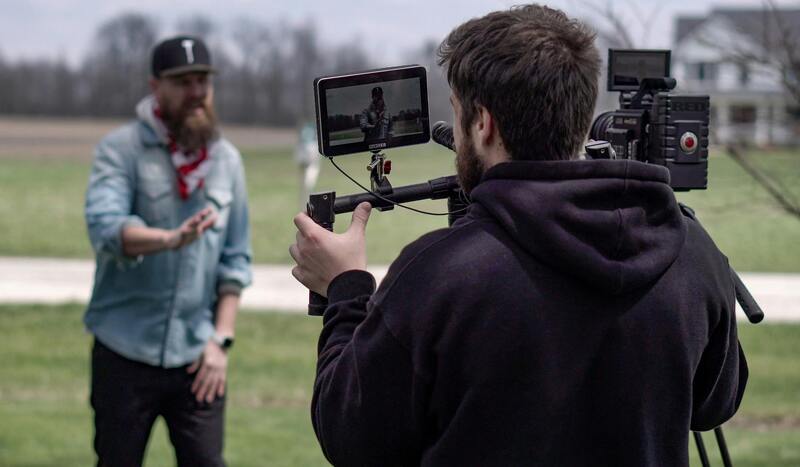
Miami's art scene also encourages experimental and conceptual photography, often blending elements of fine art, fashion, and commercial work. The city’s numerous art festivals, fashion events, and creative hubs inspire a thriving creative community focused on innovative visual storytelling that captures the city’s evolving cultural narrative.
Photographic Equipment and Tips for Miami Shoots
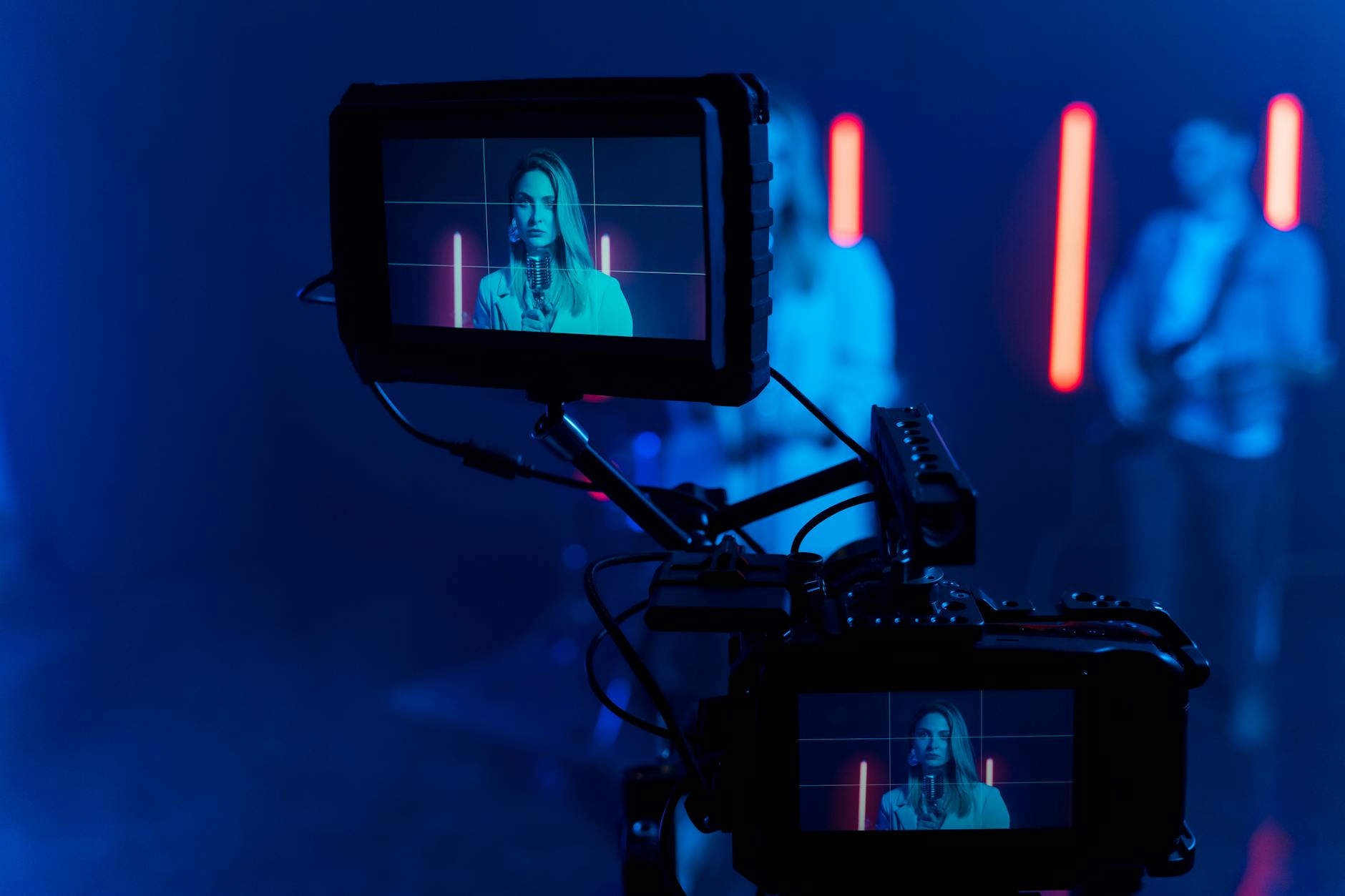
Maximizing the quality of your photography in Miami requires careful selection of equipment tailored to the city’s diverse environments. A professional DSLR or mirrorless camera with a versatile zoom lens (such as a 24-70mm) is ideal for capturing both cityscapes and street scenes. A wide-angle lens is essential for expansive skyline shots and architectural photography, especially during golden hour when natural lighting enhances the vibrancy of Miami’s buildings and beaches. For macro photography, particularly in botanical gardens or lush parks, a macro lens allows for detailed shots of tropical flora and fauna.
Optimal Timing for Miami Photography
Understanding Miami’s lighting conditions is crucial for capturing stunning images. The city benefits from abundant natural light, especially during the early morning and late afternoon, known as the golden hours. These periods offer warm, diffused sunlight that beautifully illuminates subjects and reduces harsh shadows. For nightlife and vibrant street scenes, shooting at night with a stable tripod enhances clarity and captures neon reflections vividly. Weather considerations, such as the austral and hurricane seasons, should also influence scheduling potential photo shoots, with cloud cover providing unique opportunities for moody, atmospheric shots.
Local Considerations
- Weather Awareness: Miami’s humid subtropical climate can impact equipment. Use weather-sealed gear when possible and carry protective covers for sudden rain showers.
- Lighting Conditions: Bright sunlight can cause high contrast, so utilizing reflectors or diffusers helps manage shadows. Overcast days create softer light ideal for portrait work.
- Accessibility and Permissions: For shooting in private or restricted areas, pre-arranging permits or permissions ensures smooth operations and prevents disruptions during sessions.
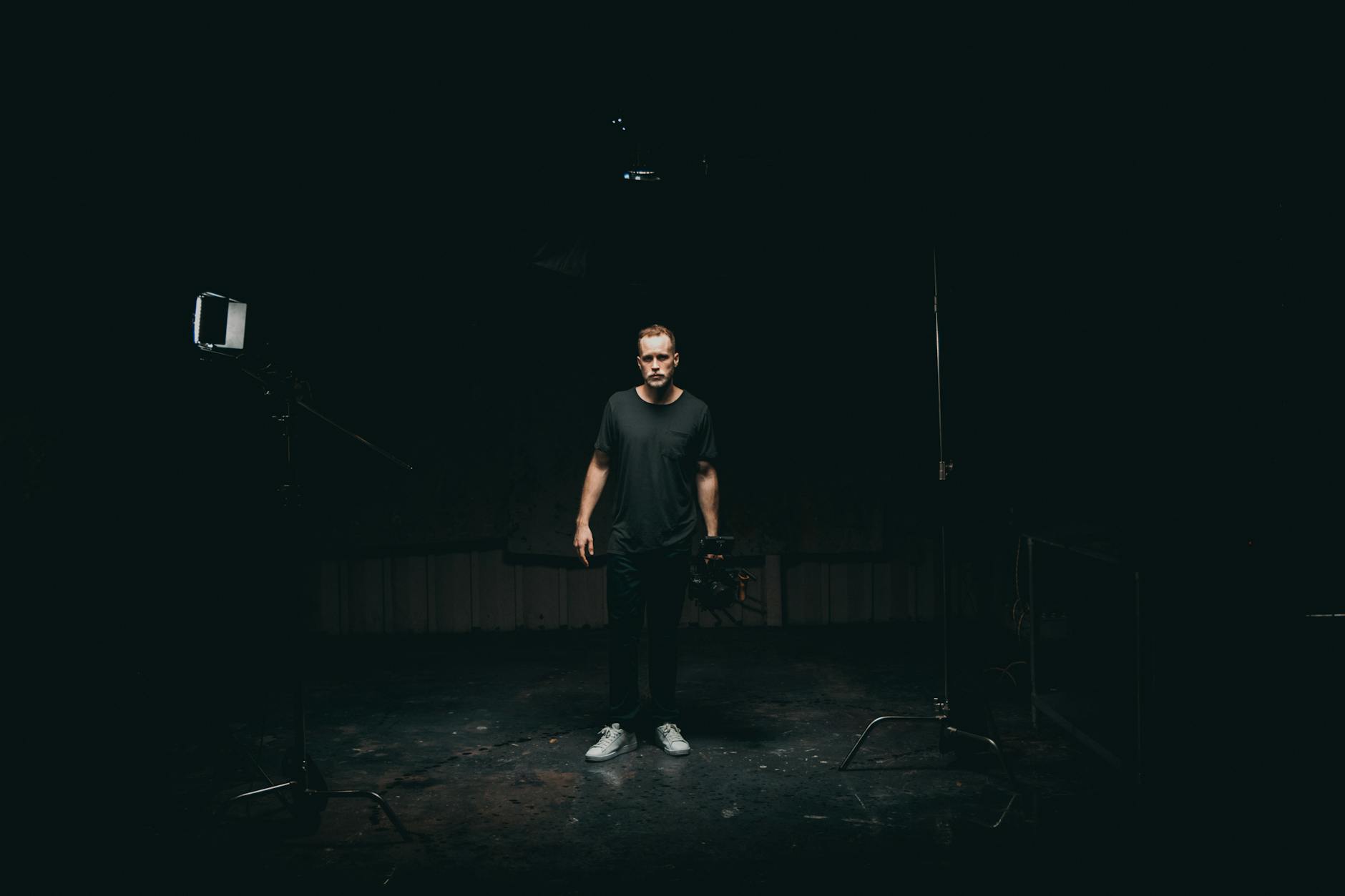
Preparing your gear appropriately and timing your shoots around Miami’s natural light cycles allow photographers to capture authentic, high-quality images that showcase the city’s vibrant culture and stunning landscapes. Local insights, combined with the right equipment, help create compelling visual stories that stand out.
Legal and Permitting Aspects of Photographing in Miami
When planning professional or even casual photoshoots in Miami, understanding the framework around permissions and permits is essential to ensure a smooth process. Miami offers a variety of public and private spaces with specific regulations, which must be adhered to for lawful and respectful photography practices.
For shoots in public areas such as beaches, parks, or streets, it is important to identify if the location requires a permit. Many popular public spaces, including South Beach or Bayfront Park, may mandate permits for commercial photography, especially if the shoot involves professional equipment, models, or significant setup. Acquiring these permits involves submitting project details to local authorities or the city’s permit office, often with accompanying fees. Timely application and confirmation ensure access to designated areas without interruptions.
Private properties in Miami, like hotel grounds, private pools, or exclusive event venues, require explicit permission from property owners or managers. Establishing clear agreements beforehand not only facilitates access but also clarifies liability and usage rights. It is advisable to have written consent that details the scope of the shoot, date, duration, and any restrictions involved.
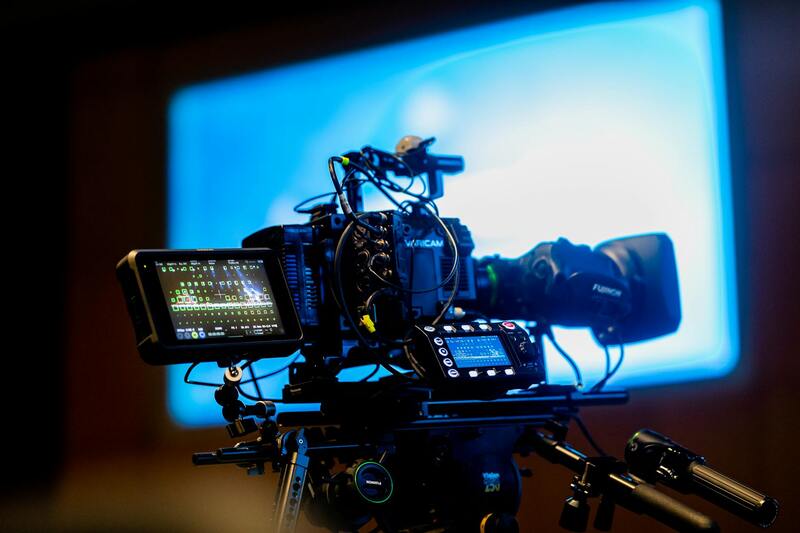
For fashion, editorial, or commercial shoots, federal or state-level regulations might also be relevant, especially when filming in areas with historical or cultural significance. Permission from local authorities or cultural sites may be necessary, and respecting signage and restricted zones is critical to avoid conflicts or penalties.
In addition to location-specific permits, insurance coverage is often recommended or required, especially when using substantial equipment or crew. This step safeguards against liabilities and ensures professionalism in all engagements.
By proactively managing permissions and permits, photographers not only comply with local regulations but also foster positive relationships within the community. This approach enhances reputation and creates opportunities for ongoing collaborations in Miami’s vibrant environment.
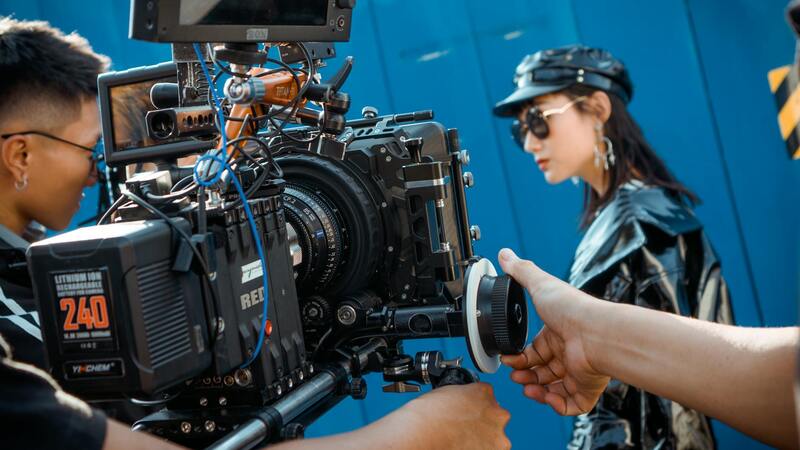
Legal and Permitting Aspects of Photographing in Miami
When engaging in photography within Miami, understanding the necessary permissions and permits is essential for a smooth experience. Even though exploring diverse locations is a highlight of shooting in Miami, obtaining the appropriate authorizations ensures adherence to local regulations and fosters respectful interactions with property owners and authorities.
Photographers should prioritize securing permissions for private properties. This typically involves reaching out to property owners or managers and obtaining explicit, written consent that specifies the scope of the shoot, duration, and any restrictions. This documentation not only clarifies access rights but also helps in managing liability and asset usage rights. For example, when photographing on hotel grounds, private pools, or exclusive venues, the consent process helps prevent misunderstandings and ensures both parties are aligned.
Public locations often require permits, especially for commercial shoots that involve large crews, equipment, or significant setup. Miami's city regulations detail specific requirements for street photography, events, festivals, and commercial photography. Generally, permits are obtained through the Miami-Dade County or local municipal offices, and applicants must submit detailed plans of their shoot, anticipated impact, and safety measures. These permits facilitate a lawful experience and reduce the risk of disruption or penalties.
In areas of cultural or historical significance, additional permissions may be necessary from local cultural authorities or heritage organizations. Respecting signage and restricted zones around museums, historic landmarks, or conservation areas is critical; failure to do so can result in obstacles or the need for re-scheduling.
Insurance coverage is strongly recommended when undertaking professional projects in Miami. It offers protection against potential damages, accidents, or injuries during a shoot. Many clients and property managers require proof of insurance before granting access, especially for larger productions involving specialized equipment or hazardous setups. Preparing sufficient insurance coverage demonstrates professionalism and facilitates smoother authorization processes.
Proactively managing permissions and permits not only aligns with regulatory standards but also enhances the reputation of photographers and creative teams. Establishing positive relationships with local authorities and property owners can lead to ongoing opportunities, collaborations, and more flexible access in Miami's vibrant environment. Clear communication, professionalism, and respect for local rules underpin successful photographic ventures in this diverse city.
Legal and Permitting Aspects of Photographing in Miami
When engaging in photography projects within Miami, understanding and adhering to formal procedures for permits and permissions is fundamental to a seamless and professional experience. While many publicly accessible areas permit photography for personal use without extensive procedures, commercial or organized shoots—especially those involving equipment, models, or staged setups—typically require obtaining appropriate permissions.
In highly frequented or protected locations such as public parks, beaches, or cultural sites, securing the necessary authorization minimizes disruptions and aligns with municipal regulations. Local authorities often have explicit guidelines for commercial and large-scale productions; these include applying for special use permits or event licenses well in advance of the intended shoot date.
Additional considerations come into play in areas of Miami with cultural, historical, or environmental significance. Permissions from local heritage agencies or conservation authorities may be necessary to photograph certain landmarks or natural reserves. Respecting signage and zone restrictions around museums, architectural sites, or ecological habitats is crucial. Ignoring these guidelines can lead to delays, the need to change plans, or other logistical complications.
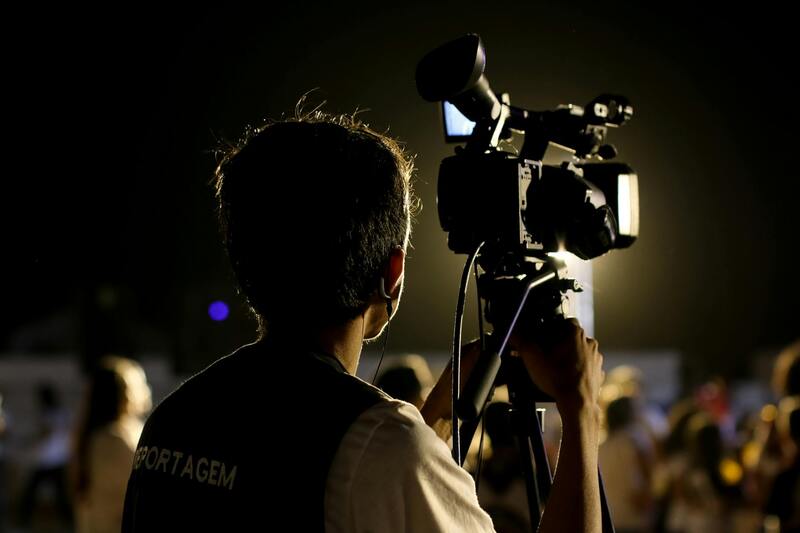
Photographers should also pay attention to local regulations concerning drone use, access to private property, and restrictions during special events or festivals. Many locations require specific permissions for aerial photography to safeguard privacy and safety. Engaging with local authorities, property owners, and event organizers proactively establishes clear communication channels, resulting in more efficient access and reduced risks of disruptions.
Moreover, comprehensive insurance coverage is advisable. It protects against potential damages or injuries that could occur during filming or photography sessions, simplifying the approval process and demonstrating professionalism to clients and property managers. It also provides peace of mind when using specialized or high-risk equipment in the field.
Proactively managing permits, permissions, and insurance coverage fosters trust and positive relationships within Miami's vibrant creative industry. Such thorough preparation paves the way for potential collaborations and ongoing opportunities, exemplifying a commitment to legality, safety, and respect for local policies.
Legal and Permitting Aspects of Photographing in Miami
Successfully capturing Miami's iconic sights and hidden gems requires an understanding of the official procedures involved in obtaining necessary permissions for various photographic activities. Engaging with local government agencies, property owners, and event organizers ensures compliance with established protocols and minimizes potential disruptions during shoots. Securing permits for commercial or public photography is a proven method to streamline access to popular landmarks, beaches, and private venues, facilitating smoother operations.
Different locations across Miami may have distinct regulations regarding photography, especially when it involves aerial or drone footage. Drone use, in particular, necessitates adherence to specific flight restrictions, altitude limitations, and designated no-fly zones. By consulting relevant agencies such as the Federal Aviation Administration (FAA) and local Miami authorities, photographers can obtain clear guidelines and necessary authorizations, ensuring their activities align with city codes and safety standards.
It is also essential to respect the private property rights of residents and business owners. Before scheduling shoots in private neighborhoods, commercial districts, or beachfront resorts, obtaining explicit permission from property managers or owners helps foster positive relationships. This approach not only prevents potential legal issues but also encourages collaboration, enabling access to exclusive locations for high-quality photography.
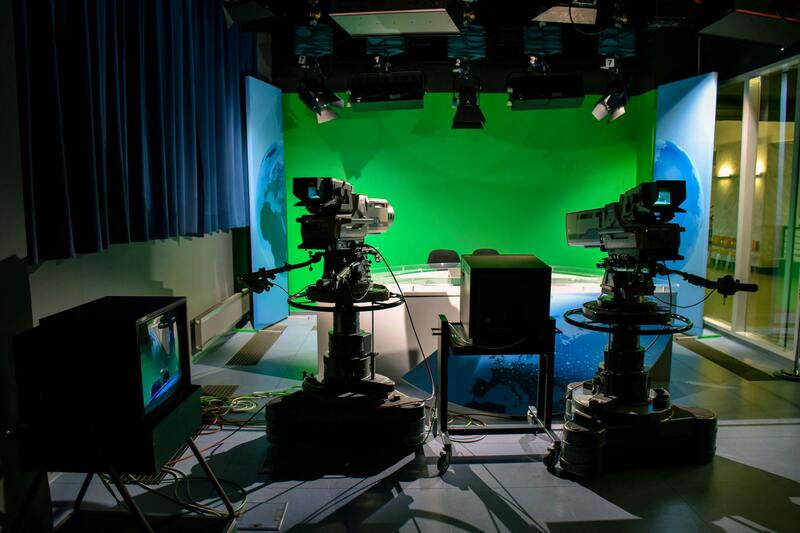
Trim resources and plan ahead by investigating specific requirements for events or activities. For instance, shooting during festivals, parades, or in protected ecological zones often involves additional permits. Engaging with the relevant local departments early in the planning process reduces the risk of time-consuming delays or unexpected obstacles. Additionally, many venues and parks have designated times and areas where photography can be conducted without special permissions, so understanding these timeframes enhances operational efficiency.
Insurance coverage plays a critical role in professional photography operations. It provides protection against unforeseen damages or liabilities that could arise during a shoot, especially when working with expensive equipment or in dynamic environments. Demonstrating comprehensive insurance coverage can expedite permit approvals and reassure property owners and clients of a serious, responsible approach. Local organizations often favor collaborators who maintain high safety standards and are proactive about risk management.
Overall, navigating Miami’s permit landscape by engaging with official bodies, respecting local properties, and adhering to safety standards guarantees a seamless photographic experience. Such diligence not only preserves the integrity of the creative process but also nurtures ongoing professional relationships within Miami’s vibrant visual arts community.