
Overview of Photography Scene in Miami
Miami, Florida, stands out as a dynamic hub for photographers and visual artists. Its unique blend of vibrant urban environments, expansive beaches, and cultural diversity creates an ideal backdrop for a wide array of photographic pursuits. The city’s energetic atmosphere, combined with its iconic architectural landmarks and scenic natural landscapes, attracts both professional photographers and hobbyists alike. The city's climate, characterized by warm temperatures and abundant sunlight, provides excellent lighting conditions that enhance photographic works year-round. This favorable weather encourages outdoor shoots, whether capturing the lively street scenes in Wynwood, the striking skyline from Brickell, or the colorful murals and street art that decorate neighborhoods throughout Miami. Miami's diverse cultural fabric also influences its photography scene, with influences stemming from Latin American, Caribbean, and global artistic communities. This multicultural environment fosters a creative space where innovative and eclectic styles flourish. Photographers are drawn to the city’s eclectic neighborhoods and vibrant festivals, which offer endless opportunities for capturing authentic, compelling imagery. Further, the city has established itself as a preferred destination for commercial and fashion photography, thanks to its stylish aesthetic and high-end venues. Art photography, portraiture, event coverage, and real estate photography also thrive in this environment, making Miami a comprehensive landscape for photographic pursuits. Professionals and local agencies specializing in photography services have contributed significantly to nurturing Miami’s reputation as a premier photography destination. These entities provide tailored solutions that cater to the specific needs of clients, whether for corporate projects, personal events, or artistic endeavors. The city’s strategic location and its inventive spirit continue to fuel growth in the photography industry, making it a vital center for both creative expression and commercial enterprise. As Miami remains a vibrant, ever-evolving city, its photography scene reflects the city’s unique identity—full of energy, diversity, and visual inspiration.
Types of Photography Common in Miami
Miami’s diverse environment fosters an array of photographic genres that cater to both amateur enthusiasts and professional artists. Street photography captures the city’s bustling urban life, highlighting the vibrant street scenes, eclectic characters, and dynamic cityscape that define Miami’s identity. This genre benefits from the city’s colorful murals, lively markets, and unique neighborhoods, each offering distinct visual stories. Landscape and nature photography also thrive, especially given Miami’s proximity to beaches, parks, and natural reserves. Photographers often document the sunrise over the Atlantic Ocean or vibrant sunsets along the coast, showcasing Miami’s scenic beauty. The Miami Everglades further provide opportunities for wildlife and landscape shots, emphasizing the region’s ecological richness. Portraiture remains a prominent category, with professionals utilizing Miami’s multicultural background to create compelling character images. Whether for fashion, personal branding, or artistic projects, portrait sessions are often set against the backdrop of Miami’s iconic skyline or vibrant neighborhoods. Commercial photography is highly prevalent, driven by Miami’s status as an economic hub. This includes product shoots, branding campaigns, and promotional images that leverage the city’s stylish aesthetic. Fashion shoots frequently utilize Miami’s luxurious settings, emphasizing high-end apparel against scenic or urban backdrops. Event photography encompasses the numerous festivals, weddings, corporate gatherings, and cultural celebrations that occur throughout the year. Capturing these moments requires a quick eye for candid shots and the ability to adapt to varying lighting and environmental conditions. Real estate photography also plays a crucial role, with agents and developers showcasing Miami’s luxurious properties through high-quality images that highlight architectural design and interior aesthetics. Lastly, avant-garde and experimental photography are gaining recognition, as artists exploit Miami’s eclectic vibe to create innovative visual works. This keeps the local scene dynamic, continuously pushing boundaries and inspiring new creative expressions.
Legal and Permit Considerations for Photography in Miami
Engaging in photography projects within Miami’s dynamic environment requires adherence to specific protocols regarding location use and operational permits. While capturing images in public spaces is generally permissible, certain sites—such as parks, beaches, and iconic landmarks—may necessitate obtaining official permits or permissions to conduct professional shoots. This ensures that photographers and clients avoid potential disruptions or citations during their sessions.
Securing permits usually involves submitting detailed applications through relevant city departments, such as the Miami Parks and Recreation Department, or other overseeing agencies depending on the chosen location. The application process often includes providing information about the scope of the project, the number of personnel involved, equipment details, and intended dates of the shoot. Fees associated with permits vary based on the location and the scale of the production.
For commercial shoots, which include advertising campaigns, branding activities, or fashion shoots in iconic or private properties, explicit permission from property owners or management companies is essential. This may require lease agreements or formal approval letters to proceed without interruptions. Additionally, some locations may impose restrictions related to drone usage, especially near beaches, downtown areas, or near private residences.
Photographers should also be aware of copyright laws associated with their images, especially when using proprietary or restricted private properties for shoots. Proper documentation and adherence to local regulations help in safeguarding the project’s integrity, avoiding potential legal issues that could arise from unapproved photography.
When in doubt, consulting with local photography associations or industry professionals familiar with Miami’s regulatory landscape can be advantageous. They can provide guidance on necessary permits, best practices, and any evolving regulations pertinent to creative projects in the city. Such proactive steps guarantee compliance while allowing photographers to focus on capturing Miami’s vibrant essence effectively.
Photography Services Offered by Miami Professionals
Local photographers in Miami provide a diverse range of services tailored to meet the needs of clients across different sectors. Their expertise goes beyond simple capturing of images, extending into comprehensive projects that require specialized skills and equipment. Commercial photography stands out as a primary service, encompassing advertising campaigns, product photography, and branding visuals that elevate a company's marketing efforts within vibrant Miami markets. These sessions often utilize Miami’s iconic landscapes and urban architecture to create compelling narratives that resonate with local and international audiences.
Wedding photography in Miami captures life's most precious moments against the backdrop of the city’s scenic beaches, luxurious venues, and lively city streets. These professionals excel in documenting authentic moments with a keen eye for detail, emotion, and storytelling, producing timeless images for couples to cherish.
Modeling portfolios are another cornerstone of Miami’s photography industry. Given the city’s reputation as a fashion hub and its proximity to major industry events, photographers frequently collaborate with aspiring and professional models to craft striking visual presentations that showcase versatility, style, and personality. These portfolios often feature dynamic poses and diverse settings such as art deco districts, lush parks, and upscale neighborhoods.
Real estate photography is crucial in Miami’s booming property market, helping agents and developers showcase residential and commercial spaces with high-quality imagery. Photographers use advanced techniques and equipment to highlight property features, capture the essence of the spaces, and attract potential buyers or tenants quickly.
Additionally, lifestyle and event photography are prevalent in Miami, capturing dynamic moments from festivals, sports events, and cultural gatherings. These images serve promotional and personal purposes, reflecting the city’s lively spirit and diversity. Whatever the specific need, Miami photographers leverage their understanding of the city’s unique environment, local culture, and current trends to deliver compelling imagery that aligns with clients' visions.
Choosing a Photography Production Agency in Miami
Selecting the right agency involves evaluating their portfolio, understanding their familiarity with Miami’s diverse locations, and assessing their ability to adapt to different styles and project scopes. An experienced agency offers guidance from pre-shoot planning through to final delivery, ensuring aligned expectations and smooth operations. Additionally, reputable agencies often have established relationships with local vendors, permitting authorities, and models, which can streamline production and uphold the highest quality standards.
Professional agencies also stay informed about recent innovations in photography technology and trends, allowing them to incorporate the latest techniques into their projects, resulting in cutting-edge visuals. Clients should also consider the agency’s portfolio relevance, client testimonials, and their capacity to handle the logistical complexities unique to Miami, such as permit procurement and location management.
Legal and Permit Considerations for Photography in Miami
Engaging in professional photography within Miami requires a comprehensive understanding of the regulations governing location use, equipment, and public space activities. While direct references to laws are to be avoided, photographers should be aware of the necessity to obtain appropriate permissions for certain locations, especially those that are privately owned or designated as public parks, beaches, or other protected areas. Securing a permit ensures adherence to city guidelines and facilitates a smooth shooting process without interruptions.
Many iconic Miami sites, such as South Beach, Wynwood Walls, and the Miami Design District, may require permits for commercial photography, particularly when utilizing professional equipment or staging setups. Failure to acquire these permissions can lead to disruptions, penalties, or equipment confiscation. Therefore, photographers often coordinate with local authorities or property owners well in advance, delineating their shoot plans and ensuring compliance with local practices.
In addition, considerations surrounding drone photography are highly relevant. Miami has specific regulations for aerial shots to ensure safety and privacy, which necessitate permissions or adherence to designated drone flight zones. Consent from property owners is also essential when capturing images that involve individuals or private property, to respect personal privacy and avoid conflicts.
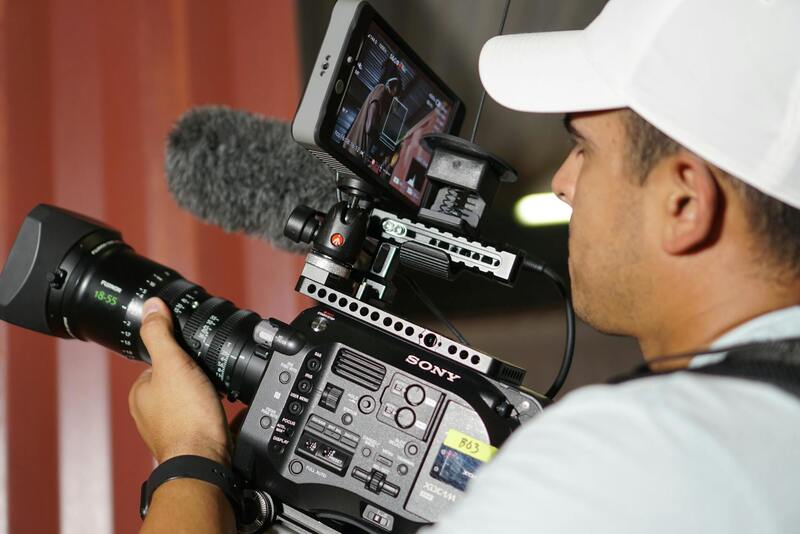
Another important aspect involves understanding insurance requirements. Photographers or production teams handling expensive equipment and multiple personnel should carry appropriate liability coverage. This not only protects against potential damages or accidents but also reflects a commitment to responsible practices within the city’s framework.
To streamline the process, many experienced local agencies or production managers have established relationships with city officials and permit offices. These partnerships facilitate timely processing of necessary documentation, enabling photographers to focus on capturing exceptional imagery while complying with all pertinent guidelines.
Ultimately, thorough planning and proactive engagement with Miami's regulatory landscape contribute to high-quality production outcomes and uphold standards that reflect the city’s vibrant, professional photography environment.
Legal and Permit Considerations for Photography in Miami
Engaging in photography in Miami requires adherence to established protocols for permissions and licensing to ensure smooth and conflict-free shoots. When operating in public spaces, obtaining the proper permits is highly advisable to avoid interruptions and to demonstrate professional standards. These permits typically involve coordination with city authorities or local agencies responsible for managing public land and pedestrian zones.
For private locations, securing explicit consent from property owners is essential to avoid misunderstandings or disputes. This might include written agreements that outline the scope of the shoot, usage rights, and any restrictions imposed by the property owner. Respect for personal privacy is also fundamental; photographing individuals in public or private settings without their permission can lead to complications.
Miami enforces specific regulations concerning the use of aerial equipment like drones. When capturing images from the air, operators must acquire designated permissions, adhere to no-fly zones, and follow altitude restrictions to guarantee safety and privacy. Failure to comply with these guidelines can result in penalties or the confiscation of equipment.
Certain commercial projects warrant comprehensive licensing, especially those involving commercial models, promotional campaigns, or the use of copyrighted materials. Licensing often involves registering the project with city agencies and may include additional insurance requirements to protect all parties involved.
In summary, proper licensing and permit processes are integral to maintaining high professional standards in Miami’s photography industry. Detailed planning and proactive communication with relevant authorities mitigate risks, facilitate legal compliance, and empower photographers to deliver high-quality results without procedural delays.
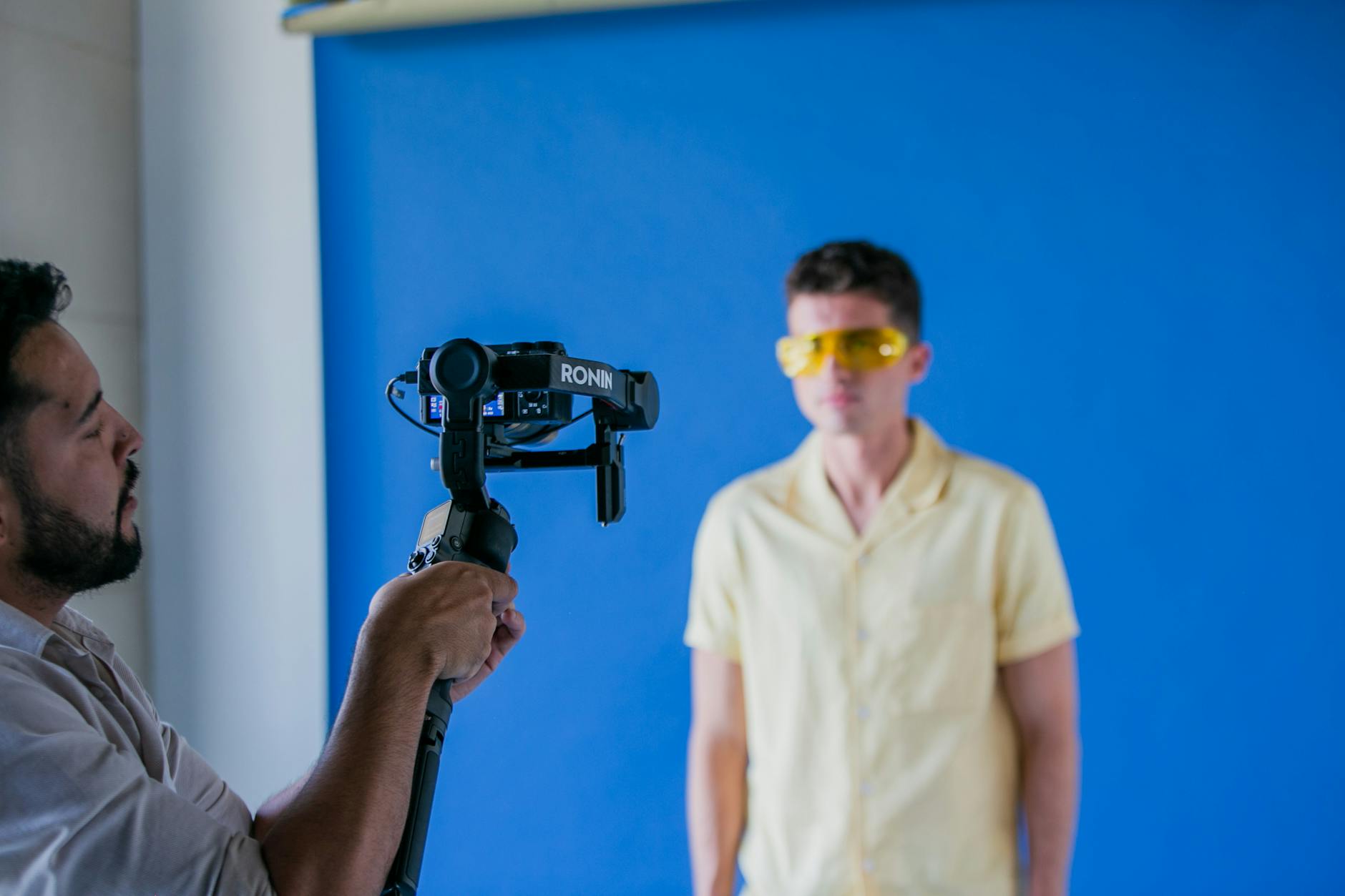
Legal and Permit Considerations for Photography in Miami
Conducting photography in Miami involves adhering to specific procedures that safeguard both the interests of the photographer and the entities involved. Proper planning includes obtaining necessary permits for various types of shoots, especially those that involve commercial use, public spaces, or the utilization of aerial equipment such as drones. When employing drone photography, operators must follow designated flight protocols, respect no-fly zones, and maintain altitude restrictions to ensure safety and privacy. These measures help prevent potential conflicts and facilitate smooth operations.
For shoots that occur on private property, explicit consent from property owners is fundamental. Typically, this entails formal written agreements that specify the scope of the photography, usage rights, and any restrictions or conditions imposed by the property owner. This process not only facilitates transparency but also ensures that both parties are aligned on the expectations and limitations of the project. Respecting personal privacy is crucial; photographing individuals in public or private spaces without permission can lead to complications, especially if images are intended for commercial purposes.
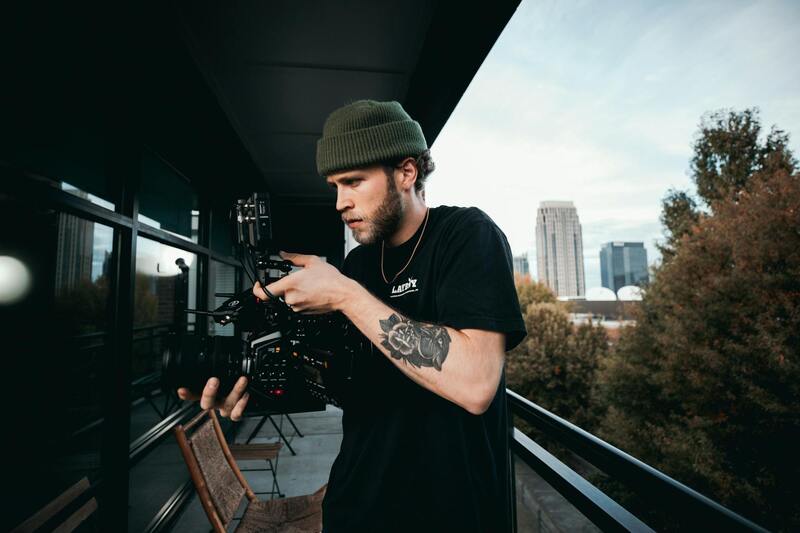
For commercial projects, especially those that capture models, promotional content, or copyrighted materials, obtaining the appropriate licenses and registrations becomes even more vital. These procedures typically involve registering the project with city agencies, acquiring necessary clearances, and sometimes providing proof of insurance. Such steps help protect all parties involved and ensure the shoot adheres to the established legal frameworks.
Failure to secure the proper permits can lead to delays, fines, or confiscation of equipment, which underscores the importance of proactive planning. Photographers should engage with local authorities early in the process, consult with legal experts when necessary, and maintain comprehensive documentation of permissions granted. These measures serve to uphold professional integrity and streamline the workflow.
Legal and Permit Considerations for Photography in Miami
Successfully capturing images in Miami requires adherence to specific procedures that ensure the smooth execution of your photography projects. Navigating these processes involves understanding the importance of obtaining necessary permits, respecting private property rights, and complying with city regulations, particularly for commercial and large-scale photography endeavors.
One fundamental aspect involves securing permissions from property owners or managers when shooting on private premises. This often includes formal agreements that clearly delineate the scope of the shoot, usage rights, and any restrictions or limitations pertaining to the property or location. Such documentation minimizes misunderstandings and provides legal clarity, fostering a professional relationship between the photographer and property stakeholders.
For public spaces, especially iconic locations like Miami Beach, Wynwood Walls, or the Miami Riverwalk, applying for permits through local authorities is typically required. The process usually entails submitting detailed plans of the proposed shoot, including dates, times, equipment needed, and the number of personnel involved. City agencies review these applications to ensure that the activities do not disrupt public order, traffic flow, or other civic functions.
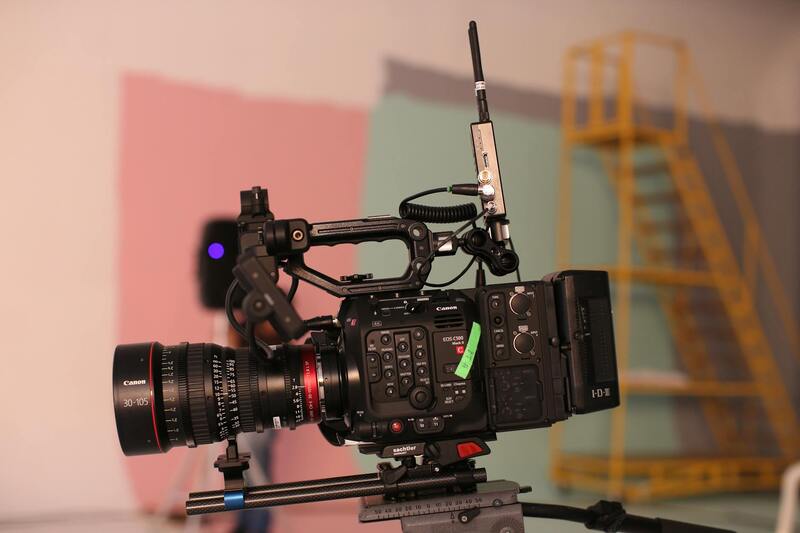
Particularly for commercial photography involving models, promotional campaigns, or copyrighted material, additional licensing steps are often necessary. This can involve registering the project with relevant Miami city agencies, obtaining special licenses, and sometimes providing proof of insurance coverage. These procedures are designed to regulate activities that might impact public safety or infringe on existing copyrights, helping to prevent issues during or after the shoot.
Proactively engaging with local authorities and regulatory bodies, such as the Miami Planning Department or the Office of Film and Entertainment, can streamline the permit process. Early planning and consultation are crucial, as delays or denials often stem from incomplete applications or misunderstandings about requirements. Maintaining organized records of all permissions, approvals, and correspondence is vital to demonstrating compliance and facilitating smooth project execution.
Neglecting these legal requirements can lead to adverse consequences, including fines, delays, or confiscation of equipment. By fostering transparency, respecting the rules, and securing the appropriate permissions, photographers and production companies uphold professional standards and mitigate potential disruptions, ensuring that their work progresses seamlessly and continues to reflect positively on their reputation.