
Defining the Miami Photojournalist's Role
A Miami photojournalist serves as a visual storyteller, capturing compelling images that convey urgent news, human interest stories, cultural events, and social issues unique to the Miami region. Their role extends beyond mere photography; they are integral to the dissemination of information that shapes public perception and fosters community awareness. Working closely with news organizations, magazines, and online media outlets, Miami photojournalists adapt their craft to reflect the dynamic nature of South Florida—its diverse population, vibrant culture, and ever-changing urban landscape.
These professionals possess a keen eye for moments that demand immediate visual documentation, whether it's a breaking news event, a civic demonstration, or an outdoor festival. Their photographs often supplement written narratives, bringing stories to life through emotion, detail, and context that words alone cannot provide. The immediacy and authenticity of their images help inform the public, influence opinion, and sometimes even catalyze social change.
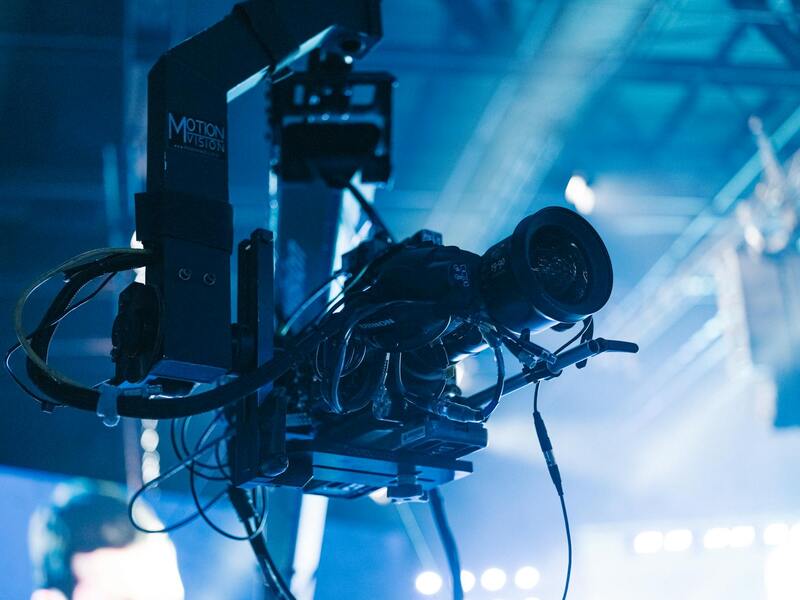
The role of a Miami photojournalist is multidimensional, demanding adaptability, quick decision-making, and a thorough understanding of the local environment. This profession requires a combination of technical acumen, a deep appreciation for storytelling, and a commitment to ethical standards. Through their lens, they document Miami's history in real time, creating visual records that resonate with both local residents and global audiences.
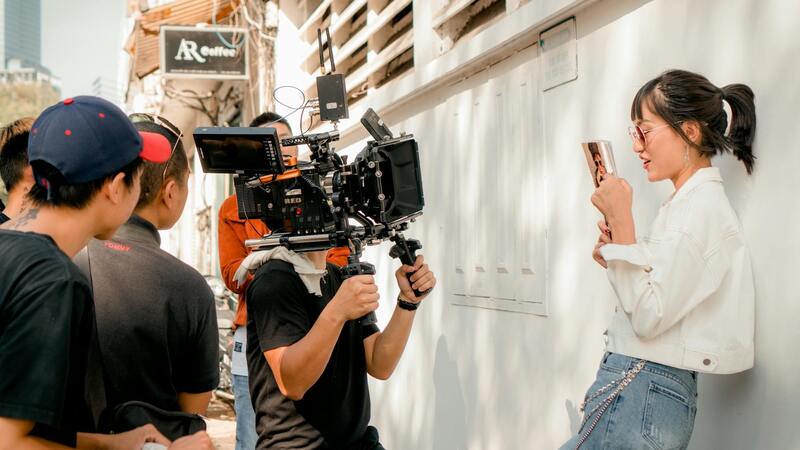
Historical Development of Photojournalism in Miami
The evolution of photojournalism in Miami mirrors the city's growth as a vital hub of culture, commerce, and diversity. In its early days, photojournalists primarily documented urban expansion, from the Miami Beach resort boom to the development of Downtown Miami. Their compelling images helped shape perceptions of the city as a burgeoning metropolis.
As Miami's media landscape expanded, so did the scope and sophistication of photojournalism. The rise of television in the mid-20th century brought new opportunities for photojournalists to participate in news reporting, integrating still photography with emerging video technologies. With the advent of digital technology, Miami photojournalists now operate in a multimedia environment, blending still images with video storytelling, social media engagement, and live coverage.
Tools and Technologies Used by Miami Photojournalists
- High-definition digital cameras capable of fast autofocus and low-light performance
- Portable lighting equipment for on-the-spot illumination
- Drones for aerial shots and expansive coverage of events
- Video recording devices and editing software for multimedia storytelling
- Mobile devices and tablets for real-time reporting and social media updates
These tools empower Miami photojournalists to adapt quickly to changing conditions and deliver compelling visuals that meet the demands of modern newsrooms and audiences.
Defining the Miami Photojournalist's Role
Miami photojournalists serve as the visual storytellers of the city's dynamic news landscape, capturing compelling images that bring stories to life across various media platforms. Their responsibilities extend beyond mere photography; they are required to quickly adapt to ever-changing environments, from bustling urban settings to serene cultural events, ensuring that every frame conveys the essence of the moment.
In Miami, the role demands a profound understanding of both visual composition and journalistic integrity. Photojournalists must balance capturing authentic moments with the technical skills necessary to produce clear, impactful images under diverse conditions—whether in bright sunlight at a Miami beach event or in low-light scenarios within city interiors. Moreover, their work often requires rapid editing and dissemination, emphasizing the importance of proficiency in multimedia tools and real-time communication channels.
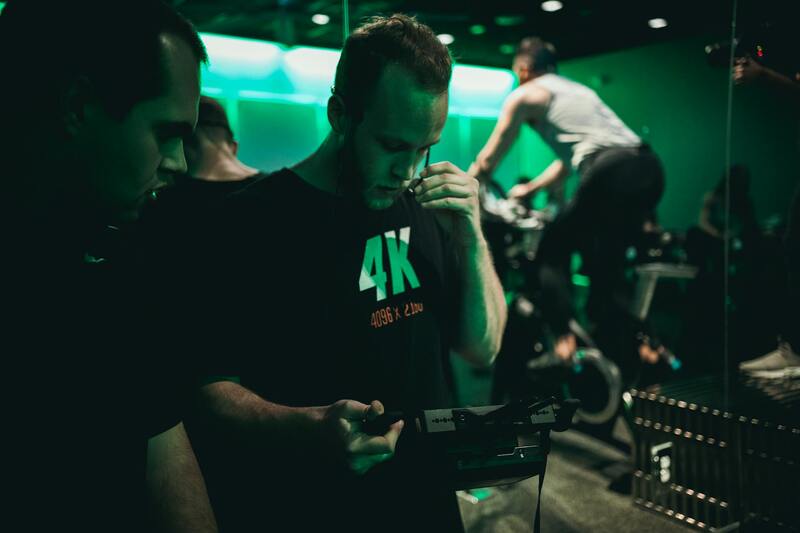
The integration of modern technology has transformed the scope of their work, allowing for seamless transmission of images via social media and live broadcasting platforms. Such immediacy enhances the role of photojournalists in shaping public discourse, making their insights not only artistic but also crucial to timely news delivery. Their visual narratives often define public understanding of ongoing events, societal issues, and cultural shifts within Miami and beyond.
Furthermore, Miami photojournalists often collaborate with other media professionals—including reporters, videographers, and social media managers—to craft comprehensive stories that resonate with diverse audiences. Their work is characterized by a commitment to accuracy, ethical storytelling, and an unwavering pursuit of capturing genuine moments that highlight Miami’s multifaceted identity. This dedication ensures that their images contribute meaningfully to the broader journalistic fabric of the city, providing both artistic value and informational depth.
As part of their role, Miami photojournalists must stay informed about local issues, cultural trends, and community concerns. This awareness allows them to approach each assignment with sensitivity and contextual understanding, which is vital when documenting complex topics like social justice, environmental challenges, or major community events. Their presence at these focal points helps to foster awareness and promote dialogue within Miami’s diverse population.
Ultimately, the Miami photojournalist is a pivotal figure in capturing the city's vibrant spirit while upholding the standards of responsible journalism. Their images serve as enduring records of Miami’s evolving story—crafted with technical skill, cultural insight, and ethical commitment—ensuring that their contributions shape how local and global audiences perceive this dynamic metropolis.
Types of Assignments and Topics Covered
Miami photojournalists engage with a broad spectrum of assignments that reflect the city’s vibrant diversity and its central role as a hub for cultural, social, and economic activity. Their work spans from covering local news stories—such as political rallies, civil demonstrations, and public safety incidents—to documenting major cultural festivals, art exhibitions, and community celebrations. These assignments require a keen eye for capturing the essence of an event and the emotions of those involved, all while adhering to strict editorial standards that ensure accuracy and authenticity.
In addition to event coverage, Miami photojournalists frequently delve into stories related to environmental issues, including climate change impacts like coastal erosion, storm preparedness, and conservation efforts in the Everglades. Their images help raise awareness about these pressing concerns, often providing visual evidence that complements in-depth reporting. They also focus on economic developments, showcasing the city’s growth in real estate, tourism, and local startups, thus highlighting Miami’s evolution as a key economic player.
Furthermore, social issues such as immigration, homelessness, and racial equality are prominent themes in their work. Miami’s diverse demographic creates a complex social landscape that requires sensitive and nuanced visual storytelling. Photojournalists must navigate cultural sensitivities, obtain necessary permissions, and portray subjects with respect, ensuring their images contribute positively to public dialogue.
Sports events, especially in a city that boasts major teams and international tournaments, also frequently feature in their portfolios. From college games to international tennis tournaments, these assignments demand high technical proficiency and the ability to anticipate decisive moments. Likewise, emerging issues such as urban development, transportation projects, and technological innovations regularly become focal points for visual coverage, demonstrating the multifaceted scope of a Miami photojournalist’s responsibilities.
Tools and Technologies Used by Miami Photojournalists
Modern Miami photojournalists rely on a suite of advanced tools to produce compelling, timely images. Digital cameras with high-resolution sensors are standard, allowing for versatile shooting in various lighting conditions—from bright Miami sunshine to poorly lit indoor venues. Mirrorless camera systems are favored for their lightweight portability, which is crucial during fast-paced assignments.
Complementing their cameras, photojournalists utilize a range of accessories such as high-quality lenses—including wide-angle, telephoto, and macro options—to capture diverse scenes with clarity and precision. Stabilization equipment like gimbals and tripods ensure sharp images in dynamic environments, while drones are increasingly employed to obtain aerial perspectives of cityscapes and large-scale events.
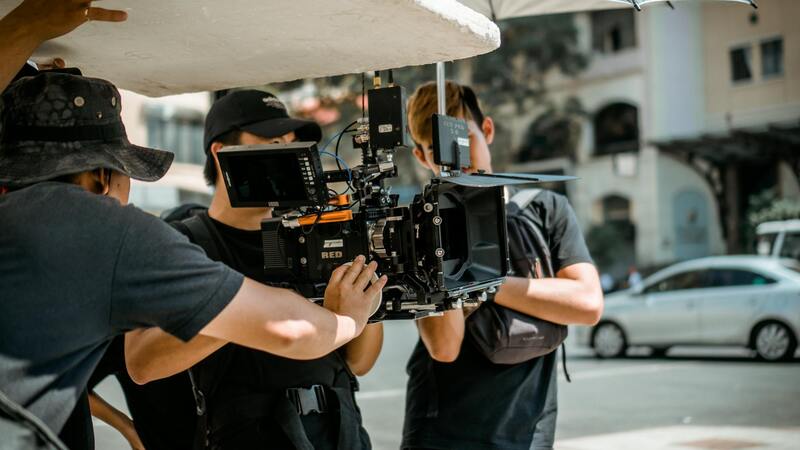
Editing software like Adobe Photoshop and Lightroom plays a crucial role in the post-processing phase, allowing photojournalists to adjust lighting, crop images, and ensure their visuals align with journalistic standards. Rapid data transfer technology—including high-speed SD cards and fast laptops—enables swift turnaround times, essential for real-time reporting. Importantly, many professionals also rely on secure cloud services for backup and remote access to their work, ensuring their images are protected and readily available for publication across multiple platforms.
Tools and Technologies Used by Miami Photojournalists
Miami photojournalists depend on a sophisticated array of equipment to capture compelling images under diverse conditions typical of the vibrant cityscape and dynamic social landscape. Digital single-lens reflex (DSLR) and mirrorless cameras with high-resolution sensors form the backbone of their arsenal, enabling them to document both grand cityscapes and intimate moments with clarity and detail. These cameras are often paired with a selection of high-quality lenses, including ultra-wide-angle for capturing expansive scenes like Miami’s beachfronts, telephoto lenses for distant events, and macro lenses for detailed close-ups of smaller subjects.
Stability tools such as gimbals, monopods, and tripods are integral for ensuring sharp images during fast-paced or low-light assignments. Drone technology has become increasingly vital, providing aerial views of urban developments, estimation of large-scale events, or capturing the unique Miami skyline in a single shot. These aerial perspectives add depth and a distinctive visual narrative to the photojournalist’s work.
Post-production software like Adobe Photoshop and Lightroom plays a critical role in refining images to meet journalistic standards of clarity and authenticity. Photo editors utilize these tools to correct lighting, adjust tones, crop compositions, and ensure color accuracy. Meanwhile, data transfer and storage solutions, including high-speed SD cards, SSD drives, and secure cloud services, facilitate the rapid delivery and safe backup of large image files, maintaining the integrity of the workflow during demanding reporting schedules.
Ethical Considerations and Challenges Faced
While utilizing advanced tools allows Miami photojournalists to capture powerful visuals, they must navigate a series of ethical considerations that influence their work. Respect for privacy, consent, and the portrayal of sensitive subjects are top priorities, especially when documenting social issues or vulnerable populations. Maintaining objectivity and avoiding staged or manipulated images ensures the integrity of their reporting.
Challenges such as rapidly changing light conditions, unpredictable weather, and the need for quick decision-making can complicate assignments. Additionally, the urban environment and large crowds often require photojournalists to exercise discretion and professionalism to avoid conflicts or disruptions during live reporting. The responsible use of drones, adherence to local regulations, and respect for private property also constitute important considerations that shape how these professionals carry out their work.
Key Skills and Attributes of a Miami Photojournalist
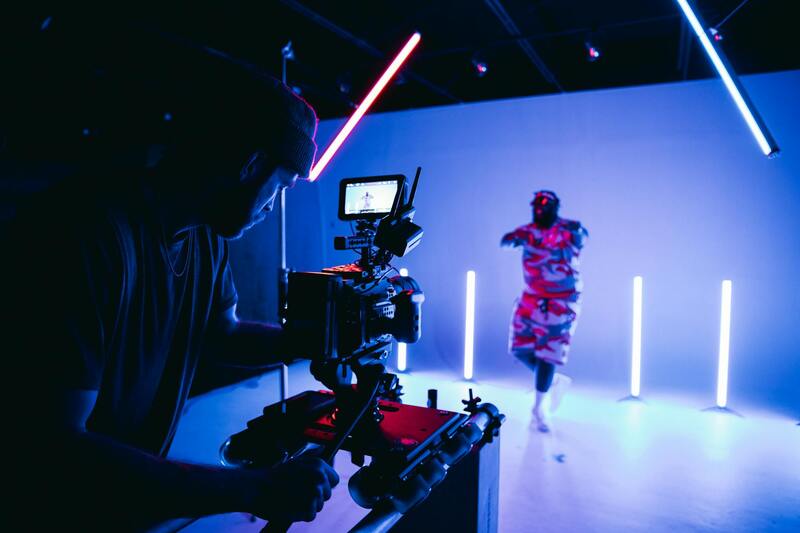
Becoming a successful Miami photojournalist demands a blend of technical mastery and exceptional interpersonal skills. Professionals in this field must possess a keen eye for detail, allowing them to identify compelling moments amidst the chaos of a bustling cityscape. Creativity plays a vital role, enabling photojournalists to craft visuals that not only document events but also evoke emotional responses from viewers. Adaptability is essential, as Miami’s vibrant environment often presents unpredictable scenarios that require swift adjustments in technique and approach.
Physical endurance is often overlooked but highly necessary, given the demands of covering long hours, moving through diverse terrains, and working in various weather conditions. Multi-tasking skills are equally important; photojournalists frequently juggle multiple responsibilities, from operating complex camera setups to managing tight deadlines for image delivery. Strong communication skills help in building rapport with subjects, sources, and colleagues, fostering trust that can lead to more authentic and impactful coverage.
Additional Attributes for Excellence
- Technical proficiency: Mastery of camera systems, lighting techniques, and editing software.
- Discretion and professionalism: Respect for subjects’ privacy and sensitivity when documenting vulnerable or sensitive situations.
- Resilience: Ability to work under stressful conditions without compromising image quality or ethical standards.
- Investigative mindset: Curiosity and dedication to uncovering stories that resonate with the community.
- Knowledge of local regulations: Understanding of Miami’s laws governing drone usage, public disturbances, and property rights enhances operational safety and compliance.
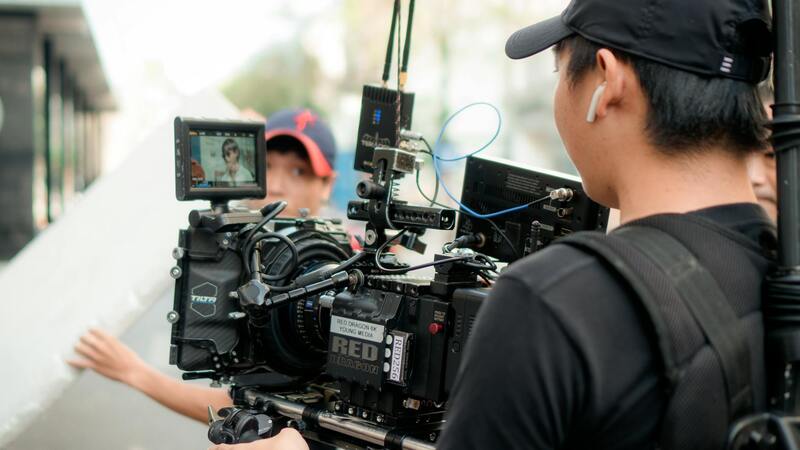
These attributes collectively contribute to the high standards expected of Miami's photojournalists, ensuring their work remains impactful, ethical, and aligned with journalistic principles. They serve as the foundation for capturing authentic stories that reflect Miami’s diverse and ever-changing landscape, from cultural festivals to social protests, natural disasters, and urban development projects. The combination of technical skill, ethical awareness, and emotional intelligence positions Miami photojournalists as vital contributors to the city’s media ecosystem, capable of shaping narratives and informing the public in meaningful ways.
Defining the Miami Photojournalist's Role
Miami photojournalists serve as visual storytellers, capturing the essence of the city’s dynamic social, cultural, and political landscape. Their responsibilities extend beyond mere photography; they are responsible for documenting events accurately, ethically, and with a keen eye for storytelling. These professionals not only record moments but also interpret them, translating real-life occurrences into compelling images that inform, educate, and influence public opinion. Their role involves quick thinking and adaptability, as they often operate under tight deadlines and unpredictable circumstances. A Miami photojournalist must be adept at assessing a scene rapidly, selecting the most impactful moments to photograph, and ensuring that their images resonate with viewers while respecting journalistic integrity. The importance of their work is reflected in their ability to influence public discourse, shed light on social issues, and provide historical documentation that preserves Miami’s evolving identity.
Historical Development of Photojournalism in Miami
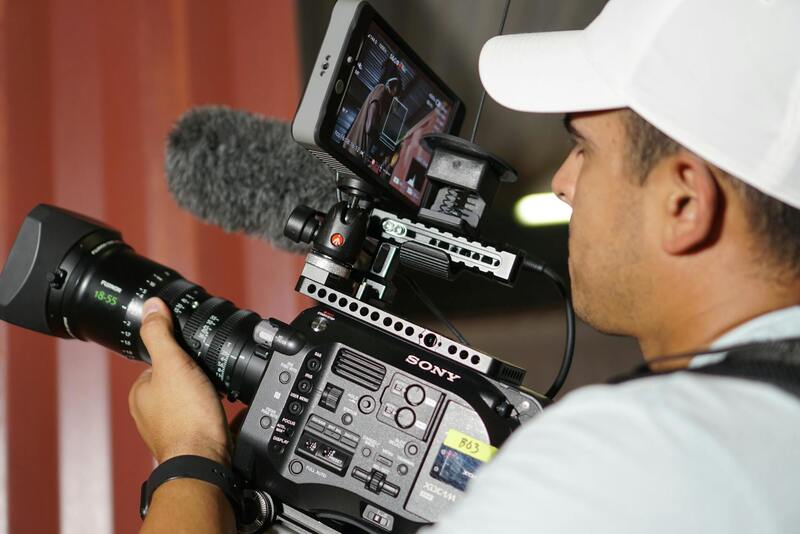
The history of photojournalism in Miami traces back to the early 20th century, paralleling the city’s growth as a vibrant cultural hub. Initially, black-and-white photographs documented Miami’s burgeoning development, from its bustling ports to iconic architectural landmarks. As technological advancements progressed, so did the scope of visual storytelling. The advent of color photography, followed by digital imaging, revolutionized how stories were told and consumed in Miami. Notably, the influence of prominent local photographers helped shape the city’s visual history, capturing everything from historic hurricanes and social movements to major sporting events and music festivals. The development of Miami’s media outlets, including newspapers and television stations, fostered a competitive environment that pushed photojournalists to innovate and adapt. Today, Miami’s photojournalists are equipped with state-of-the-art technology, continuing a legacy of impactful storytelling rooted in a rich history of visual documentation.
Key Skills and Attributes of a Miami Photojournalist
- Technical expertise: Proficiency in camera operation, lighting techniques, and post-processing tools ensure high-quality images under diverse conditions.
- Adaptability: Ability to quickly shift focus and approach as situations evolve—whether covering a live event or documenting a crisis.
- Ethical judgment: Maintaining objectivity and respecting privacy while capturing sensitive moments.
- Resilience: Staying composed and focused in physically demanding or emotionally charged environments.
- Community awareness: Deep understanding of Miami’s diverse neighborhoods, cultures, and social issues enriches storytelling and fosters trust with subjects.
- Investigative mindset: Curiosity and dedication to uncovering stories that highlight important social and political themes.
Types of Assignments and Topics Covered
Miami photojournalists engage with a broad range of assignments that reflect the city’s multifaceted character. Common areas include:
- Cultural events: Festivals, parades, art openings, and music concerts showcase Miami’s vibrant cultural scene.
- Social issues: Documenting protests, community activism, and social justice initiatives highlight ongoing efforts for change.
- Natural disasters and emergencies: Hurricanes, flooding, and other crises require swift and responsible coverage, often involving collaboration with emergency responders.
- Urban development: Construction projects, infrastructure upgrades, and gentrification processes reveal the city’s growth and transformation.
- Criminal justice and law enforcement: Coverage of crime scenes and judicial proceedings demands high ethical standards and precision.
Tools and Technologies Used by Miami Photojournalists
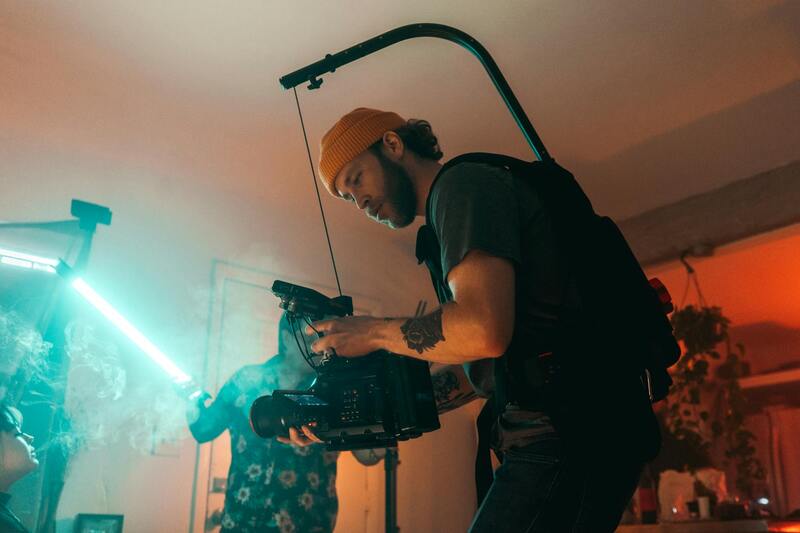
The rapid evolution of technological tools has significantly expanded the capabilities of photojournalists in Miami. Devices such as high-resolution digital cameras with fast autofocus and low-light performance are standard. Drones are increasingly utilized to capture aerial perspectives of urban and natural landscapes, providing comprehensive coverage in ways previously impossible. Editors rely on advanced software for image enhancement and editing, ensuring visual clarity and storytelling impact. Additionally, mobile devices equipped with live streaming capabilities enable real-time reporting, delivering immediate updates during breaking news events. Social media platforms serve as vital dissemination channels, allowing photojournalists to reach diverse audiences instantaneously. The integration of these tools into daily workflows allows for more versatile, efficient, and impactful storytelling, reinforcing the importance of staying current with technological innovations in the field.
Ethical Considerations and Challenges Faced
Miami photojournalists operate in a landscape where integrity and professionalism are paramount. Ensuring truthful representation of events while respecting the privacy and dignity of individuals involved poses recurring challenges. They must balance the urgency of delivering compelling visuals with maintaining a respectful approach, especially in sensitive situations such as accidents, crimes, and humanitarian crises.
In dynamic environments like Miami, photojournalists often work under pressure, sometimes amid chaotic scenes. Adhering to ethical standards minimizes the risk of misrepresentation or sensationalism. This includes verifying facts before publication, avoiding staged or manipulated images, and providing context that educates the audience rather than misleading them. Sensitivity to cultural diversity and social issues within Miami is also crucial, as it fosters trust and credibility in their work.
Challenges extend beyond content integrity. Photojournalists frequently navigate safety concerns, especially during protests, natural disasters, or public events. They must assess risks associated with their surroundings, sometimes working in hazardous conditions to capture pivotal moments. Equipping themselves with safety gear and staying informed about local developments is essential for protecting their physical well-being.
The evolving media landscape further complicates ethical considerations. The rise of social media and instant sharing increases the pressure to publish rapidly, which can lead to compromises or oversight. Photojournalists must uphold their credibility by resisting the temptation to distort or misinform in pursuit of viral content, ensuring their work continues to serve the public interest effectively.
Additionally, they encounter legal and contractual constraints, especially related to rights management and confidentiality agreements. Understanding intellectual property rights and securing necessary permissions before photographing individuals or private property is vital to avoid legal disputes that could undermine their credibility and career sustainability.
By continuously honing their ethical judgment and staying informed of best practices and industry standards, Miami photojournalists reinforce their role as trustworthy storytellers. This commitment to integrity ensures their work remains impactful, respected, and central to the journalistic ecosystem within Miami.
Key Methods for a Miami Photojournalist to Establish Credibility
Achieving recognition as a trusted Miami photojournalist involves a strategic combination of professional practices, relationship building, and consistent display of journalistic integrity. Establishing credibility in Miami's vibrant and competitive media environment requires a deliberate approach to sourcing assignments, adhering to ethical standards, and maintaining high-quality work that resonates with both editors and the public.
Building a Robust Portfolio and Digital Presence
First and foremost, assembling a comprehensive portfolio that showcases a diverse range of work is vital. This portfolio should highlight your ability to cover various topics, from cultural events and civic protests to environmental issues and urban development. Regularly updating this collection demonstrates ongoing engagement and adaptability, which are highly valued by prospective clients or media outlets. Additionally, developing a professional website tailored to Miami's unique stories increases visibility. An optimized online platform allows potential clients to easily evaluate your style, experience, and breadth of expertise.
Networking with the Local Media Community
Credibility is often built through established relationships with local media outlets and industry peers. Attending Miami-based journalism conferences, workshops, or press briefings provides opportunities to connect directly with editors, producers, and fellow photojournalists. Sharing your work, seeking feedback, and participating in collaborative projects can solidify your reputation. Furthermore, cultivating connections with community organizations and public officials helps in gaining access to exclusive events or stories that enhance your portfolio and credibility.
Adhering to Ethical Standards and Respecting Privacy
Maintaining the highest standards of journalistic ethics is crucial, especially in a culturally diverse city like Miami. This includes honesty in capturing and presenting images, respecting the privacy of individuals, and avoiding sensationalism. When photographing private property or sensitive situations, obtaining necessary permissions and understanding local regulations fosters trust with subjects and clients alike. Upholding such principles reassures audiences of the authenticity and integrity of your work.
Investing in Continuing Education and Staying Informed
The media landscape continuously evolves, especially with rapid advancements in technology and shifts in storytelling platforms. Engaging in ongoing education—through workshops, courses, or industry publications—keeps a Miami photojournalist at the forefront of new tools and best practices. Familiarity with emerging technologies like drone photography, live streaming, and editing software enhances the quality of work and demonstrates adaptability. Staying informed about local issues, policies, and cultural shifts also ensures that stories are relevant and accurately portray Miami’s dynamic environment.
Consistent Quality and Ethical Practice as a Foundation
Ultimately, consistent delivery of impactful, accurate, and responsible imagery solidifies your reputation. Adopting a meticulous editing process, verifying facts, and maintaining transparency about your methods underpin trustworthiness. Over time, these practices lead to recognition from both the journalism community and the wider public, positioning you as a reputable source for Miami’s most significant stories.