Understanding Marine Video Production
Marine video production encompasses the specialized process of capturing visual content related to maritime environments, vessels, and activities on water. This field requires a blend of technical expertise in videography and a comprehensive understanding of the unique challenges presented by aquatic settings. From documenting commercial shipping operations to creating promotional content for luxury yachts, marine videography serves a diverse array of industries that rely on high-quality visual storytelling to communicate their message.
The significance of marine video production extends beyond simple recording. It plays a vital role in safety training, environmental awareness campaigns, legal inspections, and marketing initiatives. Video content allows viewers to gain an immersive perspective of maritime environments, conveying the scale, complexity, and dynamism of life on the water. Whether showcasing the majestic movement of large vessels or highlighting the intricate details of marine equipment, quality production facilitates effective communication and engagement.
In marine video production, capturing the essence of maritime settings demands precision, patience, and specialized skills. It involves overcoming challenges such as unstable water conditions, unpredictable weather, and equipment limitations. Despite these obstacles, professional videographers employ advanced techniques and tools to produce stunning and informative footage.
This industry continues to grow as new technologies become accessible, including high-resolution drones, stabilized camera systems, and waterproof gear. These innovations enable creators to push the boundaries of traditional videography, delivering breathtaking visual content that effectively tells maritime stories with clarity and impact.
Understanding the role of marine video production is essential for clients and vendors alike, as it underscores the importance of specialized expertise and equipment in capturing the essence of life at sea. With strategic planning and professional execution, marine video production becomes a powerful tool for communication, branding, and documentation within the maritime sector.
Technical Challenges and Solutions in Marine Video Production
Marine video production entails a unique set of challenges that require meticulous planning and the use of specialized techniques to ensure high-quality results. The ever-changing water conditions, varying weather patterns, and the movement of vessels demand robustness and flexibility from filming equipment and methods. To mitigate these issues, filmmakers employ advanced stabilization systems, GPS-guided camera mounts, and waterproof housings to protect their gear from moisture and salt exposure.
Another key aspect involves overcoming the limitations posed by water and humidity. Using waterproof cameras and enclosures allows videographers to capture footage directly in or under water, opening avenues for immersive underwater shots and marine life documentation. Stabilized drone technology also plays a vital role in capturing aerial views of maritime operations and landscapes, providing expansive perspectives that enhance the storytelling element of marine videos.
Integrating real-time data and GPS tracking ensures shot precision, especially when filming moving vessels against a dynamic backdrop. Furthermore, shooting at strategic times, such as during the golden hour or under specific weather conditions, can dramatically enhance visual quality. These technical solutions, combined with professional expertise, allow marine videographers to produce compelling content that accurately reflects the environment and operational intricacies at sea.
Ensuring Safety and Compliance During Marine Filming
Prioritizing safety is fundamental in marine video production. This involves thorough risk assessments and adherence to safety protocols, especially when operating near large ships or in challenging weather conditions. Crews are trained to handle emergency situations, and all personnel must wear appropriate safety gear in accordance with maritime standards.
The use of compliant equipment that adheres to maritime safety guidelines is essential to prevent mishaps and equipment failures. Maintaining clear communication channels via waterproof radios and ensuring that all team members are aware of safety procedures minimizes potential hazards. Additionally, filming schedules should accommodate weather forecasts and sea conditions to avoid dangerous situations, thus ensuring a smooth production process from start to finish.
Collaborating with Marine Industry Experts
Successful marine video projects often involve collaboration with professionals who possess in-depth industry knowledge. Working alongside maritime experts, vessel operators, and safety specialists provides invaluable insights that enhance the authenticity and safety of filming activities. These collaborations also facilitate access to restricted areas and operational sequences, ensuring comprehensive and accurate portrayal of maritime operations.
Furthermore, consulting with industry stakeholders helps in understanding specific branding needs or documentation purposes, allowing production teams to tailor their content accordingly. The synergy between creative teams and maritime specialists results in engaging, authoritative footage that meets the objectives of maritime clients and organizations, while maintaining the highest safety standards.
Techniques for Shooting on Water
Capturing high-quality marine footage requires specialized filming techniques designed to overcome the unique challenges posed by aquatic environments. Stability is paramount in marine video production; therefore, utilizing stabilization equipment such as gimbals and dampening systems ensures smooth, professional footage even amidst vessel movement. When filming on water, the natural motion of boats and ships can introduce unwanted shakiness, which can be mitigated through strategic camera placement and the use of remote-controlled stabilization rigs.
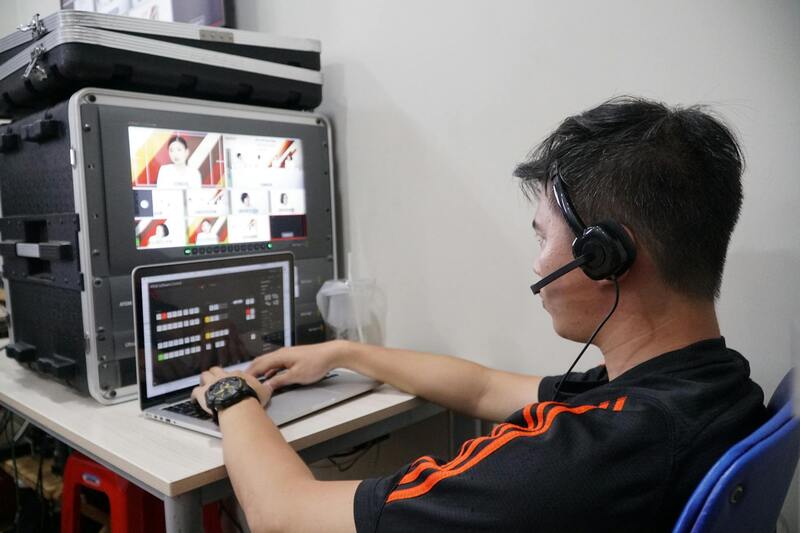
Effective marine video production begins long before the camera is turned on. Pre-production planning is crucial to ensure the safety, efficiency, and quality of the shoot. This stage involves detailed logistical arrangements, such as coordinating with maritime authorities to secure necessary permits, scheduling around tides and weather conditions, and planning vessel routes to optimize lighting and subject access. Identifying the best locations for shots, whether it be near coastlines, open waters, or marine infrastructure, allows for a comprehensive storyboard to be developed, aligning client objectives with practical shooting strategies. Another vital aspect is safety planning, which encompasses crew training in water safety protocols, life-saving equipment deployment, and emergency response procedures. Marine environments can present unpredictable hazards — from rough seas to sudden weather changes — so detailed risk assessments are conducted, and contingency plans are established. Ensuring all team members are briefed on safety measures helps minimize accidents and operational disruptions. Permitting is a significant component requiring close attention. Different jurisdictions have specific regulations surrounding marine filming activities. Securing permits involves providing detailed project descriptions, identifying protected areas, and complying with environmental guidelines that prevent ecological disturbance. Proper documentation and liaison with regulatory agencies streamline the approval process, avoiding delays that could impact production schedules. Once filming concludes, the focus shifts to post-production, where raw footage is transformed into polished, compelling videos. Marine footage often requires specialized editing techniques, such as color correction to enhance visibility in underwater scenes or sharpness adjustments to improve clarity of distant subjects. The stability achieved during shooting is further refined in editing software, ensuring fluid motion and professional presentation. Sound design is another integral element. Ambient noises from the water, vessel engines, and marine life are carefully mixed to deliver an immersive experience. Introductory titles, graphics, and voiceovers are added to contextualize the footage, emphasizing key messages or narratives. For projects with multiple locations or sequences, seamless transitions uphold viewer engagement and storytelling coherence. Compression and delivery formats are selected based on the intended platform, whether for broadcast, online streaming, or client presentation. High-resolution output ensures that detail-rich marine footage remains crisp across various viewing devices, preserving the quality of the scenic and action shots captured during production. Executing marine video production involves a comprehensive understanding of the regulations and safety protocols governing water-based activities. It is crucial to coordinate with local maritime authorities and regulatory agencies to secure necessary authorizations, which ensure compliance with waterway restrictions, environmental protection policies, and safety standards. This often includes navigating permit procedures related to drone operations, vessel usage, or protected marine zones. Proper documentation and adherence to established guidelines help avoid disruptions and ensure a smooth production process.
Safety measures are a cornerstone of successful marine videography. Planning for rigorous safety protocols involves conducting risk assessments, establishing emergency procedures, and ensuring all team members are trained adequately in water safety and rescue operations. Crew members should have appropriate certifications, such as life-saving and first aid training, while equipment must be inspected regularly for operational integrity.
Equipments like life jackets, buoys, and safety lines should be readily available on set, particularly when working on or near vessels and watercraft. Communication devices must be functional, allowing rapid coordination among crew members, especially in unforeseen circumstances. Additionally, weather conditions need vigilant monitoring; filming should be scheduled during favorable conditions to mitigate hazards posed by rough seas, high winds, or storms.
The selection of vessels and marine craft entails thorough checks to ensure they are suitable for filming activities and meet necessary safety standards. Whether utilizing boats, jet skis, or underwater drones, operators must be trained and experienced to handle challenging marine environments.
Finally, environmental impact considerations are integral to responsible marine filming. Minimizing disturbance to marine ecosystems, avoiding sensitive habitats, and implementing pollution prevention measures uphold ethical standards and foster goodwill with environmental custodians. These practices not only safeguard marine biodiversity but also enhance the credibility of the production company handling these projects.
Figure placeholder for safety equipment and protocols: Engaging in marine video production requires meticulous attention to legal and safety protocols that govern filming activities on water. Securing appropriate permits is fundamental to obtaining authorization from local maritime authorities and environmental agencies, ensuring compliance with regional regulations. These permits typically specify areas and times suitable for filming, helping to prevent conflicts with maritime traffic or protected habitats. Beyond permits, comprehensive safety procedures must be established to safeguard crew members and assets. This includes detailed risk assessments addressing potential hazards like rough seas, sudden weather changes, equipment failure, and interaction with marine life. Implementing effective safety protocols involves multidisciplinary planning, coordinating emergency response plans, and training crew in safety procedures relevant to marine environments. Maintaining accurate and accessible documentation of safety measures and approvals demonstrates a commitment to responsible filming practices. It also facilitates smooth operations by minimizing interruptions due to regulatory checks or unforeseen incidents. When working in Miami or similar coastal regions, understanding local maritime laws, environmental guidelines, and access restrictions ensures that production activities align with official standards and community expectations. Another critical aspect involves training the crew in safety and emergency response, including man-overboard procedures, firefighting, and first aid tailored to marine settings. Ensuring all personnel are well-informed reduces risks and enhances operational responsiveness during unforeseen events. Additionally, installing and maintaining reliable communication systems, such as waterproof radios and emergency signaling devices, ensures continual connectivity amidst challenging conditions. Environmental considerations also play a significant role in setting safety standards. Minimizing disturbances to marine ecosystems not only benefits environmental health but also upholds the integrity and reputation of the production company. Proper waste management and pollution prevention measures should be integrated into the planning stages to avoid ecological damage and maintain an ethical approach to marine filming. Marine video production involves creating high-quality visual content that captures the unique aspects of marine environments, vessels, and activities. This specialized form of videography requires not only technical skill but also an in-depth understanding of maritime conditions, safety protocols, and environmental considerations. Professionals engaged in marine video production employ advanced techniques and equipment to ensure footage is clear, stable, and compelling despite the often challenging conditions on open water. From capturing dynamic vessel movements to environmental landscapes, the goal is to produce engaging content that effectively communicates the intended message while adhering to safety and compliance standards. Producing professional-grade marine videos hinges on the right set of equipment designed to withstand the elements and deliver exceptional quality. Essential gear includes waterproof cameras, which are specifically engineered to operate reliably in humid and wet conditions. Stabilized mounting systems, such as gimbals and waterproof drone rigs, are crucial for capturing steady shots from both on and off the water. High-capacity batteries and power sources ensure continuous operation during extended shoots, while robust storage solutions allow for the secure collection of large raw footage files. Audio recording equipment is equally important, especially when capturing onboard sounds or interviews. Waterproof microphones and windshields help mitigate environmental noise, ensuring clear sound quality. Additional accessories such as drone systems equipped with marine-compatible props extend the producer’s vantage point, enabling expansive aerial shots over water bodies. Each piece of equipment must withstand marine conditions, including saltwater exposure and constant motion, which makes durability and reliability paramount. Shooting on water presents unique challenges that demand specific photographic and videographic techniques. Maintaining stability is paramount; using stabilization gear like gimbals or vibration-dampening mounts helps achieve fluid footage. Operators must also master boat handling and positioning to avoid unwanted camera movements caused by waves and currents. Shooting with natural light requires precise timing to capture optimal conditions while considering reflections and glare from the water surface. Filters and polarizers can significantly reduce reflections and improve contrast, making scenes pop visually. Moreover, framing and composition need to be adapted to dynamic water environments. Tracking fast-moving vessels or wildlife requires quick reflexes and predictive paddling. Aerial shots captured via drones offer breathtaking perspectives, providing context and scale that ground-based footage cannot. When working with crew members, clear communication is essential to coordinate shots efficiently, especially in unpredictable marine settings. Thorough planning is essential to mitigate risks and maximize the quality of marine video projects. The process begins with detailed location scouting, ensuring accessibility, safety, and compliance with maritime regulations. Crew members should review local maritime laws and environmental guidelines to prevent disruptions or penalties. Creating a comprehensive shot list and storyboard ensures all scenes are captured systematically, reducing downtime on the water. Logistical arrangements include securing necessary permits, scheduling shoots during optimal weather conditions, and coordinating transportation and accommodations. It is critical to prepare contingency plans for adverse weather or unexpected incidents. Equipment checks and rehearsals before the actual shoot help identify potential issues and streamline the operational flow. Additionally, communication protocols must be established, including emergency procedures and radio communication plans, to maintain safety and coordination on the water. Post-production efficiency depends heavily on the organization during shooting. Captured footage should be properly cataloged and backed up to prevent data loss. Advanced editing software allows for color correction, stabilization, and sound enhancement, which are crucial for marine footage given the challenging lighting and noise conditions. Sound design can include ambient water sounds, vessel noises, or narration, elevating the final product’s immersive quality. Color grading enhances the vibrancy and mood of marine scenes, emphasizing water textures, sky, and natural features. Visual effects may be employed to correct distortions caused by water reflections or to add graphical elements for informational purposes. Incorporating motion graphics and titles helps communicate specific messages, especially for promotional content or educational videos. The editing process should aim to craft a cohesive narrative that captures the essence of the marine environment while maintaining technical excellence. Executing marine video shoots requires meticulous attention to legal and safety protocols to ensure smooth operations and protect all involved parties. Prior to initiating a project, producers should thoroughly review local maritime regulations and obtain necessary permissions from relevant authorities. This process typically involves submitting detailed project outlines, including locations, duration, and specific activities planned during the shoot. Engaging with maritime agencies or port authorities for permits is essential, especially when working in busy waterways or protected areas. Proper documentation affirms adherence to local guidelines and helps prevent disruptions or unexpected legal complications. It’s advisable to maintain clear correspondence records and authorization paperwork throughout the production process. Safety is paramount in marine environments. Implementing comprehensive safety protocols minimizes risks associated with water-based filming. These include conducting risk assessments for all personnel and equipment on deck, establishing emergency response plans tailored to marine settings, and training crew members in emergency procedures such as man-overboard protocols and communication signals. Utilizing safety gear such as life jackets, harnesses, and personal flotation devices ensures crew safety during shooting operations. The use of standby rescue boats or safety vessels adds an additional layer of security, especially when filming in rough waters or at night. Continuous communication through marine radios or intercom systems facilitates coordination among crew members and helps respond swiftly to any unforeseen situations. Additionally, it is vital to stay informed about weather conditions and maritime advisories throughout the project. Monitoring weather patterns can prevent dangerous scenarios and allow for timely rescheduling if necessary. Employing experienced crew members familiar with marine operations enhances safety and ensures that filming adheres to best practices. Equipment safety should also be prioritized. Waterproof cases protect sensitive electronic devices from water damage, while secure mounting systems prevent equipment loss during movement. Regular equipment checks help identify potential hazards before they impact the shoot. Adhering to established safety protocols not only safeguards personnel and equipment but also contributes to the overall quality and professionalism of marine video productions. Implementing these measures creates a controlled environment conducive to capturing compelling, high-quality footage that highlights the vibrancy and dynamics of marine environments effectively.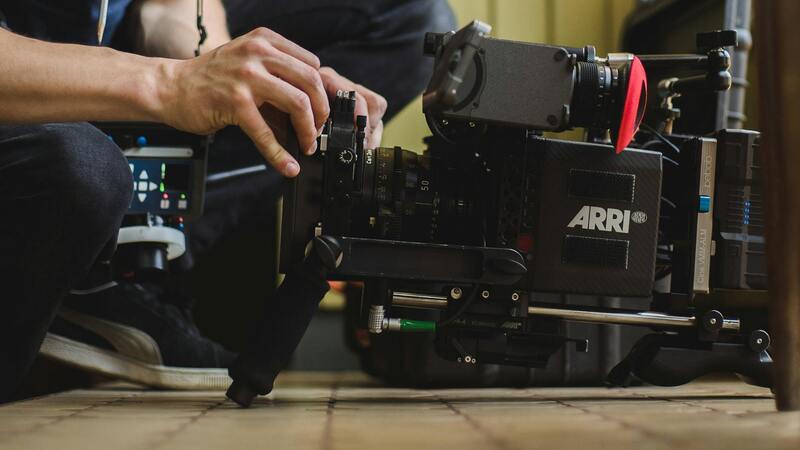
Pre-Production Planning in Marine Projects
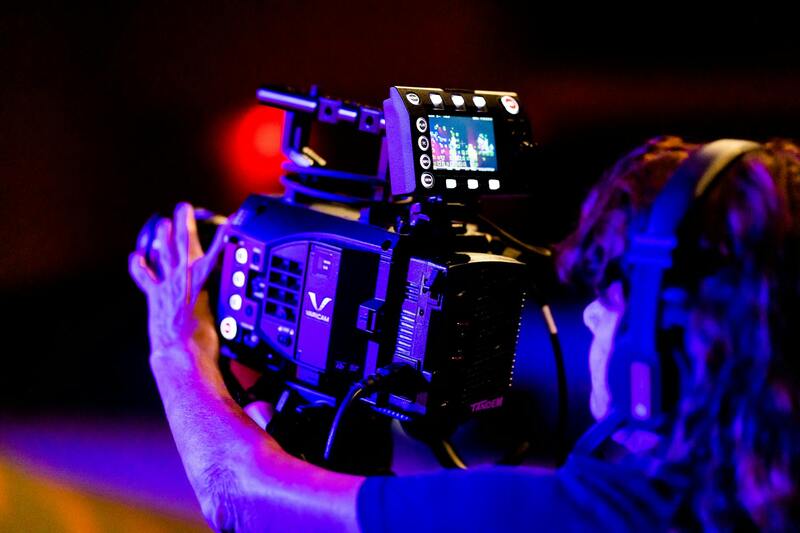
Post-Production and Editing for Marine Videos
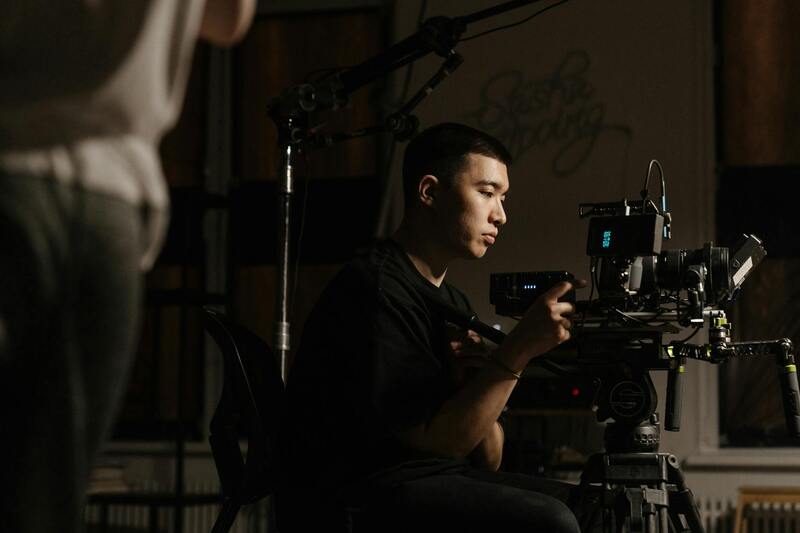
Legal and Safety Considerations
Legal and Safety Considerations
Understanding Marine Video Production
Key Equipment for Marine Videography
Techniques for Shooting on Water
Pre-Production Planning in Marine Projects
Post-Production and Editing for Marine Videos
Image Placeholders
Legal and Safety Considerations in Marine Video Production