
Understanding Yacht Photography
Yacht photography plays a pivotal role in the visual presentation and marketing of luxury vessels. It encompasses a range of styles aimed at highlighting the elegance, size, and unique features of yachts, often serving as a critical component in advertising campaigns, promotional materials, and event documentation. High-quality yacht images are essential in capturing the attention of prospective buyers, charter clients, and enthusiasts who seek to experience the opulence associated with these vessels.
Effective yacht photography demands a keen understanding of both the technical and artistic aspects of image capturing. It involves showcasing the yacht’s exterior and interior, emphasizing sleek lines, luxurious amenities, and the vessel’s seamless integration with its surrounding environment. Such images help convey a sense of exclusivity and sophistication, attributes that are fundamental in luxury branding.
One of the primary considerations in yacht photography is the setting. Photographers often shoot during specific lighting conditions, including the golden hour, when natural light accentuates the yacht’s contours and features. This approach enhances visual appeal and helps evoke an aspirational lifestyle associated with yacht ownership and leisure. Moreover, images depicting yachts lounging in pristine waters or against stunning backdrops reinforce their allure and premium status.
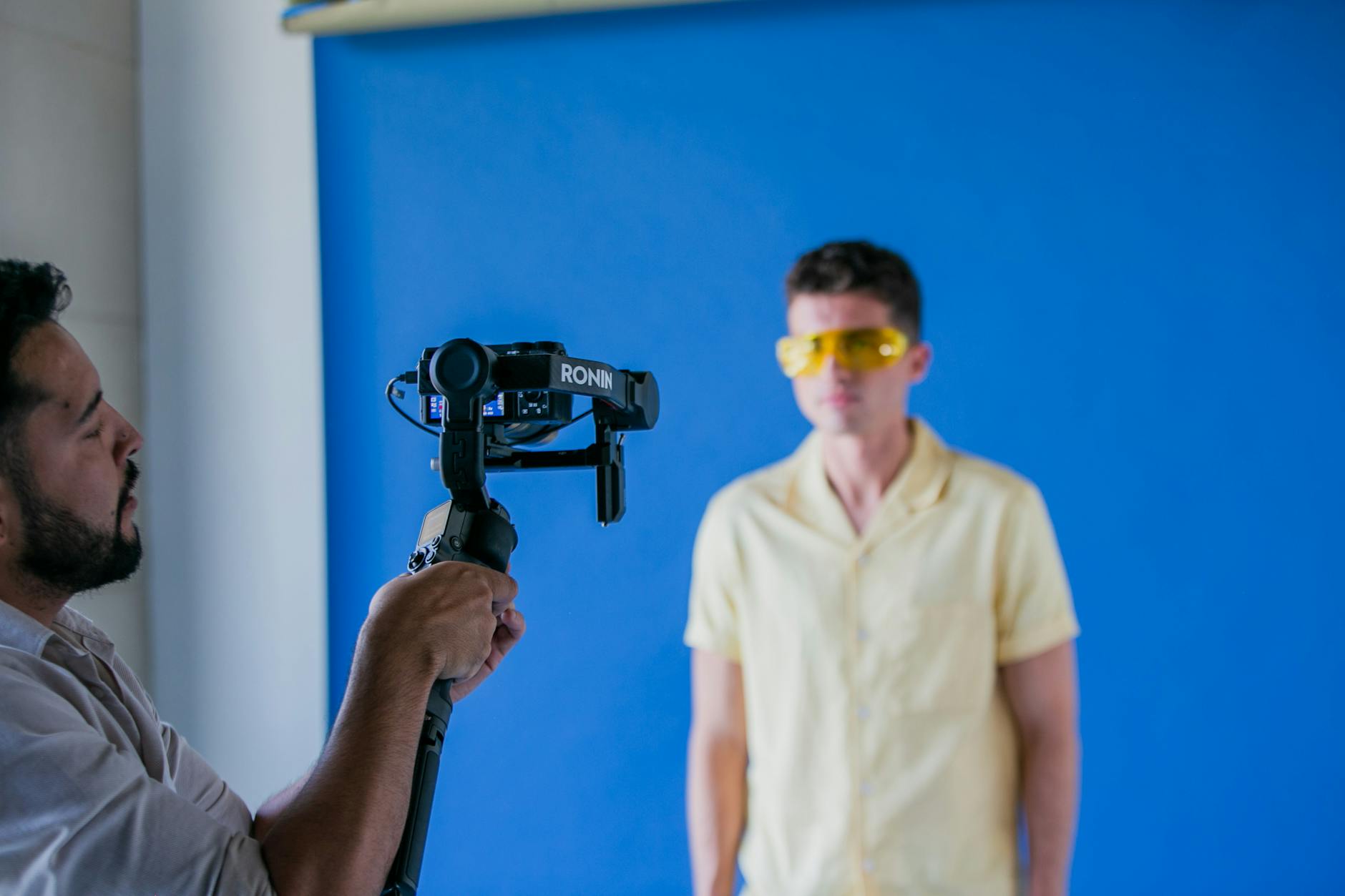
Beyond promotional uses, yacht photography also plays a vital role in documenting special events such as regattas, private parties, or corporate gatherings. These images serve not only as memories but also as a testament to the yacht’s role as a centerpiece of social and professional events. Due to the close connection with luxury lifestyles, yacht photography must maintain a high level of professionalism, precision, and artistic sensibility.
However, shooting yachts presents unique challenges. The dynamic environment—on water, with changing lighting conditions, and potential movement—requires skilled techniques. Photographers must adapt quickly to varying weather and lighting, while equipment choices—such as stabilization tools and specialized lenses—are crucial to capturing sharp, compelling images. Ensuring safety and stability during shoots is also paramount, especially when working alongside or on moving vessels.
In summary, yacht photography is a specialized discipline that combines technical expertise, aesthetic sensibility, and strategic planning. The goal is to generate captivating visuals that communicate the vessel’s luxury, craftsmanship, and lifestyle appeal. It demands attention to detail, mastery of lighting and composition, and an understanding of the high-end market that yachts serve. For professionals in the industry, mastering yacht photography means delivering images that not only meet clients’ expectations but also elevate the vessel’s presence in competitive markets.
Equipment and Gear for Yacht Photography
Achieving high-quality yacht images necessitates a carefully curated selection of professional-grade equipment tailored to the unique demands of marine environments. The core gear for successful yacht photography includes weather-resistant cameras with robust bodies and high-resolution sensors to capture intricate details and vibrant colors in varying lighting conditions. 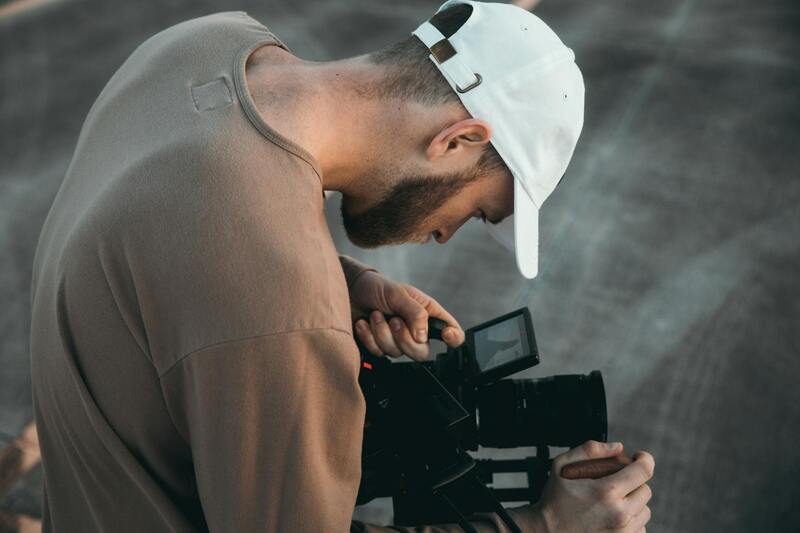
Specialized lenses are vital for capturing the expansive scale of yachts as well as detailed interior shots. Ultra-wide-angle lenses excel in exterior photography, allowing for dramatic, sweeping views of the vessel against scenic backdrops. Telephoto lenses are ideal for capturing distant angles or details without needing to move physically closer, especially useful on moving boats or crowded docks. Prime lenses with wide apertures (f/1.4 to f/2.8) facilitate stunning imagery with beautiful depth of field, highlighting specific elements like the yacht’s sleek design or luxurious interior decor.
Stabilization equipment plays a crucial role in marine photography. Gimbals, steadicams, and high-quality tripods ensure sharp images despite motion or turbulent conditions on the water. When shooting aboard a vessel, handheld stabilization technology can compensate for vibrations and swaying, yielding crisp, professional results.
Additionally, neutral density (ND) filters are frequently employed to control exposure in bright sunlight, allowing for longer shutter speeds that capture smooth water movement or dynamic reflections. Polarizing filters can enhance color saturation, reduce glare on reflective surfaces, and deepen the blue of the sky and water, producing more compelling visuals.
Photographers should also invest in durable, water-resistant camera bags, protective covers, and weather-proof accessories to safeguard their gear against humid and salty sea air. Proper maintenance routines—including cleaning, rinsing, and storing equipment correctly—are vital for prolonging gear lifespan in marine settings.
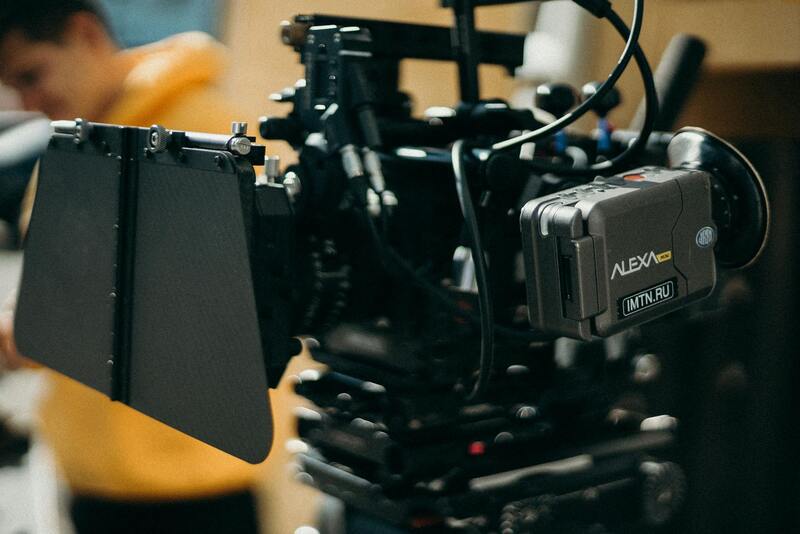
Complementary Accessories and Techniques
- Remote Shutter Releases: Minimize camera shake during long exposure shots.
- Extra Batteries and Memory Cards: Ensure extended shooting sessions without interruption.
- Floating Straps and Case Accessories: Prevent accidental loss of gear overboard.
- Portable Lighting Solutions: Enhance interior shots where natural light is insufficient.
Using the right equipment combined with in-depth knowledge of its capabilities allows photographers to adapt quickly to changing conditions and deliver outstanding images that highlight the yacht’s luxury and craftsmanship. Tailoring gear choices to specific project requirements ensures flexibility and professionalism in every shoot, whether capturing dramatic exterior shots at sunset or subtle interior details in ambient light.
Equipment and Gear for Yacht Photography
Achieving stunning yacht photographs requires more than just a high-quality camera; it demands specialized equipment that can withstand the challenging marine environment while delivering crisp, vibrant images. Professional yacht photographers typically rely on a combination of durable cameras, versatile lenses, and complementary accessories designed for marine conditions.
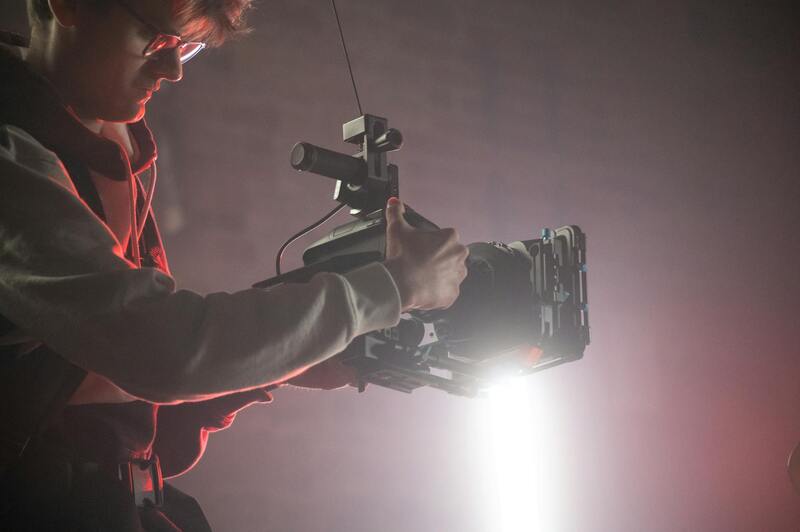
Optimally, photographers choose weather-sealed DSLR or mirrorless cameras with robust build quality that resist moisture, salt, and humidity. These cameras can handle extended shoots in fluctuating weather conditions without compromising image quality. Lenses with wide apertures, such as 24-70mm or 16-35mm zooms, offer greater flexibility, allowing photographers to capture both sweeping exterior shots and detailed interior views.
Drones have become an indispensable tool in yacht photography, providing aerial perspectives that emphasize the yacht's size and surroundings. When selecting a drone, stability, camera resolution, and flight stability in windy conditions are critical factors. Waterproof or weather-resistant drones extend operational capabilities and protect against splashes or accidental falls overboard.
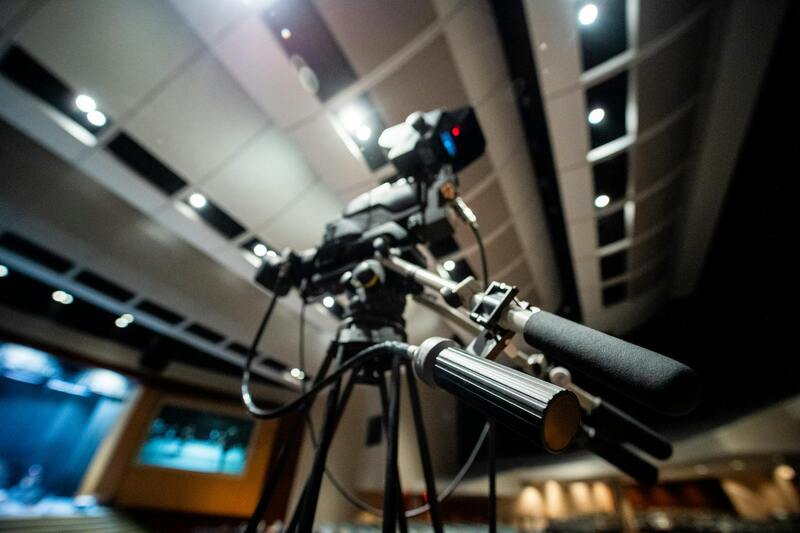
Accessories play a vital role in ensuring the quality and safety of yacht imaging sessions. Waterproof camera housings and protective covers shield gear from salt spray and moisture, preventing damage during excursions on the water. Remote shutter releases enable precise, shake-free captures during long exposures, particularly useful for dramatic sunset or reflection shots. Additionally, extra batteries and high-capacity memory cards are essential for extended shoots, ensuring uninterrupted work without missing key moments.
Security of equipment is paramount on the water, so floating straps and cases are recommended to prevent accidental drops. Portable lighting options, like waterproof LED panels, aid in illuminating interior spaces where natural light is insufficient, enabling detailed shots of cabin interiors and luxurious furnishings. Compact, lightweight gear ensures ease of movement aboard and facilitates rapid adjustments to varying shooting angles and conditions.
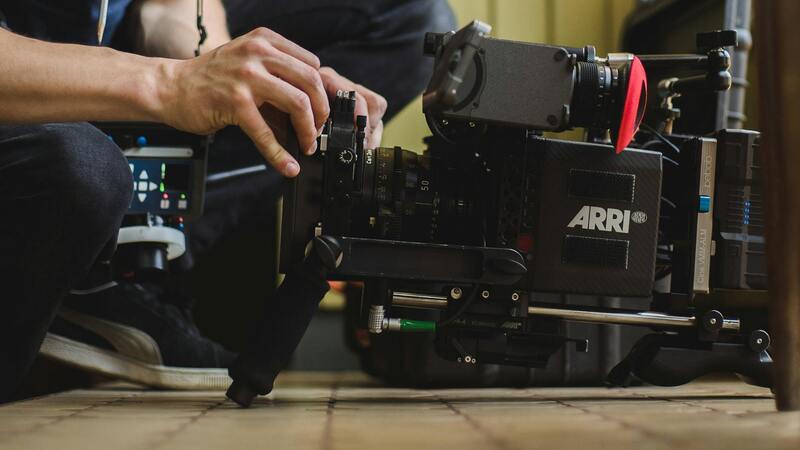
When combined with in-depth knowledge of equipment limitations and environmental challenges, these tools allow photographers to achieve consistent, high-quality images that showcase the yacht's craftsmanship and elegance. Tailoring gear choices and accessories to specific client needs and project requirements provides the flexibility needed for dynamic, professional yacht imagery.
Investing in the right equipment not only ensures technical excellence but also safeguards valuable gear, making it a wise decision for photographers who aim to excel in marine and yacht photography markets. Expertly curated gear sets the foundation for capturing the grandeur, luxury, and intricate details that define each vessel’s unique character.
Understanding Yacht Photography
Yacht photography requires a specialized approach that combines technical expertise with an understanding of maritime environments. Photographers must be adept at capturing the luxury, craftsmanship, and expansive scale of these vessels while adapting to dynamic lighting conditions and unpredictable weather. Precision in framing and timing is crucial to highlight the yacht's key features, from its sleek hull lines to the intricate details of its luxurious interiors. The goal is to produce visuals that evoke a sense of elegance and adventure, appealing to clients in the maritime, luxury real estate, and hospitality sectors. Mastery in yacht photography also involves a deep familiarity with various shooting scenarios, including dockside, underway, and interior shots, each demanding different techniques and equipment settings. This specialized skill set is essential for creating compelling imagery that elevates the vessel's presence in promotional campaigns and marketing materials.
Types of Yacht Photography
There are several distinct styles of yacht photography, each serving specific purposes and audiences. A few of the most prevalent types include:
- Exterior Yacht Photography: Focuses on capturing the yacht’s overall profile, hull design, and exterior adornments. These shots are often taken from a dock, pier, or drone to showcase the vessel's grandeur against scenic backdrops such as open water, marinas, or sunlit horizons.
- Interior Yacht Photography: Highlights the craftsmanship and luxurious amenities inside the yacht, including spacious cabins, lounges, and dining areas. Proper lighting and perspective are essential to emphasize details while conveying a welcoming, opulent atmosphere.
- Action or Underway Shots: Captures the yacht in motion to demonstrate its capabilities and dynamic presence. These images often involve carefully timed shots during high-speed cruising or leisurely sailing, emphasizing the vessel’s performance and elegance in an active setting.
- Aerial Yacht Photography: Utilizes drones or helicopter shots to provide breathtaking perspectives of the yacht’s design and its surrounding environment. Aerial imagery lends a sense of scale and contextual beauty that ground-level shots cannot achieve.
Equipment and Gear for Yacht Photography
Precision equipment is essential for capturing the full splendor of yachts, especially in challenging maritime conditions. Professional yacht photographers typically rely on high-quality cameras equipped with versatile lenses, including wide-angle and telephoto options to accommodate various shooting angles and distances. Drone technology is increasingly popular, providing unparalleled aerial views that accentuate the yacht’s design and its environment. To ensure image quality regardless of lighting conditions, photographers integrate stabilization tools, such as gimbals, and utilize filters like polarizers to manage reflections and glare on the water surface.
On-board setup often includes waterproof or weather-resistant gear to protect against moisture and salt spray. External flashes and portable lighting help illuminate interiors and shaded areas, maintaining a natural yet refined look. In addition, high-capacity batteries and speedy memory cards are vital for prolonged shoots, especially when capturing high-resolution images or shooting in burst mode for dynamic scenes. Equipment security measures like floating straps and rugged cases prevent accidental drops into water, preserving valuable gear and ensuring uninterrupted workflow.

Techniques for Capturing Yacht Photos
Achieving stunning yacht photographs requires mastery of various techniques that highlight the vessel’s luxury, craftsmanship, and the surrounding environment. One of the primary considerations is understanding light—timing your shoot during golden hours, shortly after sunrise or before sunset, ensures soft, warm illumination that enhances colors and creates a sense of grandeur. Additionally, controlling reflections on the water surface with polarizing filters minimizes glare, revealing intricate details of the yacht’s exterior. In low-light conditions or interior shots, the use of external flashes and portable lighting allows for balanced exposure without sacrificing ambiance.
Mastering composition is equally critical. Placing the yacht within the frame to emphasize its scale often involves strategic use of leading lines, the rule of thirds, and framing techniques to draw viewers’ eyes directly to focal points. Wide-angle lenses are effective in capturing the yacht’s full profile or a sweeping view of its deck, while telephoto lenses help isolate specific features such as the yacht’s intricate decor or unique architectural elements. Shooting from elevated positions via drone provides an overarching perspective that showcases the yacht’s size relative to its environment, offering an impressive visual narrative.
Stability during shooting is essential. Using tripods or stabilizers, especially in rough waters or windy conditions, ensures sharp images. When photographing from moving vessels, employing burst modes helps capture multiple frames, increasing the likelihood of obtaining a picture free of motion blur. For dynamic shots, such as yacht in motion or crew activity, fast shutter speeds freeze motion, capturing crisp and energetic scenes that communicate vitality and activity aboard the vessel.
Incorporating aerial drone photography adds a distinctive dimension. Aerial shots not only depict the yacht’s grandeur but also reveal the relationship between the vessel and its surroundings, such as pristine coastlines, turquoise waters, or bustling marinas. For drone photography, maintaining smooth flight paths and optimal altitude ensures clean compositions with balanced foreground and background elements. Vigilance regarding safety protocols and environmental conditions is vital to capturing high-quality aerial imagery without risking equipment or compromising safety.
Post-processing plays a pivotal role in refining yacht images. Enhancing color vibrancy, adjusting contrast, and sharpening details accentuate the yacht’s features, while careful retouching removes minor distractions. Consistent editing styles across a portfolio also foster brand recognition and credibility. Advanced editing tools allow for seamless blending of multiple exposures, revealing details in both shadows and highlights. This meticulous attention to detail drives home the sense of opulence and sophistication associated with luxury yacht photography.
Ensuring Proper Lighting and Composition on Yacht Photography Shoots
Effective yacht photography hinges significantly on optimal lighting and meticulous composition. Natural light, especially during golden hours—shortly after sunrise or before sunset—creates warm, inviting tones that accentuate the yacht’s sleek lines and luxurious finishes. Positioning the vessel to maximize sunlight exposure enhances its visual appeal, highlighting reflective surfaces and intricate details. Overcast days, with diffused light, can also produce soft, evenly lit images that reduce harsh shadows and glare, ideal for capturing the vessel’s true colors and textures.
Beyond lighting, composition plays a crucial role in conveying scale, elegance, and the yacht’s relationship with its environment. Employing compositional techniques such as the rule of thirds ensures the yacht remains a focal point while allowing ample space for scenic backgrounds like sparkling water or dramatic skies. Incorporating foreground elements, such as crew members or deck furnishings, adds depth and context to the scene. Using leading lines—like the yacht’s hull or surrounding water pathways—guides viewers’ eyes directly to the vessel and emphasizes its grandeur. Carefully framing shots to balance proportions and avoid clutter ensures the yacht’s luxurious features are showcased prominently and attractively.
Managing Reflections and Surface Glare
Reflections and surface glare present ongoing challenges in yacht photography, particularly when shooting reflective surfaces such as polished hulls, glass windows, and metallic accents. To minimize unwanted reflections that distract from the main subject, photographers often use polarizing filters, which can be rotated to reduce glare and enhance color saturation. Adjusting the angle of the shot relative to the sun is also crucial; shooting at angles where reflections are minimized ensures clearer images that emphasize the yacht’s design elements.
Managing water surface glare is equally important. Techniques such as shooting during calmer water conditions or employing water-absorbent filters help achieve clearer reflections of the yacht against serene backgrounds. Furthermore, post-processing software can be utilized to tone down glare or reflections that could not be avoided during the shoot, allowing for a polished, professional appearance of the final images.
Capturing Interior Spaces with Quality and Precision
Interior yacht photography demands a careful approach to ensure the vessel’s luxurious ambiance and detailed craftsmanship are accurately portrayed. Wide-angle lenses are typically used to encompass expansive interior layouts within a single shot, providing viewers with a sense of space and elegance. It’s vital to arrange the interior to highlight key features such as plush furnishings, modern technology, and bespoke finishes, typically achieved through styling and staging prior to the shoot.
Lighting interior shots can be challenging due to mixed light sources, including natural light, artificial fixtures, and reflections. Balancing these elements through the use of high-dynamic-range (HDR) photography or multiple exposures allows the photographer to capture the full spectrum of light and detail. Employing portable lighting equipment or reflectors can also enhance interior illumination, reducing shadows and highlighting textures. Ensuring all surfaces are meticulously cleaned and styled prior to photography ensures the images reflect the yacht’s luxe environment authentically and attractively.
Understanding Yacht Photography
Yacht photography is a specialized niche within the broader realm of marine and luxury vessel imaging, requiring a deep understanding of both technical skills and environmental factors. Capturing high-quality images of yachts involves more than just aiming a camera at a vessel; it requires a strategic approach that highlights the yacht’s design, craftsmanship, and luxury appeal. Photographers must consider lighting conditions, weather, reflections, and angles to produce compelling visuals that appeal to prospective buyers, charter clients, or marketing teams. The goal is to produce images that evoke a sense of exclusivity and elegance, resonating with viewers and effectively showcasing the yacht’s features.
Types of Yacht Photography
Yacht photography encompasses several distinct styles, each serving a particular purpose and audience. These include exterior shots that emphasize the vessel’s size, shape, and aesthetic appeal, often taken during the golden hour to enhance visual impact. Interior photography highlights the luxurious ambiance, showcasing plush furnishings, modern technology, and bespoke finishes. Action shots may feature yachts in motion during sailing, emphasizing speed and stability, often captured with high-speed shutter settings and stabilization equipment. Additionally, aerial drone photography provides a unique perspective, capturing the yacht within its environment, whether at sea, docked in an exclusive marina, or in scenic locations. Each style requires tailored techniques and equipment to achieve optimal results, ensuring the vessel is presented in the best possible light.
Equipment and Gear for Yacht Photography
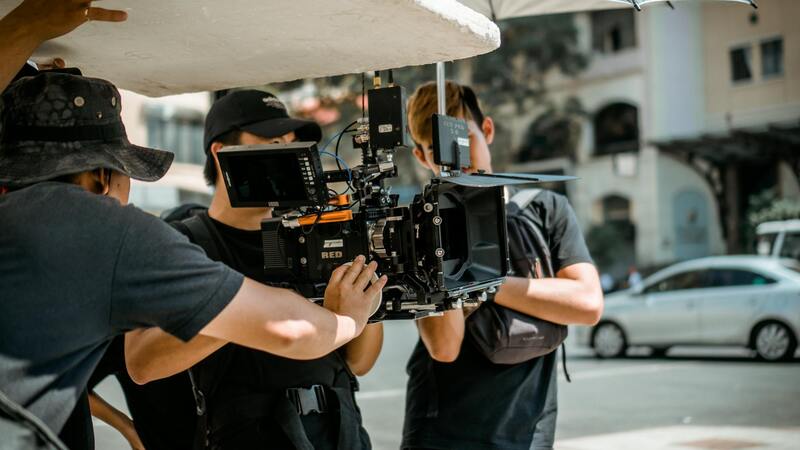
Effective yacht photography relies heavily on specialized equipment designed to handle the unique challenges posed by the marine environment. High-resolution DSLR or mirrorless cameras are standard, paired with versatile lenses such as wide-angle, telephoto, and tilt-shift lenses to capture expansive scenes or detailed close-ups. Tripods and stabilizers are essential for maintaining steady shots, particularly in windy conditions or when using longer exposures. For drone photography, commercial-grade drones equipped with high-quality cameras allow for breathtaking aerial shots, but they require careful handling to ensure safety and compliance with local regulations. Polarizing filters are invaluable in managing reflections on the water and glossy surfaces, reducing glare while enhancing color saturation. Portable lighting equipment, such as LED panels and reflectors, can be employed indoors or in shaded areas to ensure balanced exposure. Waterproof housings and lens covers are also critical for protecting gear from saltwater, spray, and humidity.
Techniques for Capturing Yacht Photos
To create compelling yacht images, photographers employ a variety of advanced techniques. Using natural light during the golden hour—shortly after sunrise and before sunset—provides warm tones and soft shadows that flatter the vessel’s curves and details. When shooting interiors, HDR photography or multiple exposures help capture the full dynamic range, from bright sunlight filtering through windows to shadows in shaded corners. Strategic positioning is vital; shooting from low angles can emphasize the yacht’s size and presence, while high vantage points reveal the vessel within its surroundings. Reflection management through polarizing filters or adjusting camera angles can minimize water or glass glare. For dynamic shots, high shutter speeds freeze motion during yacht movement or action scenes, while slow shutter speeds can convey motion blur or create a sense of tranquility at rest. Additionally, creating a sense of scale by including elements like crew members or beach accessories can enhance storytelling within the images.
Best Practices for Shooting on Water
Shooting on water presents unique logistical and technical challenges that demand careful planning. Stability is key; utilizing sturdy tripods or stabilization equipment is essential to counteract vessel movement and water-induced vibrations. Timing shoots during calm weather conditions ensures smoother shots and reduces the risk of water spray affecting your camera gear. It is important to keep equipment protected with waterproof covers and to have quick access to cleaning materials to remove salt or saltwater residues that can damage lenses and sensors. When working with clients, preparation is crucial—coordinate timing with yachts’ schedules and ensure all necessary permissions and access are secured in advance. Using remote triggers or tethered shooting can help maintain stability when operating on a moving vessel. For aerial shots, drone operators should adhere strictly to safety procedures and maintain clear communication with the yacht crew to avoid interference or accidents.
Advanced Techniques and Legal Methods for Yacht Photography
Utilizing the Right Software and Editing Practices
Achieving stunning yacht images extends beyond capturing in the field; post-processing plays a vital role in refining and elevating the final product. Professional photographers employ advanced editing software such as Adobe Lightroom and Photoshop to enhance their yacht photographs, focusing on aspects like color accuracy, contrast, and detail preservation. When editing yacht images, it’s important to correct color balance to reflect the true vibrancy of the yacht's paintwork and surrounding environment, especially when dealing with reflections and water glare. Employing high-dynamic-range (HDR) techniques helps in balancing exposure differences between sky and water surfaces, providing a more compelling visual impact.
Retouching might be used to remove minor imperfections such as water spots, glare artifacts, or distracting elements within the frame, ensuring the yacht remains the focal point. Additionally, perspective correction can help straighten lines and eliminate distortion caused by wide-angle lenses or camera tilt, resulting in a more professional appearance. When converting images for different formats or marketing materials, maintaining consistency in color grading and stylistic elements helps reinforce branding and professionalism.
Exporting and Delivering Final Images
Once the editing process is complete, exporting images in the optimal format and resolution is crucial for their intended use, whether for online marketing, print advertisements, or portfolio displays. High-resolution JPEGs or TIFF files are commonly used for print, while optimized JPEGs are suitable for web and social media to ensure quick loading times without compromising quality. Maintaining proper color profiles, such as Adobe RGB or sRGB, guarantees consistency across different viewing platforms.
Quality control is an essential step before delivering images to clients or publishing. This involves reviewing images for any residual flaws, ensuring correct exposure, sharpness, and color correctness. Clear communication with clients about the preferred specifications ensures the final product meets expectations. Implementing a structured workflow, from initial capture to post-processing and delivery, enhances efficiency and maintains high standards in yacht photography projects.
Official Resources to Enhance Yacht Photography Skills
- Professional Photographers' Associations and Workshops: Joining recognized organizations can provide access to advanced training, industry standards, and networking opportunities to elevate your yacht photography skills.
- Industry Publications: Subscribing to magazines and online platforms dedicated to marine and luxury photography exposes you to emerging techniques, trends, and case studies relevant to yacht imagery.
- Online Tutorials and Courses: Enrolling in reputable courses that focus on water-based photography and post-processing expands technical proficiency, ensuring compliance with established best practices.
- Legal Compliance and Licensing: Acquiring appropriate permits for drone usage or commercial shoots on water ensures adherence to regulations and smooth operational workflows.