
Role and Importance of a Yacht Videographer
A yacht videographer plays a vital role in capturing the essence of luxury yachting experiences through high-quality video content. These professionals are responsible for meticulously documenting every detail, from the opulent interiors to the stunning exterior views, providing an immersive experience for viewers. Their work not only serves as a visual portfolio for yacht owners and charter companies but also as a powerful marketing tool to attract prospective clients. In the competitive world of luxury yachting, the ability to showcase a yacht's unique features and ambiance convincingly can significantly influence lease or purchase decisions. A skilled yacht videographer combines technical expertise with creative vision to produce compelling visual stories that highlight the elegance, performance, and exclusive lifestyle associated with yachting. Their recordings are often utilized in promotional materials, virtual tours, and social media campaigns, making their role indispensable in elevating a yacht's prestige and appeal. The importance of a yacht videographer extends beyond mere documentation; they craft narratives that evoke emotions, generate interest, and enhance client engagement, thereby strengthening the overall brand image of yachting enterprises.
Skills and Qualifications Required
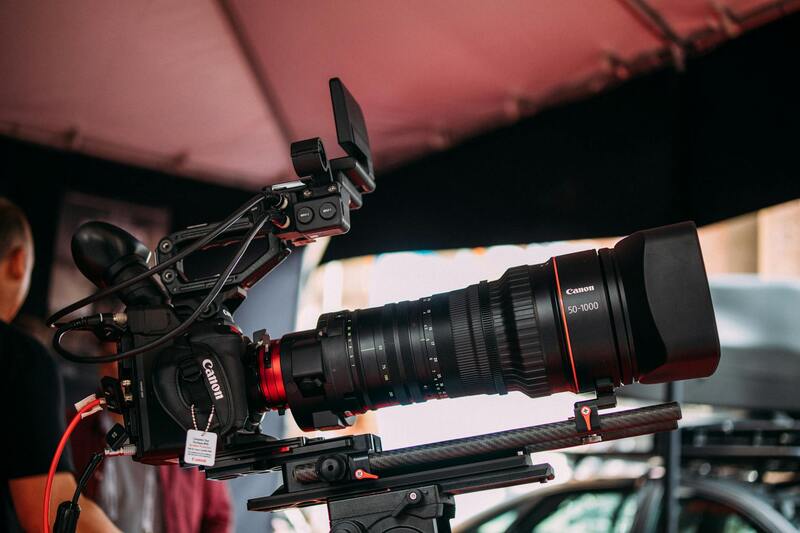
Successful yacht videographers possess a blend of technical proficiency and artistic sensibility. Expertise in various camera systems, including high-definition and 4K videography, is essential for producing crisp, vibrant visuals. An understanding of drone operation is increasingly important to capture dynamic aerial shots that showcase a yacht in its environment. Strong knowledge of lighting, composition, and color grading ensures the final product aligns with the luxurious aesthetic desired by clients. Additionally, familiarity with yacht architecture and maritime safety protocols helps videographers navigate working onboard safely and efficiently. Experience in video editing software allows for seamless post-production adjustments, ensuring the content's quality aligns with professional standards. Clients value professionalism, discretion, and a keen eye for detail in a yacht videographer, as these qualities directly influence the authenticity and prestige of the resulting videos.
Types of Video Content for Yachts
- Full onboard tours highlighting interior design and amenities
- Exterior footage showcasing yacht design and surroundings
- Aerial shots captured via drone for dramatic perspective
- Action scenes, such as water sports and docking procedures
- Event coverage during onboard parties or private gatherings
- Promotional videos for marketing campaigns
Equipment and Techniques Used
Yacht videographers typically employ a variety of specialized equipment to achieve cinematic results. High-resolution cameras mounted on stabilized gimbals ensure smooth footage while navigating the dynamic environment on water. Drone technology allows for breathtaking aerial perspectives, emphasizing the yacht's size and sophistication. Waterproof and splash-proof gear is often necessary to面对 harsh maritime conditions. In addition, professional lighting equipment is used to illuminate interior spaces, ensuring clarity and vibrancy. Techniques such as slow-motion capture and aerial tracking enhance the visual storytelling, creating engaging and polished content that aligns with luxury branding standards.
Location and Setup Considerations
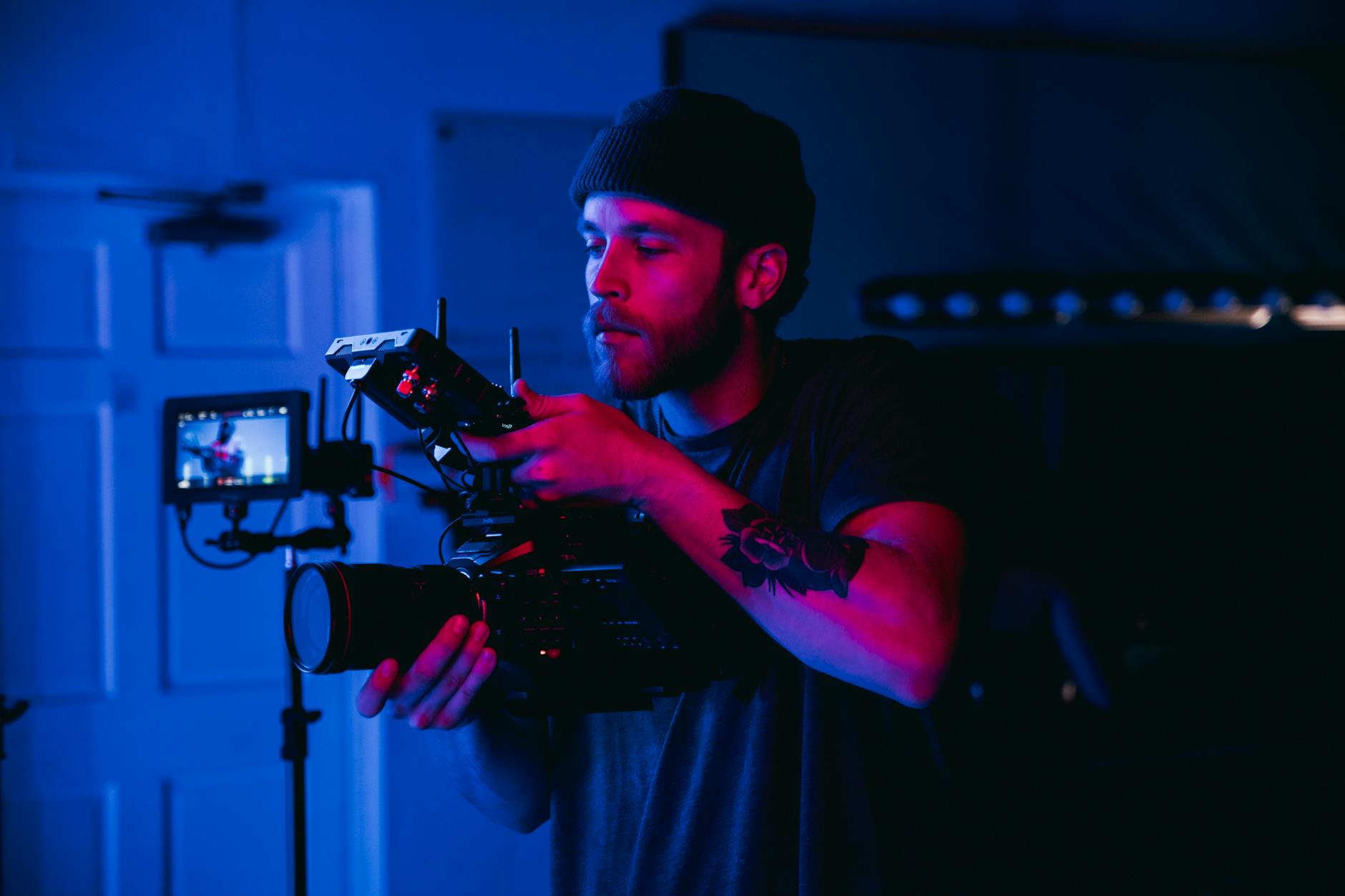
Choosing optimal filming locations is crucial to maximize aesthetic impact. Videographers assess factors such as natural lighting conditions, weather patterns, and sea states to plan shooting schedules effectively. Onboard setup involves securing equipment safely to withstand boat movement and environmental challenges. Positioning cameras to capture the best angles without obstructing views or interfering with crew operations requires careful coordination. Additionally, considering background elements like shoreline scenery, marina settings, or open ocean vistas helps in framing compelling shots. Pre-production planning also involves preparing permits or notifications if filming occurs in restricted or protected areas, ensuring a smooth filming process devoid of disruptions or complications.
Collaboration with Clients and Crew
Effective communication with yacht owners, charter clients, and onboard crew is essential. Collaborating closely with clients helps understand their vision, preferences, and specific highlights they wish to feature. Working alongside crew members ensures seamless access to different areas of the yacht and facilitates smooth movement during filming. During production, maintaining professionalism and discretion minimizes distractions and allows for capturing authentic moments. Post-shoot debriefs and consultations help align the final footage with client expectations, fostering strong professional relationships and ensuring satisfaction with the end product.
Skills and Qualifications Required for a Yacht Videographer
Successfully capturing high-quality footage aboard luxury yachts demands a unique blend of technical expertise and artistic talent. A proficient yacht videographer must possess advanced knowledge of camera operations, including the use of stabilization equipment, drone videography, and high-end recording devices suitable for dynamic maritime environments. Mastery in framing, composition, and lighting techniques ensures visuals are both stunning and emotionally engaging, even amidst challenging natural lighting or weather conditions. Familiarity with underwater filming equipment can also expand creative possibilities, enabling the capture of mesmerizing scenes beneath the water’s surface.
In addition to technical skills, an understanding of maritime safety protocols is crucial to operate efficiently and securely on vessels. This includes knowledge of laser and radio communications, as well as the ability to adapt quickly to fluctuating sea states and weather patterns. Experience working in tight indoor spaces and on moving platforms is essential, as yacht shoots often require agility and precise camera handling in limited quarters.
Complementing these technical requirements are foundational industry knowledge and professional qualities. A yacht videographer should have a portfolio demonstrating diverse projects, showcasing versatility in different lighting conditions, shot types, and narrative styles. Strong interpersonal skills facilitate effective collaboration with yacht owners, charter clients, and crew members, fostering trust and ensuring seamless integration into onboard workflows.
Educational background in film production, videography, or related fields provides a solid foundation. Certifications in drone operation, safety training, and maritime regulations add value and demonstrate a commitment to professional standards. Continual skill development through workshops or industry seminars keeps a yacht videographer at the forefront of emerging techniques and equipment.
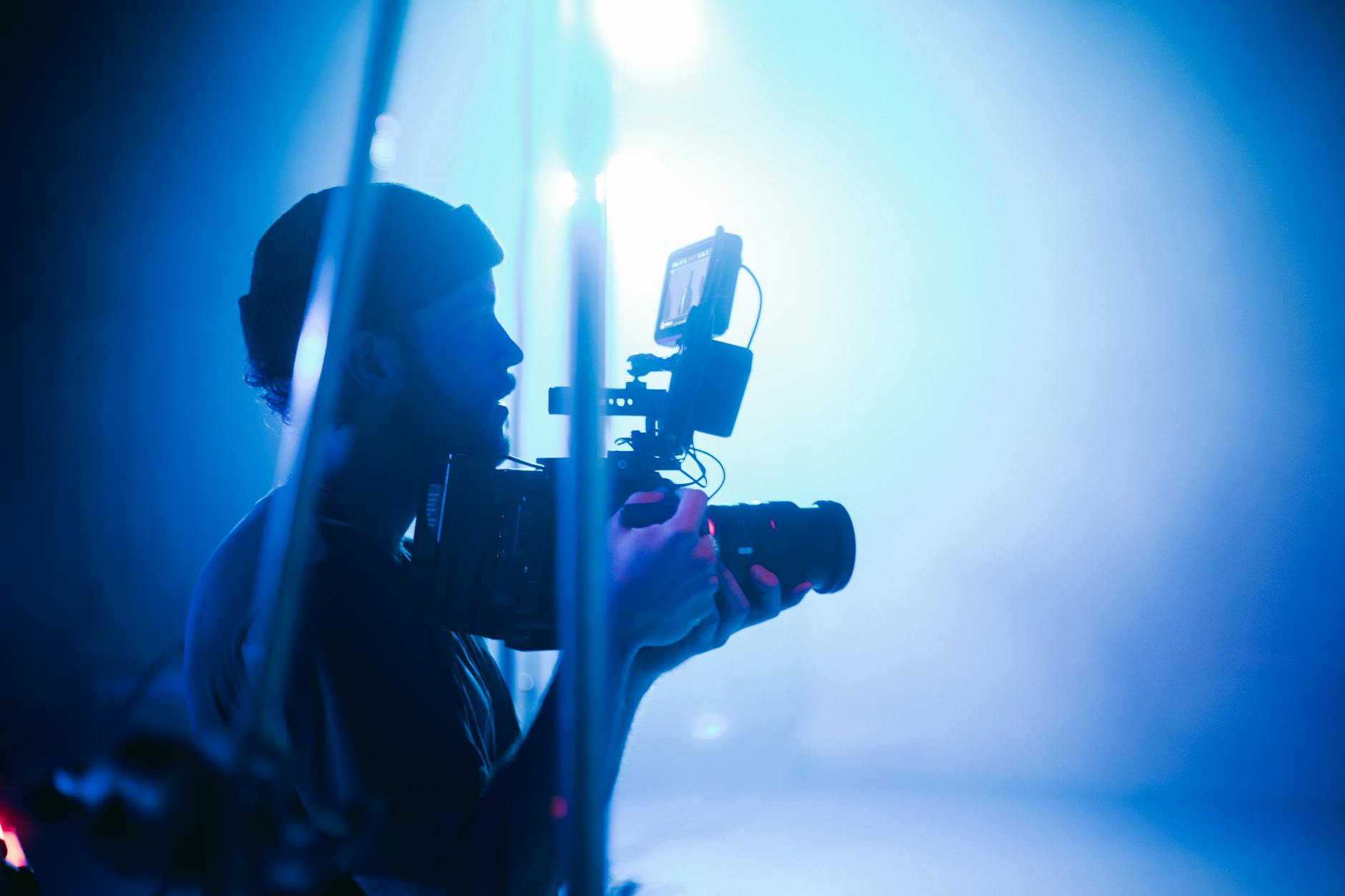
Beyond technical proficiency, a keen artistic eye and storytelling ability distinguish top-tier yacht videographers. The capacity to craft compelling narratives from candid onboard moments or panoramic vistas ensures clients receive footage that resonates emotionally and aligns with their brand or personal vision. Adaptability, attention to detail, and professionalism are qualities that support consistent delivery of exceptional results, reinforcing trust with discerning clients and establishing a reputation for excellence within the luxury maritime industry.
Equipment and Techniques Used
To capture the grandeur and sophistication of luxury yachts, a yacht videographer employs a broad array of advanced filming equipment and innovative techniques. The choice of gear is critical in producing high-quality footage that meets the demanding standards of the clientele. Professional-grade cameras, such as cinema-grade digital codecs, are standard for capturing detailed visuals in various lighting conditions. Stabilization devices like gimbals and steadicams ensure smooth, cinematic shots, especially during onboard movements or yacht cruising. Additionally, aerial footage captured through drone technology adds dynamic perspectives, highlighting the yacht’s size and surrounding scenery with remarkable clarity.
Underwater filming presents unique challenges, but specialized waterproof cameras and housings enable capturing stunning underwater scenes or marine life around the vessel. These shots contribute to a comprehensive visual narrative that emphasizes the yacht’s luxury and the aquatic environment. Lighting equipment is also vital to compensate for natural light variations, especially during sunrise and sunset shoots or indoor scenes where ambient lighting is insufficient. Portable LED lights and reflectors help achieve the desired brightness and mood. Beyond hardware, technical techniques such as slow-motion captures, time-lapse sequences, and hyper-lapse stabilization are employed to add artistic flair. Precise camera movements, controlled via remote or handheld stabilization rigs, allow for graceful pans, tilts, and tracking shots. Post-production stabilization software further enhances footage smoothness, especially when dealing with vessel movement or unstable conditions.
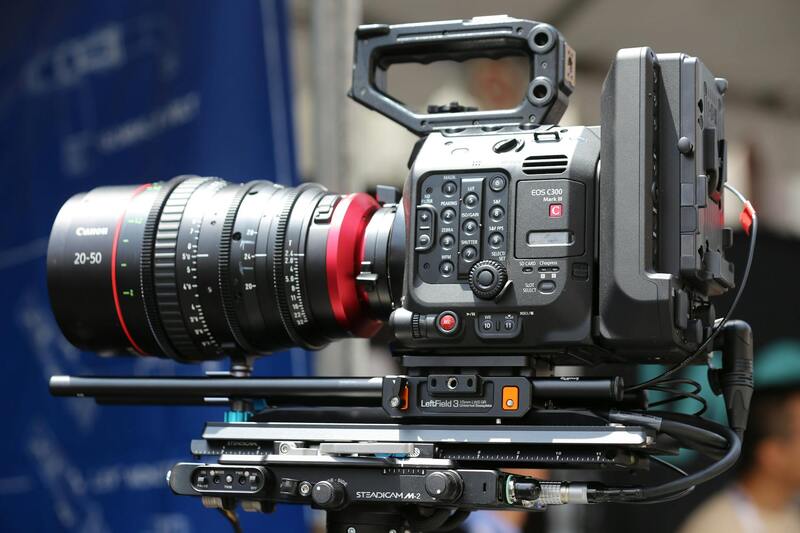
Leveraging these tools with expert knowledge of cinematography allows the videographer to craft compelling visual stories that showcase the yacht’s luxury features, scenic locations, and onboard activities. The perfect blend of technical proficiency and creative vision is what elevates the final product, ensuring it captures the attention of potential clients or event organizers.
Location and Setup Considerations
Effective filming on a yacht requires meticulous planning regarding location and setup. The environment onboard and the surrounding waters plays a significant role in determining the filming approach. This includes understanding the vessel’s layout, lighting conditions, and available space for tripod setups, stabilization rigs, or drone operation. It’s essential to optimize shot angles while maintaining safety, especially in tight quarters or rough seas. Lighting considerations involve assessing natural light at different times of day and positioning cameras accordingly to capture the yacht’s features without unwanted shadows or overexposure. For example, capturing panoramic shots during golden hour enhances the visual appeal with warm, soft lighting. Positioning the yacht relative to the scenery enhances the composition, such as framing the yacht against a sunset, skyline, or natural harbor. When shooting underwater or aerial footage, specific permits and coordination with crew are necessary to facilitate drone launches or underwater camera deployment, ensuring seamless integration with onboard schedules. The setup process also involves ensuring all equipment is secure and stable to prevent damage from movement or water spray. Adequate planning for data storage, power supply, and backup systems ensures uninterrupted shooting, especially during extended sessions. Diligent pre-shoot assessments, along with real-time adjustments in response to weather changes and vessel movement, contribute significantly to producing stunning, market-ready footage that aligns with the client’s vision.
Role and Importance of a Yacht Videographer
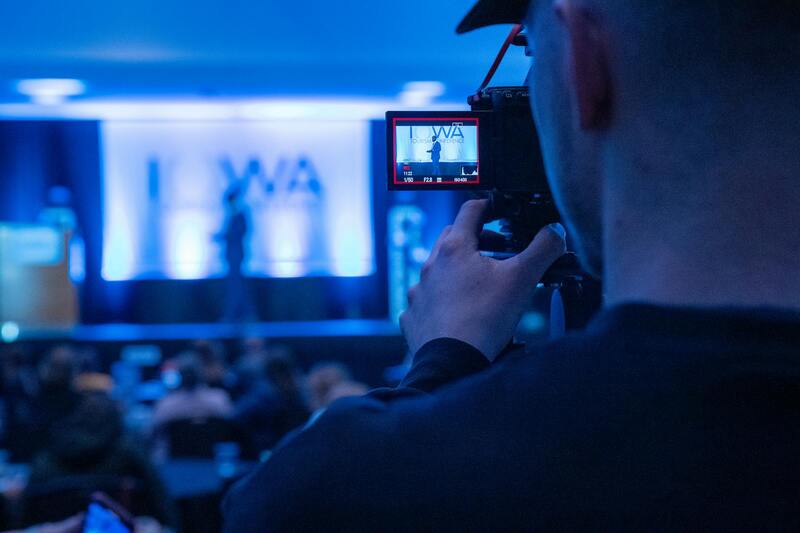
A yacht videographer plays a pivotal role in capturing the essence and luxury of maritime vessels through high-quality visual content. Their expertise ensures that every shot highlights the vessel’s elegant design, powerful features, and unique personality. Skilled yacht videographers understand how to approach filming on the water, combining technical proficiency with creative vision to produce content that appeals to potential buyers, charter clients, or promotional audiences.
Beyond the casual recording, a yacht videographer meticulously plans each session to maximize visual impact. They carefully select angles, lighting, and movement to accentuate the yacht’s sleek lines and luxurious details. This specialization requires an understanding of marine environments, safety protocols, and the technical nuances of filming on water. Consequently, a professional yacht videographer is essential not only for creating captivating promotional material but also for preserving the vessel’s prestigious image across various marketing channels.
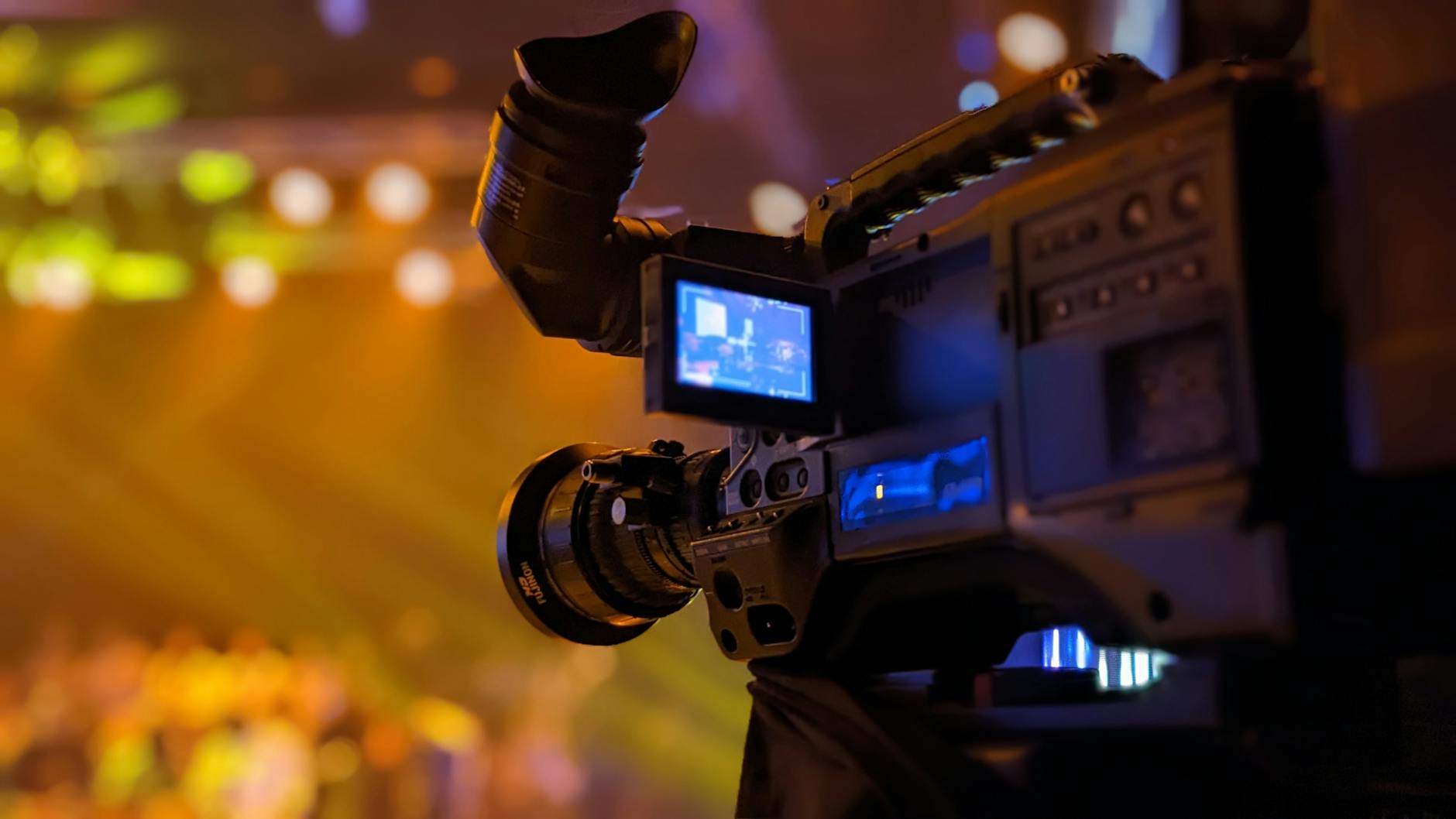
The significance of this role extends further when considering the competitive nature of yachting markets. High-quality video footage helps differentiate a yacht in listings, showcases, or social media campaigns. It ensures that viewers can appreciate the vessel’s features in a dynamic, engaging way, often translating into increased interest and higher value propositions. As visual content increasingly drives decision-making processes, the importance of professional yacht videography cannot be overstated.
Skills and Qualifications Required
Exceptional yacht videographers possess a blend of technical expertise, creative talent, and maritime awareness. They are proficient with professional camera equipment, including stabilized rigs, drone technology, and underwater cameras, ensuring versatility across various filming scenarios. Strong knowledge of cinematography principles, lighting techniques, and editing skills are fundamental to crafting captivating narratives.
In addition to technical capabilities, a keen eye for detail allows yacht videographers to capture the nuances that make each vessel unique. Their ability to adapt to changing conditions—such as weather fluctuations or interior lighting variations—is crucial in maintaining consistency and quality. A solid understanding of safety protocols and maritime regulations ensures the shooting process adheres to best practices without disrupting vessel operations or crew activities.
Many professionals also pursue certifications related to drone operation, cinematography, or marine safety to bolster their credibility and skill set. Continuous learning and staying updated with emerging filming technologies are essential for delivering cutting-edge content that meets high industry standards.
Types of Video Content for Yachts
Effective yacht videography encompasses a diverse range of content formats, each serving distinct marketing or documentation purposes:
- Walkthrough Videos: Detailed tours of the yacht's interior and exterior, highlighting layout, design features, and amenities.
- Highlight Reels: Short, engaging clips that capture the vessel’s most impressive aspects—ideal for social media or promotional advertisements.
- Drone Footage: Aerial shots showcasing the yacht in its environment, emphasizing size, location, and surrounding scenery.
- Underwater Shots: Capturing the vessel’s underwater hull and marine life, useful for showcase videos or technical assessments.
- Event Coverage: Filming special occasions onboard, such as parties or celebrations, to appeal to luxury clients seeking unique experiences.
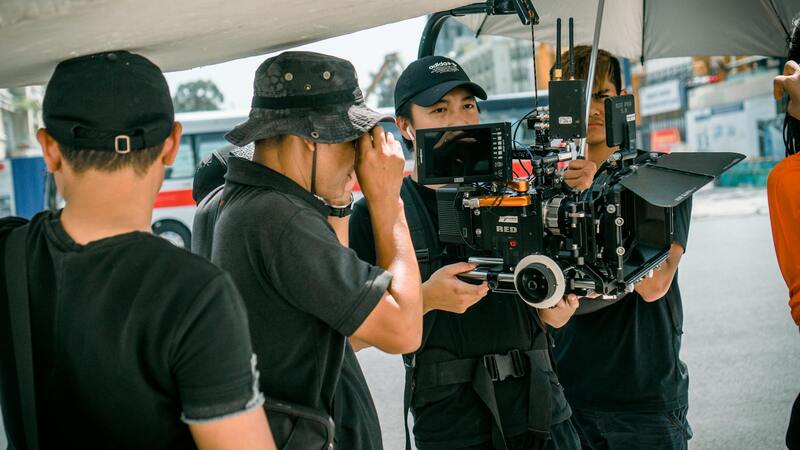
When producing each type of content, it’s vital to tailor the style, pacing, and storytelling to match the target audience’s expectations. A professional yacht videographer brings strategic insight that enhances the narrative and visual appeal, creating compelling videos that elevate brand presence and client interest.
Equipment and Techniques Used in Yacht Videography
Achieving high-quality footage aboard yachts requires a combination of specialized equipment and advanced filming techniques. The equipment arsenal typically includes stabilized cameras, drone systems, waterproof housings, gimbals, and lighting tools, all tailored to withstand marine environments and provide crisp, steady visuals. High-resolution cameras enable capturing intricate interior details and sweeping exterior shots, while drone technology offers spectacular aerial perspectives that showcase the vessel’s surroundings and design. The use of waterproof housings and corrosion-resistant gear is essential for operating in saltwater conditions, preventing equipment damage and ensuring safety.
Techniques such as smooth gimbal stabilization, precise camera movements, and strategic framing are employed to create visually appealing sequences. For interior shots, wide-angle lenses help convey space and ambiance, whereas telephoto lenses are used to focus on specific features or individuals onboard. To enhance cinematic quality, professional videographers utilize sliders, dollies, and cranes for dynamic movements, as well as meticulous lighting setups that counteract the challenging lighting conditions often encountered onboard or in marina settings. Post-production editing involves color grading, stabilization, and sound design to transform raw footage into compelling narratives that resonate with viewers and elevate a yacht’s marketing appeal.
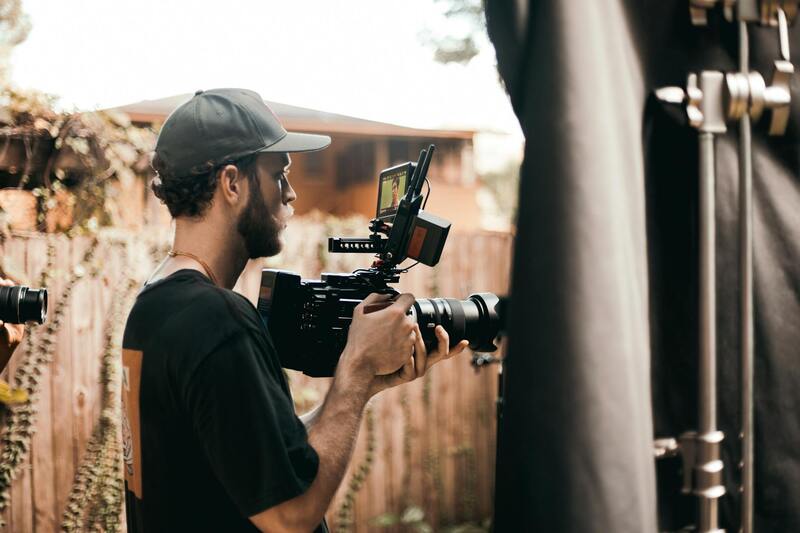
Mastery of both technical and aesthetic elements distinguishes a proficient yacht videographer. Combining professional-grade equipment with innovative shooting techniques ensures each shot contributes to a cohesive and engaging story, whether showcasing luxury interiors, dramatic exterior angles, or breathtaking aerial views. Staying updated with emerging filming technologies and marine-specific gear enhances their ability to deliver content that aligns with high industry standards and caters to discerning clients seeking top-tier visual presentations.
Role and Importance of a Yacht Videographer
A yacht videographer plays a pivotal role in capturing the essence of luxury vessels through high-quality visual storytelling. These professionals are entrusted with documenting everything from opulent interiors and sleek exteriors to scenic marine environments, thereby creating compelling content that appeals to potential clients, brokers, and brands alike. The importance of a yacht videographer extends beyond mere filming; they serve as visual narrators who highlight the vessel’s design, craftsmanship, and unique features, all while preserving the vessel’s prestige. Their work significantly influences marketing campaigns, online listings, and promotional materials, making them vital contributors to the yacht industry’s branding efforts.
In the competitive landscape of luxury yacht sales and chartering, the role of a videographer becomes even more crucial. Engaging videos help differentiate a vessel from its competitors, offering potential buyers and charter guests a virtual experience that conveys the yacht’s ambiance and capabilities. With the rise of digital marketing and virtual tours, the visual content produced by a dedicated yacht videographer significantly enhances a vessel’s marketability and outreach, making their expertise an invaluable asset in today’s high-end yacht industry.
Skills and Qualifications Required
Expertise in both videography and marine environments is essential for a yacht videographer. They must possess advanced technical skills in camera operation, lighting, and stabilization, coupled with a keen eye for composition and aesthetic storytelling. Knowledge of marine conditions allows them to adapt filming techniques to challenging environments, such as saltwater, wind, and variable lighting. Strong communication skills are paramount, enabling them to collaborate with yacht owners, brokers, and crew to understand the vessel’s unique features and desired presentation style.
- Proficiency with professional-grade video equipment, including drones, stabilizers, and underwater cameras.
- Understanding of marine safety protocols and environmental considerations.
- Experience in post-production editing, color grading, and sound design.
- Ability to operate efficiently in dynamic, often unpredictable marine settings.
By combining technical expertise with creative storytelling, a qualified yacht videographer ensures each project captures the essence of the vessel, emphasizing its luxury, craftsmanship, and allure to the target audience.
Types of Video Content for Yachts
The scope of content that a yacht videographer produces is diverse, tailored to highlight various aspects of the vessel. This includes:
- Exterior Shoots: Frontal shots, 360-degree views, and dynamic angles that showcase the yacht’s design and craftsmanship.
- Interior Tours: Wide-angle footage of lounges, cabins, kitchens, and other living spaces to convey comfort and luxury.
- Action and Lifestyle Footage: Clips of onboard activities, water sports, and social gatherings illustrating the yacht’s versatility.
- Aerial and Drone Views: Breathtaking aerial footage capturing the vessel from above, set against marine landscapes.
- Event and Charter Highlights: Dedicated videos capturing special occasions, parties, or cruising adventures onboard.
Each type of content plays a strategic role in marketing the yacht’s appeal, offering prospective clients a comprehensive visual experience that aligns with their desires and expectations.
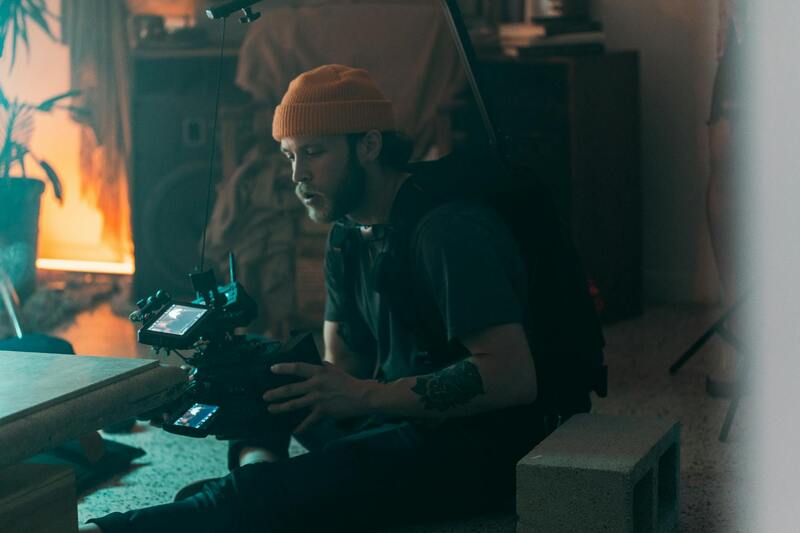
Effective storytelling through diverse footage enhances engagement and provides a dynamic overview of the vessel’s features, setting the stage for successful marketing efforts and client interest.
Equipment and Techniques Used
The equipment utilized by yacht videographers encompasses a range of professional tools designed to adapt to marine environments and achieve cinematic quality. Essential gear includes high-definition cameras, stabilized gimbals, drones, underwater housings, and specialized lenses. Advanced stabilization systems like gyro-stabilized mounts ensure smooth footage even amid the motion of the water or a moving vessel.
Techniques such as synchronized gimbal movements, strategic framing, and lighting control help craft visually compelling scenes under challenging conditions. Drones provide aerial perspectives that dramatically showcase the yacht’s exterior and surroundings, while underwater cameras add depth to promotional content featuring marine life or water-based activities. Post-production workflows involve meticulous editing, color correction, and sound design to enhance the raw footage, ensuring the final product aligns with premium industry standards.
Location and Setup Considerations
Capturing captivating yacht videos requires careful consideration of location and setup. Filming at bustling marinas demands strategic planning to avoid crowded shots and optimize lighting conditions. Selecting the right time of day, such as during golden hour, enhances the visual quality by providing warm, natural light. In open water, stabilizing equipment to account for vessel movement is critical to prevent shaky footage, often necessitating the use of gyroscopic stabilizers or fluid head tripods.
Moreover, pre-filming assessments include checking tide schedules, weather forecasts, and marina regulations to ensure safe and efficient operations. Positioning the vessel appropriately relative to light sources and marine scenery amplifies visual appeal, while coordinating with crew members ensures unobstructed shots and smooth workload management during filming.
Role and Importance of a Yacht Videographer
A yacht videographer plays a pivotal role in capturing the essence of luxury vessels through high-quality visual storytelling. Their expertise lies in transforming raw footage into compelling narratives that showcase the yacht’s design, features, and the lifestyle associated with maritime luxury. By skillfully combining technical proficiency with an artistic eye, a yacht videographer creates content that appeals to discerning clients, yacht brokers, and luxury brands. The importance of their work extends beyond simple videography; they serve as brand ambassadors, enhancing visibility and desirability of yachts in competitive markets.
Skills and Qualifications Required
- Technical proficiency: Mastery of camera operations, stabilization techniques, and lighting adjustments is fundamental. With the movement inherent to yachts, videographers must ensure stable, crisp footage under varying conditions.
- Creative vision: An eye for composition, framing, and storytelling enables capturing the yacht's luxury and allure effectively.
- Knowledge of water safety and environmental factors: Understanding maritime environments ensures safe and efficient shooting, especially in dynamic water conditions.
- Post-production expertise: Proficiency in editing software helps in delivering polished videos with precise color grading, sound editing, and visual effects enhancement.
- Communication skills: Collaborating with yacht owners, brokers, and crew ensures footage aligns with strategic marketing objectives.
Types of Video Content for Yachts
Yacht videographers produce diverse content tailored to specific marketing or promotional needs. These include:
- Exterior showcase videos: Highlighting vessel design, exterior features, and scenic surroundings.
- Interior walkthroughs: Providing immersive views of luxurious cabins, lounges, and amenities.
- Action and water sports footage: Capturing onboard activities like jet skiing, diving, or sailing to demonstrate versatility and adventure.
- Event coverage: Documenting onboard gatherings, parties, or special celebrations to convey exclusivity.
- Drone and aerial shots: Offering breathtaking perspectives from above, emphasizing yacht size and scenic locations.
Equipment and Techniques Used
To ensure exceptional quality, yacht videographers rely on specialized equipment and techniques. Essential tools include:
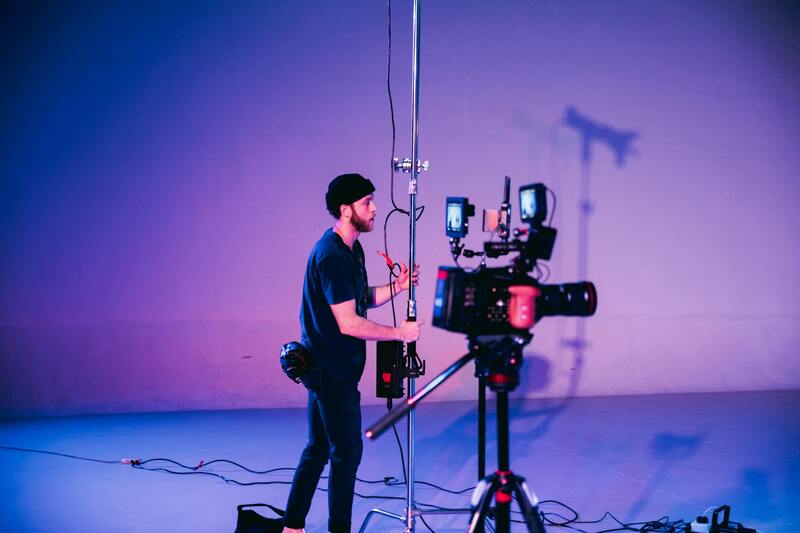
- Gimbal stabilizers: Essential for steady shots amidst vessel movement, reducing camera shake.
- High-resolution cameras: Cameras capable of capturing detailed visuals in various lighting conditions, often equipped with wide-angle lenses.
- Drones: For aerial vantage points and dramatic landscape shots.
- Waterproof housings: To protect equipment when filming near water or underwater scenes.
- Lighting equipment: Including portable lights to enhance interior shots or compensate for low-light scenarios.
Location and Setup Considerations
Choosing the right location combined with meticulous setup impacts the overall quality of yacht videos. Key considerations include:
- Lighting conditions: Shooting during golden hour optimizes natural light, whereas overcast days may require supplementary lighting.
- Water and weather conditions: Planning around tides, currents, and weather forecasts minimizes disruptions and ensures safety.
- Marina regulations: Verifying permitted filming zones and securing necessary permissions avoid complications.
- Positioning the vessel: Orienting the yacht to maximize exterior visuals and scenic backgrounds enhances aesthetic appeal.
- Equipment setup: Stabilizers and mounts should be securely placed to handle vessel movements, maintaining footage stability.
- Crew coordination: Communicating with crew members facilitates unobstructed shots and smooth workflows, especially during complex scenes.
Collaboration with Clients and Crew
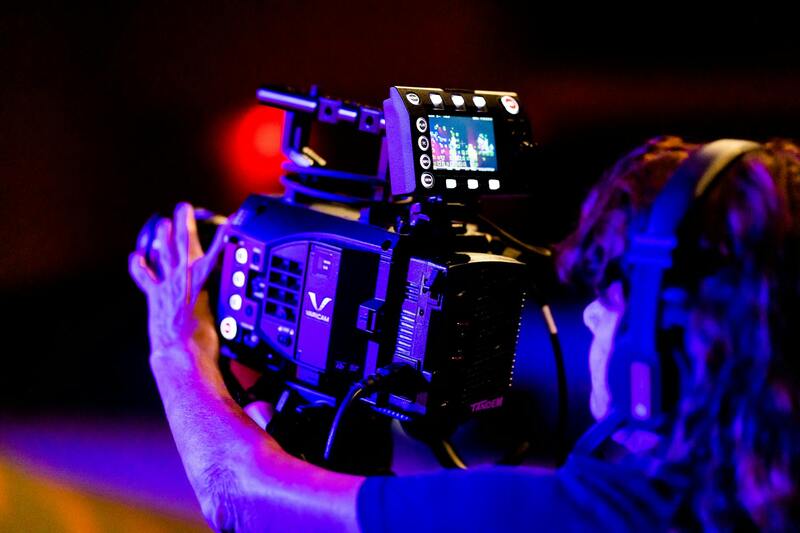
Effective collaboration is instrumental in producing compelling yacht videos that meet client expectations. This involves understanding the client’s vision and branding goals, aligning shooting plans accordingly, and adjusting based on feedback. Open communication with the yacht’s crew ensures access to key areas and smooth handling during shoots. Providing clear instructions about shots and angles helps in achieving precise results, while also respecting safety protocols and operational considerations onboard. Building trust and maintaining professionalism throughout the process enhance the overall production quality and foster long-term relationships with clients and industry partners.
Effective Strategies for Yacht Videographers to Enhance Their Business Presence
For yacht videographers aiming to establish themselves as authoritative figures within the luxury maritime industry, a comprehensive marketing approach is vital. Building a strong online presence through a professional portfolio showcases a diverse array of work, highlighting the unique capabilities in capturing the opulence and dynamism of yacht life. This portfolio should include high-resolution samples of exterior shots, interior panoramas, drone footage, and action shots of yacht events or voyages, demonstrating versatility in various lighting and weather conditions.
Participating in industry-specific exhibitions, boat shows, and luxury lifestyle expos can significantly expand visibility among potential clients, brokers, and yacht owners. Such events provide opportunities for live demonstrations, networking, and establishing partnerships with luxury brands or event organizers. Engaging in targeted digital marketing campaigns using social media platforms like Instagram, LinkedIn, and YouTube enhances outreach. Regularly updating content, including behind-the-scenes footage, client testimonials, and case studies, boosts credibility and attracts inquiries.
Establishing strategic collaborations with yacht brokers, charter companies, and event planners can open new avenues for referrals and joint promotional efforts. Sending tailored proposals that align with the high standards expected in the luxury sector reinforces professionalism and commitment to quality. Maintaining a well-optimized website, such as miamieventvideopro.com, which showcases your portfolio, client reviews, and service offerings, ensures your expertise remains accessible and attractive to prospective clients.
Implementing client referral programs can incentivize existing clients to recommend your services to other yacht owners and charter companies. Ensuring consistent quality, timely delivery, and professional communication builds a reputation for reliability. Additionally, leveraging SEO strategies tailored to the yacht industry keywords, such as "luxury yacht videographer" and "marine videography services," increases online discoverability.
Continuous Professional Development and Industry Engagement
Staying abreast of the latest videography technologies and trends helps maintain a competitive edge. Attending industry seminars, workshops, and networking events promotes knowledge exchange and fosters relationships with peers and industry thought leaders. Investing in advanced equipment, such as 4K drones, gimbal stabilizers, and waterproof rigs, allows for capturing breathtaking footage that exceeds client expectations.
By actively participating in the luxury maritime community and demonstrating consistent excellence in service delivery, yacht videographers can secure a steady stream of high-profile projects. These efforts not only enhance personal brand recognition but also contribute to the broader reputation of the industry’s visual storytelling capabilities.