
Understanding Marine Photo Production
Marine photo production encompasses the specialized process of capturing high-quality images within maritime environments, including oceans, harbors, and coastal areas. This discipline demands a unique set of skills, equipment, and planning considerations to produce compelling visuals that accurately reflect nautical themes, maritime infrastructure, or aquatic activities. The primary focus on marine photo production is to showcase vessels, marine landscapes, and related industry facets with clarity, precision, and artistic integrity.
In the competitive markets of Miami, a prominent hub for maritime commerce, tourism, and luxury waterfront developments, professional marine photography plays a crucial role in branding, marketing, and documentation. Whether for advertising campaigns, promotional materials, or industry reports, engaging marine imagery enhances visual storytelling and fosters emotional connection with audiences. The importance of tailored approaches, advanced equipment, and adherence to safety standards underscores the complexity and professionalism imbued in marine photo production.
Successfully executing marine photography projects requires comprehensive understanding of the maritime environment, navigation protocols, and specialized techniques to handle the dynamic and often unpredictable conditions at sea. From capturing a yacht at sunset to documenting offshore industrial operations, the scope of marine photo production is vast and demands meticulous planning and execution.
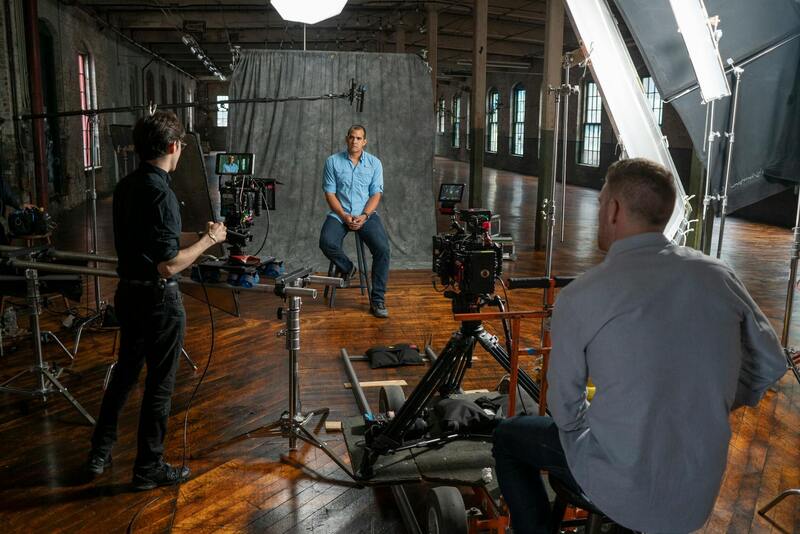
Given the strategic importance of such imagery, Miami-based agencies have developed proven methodologies that prioritize image quality, safety, and operational efficiency. These agencies leverage cutting-edge technology, including stabilized camera rigs, drone solutions, and waterproof equipment, to navigate the unique challenges presented by marine settings. As a result, clients receive visually striking, impactful images that support their branding and operational objectives in the maritime sector.
Equipment and Technology Used in Marine Photography
Effective marine photo production relies heavily on the deployment of advanced equipment designed to withstand aquatic environments and deliver high-quality images. Specialized cameras with waterproof housings are fundamental, ensuring durability against saltwater exposure, humidity, and turbulent weather conditions. These cameras are often equipped with stabilization features to counteract vessel movement, resulting in sharp, professional photographs even from unstable platforms.
Drone technology has become increasingly integral in marine photography, offering unique vantage points from above the water and capturing expansive oceanic scenes that are difficult to access through traditional methods. Modern drones used for marine shoots are fitted with waterproof or water-resistant casings, and their stability systems enable smooth footage despite wind or vessel motion.
In addition to cameras and drones, stabilized camera rigs, such as gyroscopic mounts, allow photographers to maintain steady shots from moving boats or ships. Remote-controlled camera systems are also utilized, providing the flexibility to position equipment in hard-to-reach locations without risking personnel safety.
Lighting solutions tailored for marine environments include waterproof LED panels that provide adequate illumination during dawn, dusk, or overcast conditions. These lights are essential when capturing detailed images in low-light scenarios or creating dramatic effects that highlight maritime features.
Moreover, the integration of GPS and real-time data systems aids in precise positioning and coordination during shoot execution. This technology ensures accurate framing, especially in large-scale industrial or fleet documentation projects.
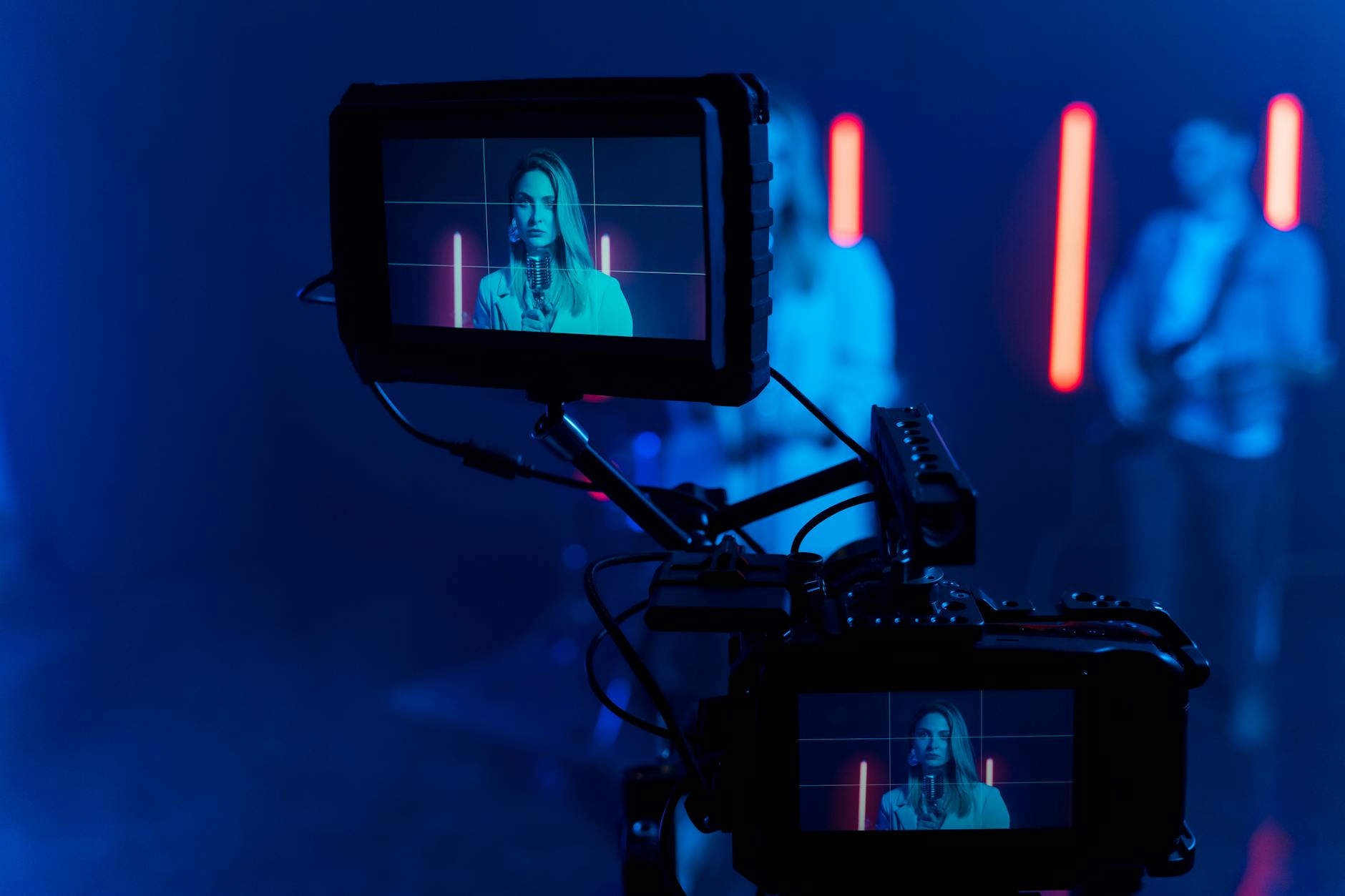
Utilizing the latest equipment, Miami-based marine photo production services can overcome the inherent challenges of photographing at sea, delivering compelling images that meet diverse industry needs. The strategic combination of robust hardware and innovative technology embodies a commitment to quality, safety, and operational excellence in every shoot.
Equipment and Technology Used in Marine Photography
Marine photo production relies on a suite of advanced equipment designed to withstand the harsh maritime environment while delivering high-resolution, visually stunning images. The choice of gear is critical, as it must be durable, corrosion-resistant, and capable of functioning reliably in wet conditions. Waterproof and water-resistant cameras are standard, often integrated with specialized housings that allow full operation underwater or in turbulent conditions.
Stabilization tools, such as gyroscopic mounts and gimbals, play a vital role in maintaining steady footage and sharp images despite vessel movement. These devices compensate for pitching, rolling, and yawing motions of boats, ensuring cinematic quality in every shot. Remote-controlled camera systems, including robotic arms and tower-based setups, extend the reach and flexibility of marine shoots, allowing operators to position cameras at various angles and distances without risking personnel safety.
Lighting equipment tailored for marine environments addresses the challenges posed by variable natural light, fog, and overcast conditions. Waterproof LED panels, bi-color lights, and portable light banks are employed to enhance visibility and create desired atmospheric effects. These lighting solutions are essential for capturing detailed textures on maritime structures, wildlife, and seascapes, especially during low-light intervals such as dawn or dusk.
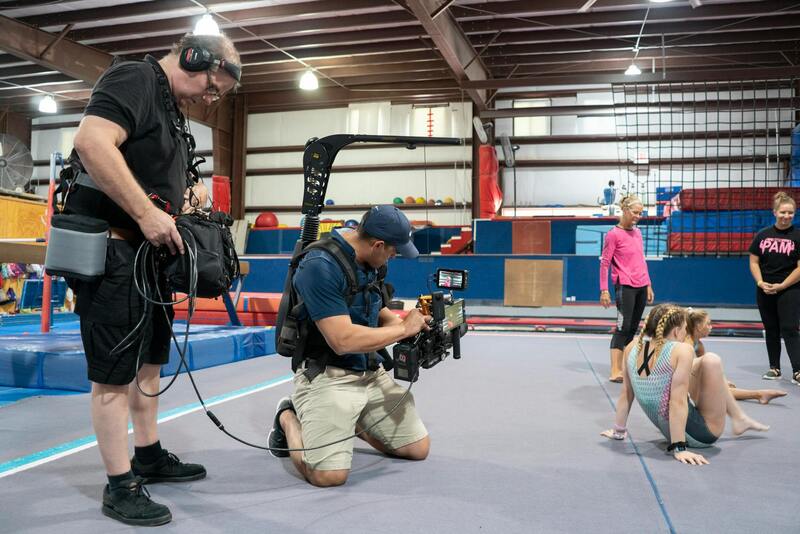
In addition to imaging hardware, navigation and positioning technologies like GPS, inertial measurement units (IMUs), and drone-based systems help achieve precise framing and targeted shots. Real-time data transmission ensures seamless coordination among team members, which is especially important during complex scenarios such as vessel docking, offshore installations, or marine wildlife documentation.
The deployment of high-performance waterproof drones equipped with stabilized cameras offers unique perspectives that traditional methods cannot achieve. These drones are capable of capturing high-altitude views, aerial surveys, and dynamic action shots over expansive waters, offering clients comprehensive visual coverage of maritime operations.
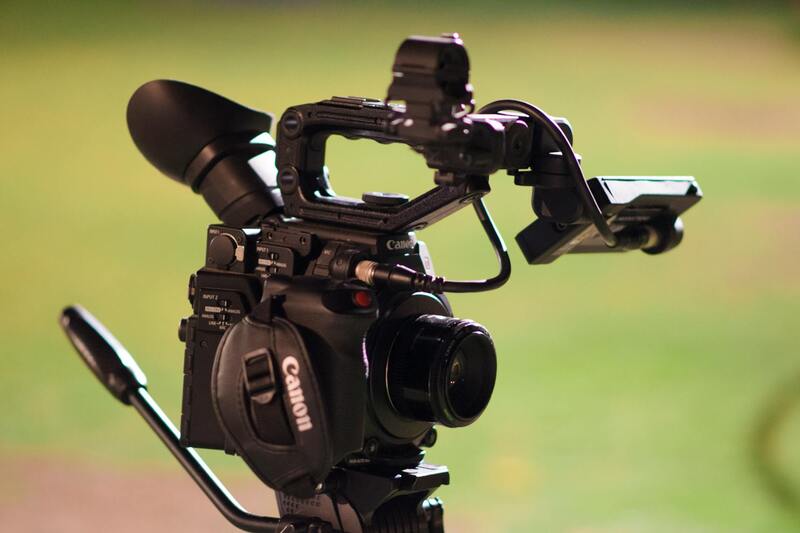
All these technological advancements underscore the importance of leveraging industry-leading equipment to ensure superior quality, safety, and operability in marine photo production. Miami-based service providers utilize these innovative tools to meet the specialized demands of maritime clients, delivering consistent, high-impact visual content for a variety of applications.
Equipment and Technology Used in Marine Photography
Marine photo production demands specialized equipment capable of withstanding harsh environmental conditions while delivering high-quality imagery. Waterproof camera systems are fundamental, featuring robust housings that protect sensitive sensors from saltwater, humidity, and physical impacts. These cameras often incorporate advanced stabilization technology to counteract vessel movement, ensuring sharp and clear images even amidst turbulent water or on unstable platforms.
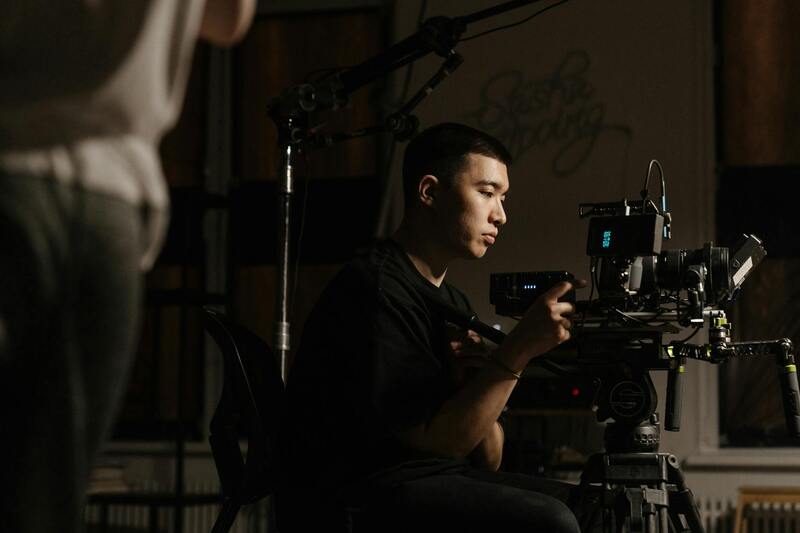
In addition to standard photography gear, specialized accessories enhance capabilities in marine settings. These include filter systems to manage glare and reduce water reflections, as well as macro and telephoto lenses optimized for close-up shots of marine fauna or distant landscape features. Gimbal-stabilized rigs and drone-mounted cameras expand the range of perspectives, providing aerial views and dynamic action shots that traditional platforms cannot achieve.
Navigation and positioning technologies are integral to successful marine photo shoots. High-precision GPS units ensure accurate targeting of specific locations, while inertial measurement units (IMUs) assist in maintaining camera stability and orientation during movement. Real-time telemetry allows photographers and crew to adapt quickly to changing conditions, optimizing shot composition and timing.
Unmanned aerial vehicles (UAVs), equipped with high-definition stabilization systems, have revolutionized marine photography. These drones deliver sweeping vistas of coastlines, marine wildlife, and industrial infrastructure from vantage points that capture the scale and complexity of maritime environments. Drone operations are supported by sophisticated control stations and live-feed systems that enable operators to monitor footage continuously and make real-time adjustments.
Incorporating these technological tools into a marine photo production workflow recognizes the importance of precision, safety, and image quality. Miami-based firms specializing in this field apply such advanced equipment to handle the unique demands of maritime settings, ensuring that every shot meets high standards for clarity, detail, and visual impact. The integration of cutting-edge hardware with careful planning results in comprehensive visual documentation of marine environments, vital for clients across sectors such as offshore energy, maritime logistics, and coastal conservation.
Understanding Marine Photo Production
Marine photo production encompasses a specialized process that requires meticulous planning, advanced technology, and a thorough understanding of marine environments. The goal is to capture high-quality images that accurately represent maritime subjects such as vessels, coastal landscapes, marine wildlife, and industrial infrastructures. Because of the dynamic and often unpredictable conditions at sea, photographers and production teams must employ precise techniques and equipment designed explicitly for marine settings. This ensures the resulting imagery meets professional standards for clarity, detail, and impact. Marine photo production is fundamental for industries such as maritime logistics, offshore energy, environmental conservation, and tourism, where visual documentation plays a crucial role in project planning, marketing, and regulatory compliance.
Planning and Pre-Production for Marine Shoots
Effective marine photo production begins long before the camera starts rolling. The pre-production phase involves detailed planning to address the unique challenges posed by the marine environment. This includes comprehensive site analysis and environmental assessments to determine optimal shooting angles and times, considering factors like tides, weather patterns, and sea state. Establishing clear communication channels with local authorities, maritime agencies, and vessel operators is essential to coordinate safety procedures and secure necessary permits. Equipment selection is a critical component, focusing on stabilization devices, waterproof housings, and drone technology capable of operating in harsh conditions. Precise scheduling and contingency planning help mitigate risks associated with sudden weather changes or equipment malfunctions. This stage also involves logistics coordination for transportation, crew accommodation, and onboard facilities, ensuring a seamless workflow from start to finish.
Equipment and Technology Used in Marine Photography
The execution of a marine photo shoot relies heavily on specialized equipment designed to withstand the challenging conditions at sea. High-definition cameras equipped with waterproof housings ensure durability and image quality despite exposure to moisture and salt spray. Stabilization systems, such as gimbals and drone stabilizers, are vital for capturing smooth footage while on moving platforms or mobile vessels. UAVs, equipped with advanced stabilization and long-range communication systems, have become indispensable tools for aerial shots, offering expansive views of coastlines and marine wildlife from altitudes and angles previously unattainable. Underwater photography gear, including waterproof housing for cameras and remotely operated submersibles, extends the scope of marine photo production beneath the surface. Additionally, GPS systems, radar, and real-time telemetry provide critical data to enhance shot precision and safety during dynamic shoots.
Challenges of Shooting in Marine Environments
Shooting in marine environments presents unique challenges that demand expertise and resilience. Unpredictable weather conditions, including high winds, rain, and fog, can significantly impact visibility and safety. The constant presence of saltwater and humidity accelerates equipment wear and introduces corrosion risks, necessitating specialized protective gear and maintenance routines. Sea motion can cause instability, requiring the use of stabilization technology and adaptive shooting techniques to maintain image sharpness. Additionally, limited accessibility to some locations means crews often work on boats or temporary platforms, which can restrict movement and setup options. Variations in light levels, especially in underwater settings or during dawn and dusk shoots, require careful light management and the use of supplementary lighting or filters. Recognizing and prepared for these challenges ensures high-quality results and the safety of crew members involved in marine photo production.
Understanding Marine Photo Production
Marine photo production encompasses a comprehensive approach to capturing striking visual content in and around aquatic environments. It involves meticulous planning, specialized equipment, and adherence to best practices tailored to the unique conditions of marine settings. The goal is to produce captivating images that highlight the beauty, diversity, and scale of marine landscapes, wildlife, and infrastructure, making them suitable for a wide array of professional applications including advertising, documentary projects, and environmental campaigns.
Effective marine photo production begins with an understanding of the different environments—territories that range from shallow coastal waters to deep-sea habitats. Each setting demands specific techniques and equipment to ensure high-quality images while safeguarding the safety of the crew and preservation of the environment. A skilled production team leverages both traditional photographic methods and cutting-edge technology to achieve precise, vivid visuals that meet clients' detailed specifications.

Planning and Pre-Production for Marine Shoots
Successful marine photo production relies heavily on detailed planning and pre-production work. This stage involves engaging with stakeholders to understand project goals, scouting locations, assessing environmental conditions, and determining the best timing for shoots. Technical considerations include weather forecasts, tide schedules, and lighting conditions, which are all crucial for capturing the desired compositions.
Logistical planning accounts for transportation to remote or difficult-to-access locations, securing permits if necessary, and coordinating safety protocols. Collaboration with maritime authorities and environmental agencies ensures compliance with local regulations and minimizes environmental impact. Crew members are briefed on equipment setup, safety procedures, and contingency plans to address potential challenges such as weather changes or equipment failures.
Developing a detailed shot list and storyboard
- Identify the primary subjects, whether wildlife, habitats, or marine infrastructure.
- Determine preferred angles, depths, and perspectives.
- Plan for supplementary gear such as underwater lights, stabilization rigs, and remote control cameras.
- Establish contingency plans for weather or technical issues.
Proactive planning ensures that on-the-day execution aligns with creative and technical expectations, minimizing delays and optimizing shot quality.
Equipment and Technology Used in Marine Photography
Marine photo production benefits from a range of advanced equipment designed to withstand harsh environmental conditions. Waterproof camera housings protect high-resolution digital cameras from saltwater and humidity while maintaining full functionality. Underwater lighting systems further enhance visibility in low-light or murky conditions, allowing photographers to capture details that are otherwise hidden.
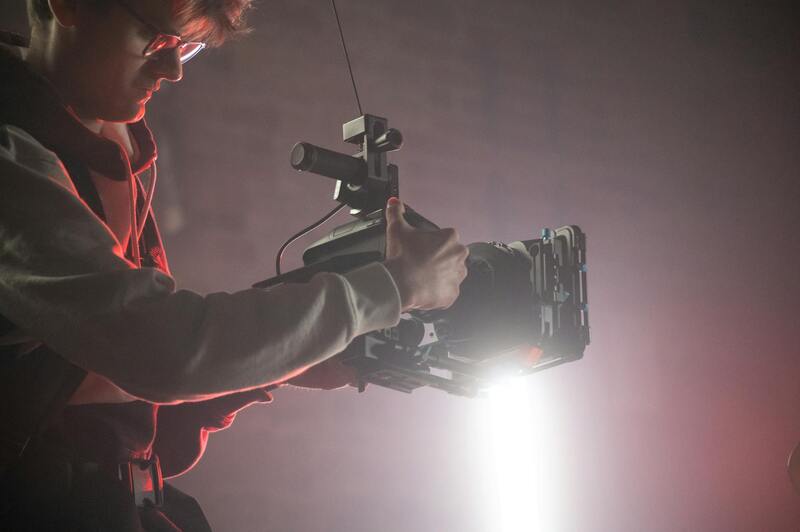
Remote-operated vehicles (ROVs) and drones equipped with stabilizers enable unique perspectives from above and below the water surface. These tools provide safety advantages, allowing operators to capture critical shots from a distance or areas inaccessible to humans. GPS, sonar, and real-time telemetry systems facilitate precise positioning and navigation, essential for detailed composition and safety management.
Challenges of Shooting in Marine Environments
Conducting successful marine photo shoots involves overcoming numerous technical and environmental hurdles. Adverse weather conditions such as high winds, rain, and fog can impair visibility and jeopardize equipment safety. Saltwater exposure accelerates corrosion and demands rigorous maintenance routines and protective coatings for gear.
Sea motion introduces instability, making it challenging to achieve sharp images. Innovative stabilization systems and adaptive shooting techniques, such as high shutter speeds and nimbly positioning tripods or mounts, are employed to counteract this. Accessibility is often limited; crews may need to shoot from boats or small platforms, restricting movement and requiring careful planning regarding staging and safety.
Lighting conditions vary considerably, especially underwater, during dawn or dusk, necessitating the use of artificial lighting, filters, and post-processing adjustments. The unpredictable nature of marine environments necessitates flexibility, readiness for rapid adjustments, and a thorough understanding of conditions to ensure both safety and visual excellence.
Industry Applications and Use Cases
Marine photo production holds significant value across diverse industry sectors, especially within Miami’s vibrant maritime and tourism industries. High-quality imagery plays a vital role in elevating brand visibility, attracting tourists, and showcasing marine assets in advertising campaigns and marketing materials. For instance, luxury yacht companies leverage stunning marine visuals to underscore the elegance and exclusivity of their offerings, often employing aerial and underwater photography to highlight vessel features and scenic coastal backdrops.
In addition to marketing, editorial content benefits greatly from marine photography. Magazines and online publications frequently feature immersive underwater shots or expansive ocean vistas to tell compelling stories about marine life, conservation efforts, or maritime adventures. These images not only boost reader engagement but also serve as powerful tools for education and raising awareness about marine ecosystems.
Corporate branding initiatives also utilize marine photo production to emphasize a company's connection to the sea, maritime innovation, or environmental stewardship. Companies involved in maritime logistics, offshore energy, or marine research incorporate breathtaking visual content into their annual reports, websites, and promotional videos to reinforce their industry expertise and commitment to sustainability.
Miami's strategic coastline provides an ideal backdrop for these applications, combining natural beauty with modern infrastructure, which facilitates professional marine shoots tailored to client objectives. The unique environment demands photographers with specialized skills and equipment capable of capturing dynamic marine scenes under varied conditions, ensuring the images are impactful and aligned with branding goals.
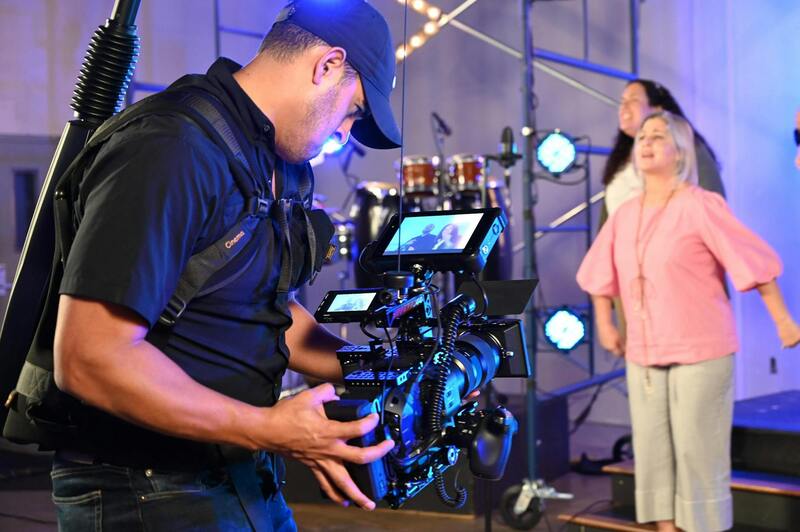
From high-resolution aerial images of luxury yachts traversing azure waters to detailed underwater shots of marine life, marine photo production supports a broad spectrum of visual storytelling needs. This diversity underscores its importance in establishing a memorable and authentic brand presence within the competitive Miami market, appealing to both local audiences and global markets.
Understanding Marine Photo Production
Marine photo production involves creating compelling visual content that captures the essence of marine environments, including the ocean, coastal landscapes, marine vessels, and aquatic life. This process requires a blend of specialized skills, advanced equipment, and an understanding of the unique conditions found at sea. Professionals in this field aim to produce images that are accurate, aesthetically impactful, and aligned with specific project objectives, whether for commercial, educational, or promotional purposes.
Core Components of Marine Photo Production
- Pre-Production Planning: Detailed planning includes scouting locations, securing necessary permits, and establishing safety protocols. Storyboarding and shot lists are prepared to ensure comprehensive coverage.
- On-Location Shooting: Utilizing specialized marine-grade equipment, photographers capture images in dynamic, often unpredictable environments. Precision in timing, composition, and camera settings is vital to adapt to changing weather and water conditions.
- Post-Processing: High-quality editing enhances the original imagery, focusing on color correction, stabilization, and removing unwanted elements while maintaining authenticity.
Professional Standards in Marine Photo Production
Adhering to industry standards, professionals use certified equipment designed for marine environments, such as waterproof housings, stabilized rigs, and high-resolution cameras. Consistent quality assurance processes ensure that each image meets specific visual and technical criteria, making the final portfolio suitable for various applications ranging from advertising to scientific research.
Importance of Local Expertise
Choosing a provider with local knowledge of Miami’s marine conditions offers significant advantages. Local agencies are familiar with the best shooting spots, optimal times for capturing marine activity, and navigating logistical challenges. This expertise allows for more efficient planning and higher-quality images that truly reflect the vibrant maritime environment.