
Understanding Timelapse Videos
Timelapse videos are a unique form of visual storytelling that condenses extended periods into a brief, engaging sequence. Unlike standard videos that capture events in real time, timelapse recordings are created by photographing scenes at set intervals over a duration, then compiling these images into a flowing sequence. This technique reveals changes and movements occurring gradually, such as the movement of clouds across the sky, the bustling activity at a city intersection, or the transformation of natural landscapes. It offers viewers a perspective that is often impossible to appreciate through unedited footage, making it a powerful tool for showcasing dynamic environments.
The primary purpose of a timelapse video is to emphasize the passage of time, highlight the progression of processes, and create captivating visual narratives. It provides a compact overview of events that unfold over hours, days, or even months, captured within a few minutes. This method not only enhances storytelling but also serves practical roles in fields such as construction, urban planning, and event documentation, where visualizing growth or change is essential.
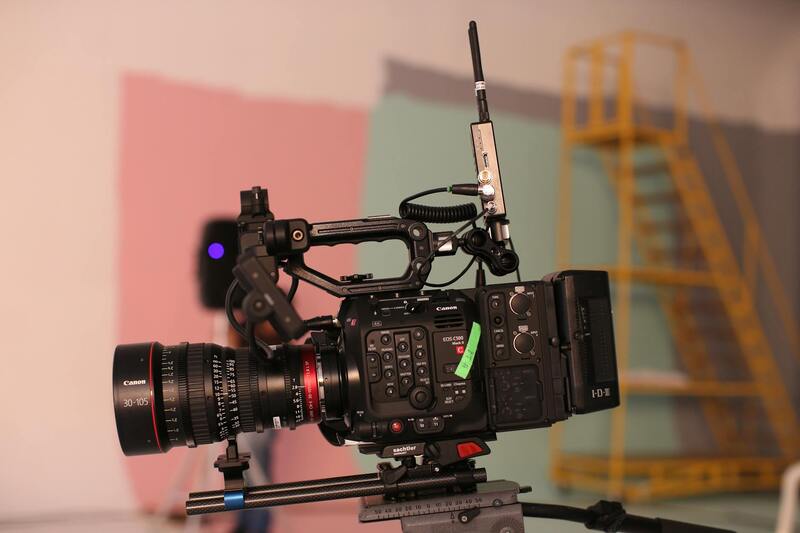
In contrast to standard video recordings, which rely on continuous captures, timelapse videos involve a careful balance of timing, camera setup, and editing. The process begins with setting a camera on a stable platform to ensure consistent framing throughout the shoot. The camera then captures images at predetermined intervals — often every second, minute, or even longer — depending on the desired effect and the duration of the event being recorded. These images are later stitched together during editing to produce a seamless sequence that accelerates the perception of time passing.
Utilizing this method requires a clear understanding of both the technical aspects and artistic intent behind the project. For instance, capturing a sunset's transition into night involves selecting appropriate intervals to smoothly portray the changing atmosphere without making the video seem choppy or overly hurried. Beyond technical setup, successful timelapse creation demands planning, patience, and precision to ensure the final product captures the intended mood and message.
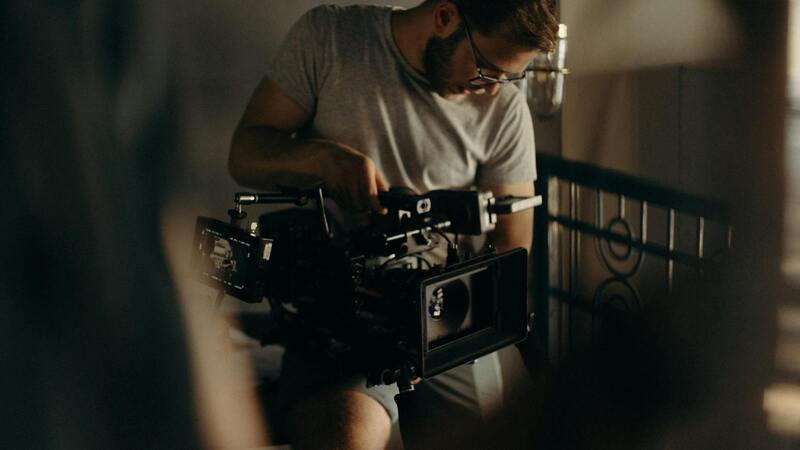
Overall, timelapse videos serve as a dynamic and visually appealing way to document and interpret the passage of time. Whether for artistic expression, commercial projects, or informational displays, understanding the fundamentals of timelapse creation is the first step towards producing professional-quality footage that captures the essence of change and movement in any scene.
Choosing the Right Equipment for Timelapse Photography
Achieving high-quality timelapse videos depends greatly on selecting appropriate equipment tailored to the specific project requirements. The primary consideration is the camera itself. While many modern digital cameras and smartphones are capable of capturing timelapse sequences, professionals often opt for DSLR or mirrorless cameras that offer manual controls, interchangeable lenses, and superior image quality. These options provide greater flexibility in adjusting settings such as aperture, ISO, and shutter speed, which are crucial for capturing consistent images over extended periods.
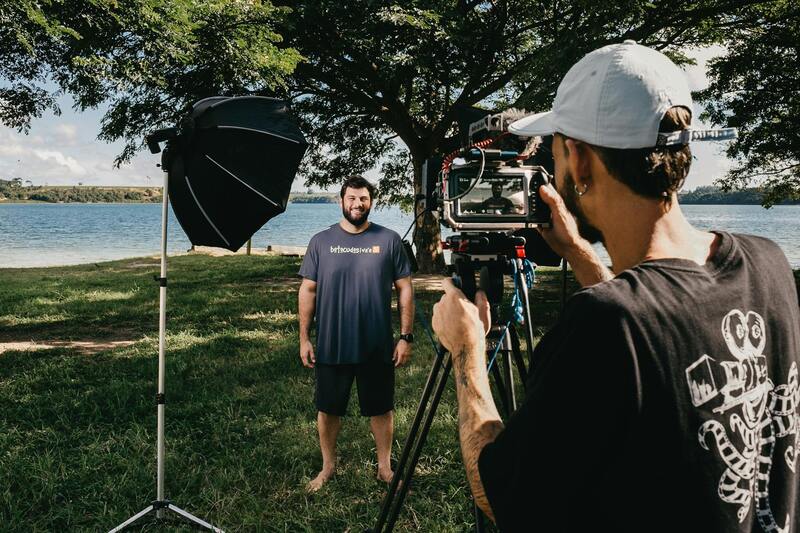
Stability is essential in timelapse shoots to prevent unwanted motion that can distract viewers. A sturdy tripod with a reliable locking mechanism is indispensable. For more complex shots, such as those involving panoramic or multi-angle sequences, motorized mounts or gimbals can provide smooth, consistent movement without introducing shake or jitter.
When capturing lengthy sequences, intervalometers or built-in camera timers allow precise control over when images are taken. These devices or features enable setting intervals ranging from fractions of a second to several minutes, depending on the scene’s dynamics and desired speed of the final video.
Lighting conditions also impact equipment choice. Cameras with good low-light performance or the addition of external lighting accessories can improve image quality during dawn, dusk, or night scenes. Additionally, filters such as ND (neutral density) filters help manage exposure in bright environments, ensuring consistent image quality without overexposure or flickering artifacts.
Power supply considerations are crucial for uninterrupted shooting. Extended shoots require batteries with higher capacity, external power adapters, or portable power banks to sustain continuous operation. Storage media, like high-capacity SD cards or SSDs, should also be sufficient to handle large volumes of images collected over long periods.
- High-resolution cameras with manual control capabilities
- Sturdy tripods and stabilizing accessories
- Intervalometers or built-in timer functions
- Motorized mounts and gimbals for added motion control
- External lighting and filters for specific lighting needs
- Extended power solutions for long-duration shoots
- Ample storage media to accommodate large image sequences
Having the appropriate gear not only contributes to the technical quality of the timelapse videos but also simplifies the shooting process, allowing creators to focus on composition and artistic direction.
Techniques for Capturing High-Quality Timelapse Footage
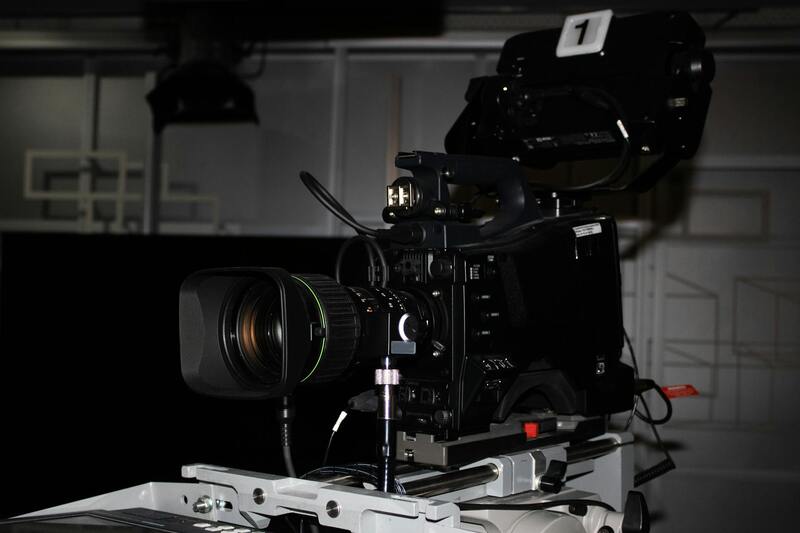
Precision in capturing timelapse videos begins with selecting the appropriate camera settings and capturing technique. Opt for cameras that offer manual control over exposure, focus, and frame rate, which are vital for maintaining consistency throughout the shoot. Manual focus prevents the camera from Auto-Focusing between frames, avoiding flickers and maintaining visual continuity. Adjust aperture, shutter speed, and ISO to match ambient lighting conditions, ensuring images are correctly exposed. When shooting under varying light conditions, consider using graduated ND filters to balance exposure across the scene, especially when capturing scenes with bright skies and darker foregrounds. Utilize intervalometers or cameras with built-in interval settings to automate the shooting process. Setting the time interval between shots is crucial and depends on the dynamic of the scene. For fast-moving scenes, shorter intervals (e.g., 1-3 seconds) might be required, whereas slower scenes might need longer intervals (e.g., 10-30 seconds). The total duration of the scene and how fast it appears in the final video influences this choice. Stable camera positioning is paramount; using pieces of professional-grade tripods and mounts ensures no camera shake occurs during recording. For extensive projects or camera movements, motorized sliders or gimbals provide smooth transitions and dynamic motion sequences. Consider the environmental conditions and lighting changes. For outdoor shoots, weather protection for the equipment and appropriate shelters are necessary, especially in storm-prone areas like Miami. Keeping batteries charged and storage devices at high capacity is essential for long-duration captures, requiring external power sources and ample memory cards. In addition to technical adjustments, planning the shoot involves understanding the scene's key moments. Timing the capture around sunrise, sunset, or city nightscapes can lead to more visually striking results. Proper planning and execution minimize the need for extensive post-production corrections and ensure a seamless viewing experience.
Choosing the Right Editing Software for Timelapse Videos
After capturing the necessary images or footage, selecting the appropriate editing software becomes a critical step in producing a high-quality timelapse video. Industry-standard programs such as Adobe Premiere Pro, Final Cut Pro, and DaVinci Resolve provide robust tools for assembling image sequences into seamless videos. These platforms allow editors to adjust frame rates, insert transitions, correct color inconsistencies, and enhance visual effects to improve overall aesthetic appeal.
When working with software applications, it's essential to import and organize your image sequences efficiently. Assign proper timestamps or naming conventions to maintain chronological order, especially in projects with extensive image sets. This organization minimizes editing errors and streamlines the workflow, ensuring that the final product accurately reflects the dynamic scene captured during the shoot.

Color Correction and Grading for a Cohesive Look
Color correction and grading are vital steps to unify the appearance of your timelapse footage. Over the course of a shoot, lighting conditions, weather, and environmental factors can lead to inconsistencies that detract from the visual narrative. Employing professional-grade editing tools, editors can balance exposure, white levels, and color temperature to create a compelling, cohesive visual story.
Advanced color grading techniques can also highlight specific moods or atmospheres, such as emphasizing the vibrant hues of a Miami sunset or the neon glow of city lights at night. These enhancements can significantly elevate the appeal of the final video, making it more captivating for viewers and more effective in conveying the intended message or scene.
Adding Sound and Visual Effects for Impact
Incorporating sound design, background music, or ambient noise can transform a raw timelapse into an immersive experience. Carefully selected audio complements the visual pacing, draws attention to key moments, and adds emotional depth. Additionally, visual effects like lens flares, light leaks, or motion stabilization can be applied to add a professional touch and enhance aesthetic quality.
When working within a city like Miami, sound design might include cityscape sounds, bustling crowds, or natural ambient noises, each contributing to the atmosphere. Proper synchronization of audio with visual transitions ensures a polished and engaging viewing experience that resonates with the audience.
Exporting and Sharing the Final Product
Once editing and enhancements are complete, selecting the optimal export settings is crucial. High-definition formats such as 4K are recommended to maintain clarity and detail, especially when showcasing panoramic cityscapes or intricate scenes. The choice of codecs, compression ratios, and frame rates should align with the intended distribution platform—whether for online sharing, presentation displays, or broadcast.
Properly optimized files ensure quick loading times, high visual fidelity, and compatibility across various devices. Additionally, including relevant metadata, titles, and descriptive tags improves discoverability and audience engagement when sharing through digital channels.
Legal and Safety Considerations
Producing high-quality timelapse videos in Miami requires a careful approach that respects existing regulations and prioritizes safety throughout the process. While capturing the vibrant energy of the city or its serene landscapes, filmmakers must be aware of restrictions related to private property, public spaces, and filming permits. Securing the appropriate permissions ensures smooth operations and prevents interruptions caused by unexpected issues.
Agreement with property owners or city authorities is essential when setting up cameras or equipment in restricted or specialized areas. This proactive step minimizes potential conflicts and aligns the production with local guidelines. When filming in busy urban environments, crew members should also adhere to safety protocols to prevent accidents or disruptions. Maintaining awareness of surroundings, particularly when handling tripods, cameras, and electrical gear, is critical for protecting personnel and equipment.
In Miami, certain locations such as beaches, parks, or historical landmarks might have specific rules governing filming activities. These rules often specify time restrictions, equipment limitations, or require permits for commercial projects. Ensuring all documentation is in place before filming mitigates the risk of project delays and legal complications. Additionally, respecting the privacy rights of individuals—especially in crowded or residential areas—helps maintain ethical standards and fosters good relationships within the community.
Furthermore, addressing safety considerations extends to securing equipment and managing environmental factors. Using weather-resistant gear and safeguarding tripods from wind or vibrations help preserve shot stability and prevent damage. Crew members should also be trained in emergency procedures and handling of electrical devices to avoid hazards during prolonged shooting sessions.
Many professional productions in Miami consult with local authorities or specialized agencies to navigate these legal and safety considerations efficiently. These collaborations not only streamline the permitting process but also demonstrate a commitment to responsible filmmaking. When all protocols are followed diligently, the resulting timelapse video captures the dynamic essence of Miami while maintaining the highest standards of safety and legality.
Understanding Timelapse Videos
Timelapse videos are a compelling visual technique that condenses hours, days, or even months of footage into a few captivating minutes. By capturing a sequence of images at set intervals and playing them back at high speed, this method reveals transformations and movements often imperceptible to the naked eye. Whether illustrating urban development, natural phenomena, or social events, timelapse videos serve as powerful storytelling tools that highlight change over time with clarity and aesthetic appeal.
Creating effective timelapse content requires meticulous planning around timing, camera settings, and environmental considerations. The goal is to maintain consistency in intervals and exposure settings to produce smooth, seamless sequences. Proper execution enhances the visual narrative, offering viewers a unique perspective on the progression of scenes such as a sunset over Miami’s skyline or the bustling activity at a Miami Beach festival.
Applications of Timelapse Videos in Miami
Miami’s vibrant cityscape and diverse environment make it an ideal location for timelapse projects. Real estate developers frequently utilize timelapse videos to showcase the evolution of construction projects, providing potential clients with an immersive view of progress. City planners and environmental agencies deploy these videos to document urban expansion, traffic flow, and ecological changes, contributing valuable insights into developmental impacts.
Event organizers also leverage timelapse footage to highlight the scale and energy of festivals, parades, and outdoor concerts, enhancing promotional efforts and fostering community pride. Moreover, tourism entities create stunning visual narratives that capture the city’s iconic beaches, nightlife, and cultural hotspots, effectively attracting visitors and investors alike.
Key Equipment for Producing Timelapse Videos
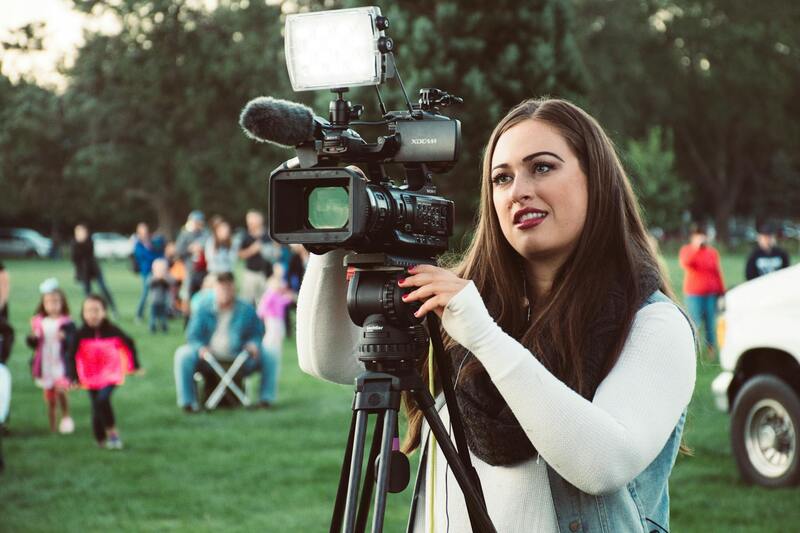
Achieving high-quality timelapse footage hinges on the selection of appropriate equipment. Stable camera mounts, such as tripod rigs or motorized dolly systems, ensure consistent framing throughout the shooting period. Modern digital cameras equipped with intervalometers or timelapse modes automate image capture, allowing for reliable and programmable intervals.
- High-resolution DSLR or mirrorless cameras for exceptional image clarity
- Motorized sliders or motorized tripod heads to facilitate smooth camera movements
- Long-lasting batteries or external power supplies, especially for extended shoots
- Weather-resistant enclosures to protect equipment against Miami’s diverse climate conditions
- Neutral density filters to manage exposure in bright daylight
Properly maintaining and calibrating this gear is vital to avoid inconsistencies that could detract from the final video quality.
Steps to Create a Timelapse Video
- Define the Concept and Composition: Clarify the subject and scene dynamics you want to showcase, considering the narrative or aesthetic goals.
- Plan the Shooting Schedule: Determine the duration, interval, and frame rate. For scenes with rapid changes, shorter intervals work best; for slower processes, longer intervals may suffice.
- Set Up Equipment: Secure your camera on a stable mount, configure the settings for interval shooting, and check lighting conditions.
- Conduct Test Shots: Run preliminary captures to adjust camera settings, intervals, and framing as needed.
- Execute the Shoot: Begin capturing images over the designated period, taking environmental factors into account such as weather and lighting variations.
- Transfer and Organize Files: Store images systematically for ease of editing and processing.
- Compile and Edit: Use professional editing software to compile images into a sequence, adjusting playback speed, color correction, and stabilization for optimal results.
Editing and Enhancing Timelapse Footage
Post-production plays a vital role in elevating timelapse videos. Image stabilization algorithms help remove jitter caused by wind or camera shake. Color grading enhances visual appeal and consistency, especially when scenes change lighting naturally over time. Adjusting exposure and contrast ensures your footage accurately portrays the scene’s progression.
Adding music, transitions, or overlays can further enrich the storytelling experience. When working with Miami-specific scenes, incorporates local landmarks, natural light conditions, and cityscapes to maximize the relevance and visual impact. Exporting the final product in high-definition formats guarantees clarity and quality for various playback scenarios, from online platforms to large display screens.
Legal and Safety Considerations for Timelapse Videography in Miami
Creating timelapse videos within the vibrant city of Miami involves adhering to specific guidelines that promote respect for public spaces, personal privacy, and safety. Securing appropriate permissions is essential when capturing footage in restricted areas, private properties, or locations requiring special access. Observing regulations around drone usage, if applicable, ensures responsible flying and compliance with aviation standards. This often includes obtaining clearances from local authorities or property owners to avoid disruptions.
Respect user privacy by avoiding filming individuals in private moments, especially in sensitive contexts. When capturing scenes in highly populated urban settings, maintain awareness of people’s comfort zones to prevent intrusion. Employing signage or notifications when filming in targeted areas can also mitigate misunderstandings and foster community goodwill.
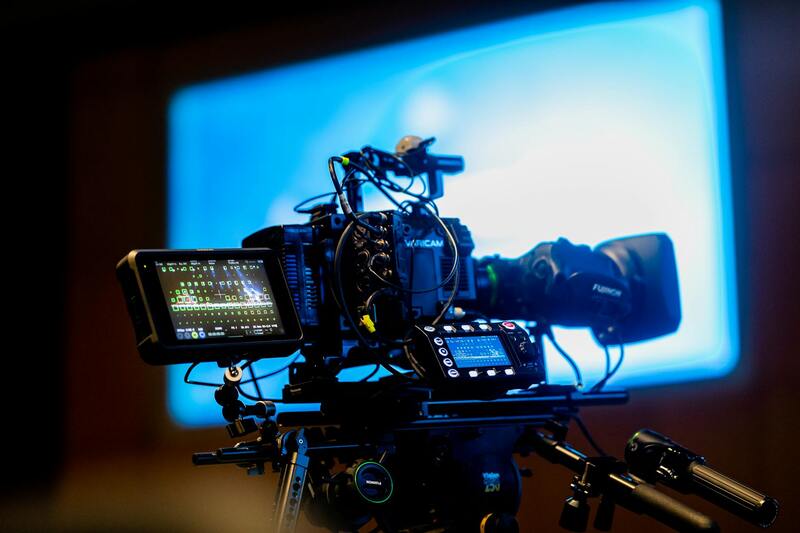
Safety measures are paramount, especially when setting up equipment on rooftops, scaffolding, or uneven terrains in busy districts. Use sturdy supports, secure gear properly, and avoid obstructing pedestrian pathways or vehicle lanes. If working near water bodies like Miami Beach, exercise caution around tides and weather conditions to prevent accidents or equipment damage.
Being cognizant of local city ordinances helps ensure smooth operations. For example, Miami might have specific restrictions related to nighttime filming or drone flights during certain hours. Familiarizing oneself with these rules beforehand minimizes disruptions and supports seamless production workflows.
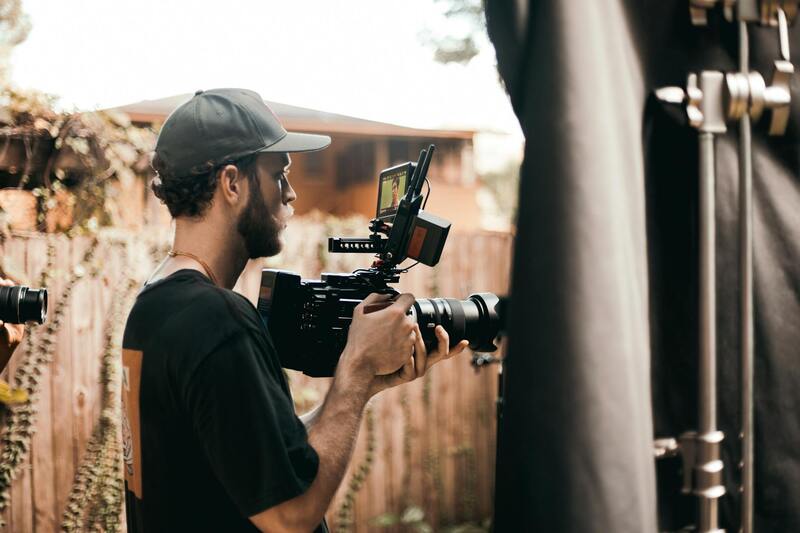
Communication with local authorities or event coordinators can facilitate access to desired locations while adhering to official guidelines. Additionally, maintaining a clean work environment by removing all gear after shooting preserves the integrity of public spaces and prevents environmental impact. By respecting legal and safety parameters, creators can produce captivating timelapse videos that showcase Miami’s dynamic scenery effectively and responsibly.
Legal and Safety Considerations in Timelapse Video Production
Executing a successful timelapse video in Miami requires careful attention to safety protocols and adherence to established guidelines that ensure both legal compliance and the safety of everyone involved in the filming process. Proper planning and awareness of local regulations help prevent potential disruptions and foster harmony between production teams and the community.
When setting up equipment in congested urban areas, such as Miami’s bustling streets, it is crucial to implement safety measures that safeguard pedestrians, motorists, and the equipment itself. Use high-quality supports and secure gear meticulously to prevent accidents caused by equipment displacement or unexpected disturbances. Positioning cameras and tripods in unobtrusive locations minimizes interference with public activities and maintains the flow of daily life.
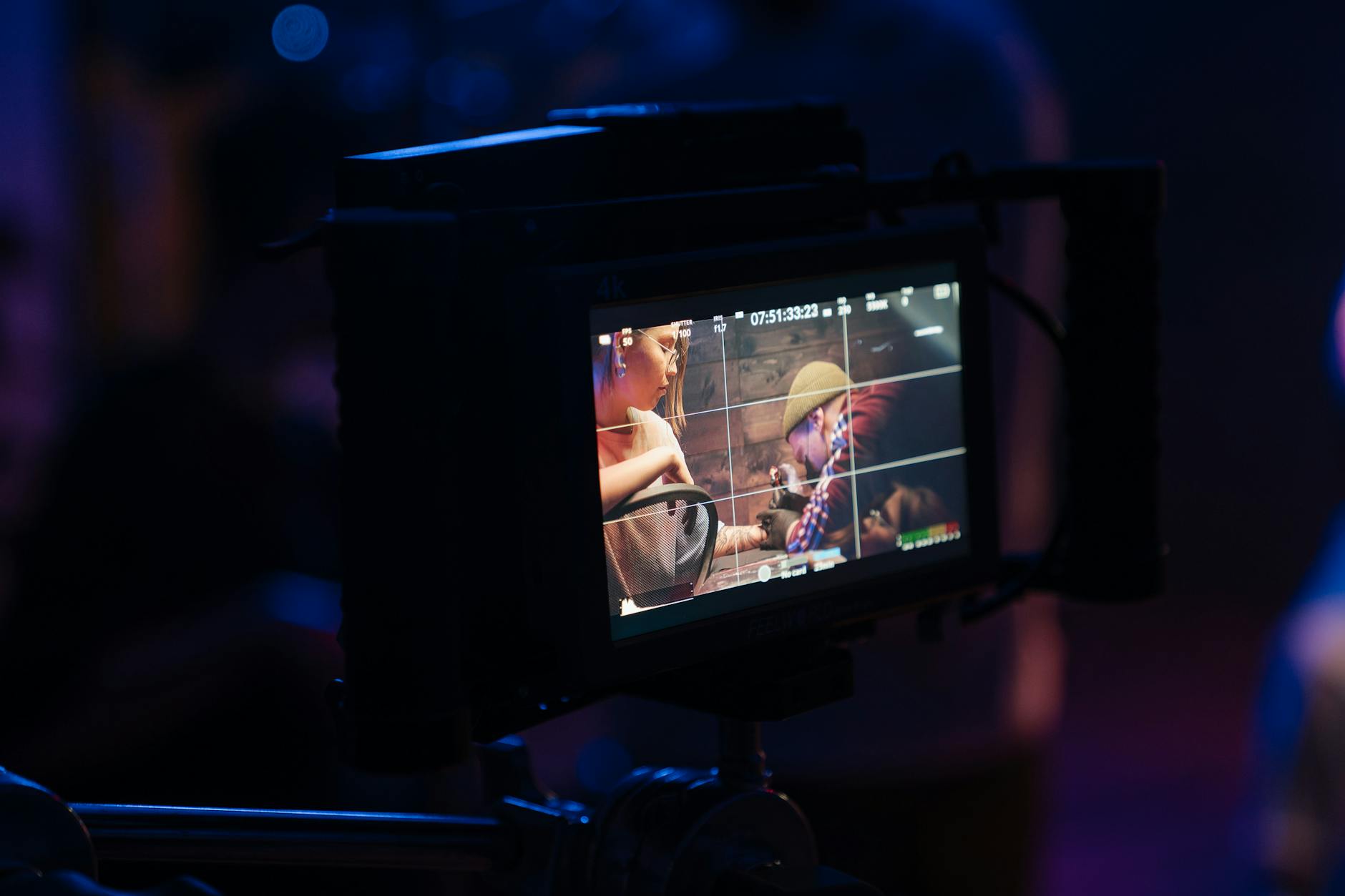
Special caution should be exercised when filming near water bodies like Miami Beach. These areas often come with unique challenges such as tides, weather fluctuations, and moisture exposure. Equipment should be waterproofed or shielded appropriately, and personnel must remain vigilant about changing weather conditions that could impact both safety and footage quality.
Adherence to local ordinances and regulations is essential for smooth operations. Miami may impose specific restrictions regarding nighttime filming, drone flights, or the use of certain equipment in designated zones. Acquiring necessary permits and coordinating with local authorities or event organizers well before scheduled shoots helps ensure compliance. This proactive approach not only expedites the process but also cultivates positive relationships with community stakeholders.
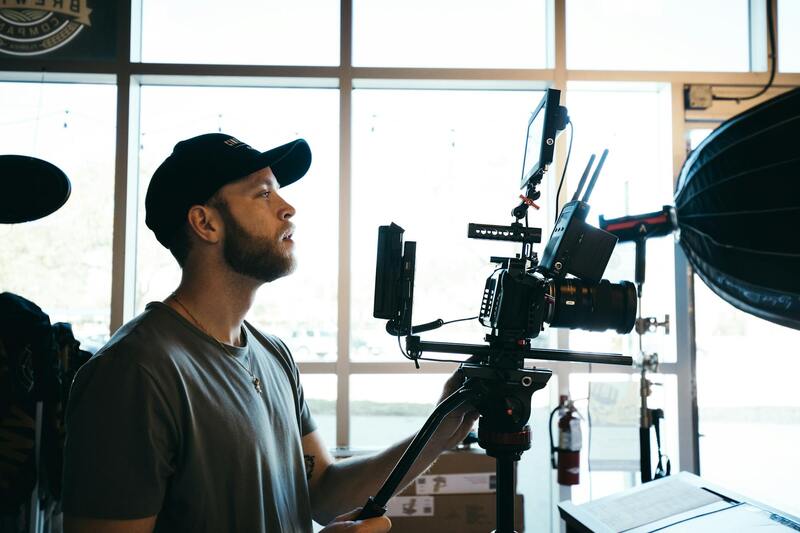
Clear signage and notifications are effective in notifying the public about ongoing filming activities, reducing misunderstandings and enhancing community goodwill. Additionally, maintaining a clutter-free work site by removing all gear post-shoot helps preserve public spaces and demonstrates respect for the environment.
In instances where high or hard-to-access locations are involved, especially rooftops or scaffolding within busy districts, implementing fall protection measures and ensuring equipment stability are paramount. Proper safety gear, such as harnesses or safety nets, when appropriate, can mitigate risks associated with height-related incidents or unstable structures.
Ultimately, prioritizing safety and legal adherence during the planning and execution phases of a Miami-based timelapse project enhances not only the quality of the footage but also the overall reputation of the production team. Responsible practices create opportunities for continued creative work within Miami’s vibrant cityscape.