
Understanding Time Lapse Videography
Time lapse videography is a specialized filming technique that compresses long periods into a short, visually engaging sequence. This method involves capturing individual frames at set intervals over an extended duration, which are then played back at a standard frame rate. As a result, scenes that unfold slowly, such as a sunset, busy city streets, or construction projects, appear accelerated, revealing changes that are typically imperceptible to the naked eye.
The primary purpose of time lapse videography is to showcase the passage of time in a way that highlights transformation, progress, or the dynamic nature of a scene. It serves both artistic and documentary goals, often used to create compelling visual stories, provide informational insights, or enhance promotional content. Unlike standard video recording, which captures continuous motion at real-time speed, time lapse condenses temporal information, making it highly effective for illustrating processes and moments that occur over hours, days, or even years.
Time lapse filming fundamentally differs from hyperlapse or stop-motion techniques. Hyperlapse is essentially a moving time lapse that involves camera movement between shots, creating a sense of travel through a scene. Stop-motion, on the other hand, involves photographing objects or scenes in incremental movements to produce an animated sequence when played back. While all these methods manipulate time and motion, traditional time lapse prioritizes capturing extended periods statically, offering a seamless, real-time flow of scenes that dramatically reveal temporal changes.
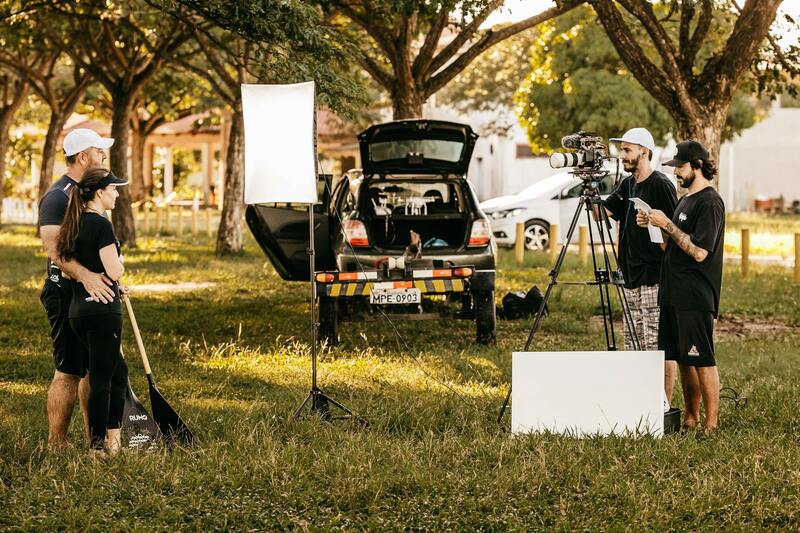
For videographers aiming to utilize this technique effectively, understanding the distinction and purpose of time lapse is essential. It allows for the creation of visually stunning narratives that are both informative and aesthetically compelling. Proper execution involves choosing the right equipment, meticulously planning the shot, and employing specialized techniques to ensure high-quality results. This foundation sets the stage for exploring the diverse applications of time lapse in Miami, where the city’s vibrant environment provides excellent opportunities for remarkable visual storytelling.
Essential Equipment for Time Lapse Videography
To achieve high-quality time lapse footage, selecting the appropriate equipment is paramount. The core component is a camera capable of manual controls, particularly adjustable exposure and focus settings, which allow for consistent framing and lighting throughout the shoot. Many professional videographers opt for DSLR or mirrorless cameras equipped with intervalometers or external intervalometers—devices that automate the capturing process at set intervals, ensuring smooth, uninterrupted recording over long periods.
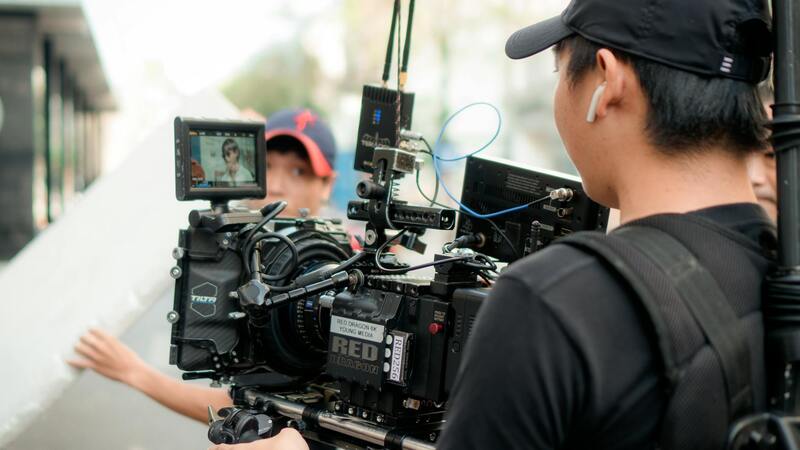
Lens selection also plays a critical role. Wide-angle lenses are popular for cityscape and landscape time lapses, providing expansive views that emphasize scale and motion. Longer focal lengths can be used for focusing on specific architectural details or distant objects, creating a compressed perspective of motion. Tripods are indispensable for stability, preventing unwanted shakes or jitters that could ruin the seamless flow of your footage. For dynamic shots involving movement, motorized sliders or gimbals can add impressive motion effects.
Furthermore, a reliable power source is necessary, especially during extended shoots. External batteries, AC power adapters, or portable power banks ensure the camera remains operational without interruption. Memory cards with ample storage are essential, given the large volume of images generated, and selecting cards with fast write speeds minimizes buffer issues.
Advanced setups might incorporate neutral density (ND) filters to control exposure in bright conditions, allowing for longer exposure times that can add motion blur effects, enriching the visual appeal. Additionally, remote monitoring and control options enable adjustments on the fly and facilitate shooting in hard-to-reach locations, expanding creative possibilities for complex projects.
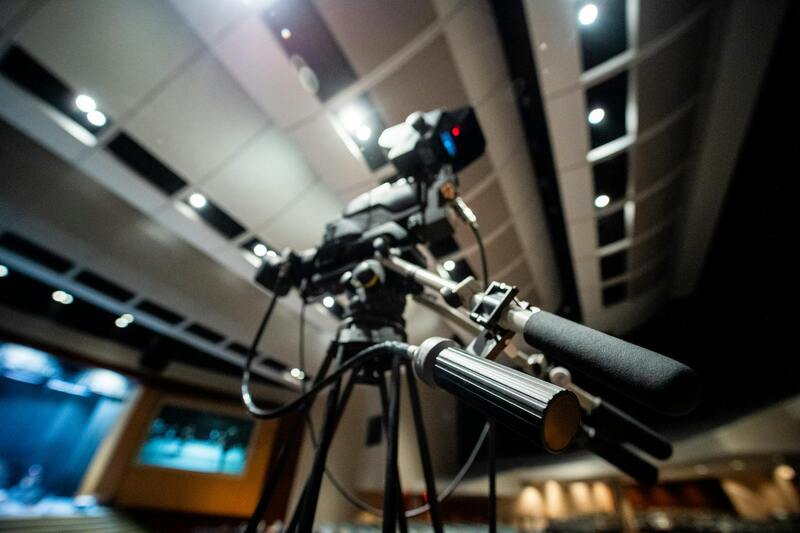
Choosing quality accessories and understanding their functions ensures the smooth execution of your time lapse sequences. Properly calibrated equipment not only enhances image quality but also reduces the need for extensive post-production correction, ensuring your footage is as pristine and impactful as possible.
Techniques for Capturing Effective Time Lapse Footage
Achieving compelling time lapse videography requires meticulous planning and execution. The foundation lies in understanding the camera settings and capturing conditions that best suit the scene's movement and light. Manual control over exposure, focus, and white balance ensures consistency across the sequence, preventing flickering or color shifts that can distract viewers.
One of the most critical techniques involves setting the appropriate interval between shots. This interval determines how smooth or accelerated the final video appears, depending on the speed of the subject's motion and the total duration of the shoot. For scenes involving fast movement, shorter intervals—ranging from half a second to several seconds—are ideal. Conversely, capturing slow transitions like sunrise or clouds drifting requires longer intervals, often several minutes.
Maintaining consistent camera stability is essential. Using sturdy tripods or specialized mounts minimizes vibrations that could compromise image alignment. For longer shoots, employing remote shutter releases or intervalometers automates the process, reducing the risk of camera shake associated with manual operation. Multiple exposures should be managed carefully, especially when dealing with dynamically changing lighting conditions, to balance exposure progression without compromising image quality.
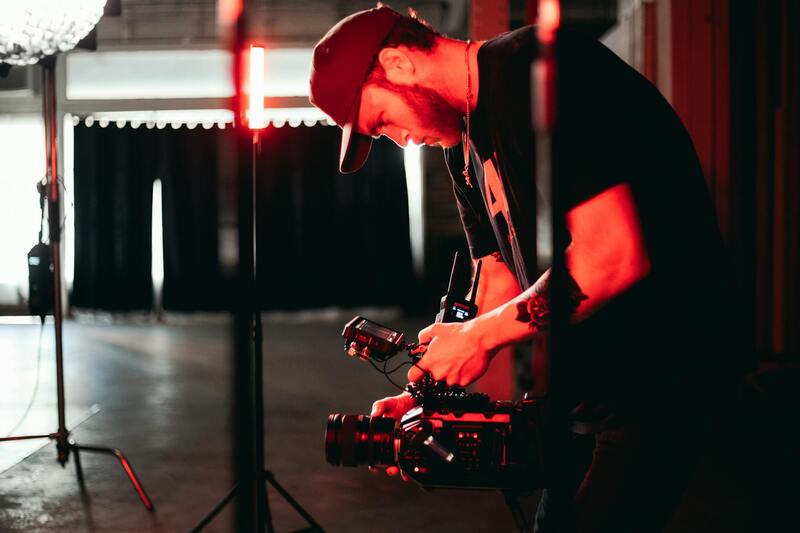
Adjusting for environmental factors is equally vital. Weather changes, lighting variations, and moving elements require adaptive strategies, such as the use of neutral density filters to control brightness or protective gear to shield equipment from elements like rain or dust. Moreover, planning your shot to include foreground and background elements enhances depth and visual interest in the final sequence.
Post-capture, software tools play a crucial role in assembling images into a seamless video. Aligning frames, correcting for exposure fluctuations, and stabilizing the footage clean up the sequence, ensuring it flows smoothly. Fine-tuning playback speed through editing allows precise control over how the motion is perceived, creating impactful visual storytelling.
Understanding Time Lapse Videography
Time lapse videography involves capturing a series of images at set intervals over an extended period and then compiling these images into a condensed video sequence that showcases the passage of time at an accelerated pace. Unlike traditional videography, where each frame captures a moment in real-time, time lapse emphasizes change, motion, and transformation in a succinct, compelling format. The technique is especially effective for illustrating dynamic processes such as urban development, natural phenomena, or events that evolve gradually but are visually striking when sped up.
Establishing a thorough understanding of the core principles of time lapse is essential for achieving professional results. The process hinges on precise control of camera settings, interval timing, and environmental factors. Proper planning ensures that motion is smooth and that the final footage effectively conveys the intended narrative or visual impact. Recognizing the importance of appropriate equipment, environmental considerations, and post-production techniques helps create high-quality time lapse videos that capture the essence of change over time.
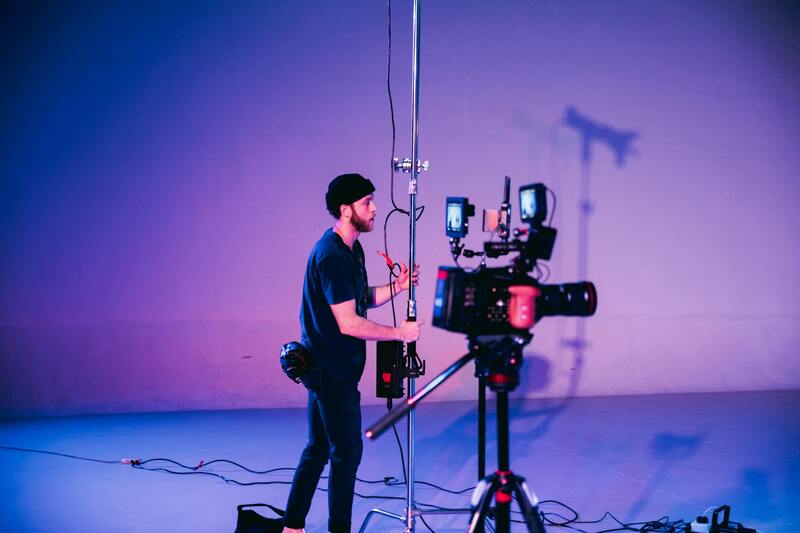
Effective time lapse videography requires balancing technical skills with artistic vision. The selection of intervals—ranging from fractions of a second to several minutes—dictates the fluidity and pace of the final sequence. Shorter intervals result in smoother motion, suitable for scenes with rapid activity such as bustling city streets or natural wildlife. Longer intervals are ideal for capturing slower processes, providing a more dramatic depiction of change, such as sunrise or the movement of clouds. Maintaining stability during shooting is critical; using sturdy tripods or camera mounts helps prevent unwanted jitteriness that can detract from the professional quality of the footage.
Environmental factors, including lighting and weather conditions, have a significant influence on the outcome of a time lapse video. Variations in lighting, especially during long shoots, can cause exposure inconsistencies, which are often corrected during post-processing. Incorporating neutral density filters can modulate brightness levels, particularly during daytime shoots, ensuring consistent exposure across all frames. Protective gear such as rain covers or dust shields safeguards equipment against unpredictable environmental elements, allowing a seamless capturing experience regardless of weather changes.
One of the critical aspects of time lapse videography is the post-production phase. Software tools enable editors to assemble images into a smooth, cohesive video. Tasks include aligning frames, correcting exposure discrepancies, stabilizing shaky footage, and adjusting playback speed to optimize viewer engagement. The final edit allows for nuanced control over motion perception, enhancing storytelling and visual impact. A well-executed time lapse offers viewers an immersive glimpse into processes that unfold over extended periods, condensed into a captivating visual narrative.
Complementing the technical setup, thoughtful environmental planning and variation in foreground and background elements can significantly enhance depth and visual interest. Incorporating elements like moving vehicles, drifting clouds, or changing light reflections can add layers of complexity and aesthetic appeal. By carefully integrating these factors into your project, you produce compelling time lapse videos that not only demonstrate technical proficiency but also evoke emotional responses from viewers.
Refining Your Time Lapse Footage: Optimizing Visual Quality and Storytelling
Achieving compelling time lapse videos requires meticulous attention to detail during post-processing. Using professional editing software, videographers can enhance the visual narrative by refining various elements. Adjustment of exposure levels is critical to ensure consistency, especially when scenes involve changing light conditions such as sunrise or sunset. Color grading can elevate the mood of the footage, bringing out vivid hues or creating a specific atmospheric tone needed for the story.
Stabilization features within editing tools are essential to mitigate minor camera movement that can occur during the shoot. Even with a steady tripod, slight shifts can detract from viewer immersion. Correcting these jitters ensures a smooth viewing experience, allowing the audience to focus on the dynamic elements within the scene. Additionally, noise reduction techniques improve image clarity, particularly in low-light shots where digital noise tends to accumulate.
In terms of sequence assembly, aligning frames precisely is crucial to prevent flickering or jittering effects. Some software offers automatic alignment features, but manual adjustments may be necessary for complex compositions. Speed ramping and transition effects can be incorporated subtly to accentuate certain moments, adding cinematic flair and emphasizing specific changes over time. Editing audio tracks or ambient sounds alongside the visual components can further deepen viewers' engagement.
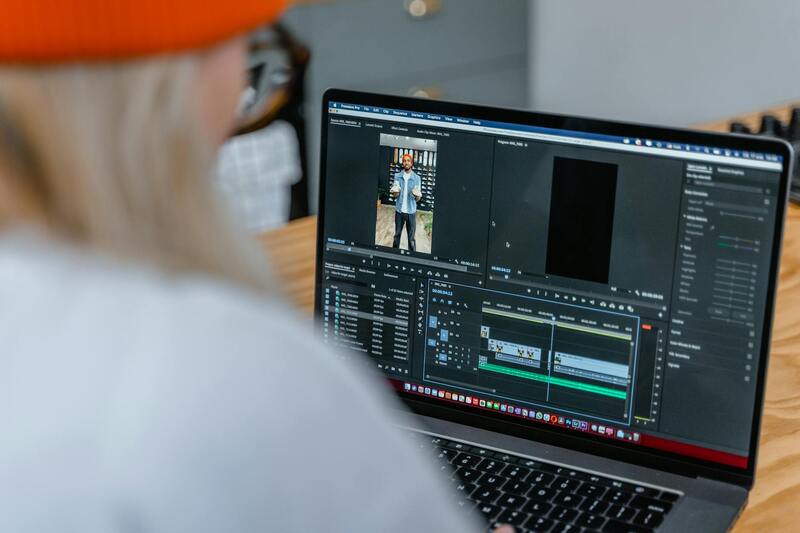
Beyond technical enhancements, careful storytelling is vital. Selectively emphasizing focal points, such as the movement of a skyline or the flow of traffic, guides the viewer’s eye and conveys a narrative thread. Consistent pacing throughout the sequence maintains viewer interest, with strategic pauses or slow-motion effects accentuating key moments.
The final rendering process involves exporting the video in high resolution, ensuring quality is preserved across various viewing platforms. Optimizing file formats and compression settings is necessary for seamless playback on devices such as smartphones, laptops, and large-screen displays alike. A polished time lapse video, characterized by precise technical execution and compelling storytelling, can serve as a powerful tool for marketing, documentation, or artistic expression.
Optimal Camera Settings for Time Lapse Videography
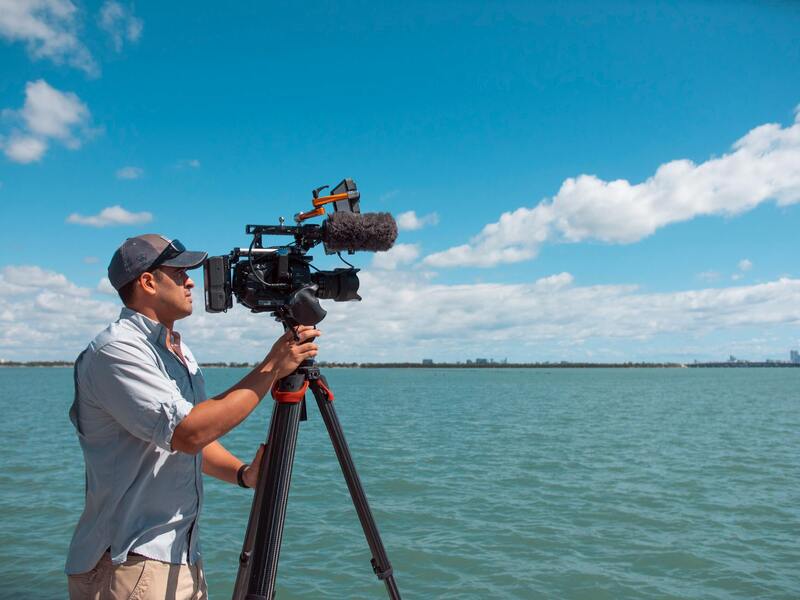
Achieving high-quality time lapse footage begins with selecting appropriate camera settings tailored to the scene and lighting conditions. Manual control over exposure, focus, and white balance is essential to maintain consistency throughout the shooting process, minimizing flickering and color shifts. When capturing scenes with varying light conditions, such as sunrise or sunset, using a lower ISO setting reduces noise and enhances image clarity. Setting a fixed aperture ensures depth of field remains constant, preserving visual continuity across frames.
Shutter speed plays a critical role in rendering smooth motion. A common guideline is to set the shutter speed at twice the frame rate to achieve natural motion blur, which your editing software can then assemble into fluid sequences. For scenes with fast-moving elements, adjusting shutter speed accordingly helps avoid choppy or jittery footage. Additionally, selecting a narrow aperture (higher f-stop number) can deepen focus across the scene, especially useful for expansive cityscapes or landscapes.
Setting Up Your Camera for Seamless Capture
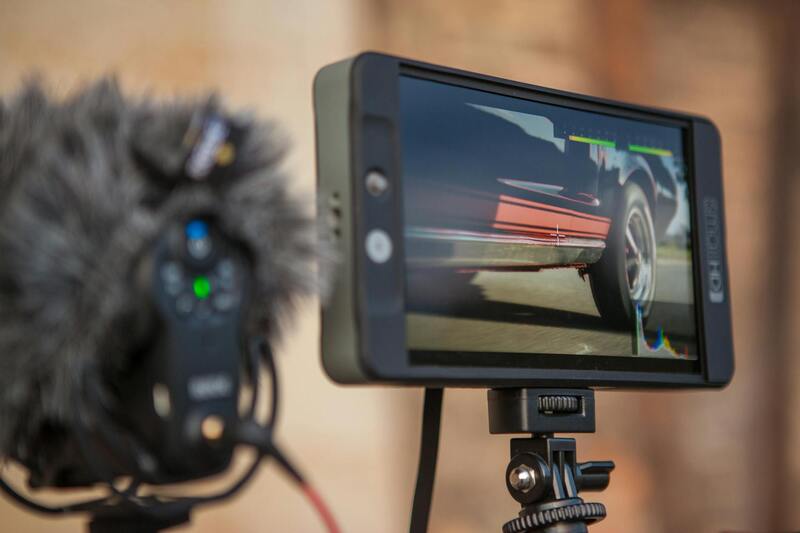
Proper camera setup is pivotal for uninterrupted time lapse photography. Mounting the camera on a stable tripod is crucial to prevent movement between shots, ensuring seamless sequence assembly. Using a remote shutter release or intervalometer minimizes vibrations caused by pressing the shutter manually, maintaining sharpness across frames. Configure the intervalometer with an interval suitable for the scene—longer intervals for slow changes like cloud movements; shorter ones for rapid events such as passing vehicles or crowds.
It’s important to pre-focus the camera on the area of interest and avoid autofocusing during the shoot to prevent focus shifts. Manual focus ensures consistency across hundreds or thousands of shots. Settings like image resolution and aspect ratio should be chosen based on the project's final display platform—higher resolutions suit large displays or cinematic projects, whereas standard resolutions suffice for digital platforms or social media. Additionally, disables any in-camera stabilization features that might introduce unwanted movement, relying instead on a sturdy tripod for stability.
Battery and Storage Management
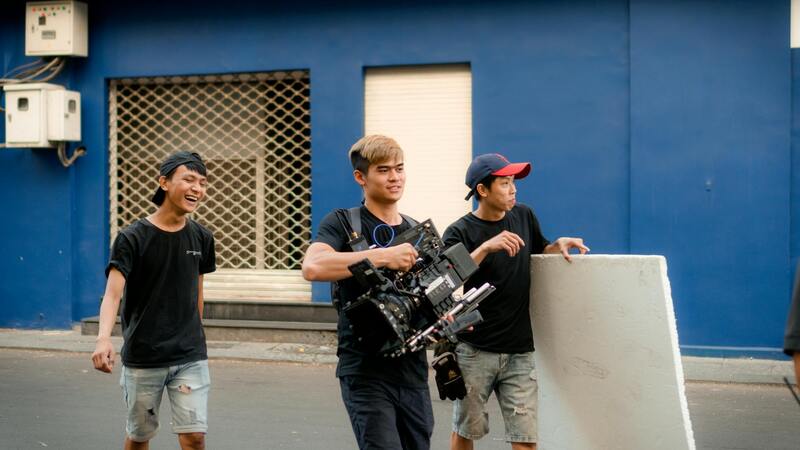
Long-duration time lapse projects demand meticulous planning for power and data storage. Selecting cameras with extended battery life or using external power sources, such as AC adapters or portable battery packs, allows for hours of continuous shooting. It’s advisable to carry multiple charged batteries or power banks, especially for outdoor or remote locations where power outlets are unavailable. As for storage, high-capacity and fast-writing memory cards are essential to handle the large volume of images or footage produced.
Regularly monitoring battery levels and storage capacity during shoots helps prevent data loss or interruptions. In complex projects, using backup dual card slots or external drives for real-time data transfer can provide additional security. After completing the capture phase, transferring all files to a secure and organized storage system sets the foundation for efficient post-production work.
Technical Aspects of Time Lapse Videography
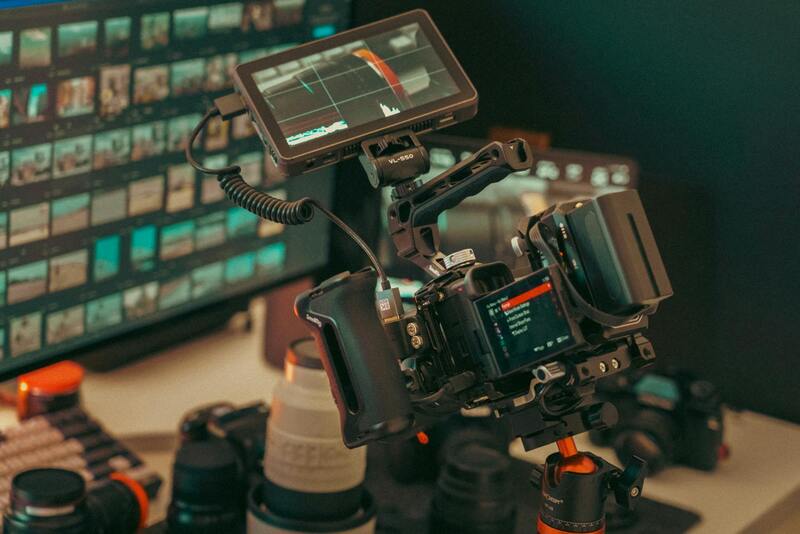
Executing a successful time lapse video involves precise technical considerations that influence the final quality of the footage. The primary parameters to control include interval timing, exposure settings, focus, and stabilization methods. Selecting the appropriate interval depends largely on the scene's dynamics; fast-moving subjects or rapidly changing environments necessitate shorter intervals (e.g., one second), whereas slower processes like sunset or cloud movement benefit from longer intervals (e.g., several seconds to minutes).
Exposure settings are equally critical. Manual exposure mode often provides the best control, enabling the filmmaker to maintain consistent brightness throughout the sequence. Adjusting ISO, aperture, and shutter speed allows for optimal image clarity and brightness, especially when lighting conditions change. For example, shooting during golden hour requires fine-tuning to prevent overexposure or underexposure as the light shifts.
Focus consistency is essential; manual focus prevents lens adjustments that may occur due to autofocus recalibration between shots. Ensuring the focus remains fixed on the subject or scene guarantees a smooth visual flow in the resulting video. Stabilization equipment, such as tripods or gimbals, reduces unintended camera movement, which is vital for achieving professional-looking results and eliminating distracting jitter.
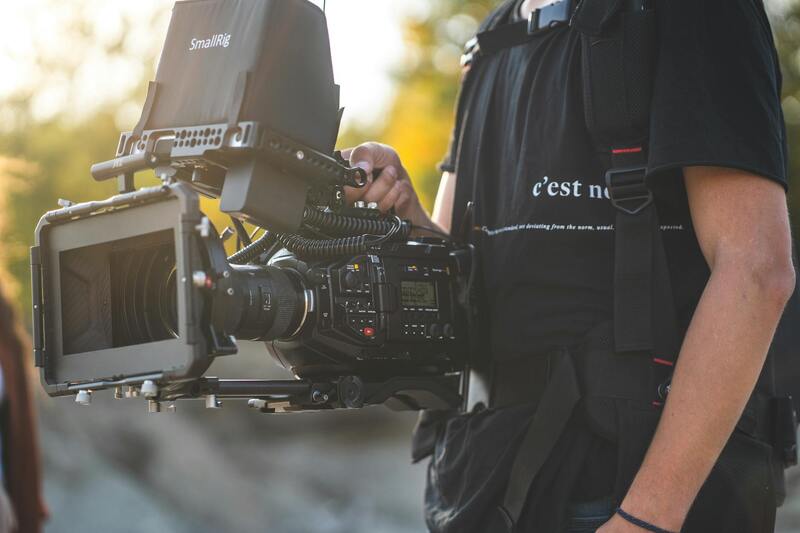
Careful planning of these technical factors, combined with meticulous setup, yields time lapse videos that are not only captivating but also maintain a high standard of visual quality. Mastery of these details is essential for professionals looking to produce compelling narratives or showcase intricate scenes like cityscapes, natural phenomena, or construction projects.
In addition to camera settings, understanding the role of post-processing can enhance the visual appeal. Color grading, contrast adjustments, and stabilization tweeks in editing software help refine the footage, creating a seamless and engaging final product. Emphasizing consistency throughout the shooting process reduces the need for extensive corrections later, streamlining the workflow and ensuring the project stays on schedule.
Ensuring Proper Permissions and Respecting Privacy in Miami
When undertaking time lapse videography projects within Miami, securing the appropriate permissions is essential for avoiding interruptions and ensuring respect for private property and individual privacy. While the city encourages creative expression and documentation, it is important to understand the process of obtaining necessary authorizations for specific locations and contexts.
In public spaces, such as parks, beaches, or city streets, a permit from city authorities or relevant departments may be required, especially if the project involves the use of specialized equipment, extensive setup, or filming at peak hours. This helps coordinate with local agencies and minimizes disruption to other visitors or residents. For privately owned properties, explicit consent from property owners ensures that filming activities do not encroach upon personal boundaries or disturb tenants or staff.
Moreover, respecting the privacy rights of individuals in footage is fundamental. Avoid capturing identifiable images of private moments without consent, particularly in residential areas or locations where individuals have a reasonable expectation of privacy. For commercial projects intended for public sharing or promotional purposes, obtaining releases from identifiable individuals featured in the footage is advisable to uphold ethical standards and smooth post-production workflows.
To streamline the permission process in Miami, collaboration with local authorities, community boards, or property managers is advisable. Submitting detailed project proposals, including shoot locations, dates, equipment to be used, and intended purpose, demonstrates professionalism and facilitates approval. Additionally, familiarizing oneself with Miami's specific regulations regarding drone usage, if aerial time lapse footage is involved, can prevent legal issues and safety concerns.
Maintaining transparency and clear communication with stakeholders enhances the reputation of your production team and fosters positive relationships within the community. It also helps prevent jurisdictional conflicts or unforeseen obstructions during the shoot. Ultimately, proactive planning and respecting local regulations contribute to the success and integrity of any time lapse videography project in Miami.