
Understanding Time Lapse Recording
Time lapse recording is a specialized filming technique that captures a series of images at set intervals over an extended period. When these images are played back at normal speed, they create a compelling visual narrative that accelerates time, revealing changes and movements that are often imperceptible in real-time. This method transforms hours, days, or even months of activity into a few seconds or minutes of video, providing viewers with an insightful perspective on processes such as construction, natural phenomena, or urban development.
Unlike standard video recordings that capture scenes continuously, time lapse involves a deliberate sequence of still images taken systematically over time. This distinguishes it from regular video, which records real-time motion, and allows the viewer to observe slow changes such as a sunset, traffic flow, or plant growth in a condensed format. The core principle revolves around controlling the interval between shots, which can vary based on the intended outcome—ranging from seconds to hours.
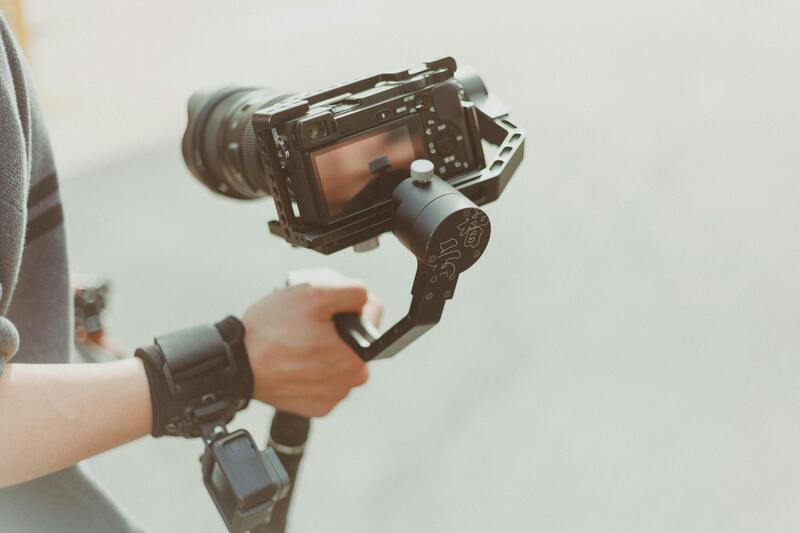
Applications of Time Lapse Recording
- Construction and Infrastructure: Documenting project progress over weeks or months for presentations or promotional videos.
- Natural Events: Capturing natural phenomena such as weather changes, plant growth, or wildlife movements.
- Urban Development: Showcasing changes in cityscapes or new development projects within metropolitan areas.
- Event Coverage: Enhancing event documentation by visualizing preparations, crowd flow, or backgrounds in a condensed form.
Time lapse recording offers a unique combination of technical precision and creative storytelling, making it a powerful tool in various sectors of the production industry. It requires careful planning and execution to effectively translate long-duration activities into engaging visual summaries that resonate with audiences.
Equipment Needed for Time Lapse Recording
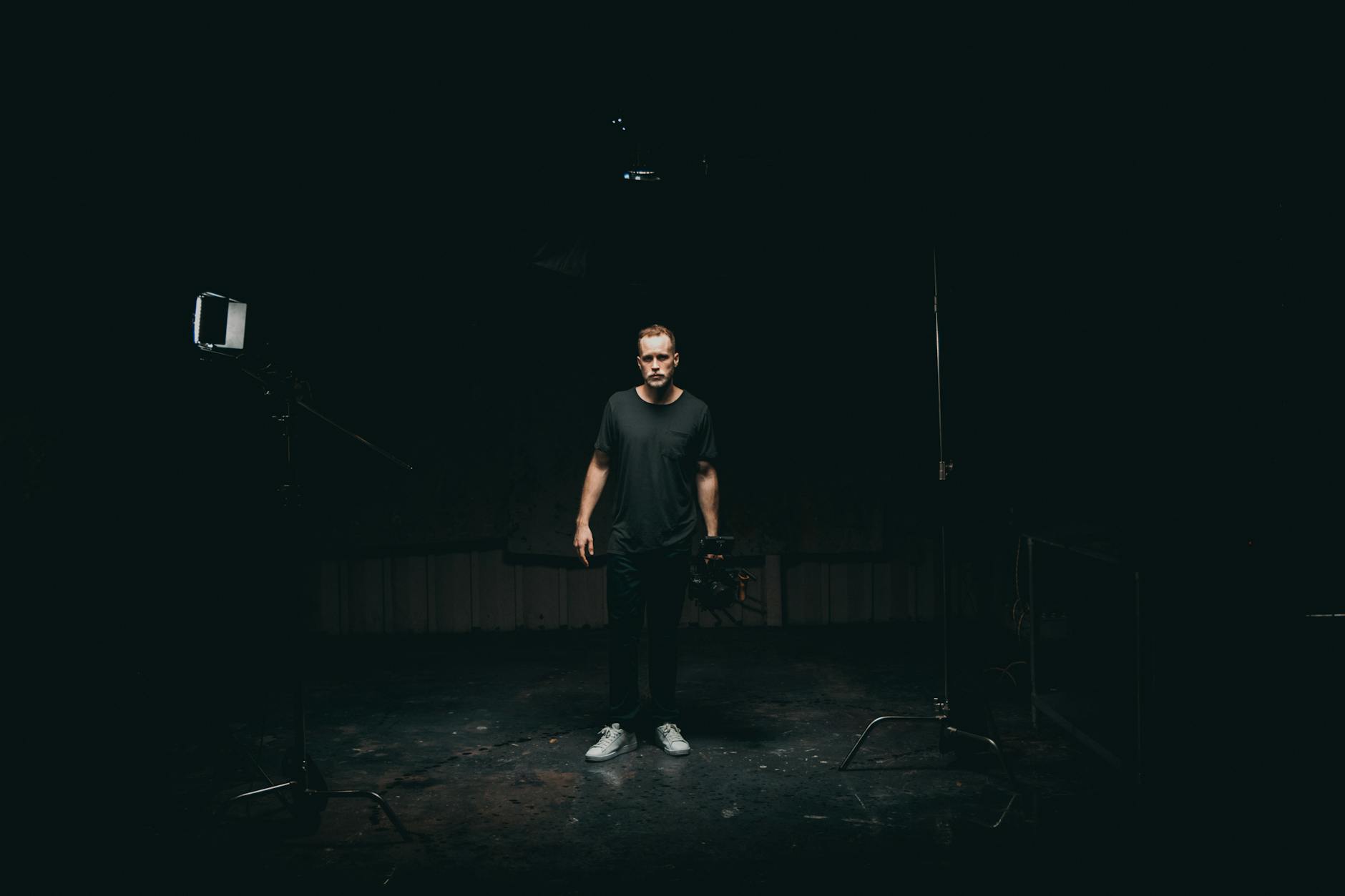
Creating compelling time lapse footage hinges on selecting the right tools and understanding their roles in capturing high-quality images over extended periods. Essential equipment includes a durable camera capable of manual controls and high-resolution image capture, ensuring clarity and detail for the final sequence. Dedicated intervalometers or camera interval settings are crucial for precise timing between shots, allowing for customization based on the scene's dynamics and desired speed of progression.
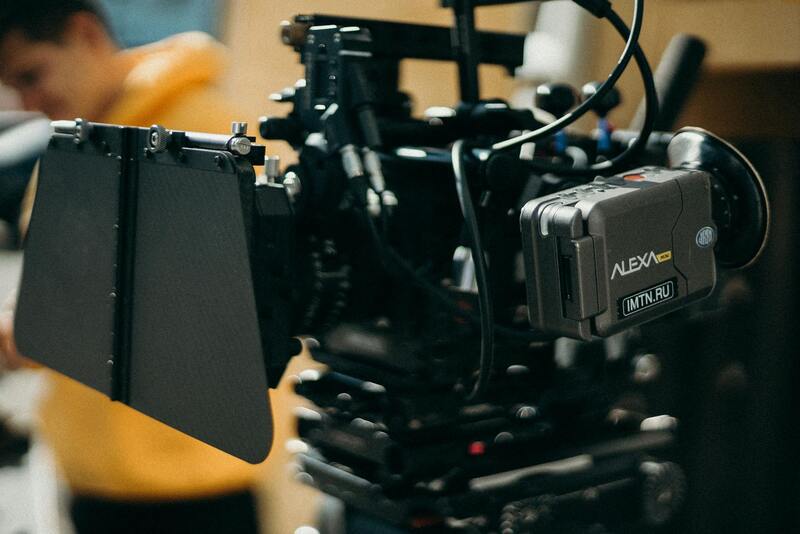
Stability is fundamental; hence, a robust tripod or mounting system is recommended to avoid camera shake over long shooting durations. External storage devices or large-capacity memory cards are necessary to accommodate the volume of images captured during lengthy shoots, preventing interruptions due to limited space. Additionally, weather-resistant gear can safeguard equipment against the elements, particularly when shooting outdoors in variable conditions.
Key Components:
- High-Resolution Cameras: Cameras with manual controls, high ISO performance, and the ability to shoot in RAW format ensure flexibility during editing.
- Intervalometers: Devices or camera-integrated features that automate the shooting intervals, key for maintaining consistent timing between frames.
- Tripods and Mounts: Stable platforms that prevent movement and vibration, critical for seamless sequences.
- Memory and Storage: High-capacity SD cards or external drives to store large volumes of images without disruption.
- Power Supplies: Additional batteries or portable power solutions extend shooting duration, especially in remote locations.
- Weather Protection: Rain covers and weatherproof casings to shield equipment from moisture or dust.
Additional Accessories:
- Lens Selection: Wide-angle lenses often provide expansive views of landscapes or cityscapes, ideal for dramatic time lapse sequences.
- Remote Control Apps: Smartphone remote controls can facilitate camera adjustments and start/stop commands without disturbing stability.
- Lighting Equipment: In low-light conditions, supplemental lighting sources can ensure consistent image exposure throughout the session.
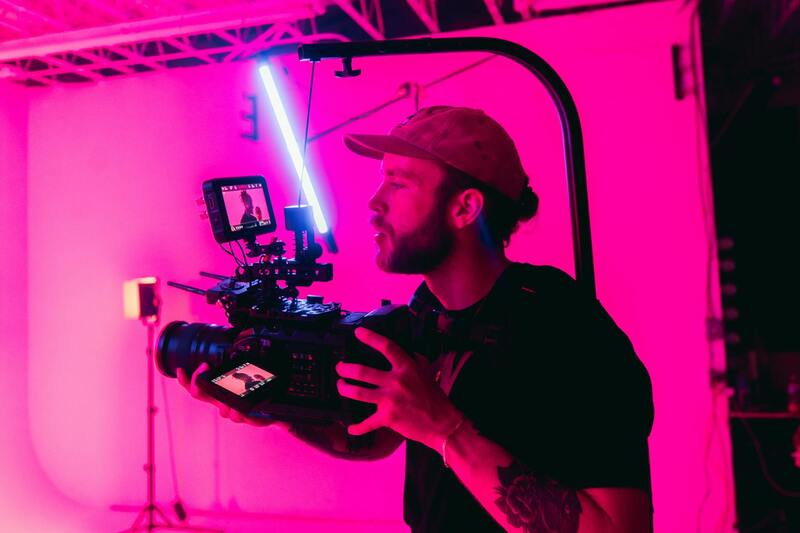
Investing in quality equipment and accessories results in smoother captures, fewer technical issues, and a more professional final product. Carefully selecting components based on project requirements and environmental conditions will maximize the effectiveness of time lapse recordings and facilitate seamless post-production integration, ensuring the footage achieves its intended visual impact.
Understanding Time Lapse Recording
Time lapse recording transforms the passage of time into a compelling visual narrative, capturing changes in scenery, lighting, and movement that unfold slowly over hours or even days. This technique involves taking a sequence of still images at set intervals, which are later played back at a standard frame rate to produce a sped-up effect. It is particularly effective in showcasing dynamic processes such as city traffic, construction projects, sunsets, or natural phenomena, providing viewers with insights that are otherwise unperceivable in real-time.
Successful time lapse recordings require meticulous planning and execution, focusing on consistency and stability. The core idea revolves around capturing images at regular intervals—whether every second, minute, or hour—depending on the project scope. Precise intervals are critical; too short, and the footage might appear choppy or overly rapid, while too long could miss crucial transitional moments, reducing the narrative impact. A well-executed time lapse offers seamless motion sequences that highlight progression and transformation, demanding attention to detail from the initial setup through to the final edit.
Components of a High-Quality Time Lapse Setup
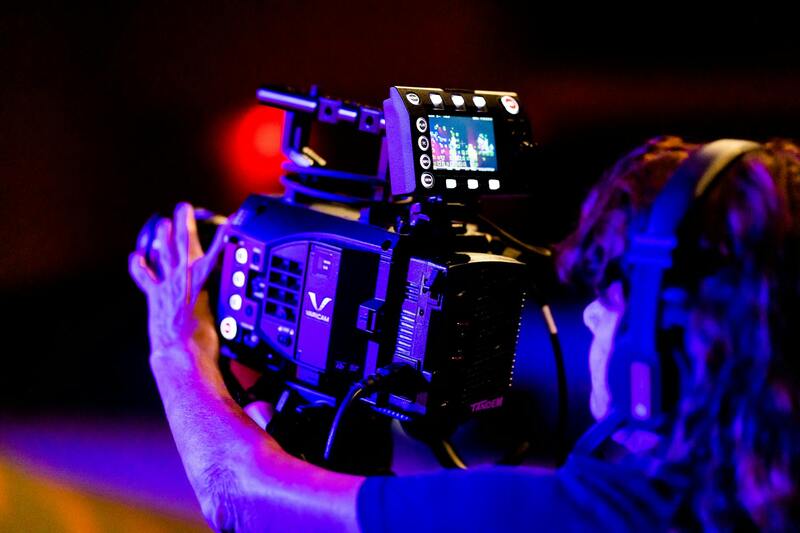
The foundation of any effective time lapse project lies in selecting appropriate equipment, which ensures consistent image quality and reliable performance under varying environmental conditions.
Camera Selection and Settings
- Camera Type: DSLRs, mirrorless cameras, or specialized time lapse units are preferred for their manual control capabilities and image quality. Modern mirrorless cameras often feature built-in intervalometers, simplifying setup.
- Exposure Settings: Manual mode is essential to prevent fluctuations in brightness or focus. Locking in aperture, ISO, and shutter speed maintains uniformity across shots.
- Focus: Manual focus prevents autofocus adjustments during recording, which can cause shifts in the image. Focus is typically set once before shooting begins.
- Interval Timing: The interval determines how often a shot is captured. It should be chosen based on the speed of the scene — for slow-moving clouds, intervals of a few seconds are suitable, while rapidly changing scenes may require shorter gaps.
Supporting Equipment and Accessories
- Tripods and Mounts: Stability is vital. Use sturdy tripods or mounts that can withstand environmental conditions and prevent vibrations.
- Memory Cards and Storage: High-capacity SD cards or external drives are crucial for storing large image sequences, especially during extended shoots.
- Power Supplies: Additional batteries or portable power sources ensure uninterrupted operation, particularly in remote or outdoor locations.
- Weather Protection: Rain covers and weatherproof enclosures safeguard sensitive equipment from moisture, dust, or wind.
- Remote Controls and Apps: Wireless remote controls or smartphone applications enable scene adjustments without disturbing the camera setup.
Optimizing Equipment Setup for Consistency and Quality
Every detail in the setup process impacts the final footage. Prior to recording, verify that the camera is securely mounted on a stable platform, with the lens aimed precisely at the scene. Check environmental conditions—wind, lighting, and potential obstructions—that could affect the shot. Use manual focus and expose settings to prevent shifts caused by auto functions. Regularly monitor the camera during long sessions, adjusting intervals if environmental changes occur, like cloud cover or lighting variations. Additionally, consider implementing filters—such as neutral density filters—to balance exposure in bright conditions and maintain consistent image quality throughout the session.
By carefully matching equipment choices to project requirements and environmental factors, videographers can produce time lapse sequences that are smooth, cohesive, and visually impactful. Proper planning and attention to technical details are fundamental to elevating the professionalism of the final product, whether it’s for commercial use, artistic projects, or documentation efforts.
Techniques to Enhance Time Lapse Footage Quality
Maximizing the quality of time lapse footage requires a combination of strategic shooting techniques and technical adjustments. Stabilization is critical; even minor camera movements can disrupt the seamless flow of the sequence. Utilization of sturdy tripods or gimbals ensures a stable foundation, providing smooth, jitter-free footage. When shooting in windy conditions or unstable environments, additional stabilization methods, such as sandbags or weighted mounts, contribute to maintaining camera steadiness.
Lighting plays a pivotal role in achieving visually appealing time lapse videos. Given that lighting conditions change naturally over the course of the scene, adjusting camera settings to accommodate these shifts is necessary. Manual exposure settings help maintain consistent brightness levels and prevent flickering caused by auto adjustments. Employing neutral density filters can further balance exposure in bright scenes by reducing light intake uniformly, which helps sustain uniformity across frames.
Interval selection is a fundamental factor in capturing compelling time lapse sequences. Shorter intervals produce a smoother motion, suitable for scenes with rapid activity, such as bustling city streets or flowing water. Conversely, longer intervals work well for slow changes, like plant growth or cloud movements. To determine the optimal interval, consider the speed of the scene's change and the desired duration of the final video. Adjusting interval durations dynamically during the shoot may be advantageous if environmental conditions evolve, such as shifting cloud cover or lighting variations.
Properly setting focus is equally important. Manual focus ensures consistent sharpness throughout the session, preventing focus shifts that auto-focus might cause due to scene elements or lighting fluctuations. Pre-focusing on the desired scene and locking the focus prevents unwanted adjustments.
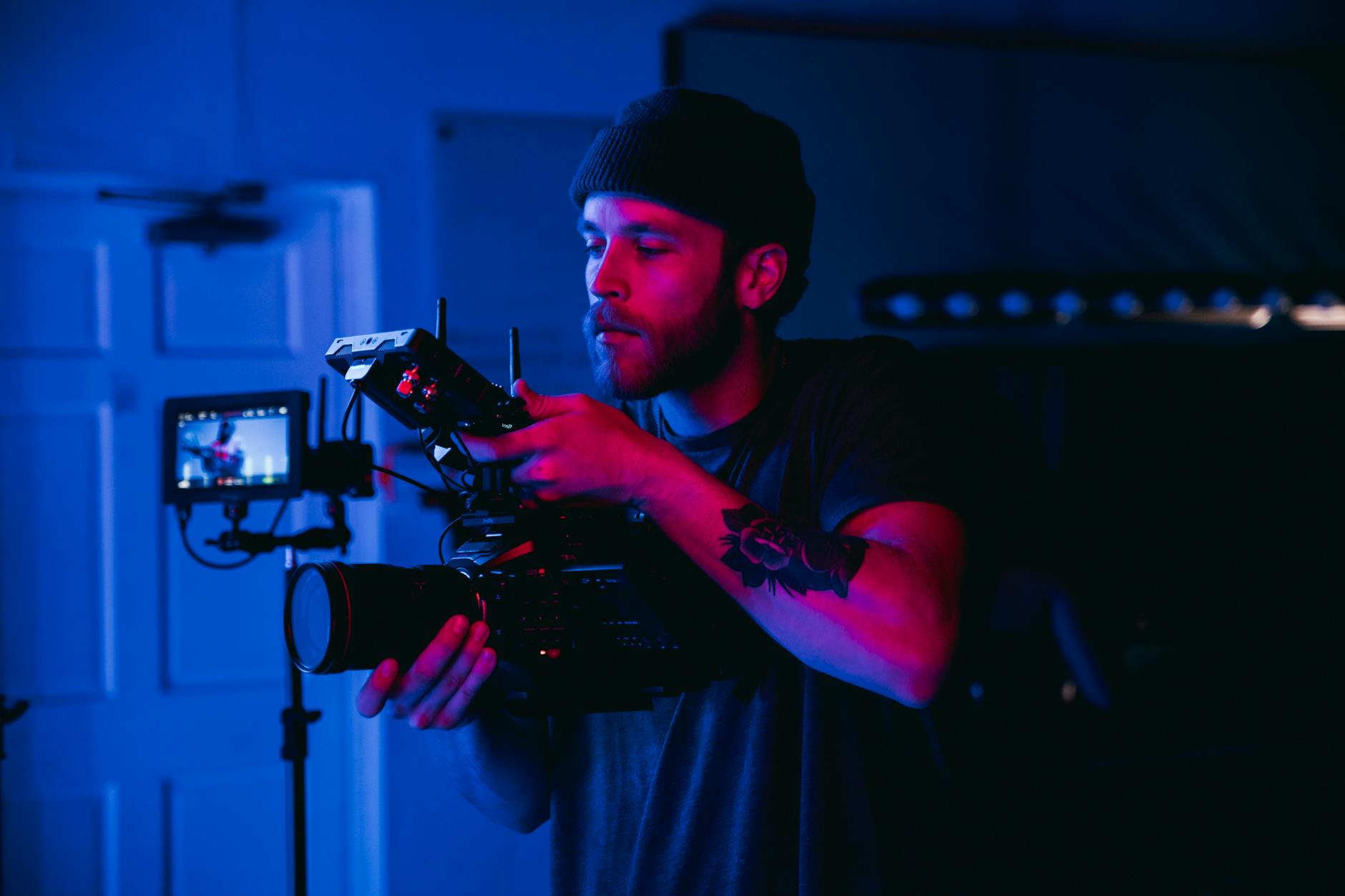
Additional considerations include controlling environmental factors—protecting equipment from weather elements and dust—as well as monitoring battery levels to avoid interruptions. Recording in RAW format or high-quality video settings preserves image detail and allows for extensive post-processing adjustments.
Understanding Time Lapse Recording
Time lapse recording involves capturing a series of images at set intervals over an extended period, then playing these images back at a standard frame rate to create a video that showcases change occurring over time. This technique can effectively illustrate processes like urban development, natural phenomena, structural renovations, and event progressions, making it a valuable tool in various production contexts. Mastering the principles of time lapse recording requires an understanding of key parameters such as interval duration, exposure, focus, and stability, ensuring the final footage is both visually engaging and technically precise.
Core Principles of Time Lapse Technique
- Interval Selection: The frequency at which images are captured directly influences the fluidity of motion in the final video. Shorter intervals yield smoother transitions, ideal for scenes with rapid changes, while longer intervals emphasize slow transformations.
- Exposure Management: Proper exposure settings are essential to maintain consistent brightness and detail across frames, especially when lighting conditions fluctuate. Neutral density filters can be employed to control light intake in bright scenes, ensuring uniformity.
- Focus Consistency: Locking focus through manual settings prevents shifts that could result from autofocus adjustments, maintaining image sharpness throughout the sequence.
- Camera Stability: A stable mounting system minimizes unwanted movement, which is critical for achieving a professional, seamless appearance in time lapse footage.
Technical Parameters to Consider
- Frame Rate: Standard video runs at 24 or 30 frames per second; your capture rate should be adjusted accordingly to produce smooth motion.
- File Format and Quality: Recording in high-quality formats such as RAW or high bitrate video formats preserves image detail, providing more flexibility during post-processing.
- Power and Storage Solutions: Extended recording sessions demand ample storage capacity and reliable power sources, including extra batteries and sufficient memory cards, to avoid interruptions.
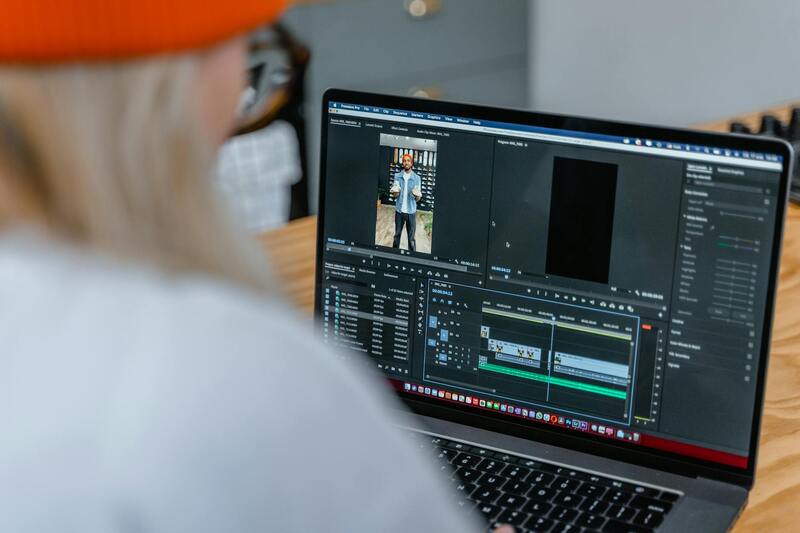
Implementing these principles with attention to environmental factors and technical details results in high-quality time lapse recordings that vividly illustrate the passage of time in a compelling and visually cohesive manner. Whether capturing urban developments, natural scenes, or dynamic events, a meticulous approach to setup and operation forms the backbone of successful time lapse projects.
Legal and Permitting Considerations in Miami
When undertaking time lapse recording projects within Miami, it is essential to understand the procedures for securing necessary permissions and adhering to local regulations. Miami's vibrant urban landscape and diverse natural environments often require filmmakers and videographers to coordinate with city authorities, property owners, and relevant agencies before setting up equipment in public or private spaces.
Getting the appropriate permits ensures that your filming activities are conducted smoothly without disruptions. It involves submitting detailed plans of your project—outlining locations, equipment to be used, and record schedules—to the relevant local department. This process often includes providing proof of insurance, adhering to specific time restrictions, and respecting community guidelines.
Respecting local laws not only helps avoid legal complications but also fosters positive relations with communities and stakeholders. In some cases, special considerations may be needed for filming in environmentally sensitive areas or sites with high pedestrian or vehicular activity. Communicating with local authorities and property managers beforehand facilitates a transparent process, allowing time for adjustments or to acquire additional permissions if necessary.
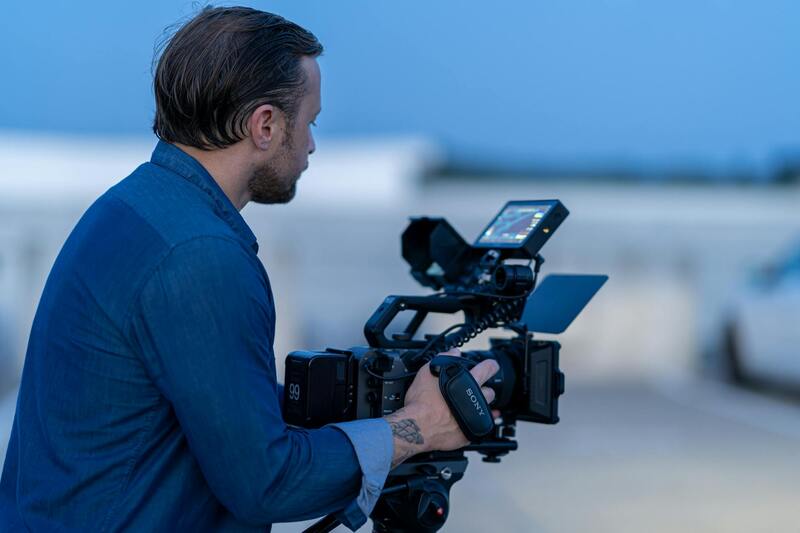
Failing to obtain the requisite permissions could result in project delays or enforcement actions. Therefore, planning multiple weeks ahead for permit approvals is recommended, especially for large-scale or intricate shoots. This proactive approach ensures that your team can execute the project within the intended timeline and maintain professionalism throughout the process.
In addition to formal permits, it is advisable to familiarize yourself with Miami's specific regulations regarding drone usage, noise levels, and operational hours, which can vary by neighborhood or park jurisdiction. Proper compliance with these considerations guarantees that your time lapse recording aligns with local standards and community expectations.
By taking these steps, videographers can confidently capture stunning time lapse footage that showcases Miami's dynamic scenery, from iconic skylines to bustling streets, while respecting the legal frameworks governing the city’s filming activities.
Implementing Proper Techniques for Time Lapse Recording
Achieving high-quality time lapse footage requires meticulous attention to detail during the recording process. Proper techniques not only enhance the visual appeal of the final product but also streamline subsequent editing and playback. Here are essential methods to ensure you capture professional-grade time lapse videos in Miami:
Optimal Camera Settings and Stability
Start with configuring your camera to handle long-duration shots. Set a low ISO to minimize noise, especially in well-lit environments, and select a narrow aperture for increased depth of field. Manually set focus to prevent shifts during the shoot, which could result in flickering frames. To maintain stability over extended periods, utilize high-quality tripods or mounts with vibration reduction features. For outdoor shoots in Miami, weatherproofing gear and stabilizers are advisable to counteract wind or uneven surfaces.
Controlling Exposure and Lighting
The dynamic lighting conditions in Miami’s cityscape demand careful exposure management. Employ manual exposure mode to lock in consistent brightness levels throughout the recording session. Utilizing neutral density filters can help control exposure during bright daylight, ensuring that footage remains balanced. When capturing scenes with changing lighting—such as sunrise or sunset—consider using exposure ramping techniques to smoothly adapt to varying light intensities, avoiding abrupt shifts that detract from visual cohesion.
Interval Selection and Timing
Choosing the correct interval between shots is crucial for the desired speed of the final video. Shorter intervals (e.g., 1-3 seconds) are effective for rapid movements, like traffic flow or crowds, while longer intervals (e.g., 10-30 seconds) suit slower scenes such as construction or city skyline changes. The total duration of the recording should correspond to the expected change, balancing between capturing enough detail and managing storage space. In Miami urban environments, capturing multi-hour datasets might be necessary to portray significant shifts, such as building progress or daylight transitions.
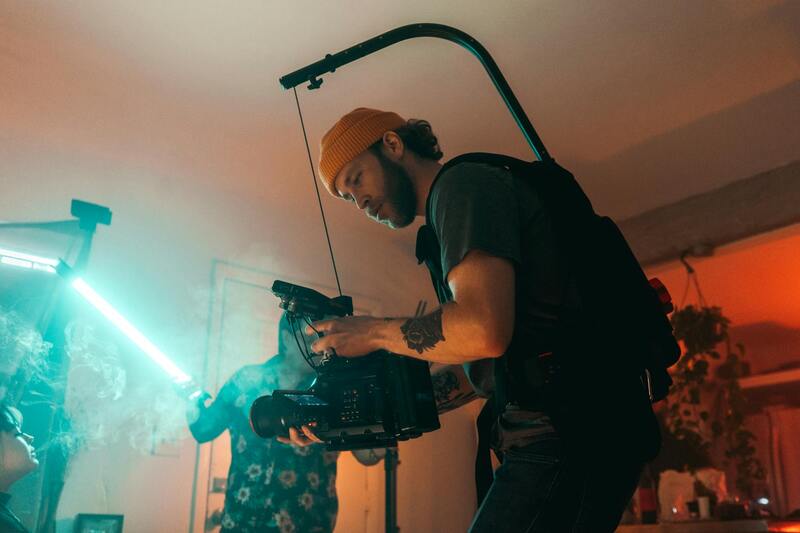
Adhering to these techniques will greatly improve the quality of your time lapse recordings, providing a visually captivating narrative that accurately represents the evolving landscape and activities of Miami. Precise execution during filming reduces post-production adjustments and enhances the professionalism of the final video.
Monitoring Throughout the Recording Process
Regularly check framed composition and camera settings during shooting to account for shifting environmental conditions or unforeseen obstacles. Use remote monitoring tools or wireless controllers where possible to avoid disturbing the shot setup. Additionally, having backup batteries, storage media, and backup plans for weather interruptions ensures continuous workflow, preventing data loss or missed moments that compromise the integrity of the project.
Advanced Techniques for Time Lapse Recording in Miami
Mastering the art of time lapse recording demands more than just quality equipment and proper setup; it involves employing advanced techniques that ensure the final footage not only captures the passage of time but does so with precision and aesthetic appeal. For professionals engaged in Miami's dynamic environment, understanding and applying these sophisticated methods can significantly elevate the production quality.
Utilizing Intervalometers and Automated Controls
An essential tool for effective time lapse recording is the intervalometer, a device that automates the camera’s interval shooting schedule. By programming specific intervals—ranging from a second to several minutes—filmmakers can capture the ideal footage for different scenes. Automated controls reduce manual intervention, limiting environmental disturbances and ensuring consistent shot intervals. Modern cameras often include built-in intervalometers, or can be connected to external devices for enhanced control, especially useful during prolonged shoots spanning several hours or days.
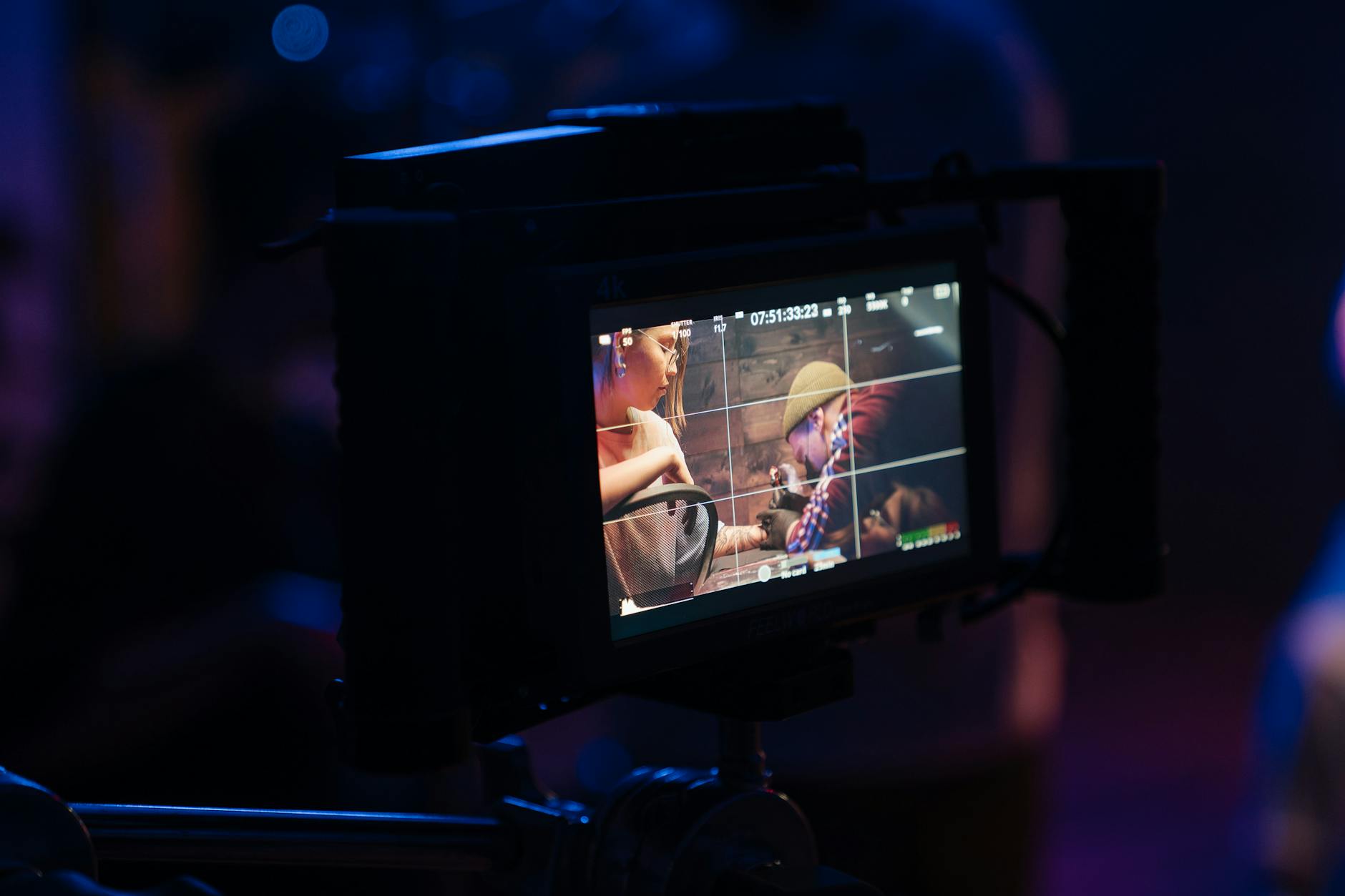
Implementing Exposure bracketing and Dynamic Adjustments
Achieving balanced exposure throughout a time lapse, particularly in Miami's varied lighting conditions, involves techniques like exposure bracketing. This method captures multiple shots at different exposure levels which can be merged in post-production to create high dynamic range (HDR) videos. Additionally, dynamic adjustments to ISO, shutter speed, and aperture during the shoot can help accommodate changes in lighting, such as sunrise or sunset transitions, ensuring consistent visual quality.
Employing Remote Monitoring and Control Systems
Remote monitoring via Wi-Fi or dedicated transmission systems is invaluable for maintaining control over the recording process without physically disturbing the setup. These systems enable real-time viewing, allowing adjustments to framing, focus, or camera settings if environmental conditions shift or unforeseen objects enter the scene. This approach is particularly useful in Miami's bustling urban scenes or expansive outdoor locations, where access might be limited or challenging.
Leveraging Multiple Cameras for Complex Projects
For large-scale or multi-angle projects, deploying multiple synchronized cameras can create multi-perspective time lapse videos. Using consistent settings across devices and ensuring they are triggered simultaneously guarantees coherence in the final product. This technique adds depth and complexity to Miami-centric stories, such as cityscape transformations or crowds at major events.
Incorporating Post-Shoot Checks and Fine-Tuning
Conducting thorough post-shoot reviews, including inspecting raw footage on-site if feasible, helps identify potential issues such as inconsistent exposure or framing errors. Making minor in-field adjustments or retakes ensures that the collected data is as accurate and high-quality as possible, minimizing correction work during post-production.
Choosing the Right Storage and Power Solutions
Long-duration shoots require robust power sources and ample storage capacity to prevent data loss or interruption. Using high-capacity batteries with solar charging options for outdoor locations and multiple high-speed memory cards ensures continuous recording. Proper data management, including immediate data backing-up and organization, facilitates efficient post-production workflows.
Summary
Applying these advanced techniques enhances the reliability and visual quality of time lapse recordings in Miami’s vibrant and varied environments. Skilled execution, combined with the right tools and strategic planning, results in compelling visual narratives that beautifully showcase Miami's dynamic urban development, natural beauty, and busy lifestyle. Professionals leveraging these methods can deliver highly polished, captivating videos that meet the highest production standards.