
Understanding Time Lapse Video Recording
Time lapse video recording is a specialized technique that captures sequences of images at set intervals to demonstrate the progression of events over an extended period. When these images are played back at normal speed, the process results in a condensed, often visually striking video that showcases change and movement in a compressed timeframe. Unlike standard video recordings that capture real-time motion, time lapse videos are designed to highlight the transformation of scenes, such as the setting of the sun, construction progress, or the blooming of flowers.
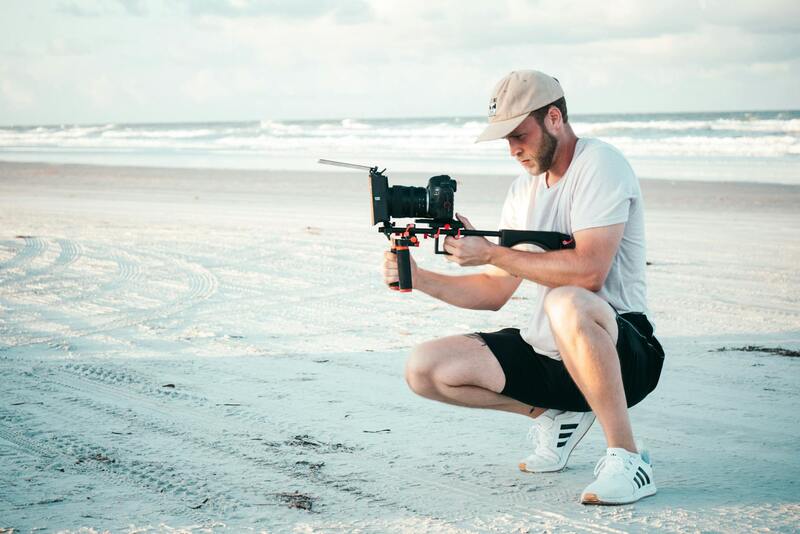
The core difference between time lapse video and traditional footage lies in the frame rate and recording interval. Standard videos typically record continuous footage at 24, 30, or 60 frames per second, providing smooth motion. In contrast, time lapse recordings involve taking a series of photographs at predetermined intervals—ranging from seconds to minutes—and then stitching these images into a sequence. This process accelerates the perceived passage of time, allowing viewers to observe changes that would otherwise take hours or days in just seconds or minutes.
Key characteristics of time lapse videos include their ability to depict long-duration phenomena with a sense of immediacy, their visually engaging presentation of natural and man-made processes, and their versatility across various fields. Common uses span from documenting construction projects and environmental changes to artistic and promotional productions. Professionals leverage this technique to narrate stories of progress and transformation, making it a vital tool in multimedia content creation and event documentation.
Understanding the fundamentals of time lapse recording is essential for anyone interested in capturing these dynamic visuals. The method requires precise planning, appropriate equipment, and attentive setup to ensure high-quality results. By mastering these elements, videographers and production companies can effectively portray the passage of time, providing audiences with compelling, insightful visual stories.
Equipment Needed for Time Lapse Recording
Successful time lapse video production depends heavily on selecting the right equipment to ensure clarity, stability, and effective image capture. While modern digital cameras and smartphones offer built-in time lapse modes, filmmakers and professionals often opt for specialized gear to gain greater control over settings and output quality.
Essential equipment for capturing high-quality time lapse footage includes:
- Digital Cameras or DSLRs: These provide manual control over exposure settings, focus, and interval shooting capabilities. High-resolution sensors ensure detailed images that remain sharp even after post-production processing.
- Intervalometers: External devices or built-in camera features used to automate the timing between shots. Precise interval control is critical to smoothly depict the passage of time for different scenes, whether capturing fast-moving clouds or slow-growing plant life.
- Tripods and Stabilizers: To prevent camera shake and maintain consistent framing, sturdy tripods are indispensable. For dynamic shots or complex scenes, gimbals or motorized stabilizers can enhance movement fluidity.
- Memory Cards and Power Supplies: Given the typically long recording sessions, high-capacity memory cards and reliable power sources, such as batteries or portable chargers, are essential to avoid interruptions.
- Filters and Lenses: Depending on the scene, ND filters can help control exposure during bright daylight, while a variety of lenses allow for wide-angle views or detailed close-ups that add depth to the final sequence.
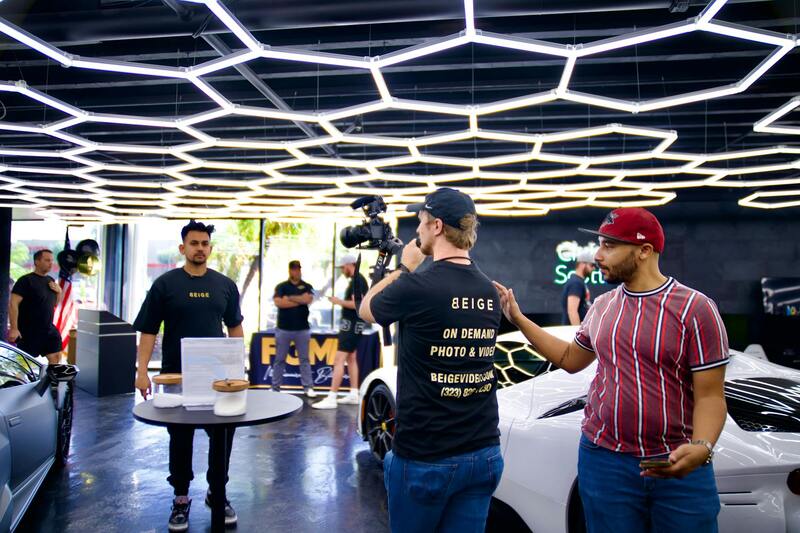
Choosing appropriate equipment tailored to specific project requirements can significantly impact the quality and visual appeal of the final product. Whether capturing urban skylines, natural park scenes, or construction developments, professional-grade gear allows for precise control and consistency, which are critical in creating compelling time lapse videos.
Furthermore, advancements in camera technology continue to simplify the process for amateurs while offering additional features for experts. Modern smartphones equipped with dedicated time lapse modes are becoming increasingly capable, making this technique more accessible than ever before. Nevertheless, for extensive projects or high-stakes productions, investing in professional equipment remains the preferred choice to meet the highest standards.
Equipment Needed for Time Lapse Recording
Achieving professional-grade time lapse videos in Miami’s vibrant settings necessitates the right combination of equipment. The core component is a camera capable of interval shooting, which can range from specialized digital cameras and DSLRs to advanced mirrorless models. These cameras should support manual controls, allowing precise adjustments of focus, exposure, and aperture during extended recording sessions.
In addition to the camera, a sturdy tripod or stabilization rig is essential to prevent unwanted movement and ensure the sequence accuracy. For outdoor shoots, weather-resistant housings or protective covers protect equipment from Miami’s humidity and sudden weather changes. For rooftop or high-angle shots, addition of a stable gimbal or motorized slider can facilitate smooth camera transitions.
Memory capacity is another critical aspect. High-capacity, high-speed SD cards or external storage solutions help manage large data files generated during long recording periods. Power management also becomes crucial; portable batteries, AC adapters, or external power banks ensure uninterrupted operation, particularly when working on extended projects.
Setting Up for Successful Time Lapse Shots
Preparation is key when it comes to capturing compelling time lapse videos around Miami, whether on bustling city streets or tranquil beaches. Selecting the right vantage point is often the first step—considering lighting conditions, scene activity, and potential obstructions. Position the camera securely, avoiding any movement during recording that could compromise the final sequence.
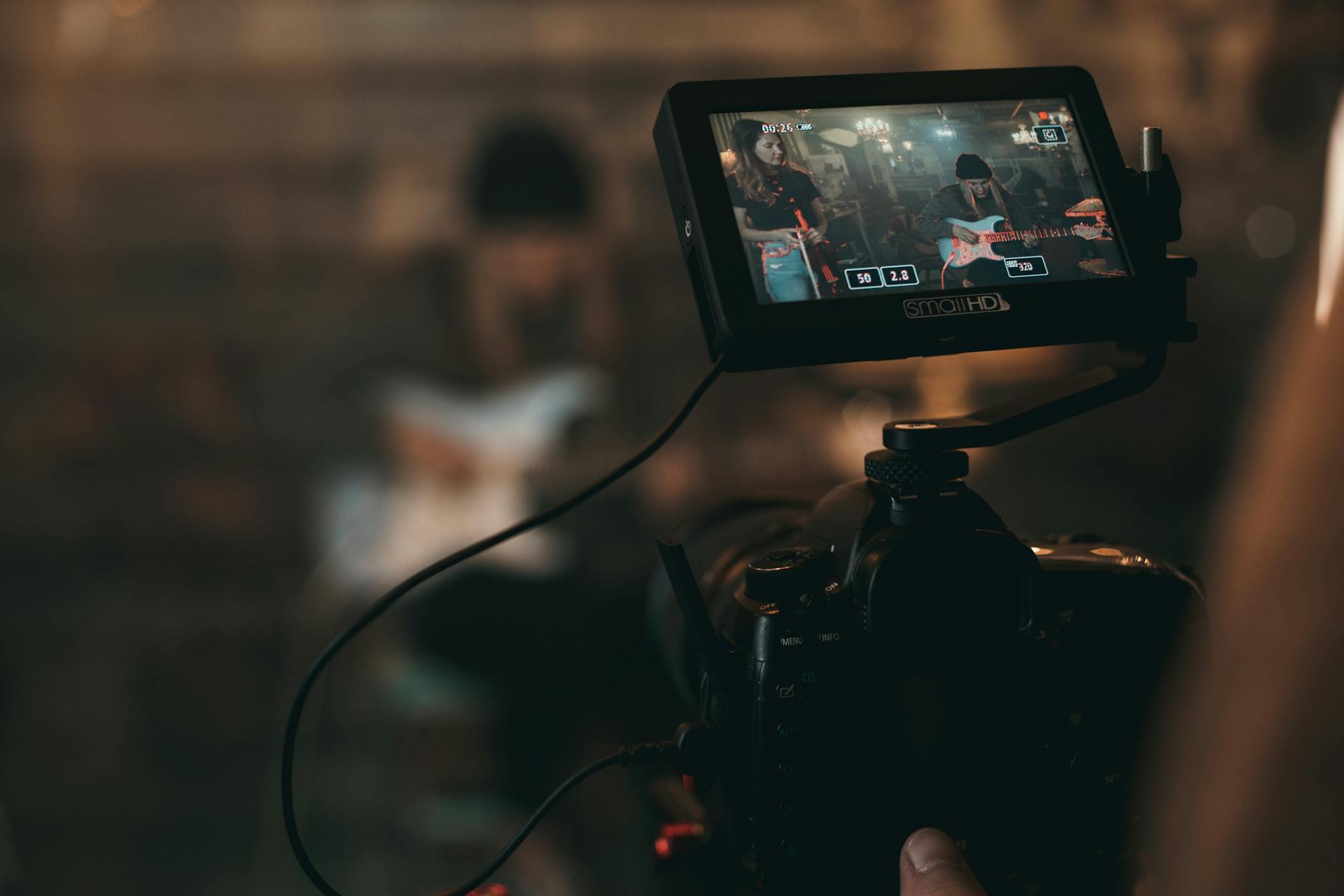
After mounting the camera, calibrate all settings manually. This includes locking in focus, balancing exposure, and adjusting white balance to ensure consistency across shots. It’s advisable to disable any auto-settings that might cause shifts in image parameters over time. Establishing a fixed interval between shots, based on the scene’s motion speed, will determine the final time lapse’s fluidity; shorter intervals capture rapid movements, while longer ones suit slow transformations.
Optimal lighting conditions should be targeted—overcast days or golden hours provide soft, even light that minimizes shadows and highlights. It’s also beneficial to plan for potential changes in lighting throughout the session, especially during sunrise or sunset captures.
Techniques and Tips for Capturing Time Lapse Videos
Implementing effective techniques elevates the quality of your time lapse footage. Maintaining a consistent interval between shots is vital; too short can produce a jittery effect, while too long might lose the scene’s narrative flow. Experimentation based on scene activity and desired speed can refine this timing.
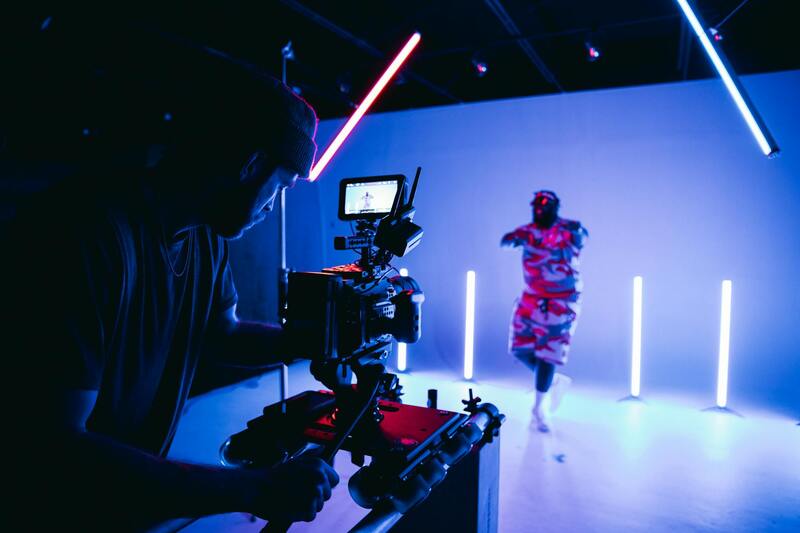
Gradual camera movements, such as pans or tilts, can add visual interest. Using motorized sliders or remote control systems allows precise, repeatable movements, resulting in smoother sequences. For scenes with changing light conditions, using graduated ND filters can help maintain consistent exposure levels.
Maintaining focus throughout the shoot is crucial—using manual focus and focus lock prevents shifts that detract from the seamless appearance of the final video. Including a variety of overlays, such as passing clouds or traffic flow, adds depth and dynamism to the sequence.
Essential Equipment for Quality Time Lapse Video Recording
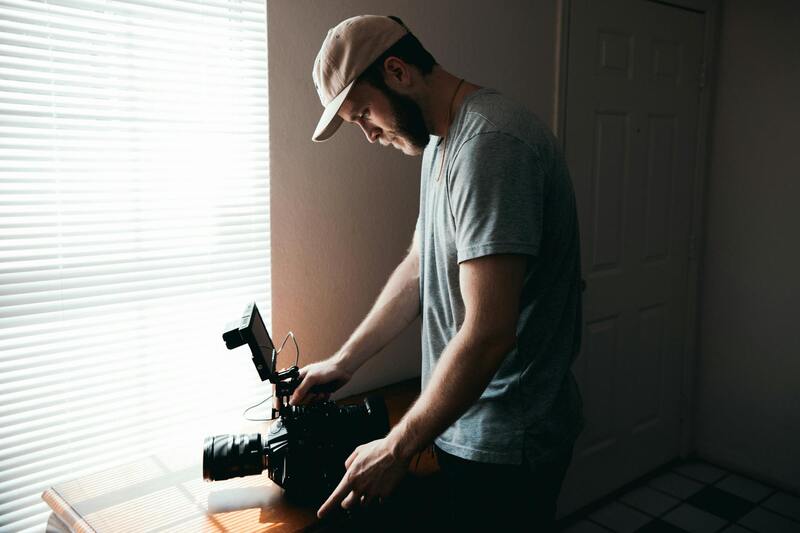
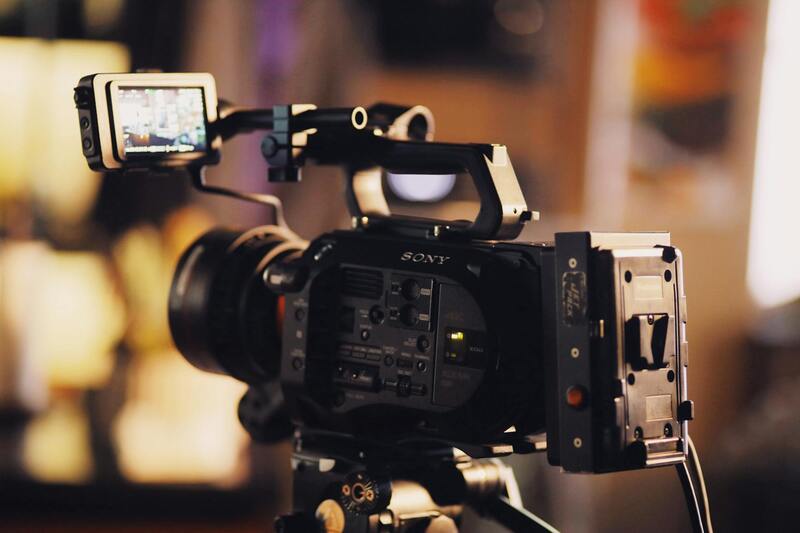
To produce compelling time lapse videos that showcase Miami's vibrant urban life and scenic landscapes, the right equipment is crucial. Starting with a reliable camera capable of manual settings allows precise control over exposure, focus, and other parameters vital for consistent footage. DSLRs and mirrorless cameras are popular choices due to their versatility and image quality, but high-end compact cameras with interval shooting functions can also suffice.
Stable mounting equipment is equally important. A sturdy tripod or monopod ensures minimal camera shake during extended shooting sessions, preserving the smoothness of your footage. For capturing expansive scenes, panoramic heads or slider systems with motorized controls can facilitate smooth camera movements, adding dynamic elements to the sequence.
In addition to the camera and support, specialized intervalometers or remote control timers synchronize shot intervals accurately. This consistency directly impacts the fluidity of the final video, especially when depicting fast-moving scenes like traffic corridors or natural phenomena.
Filters also play a role in ensuring optimal capture conditions. Graduated ND filters can manage bright scenes during golden hour or midday shoots, preventing overexposure and maintaining visual consistency. For scenes involving movement through different lighting conditions, adjustable ND filters provide flexibility.
Lighting considerations extend beyond equipment. Utilize natural lighting to complement your shot—Miami’s bright sunlight and unique sky conditions can shape your scene’s mood. When shooting indoors or in shaded areas, portable lighting solutions might be necessary to maintain even illumination.
Additional Accessories to Enhance Your Time Lapse Shooting
- Extra batteries and portable power sources to avoid interruptions during long shoots.
- High-capacity SD cards or storage devices for capturing countless frames over multiple sessions.
- Weather protection gear for equipment, especially when filming outdoors in Miami’s variable climate.
- Remote control systems for adjusting camera settings remotely, minimizing disturbances in the scene.
Investing in quality gear and accessories ensures your time-lapse sequences are not only visually appealing but also technically sound, capturing Miami’s lively streets, natural vistas, and architectural marvels with clarity and consistency. Professional equipment facilitates precise adjustments throughout your shoot, allowing the creation of seamless, high-energy footage that effectively portrays Miami’s dynamic environment.
Setting Up for Successful Time Lapse Shots
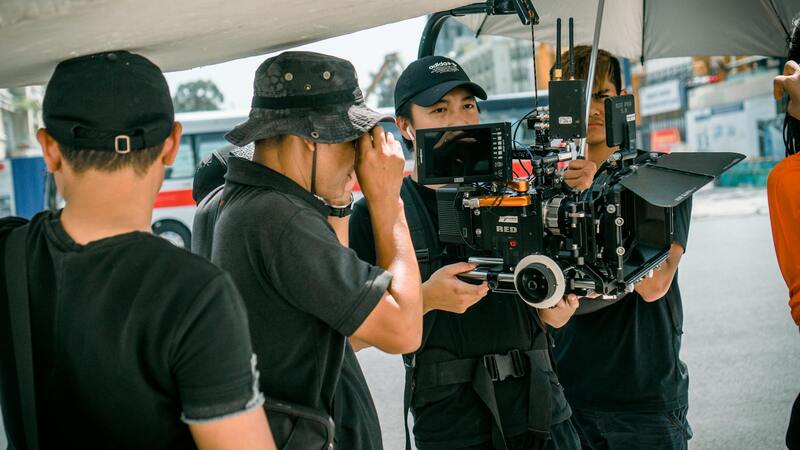
Executing effective time lapse video recording requires meticulous setup and attention to detail. Proper preparation ensures that the final footage accurately captures the intended scene, free of disruptions or technical issues. When planning a time lapse shoot, it is essential to select a stable mounting point, such as a sturdy tripod or a fixed structure, to prevent any camera movement during extended recording sessions. Stability preserves the continuity of the sequence, making post-production editing more seamless.
Choosing the right camera settings is critical. Lock focus and exposure to prevent fluctuations that can occur due to changing lighting conditions or automatic adjustments during recording. Utilizing manual focus and manual exposure controls guarantees consistency across all frames. Additionally, setting the camera to shoot in high-quality, uncompressed formats like RAW or high-bit-rate MP4 ensures maximum flexibility during editing and enhances image clarity.
Time lapse recording often involves long durations, sometimes spanning hours or days. To achieve uninterrupted footage, employ continuous power sources such as AC adapters or high-capacity batteries. Supplementing storage with ample high-speed SD cards or external drives helps accommodate the substantial volume of data generated. Weather protection gear is necessary to shield equipment from Miami’s occasional rain or high humidity, especially during outdoor shoots.
Lighting conditions profoundly influence the quality of time lapse videos. For outdoor scenes in Miami, take advantage of natural daylight, but be mindful of its variability. The golden hour provides warm, soft light that enhances architectural and natural vistas, while midday sun can cause harsh contrasts. To manage lighting inconsistencies, consider using ND filters and adjusting camera settings accordingly. When shooting in shaded areas or indoors, introduce portable lighting solutions to maintain even exposure.
Pre-planning the shot’s composition and framing is equally important. Decide on a focal point that best illustrates the scene’s progression—be it Miami’s skyline, bustling street intersections, or serene beaches. Using a remote control or intervalometer mitigates camera shake and allows precise control over shooting intervals, typically ranging from 1 to 10 seconds depending on the desired effect.
Incorporating these setup strategies ensures your time lapse captures Miami’s dynamic environment with clarity and professionalism, resulting in footage that is both visually appealing and technically robust.
Understanding Time Lapse Video Recording
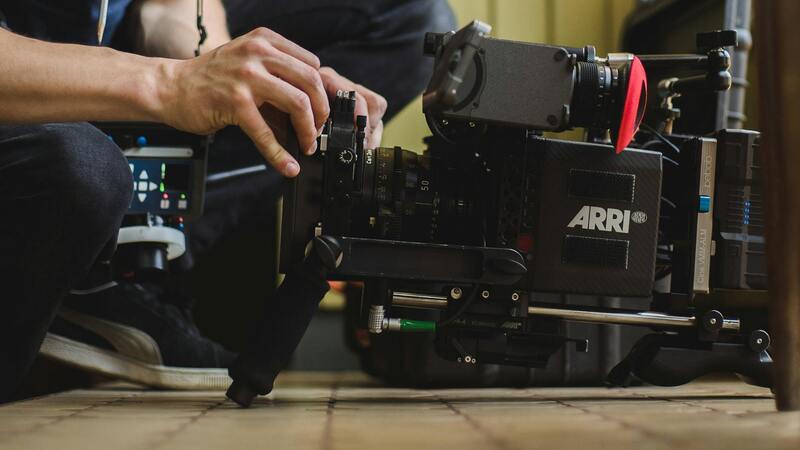
Time lapse video recording is a technique that compresses hours, days, or even months of real-time footage into a few seconds or minutes, allowing viewers to observe changes and processes that happen slowly over time. This method involves capturing a series of still images at set intervals, which are then played back at a standard frame rate to produce the illusion of accelerated motion. It is particularly useful for showcasing dynamic environments such as cityscapes, natural phenomena, construction projects, and event progressions in a condensed format. High-quality time lapse videos rely heavily on meticulous planning, stable equipment, and precise camera settings to ensure that the final output is visually engaging and narratively effective.
Applications of Time Lapse Video in Miami Productions
Miami’s diverse urban landscape and scenic natural features make it an ideal location for various time lapse applications. Event organizers utilize this technique to capture the energy of outdoor festivals and parades, transforming hours into captivating short videos that showcase the event's atmosphere. Construction companies leverage time lapse footage to document the progress of high-rise developments and infrastructural projects, providing transparent updates for stakeholders. Additionally, real estate firms employ time lapse videos to highlight the evolution of properties over time, emphasizing the ongoing development in Miami’s neighborhoods.
Natural scenery such as Miami’s beaches, sunsets, and weather patterns are also effectively captured through time lapse sequences, offering viewers a chance to experience the city’s natural beauty in a condensed, immersive format. Whether used for promotional content, documentation, or artistic projects, time lapse videos present a compelling visual narrative that emphasizes change and progression within Miami’s vibrant setting.
Equipment Needed for Time Lapse Recording
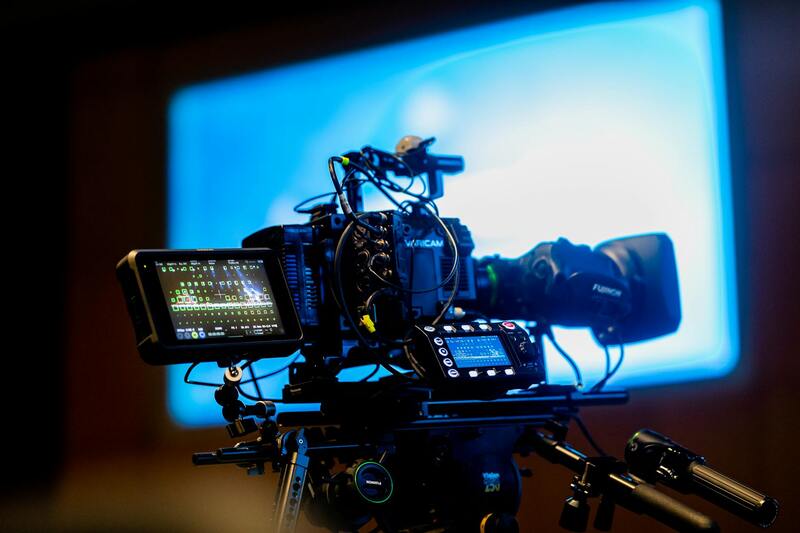
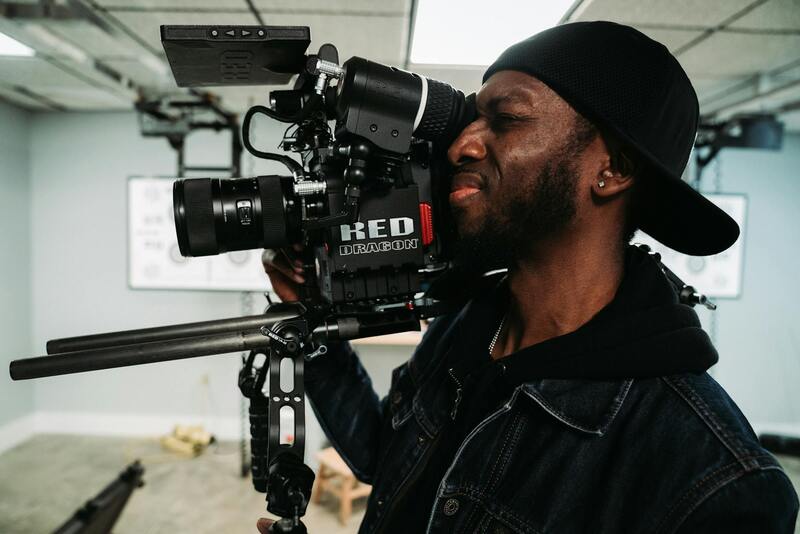
To produce professional-quality time lapse videos in Miami, selecting the right equipment is crucial. The fundamental component is a camera capable of capturing high-resolution images with manual control options. Digital single-lens reflex (DSLR) cameras or mirrorless cameras are preferred for their versatility and superior image quality. A sturdy, weather-resistant tripod is essential to maintain camera stability over extended periods, especially in outdoor environments facing Miami’s occasional tropical weather conditions.
- Intervalometers or Remote Controls: Devices that allow precise control over shutter intervals, reducing camera shake and enabling consistent shot timing.
- ND Filters: Neutral density filters help manage exposure during bright daylight, preventing overexposed images and allowing for longer shutter speeds if desired.
- Extra Batteries and Memory Cards: Long sessions demand ample power and storage capacity to prevent interruptions.
- Portable Lighting: For indoor or shaded outdoor scenes, supplementary lighting ensures consistent exposure across all frames.
Optional accessories such as panoramic heads or motorized sliders can enhance creative possibilities, enabling smooth camera movements within time lapse sequences. Supplementing equipment with weather protection measures also ensures resilience against Miami’s humid and unpredictable weather conditions.
Setting Up for Successful Time Lapse Shots
Creating compelling time lapse videos hinges on meticulous setup and planning. Initially, choose a scene that demonstrates key changes, such as the Miami skyline during sunrise or street activity during rush hour. Composition plays a vital role; framing should respect the rule of thirds, emphasize the focal point, and include elements that enhance the perception of motion, like moving clouds or passing vehicles.
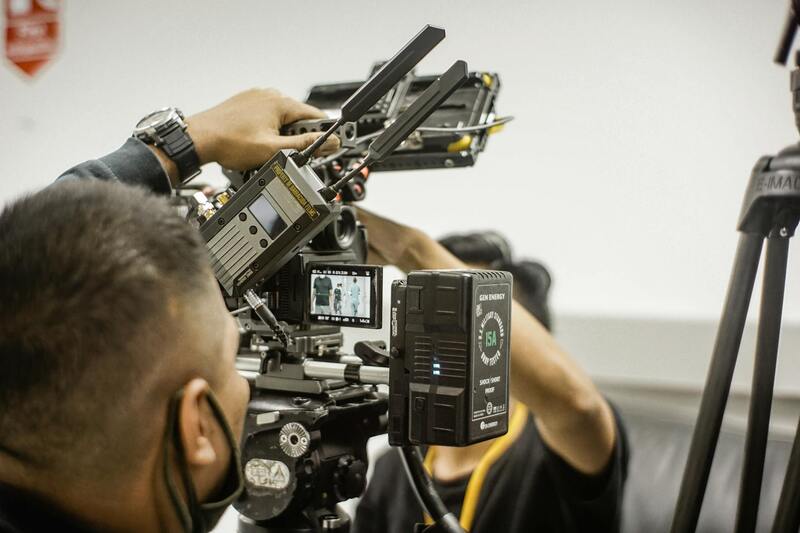
Stability is paramount. Ensure your camera is securely mounted on a tripod or stable platform before beginning the shoot. Lock all camera settings to manual mode, including focus, aperture, ISO, and white balance, to maintain consistent image quality throughout the session. Set your interval timer to capture images at regular intervals—commonly between one to ten seconds—based on the speed of change in the scene.
Lighting conditions should be carefully assessed. For daytime scenes, utilize aperture and ISO adjustments to achieve optimal exposure, while ND filters can help manage intense sunlight. When shooting at dawn, dusk, or indoors, supplemental lighting or adjusting camera settings is necessary to compensate for low-light conditions.
Pre-visualizing the shot and conducting test runs can identify potential issues, such as exposure fluctuations or camera shake. Document your camera position and settings for consistency across multiple sessions. During the shoot, avoid touching or moving the camera to prevent jitter, and use a remote control or intervalometer to enhance accuracy.
Techniques and Tips for Capturing Time Lapse Videos
Achieving high-quality time lapse videos requires attention to detail and adherence to proven techniques. Start by simplifying scene selection—choose locations with interesting motion and consistent lighting to maintain continuity. Position your camera to maximize depth of field and ensure your focal points remain sharp throughout the shoot.
Use manual focus to prevent shifting focus during the sequence. Adjust white balance settings for consistent color reproduction, especially when shooting in changing lighting conditions. Regularly check and clean your lens to avoid dust or smudges that could disrupt image clarity.
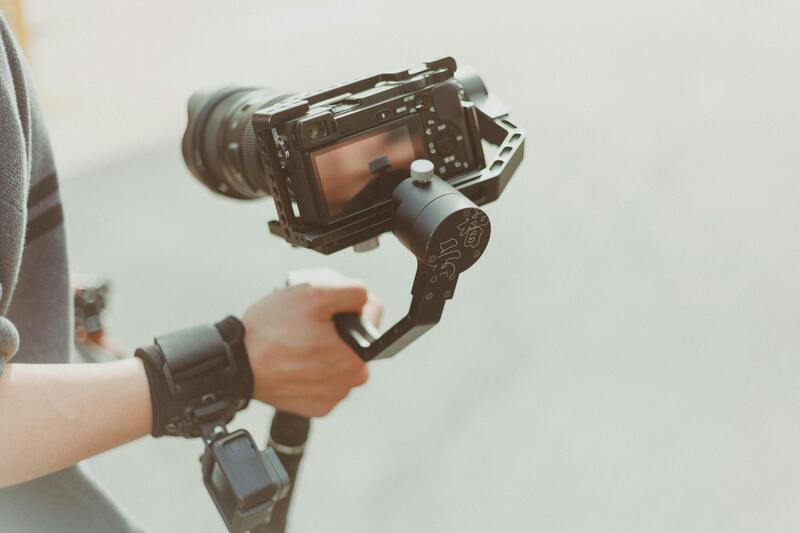
Vary your shooting intervals based on the scene’s dynamics. Faster intervals (e.g., 1-3 seconds) are ideal for rapidly changing scenes like traffic or crowd movement, while longer intervals are suitable for gradual changes like sunrise or sunset. Consider incorporating camera movements such as pans or tilts if your equipment allows; motorized heads facilitate smooth motion within time lapse sequences, adding a dynamic element to your footage.
During post-production, use editing software to stabilize shaky footage, adjust contrast and color grading for aesthetic enhancement, and trim sequences to highlight key moments. Animating exposure changes or adding motion effects can also add depth and visual interest.
Finally, protect your equipment from Miami’s climate by using weather shields and ensuring your gear is correctly powered and cooled, especially during extended shoots. Proper preparation and execution result in time lapse videos that are both technically sound and visually captivating, effectively capturing Miami’s energy and transformation over time.
Advanced Techniques for Enhancing Time Lapse Footage
To elevate the quality of your time lapse recordings, integrating advanced techniques can make a significant difference. Utilizing intervalometers with customizable settings allows for precise control over capture frequency, which is essential when dealing with scenes that change unpredictably or require specific pacing.
Employing motion control rigs or motorized sliders offers stunning cinematic effects. These devices facilitate smooth camera movements such as pans, tilts, or dolly shots within your time lapse sequences. This added dynamism transforms static scenes into engaging visual stories, emphasizing movement and transformation.
Incremental adjustments in exposure settings during longer shoots can help manage varying light conditions, preventing overexposure or underexposure in dynamic environments like Miami's urban landscapes. Some advanced cameras offer interval shooting modes combined with exposure bracketing, enabling complex high dynamic range (HDR) time lapse sequences—balancing shadows and highlights for a polished final product.
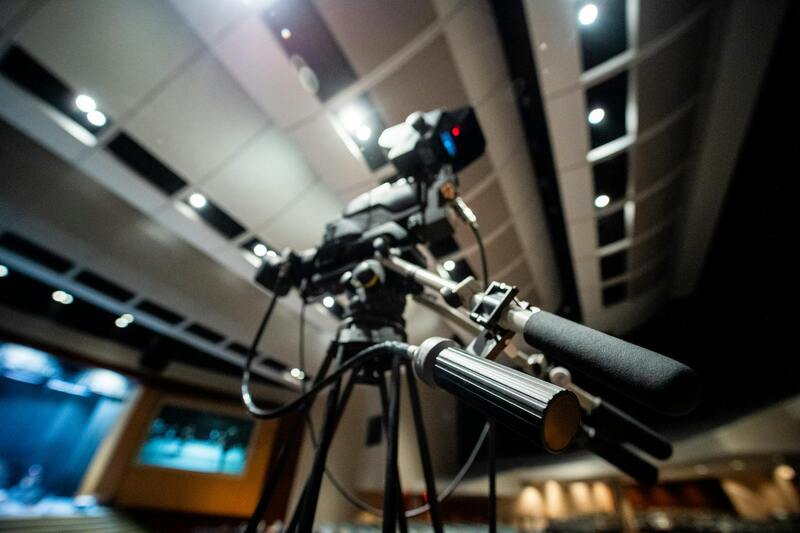
Incorporating these sophisticated methods requires a solid understanding of camera handling and post-production editing. Combining precise interval settings with motion control can create seamless, breathtaking sequences that effectively showcase Miami's vibrant scenery. The key is meticulous planning and execution, ensuring each shot aligns perfectly with your artistic vision.
Furthermore, consider the benefits of using neutral density (ND) filters during daylight shoots. ND filters reduce light intake, allowing for longer exposure times that smooth motion and create dreamy, atmospheric effects—perfect for capturing Miami’s bustling streets or serene sunsets. Using graduated ND filters can also help balance exposure between bright skies and darker foreground elements, resulting in a well-exposed, striking final footage.
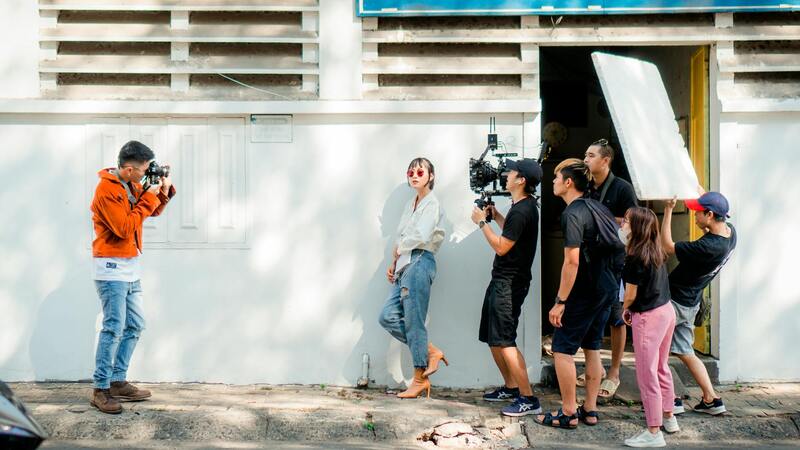
Finally, keep in mind that effective editing is crucial for refining your raw footage. Techniques like frame blending, speed ramping, and color grading allow you to craft a seamless and compelling story out of multiple shots. Mastery of these post-production skills ensures the final video not only captures Miami’s energy but also maintains a professional, polished appearance that resonates with viewers and clients alike.
Enhancing Your Time Lapse Video Recording with Professional Techniques
Achieving visually stunning time lapse videos in Miami requires more than just setting a camera and hitting record. Professional-grade techniques elevate your footage from simple sequences to captivating visual stories that highlight the city's dynamic scenery. This involves the strategic use of equipment, precise camera settings, and advanced post-production methods that collectively ensure your final product resonates with quality and artistic vision.
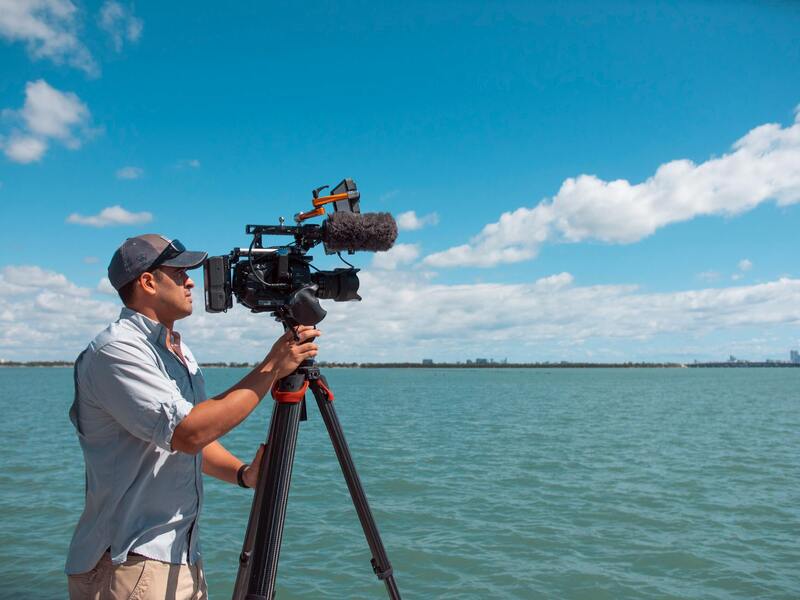
Incorporating Smooth Motion and Vibrant Colors
One of the critical aspects of professional time lapse creation is managing motion and color fidelity. Utilizing camera rigs with motorized motion control systems allows for precise and consistent camera movements across long sequences. These systems can be programmed to follow intricate paths or simulate smooth camera pans and tilts, adding a cinematic feel to your footage.
Moreover, employing graduated neutral density (ND) filters helps manage exposure across varying light conditions, especially during sunrise or sunset shoots common in Miami's scenic spots. Combining these filters with careful white balance settings ensures your videos maintain true-to-life colors and rich contrast, emphasizing Miami's vibrant lifestyle and natural beauty.
Post-Production Refinement for Seamless Visuals
Post-processing plays a pivotal role in transforming raw time lapse footage into a polished masterpiece. Techniques such as frame blending facilitate smooth motion between frames, preventing jittery transitions. Speed ramping allows you to emphasize specific moments, such as a sunset fade or bustling street scene, adding dynamic storytelling elements.
Color grading enables fine-tuning of the video’s tone and mood, whether highlighting Miami’s bright daylight or emphasizing warm sunset hues. Combining these editing strategies results in videos that are not only visually appealing but also emotionally engaging, capturing Miami’s vibrancy with sophistication.
Technical Considerations for Optimal Results
Successful time lapse recording involves meticulous planning of interval settings—balancing between too rapid and too slow intervals based on the subject matter. For dynamic scenes like traffic or crowd movements, shorter intervals capture fluid motion, whereas scenic sunsets may require longer intervals to observe subtle changes.
Furthermore, stability is crucial; employing sturdy tripods or motorized sliders minimizes unwanted vibrations. Planning shot sequences around weather patterns and lighting conditions helps preserve consistency throughout the project, ensuring seamless transitions and professional-grade visuals.
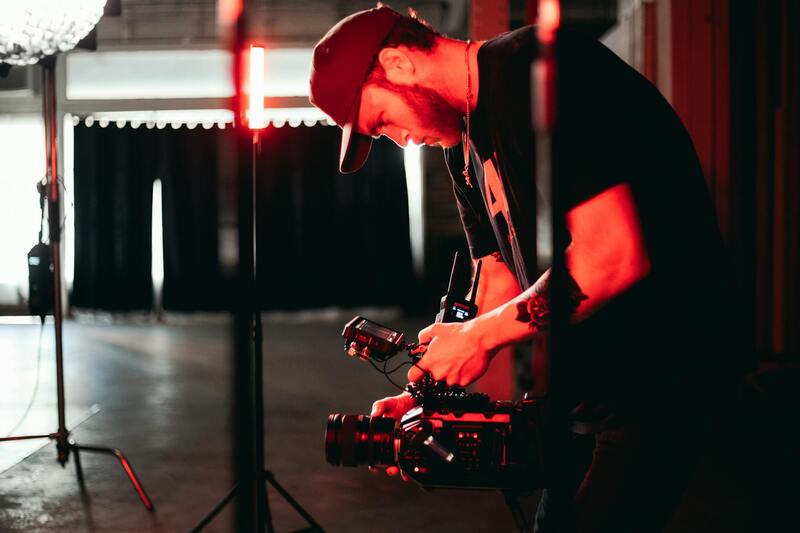
Final Tips for High-Quality Time Lapse Content
Always preview your configurations and test shots before embarking on lengthy recording sessions. Regularly checking your equipment and footage during shoots prevents potential issues and guarantees continuity. Additionally, maintaining detailed documentation of camera settings, intervals, and environmental conditions simplifies the editing process and helps replicate successful shots in future projects.
By integrating these professional practices, your Miami time lapse videos will stand out for their clarity, fluidity, and striking visual impact. Whether capturing Miami’s iconic skyline, vibrant street life, or tranquil beaches, employing advanced techniques ensures your footage reflects the city's dynamic essence with precision and artistry.