Understanding Timelapse Production
Timelapse production is a specialized filmmaking technique that condenses lengthy periods of time into a few seconds or minutes of footage. By capturing a series of images at set intervals over an extended duration, videographers can reveal gradual changes in the environment, urban development, or natural phenomena with extraordinary clarity and dynamism. This process not only enhances visual storytelling but also creates compelling narratives that highlight movement and transformation in a way that traditional videography cannot achieve.
One of the primary purposes of timelapse production is to document processes or changes that happen imperceptibly over time. For example, the construction of a high-rise building, traffic flow in Miami’s busy streets, or the blooming of tropical flora can all be showcased effectively through timelapse footage. The technique brings to light patterns and relationships within these processes, offering viewers a detailed view of progression that might otherwise be missed.
In Miami, where the city's skyline constantly evolves, and the urban landscape undergoes rapid transformation, timelapse production plays a vital role in capturing the vibrancy and speed of change. It serves as a valuable tool for real estate developers, event organizers, and city planners who want to showcase the development and liveliness of Miami’s unique environment. The technique also finds a natural fit in documenting weather phenomena, scenic sunsets, festivals, and busy public gatherings, reflecting the dynamic pace of life in one of the United States' most energetic cities.
Extensive application of timelapse production provides a blend of artistic expression and practical insight, making it a preferred method for visual storytelling across various industries. Its ability to condense long durations into comprehensible, captivating visuals transforms how environments and processes are communicated, especially in a lively city like Miami where constant change forms a core part of the urban experience.
Successfully executing timelapse projects requires a comprehensive understanding of the technique's core principles, from planning and equipment setup to post-production. Mastery of these elements ensures that the final footage not only meets artistic standards but also effectively communicates the intended message or narrative.
Equipment and Technical Setup
Implementing a successful timelapse production in Miami hinges on the careful selection and configuration of equipment tailored to the project's demands. Essential gear includes high-resolution cameras capable of capturing detailed images over extended periods, such as DSLRs or mirrorless models equipped with intervalometers. These devices enable precise control over shooting intervals, which is critical in achieving smooth, visually compelling footage.
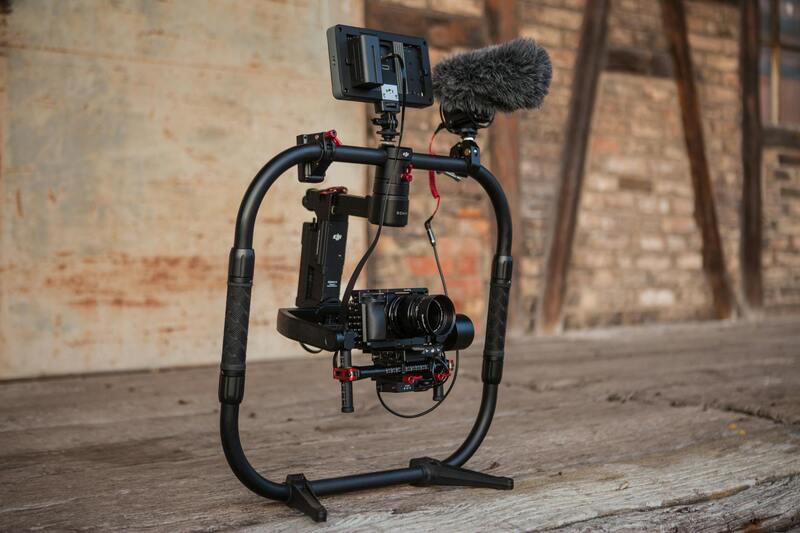
In addition to camera bodies, sturdy tripods or specialized rigs are necessary to maintain stability throughout lengthy shooting sessions, especially in outdoor environments where wind and uneven surfaces can introduce instability. For projects that involve mounting cameras in elevated or hard-to-reach locations, employing motorized sliders or motorized pan-tilt heads enhances the ability to capture dynamic motion, adding depth and variety to the final footage.
Lighting considerations are particularly important in Miami's diverse lighting conditions. While natural light often suffices, supplemental lighting or filters might be necessary to balance exposure during sunrise or sunset sequences, ensuring consistent image quality.
To optimize data management, entrusting storage to high-capacity, fast memory cards is advisable, minimizing the risk of data loss during continuous shooting. Power solutions include portable batteries or AC power supply options, especially for extended shoots spanning multiple hours or days.
Equipment and Technical Setup
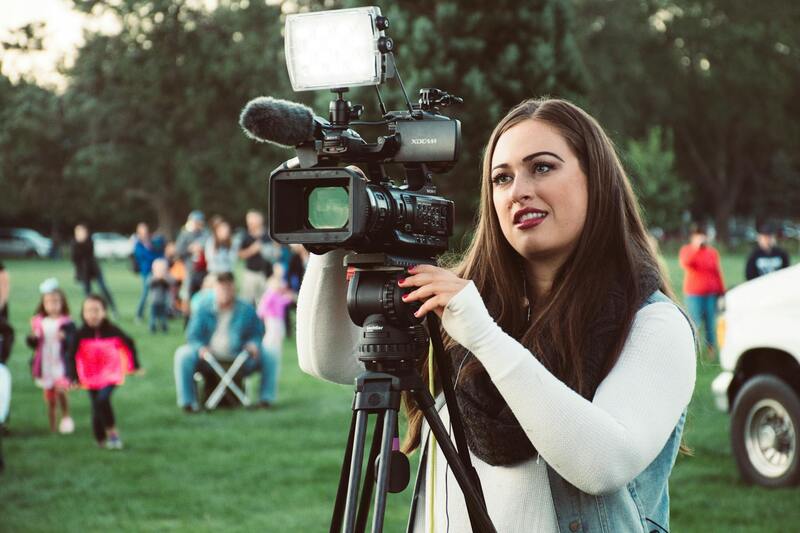
Successful timelapse production hinges on precise equipment selection and meticulous technical arrangement. For capturing Miami’s stunning cityscapes and dynamic environments, choosing the right gear is fundamental. High-resolution DSLR or mirrorless cameras equipped with intervalometers or built-in timelapse modes are preferred for their reliability and image quality. Utilizing wide-angle lenses allows you to encompass expansive scenes, whether it’s Miami’s bustling downtown, serene beaches, or sunset vistas.
Stabilization is critical to produce smooth footage. Tripods with robust build quality and adjustable heads are essential to maintain stability in varying outdoor conditions. For more complex scenes or long-duration shoots, motorized sliders or gimbals can provide added stabilization and creative control. When working in outdoor environments, especially Miami’s unpredictable weather, weather-resistant stabilization supports safeguard equipment from humidity, rain, and salty air.
Power management plays a decisive role in uninterrupted timelapse capturing. External batteries, portable power banks, or AC adapters configured with proper safety measures enable extended shooting periods without concern for power loss. Remember, calibration of camera settings must be fine-tuned for each scene. Manual focus and exposure adjustments prevent flickering and ensure uniformity across frames.
Wireless remote controls and monitoring systems add flexibility, allowing real-time adjustments when conditions change unexpectedly. For instance, when shooting near the waterfront or during weather shifts, remote control helps adapt camera settings seamlessly without disturbing the setup.
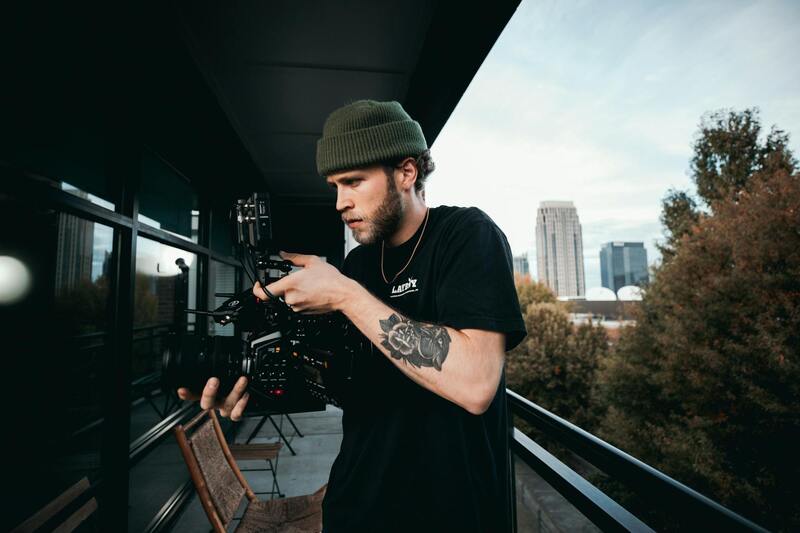
Incorporating environmental protection accessories is indispensable, especially given Miami’s moist climate. Weatherproof housings, lens filters (including UV or neutral density filters), and silica gel to control internal moisture extend the lifespan of equipment. These measures prevent lens fogging, corrosion, and mechanical issues, ensuring footage remains clear and sharp throughout prolonged shoots.
Effective technical setup forms the backbone of compelling timelapse sequences. By leveraging high-quality gear, stabilization tools, and environmental safeguards, Miami’s diverse visual landscape can be captured with clarity and precision, resulting in captivating videos that vividly reflect the city’s energy and natural beauty.
Post-Production and Editing Techniques
After capturing the raw footage, the post-production phase is crucial to transforming time-lapse sequences into captivating visual stories. This stage involves several key processes, including footage organization, enhancement, stabilization, and final rendering. Precise editing ensures that the dynamic movement and evolving scenes are seamlessly integrated, highlighting Miami's vibrant urban landscape or natural vistas with clarity and artistic finesse.
Beginning with footage organization, editors categorize clips based on scenes, lighting conditions, or specific time segments. This systematic approach facilitates efficient editing workflows, especially when dealing with extensive sequences common in time-lapse projects. Software such as Adobe Premiere Pro, Final Cut Pro, or DaVinci Resolve provides robust tools for trimming, sequence assembly, and timeline management.
Color grading is an important step to enhance visual appeal, correct inconsistencies, and establish mood. Miami's diverse environments—ranging from sunlit beaches to bustling city streets—benefit from tailored color adjustments that accentuate their unique characteristics. Implementing LUTs (Look-Up Tables) allows for consistent color tones across multiple clips, creating a cohesive narrative flow.
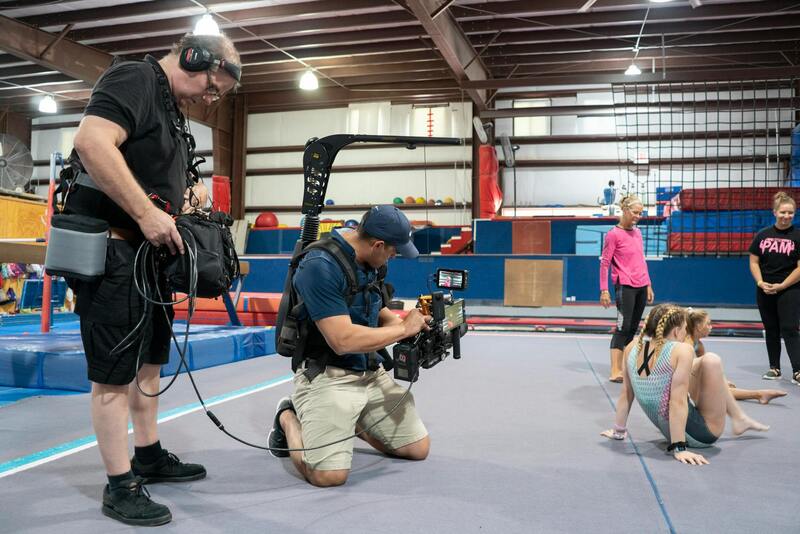
Stabilization tools integrated within editing software can mitigate minor camera jitters or movements that occur during handheld or stationary captures. Although stabilization hardware is employed during filming, digital corrections refine the smoothness of the final sequence, preventing viewer distraction caused by unintentional shakes.
Advanced editing might also include speed ramping, where certain segments are slowed down or accelerated to emphasize key moments such as sunset transitions or city activity peaks. These techniques add dynamism and rhythm to the footage, making the timelapse more engaging.
Ensuring consistent exposure and sharpness throughout the sequence is essential. Noise reduction techniques are often applied to minimize graininess, especially in low-light conditions or when shooting during twilight. Employing high-quality editing workflows preserves detail and maintains a professional aesthetic.
Once the edits are finalized, proper rendering settings are chosen to balance quality and file size, facilitating smooth playback across various platforms. Exporting in high-definition formats ensures that the vibrancy, colors, and details of Miami’s skyline, beaches, and cultural scenes are vividly portrayed, captivating viewers and showcasing the city’s essence.
Throughout post-production, it’s vital to maintain a focus on adhering to best practices for visual storytelling. Fine-tuning each element—color, stabilization, pacing—results in a polished and compelling timelapse sequence that captures Miami’s energetic ambiance with professionalism and artistic integrity.
Legal Considerations and Permitting in Miami
When producing stunning timelapse sequences across Miami, understanding the specific regulations surrounding filming in public and private spaces is essential. Prior to scheduling shoots, it is crucial to research and adhere to the city's guidelines for aerial photography, drone operations, and filming with professional equipment. Securing the necessary permits ensures that the production respects local policies and avoids potential disruptions during key filming sessions.
Miami's diverse urban landscape includes iconic landmarks, bustling streets, and vibrant waterfronts, each governed by different regulations. Filmmakers should collaborate with city officials or designated permit offices to obtain authorization for shooting in designated zones. This often involves submitting detailed production plans, demonstrating safety measures, and outlining footage use, especially if drones or illumination equipment are involved.
Private property shoots require explicit permission from property owners as well as adherence to contractual obligations. Engaging with residents or businesses beforehand minimizes disturbances and fosters goodwill within the community. Respect for local customs and compliance with noise ordinances are also fundamental, particularly when capturing footage during early mornings or late evenings.
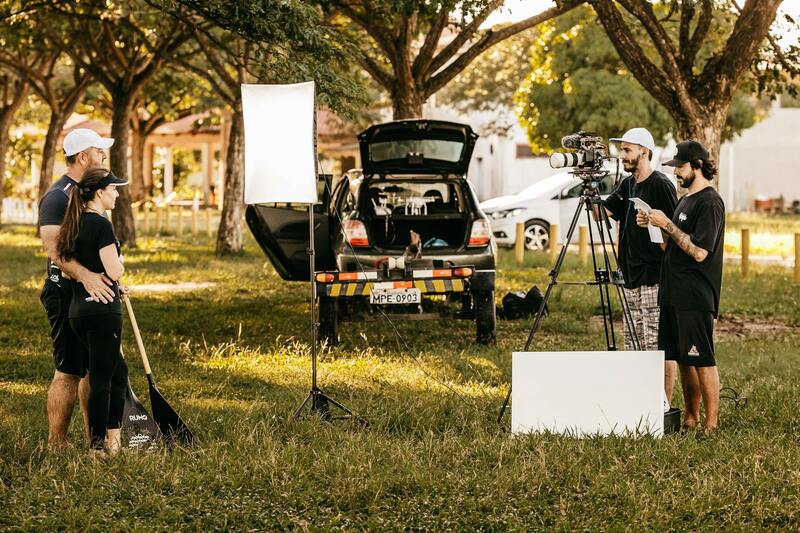
Administratively, documentation should be detailed and comprehensive, including the intended schedule, equipment specifications, and safety protocols. Keeping records of permits and approvals provides legal clarity and facilitates smooth post-production collaboration. It is also advisable to consult with Miami’s local film commissions or relevant authorities to stay abreast of any updates or special provisions for filming activities.
Additionally, understanding the limitations and restrictions related to drone flights is especially relevant, given Miami’s strict airspace regulations. Operators need to be certified by appropriate bodies and should plan their flight paths meticulously to avoid conflicts with airports, helicopters, or other aerial activities. This proactive approach ensures safety and compliance, enabling the crew to capture the city’s dynamic scenes without legal or logistical setbacks.
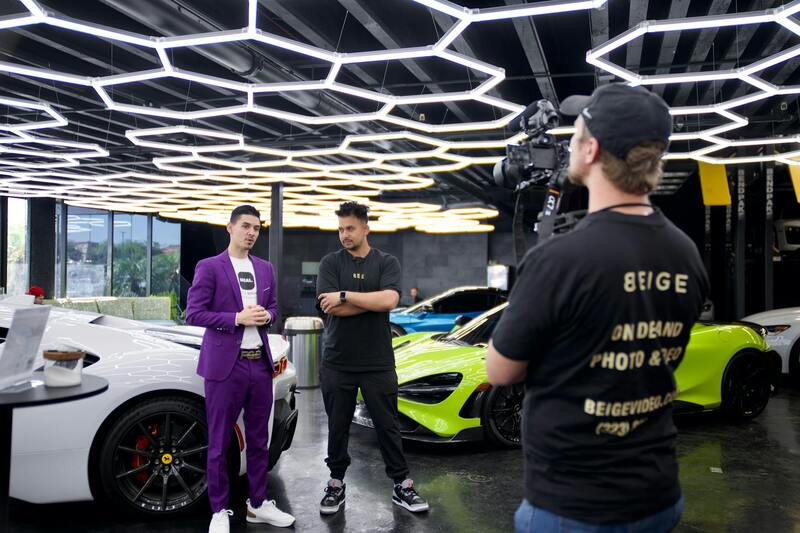
In summary, thorough planning of legal and permitting aspects forms the backbone of a successful timelapse production in Miami. By engaging with authorities, securing the necessary documents, and respecting community guidelines, filmmakers can focus on capturing the city’s vibrant energy and natural beauty, confident that their project aligns with local policies and standards.
Post-Production and Editing Techniques
After capturing the raw timelapse footage, the editing phase becomes pivotal in transforming the sequences into compelling visual stories. This process involves meticulous attention to detail, technical precision, and an understanding of visual storytelling principles. Effective editing not only enhances the aesthetic quality of the timelapse but also ensures that the final product aligns with the intended artistic and narrative goals.
Organizing and Culling Footage
Beginning with organized file management is essential. Review all footage to identify the best segments that showcase smooth motion, proper exposure, and sharp focus. Culling unnecessary or shaky clips prevents clutter in your project, streamlining workflow and ensuring the final product maintains high visual standards.
Stabilization and Frame Adjustment
Even with the most stable equipment, slight camera movements can occur, especially during prolonged shoots. Applying stabilization techniques in editing software minimizes unwanted jitters, providing a sleek viewing experience. Additionally, adjusting frame rates—such as converting a sequence shot at 24fps to a different frame rate—can influence the perceived motion and pacing of the timelapse.
Color Correction and Grading
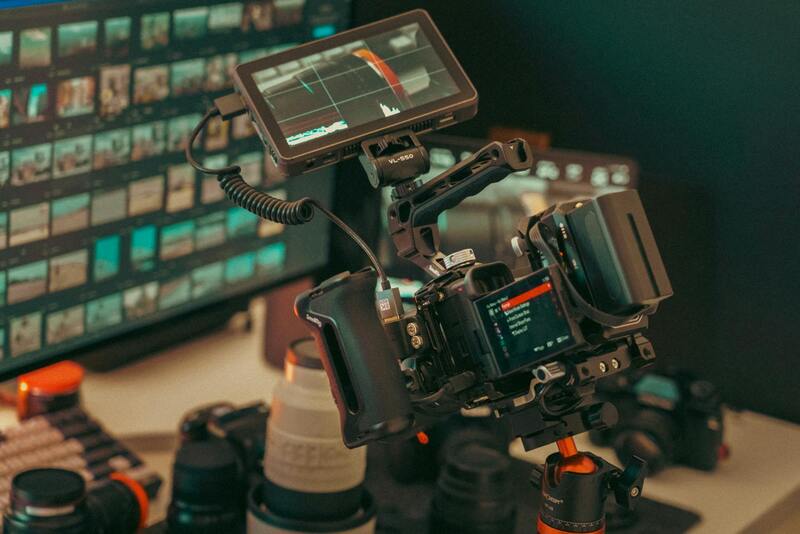
Color correction involves balancing exposure, contrast, and white levels to achieve consistent visuals across all frames. Following this, color grading enhances the mood and aesthetic of the sequence, whether aiming for vibrant cityscapes or muted natural vistas. Fine-tuning color palettes can evoke specific emotions and highlight key visuals within the timelapse.
Speed and Timing Adjustments
Adjusting the speed of certain segments can emphasize specific actions or transitions. Techniques such as selective speeding or slowing down parts of the footage add dynamism and visual interest. Seamless transitions between different scenes or time periods are achieved through careful blending and timing adjustments.
Adding Effects and Titles
Subtle visual effects—such as lens flares, light leaks, or overlays—can enrich the narrative, but should be used judiciously to maintain authenticity. Incorporating titles or informational overlays helps contextualize the footage for viewers, especially when showcasing locations, events, or project milestones.
Rendering and Exporting
Finalizing a timelapse project requires optimizing the export settings for the intended platform and audience. Selecting appropriate resolution, compression formats, and frame rates ensures the highest quality playback across different devices and channels. Properly naming and organizing exported files facilitates easy sharing and distribution.
Quality Control
Before final delivery, review the exported sequence on various screens to verify color fidelity, synchronization, and overall visual coherence. Addressing any inconsistencies at this stage guarantees a polished and professional end product that effectively captures the vibrancy and energy of Miami’s urban and natural landscapes.
Legal and Permitting Procedures for Timelapse Production in Miami
Producing high-quality timelapse footage in Miami demands adherence to established processes that ensure smooth operation and compliance with local regulations. Securing appropriate permissions involves understanding the permit application process, knowing which authorities to engage with, and preparing comprehensive documentation to support your project. This helps prevent disruptions during filming and ensures that your production aligns with city guidelines. The city’s permitting office typically requires applicants to submit detailed plans outlining the scope of the shoot, equipment to be used, locations involved, and the expected duration. It's advisable to include a detailed timeline and description of any potential impact on public spaces or traffic. Providing a detailed site plan, safety measures, and proof of insurance coverage can facilitate approval and demonstrate your commitment to responsible filming. Engaging with local authorities early in the planning process is essential. Miami's film permits often encompass various departments, including city planning, transportation, and public safety divisions. Coordinating with these agencies can help clarify specific requirements, such as restrictions on drone usage, equipment setup, or street closures. Additionally, understanding interim protocols for permit applications can expedite approval. This may involve scheduling pre-application meetings, submitting digital forms through designated portals, or attending briefings to address any concerns authorities might have. Being transparent about your project's scope and schedule fosters positive relations and smoothens the approval process. Safety and access considerations are also pivotal in obtaining permits. For instance, if shooting involves public corridors or tourist-heavy areas, detailed risk assessments and crowd control plans may be necessary. Ensuring that equipment setups do not obstruct pedestrian or vehicular movement will reinforce your commitment to safety and adherence to city standards. In the context of Miami, special attention should be given to shooting near waterfronts, parks, or iconic landmarks, where specific rules might apply. These locations not only attract visitors but also have unique zoning requirements, environmental considerations, and restrictions on drone flights or large equipment. Ultimately, maintaining professional communication with city officials and providing meticulously prepared documentation will streamline the process, enabling timely execution of your timelapse project without unnecessary delays. This strategic approach ensures legal harmony and fosters a respectful working relationship with local government authorities, allowing your creative vision to unfold seamlessly across Miami’s dynamic urban landscape.
Advanced Techniques and Best Practices for Timelapse Production
Executing a successful timelapse requires meticulous attention to detail throughout each stage of production, especially during post-processing and distribution. These phases are crucial for transforming raw footage into compelling visual stories that resonate with audiences. To achieve professional results, understanding advanced editing techniques and adhering to best practices in presentation and sharing are essential.
Post-Production Mastery
Post-production is where raw timelapse footage is refined to create a seamless, captivating visual narrative. Color grading plays a pivotal role in enhancing mood, emphasizing contrasts, and ensuring consistency across sequences. Utilizing color correction tools allows editors to balance exposure discrepancies caused by changing light conditions, particularly in outdoor Miami shoots where lighting can vary significantly throughout the day.
Additionally, stabilizing jittery footage ensures smooth playback, especially when camera movements or external factors like wind impact shot stability. Advanced software options enable precise stabilization, thereby enhancing visual quality without compromising the artistic intent. Frame blending and interpolation techniques can also be employed to increase frame rates, resulting in more fluid motion—critical for sequences depicting fast-paced or dynamic scenes.
Distribution and Presentation Strategies
Once the footage is polished, the focus shifts to its presentation. Creating high-resolution versions optimized for various platforms ensures maximum clarity and impact. For online sharing, compressing files without sacrificing quality maintains quick load times while preserving visual fidelity. Incorporating engaging titles, descriptions, and metadata enhances discoverability across digital channels.
Social media platforms favor tailored formats—vertical videos for stories, widescreen for traditional feeds—and strategic scheduling can boost engagement. Embedding timelapse videos on websites requires responsive design and compatibility testing to ensure accessibility across devices. For clients or public exhibitions, professional formatting, alongside branding elements like watermarks or intro sequences, establish a consistent visual identity.
Engaging Your Audience
To foster a strong connection with your viewers, consider accompanying videos with insightful narratives or contextual information. Behind-the-scenes content or time-lapse series that showcase different locations or themes can generate ongoing interest. Interactive presentations, like virtual tours or live streams, provide real-time engagement opportunities that build community and enhance visibility.
Moreover, maintaining an active online presence by regularly sharing new work, responding to feedback, and participating in relevant forums solidifies your reputation as a professional timelapse producer. Networked collaboration with local artists and creative communities in Miami can open new avenues for exposure and project opportunities.