
Understanding Timelapse Video Production in Miami
Timelapse videos serve as a powerful visual tool that condenses hours, days, or even months of footage into a few compelling minutes. This technique involves capturing a series of individual frames at set intervals over an extended period, then playing them back at a standard frame rate. The result is a dynamic, accelerated portrayal of scenes, events, or environments that would otherwise seem static or sluggish when viewed in real-time.
Within Miami's vibrant urban landscape and picturesque coastal scenery, timelapse videos have gained notable popularity for their ability to showcase the city's pulsating energy, iconic landmarks, and stunning sunsets in a visually captivating manner. These videos are often employed in promotional content, real estate marketing, event documentation, and tourism promotion, offering viewers an immersive experience of Miami’s unique ambience.
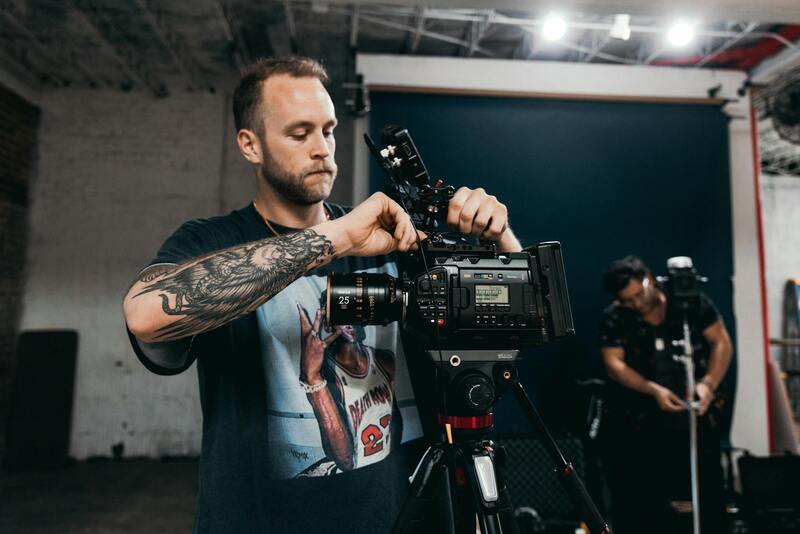
Creating high-quality timelapse content requires an understanding of both artistic intent and technical execution. When effectively utilized, timelapse videos encapsulate the essence of Miami's dynamic environment, making them an invaluable asset for businesses, event organizers, and content creators who aim to highlight the city's vitality and natural beauty. The strategic use of this technique enhances storytelling, provides a fresh perspective, and can significantly elevate the visual appeal of any project rooted in Miami's diverse settings.
For professionals engaged in Miami's video production scene, mastery of timelapse techniques—such as selecting appropriate camera settings, stabilizing footage, and timing shots—ensures the creation of impactful content. As Miami continues to develop its skyline and cultural offerings, the relevance of well-executed timelapse videos is projected to grow, offering endless opportunities for innovative storytelling and branding.
Key Techniques and Equipment for Timelapse in Miami
Creating compelling timelapse videos that showcase Miami’s vibrant atmosphere and stunning visuals necessitates a thorough understanding of essential tools and filming methodologies. High-quality footage begins with selecting appropriate camera equipment, such as digital single-lens reflex (DSLR) cameras or mirrorless systems, equipped with capabilities for interval shooting. These cameras allow for precise control over settings like exposure, focus, and frame rate, critical for capturing smooth transitions over extended periods.
In addition to the camera, a reliable tripod or a motorized slider is fundamental for maintaining stability throughout long shooting sessions. Miami's dynamic environment requires equipment that can withstand wind and less-than-ideal weather conditions, ensuring the camera remains steady during capturing intervals. For scenes featuring moving elements, such as bustling city streets or ocean waves, stabilization tools like gimbal stabilizers or electronic image stabilization (EIS) functions help eliminate unwanted jitter, resulting in professional-grade footage.
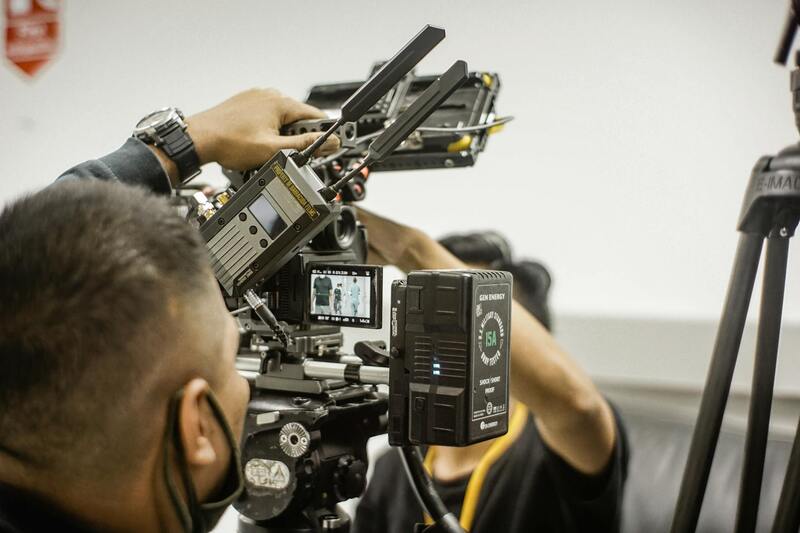
Lighting considerations in Miami are unique due to the city’s bright sunshine and frequent clear skies. To manage high contrast scenes, videographers often employ neutral density (ND) filters, which reduce incoming light, allowing for longer exposure times without overexposing the footage. This is especially useful during sunset or sunrise shots, where capturing the gradual transition of daylight can dramatically enhance the artistic quality of the timelapse.
Camera settings should be tailored to the scene's lighting and subject movement. For static scenes, smaller apertures (high f-stop numbers) increase depth of field, keeping all elements in focus. When filming cityscapes or busy streets, adjusting the ISO to a low setting reduces noise, while an appropriate shutter speed—generally double the frame rate—ensures natural motion blur.
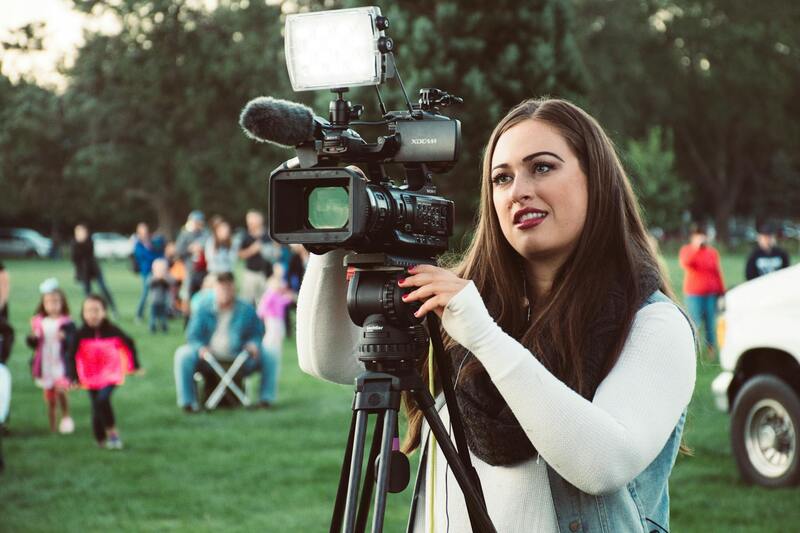
Pre-visualization planning, including scouting locations and determining the best times of day for shooting, helps maximize the visual impact. Considering Miami's unique light conditions and scene activity, planning ahead allows for capturing the city’s energy at its most picturesque moments. Employing intervalometers or camera remotes minimizes vibrations caused by manual operation, ensuring consistent image capture over extensive periods.
Advanced Techniques for Creating Stunning Miami Timelapse Videos
Crafting captivating timelapse videos in Miami requires a combination of precision and creativity. Beyond basic equipment setup, leveraging advanced techniques can dramatically elevate the quality and visual impact of your footage. For instance, implementing dynamic camera movements—such as slider pushes and crane shots—adds a cinematic touch that brings an added layer of depth to urban landscapes and seascapes alike. These movements, when synchronized with the timelapse sequence, can communicate a sense of motion and transition that resonates with viewers.
Another critical aspect is controlling exposure throughout the shoot. Given Miami’s vibrant scenes that range from bright midday sun to fiery sunsets and illuminated cityscapes at night, utilizing graduated neutral density filters enables smooth transitions between different lighting conditions. This ensures consistent exposure levels, preventing overexposed highlights or lost details in shadows. Employing interval timing adjustments, such as shorter intervals during scenes with rapid movement and longer intervals in more static scenes, optimizes the perceived speed and smoothness of the final video.
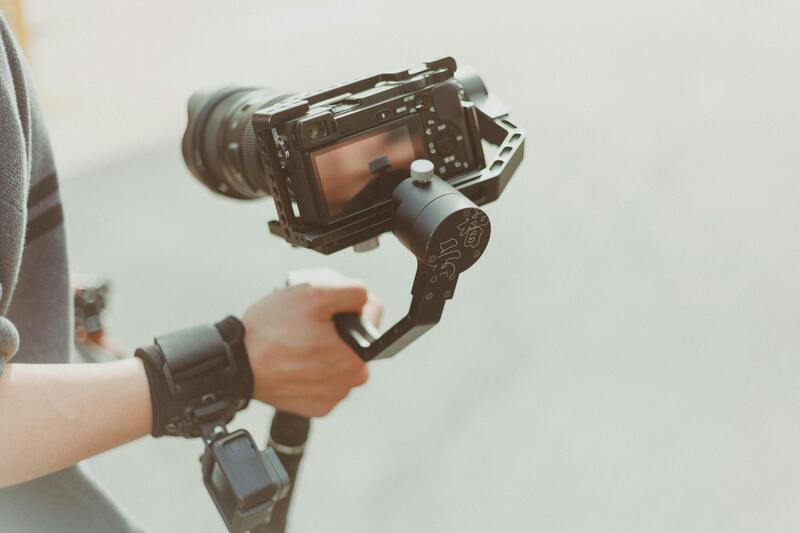
When planning intricate shots that include moving subjects or dynamic backgrounds, incorporating remote camera control systems offers significant advantages. These systems facilitate precise adjustments in camera position, focus, and exposure settings throughout extended shooting sessions, reducing the need for manual intervention and minimizing vibrations. Furthermore, multi-camera setups can be synchronized to capture different angles simultaneously, enriching the storytelling potential of Miami’s diverse scenery.
Enhancing the Creative Aspect: Color Grading and Effects
Post-production plays a crucial role in transforming raw timelapse footage into visually compelling narratives. Color grading techniques can enhance the vibrant hues characteristic of Miami’s skyline, beaches, and street art. Applying subtle contrast adjustments, vibrancy boosts, and sharpening sharpen details accentuate the city’s energetic essence. Additionally, incorporating visual effects such as gradual fades, transitions, and overlays can help craft a seamless flow between scenes, amplifying the emotional resonance of the video.
Software tools like Adobe Premiere Pro, DaVinci Resolve, or Final Cut Pro X offer robust features for these enhancements. When editing, paying close attention to maintaining visual consistency throughout the sequence ensures a professional, polished look. Moreover, adding ambient sounds or music synchronized with scene changes enhances the immersive experience, making your Miami timelapse video more engaging for viewers.
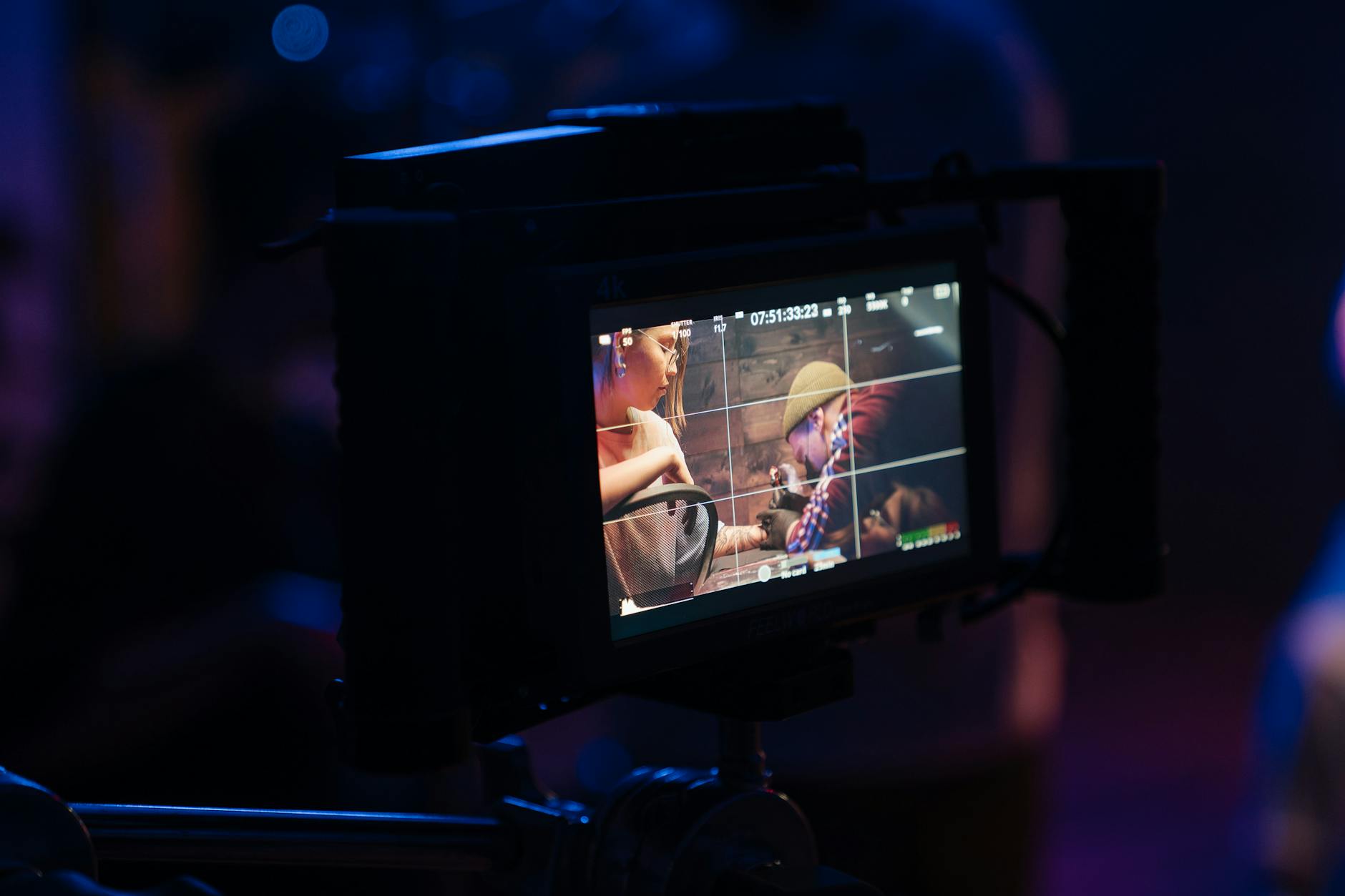
A final consideration involves output formats and resolutions. Delivering your timelapse in high-definition, such as 4K, preserves detail and ensures compatibility across various platforms. Proper compression settings prevent quality loss while maintaining optimal file sizes, crucial for sharing content across social media, websites, or broadcast channels.
Legal and Logistical Considerations in Miami
Crafting compelling timelapse videos in Miami requires a thorough understanding of the necessary permits and permissions to ensure smooth production. It is essential to identify locations that are publicly accessible or areas where filming is permitted with prior consent. Many iconic spots, such as Miami Beach or Downtown Miami, are open for photography and videography, but capturing certain private properties, hotels, or restricted areas calls for explicit authorization from property owners or management.
Securing permits involves engaging with local authorities or permitting agencies responsible for filming activities within the city. These entities often require detailed project proposals, including details about equipment, shooting schedules, and the intended use of the footage. Applying for permits well in advance helps avoid delays or potential disruptions during the filming process.
For shoots involving drone videography, additional regulations come into play, especially in urban areas like Miami. Drone operators must adhere to Federal Aviation Administration (FAA) guidelines, which include restrictions on flying near airports, over crowds, or above private property without explicit permission. Registering drones and obtaining any necessary waivers or authorizations is vital to comply with these standards.
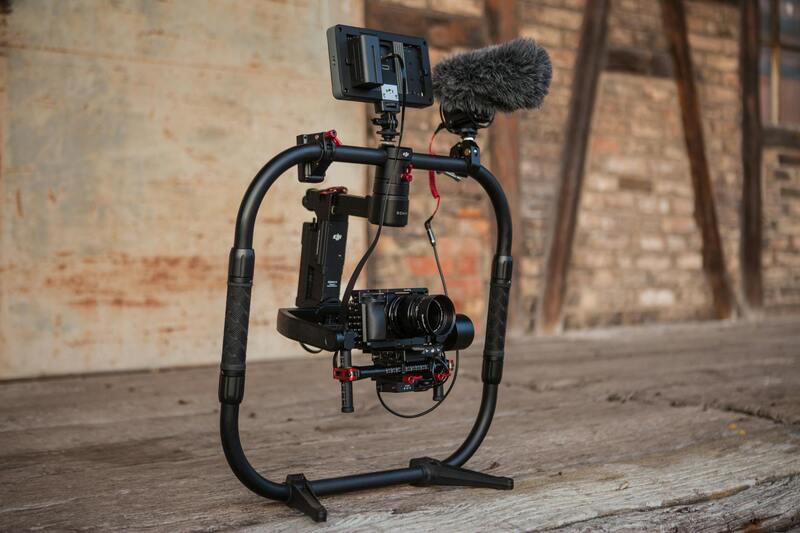
Logistically, it’s crucial to plan transportation and access to various shooting locations within Miami. This includes considering parking, safety regulations, and potential impact on local traffic. Coordinating with local authorities or event organizers when shooting in busy or sensitive areas can facilitate smooth operations. Additionally, scheduling shoots during off-peak hours minimizes disruptions and enhances the quality of the footage by reducing crowds and vehicle movements.
Preparation also involves ensuring compliance with local noise ordinances if using sound equipment or generators during extended shoots. Having backup plans for weather-related challenges, such as sudden rain or storms, is also prudent given Miami’s coastal climate.
Post-processing and Editing of Timelapse Videos
Once the raw footage of Miami has been captured, the post-production phase begins. This stage is critical for transforming sequences into visually compelling narratives that highlight the city’s vibrant atmosphere and stunning scenery. Advanced editing techniques can significantly enhance the final product, ensuring it resonates with viewers and effectively communicates the intended message.
One of the primary aspects of editing timelapse videos is stabilization. Even with the most stable equipment, minor jitters or shakes can occur, especially when using moving shots or drone footage. Applying digital stabilization helps create smooth, fluid sequences that maintain viewer engagement. Once stabilization is achieved, color grading becomes essential. Miami’s iconic pastel buildings, azure waters, and sunset hues can be accentuated through precise color correction, adding depth, vibrancy, and mood to the footage. Proper grading ensures consistency across clips and enhances the overall visual aesthetic.
Pacing is another crucial element in timelapse editing. Adjusting the speed of footage segments can emphasize specific moments, such as a bustling cityscape during daylight or the tranquil glow of nightlights. Smooth transitions between scenes, achieved through cuts or fade-ins, help tell a cohesive story and maintain viewer interest. Incorporating dynamic elements, like motion graphics or overlays, can also emphasize key landmarks or events within Miami, making the video more engaging and informative.
Sound design complements visual editing by adding ambient audio, music, or narration where appropriate. While timelapse videos often focus on imagery, integrating background music enhances emotional impact. Selecting tracks that align with Miami’s energetic vibe or serene ambiance can elevate the viewer experience. Careful synchronization between audio and visual elements ensures a polished, professional appearance.
Special attention should be paid to maintaining high resolution and optimizing the video's aspect ratio for various platforms. Whether the content is intended for social media, websites, or broadcast, ensuring compatibility across devices and formats guarantees maximum reach and effectiveness. Export settings should be adjusted to preserve image quality while considering file size constraints for efficient distribution.
Using dedicated editing software—such as Adobe Premiere Pro, Final Cut Pro, or DaVinci Resolve—provides comprehensive tools to execute these enhancements. Each program offers unique features for stabilization, color correction, and visual effects, allowing creators to customize their workflow according to project requirements. An efficient editing process not only refines the footage but also ensures that the energetic essence of Miami is captured and presented compellingly.
Legal and Logistical Considerations in Miami
Producing timelapse videos in Miami involves navigating a variety of operational protocols that ensure smooth execution and adherence to regional guidelines. While capturing the city’s vibrant urban life and iconic scenery, creators must secure appropriate permissions for access to private properties and restricted locations. Establishing clear agreements with property owners or management ensures compliance and prevents interruptions during shooting sessions.
Additionally, some locations in Miami, especially those with high tourist activity or sensitive environmental areas, may have specific operational procedures. Coordinating with local authorities, such as city departments or park services, helps streamline the process and secures necessary permits for filming, particularly if the project involves drone footage or extensive equipment setups.
Transport and equipment logistics also play a critical role. Miami’s diverse terrain—from busy downtown streets to scenic waterfronts—necessitates strategic planning regarding equipment transportation and setup. Utilizing vehicles with sufficient storage capacity and ensuring safety measures are in place mitigates potential hazards and ensures timely shifts between locations.
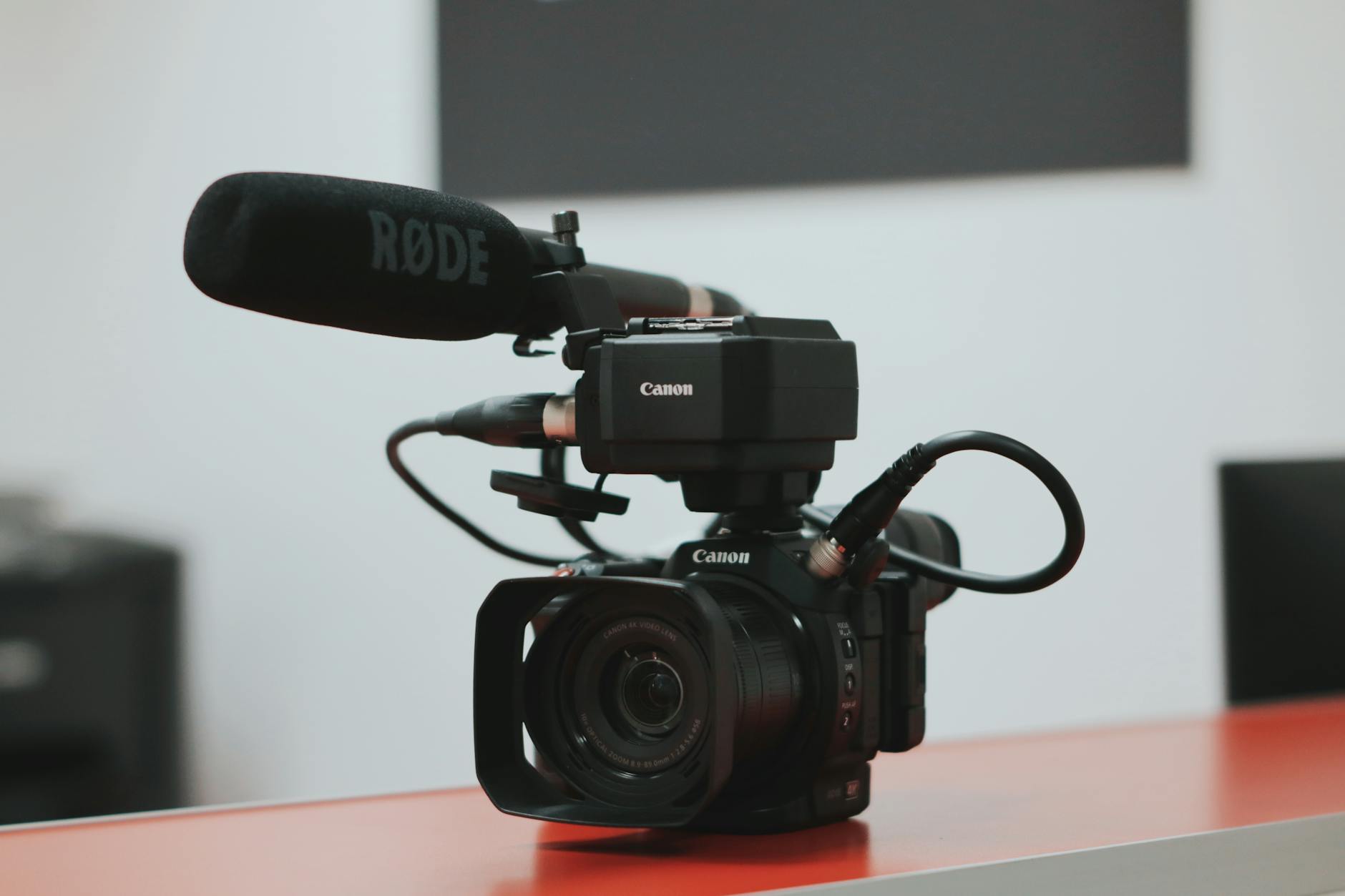
Safety considerations extend to managing public interactions, especially when filming in crowded areas or near traffic. Employing signalers or safety officers, especially when using drones, helps maintain control over filming environments and adheres to operational guidelines.
Furthermore, understanding Miami’s operational timelines, such as local restrictions on filming hours in certain districts or parks, ensures that production activities do not interfere with city regulations or local events. Proactive communication with relevant authorities prevents delays and contributes to a professional reputation.
For drone operation, adherence to specific airspace regulations, such as avoiding flight over crowded events or restricted zones, is essential. Scheduling flights during optimal weather windows, particularly in Miami’s sometimes humid and storm-prone climate, also enhances safety and footage quality.
In sum, thorough planning, obtaining necessary permissions, and understanding logistical intricacies form the backbone of successful timelapse video projects in Miami. These measures guarantee not only legal compliance but also operational efficiency, enabling creators to capture Miami’s dynamic visuals seamlessly and professionally.
Legal and Logistical Considerations in Miami
Producing high-quality timelapse videos in Miami requires a thorough understanding of the various permits, permissions, and logistical arrangements necessary to operate effectively across diverse locations. Securing the appropriate permits ensures smooth access to iconic sites, busy streets, and private properties, reducing the risk of interruptions during filming. This includes coordinating with local authorities, property owners, and public agencies to obtain authorization for drone operations, especially in high-traffic areas and near sensitive infrastructure.
In Miami, certain districts and parks enforce specific regulations regarding filming activities, including designated times for shooting and restrictions on equipment use. Collaborating with city officials and scheduling shoots during permissible hours can prevent potential conflicts with local events or civic planning initiatives. Moreover, maintaining open communication channels with law enforcement and public safety personnel can facilitate smooth filming operations, especially when setting up equipment in public spaces.
For drone-based shoots, adherence to Miami’s airspace management policies is crucial. These include complying with altitude restrictions, avoiding flight over crowded events, and respecting no-fly zones established around sensitive sites. Arranging pre-approvals for drone flights, especially in areas with heavy air traffic, minimizes operational risks and helps maintain the safety of all involved.
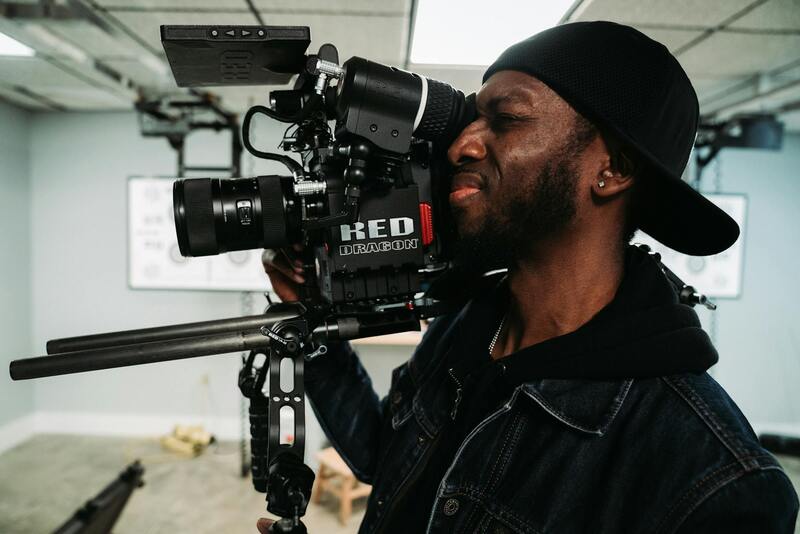
Logistical planning extends beyond permits; it involves meticulous scheduling of equipment, crew, and resources to optimize efficiency. This includes preparing backup plans for adverse weather conditions—an important consideration given Miami’s humid climate and storm activity during certain seasons. Having contingency plans for equipment, such as additional batteries and memory cards, ensures uninterrupted shooting sessions across multiple locations.
Transporting gear through Miami’s busy streets requires strategic route planning to avoid delays and minimize public disturbance. Employing local guides or production coordinators familiar with the city’s layout can facilitate access to remote or hard-to-reach sites, allowing for more creative versatility in capturing Miami’s sights.
Implementing proper safety measures during equipment setup is paramount. Using barriers or signage to alert pedestrians and motorists about filming activities prevents accidents and maintains a professional image. Ensuring that all crew members are trained on safety protocols, especially when operating drones or heavy camera equipment, contributes to a secure filming environment.
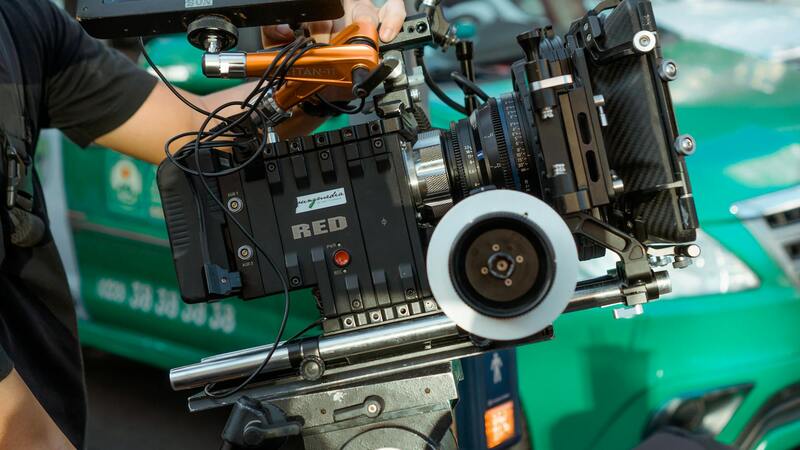
Overall, navigating the legal and logistical landscape in Miami demands careful coordination, adherence to guidelines, and proactive communication. These measures are indispensable for capturing Miami’s vibrant essence through timelapse video, ultimately resulting in professional, compelling visuals that showcase the city’s dynamic character and scenic beauty.
Legal and Logistical Considerations in Miami
Producing timelapse videos in Miami involves navigating a complex landscape of regulations, permissions, and logistical planning to ensure a smooth and professional filming process. Due to the city’s popularity as a filming destination, securing proper permits and adherence to local guidelines is essential for capturing iconic sights without disruptions or unintended issues.
One critical aspect is obtaining the necessary authorizations from city authorities or property owners before filming in specific locations. This often includes applying for permits that specify the scope of the shoot, the dates and times, and the equipment to be used. Advanced planning and clear communication with relevant agencies can help streamline this process, reducing delays and ensuring compliance with Miami’s administrative requirements.
Logistical arrangements must also consider Miami's unique environment, marking the importance of creating a detailed shooting schedule that accommodates local activity, weather patterns, and traffic conditions. Heavy tourism, especially during peak seasons, can complicate access to certain locations, necessitating early planning and coordination with local authorities or facility management.
Transportation logistics include planning routes for equipment and crew, selecting appropriate times to avoid peak traffic, and identifying secure parking or staging areas. Carrying out a thorough site reconnaissance beforehand enables crew to anticipate potential obstacles and adapt quickly during the shoot.
Equipment safety is another vital component. Given Miami’s humid climate and occasional storm activity, protective measures such as weatherproofing gear and having contingency plans are crucial. This reduces the risk of damage and ensures continuous operation, especially during extended timelapse sequences.
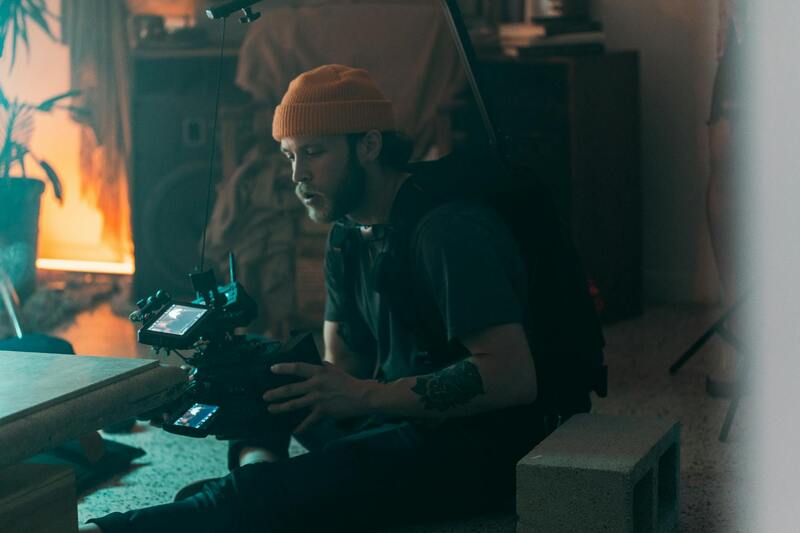
Security considerations, including crowd control and ensuring the safety of crew members operating drones or heavy equipment, require adherence to safety protocols. Securing the appropriate permissions for drone operations, in particular, involves understanding Miami’s airspace regulations and establishing clear communication channels with local authorities to prevent interference with other air traffic.
Furthermore, respecting private property rights and public space regulations helps avoid conflicts or legal issues. This might involve coordinating with property owners for access and permission, especially when filming in high-traffic or culturally significant locations.
Maintaining comprehensive documentation of permits, insurance, and compliance records is advisable to facilitate reviews or future projects. This organized approach not only guarantees the legality of the project but also enhances the professional image of the production team.
In summary, successfully managing the legal and logistical aspects of Miami timelapse filming requires thorough preparation, effective communication, and strict adherence to established guidelines. These efforts contribute significantly to producing high-quality, captivating footage that accurately captures the city’s vibrant spirit and scenic diversity without complications or setbacks.