
Overview of Live Event Streaming Services
Live event streaming services have become an essential component for modern event organizations, offering a robust platform to broadcast cultural, corporate, sports, and entertainment events in real-time. These services enable organizers to extend their audience beyond physical venue limitations, reaching viewers across Miami and globally with high-quality video and audio feeds. The significance of live streaming lies in its capacity to enhance audience engagement, increase event visibility, and provide accessible content to remote viewers who cannot attend in person.

For event organizers and production agencies in Miami, choosing the right live streaming provider is critical. These services must ensure reliable transmission, high-definition quality, and minimal latency to mimic an in-person experience. They also offer scalable solutions capable of handling varying audience sizes, from intimate gatherings to large-scale conventions, making them invaluable tools in the contemporary events ecosystem.
In recent years, advances in internet infrastructure and broadcasting technology have made live streaming more accessible and affordable. This evolution allows Miami-based organizers to leverage these services for a wide array of events, from local festivals to international conferences, thereby increasing reach and engagement levels. The importance of integrating high-quality streaming into event planning cannot be overstated, as it directly impacts attendee satisfaction, sponsor ROI, and overall event success.
Key Features of Live Event Streaming Platforms
- High-Definition Video and Audio Quality
- Low Latency Transmission
- Multi-Platform Compatibility (Web, Mobile, Social Media)
- Interactive Features (Chat, Polls, Q&A)
- Scalable Bandwidth Management
- On-Demand Content Capabilities
- Secure Streaming Options
Factors to Consider When Choosing a Streaming Service in Miami
Event organizers must evaluate several key aspects when selecting a live streaming provider to ensure a smooth, professional broadcast. These include infrastructure robustness, technical support, customization options, and experience in handling similar events in Miami. Local providers often have a nuanced understanding of regional network conditions and viewer preferences, enhancing the overall quality of the stream.
Integration with Event Production Equipment
Effective live streaming relies heavily on compatibility with existing production equipment, such as cameras, microphones, switching consoles, and encoders. Ensuring seamless integration reduces technical complexities and improves broadcast efficiency. For Miami events, having access to locally-based technical expertise can streamline setup and troubleshooting processes.
Remote Collaboration and Event Management
Modern streaming platforms facilitate remote coordination among production teams, content creators, and on-site personnel. Features like remote access dashboards, multiple user permissions, and real-time monitoring contribute to smoother event management. In Miami, where events often involve diverse teams, these capabilities are critical for maintaining broadcast quality and organizational cohesion.
Key Features of Live Event Streaming Platforms
Choosing a live event streaming service involves evaluating a comprehensive suite of features that ensure a seamless and engaging broadcast experience. High-definition (HD) video quality stands as a cornerstone, providing viewers with crystal-clear visuals that enhance their engagement and understanding of the event. Multi-camera support allows event organizers to deliver dynamic shots, switching between different angles to capture every moment from multiple perspectives, thus emulating the experience of attending in person.
Interactive components such as live chat, polling, and Q&A sessions foster direct engagement between spectators and organizers, transforming passive viewers into active participants. These features are essential for creating a lively, participatory atmosphere that boosts viewer retention and satisfaction.
Platform compatibility is equally vital, as the streaming service must function flawlessly across various devices and operating systems, including desktops, tablets, and smartphones. This flexibility ensures access for a diverse audience and reduces barriers to participation. Additionally, adaptive streaming capabilities enable the platform to automatically adjust video quality based on viewers' network conditions, minimizing buffering and enhancing user experience.
Factors to Consider When Choosing a Streaming Service in Miami
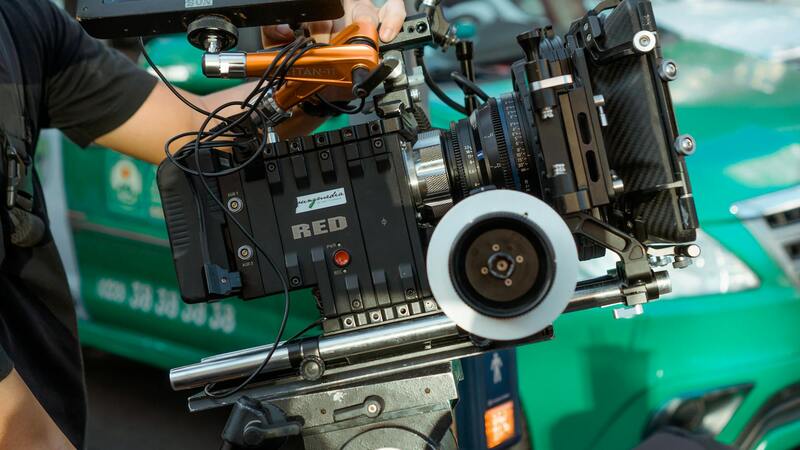
Event organizers looking to host a successful live stream in Miami must weigh several vital factors. Infrastructure robustness is paramount; the service must offer reliable bandwidth and server stability to handle high viewer volumes, particularly for large-scale or high-profile events. Technical support is another crucial aspect, as prompt assistance minimizes downtime and addresses potential issues swiftly.
Customization options enable tailored experiences, including branded player interfaces and personalized content feeds, which enhance brand consistency and audience engagement. Experience with local events in Miami is highly advantageous, as providers familiar with regional network conditions and viewer preferences can optimize streaming quality and turnout.
Ensuring the service integrates seamlessly with your existing production equipment—such as cameras, switchers, and encoders—is fundamental for a smooth workflow. Compatibility reduces technical delays and reduces the complexity of the setup.
Integration with Event Production Equipment
For a professional broadcasting experience, the streaming platform must work compatibly with your audio-visual hardware. This includes cameras, microphones, video switchers, and streaming encoders. A compatible system allows for effortless switching between multiple video sources, real-time graphics overlay, and precise audio management.
Local providers often offer specialized technical support to assist with integration, ensuring the setup is optimized for latency reduction and broadcast stability. This on-site expertise can be especially beneficial in Miami, where diverse event types—from concerts to corporate conferences—demand adaptable solutions.
Remote Collaboration and Event Management
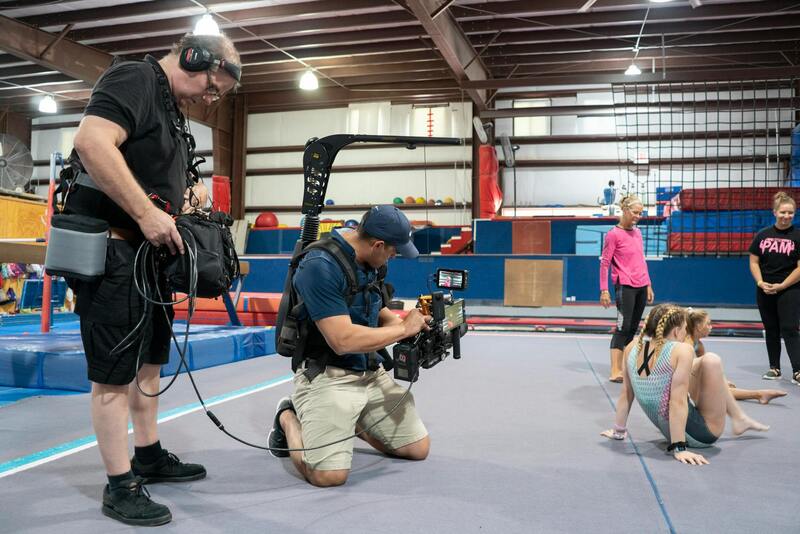
Advanced live streaming platforms provide tools for remote collaboration, allowing team members to coordinate effectively from diverse locations. Features such as remote access dashboards give organizers real-time oversight of the broadcast, enabling quick adjustments and problem resolution.
Multiple user permissions facilitate different roles within the event management team, improving organization and accountability. In Miami's fast-paced event environment, these capabilities are essential for managing large or multifaceted events with multiple stakeholders.
Such remote management options reduce the need for physical presence on-site, making event execution more flexible and scalable. This setup is especially beneficial amidst evolving logistical requirements or unforeseen circumstances.
Ultimately, the combination of a feature-rich platform and local technical expertise enables Miami event organizers to produce high-quality broadcasts with greater efficiency and professionalism.
Factors to Consider When Choosing a Streaming Service in Miami
Selecting an appropriate live event streaming service in Miami necessitates a thorough evaluation of several critical factors that can influence the overall quality and success of the broadcast. Given Miami’s vibrant event scene, characterized by diverse venues and a high demand for reliable streaming, choosing a provider that aligns with specific logistical and technical requirements is essential.
One of the primary considerations is local connectivity infrastructure. Miami’s extensive network of fiber-optic connections and high-speed internet options directly impacts stream stability and latency. A provider with robust local infrastructure ensures minimal buffering, seamless playback, and quick data transmission, especially during high-traffic events.
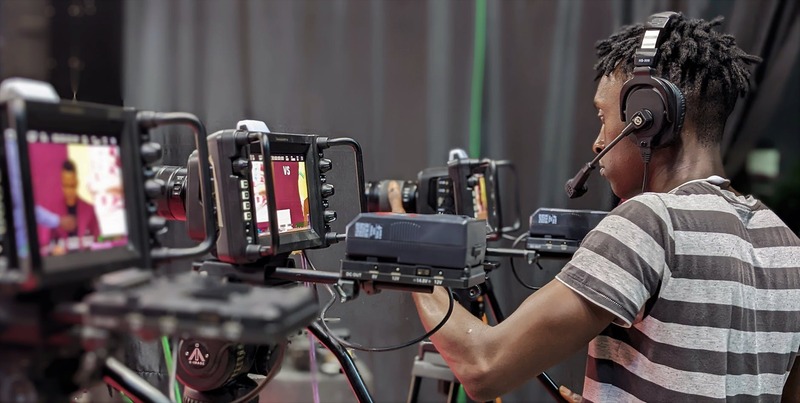
Another key factor is the scalability of the streaming platform. Events in Miami range from small workshops to large festivals with thousands of viewers. The chosen service should offer flexible capacity options that accommodate peak audiences without compromising performance. This scalability also includes the ability to handle simultaneous streams across multiple platforms, ensuring broad reach and accessibility.
- Security measures: Protecting live content from unauthorized access and ensuring data privacy are non-negotiable. Features such as encryption, secure login protocols, and digital rights management (DRM) help safeguard sensitive event footage.
- Customer support and technical expertise: During live broadcasts, quick resolution of technical issues is crucial. Providers with dedicated local support teams that understand Miami’s event environment can offer rapid troubleshooting and on-site assistance when needed.
- Compatibility with Production Equipment: The streaming platform must integrate seamlessly with existing cameras, audio systems, and graphics hardware to maintain broadcast quality and efficiency.
- Cost: Budget considerations are vital, yet they should be balanced with the value delivered through features, support, and capacity. Transparent pricing models help organizers plan expenses without surprises.
Ultimately, choosing a live event streaming service tailored to Miami’s specific event demands involves assessing connectivity, scalability, security, support, and cost structure. A service provider that demonstrates proficiency in handling the region’s unique logistical challenges can significantly enhance broadcast quality and audience engagement.
Integration with Event Production Equipment
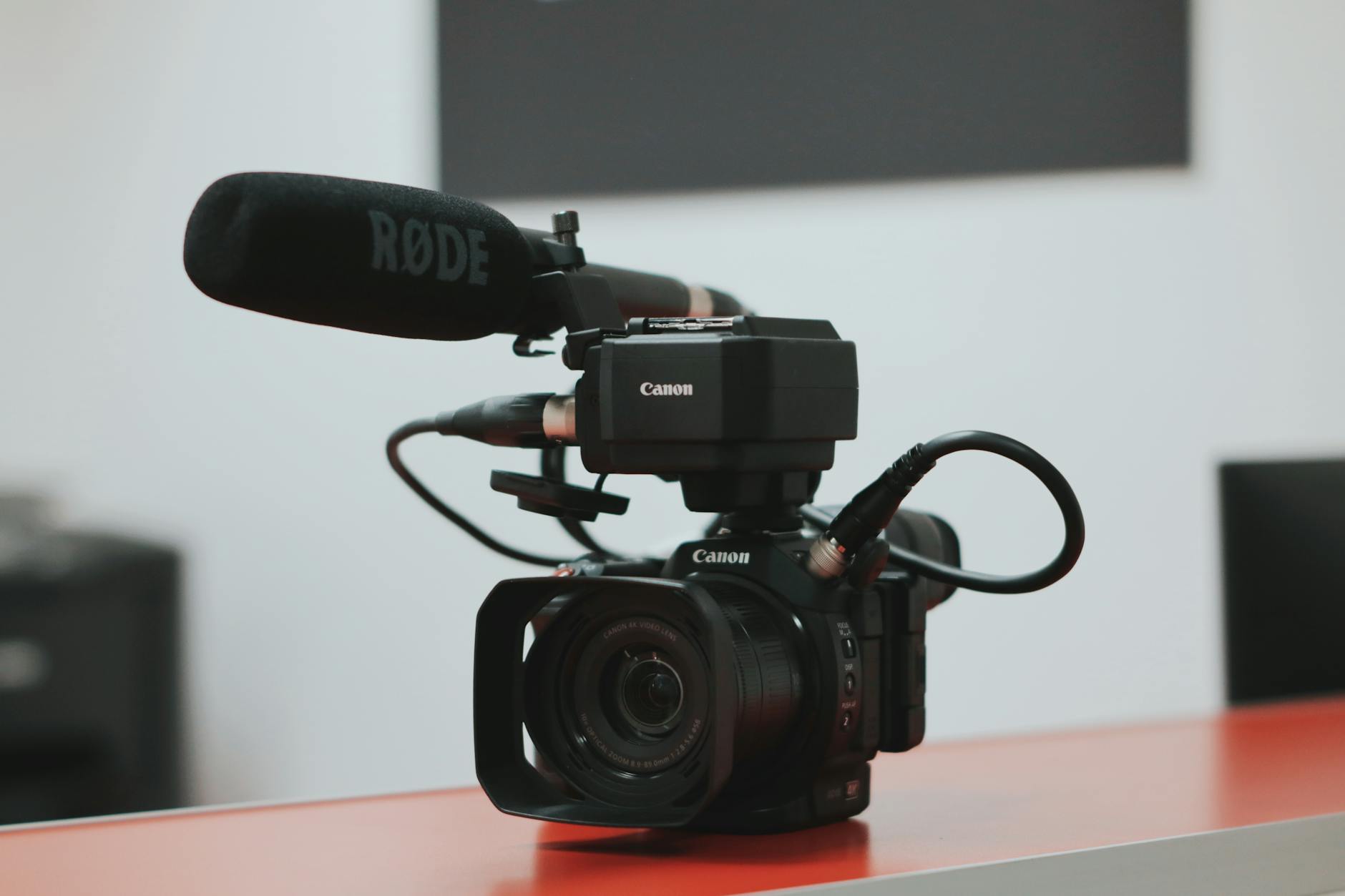
Efficient live event streaming hinges on seamless integration between the streaming platform and the event's production hardware. This includes a variety of equipment such as high-definition cameras, professional microphones, switchers, and graphics systems. Compatibility ensures that the audio-visual quality remains pristine, maintaining viewer engagement and professionalism.
Most advanced streaming services, like those offered by MiamiEventVideoPro, feature robust SDKs and APIs that facilitate integration with a wide range of hardware. This compatibility enables operators to control multiple camera angles, overlay graphics, and manage audio feeds directly through the platform, streamlining the production process.
Furthermore, reliable synchronization between hardware and software systems minimizes latency, which is vital during live broadcasts to prevent delays and desynchronization issues. When a streaming provider offers direct integrations with popular production equipment, event organizers can focus on creative content delivery rather than technical troubleshooting. This synergy reduces setup time, improves broadcast stability, and enhances overall quality.
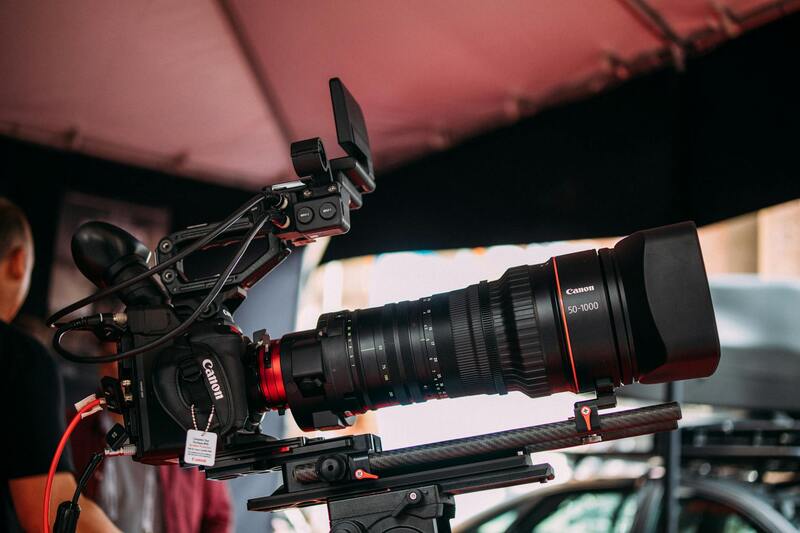
Overview of Live Event Streaming Services
Live event streaming services have become integral for organizations aiming to reach a broader audience without geographical limitations. These platforms enable real-time broadcasting of conferences, concerts, sports events, and community gatherings, providing seamless access to viewers on various devices. When selecting a service, it’s essential to evaluate the platform’s reliability, scalability, and compatibility with your event’s specific needs. A reputable streaming provider offers high-definition output, adaptive bitrate streaming to accommodate viewers’ internet speeds, and robust content delivery networks (CDNs) to prevent buffering issues. Additionally, these services often include features such as multiple camera input support, live chat, and viewer analytics to enhance engagement and measure success. Choosing a comprehensive live event streaming service ensures that your event maintains professional quality while maximizing reach across different regions and viewer segments.
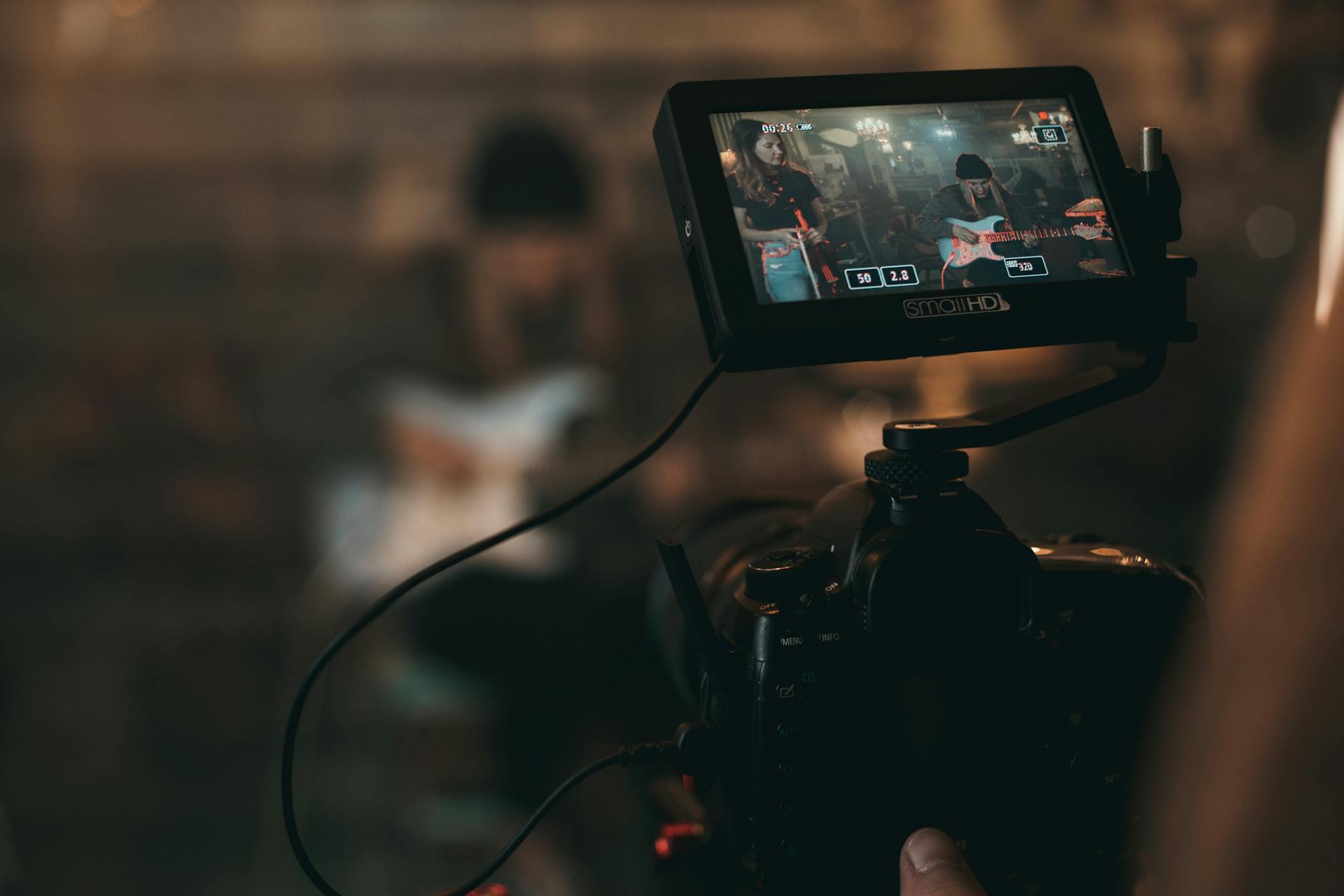
Key Features of Live Event Streaming Platforms
- High-Definition Broadcasts: Support for 4K and HD streaming to deliver crisp visuals for viewers
- Adaptive Bitrate Streaming: Adjusts video quality based on viewers’ internet speed to prevent interruptions
- Multiple Camera Support: Integration with various camera systems for dynamic shots and angles
- Interactive Features: Live chat, polls, and Q&A sessions to boost audience engagement
- Real-Time Analytics: Insights into viewer behavior, geographic data, and engagement metrics
- Content Protection: Encryption, geo-blocking, and secure access controls to safeguard content
- Scalability: Ability to handle large audiences without performance degradation
- Integrations: Compatibility with social media, ticketing platforms, and event management tools
Factors to Consider When Choosing a Streaming Service in Miami
Miami’s vibrant event scene demands a streaming service capable of delivering high-quality broadcasts with minimal latency. Key considerations include:
- Network Infrastructure: Ensure the service leverages extensive CDN networks in Miami for optimal coverage and reduced buffering
- Technical Support: 24/7 dedicated support teams familiar with local infrastructure issues can swiftly resolve any technical disruptions
- Customization Options: Platforms offering branded interfaces and tailored player options help maintain your event’s branding identity
- Compatibility with Local Hardware: Confirm the service can integrate with local broadcasting and production equipment for streamlined workflows
- Pricing and Packages: Transparent pricing structures with options for scalable solutions based on event size and duration
Integration with Event Production Equipment
Successful live event streaming relies heavily on seamless integration with production hardware. Platforms that support compatibility with professional camcorders, switchers, audio mixers, and graphics systems enable event organizers to deliver polished broadcasts. Such integrations allow for real-time control over multiple camera feeds, overlays, and sound sources, facilitating a dynamic presentation that captivates audiences. Hardware control through the streaming platform minimizes the need for complex switching matrices and dedicated hardware interfaces, streamlining operations and reducing setup times.
Reliable synchronization between devices ensures audio and video remain perfectly aligned, which is critical for maintaining broadcast quality. Advanced platforms also support automation features, such as preset scene switching and transitions, to enhance production fluidity. When choosing a provider, verify that their platform can connect with popular hardware brands and models, and that they offer comprehensive technical support to troubleshoot integration issues promptly. Efficient hardware integration not only improves the visual and audio quality but also simplifies workflow management, allowing production teams to focus on content rather than technical hurdles.
Remote Collaboration and Event Management
Modern live streaming solutions empower Miami-based event organizers with tools for efficient remote collaboration. These features include real-time monitoring dashboards, remote control of camera feeds, and live editing capabilities. Organizers can oversee multiple streams from anywhere with internet access, making it easier to coordinate with production teams, speakers, and technical staff in different locations. Collaborative features also facilitate immediate feedback and adjustments during the broadcast, enhancing overall event responsiveness and professionalism.
Additionally, integrated scheduling and event management tools streamline workflows, from pre-production planning to post-event analytics. With real-time monitoring, organizers can instantly identify issues like signal disruptions or audio imbalances, allowing swift corrective actions. Enhanced remote management capabilities reduce the need for on-site personnel, saving costs while maintaining a high standard of broadcast quality. This flexibility ensures Miami event organizers can handle complex, multi-session events with consistent professionalism, regardless of physical location constraints.
Integration with Event Production Equipment
Seamless integration of streaming services with existing event production hardware is crucial to delivering high-quality live broadcasts. Professional live event streaming platforms support a wide range of equipment including high-definition cameras, audio mixers, switchers, and professional lighting systems. Compatibility ensures that multiple camera feeds can be captured, switched, and streamed simultaneously without synchronization issues or signal loss.
When selecting a streaming service, it's essential to verify support for standard video interfaces such as SDI, HDMI, and IP-based streams, which are commonly used in event production. This compatibility allows direct connection of cameras and other equipment to streaming encoders or capture cards, simplifying setup and reducing latency.
Additionally, advanced live streaming platforms often provide APIs and SDKs that facilitate integration with customized control systems. This enables event organizers to automate camera switching, audio mixing, and overlays, resulting in a more polished broadcast experience.
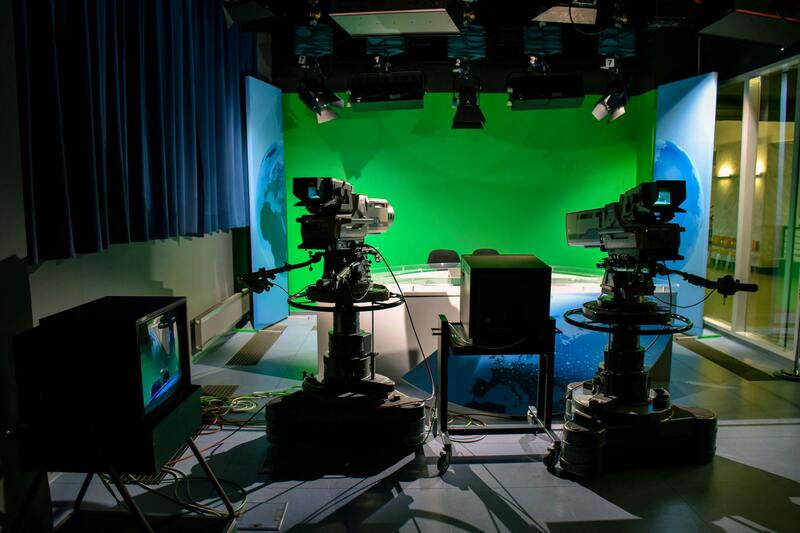
Integration with Event Production Equipment
Effective live streaming relies heavily on seamless integration with existing event production hardware. High-quality cameras, switchers, audio mixers, and graphics engines must work in harmony with the streaming platform to deliver a professional broadcast. This entails selecting services that support standard protocols and provide compatibility with industry-grade equipment.
Most robust live event streaming services offer support for professional video codecs such as SDI and HDMI outputs. These inputs are often connected directly to streaming encoders, allowing for high-definition transmission without compression artifacts. Compatibility with capture cards is essential, as it enables real-time data transfer from cameras to streaming software, minimizing latency and maintaining synchronization across video and audio feeds.
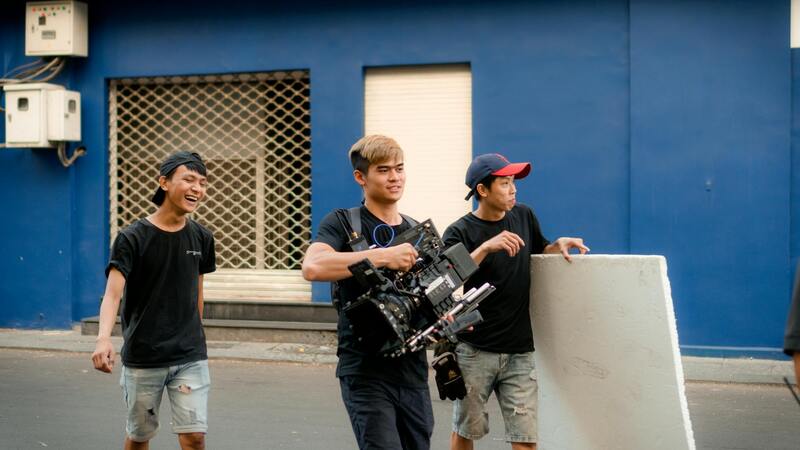
Furthermore, advanced platforms often provide APIs and SDKs that facilitate custom integrations, offering event organizers control over camera presets, scene switching, and overlay insertion. Automated workflows developed through these tools streamline the production process, reducing manual intervention and potential errors during live broadcasts.
Wireless transmission capabilities also form a critical component of flexible live event coverage, especially for outdoor or mobile events. Compatibility with wireless transmitters and mobile broadcasting units ensures rapid deployment without extensive cabling, allowing organizers to adapt quickly to changing event layouts or environments.
In essence, the ability of a live streaming service to seamlessly interface with professional production hardware guarantees higher broadcast quality, operational efficiency, and an engaging viewer experience. Proper integration simplifies the technical workflow, ensuring that the event’s visual and sound elements are presented at their best, engaging audiences both onsite and remotely.

Remote Collaboration and Event Management
Modern live event streaming solutions support extensive remote collaboration, a vital feature for managing large-scale or multi-location events in Miami. Cloud-based platforms facilitate real-time communication between production teams, enabling directors, technical staff, and content creators to coordinate seamlessly regardless of physical distance.
These platforms often include control interfaces accessible via web or mobile applications, allowing authorized personnel to monitor stream quality, adjust camera angles, add graphics, or troubleshoot issues remotely. This flexibility reduces the need for extensive onsite staffing and enables a leaner, more adaptable production environment.
- Real-time stream monitoring for immediate issue resolution
- Remote control over cameras and audio feeds
- Collaborative event scheduling and content management
- Instant access to analytics and viewer engagement metrics
Furthermore, remote collaboration features extend to pre-event planning, where teams can conduct rehearsals, test streaming configurations, and fine-tune workflows without being physically present at the venue. This streamlining of the event management process is particularly valuable in Miami’s dynamic event scene, where quick turnarounds and flexibility are often required.

Common Challenges and Solutions
While live streaming offers numerous benefits, it also presents technical and logistical challenges that need addressing. Common issues include latency, bandwidth limitations, equipment compatibility, and on-the-fly troubleshooting. Choosing a service with robust support tools and scalability options helps mitigate these problems effectively.
High latency can disrupt live interactions or synchronization between multiple feeds. To counter this, select platforms optimized for low latency streaming protocols such as SRT or CMAF. Ensuring adequate upload bandwidth and deploying content delivery networks (CDNs) enhances overall stream stability, especially for large audiences in Miami’s diverse geographical areas.
Equipment compatibility issues often arise when integrating legacy hardware or non-standard devices. Working with providers that support a broad range of formats and offer comprehensive technical support minimizes these obstacles.
To streamline troubleshooting, the most advanced services feature real-time analytics dashboards that monitor stream health, provide error alerts, and suggest remediation steps. Additionally, having a dedicated technical team familiar with the specific platform ensures rapid response to unforeseen issues during critical moments.
Comprehensive Approach to Live Event Streaming in Miami
Ensuring High-Quality Broadcasts through Reliable Streaming Infrastructure
Effective live event streaming in Miami depends heavily on the robustness of the underlying infrastructure. This includes the deployment of high-performance servers, efficient encoding hardware, and stable internet connections capable of supporting high bandwidth demands. Using dedicated fiber-optic lines or enterprise-grade internet services minimizes interruptions and ensures a consistent viewer experience. Additionally, advanced encoding tools translate raw video signals into live streams that are optimized for various devices and platforms, enabling seamless viewing across desktops, mobile phones, and smart TVs.
Multilingual Support and Accessibility Features
Miami’s diverse demographic necessitates that live streaming services incorporate multilingual support. This includes real-time closed captioning, multiple language audio tracks, and user-friendly interface options that enhance accessibility for all viewers. Implementing these features not only broadens the reach of events but also demonstrates a commitment to inclusivity, ensuring viewers from different backgrounds experience the content fully. Platforms offering customizable overlay options and adjustable subtitles enable event organizers to cater to a global and local audience effectively.
Security Protocols to Protect Content and Data
Security is a critical factor when delivering sensitive or proprietary content during live streams. Employing end-to-end encryption safeguards streams from unauthorized access and piracy. Additionally, utilizing secure token authentication, firewalls, and content delivery network (CDN) security measures prevents unwanted interruptions and potential data breaches. Collaboration with providers that prioritize security ensures the integrity of the broadcast and fosters trust among clients and viewers alike.
Monitoring and Post-Event Analytics for Continuous Improvement
Real-time monitoring tools are essential for maintaining stream quality during live broadcasts. These dashboards track key metrics such as latency, packet loss, and viewer engagement, facilitating immediate troubleshooting if issues arise. Following the event, comprehensive analytics reports provide insights into viewer demographics, engagement levels, and stream performance. Analyzing this data allows organizers to optimize future streams, enhance viewer experiences, and justify investments in technological upgrades. Advanced platforms also enable A/B testing of different stream configurations to discover the most effective delivery methods.
Conclusion: Elevating Miami’s Live Event Experience
By focusing on technical excellence, inclusive features, and robust security measures, live event streaming services in Miami can deliver impactful, engaging, and secure broadcasts. Continuous innovation and strategic planning ensure that each event not only meets but exceeds audience expectations, making live streaming an invaluable component of modern event production.